
 ЖИ көмекші


 Қауіпсіз төлем

жүктеу мүмкіндігіне ие боласыз
Бұл материал сайт қолданушысы жариялаған. Материалдың ішінде жазылған барлық ақпаратқа жауапкершілікті жариялаған қолданушы жауап береді. Ұстаз тілегі тек ақпаратты таратуға қолдау көрсетеді. Егер материал сіздің авторлық құқығыңызды бұзған болса немесе басқа да себептермен сайттан өшіру керек деп ойласаңыз осында жазыңыз
 08 Маусым 2026
 15
15
1 жыл бойы шексіз жүктеңіз
Places in town
Short term plan
Unit: 8 Our neighbourhood
|
lesson 79 |
||
School |
|
||
Teacher name |
|
||
Date: |
|
||
Grade: 6 |
Number present: |
absent: |
|
Lesson title |
Places in a town |
||
Learning objectives |
6. 2. 5. 1 understand with support most of the specific information and sections in a long conversation on general and academic topics; 6. 3. 4. 1 respond in sentences with some flexibility to unexpected comments on a variety of general and academic topics; |
||
Lesson objectives (assessment criteria) (Негіздеме: Мемлекет басшысы Қ.Тоқаевтың Ұлттық құрылтайдың ІІ,ІІІ, ІV отырыстарында берген тапсырмасы, ҚР Оқу-ағарту министрлігінің №123 бұйрығы) |
Learners will be able to: - Learn vocabulary for places in a town. - Learn there is … , there are … with a, an, some and any to talk about a town. - Write sentences about a town.
Instilling values of the program “Birtutas tarbiye” being Adal Azamat for Month March “Independence and patriotism” Quote of the week 4: “A nation without patriotism is like a body without a soul.”/ 4-апта дәйек сөз/ |
||
Stages/ Time |
Teachers actions |
Students actions |
Assessment |
Resources |
Beginning 5 min |
Greeting. Asking dates and weather Warm up: Teacher asks students: Do you live in a town or in the country? Ask: What can you find in a town? Try to elicit some words for places in a town, e.g. shops, cinema Teacher tells values of this month. The value of creativity and innovation. Personal safety, life safety: - Risk recognition: being able to distinguish between threats such as bullying, drugs, violence, and fraud; - Making conscious decisions: avoiding actions that are harmful to one's life and health; |
Learners read the given sentences on the board and guess the topic and share with their ideas.
|
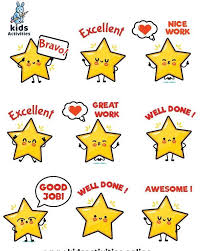
Teacher controles the process, gives feedback. The teacher to assess learners for their ability. “Good job! Well done!” Formative Assessment
|
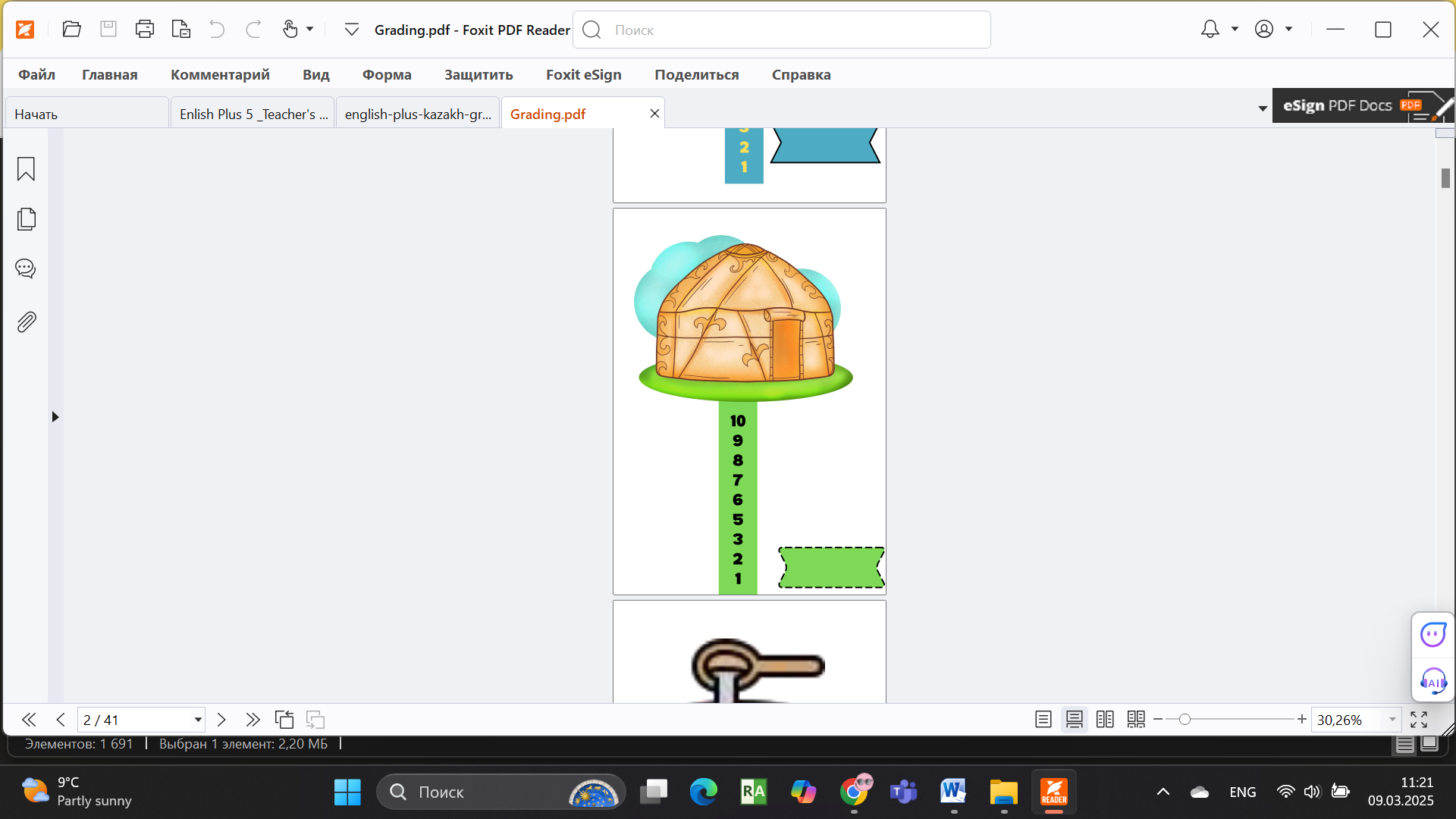
Assessment sheet Kazakh yurt
|
Middle 10 min |
Ex: 1 P:92 Teacher refer students to the picture on page 19. They match the words individually, then compare their answers in pairs. Students listen and check their answers. Drill the pronunciation of the words. Differentiation: Less motivated learners allow them to work with a partner before checking answers.
|
Students match twelve of the words in the box with places. Answers: 1 train station 2 factory 3 flats 4 park 5 shopping centre 6 offices 7 shops 8 school 9 sports centre 10 restaurant 11 river 12 car park |
Descriptor: A learner -match the words - use the words in the box Point-3
|
Pictures
|
10 min |
Ex: 2 P:92 Teacher remind students to listen carefully for clues about where each speaker might be. Ask students to check their answers in pairs. If students disagree about their answers, play the CD again so that they can check. Differentiation: Less motivated learners listen with a partner and complete the task together |
Students listen and answer the question. Where are the people in situations? Answers: 1 park 2 library 3 train station 4 restaurant 5 sports centre 6 factory 7 school 8 cinema |
Descriptor: A learner - listen carefully for clues -1 - answer the question -1 Point -3
|
Stickers
|
8 min |
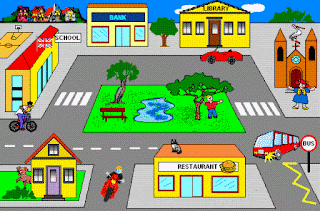
Ex: 3P:92 Teacher point the labels A–D on the map of the city. Refer students to the texts below the picture, and explain that each text describes the relevant area on the map. Allow students time to read the texts and the options Differentiation: Less motivated students go through the rules together and determine the answers as a class. |
Students work in pairs. Read the information. Answers: A a: This is a good place for the bus station. B a: This is a good place for the cinema. C a: This is a good place for the library. D b: This is a good place for the hospital.
|
Descriptor: A learner - read the information - labels A–D on the map of the city Point -2
|
|
7 min |
Ex: 4 P:92 Teacher asks students to first read sentences 1–4 and say whether they are true or false. Now refer students to the gapped sentences a–c. Remind students to study sentences 1–4 carefully and identify the plural and singular nouns. Differentiation: Less motivated students will do this as a class activity. Check their answers before they move on to the next part of the activity
Functional literacy Look at the situation and answer.
Situation:
Where will you go?
Example: |
Students look at the City Simulation game and write true or false for sentences 1-4. Then complete rules a-c with a, an or some and any. Answers: 1 true 2 false 3 true 4 true a some b any c a, an |
Descriptor: A learner - read sentences - complete rules Point -2
Well done |
|
End 5 min |
Learners provide feedback on what they have learned at the lesson and draw it on the face of students prototype. Ex: Home task: |
Ss evaluate each other and encourage classmate with phrases like: Well done! Brilliant! Good job! I like it!
|
Poster |
|










 Бұл курс Қазақстан Республикасы Оқу-ағарту министрлігімен келісілген










