ЖИ көмекші


жүктеу мүмкіндігіне ие боласыз
Бұл материал сайт қолданушысы жариялаған. Материалдың ішінде жазылған барлық ақпаратқа жауапкершілікті жариялаған қолданушы жауап береді. Ұстаз тілегі тек ақпаратты таратуға қолдау көрсетеді. Егер материал сіздің авторлық құқығыңызды бұзған болса немесе басқа да себептермен сайттан өшіру керек деп ойласаңыз осында жазыңыз
 13 Қараша 2018
 325
325
Present Continious
Lesson plan
|
School: Zholnuskau school |
||||||||||||||||||||
|
Date: 23.06.2017 |
Teacher name: Sagatbaeva A.S. |
|||||||||||||||||||
|
Grade: 5 |
Number present: |
absent: |
||||||||||||||||||
|
Theme of the lesson:
|
Illness and symptoms. |
|||||||||||||||||||
|
Learning objectives(s) that this lesson is contributing to |
5.S3 give an opinion at sentence level on a limited range of general and curricular topics 5.R5 understand the main points of short simple texts on a limited range of familiar general and some curricular topics by using contextual clues. |
|||||||||||||||||||
|
Lesson objectives |
|
|||||||||||||||||||
|
All learners will be able to: - give opinions with short sentences on the topic with peer support. - understand some points of short simple text by using contextual clues.
Most learners will be able to:
Some learners will be able to:
|
||||||||||||||||||||
|
Assessment criteria |
|
|||||||||||||||||||
|
Language objectives |
–illnesses: a headache , a earache, a toothache, a backache, fever, cold, flue, a bloody nose, a black eye, a broken ankle. |
|||||||||||||||||||
|
Previous learning |
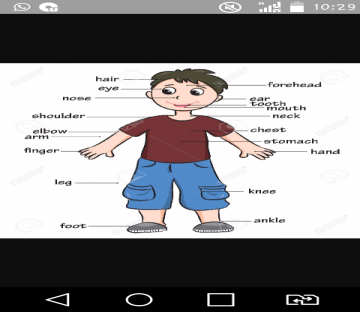
Body parts |
|||||||||||||||||||
|
Cross curricular links |
Biology, Kazakh. |
|||||||||||||||||||
|
ICT skills |
PPT |
|||||||||||||||||||
|
Plan |
||||||||||||||||||||
|
Planned timings |
Planned activities |
Resources |
||||||||||||||||||
|
5 min
|
Warm up
L1: - show me your eyes? L2: - these are my eyes.
- Now you are going to watch the video. You should try to understand what about our theme is. - What do you think, what about our theme is? - You are right. Today we speak about illnesses. |
Pictures
https://youtu.be/1 tguvPy-rh0 |
||||||||||||||||||
|
Middle 4 min
7 min 15 min 12 min
|
Lead-in: Pre-reading:
The new words: a headache , an earache, a toothache, a backache, fever, cold, flue, a bloody nose, a black eye, a broken ankle. Learners write with translation. While-reading: The task is: to read the text and underline the names of illnesses. Pete was going home from school. The weather was cold and rainy. Pete had no umbrella and no raincoat. When he came home, he fell ill. His mother told him to get into bed. In the evening Pete was running a temperature and had a headache. He had a running nose and a bad cough. His mother gave him hot tea with honey and a medicine for headache. The next morning Pete had a sore throat and a bad headache. His temperature was thirty seven point six. So he had to stay in bed. His mother called the doctor in. When the doctor came, he examined Pete’s throat and listened to his heart and lungs. He said that he had the flu and prescribed some medicine. Pete’s illness was not very serious. He followed the doctor’s instructions, stayed in bed for three days and got well very soon.
Learners check their words in pair. Descriptor will be given to the groups.
Post-reading:
A teacher divides the learners into 3 groups according to their levels.
A level learners complete sentences with names of illnesses. B level learners match the picture with answers. C level learners give some advice to people using “should” and the word in brackets.
1 group tasks:
Complete the sentences:
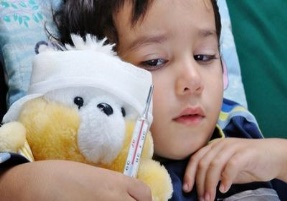
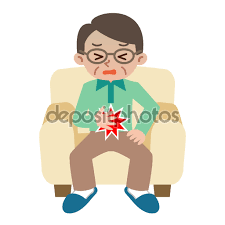
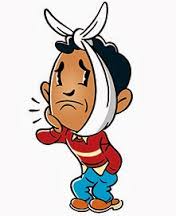
2 group tasks: Match the picture with answers : 1)
a) He has a headache. b) He has pain. c) He is happy.
2)
a) The boy has a toothache. b) The boy has fever. c) The boy has a temperature in his mouth. 3)
a) He has a stomachache. b) He has pair. c) He has a headache. 4)
a) The kid is happy. b) The kid has a toothache. c) The kid is sad. 5)
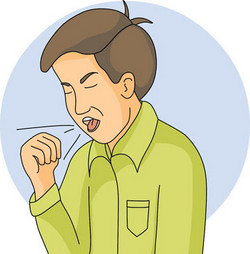
a) He has flue. b) He is very healthy. c) He is coughing.
3 group tasks: Give some advice to people using should and the word in the brackets.
I feel sick. (while) ……………………………………………........ Teacher monitors learners and note the common mistakes
Assessment criterion: Learners exchange their works and check their works by descriptors.
“Fishbone”. Using of the Fishbone pattern, the teacher displays the basic questions (who, what, when, where, how and why) that need to be answered about the selected text. The head of the fish would be the problem. The body of the fish is causes and facts and the end of the fish is the conclusion. Learners work in mixed ability group and brainstormed all the possible causes for a problem.
Criteria-based assessment:
Teacher assesses groups work by criteria-based assessment.
Differentiation by support, by task. Learners assess each other by formative assessment “One Word Summary”- groups form one word which best summarizes each group.
|
Picture
A text
Keys: Headache, running nose, cough, a sore throat, throat, flu.
Card 1
Card 2
Card 3
Picture:
|
||||||||||||||||||
|
End
2 min
|
Whole class feedback: Learners fill KKW chart.
Teacher indicates what learners wanted to learn and included to the next lesson plan. |
A chart
|
||||||||||||||||||
|
Additional information |
||||||||||||||||||||
|
Differentiation – how do you plan to give more support? How do you plan to challenge the more able learners? |
Assessment – how are you planning to check learners’ learning? |
Health and safety
check |
||||||||||||||||||
|
Support for weaker students: working in pairs/in individual,in groups. Challenges for moreable students: Encouraged to do more writing; assist weaker students.
|
Monitoring Peer assessment
|
Physical activities used. PPT
|
||||||||||||||||||
|
Reflection
Were the lesson objectives/learning objectives realistic? Did all learners achieve the LO? If not, why? Did my planned differentiation work well? Did I stick to timings? What changes did I make from my plan and why?
|
|
|||||||||||||||||||
|
|
||||||||||||||||||||
|
Summary evaluation
What two things went really well (consider both teaching and learning)? 1:
2:
What two things would have improved the lesson (consider both teaching and learning)? 1:
2:
What have I learned from this lesson about the class orachievements/difficulties of individuals that will inform my next lesson?
|
||||||||||||||||||||




 Жүктеу


 Жүктеу
шағым қалдыра аласыз

 Бұл курс Қазақстан Республикасы Оқу-ағарту министрлігімен келісілген