
 ЖИ көмекші


 Қауіпсіз төлем

жүктеу мүмкіндігіне ие боласыз
Бұл материал сайт қолданушысы жариялаған. Материалдың ішінде жазылған барлық ақпаратқа жауапкершілікті жариялаған қолданушы жауап береді. Ұстаз тілегі тек ақпаратты таратуға қолдау көрсетеді. Егер материал сіздің авторлық құқығыңызды бұзған болса немесе басқа да себептермен сайттан өшіру керек деп ойласаңыз осында жазыңыз
 21 Қаңтар 2019
 461

1 жыл бойы шексіз жүктеңіз
Professions
Open lesson plan
|
Unit 4 |
School: № 127 |
|||||||
|
Date: 28.02.2018 |
Teacher name: B.B.Isaeva |
|||||||
|
CLASS: 5 «В» |
Number present: |
absent: |
||||||
|
Lesson title: Professions |
Unit 4: The world of work |
|||||||
|
Learning objectives(s) that this lesson is contributing to (link to the Subject programme) |
5.L1understand a sequence of supported classroom instructions 5.C8 develop intercultural awareness through reading and discussion 5.UE10 use present continuous forms with present and future meaning on a limited range of familiar general and curricular topics |
|||||||
|
Lesson objectives |
All learners will be able to answer the questions according to the picture. Most learners will be able to describe the pictures according to the Present Continuous and they use pair work. Some learners will be able to give opinion according to the certain pictures and they use pair work. |
|||||||
|
Criteria |
Learner can: -understand sequence of supported classroom instructions - develop intercultural awareness through reading and discussion -use present continuous forms with future and present meanings |
|||||||
|
Values links |
3) A secular society with high spirituality |
|||||||
|
Cross-curricular links |
Self-knowledge |
|||||||
|
Previous learning |
Names of formal and informal professions. |
|||||||
|
Plan |
||||||||
|
Planned timings
|
Planned activities (replace the notes below with your planned activities) |
Resources |
||||||
|
Start 5 min |
Org. moment -Greeting. Checking up homework Make up a dialogue using closed and opened questions. (S- S interaction) "What do you want to be?" D: Hello! S: Hello! D: How are you? S: I'm OK. And you? D: I'm fine, thanks. S: What is your hobby? D: My hobby is listening to music. What is your hobby? S: My hobby is drawing pictures. D: What do you want to be? S: I want to be a doctor. And what do you want to be? D: I want to be a teacher. S: Good bye! D: Good bye! Descriptor: Make up a dialogue Use closed questions. Use opened questions. -Dividing into 2 groups by informal professions Warm up. Stay in a circle. Say a wish to your partner. |
|
||||||
|
Middle
10 min
5 min
10 min
8 min |
Presentation .Watch video. Look at the cards.
B 1) Who is he? - He is a builder.
2 - He is a driver.
3) Who is she? - She is a teacher.
4) Who is he? - He is a dentist.
5 - He is a cooker.
6) Who is he? - He is a pilot.
Task1. Listen to audio resource from bilimland.kz to lead– in the theme. 1) ..... likes comedy films. 2) ...... doesn't like comedy films. 3) ....... likes reading books. 4) ....... likes sport games. 5) ........ doesn't like reading books. 6) ......... doesn't like sport games.
Descriptor: Listen to the speech attentively Guess the pictures according to the text
Task 2. GW Read the text and answer the questions: Profession Hello! My name is Tom. I'm 11 years old. I have a father. His name is Mike. He is a doctor. I have a mother. Her name is Liz. She is a teacher. My father studied well at school. He participated in the competitions, Olympiads. Always he says me to study well at school. I want to be a doctor as my father. So I must learn all subjects very well. 1st group will answer the given questions 1) What is Tom's father's name? 2) What is his profession? 3) What is Tom's mother's name? 4) What is her profession? 5) What do you want to be in the future? 6) Do you like Tom's father's profession? 2nd group will make up questions
Revision Using the verb "to be" "To be" - am, is, are I am We are You are You are He is They are She is It is Task 3. Complete the sentences with the verb: "to be"- (orally) 1) I ... reading a book. 2) He ... working in the garden. 3) They ... cleaning the room. 4) We ... writing a dictation. 5) Mike ... watching TV. 6) Ann ... drawing a picture. 7) The children ... playing tennis. 8) Ben ... drinking cola. Descriptor: Put the verbs into the gaps Use present continuous form |
Pictures http:// www.google.com From the book From the book From the workbook |
||||||
|
End 7 min |
At the end of the lesson, students reflect on: - what they learned - what remained unclear for them - what they need to continue working on by the "Traffic lights" |
|
||||||
|
Additional information |
||||||||
|
Differentiation – how do you plan to give more support? How do you plan to challenge the more able learners? |
Assessment – how are you planning to check learners’ learning? |
Health and safety check |
||||||
|
Strong learners were given definite criteria at the beginning of the lesson. Weak learners use the present continuous form, develop understanding, knowledge skills |
Through the observation Giving the cards |
Health saving technologies. Using physical exercises and active activities. |
||||||
|
Reflection
Were the lesson objectives/learning objectives realistic? Did all the learners achieve thelesson objectives/ learning objectives? If not, why? Did my planned differentiation work well? Did I stick to timings? What changes did I make from my plan and why?
|
I learnt and made the short term plan for this lesson. I liked the objectives. I chose the objectives, where necessary. I shall use some of the objectives at school. I'll try to use another objectives. I didn't know the short term plan, before courses. I think the objectives are very interesting and very useful for us which are given in the long term plan. I want to learn the short term plan full.
|
|||||||
 rain storm.
A learner looks at the picture and names the
profession.
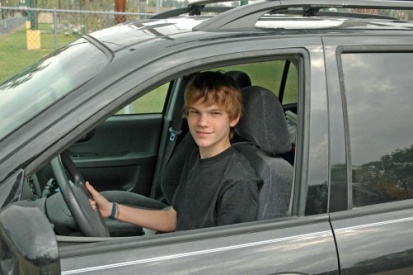 ) Who is
he?
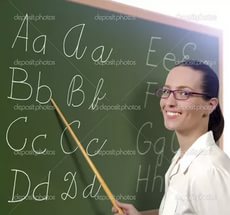

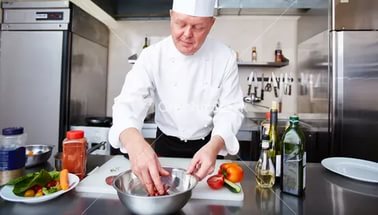 ) Who is
he?
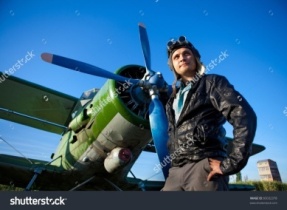
Lesson plan №38
|
Unit |
School: |
||||||
|
Date: |
Teacher name: |
||||||
|
CLASS: 5 |
Number present: 12 |
absent: |
|||||
|
Lesson title: Professions 2 |
Unit 4: The world of work |
||||||
|
Learning objectives(s) that this lesson is contributing to (link to the Subject programme) |
5.S4 respond with limited flexibility at sentence level to unexpected comments on an increasing range of general and curricular topics 5.R7 recognise typical features at word, sentence and text level in a limited range of written genres 5.W9 punctuate written work at text level on a limited range of familiar general with some accuracy and curricular |
||||||
|
Lesson objectives |
All learners will be able to understand and use the new words in the sentences. Most learners will be able to respond the flexibility sentences to the unexpected comments Some learners will be able to punctuate written work according to the text |
||||||
|
criteria |
Learners can: -respond with limited flexibility at sentence -recognise typical features at word, sentence - recognise typical features at word, sentence |
||||||
|
Values links |
3) A secular society with high spirituality |
||||||
|
Cross-curricular links |
Kazakh, Russian, Self study |
||||||
|
Previous learning |
Names of formal and informal professions. |
||||||
|
Plan |
|||||||
|
Planned timings |
Planned activities (replace the notes below with your planned activities) |
Resources |
|||||
|
Start 5 min |
Org. moment -Greeting. -Dividing into 2 groups by regular and irregular verbs Warm up. Stay in a circle. Say regular and irregular verbs to your partner. |
|
|||||
|
Middle 10 min
10 min
5 min
10 min |
Presentation Brain storm. Look at the picture and name the profession. Listening to audio resource to lead– in the theme.
1
2)
3
4
5
Task 1. Question- answer work by S- S interaction. Learners work out 5 questions in their groups to an other group in written form and answer the other group's questions. 1) Do you like a fisherman? 2) Do you like a horse-trainer? 3) Do you like a policeman? 4) Is it interesting to be a dog-groomer? 5) Is it interesting to be a taxi-driver?
Descriptor: Make closed questions. Make open questions. Answer closed questions. Answer open questions. Task 2. Punctuate at text level on a limited range of familiar general with some accuracy. Learners are given a paper with the text and are asked to fill the punctuation marks: .... ? ,.... 1) I come home at 2 o'clock 2) Do you like coffee 3) There are tables chairs books pens in the room 4) I have horses cows dogs geese 5) Where do you live 6) Don't be late Descriptor: Puts the several punctuation marks. Puts all punctuation marks. Puts all punctuation marks and proves his mind. Wake up Physical exercises with a song "Professions"
Practice Revision of the Present Continuous Tense Learners are asked to revise the structures and together with the teacher make up their own examples. Task 3. GW Read the text and answer the questions: Profession Hello! My name is Tom. I'm 11 years old. I have a father. His name is Mike. He is a doctor. I have a mother. Her name is Liz. She is a teacher. My father studied well at school. He participated in the competitions, Olympiads. Always he says me to study well at school. I want to be a doctor as my father. So I must learn all subjects very well. 1st group will answer the given questions 1) What is Tom's father's name? 2) What is his profession? 3) What is Tom's mother's name? 4) What is her profession? 5) What do you want to be in the future? 6) Do you like Tom's father's profession? 2nd group will make up questions |
http://www.audioknigi-online.com http//www.google.com http//www.google.com From the workbook |
|||||
|
End 5 min |
At the end of the lesson, students reflect on: - what they learned - what remained unclear for them - what they need to continue working on by the "Traffic lights"
|
|
|||||
|
Additional information |
|||||||
|
Differentiation – how do you plan to give more support? How do you plan to challenge the more able learners?
|
Assessment – how are you planning to check learners’ learning?
|
Health and safety check |
|||||
|
Some learners will be given pictures for support 1st group will answer the given questions 2nd group will make up questions |
Orally Traffic lights Through the observation, giving the cards |
Health saving technologies. Using physical exercises and active activities. |
|||||
|
Reflection Were the lesson objectives/learning objectives realistic? Did all the learners achieve the lesson objectives/ learning objectives? If not, why? |
I think the lesson objectives and the learning objectives are realistic. Because we'll choose the objectives and use them. In my opinion the learners will achieve lesson objectives well. My differentiation will work better. I chose some learning objectives for my short lesson, because these learning objectives will develop our lesson. |
||||||
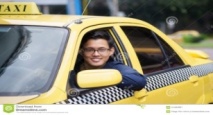 ) Who is he? - He is a
taxi-driver.
 Who is he? - He is a
policeman.
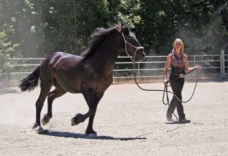 ) Who is he? - He is a
horse-trainer.
 ) Who is she? - She is a
dog-groomer.
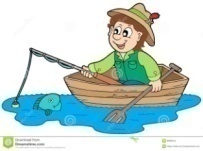 ) Who is he? - He is a
fisherman.
D: Hello!
S: Hello!
D: How are you?
S: I'm OK. And you?
D: I'm fine, thanks.
S: What is your hobby?
D: My hobby is listening to music. What is your hobby?
S: My hobby is drawing pictures.
D: What do you want to be?
S: I want to be a doctor. And what do you want to be?
D: I want to be a teacher.
S: Good bye!
D: Good bye! Profession
Hello! My name is Tom. I'm 11 years old. I have a father. His name is Mike. He is a doctor. I have a mother. Her name is Liz. She is a teacher. My father studied well at school. He participated in the competitions, Olympiads. Always he says me to study well at school. I want to be a doctor as my father. So I must learn all subjects very well.
1st group will answer the given questions
1) What is Tom's father's name?
2) What is his profession?
3) What is Tom's mother's name?
4) What is her profession?
5) What do you want to be in the future?
6) Do you like Tom's father's profession?
Task 2. Punctuate at text level on a limited range of familiar general with some accuracy. Learners are given a paper with the text and are asked to fill the punctuation marks: .... ? ,....
1) I come home at 2 o'clock
2) Do you like coffee
3) There are tables chairs books pens in the room
4) I have horses cows dogs geese
5) Where do you live
6) Don't be late
Task 3. Complete the sentences with the verb: "to be"- (orally)
1) I ... reading a book.
2) He ... working in the garden.
3) They ... cleaning the room.
4) We ... writing a dictation.
5) Mike ... watching TV.
6) Ann ... drawing a picture.
7) The children ... playing tennis.
8) Ben ... drinking cola.









 Бұл курс Қазақстан Республикасы Оқу-ағарту министрлігімен келісілген










