
 ЖИ көмекші

 Көп таңдалатын


 Ең тиімді
15 890₸ үнемдейсіз


жүктеу мүмкіндігіне ие боласыз
Бұл материал сайт қолданушысы жариялаған. Материалдың ішінде жазылған барлық ақпаратқа жауапкершілікті жариялаған қолданушы жауап береді. Ұстаз тілегі тек ақпаратты таратуға қолдау көрсетеді. Егер материал сіздің авторлық құқығыңызды бұзған болса немесе басқа да себептермен сайттан өшіру керек деп ойласаңыз осында жазыңыз
 12 Қырқүйек 2023
 397
397
қмж
Short term plan
|
Unit of a long term plan: Hobbies and Leisure Lesson 1 |
School: |
||
|
Date: |
Teacher name: |
||
|
Grade: 7 |
Number present: |
absent: |
|
|
Lesson title |
Vocabulary: Free-time activities |
||
|
Learning objectives |
7.3.7.1 use appropriate subject-specific vocabulary and syntax to talk about a range of general topics, and some curricular topics 7.1.3.1 respect different points of view |
||
|
Lesson objectives |
Learners will be able to:
|
||
|
Plan |
|||
|
Stages / Time |
Teachers actions |
Students actions |
Assessment criteria |
Resources |
|
Start |
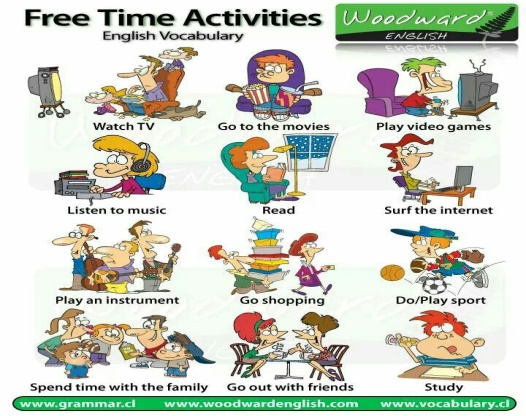
Organization moment : 1.Greeting. Ask about the weather. The teacher sets the lesson objectives, letting students know what to anticipate from the lesson Warm-up With books closed, write the word family on the board. • Ask individual students: How many people are there in your family? Who are they? Elicit words for family members and write them on the board Lead - In Before speaking about the Free-time activities let’s name as many words connected with this word as you remember. Find some words from the text.
|
Students' attention is draw to the lesson. Students discuss the pictures in pairs. Determines the topic and aim of the lesson Students say different words from the picture Students look at the picture and discuss Answers: S |
At the organization moment T tries to award active Ss. «The praise» method is used to evaluate Ss with phrases like: “Good job! Well done!” Formative Assessment
Good job! Assessment criteria - Use topic related vocabulary in group discussion |
Pictures PPT
|
|
Main part |
Ex:1 P:5 To present vocabulary for free- time activities. • Go through the list of free-time activities 1-9 and play the recording with pauses for students to repeat chorally and individually. • Explain any unknown words and then ask students to make sentences following the example. • Students compare answers with a partner. Ask some students around the class to present answers and make a list on the board. Differentiation: «Verbal support» method is used to help Students use new words in the text. Ex: 2 P: 5 •To present and practice adjectives, to express and compare likes, dislikes. •Go through the adjectives and explain their meanings. • explain the task and give students time to complete it Differentiation: Support; learners are arranged to interact in mixed groups. Topic vocabulary is used while responding to the given questions |
Learners listen and say. Which are outdoor activities? Indoor activities? Extreme sports? Hobbies? ANSWERS Hang-gliding is an outdoor activity. It is an extreme sport. Dancing is an indoor activity. It is a hobby. Model making is an indoor activity. It is a hobby. Kayaking is an outdoor activity. It is an extreme sport. Rock climbing is an outdoor activity. It is an extreme sport. Bungee jumping is an outdoor activity. It is an extreme sport. Learners use the phrases to complete the sentences. ANSWERS I like dancing because it is fun. I don’t like rock climbing because it’s dangerous. |
Descriptor: - present vocabulary for free- time activities Total point 1 Descriptor: - present and practice adjectives Total point 1 -Make CCQ questions |
CD 1 Cards Worksheets |
|
End |
Home task: Ex: 4P: 4 WB |
|
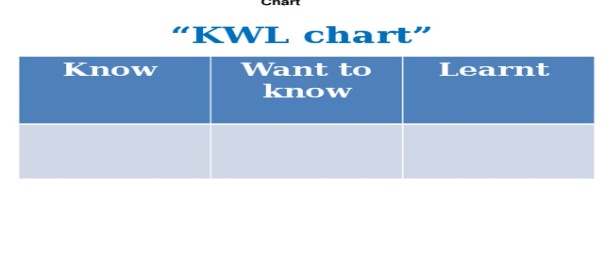
Poster Success KWL chart |
|
 tudents’ own
answer
tudents’ own
answer
Short term plan
|
Unit of a long term plan: Hobbies and Leisure Lesson 2 |
School: |
||
|
Date: |
Teacher name: |
||
|
Grade: 7 |
Number present: |
absent: |
|
|
Lesson title |
Reading: Take up a hobby |
||
|
Learning objectives |
7.2.4.1 understand with little support some of the implied meaning in extended talk on a limited range of general and curricular topics 7.4.2.1 understand specific information and detail in texts on a range of familiar general and curricular topics |
||
|
Lesson objectives |
Learners will be able to:
|
||
|
Plan |
|||
|
Stages / Time |
Teachers actions |
Students actions |
Assessment criteria |
Resources |
|
Start |
Organization moment : 1.Greeting. Ask about the weather. The teacher sets the lesson objectives, letting students know what to anticipate from the lesson Warm-up With books closed, write the word family on the board. • Ask individual students: How many people are there in your family? Who are they? Elicit words for family members and write them on the board Lead - In Before speaking about the Free-time activities let’s name as many words connected with this word as you remember. Find some words from the text.
|
Students' attention is draw to the lesson. Students discuss the pictures in pairs. Determines the topic and aim of the lesson Students say different words from the picture Students look at the picture and discuss Answers: S |
At the organization moment T tries to award active Ss. «The praise» method is used to evaluate Ss with phrases like: “Good job! Well done!” Formative Assessment
Good job! Assessment criteria - Use topic related vocabulary in group discussion |
Pictures PPT
|
|
Main part |
While – listening Listening for details – Students listen for groups of words and phrases at sentence level. Ex:1 P:5 • Explain the task. Allow students a minute to write down as many different hobbies and leisure activities. • Students compare answers with a partner. Ask some students around the class to present answers and make a list on the board. Differentiation: «Verbal support» method is used to help Students use new words in the text. Ex: 2 P: 5 Ask students to read the title and the subheadings and look at the picture. Elicit what students think each person’s hobby is. Play the recording. Students listen and follow the text in their books to find out. Ex: 3 P: 5 Explain the task and give students time to read the text and mark the statements according to the information in the text. Students correct the false statements. Differentiation: Support; learners are arranged to interact in mixed groups. Topic vocabulary is used while responding to the given questions |
Learners in a minute write down as many different hobbies and leisure activities as you can. Compare with your partner. ANSWERS Suggested answer Painting, archery, kart racing, gardening, golf, jewellery- making, photography, singing, playing the piano, Learners look at the title and the pictures in the text. Where can someone play football? Does it hurt if someone hits you? Listen and read to find out. ANSWERS I think you can play paintball in the forest. I think it hurts a lot if someone hits you. I think video games do take part in tournaments. Learners read the text again and mark the sentences T (true), F (false) or DS (doesn’t say) ANSWERS Text A 1 F (He plays games of paintball every weekend) 2 DS 3 T 4 DS Text B 5 T 6 T 7 F 8 F |
Descriptor: - write down as many different hobbies and leisure activities Total point 1 Descriptor: - predict the content of the text Total point 1 -Make CCQ questions Descriptor: - read the text again and mark the sentences Total point 1 |
 Материалды Word форматында жүктеп аласыз
Тарифке кіреді
5 ұстаз жүктеп алған  12.09.2023  397
Бұл материалды қолданушы жариялаған. UstazTilegi материалдың мазмұны мен авторлық құқықтарына жауап бермейді. Авторлық құқық бұзылған жағдайда шағым қалдыра аласыз   "Ұстаз" платформасында тіркелген пәндік олимпиадалар
Аттестацияға жарамды екенін көру үшін "Ұстаз" платформасында "Жарыстар, олимпиадалар тізімінен "Ustaz tilegi" деп іздесеңіз шығады
 Қазақстандағы ең үлкен материалдар базасынан іздеу Сіз үшін 400 000 ұстаздардың еңбегі мен тәжірибесін біріктіріп, ең үлкен материалдар базасын жасадық. Төменде керек материалды іздеп, жүктеп алып сабағыңызға қолдана аласыз Министірлікпен келісілген Аттестацияға жарамды курстар тізімі |





 Бұл курс Қазақстан Республикасы Оқу-ағарту министрлігімен келісілген










