ЖИ көмекші


жүктеу мүмкіндігіне ие боласыз
Бұл материал сайт қолданушысы жариялаған. Материалдың ішінде жазылған барлық ақпаратқа жауапкершілікті жариялаған қолданушы жауап береді. Ұстаз тілегі тек ақпаратты таратуға қолдау көрсетеді. Егер материал сіздің авторлық құқығыңызды бұзған болса немесе басқа да себептермен сайттан өшіру керек деп ойласаңыз осында жазыңыз
 21 Қаңтар 2026
 0
0
ҚМЖ Excel 5 сынып 3 тоқ
Short term plan: term 3
|
Unit: 5 Creativity |
Lesson 49 |
||
|
Teacher name: |
|
||
|
Date: |
|
||
|
Grade: 5 |
Number present: |
absent: |
|
|
Lesson title |
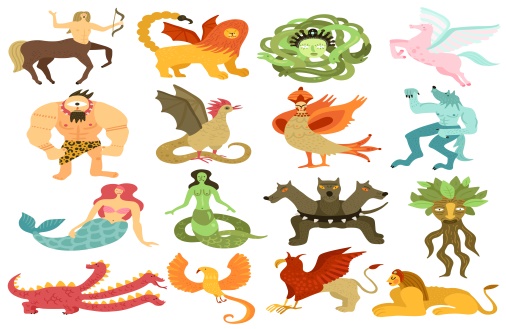
Vocabulary: Mythical creatures |
||
|
Learning objectives |
5.2.4.1 understand the main points of supported extended talk on a range of general and curricular topics; 5.3.1.1 provide basic information about themselves and others at sentence level on an increasing range of general topics; |
||
|
Lesson objectives |
Learners will be able to: - present some mythical creatures - present new vocabulary - relate mythical creatures to animals - describe mythical creatures |
||
|
Value links |
Family – Family values are moral and ethical principles of typical family life, including sacrificing for loved ones, putting your loved ones first, and keeping your loved ones at the centre of your thoughts and actions. |
||
|
Plan |
|||
|
Stages / Time |
Teachers actions |
Students actions |
Assessment criteria |
Resources |
|
Beginning of the lesson Warming-up
3 min. Pre-learning «Brainstorming» method 7 min. |
Organization moment : 1.Greeting. Ask about the weather. The teacher sets the lesson objectives, letting students know what to anticipate from the lesson. Warming up Where are you from? How old are you? What color is it? How many students are there in class? What day of the week today? Lead – In
|
The aim: To develop pupils speaking skills and create friendly atmosphere Efficiency: By wishing each other they feel better and feel the support of others Students of the class are listed. Students' attention is drawn to the lesson. Students say different words from the picture •Learners remember previous lesson vocabulary •Learners answer the questions |
The teacher to assess learners for their ability. “Good job! Well done!” Formative Assessment
Good job! Assessment criteria make basic statements related to personal information, people and objects on familiar topics |
Pictures worksheet Picture |
|
Middle of the lesson Presentation part. 30 min |
Ex:1 P: 57 • Draw Ss' attention to the pictures and ask various Ss to read out the name of the creature each one shows. Play the recording. Ss listen and repeat chorally or individually. Elicit the L1 equivalents from Ss around the class. Ex: 2 P: 57 • Go through the features in the list and explain/elicit the meanings of any unknown words. Play the recording. Ss listen and repeat chorally or individually and point to each feature as it is mentioned Ex: 3 P: 57 • Elicit which creatures look like the animals in the list.
Ex: 4 P: 57 • Read out the example and ask various Ss around the class to describe the creatures using the phrases given earlier.
Conclusion during the lesson some tasks differentiated by outcomes of the students and by their abilities. |
• Learners look at the pictures. Listen and repeat. Answer the question. ANSWERS Students’ own answer • Learners listen, repeat and point. ANSWERS Students’ own answer • Learners answer the question ANSWERS A hippogriff looks like a horse and an eagle. A phoenix looks like an eagle. The Samruk looks like an eagle. A cyclops looks like a giant. A unicorn looks like a horse. A dragon looks like a huge snake • Learners describe the creatures ANSWERS A phoenix looks like an eagle. It has got a long tail, sharp claws, a beak, big wings and long feathers. A hippogriff looks like a horse and an eagle. It has got a thick mane, a long tail, sharp claws, a beak, big wings and long feathers. A cyclops looks like a giant. It has got a single eye and sharp teeth. A dragon looks like a huge snake. It has got a long tail, sharp claws, big wings and sharp teeth. The Samruk looks like an eagle. It's got a long tail, a beak, big wings and long feathers |
Descriptor: - look at the pictures - listen and repeat. - answer the question. Total: 3 point
self assessment Differentiation: «Verbal support» method is used to help Ss use new words in the sentences. Descriptor: - listen, repeat and point. Total: 3 point Descriptor: - ask and answer the question Total: 3 point -Make CCQ questions Yes / No |
Card Worksheet Students book |
|
End of the lesson 5 min |
FEEDBACK Learners provide feedback on what they have learned at the lesson. Ex: P: Home task: Write the days |
|
Poster Success
|
|





Short term plan: term 3
|
Unit 5 Creativity |
Lesson 50 |
||
|
Teacher name: |
|
||
|
Date: |
|
||
|
Grade: 5 |
Number present: |
absent: |
|
|
Lesson title |
Reading: Mythical creatures |
||
|
Learning objectives |
5.3.6.1 communicate meaning clearly at sentence level during, pair, group and whole class exchanges; 5.4.3.1 understand the detail of an argument on a limited range of familiar general and curricular topics 5.5.4.1 write with support a sequence of extended sentences in a paragraph to give basic information about Astana |
||
|
Value links |
Loyalty – Loyalty might be a core personal value to you if you highly prize friends that are reliable and trustworthy. You might put your friends or chosen family first, always being there for them when they need you. |
||
|
Lesson objectives |
Learners will be able to: - introduce the topic - read for specific information/detailed understanding/main ideas |
||
|
Plan |
|||
|
Stages / Time |
Teachers actions |
Students actions |
Assessment criteria |
Resources |
|
Beginning of the lesson Warming-up
3 min Pre-learning «Brainstorming» method 7 min. |
Organization moment : 1.Greeting. Ask about the weather. The teacher sets the lesson objectives, letting students know what to anticipate from the lesson. Warming up Where are you from? How old are you? What color is it? How many students are there in class? What day of the week today? Ask a few pupils to stand up and stand in a row. Ask the rest of the class questions to revise the ordinals. Lead – In
|
The aim: To develop pupils speaking skills and create friendly atmosphere Efficiency: By wishing each other they feel better and feel the support of others Students of the class are listed. Students' attention is drawn to the lesson. Determines the topic and purpose of the lesson •Learners remember previous lesson vocabulary Students say different words from the picture Answer the question. |
The teacher to assess learners for their ability. “Good job! Well done!” Formative Assessment
Good job! Assessment criteria - Learners have met the learning objectives if they can talk about mythical creatures |
Pictures worksheet Student’s book |
|
Middle of the lesson Presentation part. 30 min |
Ex:1 P:58 • Direct Ss' attention to the pictures and elicit answers to the questions in the rubric. Ex: 2 P: 58 • Read the title aloud and allow Ss one minute to read the introduction to the text. Elicit answers/ guesses to the questions in the rubric and then play the recording. Ss listen and follow the text in their books and find out the answers. Ex: 3 P: 59 • Allow Ss some time to read the text again and mark the sentences T (true) or F (false). Direct Ss to the Word List to look up the meanings of the words in the Check these words box. Check Ss' answers. As an extension ask Ss to correct the false statements. Ex: 4 P: 59 • Allow Ss a couple of minutes to review the text and then ask various Ss around the class to tell the class the differences between the creatures in the Harry Potter books and the same creatures in mythology. Conclusion during the lesson some tasks differentiated by outcomes of the students and by their abilities. |
• Pupils look at the pictures. Answer the question. ANSWERS The Centaur is half human and half horse and it has got a human head. The Chimera has got three heads. The Phoenix has got a long tail and a sharp beak • Pupils read the title and the introduction to the text. Answer the question ANSWERS Harry Potter is a character in a series of books by J.K. Rowling. The mythical creatures in the pictures are related to Harry Potter because they are in the books about him. • Pupils read the text and mark the sentences. ANSWERS 1 F (They had one head.) 2 F (Only in the Harry Potter books) 3 T 4 F (It was a beautiful bird.) ST 6 F (It had heads from 3 different animals.) 7 T 8 T Pupils tell the class. Answer the question. ANSWERS The Centaurs in mythology were wild dangerous beasts. The Centaurs in the Harry Potter books were intelligent and could see the future. Both types of centaurs lived in the forest and both had one special contour who was a teacher. |
Descriptor: - look at the pictures - answer the question Total: 2 point
Self assessment Differentiation: «Verbal support» method is used to help Ss use new words in the sentences. Descriptor: - read the title aloud - answer the question Total: 2 point Descriptor: - read the text - mark the sentences Total: 2 point Descriptor: - tell the class - answer the question Total: 2 point -Make CCQ questions Yes / No Total: 1 point Total: 10 point |
Card Worksheet Students book |
|
End of the lesson 5 min |
FEEDBACK Learners provide feedback on what they have learned at the lesson. Ex: P: Home task: Write the days |
|
Poster Success
|
|

Short term plan: term 3
|
Unit 5 Creativity |
Lesson 51 |
||
|
Teacher name: |
|
||
|
Date: |
|
||
|
Grade: 5 |
Number present: |
absent: |
|
|
Lesson title |
Use of English: was / were |
||
|
Learning objectives |
5.3.4.1 respond with limited flexibility at sentence level to unexpected comments on an increasing range of general and curricular topics; 5.6.1.1 use a structure to be going to express intention and plan on a limited range of familiar general and curricular topics; 5.5.3.1 write with support factual descriptions at text level which describe people, places and objects to visit and activities; |
||
|
Lesson objectives |
Learners will be able to: - present the past simple of the verb 'to be' - was/were - practise the past simple of the verb 'to be' in the affirmative was/were - practise the past simple of the verb 'to be' in the negative wasn't/weren't |
||
|
Value links |
Fairness – If you value fairness, you might be highly sensitive to situations at school or in the workplace where a teacher or a peer has exhibited favoritism or allowed someone to get away with living by a different set of rules to everyone else. |
||
|
Plan |
|||
|
Stages / Time |
Teachers actions |
Students actions |
Assessment criteria |
Resources |
|
Beginning of the lesson Warming-up
3 min Pre-learning «Brainstorming» method 7 min. |
Organization moment : 1.Greeting. Ask about the weather. The teacher sets the lesson objectives, letting students know what to anticipate from the lesson. Warming up Where are you from? How old are you? What color is it? How many students are there in class? What day of the week today? revise the vocabulary from the previous Lead – In
|
. The aim: To develop pupils speaking skills and create friendly atmosphere Efficiency: By wishing each other they feel better and feel the support of others Students of the class are listed. Students' attention is drawn to the lesson. • Learners remember previous lesson vocabulary Determines the topic and purpose of the lesson Students say different words from the picture |
The teacher to assess learners for their ability. “Good job! Well done!” Formative Assessment
Good job! Descriptor: - can tell the time Point 1 Assessment criteria - Learners have met the learning objectives if they can talk about |
Pictures worksheet Picture |
|
Middle of the lesson Presentation part. 30 min |
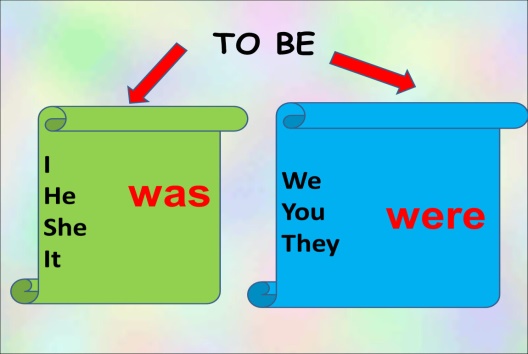
Ex:1 P: 60 • Explain that was/were is the past simple form of the verb 'to be'. Go through the table with Ss and read out all the persons. Ss fill the gaps and then elicit when we use was/were. Ex: 2 P: 60 • Ss fill in the correct word. Check Ss' answers. Ex: 3 P: 60 • Explain the task and read out the example. Ss complete the task. Check Ss' answers. Ex: 4 P: 60 • Draw Ss' attention to the timetable and then Ss complete the task. Check Ss' answers around the class by asking one S to say a question and another to answer it. Conclusion during the lesson some tasks differentiated by outcomes of the students and by their abilities. |
•Pupils read the table and complete the gaps. ANSWERS 1 was 2 were 3 weren't 4 Was 5 Were 6 wasn't 7 weren't 8 were •Pupils complete with was or were ANSWERS 1 was 2 were 3 was 4 were 5 was •Pupils write the sentences as in the example. Use wasn’t or weren’t ANSWERS 2 They weren't in Rome last month. 3 Milena wasn't at the party. 4 I wasn't at the gym yesterday. 5 You weren't at Jane's house •Pupils complete with was or were. Answer the question. ANSWERS 2 Were, Yes, they were. 3 Was, No, he wasn't. 5 Were, Yes, they were. 6 Was, No, he wasn't. 7 Were, Yes, they were. 4 Was, Yes, she was |
Descriptor: - read the table - complete the gaps. Total: 2 point
Differentiation: «Verbal support» method is used to help Ss use new words in the sentences. Descriptor: - complete with was or were - fill in the correct word Total: 2 point
Descriptor: - write the sentences - use wasn’t or weren’t Total: 2 point Descriptor: - complete with was or were - answer the question. Total: 2 point -Make CCQ questions Yes / No Total: 1 point Total: 10 point |
Card Worksheet |
|
End of the lesson 5 min |
FEEDBACK Learners provide feedback on what they have learned at the lesson. Ex: Home task: |
|
Poster Success
|
|
Short term plan: term 3
|
Unit 5: Creativity |
Lesson 52 |
||
|
Teacher name: |
|
||
|
Date: |
|
||
|
Grade: 5 |
Number present: |
absent: |
|
|
Lesson title |
Use of English: had / could |
||
|
Learning objectives |
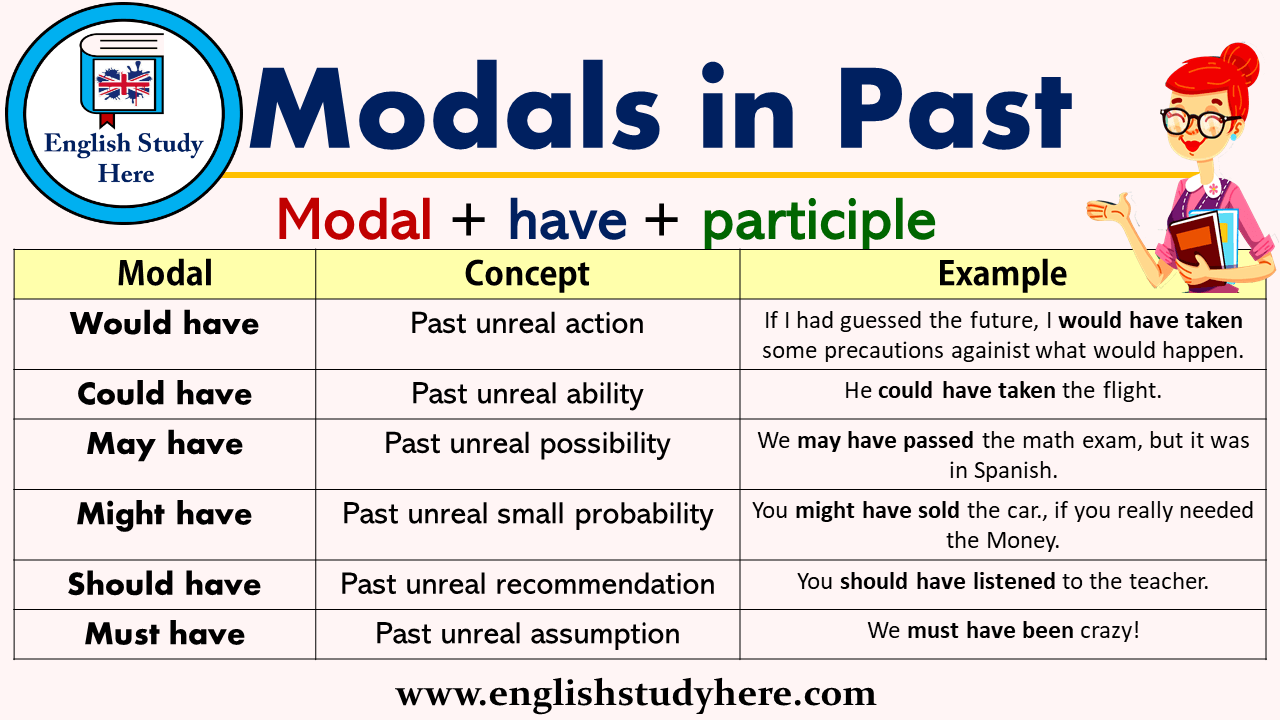
5.3.4.1 respond with limited flexibility at sentence level to unexpected comments on an increasing range of general and curricular topics; 5.6.1.1 use a structure to be going to express intention and plan on a limited range of familiar general and curricular topics; 5.5.3.1 write with support factual descriptions at text level which describe people, places and objects to visit and activities; |
||
|
Lesson objectives |
Learners will be able to: - present the past simple form of 'have' had - practise the affirmative and negative forms of had -practise the interrogative form of had with short answers |
||
|
Value links |
Honesty – You may highly value telling people the truth. This one gets tricky when being honest can be hurtful to others. So, a person who really puts honesty first might be the sort of person who will tell the truth even if it hurts to do so. |
||
|
Plan |
|||
|
Stages / Time |
Teachers actions |
Students actions |
Assessment criteria |
Resources |
|
Beginning of the lesson Warming-up
3 min Pre-learning «Brainstorming» method 7 min. |
Organization moment : 1.Greeting. Ask about the weather. The teacher sets the lesson objectives, letting students know what to anticipate from the lesson. Warming up Where are you from? How old are you? What color is it? How many students are there in class? What day of the week today? Lead – In
|
The aim: To develop pupils speaking skills and create friendly atmosphere Efficiency: By wishing each other they feel better and feel the support of others Students of the class are listed. Students' attention is drawn to the lesson. • Learners talk about daily routines previous lesson vocabulary Determines the topic and purpose of the lesson Students say different words from the picture |
The teacher to assess learners for their ability. “Good job! Well done!” Formative Assessment
Good job! Assessment criteria - Learners have met the learning objectives if they can talk about |
Pictures worksheet Student’s book |
|
Middle of the lesson Presentation part. 30 min |
Ex:7 P:61 • Go through the table and elicit how we form the negative and interrogative of the verb 'have' in the past simple Ex: 8 P: 61 • Explain the task and draw Ss' attention to the picture. Ss complete the task. Check Ss' answers. Ex: 9 P: 61 • Explain the task. Ss work in pairs and ask and answer questions. Monitor the activity around the class and then ask some pairs to ask and answer in front of the class. Ex: 11 P: 61 • Ss complete the task. Check Ss' answers. Ex: 12 P: 61 • Explain the task. Ss work in pairs and ask and answer using the prompts and could in the interrogative form with short answers. Conclusion during the lesson some tasks differentiated by outcomes of the students and by their abilities. |
•Pupils read the table. Answer the question. ANSWERS We form the negative form of had with a personal pronoun + didn't have which is the same in all persons. We form the interrogative form of had with did + a personal pronoun + have which is the same in all persons •Pupils complete the sentences with had / didn’t have ANSWERS 1 didn't have 2 didn't have 3 didn't have 4 had 5 didn't have 6 didn't have 7 didn't have 8 had •Pupils answer the question. Use the phrases to find out. ANSWERS A: Did you have short hair at the age of five? B: Yes, I did./No, I didn't. A: Did you have a dog at the age of five? B: Yes, I did./No, I didn't. •Pupils complete with could or couldn’t ANSWERS 1 couldn't 2 couldn't 3 could 4 couldn't 5 could •Pupils answer the question. Use the phrases to find out. ANSWERS A: Could you read at the age of seven? B: Yes, I could./No, I couldn't. A: Could you swim at the age of seven? B: Yes, I could./No, I couldn't. |
Descriptor: - read the table - answer the question. Total: 2 point
Differentiation: «Verbal support» method is used to help Ss use new words in the sentences. Descriptor: - complete the sentences with had / didn’t have Total: 2 point Descriptor: - answer the question. - use the phrases to find out. Total: 3 point
Descriptor: - complete with could or couldn’t Total: 2 point
-Make CCQ questions Yes / No Total: 1 point Total: 10 point |
Card Worksheet Students book |
|
End of the lesson 5 min |
FEEDBACK Learners provide feedback on what they have learned at the lesson. Ex: Home task: |
|
Poster Success
|
|
Short term plan: term 3
|
Unit: 5 Creativity |
Lesson 53 |
||
|
Teacher name: |
|
||
|
Date: |
|
||
|
Grade:5 |
Number present: |
absent: |
|
|
Lesson title |
Reading: The Samruk |
||
|
Learning objectives |
5.3.4.1 respond with limited flexibility at sentence level to unexpected comments on an increasing range of general and curricular topics; 5.4.1.1 understand the main points in a limited range of short simple texts on general and curricular topics; 5.6.3.1 use a structure to be going to (questions) to ask about plans. |
||
|
Lesson objectives |
Learners will be able to: - introduce the topic and stimulate interest in the text - read for specific information/detailed understanding/main ideas - make verb/noun phrases and summarise a text |
||
|
Value links |
Generosity – This may be a core value of yours if you cherish people who will give their time and resources to people in need. You may consider yourself to be a generous person if you find joy and meaning in giving to others. |
||
|
Plan |
|||
|
Stages / Time |
Teachers actions |
Students actions |
Assessment criteria |
Resources |
|
Beginning of the lesson Warming-up
3 min Pre-learning «Brainstorming» method 7 min. |
Organization moment : 1.Greeting. Ask about the weather. The teacher sets the lesson objectives, letting students know what to anticipate from the lesson. Warming up Where are you from? How old are you? What color is it? How many students are there in class? What day of the week today? Revise the vocabulary from the previous lesson Lead – In
|
The aim: To develop pupils speaking skills and create friendly atmosphere Efficiency: By wishing each other they feel better and feel the support of others Students of the class are listed. Students' attention is drawn to the lesson. • Learners talk about days of the week previous lesson vocabulary Determines the topic and purpose of the lesson Students say different words from the picture |
The teacher to assess learners for their ability. “Good job! Well done!” Formative Assessment
Good job! Descriptor: - talk about days of the we Total: 1 point Assessment criteria - Learners have met the learning objectives if they can talk about the Samruk |
Pictures worksheet picture |
|
Middle of the lesson Presentation part. 30 min |
Ex:1 P:62 • Direct Ss' attention to the picture and ask if they know anything about the Samruk. Elicit a variety of questions and write three of them on the board. Ex: 2 P: 62 •Allow Ss some time to read the texts and mark the sentences T (true) or F (false) or DS (doesn't say). Direct Ss to the Word List to look up the meanings of the words in the Check these words box. Check Ss' answers. Ss should justify their answers. Ex: 3 P: 62 • Ss match the verbs to the nouns, then ask various Ss around the class to give a summary of the text using the phrases. Ex: 4 P: 63 • Read the Study Skills box aloud and write the examples on the board, underlining the years. Say the years aloud and direct Ss to repeat. Direct Ss' attention to the pictures and ask various Ss around the class who the people are. Ask various Ss to read out the captions under the pictures. Choose a pair of Ss to read out the example. Ex: 5 P: 63 • Explain the task and play the recording. Ss listen and complete the fact file. Check Ss' answers. Conclusion during the lesson some tasks differentiated by outcomes ofthe students and by their abilities. |
• Pupils answer the question. Think of three question. ANSWERS Where did the Samruk go every summer? To the Tree of Life out on the steppe. What is the name of the Tree of Life? The Baiterek. What is the name of the dragon who lives at the bottom of the tree? Ajdahar. • Pupils read the text again and mark the sentences. ANSWERS 1 DS 2 F (The Samruk had a nest high in the branches of the tree. In the spring a golden egg appeared in the nest.) 3 DS 4 T (He swallowed the golden egg and crawled back down to the underworld.) • Pupils match the words in the two columns. Use the phrases ANSWERS 1 e 2 c 3 f 4 b 5 g 6 d 7h 8 a • Pupils look at the pictures. Ask and answer as in the example. ANSWERS A: Who was James Joyce? B: A famous Irish writer. A: When was he born? B: In 1882. A: When did he die? B: In 1941 • Pupils listen and complete the fact file in your notebook. ANSWERS 1 1915 2 miner 3 Kazakhstan 5 October 4 steppe |
Descriptor: - answer the question. - write three question. Total: 2 point
Self assessment Differentiation: «Verbal support» method is used to help Ss use new words in the sentences. Descriptor: - read the text - mark the sentences Total: 2 point Descriptor: - match the words - use the phrases Total: 2 point Descriptor: - look at the pictures. - ask and answer as in the example Total: 2 point Descriptor: - listen and complete the fact Total: 1 point -Make CCQ questions Yes / No Total: 10 point |
Card Worksheet Vocabulary card |
|
End of the lesson 5 min |
FEEDBACK Learners provide feedback on what they have learned at the lesson. Ex: Home task: |
|
Poster Success
|
|

Short term plan: term 3
|
Unit 5 Creativity |
Lesson 54 |
||
|
Teacher name: |
|
||
|
Date: |
|
||
|
Grade: 5 |
Number present: |
absent: |
|
|
Lesson title |
Use of English: past Simple regular verbs |
||
|
Learning objectives |
5.3.1.1 provide basic information about themselves and others at sentence level on an increasing range of general topics 5.5.6.1 link, with some support, sentences into coherent paragraphs using basic connectors on a limited range of familiar general topics 5.4.1.1 understand the main points in a limited range of short simple texts on general and curricular topics |
||
|
Lesson objectives |
Learners will be able to: - present the past simple affirmative for regular verbs - practise the past simple affirmative - present the past simple negative. |
||
|
Value links |
Generosity – This may be a core value of yours if you cherish people who will give their time and resources to people in need. You may consider yourself to be a generous person if you find joy and meaning in giving to others. |
||
|
Plan |
|||
|
Stages / Time |
Teachers actions |
Students actions |
Assessment criteria |
Resources |
|
Beginning of the lesson Warming-up
3 min Pre-learning «Brainstorming» method 7 min. |
Organization moment : 1.Greeting. Ask about the weather. The teacher sets the lesson objectives, letting students know what to anticipate from the lesson. Warming up Where are you from? How old are you? What color is it? How many students are there in class? What day of the week today? Revise the language of the previous lesson. Lead – In
|
The aim: To develop pupils speaking skills and create friendly atmosphere Efficiency: By wishing each other they feel better and feel the support of others Students of the class are listed. Students' attention is drawn to the lesson. Determines the topic and purpose of the lesson • Learners talk about favourite dayprevious lesson vocabulary |
The teacher to assess learners for their ability. “Good job! Well done!” Formative Assessment
Good job! Assessment criteria - Learners have met the learning objectives if they can talk about |
Pictures worksheet Student’s book |
|
Middle of the lesson Presentation part. 30 min |
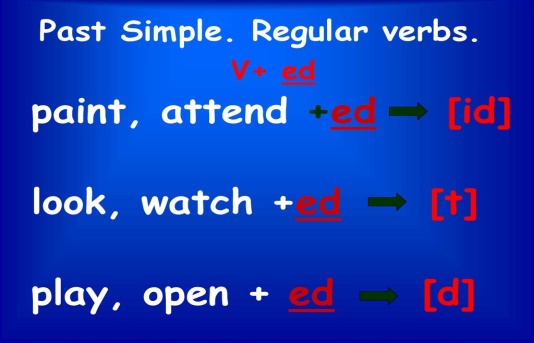
Ex:1 P:64 • Ss close their books. Present the past simple. Say: I worked hard yesterday. Write it on the board. Underline worked and explain that this verb is in the past simple. Point to a S and say: You worked hard yesterday. Then write it on the board. Underline worked. Point to a male S and say: He worked hard yesterday. Then write it on the board. Underline Ex: 2 P: 64 • Explain the task and allow Ss some time to complete it. Check Ss' answers by reading the text aloud and eliciting the missing verb forms from various Ss around the class. Check correct spelling on the board. Ex: 3 P: 64 • Ss close their books. Write on the board: I didn't work yesterday and She didn't work yesterday. Underline I didn't in the first sentence and She didn't in the second sentence. Explain that we use didn't in all persons to form the negative of the past simple. Point out that the main verb is also the same for all persons and is used in its base form. Ex: 4 P: 64 • Explain the task. Allow Ss two minutes to read the text in Ex. 2 again and then read out the example. Ss complete the task. Ask various Ss to read out the answers to the class Conclusion during the lesson some tasks differentiated by outcomes of the students and by their abilities. |
Pupils read the table and complete the rule. ANSWERS -ed Pupils put the verbs in brackets into the past simple. ANSWERS 2 called 3 started 4 joined 5 invaded 6 hated 7 liked 8 died 9 buried Pupils read the table and complete the rule. ANSWERS didn't Pupils read the text and correct the false statements ANSWERS 2 He didn't live in Europe. He lived in Asia. 3 He didn't start the British Empire. He started the Mongol Empire. 4 He didn't join only two tribes together. He joined many tribes together. 5 He didn't invade many parts of Australia. He invaded many parts of China and Central Asia. 6 His men didn't bury him in Italy. They buried him somewhere in Mongolia |
Descriptor: - read the table - complete the rule Total: 2 point
Self assessment Differentiation: «Verbal support» method is used to help Ss use new words in the sentences. Descriptor: - put the verbs in brackets into the past simple. Total: 3 point Descriptor: - read the table - complete the rule Total: 2 point Descriptor: - read the text - correct the false statements Total: 2 point -Make CCQ questions Yes / No Total: 1point Total: 10 point |
Card Worksheet Students book |
|
End of the lesson 5 min |
FEEDBACK Learners provide feedback on what they have learned at the lesson. Ex: Home task: |
|
Poster Success
|
|
Short term plan: term 3
|
Unit 5: Creativity |
Lesson 55 |
||
|
Teacher name: |
|
||
|
Date: |
|
||
|
Grade: 5 |
Number present: |
absent: |
|
|
Lesson title |
Reading and Listening; The lost Island of Atlantis. |
||
|
Learning objectives |
5.2.6.1 deduce meaning from context in short, supported talk on an increasing range of general and curricular topics; 5.3.1.1 provide basic information about themselves and others at sentence level on an increasing range of general topics; 5.4.2.1 understand with little support specific information and detail in short, simple texts on a limited range of general and curricular topics; |
||
|
Lesson objectives |
Learners will be able to: - introduce the topic and predict the content of the text - read for comprehension - practise the past simple and revise question words |
||
|
Value links |
Integrity – Integrity is the quality of having strong moral principles. So, a person with integrity will always act with honesty and adhere to their own moral code regardless of what others do. |
||
|
Plan |
|||
|
Stages / Time |
Teachers actions |
Students actions |
Assessment criteria |
Resources |
|
Beginning of the lesson Warming-up
3 min Pre-learning «Brainstorming» method 7 min. |
Organization moment : 1.Greeting. Ask about the weather. The teacher sets the lesson objectives, letting students know what to anticipate from the lesson. Warming up Where are you from? How old are you? What color is it? How many students are there in class? What day of the week today? Revise the language of the previous lesson. Lead – In
|
The aim: To develop pupils speaking skills and create friendly atmosphere Efficiency: By wishing each other they feel better and feel the support of others Students of the class are listed. Students' attention is drawn to the lesson. • Learners write the numbers from previous lesson Determines the topic and purpose of the lesson Students say different words from the picture |
The teacher to assess learners for their ability. “Good job! Well done!” Formative Assessment
Good job! Descriptor: -know key phrases - can make sentence - know vocabulary of previous lesson Total: 1 point Assessment criteria - Learners have met the learning objectives if they can: To talk about lost Island of Atlantis |
Pictures worksheet Student’s book |
|
Middle of the lesson Presentation part. 30 min |
Ex:1 P:66 • Elicit what Ss know about Atlantis. Read out the title and subheadings in the text as well as the words in the list. Play the recording. Ss listen and follow the text in their books to find out how the words are related to Atlantis. Ex: 2 P: 67 •Draw Ss attention to the Study Skill box and read it aloud. Give an example of key words and then explain the task. Allow Ss some time to read the text and answer the questions. Then direct Ss to the Word List to look up the meanings of the words in the Check these words box. Check Ss' answers around the class. Ex: 3 P: 67 • Explain the task and ask two Ss to read the example exchange aloud. Ss do the task in closed pairs, then ask some pairs to ask and answer in front of the class. Ex: 4 P: 67 • Allow Ss two minutes to read the text again and then ask various Ss to give their summary to the class using as many of the verbs in the list as they can. Evaluate Ss' performance. Check for: inclusion of all points, correct word order, spelling mistakes (if written), grammar (syntax mistakes), pace (if spoken), rapport (if spoken) Conclusion during the lesson some tasks differentiated by outcomes of the students and by their abilities. |
Pupils answer the question. ANSWERS I know there is a story about Atlantis being a lost island. No one knows for sure where it was or what happened to it. Plato - described Atlantis in 'Timaeus' Poseidon - A Greek god who created and protected Atlantis the Mediterranean - possible location of Atlantis the Azores-Atlantis could be near here Sardinia - Atlantis could be near here Malta - Atlantis could be near here Santorini - Atlantis could be near here Pupils read the text and answer the question. ANSWERS 1 A Greek philosopher. 2 In 355 BC. 3 The Greek god of the sea who created and protected Atlantis. 4 It was amazing. In the centre there was a temple dedicated to Poseidon. 5 A gold statue of Poseidon driving six horses. 6 Most of them were sailors and traders. They sailed around the world. Some were farmers. They worked in the fields and raised cows and sheep. 7 In beautiful palaces. 8 An earthquake caused it to sink into the ocean. 9 It could be near the Azores, or near Sardinia, Crete, Malta or Santorini in the Mediterranean Sea. 10 An earthquake destroyed it at the same time Atlantis sank Pupils ask and answer questions based on the text. ANSWERS A: He was from ancient Greece. What is 'Timaeus'? B: A book by Plato. Where was Atlantis? A: In the Atlantic Ocean. Who created it? |
Descriptor: - answer the question. Total: 2 point
Self assessment Differentiation: «Verbal support» method is used to help Ss use new words in the sentences. Descriptor: - read the text - answer the question Total: 2 point Descriptor: - ask and answer questions Total: 2 point -Make CCQ questions Yes / No Total: 1 point Total: 10 point |
Card Worksheet Students book |
|
End of the lesson 5 min |
FEEDBACK Learners provide feedback on what they have learned at the lesson. Ex: Home task: |
|
Poster Success
|
|

Short term plan: term 3
|
Unit 5: Creativity |
Lesson 56 |
||
|
Teacher name: |
|
||
|
Date: |
|
||
|
Grade: 5 |
Number present: |
absent: |
|
|
Lesson title |
Use of English: Past simple (irregular verbs) |
||
|
Learning objectives |
5.2.8.1 Understand supported narratives, including some extended talk, on an increasing range of general and curricular topics; 5.3.3.1 Give an opinion at sentence level on a limited range of general and curricular topics; 5.4.2.1 understand with little support specific information and detail in short, simple texts on a limited range of general and curricular topics; |
||
|
Lesson objectives |
Learners will be able to: - present the past simple for irregular verbs - practise the past simple of irregular verbs - practise the past simple interrogative and affirmatives of irregular verbs |
||
|
Value links |
Perseverance – People who value perseverance will work through adversity and be determined to get a result. This is a great treat for employees and entrepreneurs alike. |
||
|
Plan |
|||
|
Stages / Time |
Teachers actions |
Students actions |
Assessment criteria |
Resources |
|
Beginning of the lesson Warming-up
3 min Pre-learning «Brainstorming» method 7 min. |
Organization moment : 1.Greeting. Ask about the weather. The teacher sets the lesson objectives, letting students know what to anticipate from the lesson. Warming up Where are you from? How old are you? What color is it? How many students are there in class? What day of the week today? Lead - in
|
The aim: To develop pupils speaking skills and create friendly atmosphere Efficiency: By wishing each other they feel better and feel the support of others Students of the class are listed. Students' attention is drawn to the lesson. • Learners talk about favourite day previous lesson vocabulary Determines the topic and purpose of the lesson Students say different words from the picture |
The teacher to assess learners for their ability. “Good job! Well done!” Formative Assessment
Good job! Descriptor: -know key phrases - can make sentence - know vocabulary of previous lesson Total: 1 point Assessment criteria - Learners have met the learning objectives if they can talk about |
Pictures worksheet Student’s book |
|
Middle of the lesson Presentation part. 30 min |
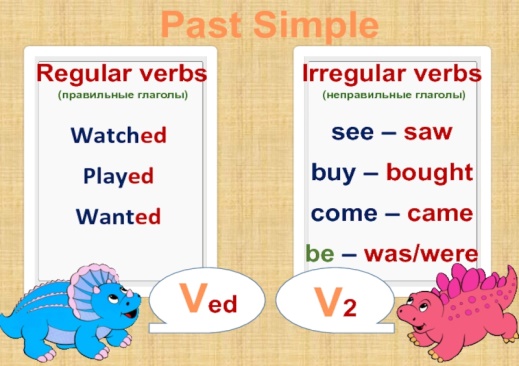
Ex:1 P:68 • Explain that irregular verbs don't take -ed in the past simple but they all change differently and Ss must learn the forms. Refer Ss to the irregular verbs list at the back of their books and advise them to study it and learn the irregular forms. Read out the table and elicit the L1 equivalents for the examples. Ex: 2 P: 68 • Allow Ss some time to complete the task. Check Ss' answers. Ex: 3 P: 68 • Give Ss time to read the biography and fill in the gaps. Check Ss' answers and then elicit the irregular verbs. Ex: 4 P: 69 • Give Ss some time to complete the gaps then check Ss' answers. Conclusion during the lesson some tasks differentiated by outcomes of the students and by their abilities. |
Pupils read the table ANSWERS Students own answer Pupils match the verbs to their past forms ANSWERS 1 k 2 f 3 j 4 l 5 I 6 b 7 e 8 g 9 0 10 p 11 d 12 a 13 h 14 n 15 m 16 q 17 c Pupils read the biography and put the verbs into the past simple. ANSWERS 1 was - irregular 2 went - irregular 3 created began-irregular 4 fought-irregular 5 married 6 had - irregular 7 became - irregular 8 began-irregular 9 made-irregular 10 wrote irregular 11 took-irregular 12 died Pupils write questions and answer them as in the example. ANSWERS 2 How many fantasy languages did Tolkien create? He created 15 fantasy languages. 3 Which war did he fight in? He fought in World War I. 4 Who did he marry? He married Edith Brott. 5 When did he marry her? He married her in 1916 |
Descriptor: - read the table - learn the irregular forms. Total: 2 point
Differentiation: «Verbal support» method is used to help Ss use new words in the sentences. Descriptor: - match the verbs - complete the task Total: 2 point Descriptor: - read the biography - put the verbs into the past simple. Total: 2 point Descriptor: - write answer them as in the example Total: 2 point -Make CCQ questions Yes / No Total: 10 point |
Card Worksheet Students book |
|
End of the lesson 5 min |
FEEDBACK Learners provide feedback on what they have learned at the lesson. Ex: Home task: |
|
Poster Success
|
|
Short term plan: term 3
|
Unit 5: Creativity |
Lesson 57 |
||
|
Teacher name: |
|
||
|
Date: |
|
||
|
Grade: 5 |
Number present: |
absent: |
|
|
Lesson title |
Use of English: Talking about the past |
||
|
Learning objectives |
5.2.4.1 understand the main points of supported extended talk on a range of general and curricular topics; 5.3.7.1 use appropriate subject-specific vocabulary and syntax to talk about a limited range of general topics 5.4.3.1 understand the detail of an argument on a limited range of familiar general and curricular topics; 5.6.3.1 use a structure to be going to to ask about plans. |
||
|
Lesson objectives |
Learners will be able to: - To consolidate information in a text and further practise the past simple of irregular verbs (negative and affirmative) - To practise the past simple of irregular verbs (interrogative) and short answers |
||
|
Value links |
Perseverance – People who value perseverance will work through adversity and be determined to get a result. This is a great treat for employees and entrepreneurs alike. |
||
|
Plan |
|||
|
Stages / Time |
Teachers actions |
Students actions |
Assessment criteria |
Resources |
|
Beginning of the lesson Warming-up
3 min Pre-learning «Brainstorming» method 7 min. |
Organization moment : 1.Greeting. Ask about the weather. The teacher sets the lesson objectives, letting students know what to anticipate from the lesson. Warming up Where are you from? How old are you? What color is it? How many students are there in class? What day of the week today? Lead - in
|
The aim: To develop pupils speaking skills and create friendly atmosphere Efficiency: By wishing each other they feel better and feel the support of others Students of the class are listed. Students' attention is drawn to the lesson. • Learners talk about favourite day previous lesson vocabulary Determines the topic and purpose of the lesson Students say different words from the picture What did you do yesterday? |
The teacher to assess learners for their ability. “Good job! Well done!” Formative Assessment
Good job! Descriptor: -know key phrases - can make sentence - know vocabulary of previous lesson Total: 1 point Assessment criteria - Learners have met the learning objectives if they can talk about the past |
Pictures worksheet Student’s book |
|
Middle of the lesson Presentation part. 30 min |
Ex:5 P:69 • Explain the task and read out the example. Ss complete the task. Check Ss' answers. Ex: 6 P: 69 • Ss work in pairs and ask and answer, as in the example. Monitor the activity around the class and then ask some pairs to share their answers with the class.y Ex: 7 P: 69 • To practise using time expressions with the past simple Explain the task and read out the example. Elicit a variety of personal sentences from Ss around the class Ex: 8 P: 69 • To practise the past simple (regular + irregular verbs) interrogative and short answers Ss ask and answer in pairs, as in the example. Monitor the activity around the class and then ask some pairs to ask and answer in front of the rest of the class. Conclusion during the lesson some tasks differentiated by outcomes of the students and by their abilities. |
Pupils read the text again and correct the false statements. ANSWERS 2 The English didn't build Sauran. The Arabs built it. 3 Kamila and her family didn't spend the whole day there. They spent the whole morning. 4 They didn't speak to any tour guides. They spoke to some archaeologists. 5 They didn't eat their lunch inside. They ate it outside. 6 They didn't see many people exploring the city. They saw eagles, horses, lizards and cute tortoises exploring the city. Pupils ask and answer, as in the example. ANSWERS 2 A: Did your dad read a book last week? B: Yes, he did./No, he didn't. 3 A: Did you listen to music yesterday? B: Yes, I did./No, I didn't. 4 A: Did you buy a DVD last month? B: Yes, I did./No, I didn't. 5 A: Did your family visit a castle last year? B: Yes, they did./No, they didn't. Pupils use the time expressions to write or say sentences about yourself, as in the example. ANSWERS I watched TV last night. I ate fish last Sunday. I got up late yesterday morning. I visited a castle two years ago Pupils use these verbs to find out what your partner did last weekend ANSWERS A: Did you eat fish? B: No, I didn't. A: Did you study English? B: No, I didn't. A: Did you go out? B: Yes, I did. A: Did you read a book? B: No, I didn't, etc. |
Descriptor: - read the text - correct the false statements Total: 2 point
Differentiation: «Verbal support» method is used to help Ss use new words in the sentences. Descriptor: - ask and answer Total: 2 point Descriptor: - use the time expressions - write or say sentences about yourself Total: 2 point Descriptor: - use these verbs - find out what your partner did Total: 2 point -Make CCQ questions Yes / No Total: 10 point |
Card Worksheet Students book |
|
End of the lesson 5 min |
FEEDBACK Learners provide feedback on what they have learned at the lesson. Ex: Home task: |
|
Poster Success
|
|
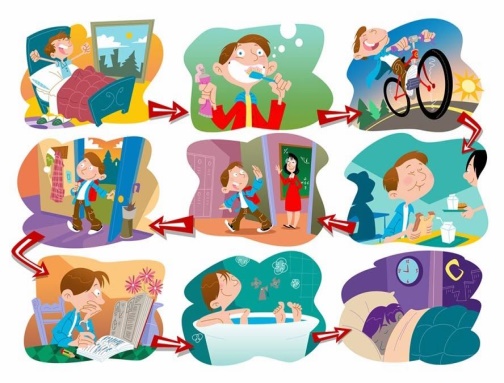
Short term plan: term 3
|
Unit 5: Creativity |
Lesson 58 |
||
|
Teacher name: |
|
||
|
Date: |
|
||
|
Grade: 5 |
Number present: |
absent: |
|
|
Lesson title |
Everyday English: Describing a past event |
||
|
Learning objectives |
5.2.4.1 understand the main points of supported extended talk on a range of general and curricular topics 5.4.3.1 understand the detail of an argument on a limited range of familiar general and curricular topics; 5.6.1.1 use Past Simple to tell a story. |
||
|
Lesson objectives |
Learners will be able to: -To practise pronunciation of situational language -To identify the context of a dialogue and predict the content |
||
|
Value links |
Perseverance – People who value perseverance will work through adversity and be determined to get a result. This is a great treat for employees and entrepreneurs alike. |
||
|
Plan |
|||
|
Stages / Time |
Teachers actions |
Students actions |
Assessment criteria |
Resources |
|
Beginning of the lesson Warming-up
3 min Pre-learning «Brainstorming» method 7 min. |
Organization moment : 1.Greeting. Ask about the weather. The teacher sets the lesson objectives, letting students know what to anticipate from the lesson. Warming up Where are you from? How old are you? What color is it? How many students are there in class? What day of the week today? Lead - in
|
The aim: To develop pupils speaking skills and create friendly atmosphere Efficiency: By wishing each other they feel better and feel the support of others Students of the class are listed. Students' attention is drawn to the lesson. • Learners talk about favourite day previous lesson vocabulary Determines the topic and purpose of the lesson Students say different words from the picture What did they do yesterday? |
The teacher to assess learners for their ability. “Good job! Well done!” Formative Assessment
Good job! Descriptor: -know key phrases - can make sentence - know vocabulary of previous lesson Total: 1 point Assessment criteria - Learners have met the learning objectives if they can talk about the past |
Pictures worksheet Student’s book |
|
Middle of the lesson Presentation part. 30 min |
Ex:1 P:70 • To practise pronunciation of situational language Play the recording. Ss listen and repeat. Pay attention to Ss' pronunciation and intonation and correct as necessary Ex: 2 P: 70 • To identify the context of a dialogue and predict the content Elicit what Ss think the dialogue is about. Ss listen and follow the text in their books and check. Ex: 3 P: 70 • To read for specific information Allow Ss time to read the dialogue again and complete the task. Check Ss' answers. Ex: 4 P: 70 • To learn synonymous phrases Read out the phrases. Refer Ss back to the dialogue and elicit the synonymous ones from various Ss around the class. Ex: 5 P: 70 • Draw Ss' attention to the Study Skills box at the side. Read it, or have one of the Ss read it aloud, and remind Ss to be aware of intonation patterns as they practise the dialogues. Play the recording again. Then ask Ss to work in pairs and take roles and read out the dialogue. Monitor the activity around the class and ask some pairs to read out the dialogue in front of the class. Conclusion during the lesson some tasks differentiated by outcomes of the students and by their abilities. |
Pupils listen and repeat. ANSWERS Students own answer Pupils listen, read and check ANSWERS The dialogue is about a party. Pupils read the dialogue. Answer the question. ANSWERS Bob had a nice time at Mark's party at the weekend. Pupils find the sentences in the dialogue. ANSWERS I'm sorry you weren't there. - It's a pity you couldn't make it. Was it fun? - Did you have a nice time? You must be kidding! - I don't believe it! Pupils listen to the dialogue. Take roles and read it out. ANSWERS Students own answer |
Descriptor: - listen and repeat Total: 2 point
Differentiation: «Verbal support» method is used to help Ss use new words in the sentences. Descriptor: - listen, read and check Total: 2 point Descriptor: - find the sentences in the dialogue. Total: 2 point Descriptor: - listen to the dialogue - take roles and read it out. Total: 2 point -Make CCQ questions Yes / No Total: 10 point |
Card Worksheet Students book |
|
End of the lesson 5 min |
FEEDBACK Learners provide feedback on what they have learned at the lesson. Ex: Home task: |
|
Poster Success
|
|
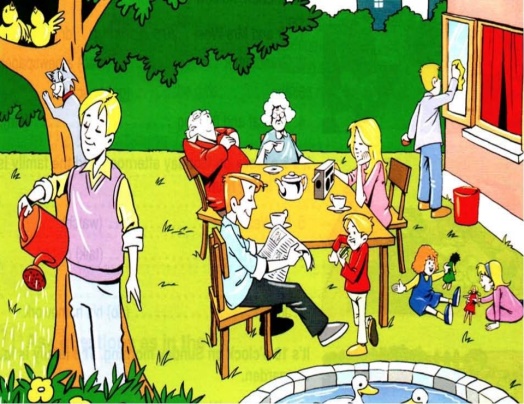
Short term plan: term 3
|
Unit 5: Creativity |
Lesson 59 |
||
|
Teacher name: |
|
||
|
Date: |
|
||
|
Grade: 5 |
Number present: |
absent: |
|
|
Lesson title |
Across cultures: Pablo Picasso |
||
|
Learning objectives |
5.4.3.1 understand the detail of an argument on a limited range of familiar general and curricular topics; 5.5.1.1 plan, write, edit and proofread work at text level with support on a limited range of general and curricular topics; 5.3.3.1 Give an opinion at sentence level on a limited range of general and curricular topics; |
||
|
Lesson objectives |
Learners will be able to: - To introduce the topic - To predict the content of a text - To use specific vocabulary to write sentences |
||
|
Value links |
Perseverance – People who value perseverance will work through adversity and be determined to get a result. This is a great treat for employees and entrepreneurs alike. |
||
|
Plan |
|||
|
Stages / Time |
Teachers actions |
Students actions |
Assessment criteria |
Resources |
|
Beginning of the lesson Warming-up
3 min Pre-learning «Brainstorming» method 7 min. |
Organization moment : 1.Greeting. Ask about the weather. The teacher sets the lesson objectives, letting students know what to anticipate from the lesson. Warming up Where are you from? How old are you? What color is it? How many students are there in class? What day of the week today? Lead - in
|
The aim: To develop pupils speaking skills and create friendly atmosphere Efficiency: By wishing each other they feel better and feel the support of others Students of the class are listed. Students' attention is drawn to the lesson. • Learners talk about favourite day previous lesson vocabulary Determines the topic and purpose of the lesson Students say different words from the picture What did they do yesterday? |
The teacher to assess learners for their ability. “Good job! Well done!” Formative Assessment
Good job! Descriptor: -know key phrases - can make sentence - know vocabulary of previous lesson Total: 1 point Assessment criteria - Learners have met the learning objectives if they can talk about art |
Pictures worksheet Student’s book |
|
Middle of the lesson Presentation part. 30 min |
Ex:1 P:71 • Explain what the word 'profession' means (a type of job that needs a high level of training or education) and read out the examples. Then allow Ss one minute to write down as many as they can think of. Ss check their list with their partner and then ask some Ss to read out their list to the class. Ex: 2 P: 71 • Direct Ss' attention to the pictures and elicit what, if anything, they know about the people in them. Read the questions in the rubric aloud and elicit guesses from Ss' in answer to them. Draw Ss' attention to the Check these words box. Elicit the meanings of the words or allow Ss time to look up the words and check meanings around the class. Ex: 3 P: 71 • Explain the task and elicit the meaning of any unknown words in the list. Allow Ss time to write their sentences. Check Ss' answers around the class. Ex: 4 P: 71 • Draw Ss attention to the Did you know? box. initiate a discussion about well-known painters or elicit names of Kazakhstani artists. Ask Ss to look up information on the internet or look in encyclopaedias/other reference books. Allow Ss time to collect the information and prepare their presentations. Alternatively, assign the task as HW. Ask Ss to present their work to the class. • Conclusion during the lesson some tasks differentiated by outcomes of the students and by their abilities. |
Pupils write as many professions as you can think of. Check with your partner. ANSWERS lawyer, doctor, photographer, actor, dancer, scientist, musician etc Pupils read the questions in the rubric. Answer the question ANSWERS C.S. Lewis was a writer from Northern Ireland. His most famous work is 'The Chronicles of Narnia.' Pablo Picasso was a painter from Spain. His most famous work is a painting called 'Guernica.' Pupils use these words to write sentences about C. S. Lewis and Pablo Picasso. ANSWERS When C.S. Lewis was a child, he was an eager reader. He had a great imagination and he was a skilful writer. C.S. Lewis is best known for his children's books but he also wrote science fiction and poetry for adults. Pablo Picasso is the 20th century's most famous painter. He is also famous as a sculptor and poet. 'Guernica' is his most well-known painting. Pupils think of a famous artist in your country. In groups, collect information using her/his name as the key words. ANSWERS Students own answer. |
Descriptor: - write as many professions - check with your partner. Total: 2 point
Differentiation: «Verbal support» method is used to help Ss use new words in the sentences. Descriptor: - read the questions in the rubric - answer the question Total: 2 point Descriptor: - use these words - write sentences Total: 2 point Descriptor: - think of a famous artist in your country - collect information Total: 2 point -Make CCQ questions Yes / No Total: 10 point |
Card Worksheet Students book |
|
End of the lesson 5 min |
FEEDBACK Learners provide feedback on what they have learned at the lesson. Ex: Home task: |
|
Poster Success
|
|

Short term plan: term 3
|
Unit 5: Creativity |
Lesson 60 |
||
|
Teacher name: |
|
||
|
Date: |
|
||
|
Grade: 5 |
Number present: |
absent: |
|
|
Lesson title |
Across the curriculum: Music Summative assessment for the unit ” Creativity” |
||
|
Learning objectives |
5.2.4.1 understand the main points of supported extended talk on a range of general and curricular topics 5.5.3.1 write with support factual descriptions at text level which describe people, places and objects; 5.4.2.1 understand with little support specific information and detail in short, simple texts on a limited range of general and curricular topics; |
||
|
Lesson objectives |
Learners will be able to: - To introduce the topic and present musical instruments - To present types of music - To listen for specific information |
||
|
Value links |
Perseverance – People who value perseverance will work through adversity and be determined to get a result. This is a great treat for employees and entrepreneurs alike. |
||
|
Plan |
|||
|
Stages / Time |
Teachers actions |
Students actions |
Assessment criteria |
Resources |
|
Beginning of the lesson Warming-up
3 min Pre-learning «Brainstorming» method 7 min. |
Organization moment : 1.Greeting. Ask about the weather. The teacher sets the lesson objectives, letting students know what to anticipate from the lesson. Warming up Where are you from? How old are you? What color is it? How many students are there in class? What day of the week today? Lead - in
|
The aim: To develop pupils speaking skills and create friendly atmosphere Efficiency: By wishing each other they feel better and feel the support of others Students of the class are listed. Students' attention is drawn to the lesson. • Learners talk about favourite day previous lesson vocabulary Determines the topic and purpose of the lesson Students say different words from the picture What did they do yesterday? |
The teacher to assess learners for their ability. “Good job! Well done!” Formative Assessment
Good job! Descriptor: -know key phrases - can make sentence - know vocabulary of previous lesson Total: 1 point Assessment criteria - Learners have met the learning objectives if they can talk about musical instruments |
Pictures worksheet Student’s book |
|
Middle of the lesson Presentation part. 30 min |
Ex:1 P:72 • To introduce the topic and present musical instruments Draw Ss' attention to the musical instruments in the pictures. Play the recording. Ss listen and repeat chorally or individually. Elicit the L1 equivalents from Ss around the class. Ex: 2 P: 72 • To present types of music Go through the names and types of music in the lists. Play the recording. Ss listen and match. Check Ss' answers. Ex: 3 P: 72 • To listen for specific information 10 Go through the instruments in the list A-H. Play the recording. Ss listen and match the items. Explain to them there are two extra instruments they do not need to use. Check Ss' answers. . Summative assessment for the unit ” Creativity” • Conclusion during the lesson some tasks differentiated by outcomes of the students and by their abilities. |
Pupils listen and repeat. Answer the question. ANSWERS Students own answer. Pupils listen and match the types of music to the musical instruments in the pictures. ANSWERS A/8 rock-electric guitar B/10 jazz-saxophone C/2 classical-harp D/4 ethnic-accordion E/6 folk-violin F/3 heavy metal - drums G/11 disco-synthesiser H/11 pop-synthesiser Pupils listen and match the people to the instruments they play. ANSWERS 2 G 3 F 4 H 5 E 6 C |
Descriptor: - listen and repeat - answer the question Total: 2 point
Differentiation: «Verbal support» method is used to help Ss use new words in the sentences. Descriptor: - present types of music - listen and match the types of music Total: 2 point Descriptor: - listen for specific information - match the people to the instruments Total: 2 point -Make CCQ questions Yes / No Total: 10 point |
Card Worksheet Students book |
|
End of the lesson 5 min |
FEEDBACK Learners provide feedback on what they have learned at the lesson. Ex: Home task: |
|
Poster Success
|
|

Short term plan: term 3
|
Unit 5: Creativity |
Lesson 61 |
||
|
Teacher name: |
|
||
|
Date: |
|
||
|
Grade: 5 |
Number present: |
absent: |
|
|
Lesson title |
Writing: An email about an event you attended |
||
|
Learning objectives |
5.2.8.1 Understand supported narratives, including some extended talk, on an increasing range of general and curricular topics; 5.3.3.1 Give an opinion at sentence level on a limited range of general and curricular topics; 5.4.2.1 understand with little support specific information and detail in short, simple texts on a limited range of general and curricular topics; |
||
|
Lesson objectives |
Learners will be able to: - To read for lexico-grammatical structure - To use descriptive language - To talk about an event you attended |
||
|
Value links |
Perseverance – People who value perseverance will work through adversity and be determined to get a result. This is a great treat for employees and entrepreneurs alike. |
||
|
Plan |
|||
|
Stages / Time |
Teachers actions |
Students actions |
Assessment criteria |
Resources |
|
Beginning of the lesson Warming-up
3 min Pre-learning «Brainstorming» method 7 min. |
Organization moment : 1.Greeting. Ask about the weather. The teacher sets the lesson objectives, letting students know what to anticipate from the lesson. Warming up Where are you from? How old are you? What color is it? How many students are there in class? What day of the week today? Lead - in
|
The aim: To develop pupils speaking skills and create friendly atmosphere Efficiency: By wishing each other they feel better and feel the support of others Students of the class are listed. Students' attention is drawn to the lesson. • Learners talk about favourite day previous lesson vocabulary Determines the topic and purpose of the lesson Students say different words from the picture What did they do yesterday? |
The teacher to assess learners for their ability. “Good job! Well done!” Formative Assessment
Good job! Descriptor: -know key phrases - can make sentence - know vocabulary of previous lesson Total: 1 point Assessment criteria - Learners have met the learning objectives if they can talk about an event you attended |
Pictures worksheet Student’s book |
|
Middle of the lesson Presentation part. 30 min |
Ex:1 P:73 • Explain the task. Allow Ss time to complete the gaps with the correct adjectives. Direct Ss to the Word List to look up the meanings of the words in the Check these words box. Ss compare their answers with their partner, then check Ss' answers around the class. Ex: 2 P: 73 • Read the Study Skills box aloud. To consolidate Ss' understanding, write the words good, bad and nice on the board. Elicit various adjectives from Ss around the class that mean the same as these words and write them under each one. Ss may copy the lists into their notebooks. Explain the task and explain/elicit the meanings of any unknown adjectives in the list. Ss complete the task. Check Ss' answers. Ex: 3 P: 73 • Ss ask and answer the questions in pairs about their events. Monitor the activity around the class and then ask some pairs to report back to the rest of the class on the event their partner attended. Ex: 4 P: 73 • Explain the task and allow Ss time to complete it in class. Ask various Ss to read out their emails to the class. Alternatively, assign as HW and check Ss answers in the next lesson. • Conclusion during the lesson some tasks differentiated by outcomes of the students and by their abilities. |
Pupils use these adjectives to complete the email. Check with your partner. ANSWERS 1 upset 2 perfect 3 fantastic 4 excellent 5 delicious Pupils replace the adjectives in bold with adjectives from the list. ANSWERS 1 disappointing/terrible 2 great 3 delicious 4 amazing 5 terrible/disappointing Pupils answer the question and talk about an event you attended. ANSWERS A: Where were you? B: I was at a concert. A: Who were you with? B: I was with my friends Irzhu and Aruzhan. A: What was the weather like? B: It was perfect. A: Was there any food or music? B: Yes, the music was excellent and we had hot dogs. They were delicious. A: Did you have a nice time? B: Yes, we had a great time. Pupils write an email to your English pen – friend about an event you attended. ANSWERS Hi Bill, I hope you're well. Guess where I was last weekend! I was at a concert. I was with my friends Irzhu and Aruzhan. The weather was perfect and there were many people there. Everyone had a fantastic time. The music was excellent and we ate some delicious baursaks (a sort of doughnut). Anyway, we had a great time and it's a pity you weren't there. Write to me and let me know how you are. Yours, Nurai |
Descriptor: - use these adjectives - complete the email. Total: 2 point
Differentiation: «Verbal support» method is used to help Ss use new words in the sentences. Descriptor: - replace the adjectives in bold - complete the task Total: 2 point Descriptor: - answer the question - talk about an event Total: 2 point Descriptor: - write an email Total: 2 point -Make CCQ questions Yes / No Total: 10 point |
Card Worksheet Students book |
|
End of the lesson 5 min |
FEEDBACK Learners provide feedback on what they have learned at the lesson. Ex: Home task: |
|
Poster Success
|
|

Short term plan: term 3
|
Unit 6: Reading for pleasure |
Lesson 62 |
||
|
Teacher name: |
|
||
|
Date: |
|
||
|
Grade: 5 |
Number present: |
absent: |
|
|
Lesson title |
Vocabulary: Types of literature |
||
|
Learning objectives |
5.3.6.1 communicate meaning clearly at sentence level during, pair, group and whole class exchanges; 5.5.3.1 write with support factual descriptions at text level which 5.L4 understand the main points of supported extended talk on a range of general and curricular topics; 5.2.4.1 understand the main points of supported extended talk on a range of general and curricular topics. |
||
|
Lesson objectives |
Learners will be able to: -To present and categorise types of literature - present new vocabulary |
||
|
Value links |
Perseverance – People who value perseverance will work through adversity and be determined to get a result. This is a great treat for employees and entrepreneurs alike. |
||
|
Plan |
|||
|
Stages / Time |
Teachers actions |
Students actions |
Assessment criteria |
Resources |
|
Beginning of the lesson Warming-up
3 min Pre-learning «Brainstorming» method 7 min. |
Organization moment : 1.Greeting. Ask about the weather. The teacher sets the lesson objectives, letting students know what to anticipate from the lesson. Warming up Where are you from? How old are you? What color is it? How many students are there in class? What day of the week today? Lead - in
|
The aim: To develop pupils speaking skills and create friendly atmosphere Efficiency: By wishing each other they feel better and feel the support of others Students of the class are listed. Students' attention is drawn to the lesson. • Learners talk about favourite day previous lesson vocabulary Determines the topic and purpose of the lesson Students say different words from the picture What kind of literature do you like to read? |
The teacher to assess learners for their ability. “Good job! Well done!” Formative Assessment
Good job! Descriptor: -know key phrases - can make sentence - know vocabulary of previous lesson Total: 1 point Assessment criteria - Learners have met the learning objectives if they can talk about types of literature |
Pictures worksheet Student’s book |
|
Middle of the lesson Presentation part. 30 min |
Ex:1 P:75 • Explain that in literature non-fiction refers to texts that discuss the real world and fiction refers to texts from the world of imagination. Explain the task. Allow Ss time to look at the pictures and choose which type each is. Check Ss' answers.
Ex: 2 P: 75 • Explain the tasks. Ss explore the books in the school library or at home and report back to the teacher on which types of books they find. Ss present answers to the class. • Conclusion during the lesson some tasks differentiated by outcomes of the students and by their abilities. |
Pupils listen and repeat. Answer the question ANSWERS Fiction: action & adventure, fairy tale, science fiction, mystery & suspense, horror, fables, legends Non-fiction: biography, articles in newspapers/magazines Pupils look at some books in the school library or at your house. Answer the question. ANSWERS Students own answer. |
Descriptor: - listen and repeat - answer the question Total: 2 point
Differentiation: «Verbal support» method is used to help Ss use new words in the sentences. Descriptor: - look at some books in the school library or at your house. - answer the question Total: 2 point -Make CCQ questions Yes / No Total: 10 point |
Card Worksheet Students book |
|
End of the lesson 5 min |
FEEDBACK Learners provide feedback on what they have learned at the lesson. Ex: Home task: |
|
Poster Success
|
|
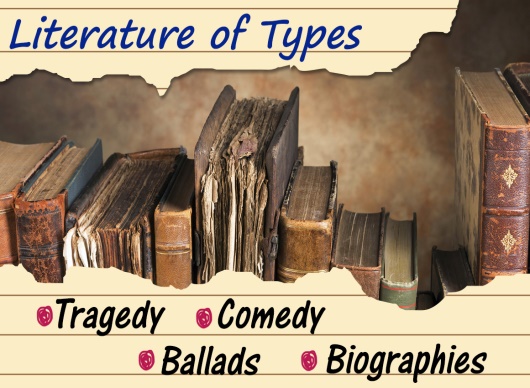
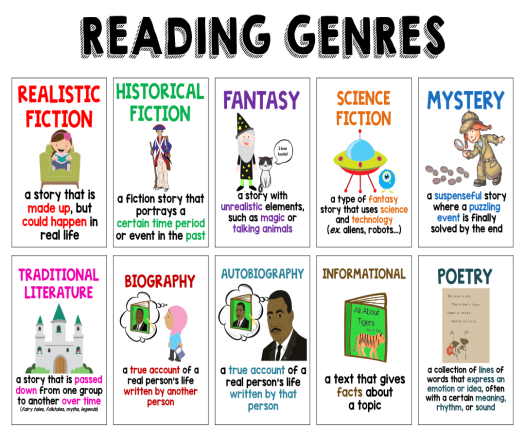
Short term plan: term 3
|
Unit 6: Reading for pleasure |
Lesson 63 |
||
|
Teacher name: |
|
||
|
Date: |
|
||
|
Grade: 5 |
Number present: |
absent: |
|
|
Lesson title |
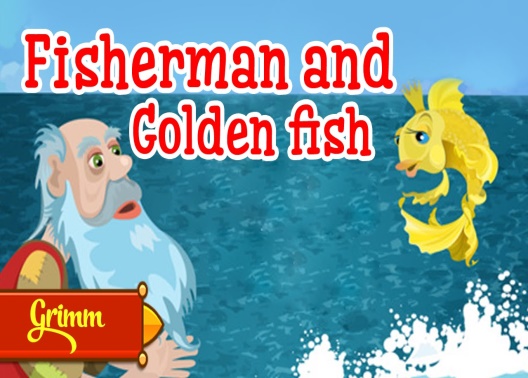
The fisherman and fish |
||
|
Learning objectives |
5.4.6.1 recognise the attitude or opinion of the writer in short texts on a limited range of general and curricular topics; 5.2.8.1 Understand supported narratives, including some extended talk, on an increasing range of general and curricular topics; 5.3.3.1 Give an opinion at sentence level on a limited range of general and curricular topics. |
||
|
Lesson objectives |
Learners will be able to: -To introduce the topic and stimulate interest in the text -To present vocabulary for a story |
||
|
Value links |
Perseverance – People who value perseverance will work through adversity and be determined to get a result. This is a great treat for employees and entrepreneurs alike. |
||
|
Plan |
|||
|
Stages / Time |
Teachers actions |
Students actions |
Assessment criteria |
Resources |
|
Beginning of the lesson Warming-up
3 min Pre-learning «Brainstorming» method 7 min. |
Organization moment : 1.Greeting. Ask about the weather. The teacher sets the lesson objectives, letting students know what to anticipate from the lesson. Warming up Where are you from? How old are you? What color is it? How many students are there in class? What day of the week today? Lead - in
|
The aim: To develop pupils speaking skills and create friendly atmosphere Efficiency: By wishing each other they feel better and feel the support of others Students of the class are listed. Students' attention is drawn to the lesson. • Learners talk about favourite day previous lesson vocabulary Determines the topic and purpose of the lesson Students say different words from the picture Do you read a story about Golden fish? |
The teacher to assess learners for their ability. “Good job! Well done!” Formative Assessment
Good job! Descriptor: -know key phrases - can make sentence - know vocabulary of previous lesson Total: 1 point Assessment criteria - Learners have met the learning objectives if they can talk about gold fish |
Pictures worksheet Student’s book |
|
Middle of the lesson Presentation part. 30 min |
Ex:1 P:76 • Explain the task. Allow Ss time to read through the text in order to answer the questions. Check answers around the class. Differentiation: «Verbal support» method is used to help Ss use new words in the sentences. Ex: 2 P: 76 • Explain the task. Allow time for Ss to look at the pictures and choose the descriptions from the list. Check answers. Ex: 3 P: 77 • Play the recording. Ss listen and read the text. Allow Ss time to put the pictures in the correct order. Check Ss answers. Ex: 4 P: 77 • Allow Ss time to prepare their answers. Ss can work in closed pairs. Check Ss answers. • Conclusion during the lesson some tasks differentiated by outcomes of the students and by their abilities. |
Pupils read the biography to find out. Answer the question. ANSWERS Alexander Pushkin was a poet, novelist and playwright. He was from Russia Pupils look at the pictures. choose the descriptions from the list ANSWERS 1 F 2 D 3 A 4 B 5 C 6 E Pupils listen to and read the story and put them in the correct order ANSWERS D-B-F-C-E-A Pupils read the story again and complete the sentences. ANSWERS 1 let it go 2 want anything 3 fool 6 a small house and the old bucket 4 new house 5 Land and Sea |
Descriptor: - read the biography - answer the question Total: 2 point
Descriptor: - look at the pictures - choose the descriptions Total: 2 point Descriptor: - listen to and read the story - put them in the correct order Total: 2 point Descriptor: - read the story - complete the sentences. Total: 2 point -Make CCQ questions Yes / No Total: 10 point |
Card Worksheet Students book |
|
End of the lesson 5 min |
FEEDBACK Learners provide feedback on what they have learned at the lesson. Ex: Home task: |
|
Poster Success
|
|
Short term plan: term 3
|
Unit 6: Reading for pleasure |
Lesson 64 |
||
|
Teacher name: |
|
||
|
Date: |
|
||
|
Grade: 5 |
Number present: |
absent: |
|
|
Lesson title |
The fisherman and fish |
||
|
Learning objectives |
5.1.4.1 evaluate and respond constructively to feedback from others; 5.6.5.1 use numbers to complete the fact file of a country; 5.4.1.1 understand the main points in a limited range of short simple texts on general and curricular topics. |
||
|
Lesson objectives |
Learners will be able to: - To personalise the topic -To practise adjectives |
||
|
Value links |
Perseverance – People who value perseverance will work through adversity and be determined to get a result. This is a great treat for employees and entrepreneurs alike. |
||
|
Plan |
|||
|
Stages / Time |
Teachers actions |
Students actions |
Assessment criteria |
Resources |
|
Beginning of the lesson Warming-up
3 min Pre-learning «Brainstorming» method 7 min. |
Organization moment : 1.Greeting. Ask about the weather. The teacher sets the lesson objectives, letting students know what to anticipate from the lesson. Warming up Where are you from? How old are you? What color is it? How many students are there in class? What day of the week today? Lead - in
|
The aim: To develop pupils speaking skills and create friendly atmosphere Efficiency: By wishing each other they feel better and feel the support of others Students of the class are listed. Students' attention is drawn to the lesson. • Learners talk about favourite day previous lesson vocabulary Determines the topic and purpose of the lesson Students say different words from the picture What do you do if you catch a golden fish? |
The teacher to assess learners for their ability. “Good job! Well done!” Formative Assessment
Good job! Descriptor: -know key phrases - can make sentence - know vocabulary of previous lesson Total: 1 point Assessment criteria - Learners have met the learning objectives if they can talk about gold fish |
Pictures worksheet Student’s book |
|
Middle of the lesson Presentation part. 30 min |
Ex:5 P:77 • Elicit answers from the Ss around the class. Differentiation: «Verbal support» method is used to help Ss use new words in the sentences. Ex: 6 P: 77 • Draw Ss' attention to the Study Skills box. Have one student read aloud the content of the box. Elicit more examples from the class. Allow Ss time to complete the task. Check Ss' answer Ex: 7 P: 77 • Explain the task. Allow Ss to work in closed pairs and come up with their own ideas. Elicit answers from around the class. Ex: 8 P: 77 • Explain the task. Allow Ss to work in closed pairs and choose an answer. Elicit answers from around the class. • Conclusion during the lesson some tasks differentiated by outcomes of the students and by their abilities. |
Pupils answer the question. ANSWERS Maybe the sea changes as the fisherman asks for more wishes because the fish is angry and his anger makes the sea change. Pupils use the adjectives to complete the summary. ANSWERS 1 small 2 golden 3 kind 4 new 5 rich 6 huge Pupils imagine you met the golden fish. Answer the question. ANSWERS I would only ask the fish for one thing, a new house, etc Pupils answer the question. Explain your choice. ANSWERS I think the message is to be happy with what you have got because the woman in the story wanted more every time. She was never happy with what she got. And this caused her to lose everything. |
Descriptor: - answer the question Total: 2 point
Descriptor: - use the adjectives - complete the summary Total: 2 point Descriptor: - imagine you met the golden fish - answer the question. Total: 2 point Descriptor: - answer the question. - Explain your choice. Total: 2 point -Make CCQ questions Yes / No Total: 10 point |
Card Worksheet Students book |
|
End of the lesson 5 min |
FEEDBACK Learners provide feedback on what they have learned at the lesson. Ex: Home task: |
|
Poster Success
|
|

Short term plan: term 3
|
Unit 6: Reading for pleasure |
Lesson 65 |
||
|
Teacher name: |
|
||
|
Date: |
|
||
|
Grade: 5 |
Number present: |
absent: |
|
|
Lesson title |
Robin Hood |
||
|
Learning objectives |
5.1.7.1 develop and sustain a consistent argument when speaking or writing; 5.6.1.14 use prepositions to talk about time and location and some/ any/no; 5.4.5.1 deduce meaning from context in short texts on a limited range of familiar general and curricular topics. |
||
|
Lesson objectives |
Learners will be able to: - To introduce the topic and stimulate interest in the text - To read for specific information |
||
|
Value links |
Perseverance – People who value perseverance will work through adversity and be determined to get a result. This is a great treat for employees and entrepreneurs alike. |
||
|
Plan |
|||
|
Stages / Time |
Teachers actions |
Students actions |
Assessment criteria |
Resources |
|
Beginning of the lesson Warming-up
3 min Pre-learning «Brainstorming» method 7 min. |
Organization moment : 1.Greeting. Ask about the weather. The teacher sets the lesson objectives, letting students know what to anticipate from the lesson. Warming up Where are you from? How old are you? What color is it? How many students are there in class? What day of the week today? Lead - in
|
The aim: To develop pupils speaking skills and create friendly atmosphere Efficiency: By wishing each other they feel better and feel the support of others Students of the class are listed. Students' attention is drawn to the lesson. • Learners talk about favourite day previous lesson vocabulary Determines the topic and purpose of the lesson Students say different words from the picture |
The teacher to assess learners for their ability. “Good job! Well done!” Formative Assessment
Good job! Descriptor: -know key phrases - can make sentence - know vocabulary of previous lesson Total: 1 point Assessment criteria - Learners have met the learning objectives if they can talk about Robin Hood |
Pictures worksheet Student’s book |
|
Middle of the lesson Presentation part. 30 min |
Ex:1 P:78 • Explain the task. Allow Ss time to read through the text in order to answer the questions. Check answers around the class. Differentiation: «Verbal support» method is used to help Ss use new words in the sentences. Ex: 2 P: 78 • Explain the task. Allow Ss time to match the pictures with the captions. Check answers. Ex: 3 P: 78 • Explain the task. Play the recording. Ss listen and read the text. Allow time for the Ss to identify the people in the pictures. Check Ss' answers aloud around the class. Ex: 4 P: 79 • Explain the task. Allow Ss time to put the pictures in the correct order. Check Ss' answers. Ex: 5 P: 79 • Draw Ss attention to the Check these words box. Elicit meaning of the words or allow Ss time to look up the words and check meanings around the class. Explain the task. Allow Ss time to complete the sentences. Check Ss' answers. • Conclusion during the lesson some tasks differentiated by outcomes of the students and by their abilities. |
Pupils read the background information to find out. Answer the question. ANSWERS Robin Hood is a character from an English legend. He lived in Sherwood Forest with the Merry Men. He was loyal to the real king and a brilliant archer, etc Pupils look at the picture. Match the pictures with the captions. ANSWERS 1 E 2 C 3 A 4 D 5 B 6 B Pupils listen and read to find out. Answer the question. ANSWERS Picture A - Robert, Earl of Huntingdon (Robin Hood) and the Sheriff of Nottingham Picture B - Robin Hood, and the Merry Men Picture C - Marian, Robert, Earl of Huntingdon (Robin Hood), the Sheriff of Nottingham and his men Picture D - Robert, Earl of Huntingdon (Robin Hood) and a group of outlaws Picture E-Marian and Robert, Earl of Huntingdon (Robin Hood) Pupils read again and put the pictures in the correct order. ANSWERS Correct Order -, C, A, D, B Pupils read again and complete the sentences. ANSWERS 1 the door burst open 2 to arrest Robin 3 rode away 4 a group of men 5 outlaws 6 title or castle 7 a bow and arrow and a green hood 8 Robin Hood |
Descriptor: - read the background - answer the question. Total: 2 point
Descriptor: - look at the picture - match the pictures with the captions. Total: 2 point Descriptor: - Pupils listen and read - answer the question. Total: 2 point Descriptor: - read again - put the pictures in the correct order Total: 2 point -Make CCQ questions Yes / No Total: 10 point |
Card Worksheet Students book |
|
End of the lesson 5 min |
FEEDBACK Learners provide feedback on what they have learned at the lesson. Ex: Home task: |
|
Poster Success
|
|


 Жүктеу


 Жүктеу
шағым қалдыра аласыз