
 ЖИ көмекші


 Қауіпсіз төлем

жүктеу мүмкіндігіне ие боласыз
Бұл материал сайт қолданушысы жариялаған. Материалдың ішінде жазылған барлық ақпаратқа жауапкершілікті жариялаған қолданушы жауап береді. Ұстаз тілегі тек ақпаратты таратуға қолдау көрсетеді. Егер материал сіздің авторлық құқығыңызды бұзған болса немесе басқа да себептермен сайттан өшіру керек деп ойласаңыз осында жазыңыз
 08 Қаңтар 2020
 1124

1 жыл бойы шексіз жүктеңіз
Qualities and hobbies
Methodological recommendations
for Lesson Planning
on the subject "English"
Corse book "English Plus for Kazakhstan" Grade 9
Oxford University Press
Short term plan 1
Term 1 Unit 1 "Hobbies and qualities" |
School: |
|
||||||
Date:
|
Teacher’s name:
|
|
||||||
Grade 9 |
Number present: |
Number absent: |
||||||
Theme of the lesson: |
Vocabulary and language focus: Attributes and personality. |
|
||||||
Learning objectives(s) that this lesson is contributing to |
9.C6 organise and present information clearly to others 9.S3 explain and justify their own point of view on a range of general and curricular topics 9.UE3 use a variety of compound adjectives and adjectives as participles and a variety of comparative structures to indicate degree on a range of familiar general and curricular topics 9.UE12 use an increased variety of comparative degree adverb structures with regular and irregular adverbs use a variety of pre-verbal, post-verbal and end-position adverbs on a range of familiar general and curricular topics |
|
||||||
Lesson objectives |
All learners will be able to: |
|
||||||
|
|
|||||||
Most learners will be able to: |
|
|||||||
|
|
|
||||||
Some learners will be able to: |
|
|||||||
|
|
|||||||
Assessment criteria |
Form ideas effectively and demonstrate the ability to express them clearly. Provide a point of view in conversations and discussions. Apply the rule for compound adjectives and adjectives as participles in practice. Apply regular and irregular adverbs and comparative degree structures accurately. Descriptor. A learner:
|
|
||||||
Value links |
Knowing yourself, being open to experiencing new things. |
|
||||||
Cross curricular links |
Social studies. |
|
||||||
Previous learning |
Previously learned vocabulary on the topic "Hobbies and qualities". |
|
||||||
Use of ICT |
Smart board for showing a presentation, getting additional information, playing the audio, video files. |
|
||||||
Health and Safety links |
Switch off the active board if you do not use it. If students are tired, do physical exercise with them. Open the window to refresh the air in the classroom during the break. |
|
||||||
Plan |
|
|||||||
Planned timings |
Planned activities |
Resources |
||||||
Beginning the lesson |
The lesson greeting. The teacher sets the lesson objectives, letting students know what to anticipate from the lesson. Warm up. Pantomime: 'What do you like? Play the game in 2 groups. One pupil from each group comes to the board and mimes a hobby. The other group tries to guess the hobby. If they guess correctly, they win one point. At the end of the game, the group with the most points is the winner.
|
|
||||||
Main Activities |
Ex.1 p.8. Word formation activity. Ex.2 p.8. Sentence completion task. Ex.3 p.8. Completing questionnaire. Comparing answers (Venn diagram). Ex.4 p.9. Table completion. Ex.5 p.9. Putting the words into context. Ex.6 p.9. Substitution table. Ex.7 p.9. Transformation task. Ex.8 p.9. Guessing game. Extra task. Writing practice. |
Board Projector Internet Presentation Video and images Handouts with task |
||||||
Ending the lesson |
Giving the hometask. WB p.6, ex.1-3 p.7 Peer-assessment. Two stars and a wish.
|
|
||||||
End 1min |
Feedback: Teacher asks students what task was difficult to them and which pair worked well. |
|
||||||
Additional information |
|
|||||||
Differentiation – how do you plan to give more support? How do you plan to challenge the more able learners? |
Assessment – how are you planning to check learners’ learning? |
Critical thinking
|
||||||
Differentiation can be achieved by task (selection of learning materials and resources based on student strengths). By support. Less able learners will be supported through step-by-step instructions, graphic organizers, sentence frames, glossaries, thinking time. Small group learning. By outcome providing challenge, variety and choice. |
Observe learners when participating in use of English activities. Record what they considered they had learned from the lesson. Could they express what they had learned about content and language? Could they express which skills they had developed? Formative assessment is held through observation/monitoring. |
Students think critically, exploring, developing, evaluating and making choices about their own and others’ ideas. |
||||||
Short term plan 2
Term 1 Unit 1 "Hobbies and qualities" |
School: |
|
||||||
Date:
|
Teacher’s name:
|
|
||||||
Grade 9 |
Number present: |
Number absent: |
||||||
Theme of the lesson: |
Reading: Comparing generations. |
|
||||||
Learning objectives(s) that this lesson is contributing to |
9.C7 develop and sustain a consistent argument when speaking or writing 9.R2 understand specific information and detail in texts on a range of familiar general and curricular topics, including some extended texts 9.R9 recognise inconsistencies in argument in extended texts on a range of general and curricular topics 9.UE14 use an increased variety of prepositions before nouns and adjectives use a growing number of dependent prepositions following nouns and adjectives and an increased variety of dependent prepositions following verbs on a range of familiar general and curricular topics |
|
||||||
Lesson objectives |
All learners will be able to: |
|
||||||
|
|
|||||||
Most learners will be able to: |
|
|||||||
|
|
|||||||
Some learners will be able to: |
|
|||||||
|
|
|||||||
Assessment criteria |
Make an argument and evolve reasoning while speaking. Identify particular information and details in reading passage. Find claim, reasons and evidence in the text to recognise inconsistencies in argument. Employ the rule for nouns and adjectives in common prepositional phrases in practice. Descriptor. A learner:
|
|
||||||
Value links |
Respecting yourself and others. |
|
||||||
Cross curricular links |
Social studies. |
|
||||||
Previous learning |
Previously learned vocabulary on the topic "Attributes and personality". |
|
||||||
Use of ICT |
Smart board for showing a presentation, getting additional information, playing the audio, video files. |
|
||||||
Health and Safety |
Switch off the active board if you do not use it. If students are tired, do physical exercise with them. Open the window to refresh the air in the classroom during the break. |
|
||||||
Plan |
|
|||||||
Planned timings |
Planned activities |
Resources |
||||||
Beginning the lesson |
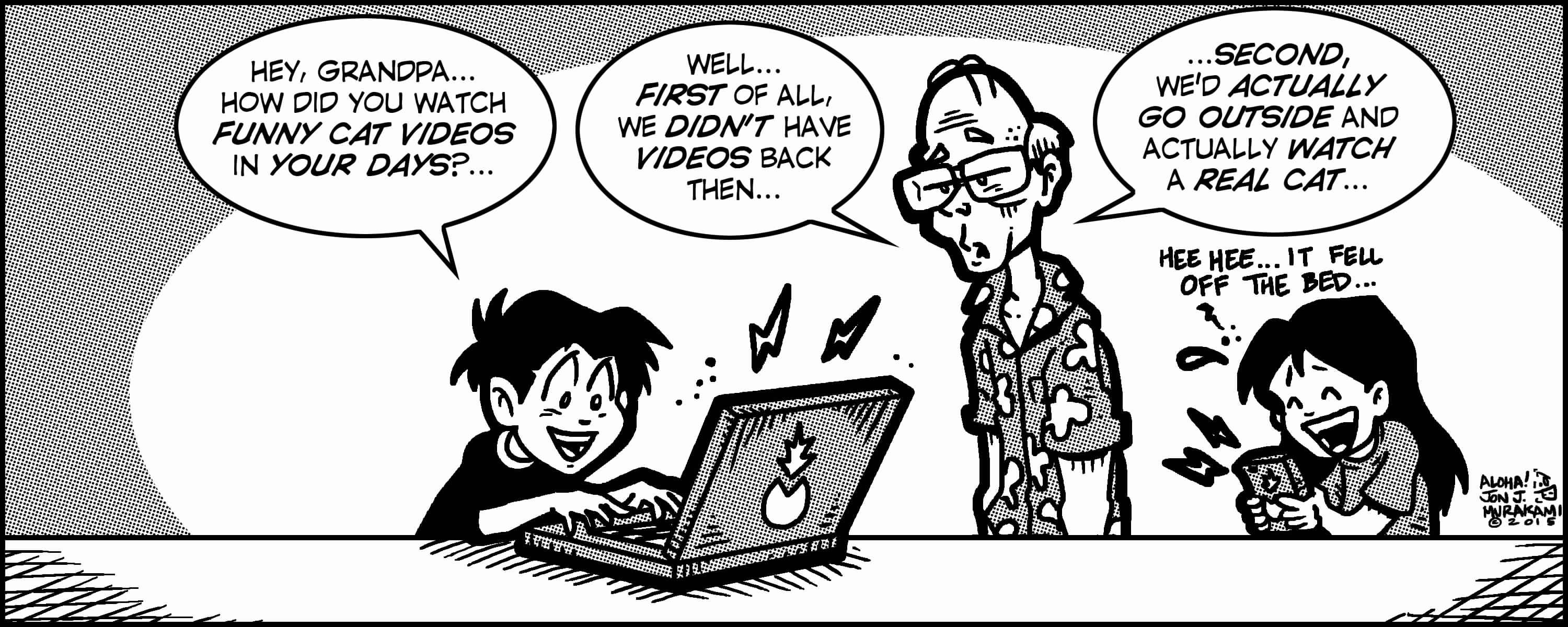
The lesson greeting. The teacher sets the lesson objectives, letting students know what to anticipate from the lesson. Warm up. 1/ Describe the given picture. 2/ What is the message conveyed by it?
|
|
||||||
Main Activities |
Task. With books closed, ask SS if they have seen photographs of their parents and grandparents when they were young. Ask: What were their clothes like? What were their hairstyle like? Ask: What do you think life was like in the 1950s? Ex.1 p.10. Prediction based on the vocabulary. Detailed reading. Comparing. Ex.2 p.10. Justifying True/False statements with reference to the text. Ex.3 p.10. Gap-filling. Ex.4 p.10. Sentence completion. Ex.5 p.10. Class discussion. |
Board Projector Internet Presentation Video and images Handouts with task CD 1.06 |
||||||
Ending the lesson |
Giving the hometask. WB p.10 Self-reflection.
|
|
||||||
End 1min |
Feedback: Teacher asks students what task was difficult to them and which pair worked well. |
|
||||||
Additional information |
|
|||||||
Differentiation – how do you plan to give more support? How do you plan to challenge the more able learners? |
Assessment – how are you planning to check learners’ learning? |
Critical thinking
|
||||||
Differentiation can be achieved by task (selection of learning materials and resources based on student strengths). By support. Less able learners will be supported through step-by-step instructions, graphic organizers, sentence frames, glossaries, thinking time. Small group learning. By outcome providing challenge, variety and choice. |
Observe learners when participating in use of English activities. Record what they considered they had learned from the lesson. Could they express what they had learned about content and language? Could they express which skills they had developed? Formative assessment is held through observation/monitoring. |
Students think critically, exploring, developing, evaluating and making choices about their own and others’ ideas. |
||||||









 Бұл курс Қазақстан Республикасы Оқу-ағарту министрлігімен келісілген










