ЖИ көмекші


жүктеу мүмкіндігіне ие боласыз
Бұл материал сайт қолданушысы жариялаған. Материалдың ішінде жазылған барлық ақпаратқа жауапкершілікті жариялаған қолданушы жауап береді. Ұстаз тілегі тек ақпаратты таратуға қолдау көрсетеді. Егер материал сіздің авторлық құқығыңызды бұзған болса немесе басқа да себептермен сайттан өшіру керек деп ойласаңыз осында жазыңыз
 15 Ақпан 2021
 784
784
Сабақ жоспары 1 сынып Time for CLIL
Бекітемін:
|
LESSON: Our World – Time for CLIL |
Lesson: 7 |
||||||||
|
Date: |
Teacher name:Nurlanova IS |
||||||||
|
CLASS: 1 |
Number present: |
absent: |
|||||||
|
Learning objectives(s) that this lesson is contributing to |
1. to choose a story about a bus for which you can get hold of visual and story sequences to project 2. encourange learner engagement with the story through this process of collective class telling. 3. focus learner on a particular point in the story and where the characters are. |
||||||||
|
|
1L1.Recognize short instructions for basic classroom routines spoken slowly and distinctly 1S1. Make basic personal statements and simple statements about objects 1L3.Recognize with support simple greetings 1UE1.use common singular and plural nouns to say what and where things are |
||||||||
|
Lesson objectives |
All learners will be able to: |
||||||||
|
Sing a song’’ Hello! To learn about famous characters To learn about primary and secondary colours. |
|||||||||
|
Most learners will be able to: |
|||||||||
|
Pronunciation simple words with teacher’s support |
|||||||||
|
Some learners will be able to: |
|||||||||
|
Make simple dialogue with teacher’s support To explore other subject areas(Art) |
|||||||||
|
Success criteria |
Pupils achieve if: Can pronounce words Can listensounds |
||||||||
|
Values link |
To regret each other,work in groups |
||||||||
|
Cross curricular links |
Art |
||||||||
|
Previous learning |
Ask the pupils to present their project from the previous lesson. |
||||||||
|
Plan |
|||||||||
|
Plannedtimings |
Planned activities (replace the notes below with your planned activities) |
Resources |
|||||||
|
Start 3m |
Learners are introduced with the lesson objectives /D/ Organize the lesson Greetings Hello, Good morning pupils! How are you? Fine, thanks. Sit down. Warm up. Brain storming. We are fine! We are great! We are wonderful! Well done! |
|
|||||||
|
Middle 4-25m |
Our world (Activities to familiarize the pupils with famous characters from different parts of the world.)
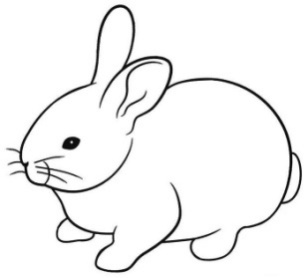
/G/ Repeating the theme with group learners given an image of the colours and cut-outs of key characters. Check learners are familiar with all names. Examples: What colour is it? - It is red. What colour is it?-It is blue. What colour is it?-It is green. What colour is it?- It is yellow. What colour is it?- It is white. Assestment criteria Name all colours correctly Descriptors :Colour 3 rabbits 1 clap Colour 2 rabbits 2 cl Colour 3 rabbits 3 claps
Task 1 1 group Red rabbit
2 group yellow rabit 3 group green rabbit
Listen and point Pupils’ books closed. Put up the world map. If you haven’t got one, you can download the countries’ maps from the internet. Point to the UK and say: This is UK. Ask the pupils to tell you what they know about this country, e. g. capital city, flag, famous people, etc. follow the same procedure with the USA and Japan. Pupils’ books open. Refer the pupils to the pictures of the different characters. Elicit the characters’ names. Play the CD. The pupils listen and point to the pictures. Play the CD again pausing after each sentence. The pupils repeat, chorally and or individually. Audio script This is Winnie the Pooh, my favouritecharacters . This is Superman, my favourite characters. This is Tazshabala, my favourite characters. Formative assestment This is Scart, my favourite characters. Learning objective 1.UE3 Use basic adjectives to describe people and things Assessment criteria Describe people and things using basic adjectives Level of thinking skills Knowledge and comprehension Application Draw your favourite characters. Present it to the class.Group assestment Explain the activity. The pupils draw and present their favourite characters. Make sure you display their drawings somewhere in the classroom. Alternatively, explain the activity and assign it as homework. The pupils can find pictures of theirfavourite characters online. Once the pupils have presented their drawings/ pictures, help them file their drawings in their Language Portfolios. Suggested answer key This is Scart, my favourite characters. Descriptors A learner names the objects and their colours; says the size of the objects.Name charackters Peer assestment
Individual work Time for CLIL (Activities to learn about primary and secondary colours) Sing the Mixing Colours song! Pupils’ books closed. Write the following on the board: red, yellow, blue. Explain to the pupils. In L 1 if necessary, that these colours exist on their own. We do not create them by mixing other colours (Primary). When we mix these colourstogether,however, we create some other colours (Secondary). Put up the Mixing Colours poster on the board. Point to the primary colours, one at a time, and name them. Point to the secondary colours and elicit their names. Pupils’ books open. Point to the first set of colours and say: red and yellow. Yellow and red. What do you get? Have the pupils repeat after you. then say: Orange! Have thepupils repeat after you. follow the same procedure and present the rest of the song. Play the CD. The pupils listen to the song. Divide the class into three groups and assign a verse to each group. Play the CD again. The groups sing the assigned verse. Time permitting, play the song a third time For the pupils to sing the song as a class. Audio script Red and yellow, yellow and red What do you get? What do you get? Orange! Blue and yellow, yellow and blue. What do you get? What do you get? Green! Red and blue, blue and red What do you get? What do you get? Purple! (See the introduction for further ideas on how to exploit the songs.) Complete Explain the activity. The pupils look at the colour combinations and colour in the missing colours. Allow the pupils some time a complete the activity. Check their answers. Descriptors Red+yellow=orange Yellow+blue=green Blue+red=purple A Have you rest? Double, double, This, this Double, double That, that Double this Double that Double, double This, that |
Flashcards Watch Slide Flashcards Watch Slide Colour Song www.kindsinglish.com Clusters, flashcards Listen and sing a song Flashcards |
|||||||
|
End 5-min 3-min |
(An activity to consolidate the language of the lesson) (before going into class) Photocopy the colour wheel template from the Teacher’s Resource Pack CDD-ROM, one per pupil.. Ask the pupils to color them in. the color wheel can help them remember primary and secondary colors. The secondary colors are in between the primary ones. For example, the primary colours of red and blue point together will produce the secondary colour purple. For practice, say two primary colours and ask a pupil to tell you the secondary colour we get when we mix these two colours together.
|
Activity book CD - player |
|||||||
|
Additional information |
|||||||||
|
Differentiation – how do you plan to give more support? How do you plan to challenge the more able learners? |
Assessment – how are you planning to check learners’ learning? |
Cross-curricular links |
|||||||
|
More support: Provide less ablelearners with
the foursentences written on aworksheet so they canlisten and
read. More able
learners: |
Monitor learners to checkthey
can pick up specificdetails when listening tofacts reported from
map,facts about naturaldisasters; detail fromvideo. Note those
who |
Learners work in groups apply skills and knowledge to a practical and cooperative task, and produce their own materials. All of these lesson correlate with the aims of critical and creative communication set out . Job and work:
developingvocabulary range tocommunicate knowledgeof natural
disasters; |
|||||||
|
Reflection Were the lesson objectives/learning objectives realistic? What did the learners learn today? What was the learning atmosphere like? Did my planned differentiation work well? Did I stick to timings? What changes did I make from my plan and why? |
Use the space below to reflect on your lesson. Answer the most relevant questions from the box on the left about your lesson. All lesson and learning objectives were met. The lesson was exciting. Learners were always in action and interaction. Game style lessons prove to be very useful. |
||||||||
|
Simulation game created this opportunity for them. |
|||||||||
|
Summary evaluation What two things went really well (consider both teaching and learning)? 1: Simulation game 2: Video and vocabulary prior to the game What two things would have improved the lesson (consider both teaching and learning)? 1: Better level of English language of learners. Inability of communication in English language of some learners keeps behind more able ones as well. 2:Learners came late after flash mob break. This usually happens. What have I learned from this lesson about the class or individuals that will inform my next lesson? |
|||||||||



 ssestment with stars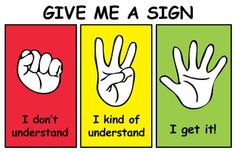

 Жүктеу


 Жүктеу
шағым қалдыра аласыз
 Бұл курс Қазақстан Республикасы Оқу-ағарту министрлігімен келісілген