
 ЖИ көмекші


 Қауіпсіз төлем

жүктеу мүмкіндігіне ие боласыз
Бұл материал сайт қолданушысы жариялаған. Материалдың ішінде жазылған барлық ақпаратқа жауапкершілікті жариялаған қолданушы жауап береді. Ұстаз тілегі тек ақпаратты таратуға қолдау көрсетеді. Егер материал сіздің авторлық құқығыңызды бұзған болса немесе басқа да себептермен сайттан өшіру керек деп ойласаңыз осында жазыңыз
 24 Ақпан 2020
 991

1 жыл бойы шексіз жүктеңіз
сабақ жоспары "Holidays and traditions in Great Britain"
Сабақтың №_____ күні_________ ________тобы
№ урока________ дата_________ группа______
Сабақтың
тақырыбы:
Тема урока: " Holidays, traditions and customs in Great Britain.
Сабақтың мақсаттары:
Цели урока:
обогатить знания учащихся об английских праздниках, традициях и обычаях.
активизация речи и расширение словарного запаса по теме:
" Holidays, traditions and customs in England.'';
развивать способность устной речи на английском языке;
привить интерес к культуре страны изучаемого языка;
Сабақтың
түрі:
Тип урока: комбинированный урок
Оқу құралдары:
Средства
обучения: учебник,
словарь, слова учителя
I. Ұйымдастыру кезеңі.
Организационный
момент.
T:
Good morning, students! How are you?
S: Good morning, teacher, we glad to see you\OK, and you?
T: Thank you. Sit down please. What date is it today?
S: Today it is ...
T: Who is absent today?
S: ... is absent.
II. Үй тапсырмасын тексеру:
Проверка домашнего задания:
T:Let's check up your home task. What was the home task for today?
S:Our task was to learn new words on the theme “Education in England”.
T: Please, answer to the following questions:
1. When does compulsory school begin?
2. How long does a child stay in compulsory school?
3. What subjects do children learn in Primary School?
4. What kind of exam do students have to take when they are 16?
5. Do students have to leave school at the age of 16 or to continue their studies?
6.How do private schools differ from the regular ones?
7.How many universities are there in England?
T: Thank you for your answers.
III. Білімдерінің жан-жақты тексерісі
Всесторонняя проверка знаний
Заполните пропуски модальными глаголами can, can't, could, couldn't, must, mustn't, need, needn't.
Пример: I was very busy, so I couldn't meet you at the airport.
1.
You ... interrupt the lecturer. It's rude and impolite.
2. My
friend ... speak five languages.
3. When I entered the room I
... smell roses.
4. I ... forget about this and move
forward.
5.
You
... comesoearly
(вам не нужно (нет необходимости) приходить
так рано).
IV. Оқушылардың жаңа материалды белсенді және саналы түрде игеруіне дайындығы
Подготовка учащихся к активному и сознательному усвоению нового материала
Look at the picture and solve the rebus.
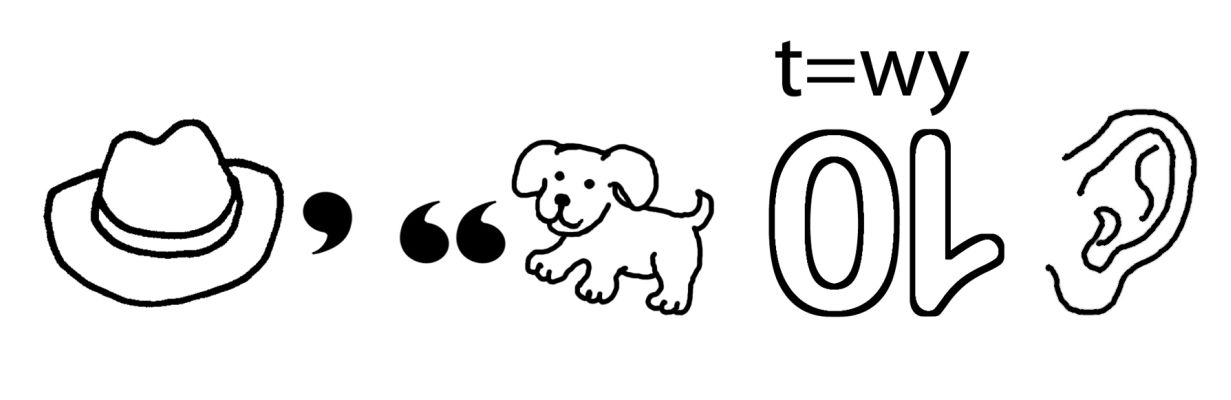
Today at the lesson we will consolidate your knowledge on the theme “Holidays, traditions and customs in England” and I'll try teaching you to search and learn materials yourselves.
Firstly, I will give some new words:
Decorate-украшать
Chimney-дымоход, труба
Celebrate-праздновать
Neighbor-сосед
Guest-гость
Knock-стук,постучать
Trick- трюк,фокус
Turkey- индейка,индюк
Sign-знак,символ
Pie-пирог
Sock-носок
Party- вечеринка
Cards-карточки,открытки
Flowers-цветы
Play tricks- разыгрывать трюк
Pudding- пудинг
Potatoes-картофель
Sweets- сладости
a pumpkin pie- тыквенный пирог
money- деньги
gather together- собрать вместе
gifts- подарки, дарить
presents-подарки
ghosts- призраки
traditional dinner- традиционныйужин
fireworks - фейерверк
bonfire- костер
candle- свеча
national- национальный
tradition- традиция
guy- парень
straw-солома,соломинка
sticks-палочки
VI. Жаңа білімдерді игеру
Усвоение новых знаний:
Read and try to understand the text. (приложение 1)
UK
Holidays and Traditions
There
are eight public holidays a year in Great Britain when the British
have days off work. They are: Christmas Day, Boxing Day, New Year's
Day, Good Friday, Easter Monday, May Day, the spring bank holiday
and late summer bank hol¬iday. The term bank holiday applies also
to Christmas Day, Boxing Day, Easter Monday, New Year's Day and May
Day and dates back to the 19th century when by the Bank Holiday Act
of 1871 these days were constituted bank holidays - days on which
banks were to be closed.
Most
of these holidays are of religious origin, though for the greater
part of the population they have long lost, their religious
significance and are simply days on which people relax, eat, drink
and have fun.
In
Great Britain traditions play a more important role in the life of
the people than in any other countries. Englishmen are proud of
their traditions and keep them up. Holidays are especially rich in
old traditions and are different in Scotland, Wales, Ireland and
England.
At
Easter, the British give each other chocolate eggs, which they open
and eat on Easter Sunday. Easter Monday is a holiday and many people
go to the country or seaside to rest.
Christmas
(celebrated on December 25th) is a great national holiday but it
isn't widely celebrated in Scotland (the Scots begin to enjoy
themselves on New Year's Eve six days after Christmas). All shops
and factories are closed on this day. At Christmas family members
wrap their presents and leave them under the Christmas tree or in
colourful socks at the end of children's beds.
Boxing
Day (December 26th) is the second day of Christmas when people visit
their friends and go for long walks. The rich give money and small
presents to postmen, servants and the poor. There are several
theories about the origins of the name "Boxing Day". Some
say that it was the day when people gave a present or Christmas box
to those who had worked for them throughout the year. Another theory
says that in England many years ago, it was common practice for the
servants to carry boxes to their employers when they arrived for
their day's work on the day after Christmas. The employers would
then put coins in the boxes as special end-of-year gifts.
New
Year's Day is not that important in England as, for example, in
Scotland. People invite their friends over to sit the Old Year out
and the New Year in. When the clock begins to strike midnight, the
head of the family goes to the entrance door, opens it and holds it
open till the last stroke. Then he shuts the door and goes back to
table, and after that greetings and small presents are offered.
People usually make resolutions such as to give up smoking, to
change their lives, etc.
St.
Valentine's Day, celebrated on the 14th of February, is the
traditional day for those who are in love. Young people give flowers
and greetings cards to their Valentines and spend the day together.
This day has been celebrated worldwide.
Halloween,
a holiday loved by all children, takes place on October 31. There
are a lot of parties, people dress up in costumes of witches, ghosts
and other monsters and scare each other. They also cut faces in
pumpkins and put a candle inside. Children usually go from one house
to another with empty baskets, knock on doors and say: Trick or
treat. People should give them something sweet, or they will play a
trick on them.
Among
historic holidays, Guy Fawkes Night can be mentioned. In 1605, a
group of people with their leader, Guy Fawkes, decided to blow up
the Houses of Parliament. Fawkes promised to carry out the plan on
the fifth of November, but one of the conspirators got frightened
and wrote a warning letter to one of the Lords. Guy Fawkes and his
helpers were caught and hanged. Since then British people have
celebrated this day by burning a doll made of straw and dressed in
old clothes on a bonfire. There are fireworks displays everywhere.
Children sing Remember, remember the fifth of November. Some dress
in old clothes and beg in the street saying Penny for the guy.
QUESTIONS
1.
How many public holidays are there in Britain? What are they?
2.
What does the term bank holidays mean and why?
3. What role do
traditions play in the life of the British?
4. What are the
traditions at Easter?
5. What do the British do at
Christmas?
6. What is Boxing Day and what are the theories
about its origin?
7. Is New Year's Day important in England?
8.
What are the Scottish traditions of seeing the New Year in?
9.
What celebration takes place on February 14th?
10. What is
Halloween? How is it celebrated?
11. Who was Guy Fawkes? What
do people do on Guy Fawkes Night?
Лексико-грамматические упражнения
Game: «HolidayMix»
1. How are the St. Valentine’s messages signed? anonymous messages may be signed simply "from a secret admirer or Your Valentine”
2. When celebrate all Sweethearts this holiday? On the 14th of February
3. What flowers are the most popular on St. Valentine’s Day? Robert Burns sang his beloved "My Love is like a red, red rose,”
4. He is a symbol of St. Valentine’s Day, He’s got golden arrows and is able to make you fall in love with the first person you met. What is his name? Cupid or Eros
5. What is the traditional Thanksgiving meal? The meal often includes a turkey,
cranberry sauce, pumpkin pie.
6. What holiday do the Americans celebrate on the 4th of July? Independence Day
7. When do people in Britain have the Bonfire Night? Remember, remember, the 5th of November! Gunpowder, treason and plot.
8. What do people usually burn on the 5th of November? on the 5th of November,
people burn the dummy of Guy Fawkes, made of straw, on a bonfire.
9. When is Halloween celebrated? 31.st October
10. What is the name of a Halloween pumpkin? Jack-o-lantern
11. What do children usually say knocking at the doors of the houses? "Treat or trick!”
12. What are the most popular Halloween characters? Ghosts, witches, bats
13. What do children look for on Easter? Eggs
14. What animal is symbolized Easter eggs? Rabbit
15. How do people decorate their gardens on Easter, especially in Germany? Easter-egg-tree
16. How is called the week before Easter day? Holy week
17. Where does Father Christmas put presents? stockings
18. What is the name of the most famous Santa’s reindeer? His name is Rudolph
19. How do we call an ornament which people usually hang on the front door? wreath
20. When people celebrate Christmas day? 25th December
21. What country gave birth to St. Patrick's Day Ireland
22. What color of clothes do people wear on St. Patrick's Day? green
23. What plant is the symbol of St. Patrick’s Day? shamrock
24. When was hold the first Saint Patrick’s festival? on 17 March in 1996.
VII. Жаңа білімдерді бекіту.
Закрепление новых знаний.
Поставьте глагол в форму Present Perfect, Past Perfect или Future Perfect.
To arrive
Our taxi … by 9 o’clock yesterday morning.
Let’s go. The guests already … .
They … by the time the meeting starts.
To be
I am tired of waiting. Where you … ?
By the time I’m 30 I … a famous scientist.
He didn’t remember where he … before the accident.
To paint
We … the house by next Tuesday.
She … more than 10 pictures already.
I wondered if they … the room.
II. Үй тапсырмасы
Домашнее задание
Your home task is to learn by heart the new words and write about what customs and holidays do you like.
So, our lesson is over, I think we have reached our aims. You are free. Good-bye!









 Бұл курс Қазақстан Республикасы Оқу-ағарту министрлігімен келісілген










