
 ЖИ көмекші


жүктеу мүмкіндігіне ие боласыз
Бұл материал сайт қолданушысы жариялаған. Материалдың ішінде жазылған барлық ақпаратқа жауапкершілікті жариялаған қолданушы жауап береді. Ұстаз тілегі тек ақпаратты таратуға қолдау көрсетеді. Егер материал сіздің авторлық құқығыңызды бұзған болса немесе басқа да себептермен сайттан өшіру керек деп ойласаңыз осында жазыңыз
 11 Қараша 2018
 1775
1775
Smart rules of cycling
Lesson plan
|
Unit of a long term plan 9: Transport |
School: |
|||||||||
|
Date: |
Teacher name: |
|||||||||
|
CLASS: 6 |
Number present: |
absent: |
||||||||
|
Lesson title |
Smart rules of cycling |
|||||||||
|
Learning objectives(s) that this lesson is contributing to (link to the Subject program) |
6.1.10.1- use talk or writing as a means of reflecting on and exploring a range of perspectives on the world; 6.4.4.1- read independently a limited range of short simple fiction and non-fiction texts; 6.3.7.1- use appropriate object subject-specific vocabulary and syntax to talk about a limited range of general topics and some curricular topics; 6.6.15.1- use common verbs followed by infinitive verb /verb - ing patterns. |
|||||||||
|
Levelofthinkingskills |
Application, understanding |
|||||||||
|
Lessonobjectives |
All learners will be able to : -answer simple questions about cycling; - read the text and find out key words -read and choose true or false; -match sentences with pictures; -put verbs into the infinitive or – ing form. Most learners will be able to : -answercomplex questionsabout safely cycling ; -share own opinions using the key words Some learners will be able to : -discuss about safely cycling |
|||||||||
|
Assessmentcriteria |
Apply topic related vocabulary in speech appropriately arranging words and phrases into well-formed sentences |
|||||||||
|
Valuelinks |
Health care |
|||||||||
|
Cross-curricularlinks |
PE |
|||||||||
|
Previouslearning |
Means of transport |
|||||||||
|
Plan |
||||||||||
|
Plannedtimings |
Planned activities |
Resources |
||||||||
|
Start 5 min |
Greetings Teacher shows video and asks some questions. Activity “Interview” - Have you got a bike? - Do you like cycling? - Why (not?) - What do you know about safely cycling? Learners will answer to the given questions and teacher divides learners in two groups. |
Video http://www.pedbikeinfo.org/pedsaferjo...or Bicycle Safer Journey |
||||||||
|
Middle 5 min 5 min 12min 3 min 7min |
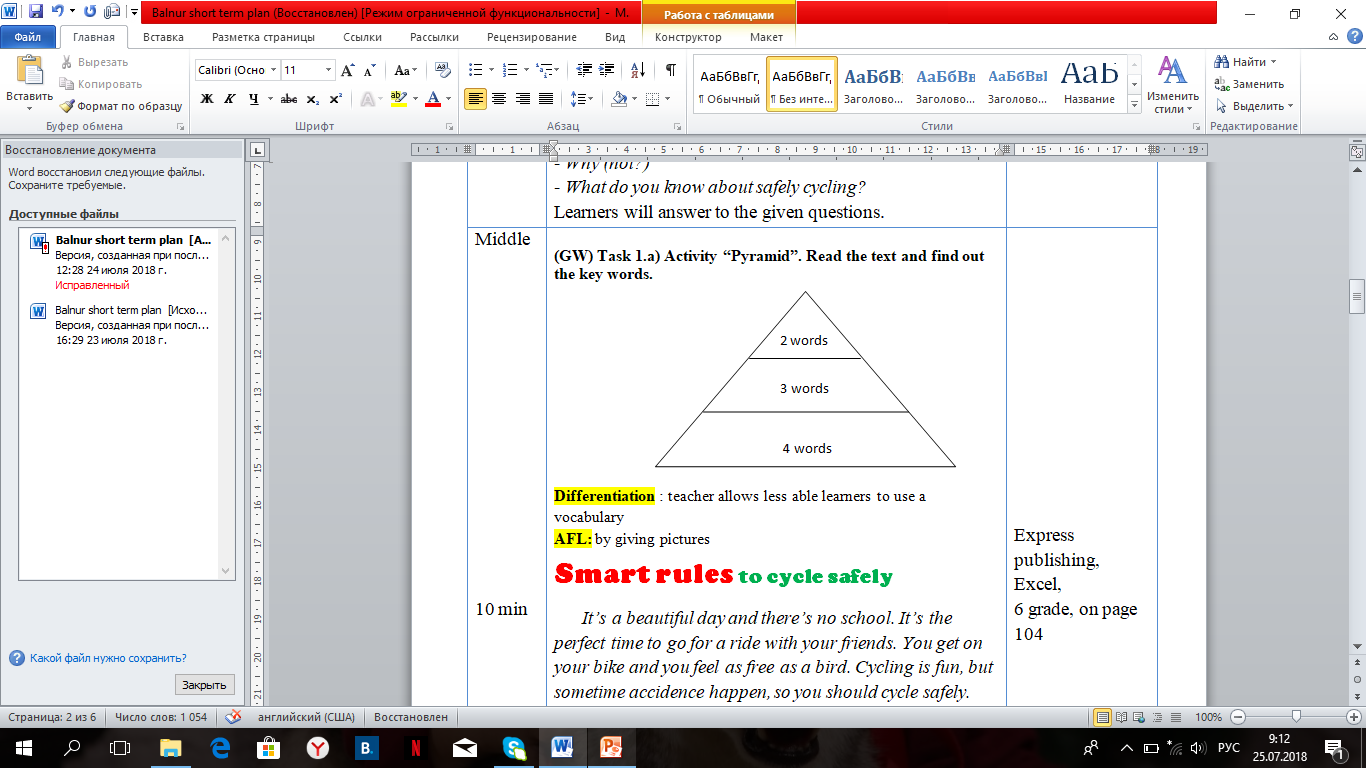
(GW) Task 1.a)Activity “Pyramid”. Read the text andfind out the key words.
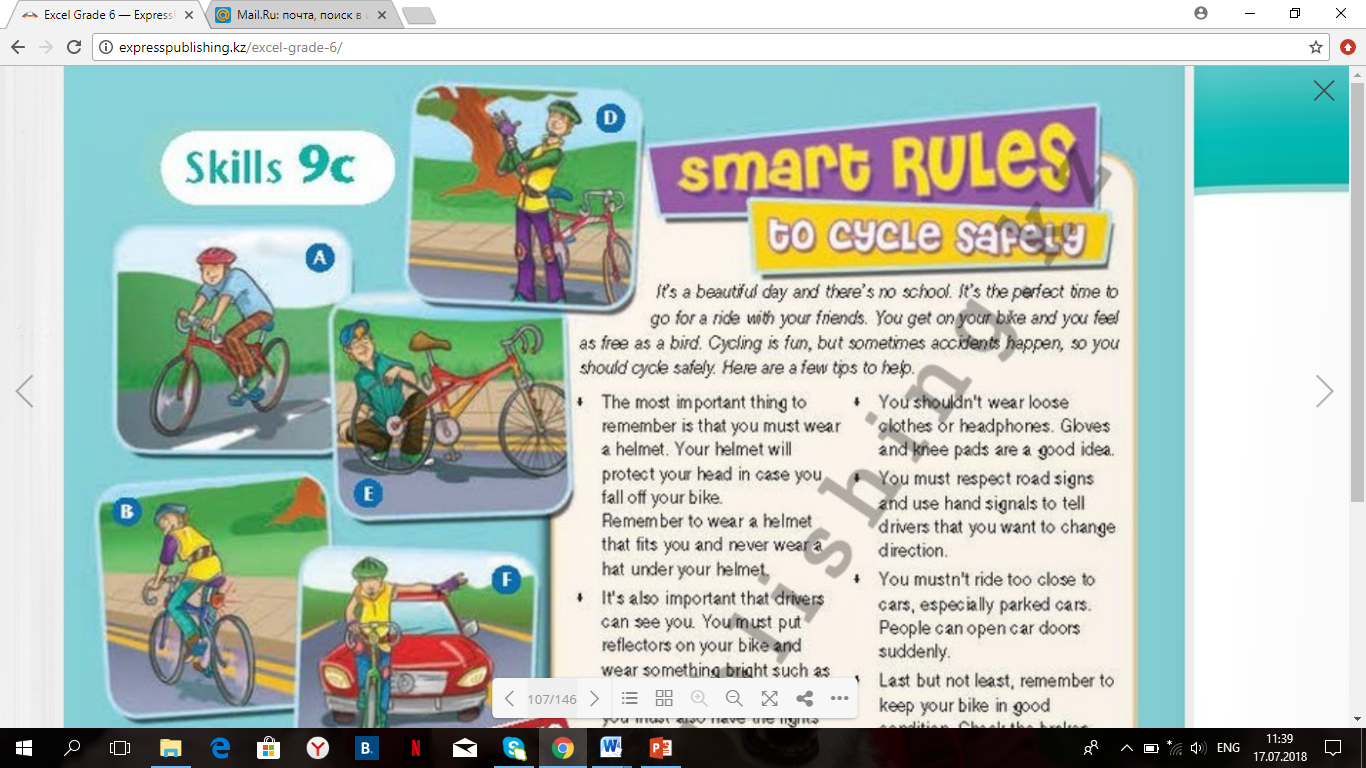
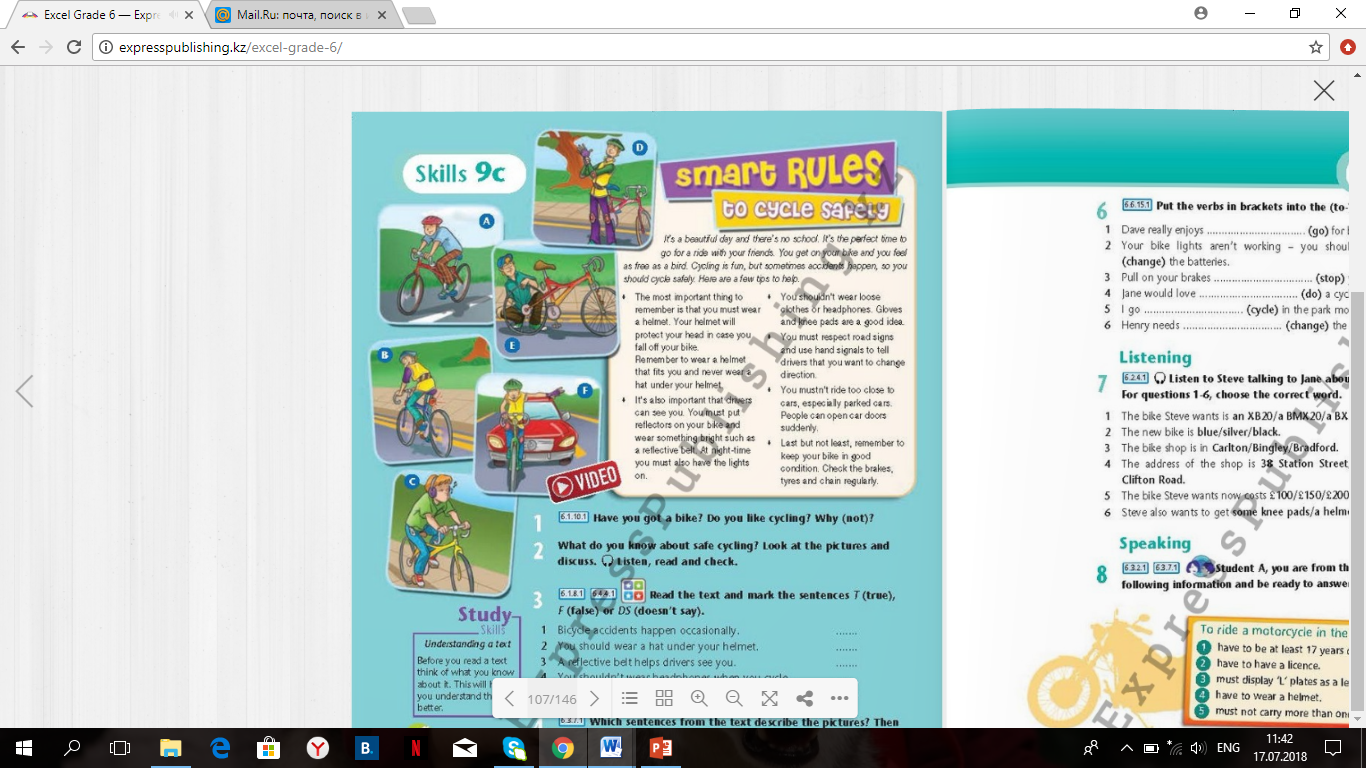
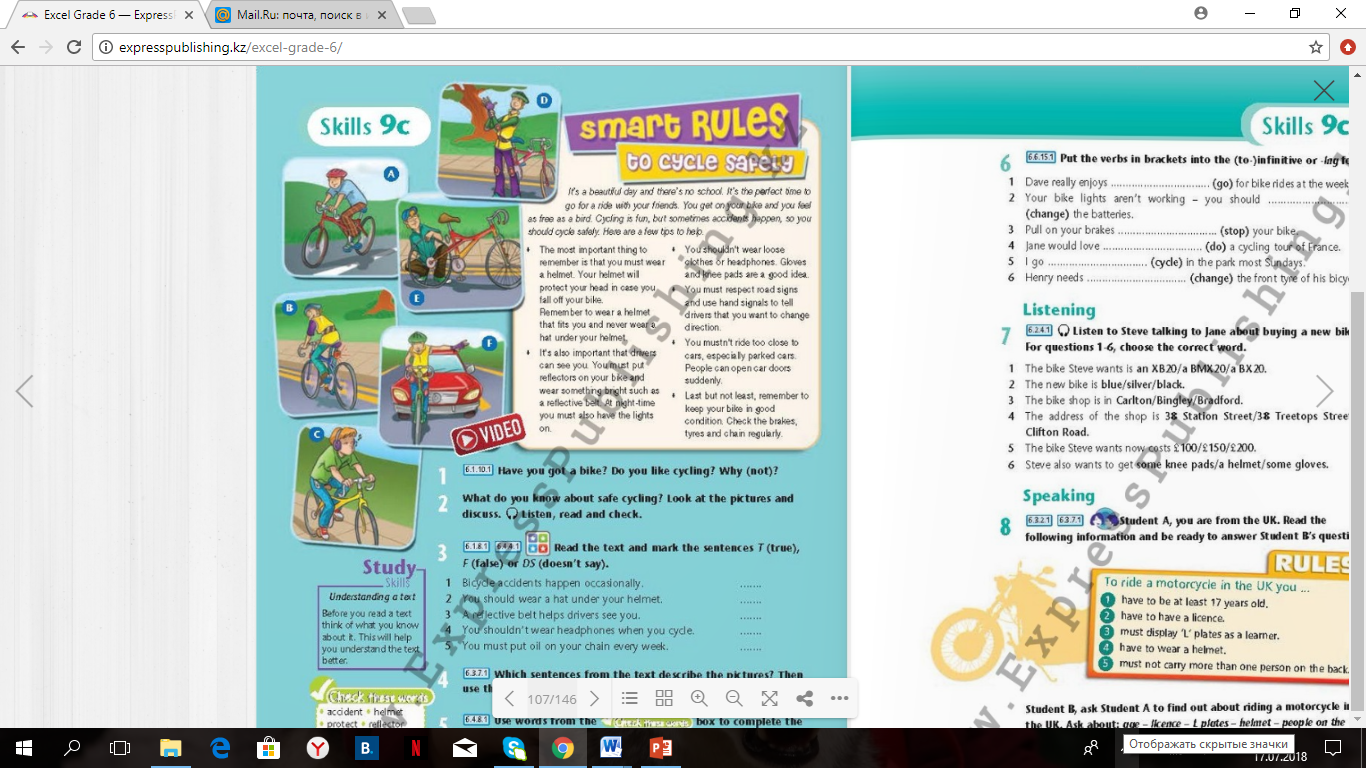
Smart rules to cycle safely It’s a beautiful day and there’s no school. It’s the perfect time to go for a ride with your friends. You get on your bike and you feel as free as a bird. Cycling is fun, but sometime accidence happen, so you should cycle safely. Here are few tips to help:
AFL: by giving pictures b) Activity “True, false or doesn’t say”. Mark the sentences T(true), F(false) or DS (doesn’t say) 1. Bicycle accidents happen occasionally. _______ 2. You should wear a hat under your helmet. _______ 3. A reflective belt helps drivers see you. _____ 4. You shouldn’t wear headphones when you cycle. ____ 5. You must put oil on your chain every week. _______
Differentiationfor less able learners: teacher gives additional time Differentiation for less able learners: learners give extended explanation to each sentence AFL: teacher gives oral feedback
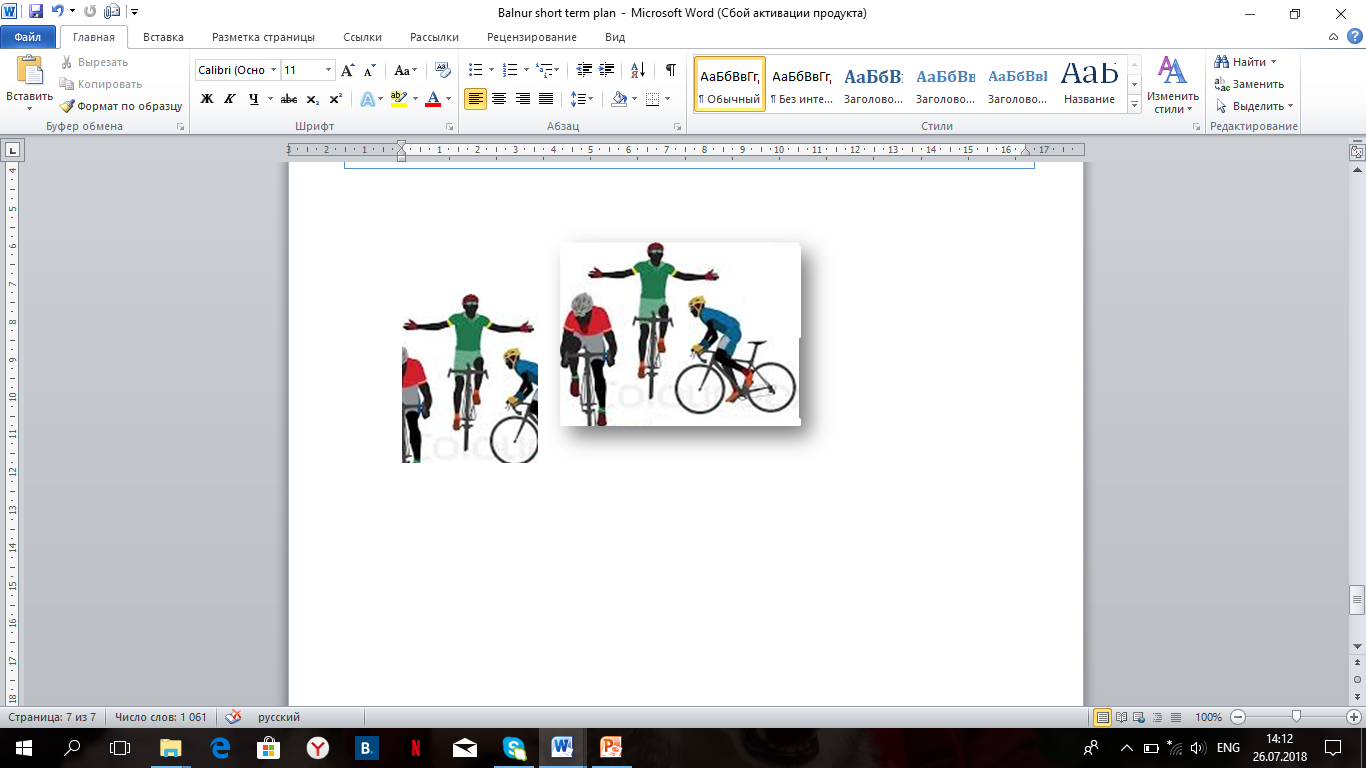
(PW)Task 2. Activity “Sharing” Match the pictures with the paragraphs from the text. Then use the pictures and tell the class how you can cycle safely.
Descriptor: a learner - reads the text; - finds out sentences from the text which describe the pictures; - tells how they can cycle safely.
Differentiation: Teacher allows less able learners to use vocabulary AFL: with medals
Rest rime Teacher: Stand up, please. Stand up and look around Shake your head and turn around Stamp your feet upon the ground Clap your hands and then sit down.
(I)Task 3. Activity “Who is quicker?” Put the verbs in brackets into the (to) infinitive and -ing form.
1. Dave really enjoys …………… (go) for bike rides at the weekend. 2. Your bike rides lights aren’t working - you should ……………….(change) the batteries 3. Pull on your brakes …………………… (stop) 4. Jane would love …………….(do ) a cycle tour of France. 5. I go ……………..(cycle) in the park most Sundays. 6. Henry needs …………….(change) the front tyresof his bicycle.
Differentiation less able learners:Teacher works individually with less able learners to use grammar rules with worksheets
AFL: by giving writtenfeedback; |
Poster
Express publishing, Excel, 6 grade, on page 104
Pictures
Express publishing Excel, 6 grade, on page 105
|
||||||||
|
End 3 min
|
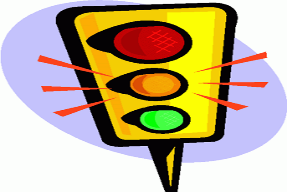
For the feedback we will talk about “Traffic lights”
-Green The lesson is clear for me -Yellow I have got some question -Red I don’t understand anything |
Figures of traffic lights
|
||||||||
|
Additional information |
||||||||||
|
Differentiation – how do you plan to give more support? How do you plan to challenge the more able learners? |
Assessment – how are you planning to check learners’ learning? |
Healthandsafetycheck |
||||||||
|
Differentiation can be achieved through giving additional time for less able learners, more able learners give extended explanation to each sentence and teacher allows less able learners to use vocabulary, also teacher works with less able learnersindividually to use grammar rules with worksheets
|
|
-Using physical exercises and active activities. -whiteboard is used no more than 10 minutes
|
||||||||
|
|
|
|
||||||||
|
Reflection
Were the lesson objectives/learning objectives realistic? Did all the learners achieve the lesson objectives/ learning objectives? If not, why? Did my planned differentiation work well? Did I stick to timings? What changes did I make from my plan and why? |
Use the space below to reflect on your lesson. Answer the most relevant questions from the box on the left about your lesson. |
|||||||||
|
|
||||||||||
|
Summary evaluation
What two things went really well (consider both teaching and learning)?
1:
2:
What two things would have improved the lesson (consider both teaching and learning)?
1:
2:
What have I learned from this lesson about the class or individuals that will inform my next lesson?
|
||||||||||



 Жүктеу


 Жүктеу
шағым қалдыра аласыз

 Бұл курс Қазақстан Республикасы Оқу-ағарту министрлігімен келісілген










