
 ЖИ көмекші


 Қауіпсіз төлем




400 000+ дайын материалды
1 жыл бойы шексіз жүктеңіз
1 жыл бойы шексіз жүктеңіз
ҚМЖ, БЖБ, ТЖБ, презентациялар және авторлық материалдар
4 990₸/ 1 жыл
🔥Арнайы баға ·20.10.2026 дейін
Одан кейін - 29 990 ₸
Бір рет төлейсіз · Автотөлем жоқ
Тақырып бойынша 11 материал табылды
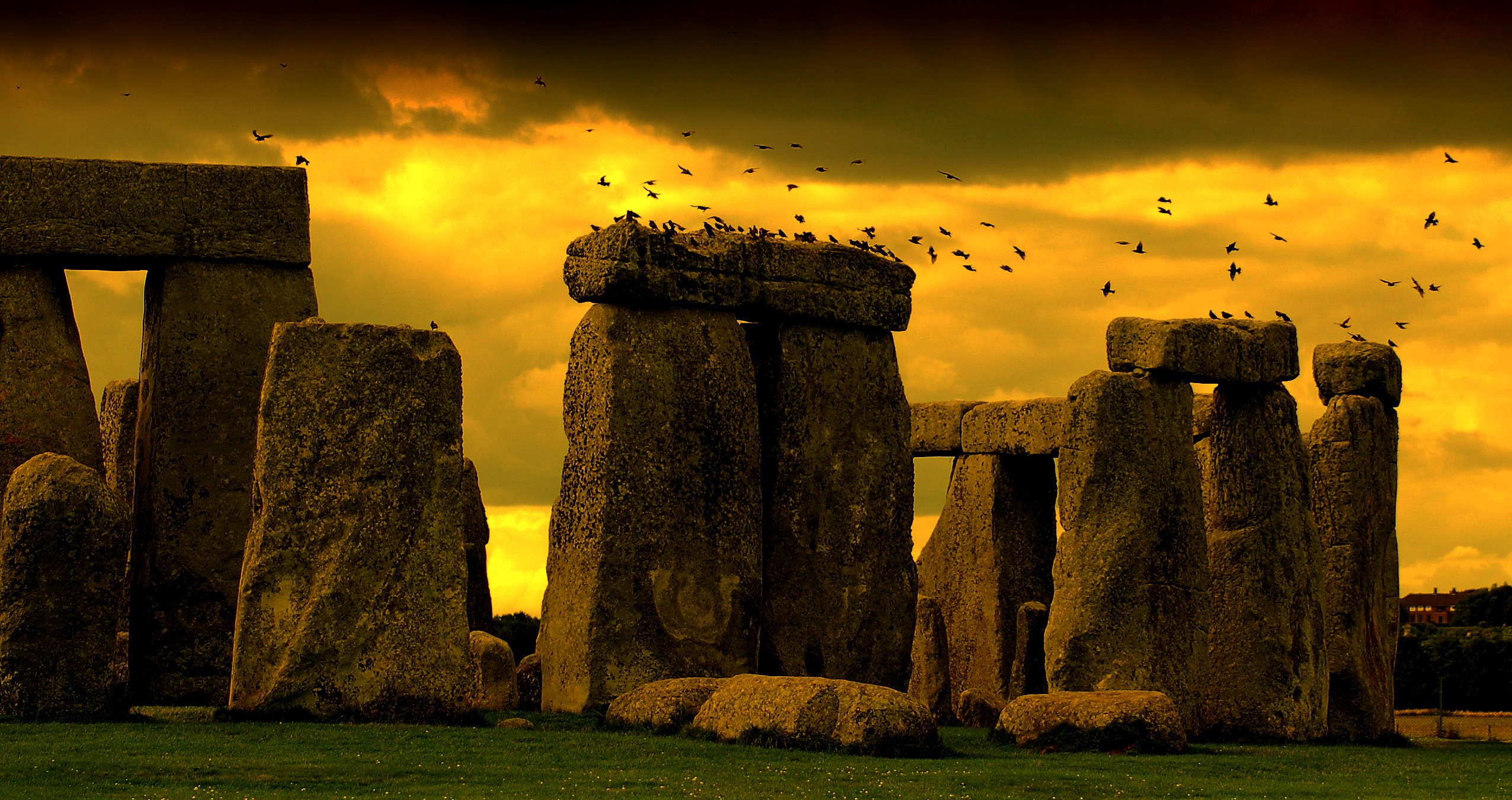
Stonehenge
Материал туралы қысқаша түсінік
Англиядағы атақты Тас мүсінінінің сыр шертетін өзіндік тарихы туралы қызықты мәліметтер
Материалдың қысқаша нұсқасы

Материалды Word форматында жүктеп аласыз
Тарифке кіреді
0 ұстаз жүктеп алған

29.04.2019

511
Бұл материалды қолданушы жариялаған. UstazTilegi материалдың мазмұны мен авторлық құқықтарына жауап бермейді. Авторлық құқық бұзылған жағдайда шағым қалдыра аласыз

"Ұстаз" платформасында тіркелген пәндік олимпиадалар
Аттестацияға жарамды екенін көру үшін "Ұстаз" платформасында "Жарыстар, олимпиадалар тізімінен "Ustaz tilegi" деп іздесеңіз шығады





 Бұл курс Қазақстан Республикасы Оқу-ағарту министрлігімен келісілген










