ЖИ көмекші


 Қауіпсіз төлем

жүктеу мүмкіндігіне ие боласыз
Бұл материал сайт қолданушысы жариялаған. Материалдың ішінде жазылған барлық ақпаратқа жауапкершілікті жариялаған қолданушы жауап береді. Ұстаз тілегі тек ақпаратты таратуға қолдау көрсетеді. Егер материал сіздің авторлық құқығыңызды бұзған болса немесе басқа да себептермен сайттан өшіру керек деп ойласаңыз осында жазыңыз
 30 Мамыр 2026
 40
40
1 жыл бойы шексіз жүктеңіз
The Teacher’s Role in the Modern Classroom
The Teacher’s Role in the Modern Classroom
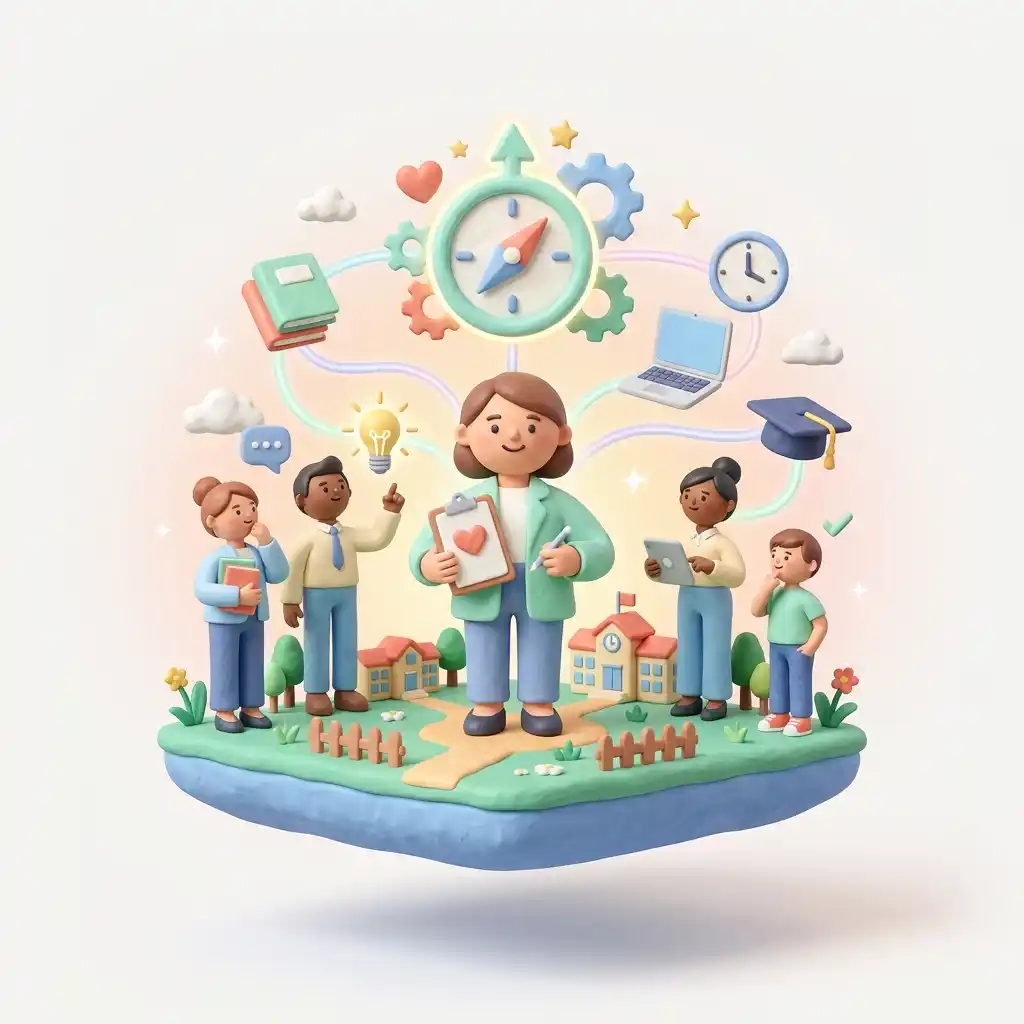
Education has undergone significant changes in recent decades due to globalization, technological advancements, and the growing diversity of learners. Traditional classrooms, where teachers served primarily as sources of knowledge and students played passive roles, have gradually transformed into dynamic learning environments that encourage collaboration, creativity, and critical thinking. As a result, the role of the teacher has also evolved considerably. In the modern classroom, teachers are no longer expected merely to deliver information. They are facilitators, mentors, guides, motivators, and leaders who help students develop academic knowledge, social skills, and lifelong learning habits. Modern education emphasizes student-centered learning, which requires teachers to create engaging and inclusive environments that support learners with different backgrounds, abilities, and interests. The effectiveness of education depends largely on the teacher's ability to adapt to changing educational demands and support students' intellectual, emotional, and social development. Therefore, understanding the teacher's role in the modern classroom is essential for improving educational quality and student achievement.
The purpose of this essay is to examine the teacher’s role in contemporary education, discuss the various responsibilities teachers perform, analyze challenges faced by educators, and explain the importance of effective teaching in modern classrooms.
Historically, teachers were viewed as authoritative figures responsible for transmitting knowledge to students. Traditional teaching methods focused on lectures, memorization, and teacher-centered instruction. Students were expected to listen, take notes, and reproduce information during examinations. However, educational theories and research have demonstrated that students learn more effectively when they actively participate in the learning process. Consequently, modern education has shifted toward learner-centered approaches that encourage interaction, collaboration, and critical thinking. This transformation has significantly changed the teacher's responsibilities. Instead of acting solely as knowledge providers, teachers now guide students in constructing their own understanding. They help learners discover information, solve problems, and apply knowledge in real-life situations. The development of technology has further expanded the teacher's role. Teachers must now integrate digital resources, online platforms, and technological tools into their instruction. They must also help students develop digital literacy skills necessary for success in the twenty-first century. As society continues to change, teachers are expected to prepare students not only academically but also socially and emotionally for future challenges.
One of the most important roles of a modern teacher is that of a facilitator. A facilitator supports students' learning by creating opportunities for exploration, discussion, and independent thinking. Rather than providing all answers directly, teachers encourage students to ask questions, investigate problems, and develop solutions independently. This approach promotes deeper understanding and long-term retention of knowledge. Facilitation involves designing meaningful learning experiences that engage students actively. Teachers organize discussions, group projects, debates, experiments, and problem-solving activities that encourage participation and collaboration. By acting as facilitators, teachers help students become responsible for their own learning. Learners develop self-confidence, autonomy, and critical thinking skills that are essential for academic and professional success. Furthermore, facilitators recognize that students have different learning styles and needs. They adapt teaching methods to accommodate individual differences and ensure that every student has an opportunity to succeed.
Effective classroom management remains a fundamental responsibility of teachers. A well-organized classroom provides an environment where learning can occur efficiently and productively. Classroom management involves establishing rules, maintaining discipline, organizing routines, and creating a positive learning atmosphere. Teachers must ensure that students understand expectations and behave respectfully toward one another.Successful classroom management requires consistency, fairness, and effective communication. Students are more likely to follow classroom rules when they perceive teachers as fair and supportive. Modern classroom management focuses not only on controlling behavior but also on promoting positive relationships. Teachers encourage cooperation, mutual respect, and a sense of community among students. Additionally, effective classroom managers use preventive strategies to minimize behavioral problems. Engaging lessons, clear instructions, and positive reinforcement help maintain student attention and motivation. A well-managed classroom allows teachers to maximize instructional time and improve student learning outcomes.
Motivation is a key factor influencing academic achievement. Students who are motivated are more likely to participate actively, complete assignments, and persist when faced with challenges. Teachers play a crucial role in fostering motivation. They create learning environments that stimulate curiosity, interest, and enthusiasm for learning. Encouraging words, constructive feedback, and recognition of achievements can significantly increase student motivation. Modern teachers understand that motivation varies among learners. Some students are motivated by personal interests, while others respond to external rewards or social recognition. Effective teachers identify individual motivational factors and adapt their approaches accordingly. Goal setting is another important motivational strategy. Teachers help students establish realistic goals and monitor their progress toward achieving them. Furthermore, meaningful and relevant learning activities enhance student engagement. When students understand the practical value of what they are learning, they are more likely to remain motivated and committed. Beyond academic instruction, teachers often serve as mentors and counselors. Students frequently seek guidance from teachers regarding personal, social, and educational challenges. As mentors, teachers support students' personal growth and development. They encourage self-confidence, responsibility, and resilience. Through positive interactions, teachers help students develop important life skills and values. Teachers also provide emotional support. Adolescence and childhood can involve various difficulties, including stress, anxiety, peer pressure, and family issues. Supportive teachers create safe environments where students feel comfortable expressing concerns and seeking assistance. Mentorship contributes to students' emotional well-being and academic success. Research indicates that positive teacher-student relationships improve motivation, attendance, and overall educational outcomes. Although teachers are not professional therapists, their guidance and encouragement can have a lasting impact on students' lives.
Technology has become an integral part of modern education. Digital tools provide access to information, facilitate communication, and support innovative teaching methods. Modern teachers must effectively integrate technology into classroom instruction. This includes using computers, interactive whiteboards, educational applications, online learning platforms, and multimedia resources. Technology integration enhances learning by making lessons more interactive and engaging. Students can access diverse resources, collaborate online, and develop digital competencies required in contemporary society. Teachers must also guide students in responsible technology use. Digital citizenship, online safety, and critical evaluation of online information are essential skills in the digital age. Furthermore, technology enables personalized learning. Teachers can use educational software to adapt instruction according to students' individual needs and progress. The role of technology integrator requires continuous professional development, as educational technologies evolve rapidly.
Assessment is another critical aspect of the teacher's role. Effective assessment provides information about student progress, strengths, and areas requiring improvement. Modern assessment extends beyond traditional examinations. Teachers use a variety of methods, including quizzes, projects, presentations, portfolios, group activities, and self-assessment tasks. Formative assessment is particularly important because it provides ongoing feedback during the learning process. This allows teachers to adjust instruction and support students more effectively. Feedback should be constructive, specific, and encouraging. Effective feedback helps students understand mistakes, improve performance, and develop confidence. Teachers also use assessment data to evaluate instructional effectiveness and identify areas where additional support may be necessary. By implementing fair and comprehensive assessment practices, teachers contribute significantly to student achievement and educational quality. Modern classrooms are increasingly diverse. Students differ in language backgrounds, abilities, learning styles, cultural experiences, and educational needs. Inclusive education aims to provide equal learning opportunities for all students. Teachers play a central role in creating inclusive environments where every learner feels valued and respected. Inclusive teachers adapt teaching methods, materials, and assessment practices to accommodate diverse needs. They recognize individual differences and strive to eliminate barriers to learning. Respect for diversity is another important component of inclusion. Teachers promote tolerance, empathy, and intercultural understanding among students. Supporting students with special educational needs requires collaboration with parents, specialists, and school administrators. Effective cooperation ensures that all learners receive appropriate support and opportunities for success. Inclusive education reflects the broader goal of modern education: providing quality learning experiences for every student regardless of background or ability.
Despite their important role, modern teachers face numerous challenges. One major challenge is managing increasingly diverse classrooms while meeting the needs of all students. Technological changes also create challenges. Teachers must continuously update their digital skills and adapt to new educational technologies. Student motivation can be difficult to maintain, particularly in environments where distractions such as social media compete for attention. Teachers often experience heavy workloads due to lesson planning, grading, administrative responsibilities, and extracurricular activities. These demands can contribute to stress and professional burnout. Additionally, educational reforms, curriculum changes, and accountability requirements place further pressure on educators. Despite these challenges, dedicated teachers continue to adapt and innovate in order to provide high-quality education and support student success.
The teacher's role in the modern classroom extends far beyond the traditional function of delivering information. Contemporary teachers serve as facilitators, managers, motivators, mentors, technology integrators, assessors, and advocates of inclusive education. Their responsibilities include creating supportive learning environments, encouraging student engagement, promoting critical thinking, and preparing learners for the demands of modern society. Through effective teaching practices, teachers contribute not only to academic achievement but also to students' personal and social development. Although modern educators face numerous challenges, their influence remains essential to educational success. As education continues to evolve, teachers will remain central figures in shaping future generations and fostering lifelong learning.
References
1. Harmer, J. (2007). *The Practice of English Language Teaching*. Pearson Education.
2. Slavin, R. E. (2018). *Educational Psychology: Theory and Practice*. Pearson.
3. Brown, H. D. (2007). *Principles of Language Learning and Teaching*. Pearson Longman.
4. Marzano, R. J. (2003). *Classroom Management That Works*. ASCD.








 Бұл курс Қазақстан Республикасы Оқу-ағарту министрлігімен келісілген