ЖИ көмекші


жүктеу мүмкіндігіне ие боласыз
Бұл материал сайт қолданушысы жариялаған. Материалдың ішінде жазылған барлық ақпаратқа жауапкершілікті жариялаған қолданушы жауап береді. Ұстаз тілегі тек ақпаратты таратуға қолдау көрсетеді. Егер материал сіздің авторлық құқығыңызды бұзған болса немесе басқа да себептермен сайттан өшіру керек деп ойласаңыз осында жазыңыз
 17 Желтоқсан 2025
 23
23
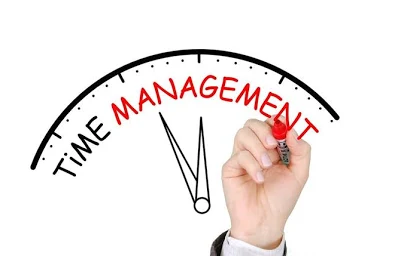
Time management
Time Management and Its Importance in Daily Life
Plan
-
Introduction
-
What Is Time Management?
-
Importance of Time Management
-
Time Management for Students
-
Effective Time Management Strategies
-
Common Time Management Problems
-
The Role of Technology in Time Management
-
Conclusion
Introduction
Time is one of the most valuable resources in human life. Unlike money or material things, time cannot be saved or replaced. Every person has only twenty-four hours a day, and how this time is used determines success or failure in many areas of life. Therefore, time management plays a very important role in achieving goals and maintaining balance in daily activities.
In modern society, people are often busy with school, work, and personal responsibilities. Without proper time management, tasks may remain unfinished, stress levels may increase, and productivity may decrease. This article explains the meaning of time management, its importance, and effective ways to manage time wisely.
What Is Time Management?
Time management is the process of planning and organizing how time is spent on different activities. It includes setting goals, prioritizing tasks, and creating schedules to use time efficiently. Good time management helps people focus on important tasks and avoid wasting time on unnecessary activities.
Managing time effectively does not mean working without rest. On the contrary, it means balancing work, study, and free time. When time is managed properly, people can achieve better results and enjoy their daily lives.
Importance of Time Management
Time management is important because it increases productivity and reduces stress. When people know what to do and when to do it, they feel more confident and organized. Proper planning helps avoid last-minute pressure and missed deadlines.
Another benefit of time management is better control over life goals. People who manage their time well can make better decisions, use their energy wisely, and achieve both short-term and long-term goals.
Time Management for Students
For students, time management is especially important. Students must balance lessons, homework, exams, and extracurricular activities. Poor time management can lead to low academic performance and stress.
By planning their time properly, students can improve their learning results. Creating study schedules, setting priorities, and avoiding distractions help students use their time effectively. Good time management also allows students to have enough time for rest and personal development.
Effective Time Management Strategies
There are several effective strategies for managing time. One of the most useful methods is making a daily or weekly plan. Writing down tasks and deadlines helps people stay organized and focused.
Another strategy is prioritizing tasks. Important and urgent tasks should be completed first. Taking short breaks during work also helps maintain concentration and prevents tiredness.
Common Time Management Problems
Many people face problems with time management due to procrastination, lack of planning, and distractions. Procrastination causes tasks to pile up and increases stress. Social media and mobile phones are also major distractions.
To overcome these problems, people should set clear goals, reduce distractions, and develop self-discipline. Creating a productive environment is essential for effective time management.
The Role of Technology in Time Management
Technology can be both helpful and harmful in time management. Planning apps, calendars, and reminders help people organize their tasks and manage time efficiently. However, excessive use of social media can waste valuable time.
When used correctly, technology becomes a powerful tool for improving time management skills and productivity.

Additional Information on Time Management
Time Management and Success
Many successful people believe that effective time management is one of the main reasons for their achievements. Famous leaders, scientists, and entrepreneurs carefully plan their time and follow daily routines. They understand that success is not only about talent, but also about discipline and good organization.
When people manage their time well, they can focus on their priorities and avoid unnecessary activities. This helps them move closer to their goals step by step. Time management teaches responsibility and helps develop strong self-control skills, which are essential for success in any field.
Psychological Benefits of Time Management
Time management has a positive effect on mental health. When tasks are planned and organized, people feel calmer and more confident. They know what needs to be done and do not worry about forgetting important responsibilities.
Poor time management often causes anxiety, stress, and tiredness. In contrast, effective planning reduces pressure and helps people enjoy their work and studies. Having enough time for rest and hobbies improves emotional well-being and motivation.
Time Management and Goal Setting
Setting goals is closely connected to time management. Clear goals help people understand how to use their time effectively. Short-term goals guide daily activities, while long-term goals give direction in life.
By breaking big goals into smaller tasks, people can manage their time better and avoid feeling overwhelmed. This method makes difficult goals easier to achieve and increases confidence with every completed task.
The Importance of Planning and Routine
Planning is one of the most important elements of time management. Daily and weekly plans help people organize their activities and use time efficiently. A well-planned routine reduces wasted time and increases productivity.
Having a regular routine also helps build good habits. When people follow a schedule, they become more disciplined and focused. Over time, planning becomes a natural part of daily life and leads to better results.
Time Management and Work-Life Balance
Effective time management helps maintain a healthy balance between work and personal life. People who manage their time well can complete tasks efficiently and still have time for family, friends, and relaxation.
Without balance, people may experience burnout and loss of motivation. Time management allows individuals to plan not only work but also rest, which is essential for physical and mental health.
Developing Time Management Skills
Time management is a skill that can be learned and improved. It requires practice, patience, and self-awareness. Keeping a time log, setting priorities, and evaluating daily progress help develop better habits.
Learning to say “no” to unnecessary tasks is also an important skill. By protecting their time, people can focus on what truly matters and use their energy wisely.
Final Thoughts on Time Management
Time management is not about controlling every minute, but about making smart choices. When people understand the value of time, they become more responsible and productive.
Developing effective time management skills leads to success in education, career, and personal life. Those who respect time are more likely to achieve their goals and live a balanced and meaningful life.
Conclusion
In conclusion, time management is a crucial skill in education and everyday life. It helps people achieve their goals, reduce stress, and maintain a healthy balance between work and rest.
By developing effective time management habits, individuals can improve their productivity and quality of life. Learning to value time and use it wisely leads to personal and academic success.


 Жүктеу


 Жүктеу
шағым қалдыра аласыз