400 000+ дайын материалды
1 жыл бойы шексіз жүктеңіз
ҚМЖ, БЖБ, ТЖБ, презентациялар және авторлық материалдар
4 990₸/ 1 жыл
🔥Арнайы баға ·10.12.2026 дейін
Одан кейін - 29 990 ₸
Бір рет төлейсіз · Автотөлем жоқ
Тақырып бойынша 31 материал табылды

Travel and transport

Материал туралы қысқаша түсінік
8.R2 understand specific information and detail in texts on a range of familiar general and curricular topics 8.UE17 use if / unless in first conditional clauses; use defining relative clauses with which who that where on a wide range of familiar general and curricular topics 8.S7 use appropriate subject-specific vocabulary and syntax to talk about a range of general topics, and some curricular topics
Материалдың қысқаша нұсқасы
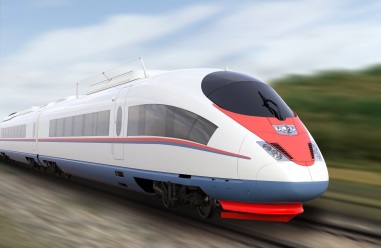
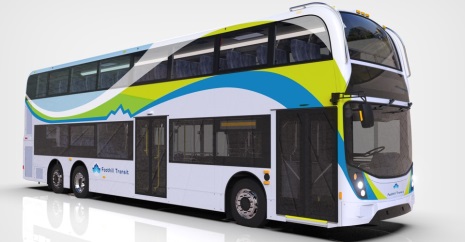
Travel and transport


School:38


Date:

Teacher's name: Seidalieva L.K.


CLASS: 8

Number present:

absent:


Lesson title

Transport


Learning objectives(s)

8.R2 understand specific information and detail in texts on a range of familiar general and curricular topics

8.UE17 use if / unless in first conditional clauses; use defining relative clauses with which who that where on a wide range of familiar general and curricular topics

8.S7 use appropriate subject-specific vocabulary and syntax to talk about a range of general topics, and some curricular topics


Lesson objectives

All learners will be able to:

- understand specific information and detail in texts with picture support

- use if / unless in first conditional clauses; use defining relative clauses with support

- use appropriate subject-specific vocabulary and syntax to talk about a range of general topics with support

Most learners will be able to:

- understand specific information and detail in texts with some support

- use if / unless in first conditional clauses; use defining relative clauses with some support

- use appropriate subject-specific vocabulary and syntax to talk about a range of general topics with some support

Some learners will be able to:

- analyze and understand specific information and detail in texts without support

- use if / unless in first conditional clauses; use defining relative clauses without support

- use appropriate subject-specific vocabulary and syntax to talk about a range of general topics without support


Level of thinking

1.Analysis.

2. Synthesis.

3. Assessment.


Assessment criteria

Understand and analyze the specific information from the text, apply 1st conditional clause structure using specific vocabulary of the lesson.


Target language

Transport


Values links

Economic growth based on industrialization and innovation of modern transport system


Cross-curricular links

Social Science , Technology


Previous learning

City life and country life


Plan


Planned timings

Planned activities (replace the notes below with your planned activities)

Resources


Start


- Greeting

- Warming up (date, weather, season, month, day of the week, feeling)

- Checking absence

- Homework checking

Challenge:

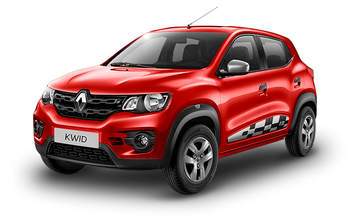
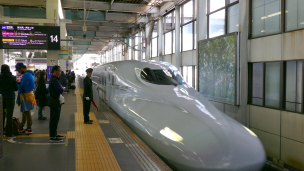
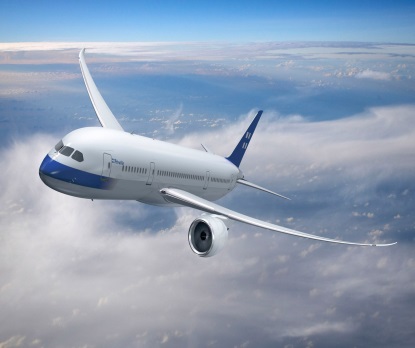
Learners are introduced to the types of the transport on Active Board:


Questions to ask and discuss:

  • What do you see on the picture?

  • What can you do with this?

  • What kind or transport you prefer in travelling?

  • How do you think what kind of transport is safety?

Learners are asked to guess the theme of the lesson.

That’s right ! Today we’ll speak about Travel and transport and of course types of transport.


Concept checking: What should you do?


Active Board


Main part


  1. Task . Dividing into 3 groups.

Learners you should form three groups.

Choose word cards with specific vocabulary and join subgroups:

Team 1 Air transport : helicopter, plane, space craft, amphibious etc .

Team 2 Water tranport: ship, boat, canoe, barge, sail boat, submarine, surf boat etc.

Team 3 Land transpot : car, bus, bike, motorbike, train, snowboard etc.

  1. Task . Word game.

Take one card with words. Discuss in groups and create presentation for key words on your cards using words, sounds or motions. It is allowed to change the cards inside one group, but each student represents only one word. The other groups should guess what word it is.

Concept checking: What should you do?


Descriptors:

- Presents words giving definition, using sounds and gestures.

- Guess the words of other groups.


AFL: Groups discuss in a group. Groups guess and assess each other orally.

Differentiation: ( Most able learners understand specific information and detail in texts without support help for less able learners with more able learners. More able learners understand specific information and give full answer for these questions.)

  1. Task . Reading the text.

  • There are three texts about Transport.

  • Text is cut into paragraphs. You should put the paragraphs in order.

  • Check the correct order.

  • Read the text correctly, carry out the following tasks in groups:

Team 1:Underline the words related to the theme of the lesson and give their definition

Team 2: Make up 10 questions about the specific details from the text.

Team 3: Find and copy out the sentences with if/ unless in 1st Conditional. Explain grammar.

  • Each group should think of 3 sentences in 1st conditional using specific vocabulary.

Concept checking: What should you do?

Descriptors:

  1. Put the paragraphs in order.

  2. Check the correct order.

  3. Read the text correctly and follow the tasks.

  4. Underline the correct words and give definition.

  5. Make up 10 questions about the text.

  6. Find and write down sentences with 1st conditional

Assessment:

Team “Modern Transports”-

Team “Renewable energy”-

Team “Types of transport”-


4. Task Grammar revision.


Less able students : Find and copy out the sentences with if/ unless in 1st Conditional . More able students :Explain grammar.

Complete differentiated exercises #1 or #2.

Less able students : exercise #1

More able students : both exercise # 1 and # 2


Concept checking: What should you do?


Descriptors:

complete the grammar tasks #1 or #2 correctly


AFL: Groups discuss in a group. Groups guess and assess each other.

Differentiation: Less able students : Find and copy out the sentences with if/ unless in 1st Conditional . More able students :Explain grammar.


Cards with the key words


Students’ definitions, gestures


Text divided into paragraphs, papers, pens


Worksheet #1 #2 with grammar exercises


End


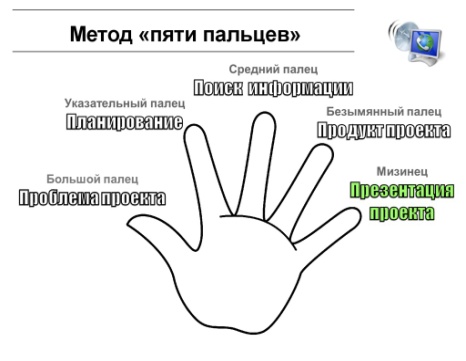
Students express their attitude to the lesson and give self-assessment using the method: “ Five fingers”:

Which task did you like the most?

What was easy for you?

What was difficult for you?

Show on your fingers your opinion about the lesson

1-the lesson was difficult

2-you liked the most

3- your mood glad, sad, bad

4- Activities you have done

5- I learnt today

Reflection through “Five fingers”

1 finger – difficulties during the lesson

2 finger – what do you like during the lesson

3 finger – your mood

4 finger – what do you do today?

5 finger – what do you learn today?

Learners draw the shape of their hands and write on each finger


Additional information


Differentiation – how do you plan to give more support? How do you plan to challenge the more able learners?

Assessment – how are you planning to check learners’ learning?

Health and safety check

Differentiation can be achieved through content (Based on the theory of Multiple Intelligences different tasks are used with the same text).

By support:

Less able learners will be supported through step-be-step instructions, glossaries, thinking time.

By task:

For more able learners additional leveled tasks are offered.


Assessment criteria:

  • Using the given new vocabulary and identify the general information.

  • Demonstrate skills of organizing and expressing ideas accurately.

  • Illustrate a viewpoint in a discussion.

  • Apply the correct form of the synonyms in the context;

Descriptors:


  • Identifies the theme, new words and use them as the basis for discussion.

  • Identifies some of the main ideas and specific information correctly in text and use some target vocabulary correctly in response to prompts

  • Provides a point of view in conversations and discussions;

  • Identifies most of the main ideas and specific information correctly in text and use a range of target vocabulary correctly in response to prompts

  • Responds to and discuss the reading passage using interpretive, evaluative and creative thinking skills.

  • Applies the correct form of the synonyms in the context;

  • Identifies all of the main ideas and specific information correctly in text and use a range of target vocabulary correctly in response to prompts


Health saving technologies.

Make sure power cords are not a tripping hazard

Everyday classroom precautions


Материалды Word форматында жүктеп аласыз
Тарифке кіреді
2 ұстаз жүктеп алған
29 сәуір
1037
Бұл материалды қолданушы жариялаған. UstazTilegi материалдың мазмұны мен авторлық құқықтарына жауап бермейді. Авторлық құқық бұзылған жағдайда шағым қалдыра аласыз

"Ұстаз" платформасында тіркелген пәндік олимпиадалар
Аттестацияға жарамды екенін көру үшін "Ұстаз" платформасында "Жарыстар, олимпиадалар тізімінен "Ustaz tilegi" деп іздесеңіз шығады

Қазақстандағы ең үлкен материалдар базасынан іздеу
Сіз үшін 400 000 ұстаздардың еңбегі мен тәжірибесін біріктіріп, ең үлкен материалдар базасын жасадық. Төменде керек материалды іздеп, жүктеп алып сабағыңызға қолдана аласыз
Осы тақырыпта
көрнекілік керек па?
10 000 астам көрнекіліктерді жинап қойдық.
Көрнекілік бөліміне өтіп тақырыбын жазып жүктеп алыңыз!
Министірлікпен келісілген Аттестацияға жарамды курстар тізімі