
 ЖИ көмекші


 Қауіпсіз төлем

жүктеу мүмкіндігіне ие боласыз
Бұл материал сайт қолданушысы жариялаған. Материалдың ішінде жазылған барлық ақпаратқа жауапкершілікті жариялаған қолданушы жауап береді. Ұстаз тілегі тек ақпаратты таратуға қолдау көрсетеді. Егер материал сіздің авторлық құқығыңызды бұзған болса немесе басқа да себептермен сайттан өшіру керек деп ойласаңыз осында жазыңыз
 05 Ақпан 2020
 453

1 жыл бойы шексіз жүктеңіз
Unit 4. The world around us. Animals
Zhusupbekova Asel Talgatbekovna In-service training of English language teachers
Group 09-BZh-29-17 23.06.2017
Unit of a long term plan: Unit 4: The world around us
|
School: №153 school-lyceum |
|||||||
Date: 23.06.2017 |
Teacher name: Zhusupbekova A.T |
|||||||
CLASS: 1 A |
Number present: 13 |
absent: |
||||||
Lesson title |
Animals |
|||||||
Learning objectives(s) that this lesson is contributing to (link to the Subject programme) 1.S3 pronounce familiar words and expressions intelligibly 1.L1 recognize short basic instructions for a limited range of classroom routines spoken slowly and distinctly 1.R1 recognise sound and name the letters of the alphabet
|
||||||||
Lesson objectives |
All learners will be able to: -name the letters of the alphabet -name animals’ names and their colour; -colour animals according to the instructions Most learners will be able to: -spell the new words correctly -pronounce topic words and expressions clearly Some learners will be able to: -answer questions using support pictures. |
|||||||
Assessment criteria |
-Say topic words with correct pronunciation Say expressions clearly -Follow basic classroom instructions spoken slowly and distinctly -Identify and say letters of the alphabet |
|||||||
Level of thinking skills |
Application. |
|||||||
Values links |
Labour and creativity, lifelong learning |
|||||||
Cross-curricular links |
Nature study |
|||||||
Previous learning |
Learners have learned the names of some animals |
|||||||
Plan
|
||||||||
Planned timings |
Planned activities (replace the notes below with your planned activities)
|
Resources |
||||||
Start 5min
|
Greeting: Teacher greets students. T: Hello, students S: Hello, teacher T: How are you? S: We are fine, thank you. And you? T: I’m fine too. Take your sits. Warming up: Video about animals. What is it?
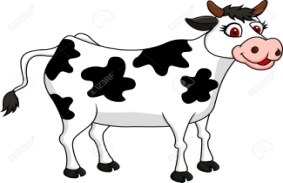
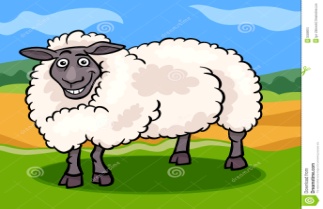
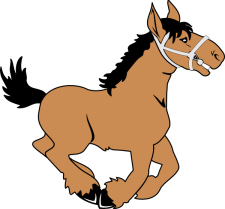
Teacher wears “ Dog” Puppet and introduces with students. Students stand in a circle. T: Hello, children. How are you? I am a dog. My name is Rex. Today we will know about other animals. And teacher uses TPR ,and introduce the animals with action. Animals: bird, horse, chicken, cow, sheep, monkey, duck, dog
Methods of reading: Blending and Segmenting After the TPR actions teacher gives tasks by segmenting and blending. Students use sounds and the letters of the alphabet. Teacher-student, student-student; For example: cat - c a t, dog- d o g, etc.
|
Interactive Board
Flashcards of animals |
||||||
Middle 35min
|
Pair work. Activity 1.Name the animals and their colour. Example: This is a horse. It is brown.
Descriptor: A learner names animals and their colour; pronounces topical words and expressions clearly Differentiation by support will be used for the students with less abilities. (This is a cow. It is black and white).Teacher prepares the flashcards of colours and remembers the names of colours.
Individual work. Activity 2 . Listen and follow the instruction. Colour the chicken yellow. Colour the cat grey. Colour the cow red and white. Colour the sheep brown. Colour the monkey brown and yellow. Colour the duck brown and green. Colour the dog black and white.
Descriptor: A learner colours animals according to the instructions Differentiation by task: (students with strong abilities will be asked questions and they answer these questions. For example:
|
Flashcards
Colouring papers |
||||||
End 5min |
Self-assessment: Feedback : Ticks and Crosses
|
Formative assessment papers |
||||||
Additional information
|
||||||||
Differentiation – how do you plan to give more support? How do you plan to challenge thete more able learners? |
Assessment – how are you planning to check learners’ learning? |
Health
and safety check |
||||||
TPR method Methods of reading: Blending and Segmenting Name the animals and their colour Listen and follow the instruction.
|
Ticks and Crosses |
Health saving technologies. Using physical exercises and active activities. Rules from the Safety Rules book which can be applied in this lesson. |
||||||
Reflection
Were the lesson objectives/learning objectives realistic? Did all the learners achieve the lesson objectives/ learning objectives? If not, why? Did my planned differentiation work well? Did I stick to timings? What changes did I make from my plan and why?
|
|
|||||||
|
||||||||
Summary evaluation
What two things went really well (consider both teaching and learning)?
1:
2:
What two things would have improved the lesson (consider both teaching and learning)?
1:
2:
What have I learned from this lesson about the class or individuals that will inform my next lesson?
|
||||||||










 Бұл курс Қазақстан Республикасы Оқу-ағарту министрлігімен келісілген










