
 ЖИ көмекші


 Қауіпсіз төлем

жүктеу мүмкіндігіне ие боласыз
Бұл материал сайт қолданушысы жариялаған. Материалдың ішінде жазылған барлық ақпаратқа жауапкершілікті жариялаған қолданушы жауап береді. Ұстаз тілегі тек ақпаратты таратуға қолдау көрсетеді. Егер материал сіздің авторлық құқығыңызды бұзған болса немесе басқа да себептермен сайттан өшіру керек деп ойласаңыз осында жазыңыз
 27 Мамыр 2026
 28
28
1 жыл бойы шексіз жүктеңіз
Vocabulary. Countryside. 6 сынып
Ministry of Education and Science of the Republic of Kazakhstan
Secondary School №115 by name Orazbay
(name of educational organization)
Short-term (lesson) plan
Vocabulary. Countryside.
(lesson title)
Unit 3: Our Countryside |
Lesson 4 |
||
Teacher name: |
Nakipbekova Bagila |
||
Date: |
11.11.2025 |
||
Grade: 6 a |
Number present: |
absent: |
|
Lesson title |
Vocabulary. Countryside. |
||
Learning objectives
|
6.2.1.1 understand with little or no support the main points in extended talk on a wide range of general and curricular topics. 6.3.7.1 use appropriate subject-specific vocabulary and syntax to talk about a range of general topics, and some curricular topics |
||
Lesson objectives |
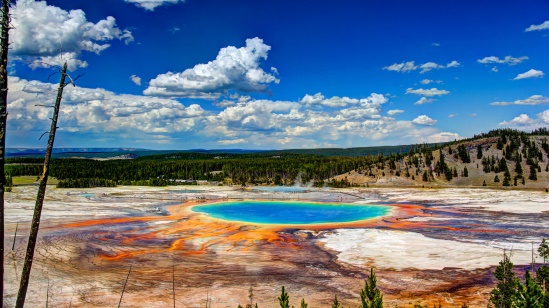
Learners will be able to: - listen to an interview with a ranger at Yellowstone National Park. - learn about the countryside. - talk about looking after the countryside. Адал азамат баідарламасындағы құндылықтарды оқыту процесіне ұйымдастыру кезеңінен бастап, сабақтың әрбір кезеңінде жүргіземін. Honesty – You may highly value telling people the truth. This one gets tricky when being honest can be hurtful to others. So, a person who really puts honesty first might be the sort of person who will tell the truth even if it hurts to do so. |
||
Plan |
|||
Stages / Time |
Teachers actions |
Students actions |
Assessment criteria |
Resources |
Beginning of the lesson Warming-up
3 min
Pre-learning «Brainstorming» method 7 min.
|
Organization moment : 1.Greeting. Ask about the weather. The teacher sets the lesson objectives, letting students know what to anticipate from the lesson. Warming up Where are you from? How old are you? What color is it? How many students are there in class? What day of the week today? revise the language from the previous lesson Lead – In
|
The aim: To develop pupils speaking skills and create friendly atmosphere Efficiency: By wishing each other they feel better and feel the support of others Students of the class are listed. Students' attention is drawn to the lesson.
• Learners talk about daily routines previous lesson vocabulary
Determines the topic and purpose of the lesson
Students say different words from the picture
|
The teacher to assess learners for their ability. “Good job! Well done!” Formative Assessment
Good job! Descriptor: - talk about daily routines Point 1
Assessment criteria - Learners have met the learning objectives if they can talk about natural features |
Pictures
worksheet
Student’s book |
Middle of the lesson Presentation part. 30 min
|
Ex:1 P:34 • Ask students to open their books at page 34. Students look at the photos and answer the questions.
Ex: 2 P: 34 • Tell students they are going to listen to an interview with Dave. Play the recording for students to listen and check the ideas they come up with in Exercise 1.
Ex: 3 P: 34 • Give students time to read through the sentences. Play the recording. Students listen and mark the sentences. Students can compare answers in pairs before you check answers with the class.
Ex: 4 P: 34 • Refer students to the words and phrases in the box. Weaker students can look up the meanings of the words in a dictionary. Students look at the pictures and complete the texts. Play the recording for students to listen, check their answers and repeat the words.
|
•Pupils look at the pictures. What do you think the man’s job is and what do you think he has to do? Is the animal in the photo ever dangerous for people? ANSWERS Students own answer
•Pupils listen to the interview. Check your answers ANSWERS He is a ranger in a national park. He has to make sure people follow the rules and help if they get into trouble. The animals are wild and they can attack humans.
•Pupils listen again. Look at the two situations and mark the sentences ✓ (Do this) or ✗ (Don’t do this). ANSWERS 1 ✔ 2 x 3 x 4 ✔ 5 x 6 x 7✔ 8X
•Pupils complete the sentences with the words in the box. You may need to change the form of some words. Then listen, check and repeat. ANSWERS 2 valley 3 hedge 4 wildlife 5 river bank 6 wood 7 keeping to the path 8 keeping her dog on a lead 9 shut the gate 10 throw your litter in the bin |
Descriptor: - look at the pictures -answer the question Total: 2 point
Descriptor: - listen to the interview Total: 2 point
pupils are evaluated by collecting colour pencils
Descriptor: - complete the sentences with the words Total: 3 point
-Make CCQ questions Yes / No
Total: 10 point |
Card
Worksheet
Gemini.ai
Students book |
End of the lesson 5 min |
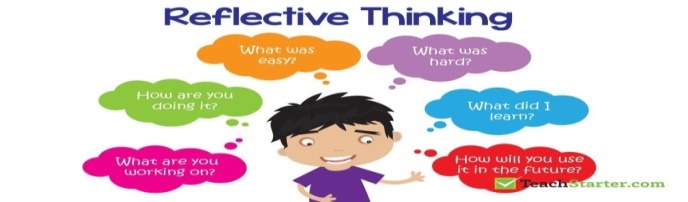
FEEDBACK Learners provide feedback on what they have learned at the lesson. Ex: Home task:
|
|
Poster Success
|
|






Differentiation. In what ways will you provide more support? What tasks will you set for more able students?
|
Assessment. How do you plan to assess students' mastery of the material? |
Health and safety compliance |
For more able students: For students who need more support:
|
. |
|
Overall Evaluation What two aspects of the lesson went well? Think about both the teaching and the learning. 1: 2:
What could have helped to improve the lesson? Think about both the teaching and the learning. 1: 2:
What did I discover during the lesson about the successes/difficulties of the class or individual students? What should I focus on in future lessons? 1: 2:
|
||









 Бұл курс Қазақстан Республикасы Оқу-ағарту министрлігімен келісілген










