
 ЖИ көмекші


 Қауіпсіз төлем

жүктеу мүмкіндігіне ие боласыз
Бұл материал сайт қолданушысы жариялаған. Материалдың ішінде жазылған барлық ақпаратқа жауапкершілікті жариялаған қолданушы жауап береді. Ұстаз тілегі тек ақпаратты таратуға қолдау көрсетеді. Егер материал сіздің авторлық құқығыңызды бұзған болса немесе басқа да себептермен сайттан өшіру керек деп ойласаңыз осында жазыңыз
 27 Мамыр 2026
 21
21
1 жыл бойы шексіз жүктеңіз
Vocabulary: Wild animals 6 сынып
Ministry of Education and Science of the Republic of Kazakhstan
Secondary School №115 by name Orazbay
(name of educational organization)
Short-term (lesson) plan
Vocabulary: Wild animals.
(lesson title)
Unit: 3. Our Countryside
|
Lesson 1 |
||
Teacher name: |
Nakipbekova Bagila |
||
Date: |
04.11.2025 |
||
Grade: 6 a |
Number present: |
absent: |
|
Lesson title |
Vocabulary: Wild animals |
||
Learning objectives
|
6.3.2.1 ask more complex questions to get information about a growing range of general topics and some curricular topics 6.2.5.1 understand most specific information and detail of short, supported talk on a wide range of familiar topics |
||
Lesson objectives |
Learners will be able to: - earn vocabulary for wild animals. - describe a wild animal. Адал азамат баідарламасындағы құндылықтарды оқыту процесіне ұйымдастыру кезеңінен бастап, сабақтың әрбір кезеңінде жүргіземін. Family – Family values are moral and ethical principles of typical family life, including sacrificing for loved ones, putting your loved ones first, and keeping your loved ones at the centre of your thoughts and actions. |
||
Plan |
|||
Stages / Time |
Teachers actions |
Students actions |
Assessment criteria |
Resources |
Beginning of the lesson Warming-up
3 min.
Pre-learning «Brainstorming» method 7 min.
|
Organization moment : 1.Greeting. Ask about the weather. The teacher sets the lesson objectives, letting students know what to anticipate from the lesson. Warming up Where are you from? How old are you? What color is it? How many students are there in class? What day of the week today? Hand out the completed Progress Report Cards for the previous module and ask the pupils to file them in their language. Lead – In
|
The aim: To develop pupils speaking skills and create friendly atmosphere Efficiency: By wishing each other they feel better and feel the support of others Students of the class are listed. Students' attention is drawn to the lesson. Students say different words from the picture •Learners remember previous lesson vocabulary •Learners answer the questions What time do you get up every morning? What time do you go to school? What do you do after the lesson? |
The teacher to assess learners for their ability. “Good job! Well done!” Formative Assessment
Good job! Descriptor: - remembers the lesson passed Point 1 Assessment criteria make basic statements related to personal information, match places to continents |
Pictures
worksheet
Picture |
Middle of the lesson Presentation part. 30 min
|
Ex:1 P:31 • Ask students to open their books at page 31. Use the pictures to revise the names of animals before students do the matching exercise. Students could also check how many of the words they mentioned in the warm- up are shown in the pictures. Put students into pairs to do the matching exercise. Weaker students can look up the meanings of the words in a dictionary. Ex: 2 P: 31 • Read out the items. Put students into pairs to find the animals from Exercise 1. Check answers. You could extend this by putting students into small groups and asking them to write three sentences similar to those in Exercise 2. You could then give those sentences to different groups to try and find the animals. Ex: 3 P: 31 • Ask students to describe the wild animals shown in Exercise 2. Elicit the words and phrases that students might need to use for this task and write them on the board, e.g. an animal with, it has/they have, lives in/on, etc. Give students time to make notes about the animal. Ex: 4 P: 31 •Put students into pairs to ask and answer questions. Students ask and answer questions to guess each other's animals. To extend the work on the vocabulary, you could ask students to turn to the Vocabulary bank on page 124 and do the exercises for Wild animals. Conclusion during the lesson some tasks differentiated by outcomes of the students and by their abilities. |
• Learners match the photos with the words in the box. Then listen, check and repeat ANSWERS a mouse b duck c seal d rabbit e camel f bear g deer h snow leopard I insect j wolf k gazelle 0 I snake
• Learners find these animals from the list in Exercise 1. Try not to name any animal more than once ANSWERS 1 duck, seal 2 rabbit, camel, deer, gazelle 3 insect 4 mouse 5 bear, snow leopard, wolf, snake
• Learners choose two animals from Exercise 1 and write notes about them. Think about these things: ANSWERS Students own answer
• Learners work with a partner. Ask questions and try to guess your partner’s animals. ANSWERS Students own answer
|
Descriptor: - match the photos with the words T
Self assessment
Differentiation: «Verbal support» method is used to help Ss use new words in the sentences.
Descriptor: - find these animals from the list Total: 3 point
Descriptor: - choose two animals Total: 3 point
Descriptor: - work with a partner. - ask questions and try to guess Total: 3 point
-Make CCQ questions Yes / No
|
Card Worksheet
Students book
Students book Chat.gpt.ai |
End of the lesson 5 min |
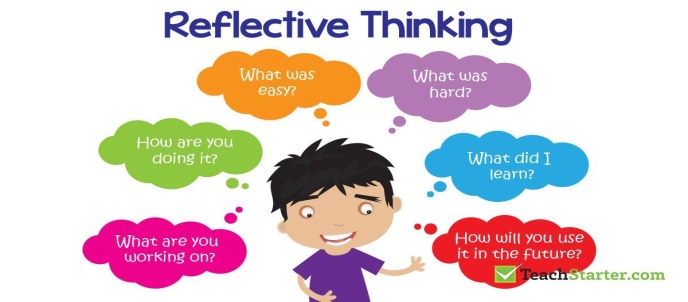
FEEDBACK Learners provide feedback on what they have learned at the lesson. Ex: P: Home task: Write the days |
|
Poster Success
|
|








Differentiation. In what ways will you provide more support? What tasks will you set for more able students?
|
Assessment. How do you plan to assess students' mastery of the material? |
Health and safety compliance |
For more able students: For students who need more support:
|
. |
|
Overall Evaluation What two aspects of the lesson went well? Think about both the teaching and the learning. 1: 2:
What could have helped to improve the lesson? Think about both the teaching and the learning. 1: 2:
What did I discover during the lesson about the successes/difficulties of the class or individual students? What should I focus on in future lessons? 1: 2:
|
||









 Бұл курс Қазақстан Республикасы Оқу-ағарту министрлігімен келісілген










