
 ЖИ көмекші


жүктеу мүмкіндігіне ие боласыз
Бұл материал сайт қолданушысы жариялаған. Материалдың ішінде жазылған барлық ақпаратқа жауапкершілікті жариялаған қолданушы жауап береді. Ұстаз тілегі тек ақпаратты таратуға қолдау көрсетеді. Егер материал сіздің авторлық құқығыңызды бұзған болса немесе басқа да себептермен сайттан өшіру керек деп ойласаңыз осында жазыңыз
 18 Ақпан 2021
 1191
1191
Young people and technology (social interaction) 7 grade
|
Unit of a long term plan: Communication and technology |
School: |
||||||||||||||||
|
Date: |
Teacher name: Ospanova Aksaule |
||||||||||||||||
|
CLASS: 7th grade |
Number present: |
absent: |
|||||||||||||||
|
Lesson title: |
Young people and technology (social interaction) |
||||||||||||||||
|
Learning objectives(s) that this lesson is contributing to (link to the Subject programme) |
7.C8 develop intercultural awareness through reading and discussion 7.S2 ask complex questions to get information about a limited range of general topics and some curricular topics 7.UE6 use a variety of possessive and reflexive pronouns including mine, yours, ours, theirs, hers, his, myself, yourself, themselves on a growing range of familiar general and curricular topics 7.L3 understand with some support most of the detail of an argument in extended talk on a limited range of general and curricular topics |
||||||||||||||||
|
Lesson objectives |
All learners will be able to:
Most learners will be able to:
Some learners will be able to:
|
||||||||||||||||
|
Assessment criteria |
|
||||||||||||||||
|
Values links |
Economic growth based on industrialization and innovation |
||||||||||||||||
|
Cross-curricular links |
computer science |
||||||||||||||||
|
Previous learning |
social networking websites |
||||||||||||||||
|
Plan |
|||||||||||||||||
|
Planned timings |
Planned activities (replace the notes below with your planned activities) |
Resources |
|||||||||||||||
|
Start 5-min 3-min |
Good morning! How are you? I'm glad to see you today. Who is on duty today? Who is absent today? What date is it today? What day is it today? Hook. Snowball. Teacher prepare the paper with some simple question and in every paper write the A and B letter at the end. Teacher make snowball with this paper. Pupils throw to each other. Who catch the ball take one paper and answer to the question. The letter from paper divide to A and B group.
Pupils watch the video clip and discuss it. Teacher ask some questions for make discussion: And how do you think what about the theme of our lesson? ... Good! |
Interactive board |
|||||||||||||||
|
Middle 2-min 3 min 7-min 5-min 5-min 2-min |
Before presenting new vocabulary teacher asks pupils to write what they knew about today theme then what they want to know from today’s lesson. New words on the flash cards (teacher gives definitions to the new words.) Choral repetition.
Network- Website- Download- Make friends- Share the link- Send email- On line- Off line- Log out- Log on- Social networks - Send e- mails - Visit websites - Surf the internet -
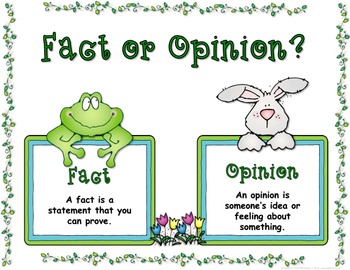
Do young people use technology in different ways to most adults and value it more? Young people appear to use technology in ways that are different to most of their teachers and parents. Adults (depending on their age) typically use information and communication technologies (ICTs) as functional tools that are used for practical or business purposes. Parents and teachers see technology as being most beneficial for accessing new knowledge and learning. Young people on the other hand see technologies (and especially the internet) as a vital part of their social life and the building of their identity. Mobile phones seem to be the key to young people’s social lives, especially in Australia (ACMA, 2007). They have become status items that reflect the emerging identities of young people (Belsey, 2008) who personalise them (e.g. by selecting colour, size, covers and ringtones) and compete to have the newest phone with the widest capabilities. A study by the McCrindle research group (Hale, 2009; McCrindle, n.d.), indicated that whereas the milestones of previous generations included leaving school, getting a job or moving out of home, the most significant milestones towards adulthood are now acquiring a mobile phone and joining online social networking sites. Bauman (2007) argues that young people place a high value on technology because it is one of few areas where their knowledge and skills exceed most of the adults with whom they interact. Descriptor. 1. Read the text and underline the fact or opinion. 2. Fist & palm. Show fist if you understand the text if no show palm.
A students – Find the definition of the words looking at the presentation. B students – Tell about one social website using phrase which you use. C students – Make short topic about the technology that you know. We don`t imagine our lives without Internet. We can find all necessary information there. We use popular services and sources every day. One of the most popular sources is social nets. A social network is a very useful invention of the 21st century. Nowadays millions of people use social networks. It is an Internet site that gives us a chance to support various contacts, keep friendly relationships with classmates, acquaintances. More functional social nets allow watching photos and video films, to listen to music and so on. There is a possibility to enter different interesting groups. There exist social nets connecting people according to a general interest, for example, computer games players are combined into a social net. Descriptor. 1. Find the words. 2. Tell about any social websites using new words. 3. Make a short text about the technology. 5 sentences. Pair assessment.
Using photo. CAF Template.
Group assessment. Give your opinion. |
I knew I want to know I know
PPT Photos Paper Text https://www.native-english.ru/topics/social-networks
Fist and Palm
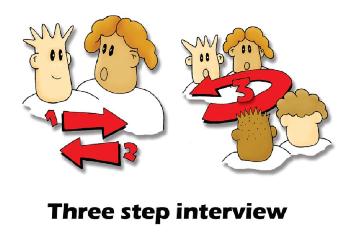
Three step discussion
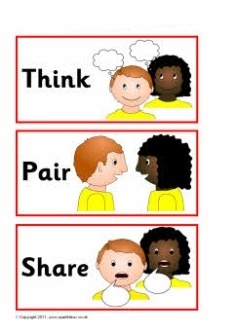
Video https://www.youtube.com/watch?v=3bvEqLBwPXg PPT Think. Pair. Share
PPT |
|||||||||||||||
|
End 5 min 2 min |
At the end of the lesson pupils complete their writing about what they learned from today’s lesson. Pupils compare the answers what they want to know and what they learned from the lesson. KWK I knew I want to know I know
|
Sticker |
|||||||||||||||
|
Additional information |
|||||||||||||||||
|
Differentiation – how do you plan to give more support? How do you plan to challenge the more able learners? |
Assessment – how are you planning to check learners’ learning? |
Health and safety check |
|||||||||||||||
All able learners will be challenge some difficulties in the first task I’ll use the “Three step method”. More able learners help to less learners through asking question or answer the question, than they explain to each other.
More able learners while the reading underline facts or opinion encourages them to justify their opinion. Then they make discussion in group. I’ll seek a partial question and support to be coherences of statement.
Also to less able learners will be given signal question to complete lexical cohesion of sentences.
| |||||||||||||||||








 Жүктеу



 Бұл курс Қазақстан Республикасы Оқу-ағарту министрлігімен келісілген










