ЖИ көмекші





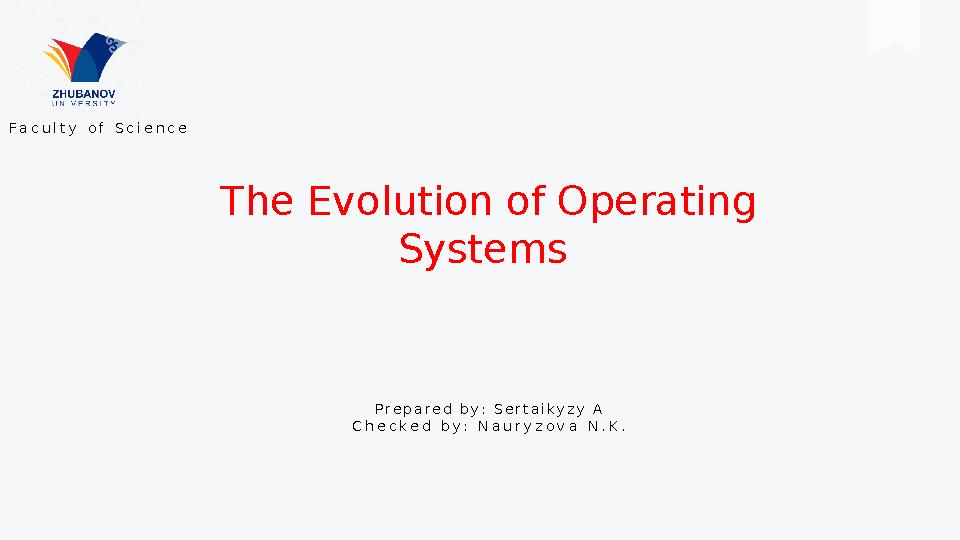
The Evolution of Operating Systems

 Жүктеу
#1 слайд
The Evolution of Operating
Systems
P r e p a r e d b y : S e r t a i k y z y A
C h e c k e d b y : N a u r y z o v a N . K .F a c u l t y o f S c i e n c e
1 слайд
The Evolution of Operating Systems P r e p a r e d b y : S e r t a i k y z y A C h e c k e d b y : N a u r y z o v a N . K .F a c u l t y o f S c i e n c e
#2 слайд
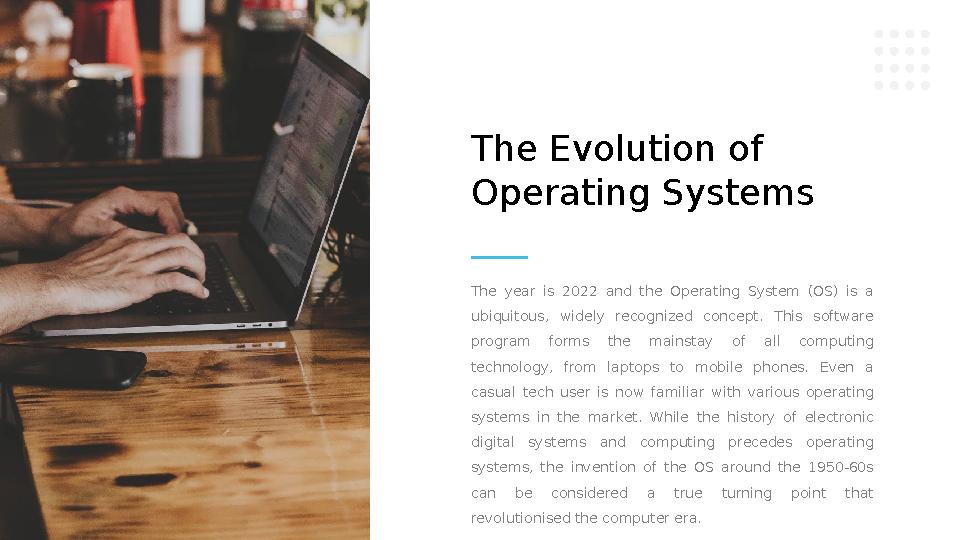
The year is 2022 and the Operating System (OS) is a
ubiquitous, widely recognized concept. This software
program forms the mainstay of all computing
technology, from laptops to mobile phones. Even a
casual tech user is now familiar with various operating
systems in the market. While the history of electronic
digital systems and computing precedes operating
systems, the invention of the OS around the 1950-60s
can be considered a true turning point that
revolutionised the computer era.The Evolution of
Operating Systems
2 слайд
The year is 2022 and the Operating System (OS) is a ubiquitous, widely recognized concept. This software program forms the mainstay of all computing technology, from laptops to mobile phones. Even a casual tech user is now familiar with various operating systems in the market. While the history of electronic digital systems and computing precedes operating systems, the invention of the OS around the 1950-60s can be considered a true turning point that revolutionised the computer era.The Evolution of Operating Systems
#3 слайд
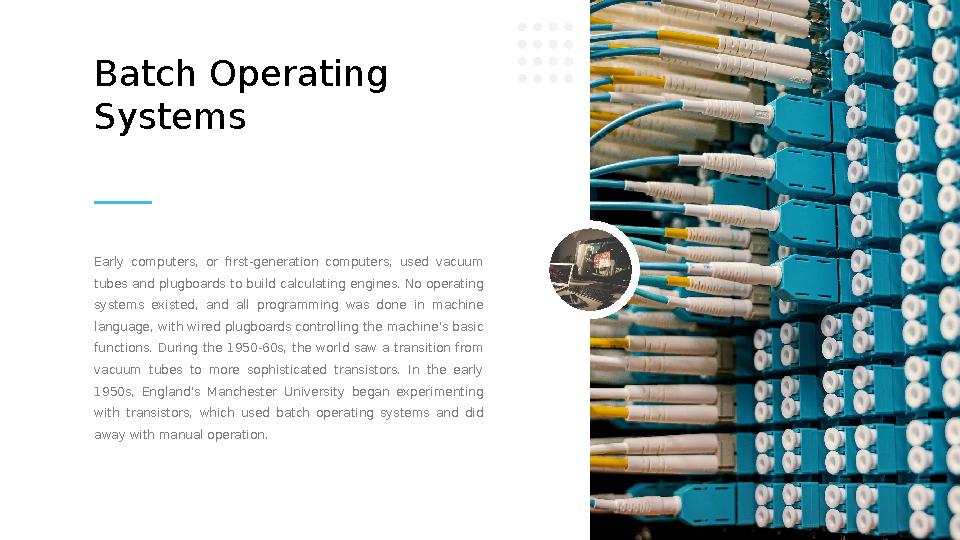
Early computers, or first-generation computers, used vacuum
tubes and plugboards to build calculating engines. No operating
systems existed, and all programming was done in machine
language, with wired plugboards controlling the machine’s basic
functions. During the 1950-60s, the world saw a transition from
vacuum tubes to more sophisticated transistors. In the early
1950s, England’s Manchester University began experimenting
with transistors, which used batch operating systems and did
away with manual operation.Batch Operating
Systems
3 слайд
Early computers, or first-generation computers, used vacuum tubes and plugboards to build calculating engines. No operating systems existed, and all programming was done in machine language, with wired plugboards controlling the machine’s basic functions. During the 1950-60s, the world saw a transition from vacuum tubes to more sophisticated transistors. In the early 1950s, England’s Manchester University began experimenting with transistors, which used batch operating systems and did away with manual operation.Batch Operating Systems
#4 слайд
Atlas
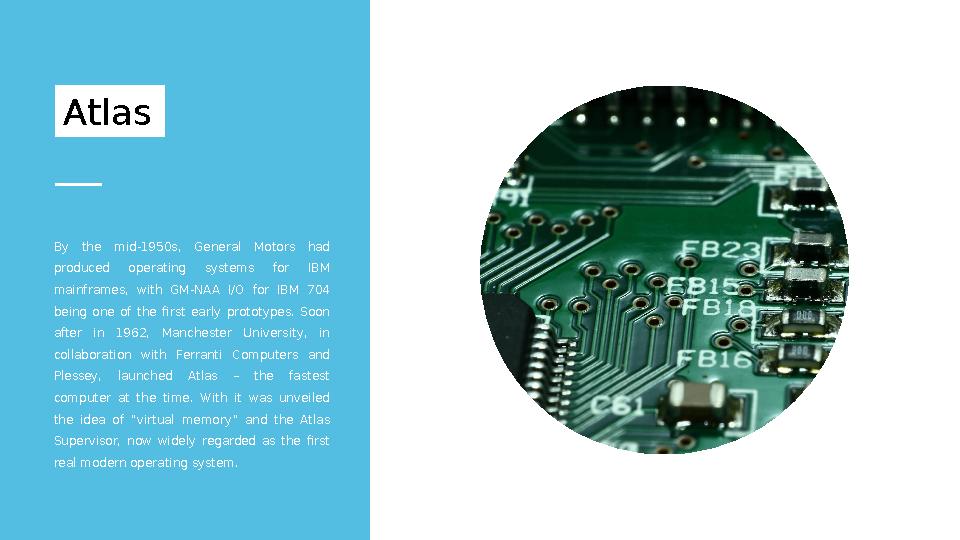
By the mid-1950s, General Motors had
produced operating systems for IBM
mainframes, with GM-NAA I/O for IBM 704
being one of the first early prototypes. Soon
after in 1962, Manchester University, in
collaboration with Ferranti Computers and
Plessey, launched Atlas – the fastest
computer at the time. With it was unveiled
the idea of “virtual memory” and the Atlas
Supervisor, now widely regarded as the first
real modern operating system.
4 слайд
Atlas By the mid-1950s, General Motors had produced operating systems for IBM mainframes, with GM-NAA I/O for IBM 704 being one of the first early prototypes. Soon after in 1962, Manchester University, in collaboration with Ferranti Computers and Plessey, launched Atlas – the fastest computer at the time. With it was unveiled the idea of “virtual memory” and the Atlas Supervisor, now widely regarded as the first real modern operating system.
#5 слайд
As newer hardware and software were rapidly developed, systems soon became multi-programmed. In the 1970–80s, the
idea of timesharing (or time-slicing) was introduced. Multiple terminals could now be connected to the computer, with each
managing different jobs (or processes). The OS handled these terminals as well as user interaction. Around this decade, there
was increasing emphasis on the need for operating systems to not be model specific. Multiprogramming Operating
Systems
5 слайд
As newer hardware and software were rapidly developed, systems soon became multi-programmed. In the 1970–80s, the idea of timesharing (or time-slicing) was introduced. Multiple terminals could now be connected to the computer, with each managing different jobs (or processes). The OS handled these terminals as well as user interaction. Around this decade, there was increasing emphasis on the need for operating systems to not be model specific. Multiprogramming Operating Systems
#6 слайд
Between the mid-1960s to the late 1970s, IBM announced
and delivered System/360 (a family of mainframe
computers that could execute a range of both commercial
and scientific applications), with DOS/360 (disk operating
systems, also known simply as DOS) as its operating
system, suited for text-based applications such as word
processors and spreadsheets. DOS quickly became the
most popular OS in its time.DOS
6 слайд
Between the mid-1960s to the late 1970s, IBM announced and delivered System/360 (a family of mainframe computers that could execute a range of both commercial and scientific applications), with DOS/360 (disk operating systems, also known simply as DOS) as its operating system, suited for text-based applications such as word processors and spreadsheets. DOS quickly became the most popular OS in its time.DOS
#7 слайд
The PC Revolution:
Democratizing
Technology
The computers of the 1970–80s were
designed for large-scale operations and
process-intensive applications. Post the
1980s, however, the development of large-
scale integration (LSI) circuits (containing
thousands of transistors) reduced the price of
computers, leading to the production of
personal computers. The PC revolution
promised to empower individuals and
businesses alike and necessitated the
development of operating systems that could
handle the increasing demands.
7 слайд
The PC Revolution: Democratizing Technology The computers of the 1970–80s were designed for large-scale operations and process-intensive applications. Post the 1980s, however, the development of large- scale integration (LSI) circuits (containing thousands of transistors) reduced the price of computers, leading to the production of personal computers. The PC revolution promised to empower individuals and businesses alike and necessitated the development of operating systems that could handle the increasing demands.
#8 слайд
In 1984, the Apple Macintosh became the first truly
consumer-friendly operating system and the
populace officially transitioned out of DOS – setting
the stage for enterprise-oriented operating systems.
Around the same time, Microsoft and IBM jointly
developed the Operating System/2 (OS/2) in the mid-
1980s; the OS/2 made it easy for consumers to work
on spreadsheets and databases and mainstreamed
consumer usage of PCs in business. In 1985,
Microsoft launched its first version of Windows. OS/2
8 слайд
In 1984, the Apple Macintosh became the first truly consumer-friendly operating system and the populace officially transitioned out of DOS – setting the stage for enterprise-oriented operating systems. Around the same time, Microsoft and IBM jointly developed the Operating System/2 (OS/2) in the mid- 1980s; the OS/2 made it easy for consumers to work on spreadsheets and databases and mainstreamed consumer usage of PCs in business. In 1985, Microsoft launched its first version of Windows. OS/2
#9 слайд
The rest – as we
know – is history
9 слайд
The rest – as we know – is history
#10 слайд
For enterprises in the current climate, the top
crucial functions of an OS include:
1. Protecting the
organization
from security
breaches 2. Ensuring smooth
functioning of all
systems and
controlling system
performance 3. Monitoring time
and resources to
track resource
usage
10 слайд
For enterprises in the current climate, the top crucial functions of an OS include: 1. Protecting the organization from security breaches 2. Ensuring smooth functioning of all systems and controlling system performance 3. Monitoring time and resources to track resource usage
#11 слайд
Advantage
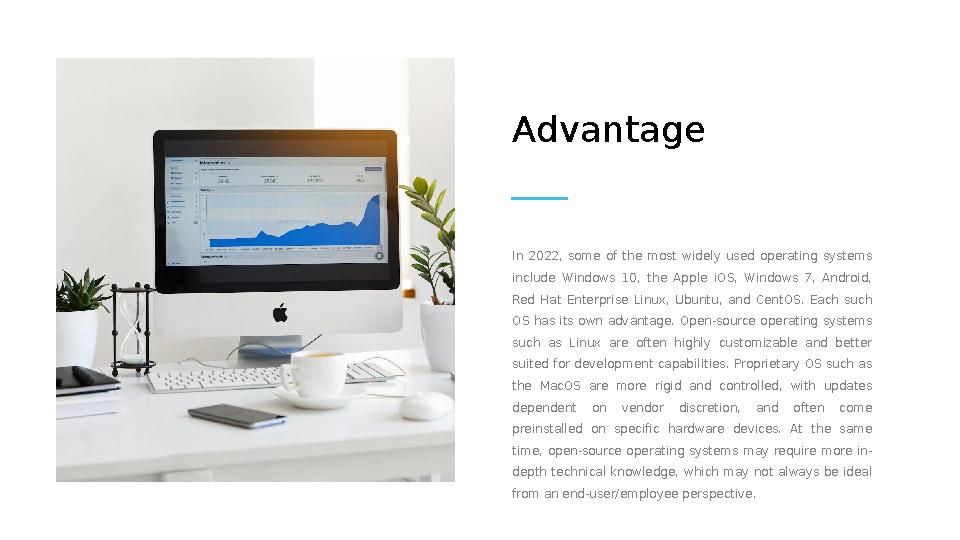
In 2022, some of the most widely used operating systems
include Windows 10, the Apple iOS, Windows 7, Android,
Red Hat Enterprise Linux, Ubuntu, and CentOS. Each such
OS has its own advantage. Open-source operating systems
such as Linux are often highly customizable and better
suited for development capabilities. Proprietary OS such as
the MacOS are more rigid and controlled, with updates
dependent on vendor discretion, and often come
preinstalled on specific hardware devices. At the same
time, open-source operating systems may require more in-
depth technical knowledge, which may not always be ideal
from an end-user/employee perspective.
11 слайд
Advantage In 2022, some of the most widely used operating systems include Windows 10, the Apple iOS, Windows 7, Android, Red Hat Enterprise Linux, Ubuntu, and CentOS. Each such OS has its own advantage. Open-source operating systems such as Linux are often highly customizable and better suited for development capabilities. Proprietary OS such as the MacOS are more rigid and controlled, with updates dependent on vendor discretion, and often come preinstalled on specific hardware devices. At the same time, open-source operating systems may require more in- depth technical knowledge, which may not always be ideal from an end-user/employee perspective.
#12 слайд
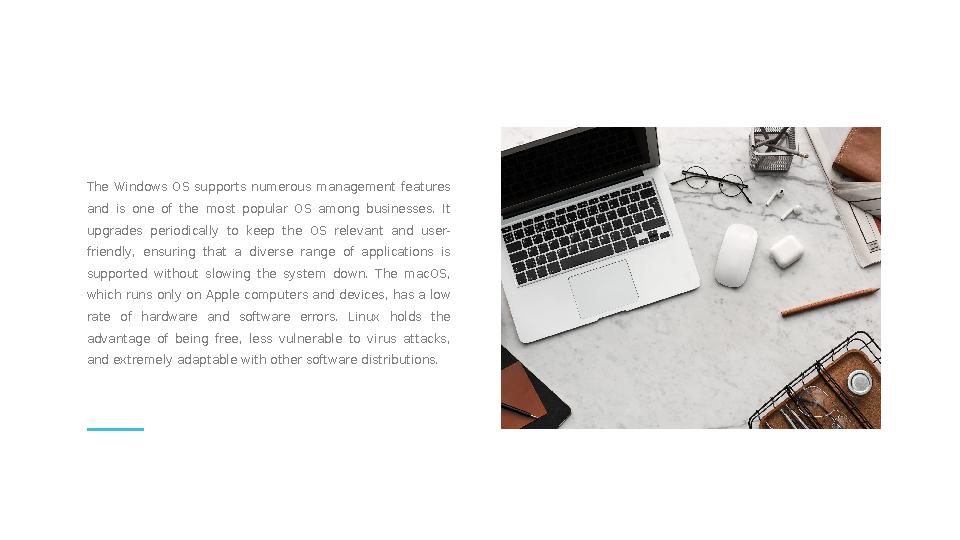
The Windows OS supports numerous management features
and is one of the most popular OS among businesses. It
upgrades periodically to keep the OS relevant and user-
friendly, ensuring that a diverse range of applications is
supported without slowing the system down. The macOS,
which runs only on Apple computers and devices, has a low
rate of hardware and software errors. Linux holds the
advantage of being free, less vulnerable to virus attacks,
and extremely adaptable with other software distributions.
12 слайд
The Windows OS supports numerous management features and is one of the most popular OS among businesses. It upgrades periodically to keep the OS relevant and user- friendly, ensuring that a diverse range of applications is supported without slowing the system down. The macOS, which runs only on Apple computers and devices, has a low rate of hardware and software errors. Linux holds the advantage of being free, less vulnerable to virus attacks, and extremely adaptable with other software distributions.
#13 слайд
Operating systems are an evolving work in progress.
Developers learn lessons from previous concepts to
improve the next. Batch Process overcame the problem of
scheduling and job setup posed by Serial Processing.
However, it was still an inefficient system causing long
delays between jobs. Both Multitasking and Time-Sharing
resolved the issues of processor idle time allowing
multiple jobs and users to interact simultaneously.
Hardware vendors have an important role with improving
performance by creating better processors and I/O
controls. Current technology continues using Multitasking
and Time-Sharing concepts.Conclusion
13 слайд
Operating systems are an evolving work in progress. Developers learn lessons from previous concepts to improve the next. Batch Process overcame the problem of scheduling and job setup posed by Serial Processing. However, it was still an inefficient system causing long delays between jobs. Both Multitasking and Time-Sharing resolved the issues of processor idle time allowing multiple jobs and users to interact simultaneously. Hardware vendors have an important role with improving performance by creating better processors and I/O controls. Current technology continues using Multitasking and Time-Sharing concepts.Conclusion
#14 слайд
THANK YOU
14 слайд
THANK YOU


 Жүктеу
шағым қалдыра аласыз
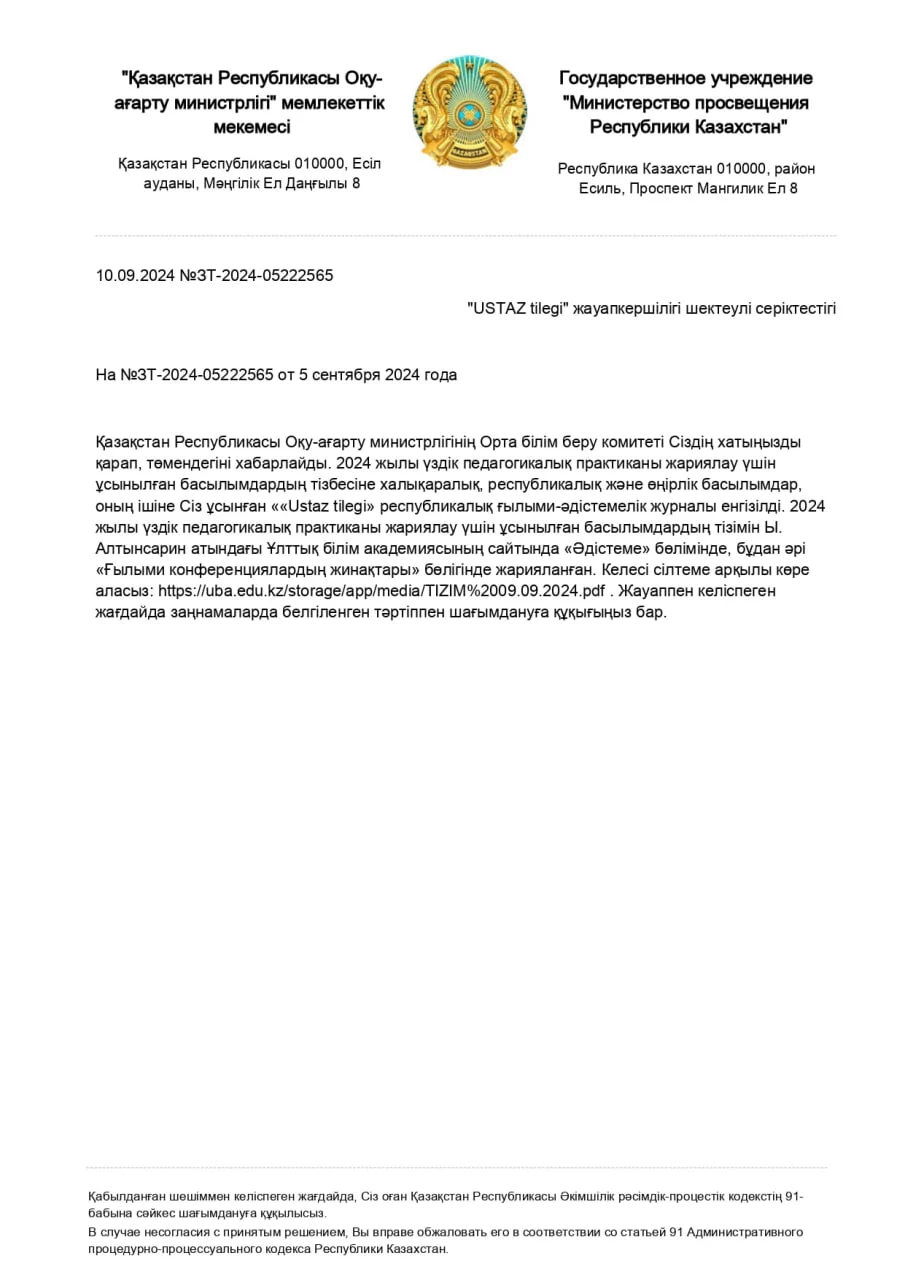
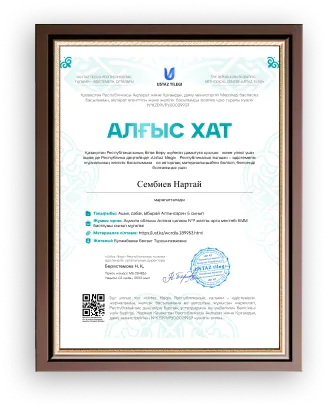
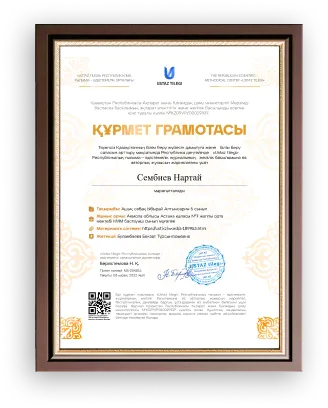

 Бұл курс Қазақстан Республикасы Оқу-ағарту министрлігімен келісілген