
 ЖИ көмекші


жүктеу мүмкіндігіне ие боласыз
Бұл материал сайт қолданушысы жариялаған. Материалдың ішінде жазылған барлық ақпаратқа жауапкершілікті жариялаған қолданушы жауап береді. Ұстаз тілегі тек ақпаратты таратуға қолдау көрсетеді. Егер материал сіздің авторлық құқығыңызды бұзған болса немесе басқа да себептермен сайттан өшіру керек деп ойласаңыз осында жазыңыз
 31 Тамыз 2024
 1526
1526
5 grade Excel 1-term ҚМЖ
|
LESSON 1 Unit 1: Homes and away |
School: |
||||||||
|
Date: |
Teacher name: |
||||||||
|
Grade: 5 |
Number present: |
Number absent: |
|||||||
|
Theme of the lesson: |
Homes 1 |
||||||||
|
Learning objectives |
L1. Understanding sequence of supported classroom instructions S7. Use appropriate subject- specific vocabulary and syntax to talk about a limited range of general topics UE3. Use a growing variety of adjectives and regular and irregular comparative and superlative adjectives an a limited range of familiar general and curricular topics W3 write with support factual descriptions at text level which describe people, places and objects |
||||||||
|
Lesson objectives |
All learners will be able to: Name parts of yurt, understand vocabulary, describe places Most of learners will be able to: Understand specific vocabulary |
||||||||
|
Plan |
|||||||||
|
Planned timings
|
Planned activities |
Learners’ activities |
Evaluation |
Resources |
|||||
|
Beginning 5 min
|
GREETINGS Good morning pupils! Who is on duty today? Who is absent? Teacher divides pupils in 2 groups with cards: “ Yurts’, “ Homes” |
Greeting |
|
|
|||||
|
Middle 30 min |
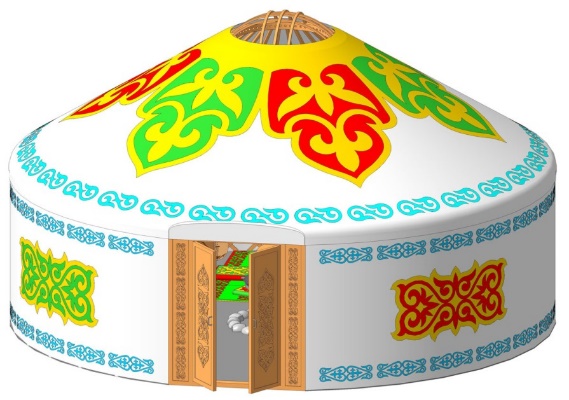
Task 1 Listen to and repeat attentively after teacher : a bedroom, a dining room, bathroom, a living room, a toilet, a study, a round-shaped , a shanyrak , a kerege ,a uwyk
Task 2 Match the pictures with the words Yurt
is a round-shaped, it consists of three main parts and many other
smaller parts. Three main Yurt usually
does not have rooms in it, and it was a common practice to have a
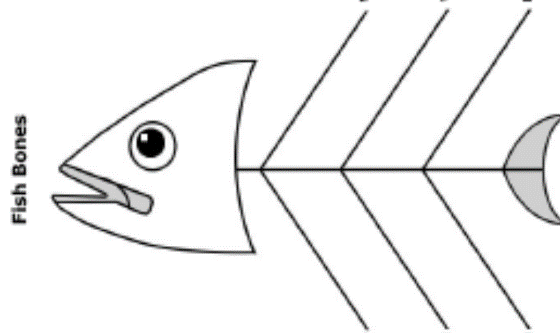
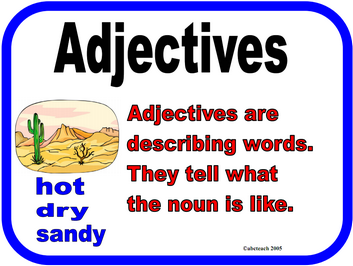
separate Task 3 Find out which of these adjectives in positive degree, in comparative degree, in superlative degree 1 A building is bigger than yurt. 2. Yurt is smaller than a building. 3. A house is modern. 4. A living room is the most comfortable room in the house. 5.Yurt is the oldest house. Task 4 Write things you remember from the texts Yurt, kerege ,house ,shanurak .small ,beautiful ,modern Bedroom, living-room ,comfortable Descriptor: |
Learners listen to and repeat Learners match the pictures with the words Learners find degrees of adjectives Learners write names of rooms ,describe of house |
Verbal evaluation Individual avaluation Mutual avaluation |
|
|||||
|
End 5min. |
Answer the question “ How can be a modern house?”
Draw your room and furniture’s in the paper. Make a dialogue with your partner about your room. Home task: learn the new vocabulary Saying goodbye |
|
Self-assessment |
|
|||||
|
LESSON 2 Unit 1: Homes and away |
School: |
|||||||
|
Date: |
Teacher name: |
|||||||
|
Grade: 5 |
Number present: |
Number absent : |
||||||
|
Theme of the lesson: |
Homes 1 |
|||||||
|
Learning objectives |
S1. Provide basic information about themselves and others at sentence level on an increasing range of general topics. S4. Respond with limited flexibility at sentence level to unexpected comments on an increasing range of general and curricular topics. W1. Plan, write, edit and proofread work at text level with support on a limited range of general and curricular topics. UE14. Use prepositions to talk about and location: use prepositions like to describe things and about to denote topics: use prepositions of direction to, into, out of, from, towards on a limited range of familiar general and curriculum topics. |
|||||||
|
Lesson objectives |
All learners will be able to: Understand specific information related to the target. Pronounce and name some words, according to the topic. Recognize the theme and grammar material; Most learners will be able to: To write short sentences in a paragraph. Answer the questions. Do exercises with grammar material; Some learners will be able to: Use prepositions to make sentences. Speak about things in a room. |
|||||||
|
Previous learning |
Learners have an information about rooms. |
|||||||
|
Plan |
||||||||
|
Planned timings |
Planned activities |
Learners’ activities |
Evaluation |
Resources |
||||
|
Beginning 10 min
|
Greeting. Teacher greets learners; learners respond to greeting and take their places. Happiness circle. Teacher greets and invites to stand in a circle and to greet each other. The teacher divided the class with the method of mosaic. S1 Brainstorming. Revision the previous lesson. Scrambled letters. You must make up some words and translate them into Kazakh. |
Greeting
Learners do the task |
Verbal evaluation |
Flashcards PPT (slide – 1-2) Pictures |
||||
|
Middle 25 min |
Working with new vocabulary. Prepositions: In, On, Next to, Above, Under, Opposite, In front of, Behind, Between. Task 1. Practice The bed’s on the left and there’s small wardrobe on the right. There are some posters …… the wall …… the bed. There is a table …… the bed, and there is a lamp and clock …… the table. There is a chest of drawers …… the table, and there are some shelves …… the chest of drawers. There is a desk …… the door, …… the window. There is a chair in the corner and another chair ….. the desk. You can see Sadie’s tennis racket …… the desk. Task 2. Group work I -
group II -
group |
Learners use prepositions. Complete the description of Sadie’s room. Learners read the puzzles and guess what rooms they are. PPT |
Individual avaluation Mutual avaluation Self-assessment |
PPT |
||||
|
End 5 min |
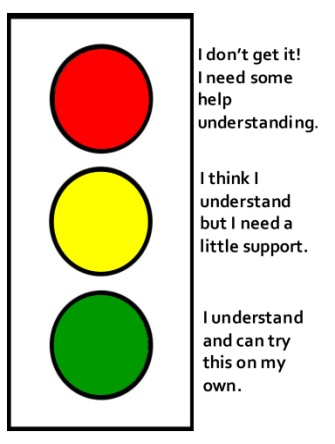
Assessment. Traffic light. Feedback. The teacher gives comments about learners work and awards learner. Students will choose one and put on the board their stickers. Home task: Draw your room and furniture’s in the paper. Saying goodbye |
|
|
Stickers
|
||||
|
LESSON 3 Unit 1: Homes and away |
School: |
|||||||||
|
Date: |
Teacher name: |
|||||||||
|
Grade: 5 |
Number present: |
Number absent : |
||||||||
|
Theme of the lesson: |
Homes 2 |
|||||||||
|
Learning objectives |
5.S6 communicate meaning clearly at sentence level during, pair, group and whole class exchanges 5.S7 and use appropriate subject-specific vocabulary syntax to talk about a limited range of general topics 5.W3 write with support factual descriptions at text level which describe people, places and objects 5. UE6 use basic personal and demonstrative pronouns and quantitative pronouns some, any, something, nothing anything on a limited range of familiar general and curricular topics |
|||||||||
|
Lesson objectives |
All learners will be able to: ask simple questions to get information and answer it use appropriate subject-specific vocabulary syntax to talk about Most learners will be able to: write with support factual descriptions use prepositions to talk about location Some learners will be able to: communicate meaning clearly at sentence level during, pair, group and whole class exchanges organise and present information |
|||||||||
|
Previous learning |
The construction there is / there are |
|||||||||
|
Plan |
||||||||||
|
Planned timings |
Planned activities |
Learners’ activities |
Evaluation |
Resources |
||||||
|
Start 10min |
GREETINGS: Good afternoon dear children How are you? What is the weather like today? Is it hot or warm? Is it rainy or sunny? What is the weekday today? What is the season now? Teacher will put some questions according to the theme. Why should we need a home? Do we need rooms? What would we do if we have no rooms? |
Learners will answer to the given questions. |
Verbal evaluatio |
Cards flashcards of rooms |
||||||
|
Middle 25 min |
Task1. Describe your house with the given vocabulary Bedroom, living room, bathroom, kitchen, dining room, upstairs and downstairs, sofa, bed, TV, armchair, table, chair, carpet, curtain. In three minutes write a few sentences about it. Compare your room with your partner’s. What is similar/different? Tell the class My ideal bedroom has got ... . There’s a ... in my bedroom. ...There is a ………. My bedroom is cool! Task 2 Complete the grapes with the given vocabulary and talk about it. Bedroom, living room, bathroom, kitchen, dining room For the conclusion of the lesson teacher takes the activity “branches of grapes” there will be drawn branch of grapes and learners should put the names of rooms on the grapes and pronouns which relates to a house on branches learners will show and discuss about rooms and describe one room of their house using pronouns. |
Learners describe your house with the given vocabulary Learners draw your ideal bedroom. Learners complete the grapes with the given vocabulary and talk about it. |
Individual avaluation Mutual avaluation |
A cheet of paper pencil Flipchart marker cards |
||||||
|
End 5min |
For the feedback we will talk about “Traffic lights”
-Green The lesson is clear for me -Yellow I have got some question -Red I don’t understand anything Home work: Writing and speaking “My room” Use what you know Saying goodbye |
Figures of traffic lights |
Self-assessment |
|
||||||

|
LESSON 4 Unit 1: Homes and away |
School: |
|||||||||||||||||||||||||||||||||||||||||||||||||||||||||||||||||
|
Date: |
Teacher name: |
|||||||||||||||||||||||||||||||||||||||||||||||||||||||||||||||||
|
Grade: 5 |
Number present: |
Number absent : |
||||||||||||||||||||||||||||||||||||||||||||||||||||||||||||||||
|
Theme of the lesson: |
Homes 2 |
|||||||||||||||||||||||||||||||||||||||||||||||||||||||||||||||||
|
Learning objectives |
5.S6 communicate meaning clearly at sentence level during, pair, group and whole class exchanges 5.S7 and use appropriate subject-specific vocabulary syntax to talk about a limited range of general topics 5.W3 write with support factual descriptions at text level which describe people, places and objects 5. UE6 use basic personal and demonstrative pronouns and quantitative pronouns some, any, something, nothing anything on a limited range of familiar general and curricular topics |
|||||||||||||||||||||||||||||||||||||||||||||||||||||||||||||||||
|
Lesson objectives |
All learners will be able to: ask simple questions to get information and answer it use appropriate subject-specific vocabulary syntax to talk about Most learners will be able to: write with support factual descriptions use prepositions to talk about location Some learners will be able to: communicate meaning clearly at sentence level during, pair, group and whole class exchanges organise and present information |
|||||||||||||||||||||||||||||||||||||||||||||||||||||||||||||||||
|
Previous learning |
They introduced with the construction there is / there are |
|||||||||||||||||||||||||||||||||||||||||||||||||||||||||||||||||
|
Plan |
||||||||||||||||||||||||||||||||||||||||||||||||||||||||||||||||||
|
Planned timings |
Planned activities |
Learners’ activities |
Evaluation |
Resources |
||||||||||||||||||||||||||||||||||||||||||||||||||||||||||||||
|
Start 10min |
T-S.Greetings: Good afternoon dear children Org moment: T-S. Dividing learners into three groups by the names of rooms Livingroom bathroom kitchen T-S .After dividing each groups should tell about the rooms and describe it what they can do in that room. Today we are going to talk about our homes and objects in it and will describe and talk about it. |
Greeting
Learners do the task |
Mutual avaluation |
Cards flashcards of rooms |
||||||||||||||||||||||||||||||||||||||||||||||||||||||||||||||
|
Middle 30min |
Task 1. In general we use some in positive sentences and any in questions and negative sentences .We also use any with the meaning ‘it doesn’t matter which’: • You can catch any bus. They all go to the centre. Task 2. Complete the sentences with some or any. 1 .We didn’t buy ...any... flowers. 2 .This evening I’m going out with............................. friends of mine. 3.‘Have you seen........ good films recently?’ ‘No, I haven’t been to the cinema for ages.’ 4. I didn’t have money, so I had to borrow............................. 5 .Can I have......................milk in my coffee, please? 6 .I was too tired to d o .........................work. Make up your own sentences with the some ,any There is a nothing between two beds Describe your room with the some , any There is some flowers in the kitchen. Task 3 Say the suitable sentences in pair work two learners in pair should say three sentences two sentences must be according to the theme one sentence must be the odd one and neighbours should recognize which is the odd one out. Living room is the place where we can sit and watch TV. Kitchen is the place where we can cook meals. Gym is the place where we can play volleyball with our friends |
Learners follow the instructions Learners complete the sentences with some or any. Learners make up your own sentences with the and describe room with the some ,any Learners give two clear sentences and one odd sentence during pair work |
Verbal evaluation Individual avaluation |
cards Flipchart marker cards A list of descriptor Flipchart |
||||||||||||||||||||||||||||||||||||||||||||||||||||||||||||||
|
End 5min |
All learners put stickers into three groups according their understanding of the lesson
Saying goodbye |
Figures of traffic lights |
Self-assessment |
|
||||||||||||||||||||||||||||||||||||||||||||||||||||||||||||||
|
LESSON 5 Unit 1: Homes and away |
School: |
|||||||||||||||||||||||||||||||||||||||||||||||||||||||||||||||||
|
Date: |
Teacher name: |
|||||||||||||||||||||||||||||||||||||||||||||||||||||||||||||||||
|
Grade: 5 |
Number present: |
Number absent : |
||||||||||||||||||||||||||||||||||||||||||||||||||||||||||||||||
|
Theme of the lesson: |
Homes 3 |
|||||||||||||||||||||||||||||||||||||||||||||||||||||||||||||||||
|
Learning objectives |
5.C9 use imagination to express thoughts, ideas, experiences and feelings 5.L1understand a sequence of supported classroom instructions 5.S1 provide basic information about themselves and others at sentence level on an increasing range of general topics 5.S6 communicate meaning clearly at sentence level during, pair, group and whole class exchanges 5.UE11 use be/look/smell like and use be made of on a limited range of familiar general and curricular topics |
|||||||||||||||||||||||||||||||||||||||||||||||||||||||||||||||||
|
Lesson objectives |
All learners will be able to: Exchange the opinion with their peers in a simple way; Learn at least 4 new words. Choose the picture and answer some questions Most learners will be able to: Describe houses (shape, materials); Answer three questions when describing the picture Some learners will be able to: Complete the table, writing a short description of houses; Explain their choice using examples and details to support the answers. |
|||||||||||||||||||||||||||||||||||||||||||||||||||||||||||||||||
|
Previous learning |
They introduced with the construction there is / there are |
|||||||||||||||||||||||||||||||||||||||||||||||||||||||||||||||||
|
Plan |
||||||||||||||||||||||||||||||||||||||||||||||||||||||||||||||||||
|
Planned timings |
Planned activities |
Learners’ activities |
Evaluation |
Resources |
||||||||||||||||||||||||||||||||||||||||||||||||||||||||||||||
|
Start 10min |
Show learners a picture. Ask learners to guess the topic of the lesson ( Homes) Introduce lesson objectives. Hang up three different pictures (example - one of a flat, one of a skyscraper, one of a cottage) in the three corners of the classroom. Tell students to choose one corner to stand in, and talk about why they chose that poster. In pairs, learners discuss the following questions: Why do you choose this house? What do you like about it? Would you like to live in? Why? (not) Why do people use different houses? Elicit learners to explain their choice. |
Greeting Learners try to guess
Learners answer the questions |
Verbal evaluation |
|
||||||||||||||||||||||||||||||||||||||||||||||||||||||||||||||
|
Middle 30min |
Speaking. Draw a house on the board. Brainstorm words learners know about houses. How many words do learners know? (rooms, garden, garage) Teacher shows pair pictures of different houses on the active board. Ask learners to describe the houses and compare them. Encourage learners to use conjunctions ‘and’, ‘but’ to describe similarities and differences. Ex: The first house has two floors and the second one. The first house is big but the second is small. The first house has four windows but the second has three. Writing. Teacher asks pre-writing questions: What kind of materials do you know? What materials do people use to make houses? (wood, metal, glass, stone, brick, felt, twigs) Ask learners about yurts. What is Kazakh traditional house? In what houses did people live many years ago? (Yurts) Tell learners: what yurts are made of; their shape; the different types; and show pictures. (Teacher provides learners with some words related to yurts: room with a fireplace, hole in the roof, warm in winter and cool in summer.) Demonstrate two pictures of a yurt and a house. Elicit learners point to and say the materials. Then ask to speak about differences of shape and material. Encourage learners to share ideas and collaborate. One can write notes on the left side of the chart (yurt) one on the right side (new homes) (in the copybooks) (differentiation by task) |
Learners use at least two sentences; use conjunctions ‘and’, ‘but’. Learners in pairs complete a chart to show differences between two types of homes. They compare charts with another pair. More-able learners, write a sentence about which home they prefer or like and why. |
Individual avaluation Mutual avaluation Self-assessment |
|
||||||||||||||||||||||||||||||||||||||||||||||||||||||||||||||
|
End 5min |
All learners put stickers into three groups according their understanding of the lesson Home work: Make up a story about your friend’s house using prepositions Saying goodbye |
|
|
Figures of traffic lights
|
||||||||||||||||||||||||||||||||||||||||||||||||||||||||||||||
|
LESSON 6 Unit 1: Homes and away |
School: |
|||||||||||||||||||||||||||||||||||||||||||||||||||||||||||||||||
|
Date: |
Teacher name: |
|||||||||||||||||||||||||||||||||||||||||||||||||||||||||||||||||
|
Grade: 5 |
Number present: |
Number absent : |
||||||||||||||||||||||||||||||||||||||||||||||||||||||||||||||||
|
Theme of the lesson: |
Cities and countries 1 |
|||||||||||||||||||||||||||||||||||||||||||||||||||||||||||||||||
|
Learning objectives |
5.L1understand a sequence of supported classroom instructions 5.S1 provide basic information about themselves and others at sentence level on an increasing range of general topics 5.S2 ask simple questions to get information about a limited range of general topics 5. UE3 use a growing variety of adjectives and regular and irregular comparative and superlative adjectives on a limited range of familiar general and curricular topics |
|||||||||||||||||||||||||||||||||||||||||||||||||||||||||||||||||
|
Lesson objectives |
All learners will be able to:understand a sequence of supported classroom instructions ask simple questions to get information Most learners will be able to: use adjectives and regular and irregular comparative and superlative adjectives with support Some learners will be able to: provide basic information about themselves and others at sentence level on an increasing range of general topics |
|||||||||||||||||||||||||||||||||||||||||||||||||||||||||||||||||
|
Previous learning |
Homes |
|||||||||||||||||||||||||||||||||||||||||||||||||||||||||||||||||
|
Plan |
||||||||||||||||||||||||||||||||||||||||||||||||||||||||||||||||||
|
Planned timings
|
Planned activities |
Learners’ activities |
Evaluation |
Resources |
||||||||||||||||||||||||||||||||||||||||||||||||||||||||||||||
|
Start 5min |
Greeting: Good day, dear learners! Nice to meet you How are you? Thank you, sit down. Are you ready for today’s lesson? Who is absent today? Who is on duty today? What is the weather like today? “Brainstorming” everyone takes a piece of paper and writes as many words as you remember from the theme homes. Share ideas asking each student to read out a word from their list. They must not repeat a word that has already been said. |
Greeting Learners do the task |
|
Sweets, box, board, video The pictures of cities and the names of countries |
||||||||||||||||||||||||||||||||||||||||||||||||||||||||||||||
|
Middle 30min |
Task 1. Listen to the recorder and complete the table with the capitals of countries and nationalities. |
Learners listen to the recorder and complete the table |
Individual avaluation |
CD |
||||||||||||||||||||||||||||||||||||||||||||||||||||||||||||||
|
|
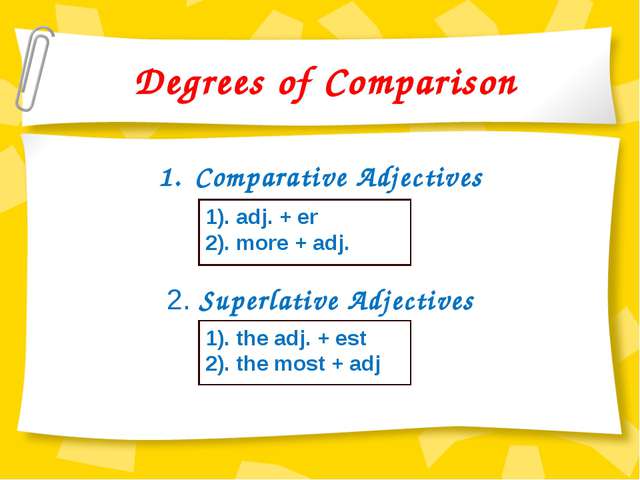
Presentation of the grammatical materials through “Bus stop”. The teacher presents materials as a guide in the bus. Each bus stop presents one city of the Kazakhstan. Bus stop 1 “Astana” Bus stop 2 “Almaty” Adjectives
Bus stop 3 “Shymkent”
|
Learners follow the instructions |
Mutual avaluation |
Map of the world |
||||||||||||||||||||||||||||||||||||||||||||||||||||||||||||||
|
End 5 min |
Reflection Learners have to write their answers on the stickers and stick it on a tree: What have you learnt today? What would you like to learn? What would you like to work on? Home work: Look for from internet and find information about language population capital the weather and best places of your favourite country. Saying goodbye |
|
Self-assessment |
|
||||||||||||||||||||||||||||||||||||||||||||||||||||||||||||||
|
LESSON 7 Unit 1: Homes and away |
School: |
|||||||||||||||||||||||||||||||||||||||||||||||||||||||||||||||||
|
Date: |
Teacher name: |
|||||||||||||||||||||||||||||||||||||||||||||||||||||||||||||||||
|
Grade: 5 |
Number present: |
Number absent : |
||||||||||||||||||||||||||||||||||||||||||||||||||||||||||||||||
|
Theme of the lesson: |
Cities and countries 1 |
|||||||||||||||||||||||||||||||||||||||||||||||||||||||||||||||||
|
Learning objectives |
5.L1understand a sequence of supported classroom instructions 5.S1 provide basic information about themselves and others at sentence level on an increasing range of general topics 5. UE3 use a growing variety of adjectives and regular and irregular comparative and superlative adjectives on a limited range of familiar general and curricular topics |
|||||||||||||||||||||||||||||||||||||||||||||||||||||||||||||||||
|
Lesson objectives |
All learners will be able to:understand a sequence of supported classroom instructions ask simple questions to get information Most learners will be able to: use adjectives and regular and irregular comparative and superlative adjectives with support Some learners will be able to: provide basic information about themselves and others at sentence level on an increasing range of general topics |
|||||||||||||||||||||||||||||||||||||||||||||||||||||||||||||||||
|
Previous learning |
Cities and countries |
|||||||||||||||||||||||||||||||||||||||||||||||||||||||||||||||||
|
Plan |
||||||||||||||||||||||||||||||||||||||||||||||||||||||||||||||||||
|
Planned timings
|
Planned activities |
Learners’ activities |
Evaluation |
Resources |
||||||||||||||||||||||||||||||||||||||||||||||||||||||||||||||
|
Start 10 min |
GREETING Dividing learners into two groups by “magic box” there will be some sweets choose one of them. Who choose red sweets sit to red group and who choose green sit to green group. Teacher plays a video a conversation between boy and a girl they talk about cities and countries and then learners recognize by this video the name of the new theme. Introducing the lesson objectives. Now boys and girls the theme of our new lesson is Cities and countries Today we are going to speak about the best places for living Teacher will put some questions according to the theme. Do you live in a city? What is the difference between city or a country? Where do we live? How do you think is the city better place to live? |
Greeting Learners follow the instructions |
Verbal evaluation |
Sweets, box, board, video The pictures of cities and the names of countries |
||||||||||||||||||||||||||||||||||||||||||||||||||||||||||||||
|
Middle 25 min
|
Task 1. Irregular Forms of Comparison
Task 2. Clean –cleaner – cleanest Easy - ______ - easiest Fat - ______ - fattest Hot - ______ - hottest --------- – simplier - _______ Thin – thinner - _________ Task 3. “Ten question on stickers” One learner comes to the board and puts a sticker on forehead and learners will put question according the city and the country of a city Example: What is the capital city of England? What is the country of Moscow city? “Creative work” Make your own story about your city with the given vocabulary Bank, airport, museum, hospital, theatre, chemist’s ,library, bus stop, police station, police station I live in Astana city. There are a lot of banks……. |
Learners change the words into the right form of adjectives Learners change the words into the right form of adjectives. Learners answer the questions Learners create a story using given vocabulary. |
Individual avaluation Mutual avaluation
|
Stickers posters markers |
||||||||||||||||||||||||||||||||||||||||||||||||||||||||||||||
|
End 5 min |
Reflection “Five fingers” What was easy for you? What was difficult for you? Show on your fingers your opinion about the lesson 1-the lesson was difficult 2-you liked the most 3- your mood glad, sad, bad 4- Activities you have done 5- I learnt today Home task: Make your own story about your city with the given vocabulary Saying goodbye |
Learners draw the shape of their hands and write on each finger. |
Self-assessment |
|
||||||||||||||||||||||||||||||||||||||||||||||||||||||||||||||



|
LESSON 8 Unit 1: Homes and away |
School: |
|||||||||||
|
Date: |
Teacher name: |
|||||||||||
|
Grade: 5 |
Number present: |
Number absent: |
||||||||||
|
Theme of the lesson: |
Cities and countries 2 |
|||||||||||
|
Learning objectives |
5.S2 ask simple questions to get information about a limited range of general topics 5.S7 use appropriate subject-specific vocabulary and syntax to talk about a limited range of general topics 5.W1 plan, write, edit and proofread work at text level with support on a limited range of general and curricular topics 5.UE1 use appropriate countable and uncountable nouns, including common noun phrases describing times and location, on a limited range of familiar general and curricular topics |
|||||||||||
|
Lesson objectives |
All learners will be able to: Say some words and understand the meaning of new words Ask simple questions Most learners will be able to: Use some short form answers correctly Differentiate countable and uncountable nouns Some learners will be able to: Correct and find mistakes Write short text according to the theme |
|||||||||||
|
Previous learning |
Cities of Kazakhstan and adjectives to describe cities. |
|||||||||||
|
Plan |
||||||||||||
|
Planned timings |
Planned activities |
Learners’ activities |
Evaluation |
Resources |
||||||||
|
Start 5 min |
Greetings: Good afternoon, dear students! The game “Bingo”. Teacher gives nine pictures of souvenirs around the cities of Kazakhstan. On the words they should write the names of cities, who finish first tells “Bingo”. After they will correct, if they have mistakes. |
Greeting Learners play a game |
Verbal evaluation |
Picture of souvenirs |
||||||||
|
Middle 3 |
Task 1. Check the meaning of the words. Then match the words with 1-6
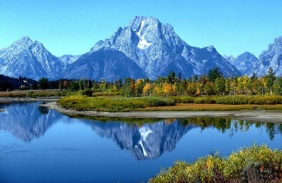
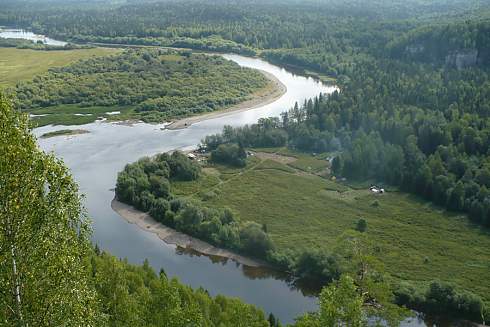
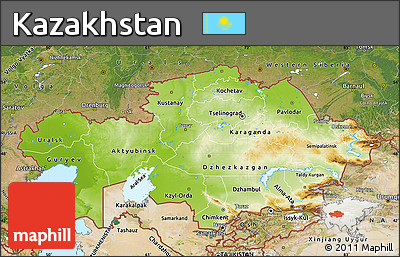
Task 2. Method insert. Reading text with tags. Look at the map of Kazakhstan and choose the correct words in the text. Say and check. There are forests/lakes in the north and west. In the centre of the country there is a steppe/lake called Saryarka and a desert/mountain called Aral Karakum. Kyzylkum and Moyunkum are in the south. There are three long rivers/deserts in the south Syrdarya, Shu and Ile. In the south-east, there is a big lake/river called Balkhash. The mountains/forests in the east are called the Altay and in the north-west there are the Urals and the Tien Shan.
|
Learners recognizes matches with the pictures Learners look at the map of Kazakhstan and choose the correct words in the text. Learners reads the text and chooses correct words |
Individual avaluation Mutual avaluation |
English plus (pictures of six words) The picture of the map |
||||||||
|
End 5 min |
Method “Free letter” in 2 minutes learners express thoughts according to the theme, it may be an essay. Home task: Choose a country and write 3 sentences about it. Saying goodbye |
|
Self-assessment |
|
||||||||
|
LESSON 9 Unit 1: Homes and away |
School: |
|||||||||||
|
Date: |
Teacher name: |
|||||||||||
|
Grade: 5 |
Number present: |
Number absent: |
||||||||||
|
Theme of the lesson: |
Cities and countries 2 |
|||||||||||
|
Learning objectives |
5.S2 ask simple questions to get information about a limited range of general topics 5.S7 use appropriate subject-specific vocabulary and syntax to talk about a limited range of general topics 5.W1 plan, write, edit and proofread work at text level with support on a limited range of general and curricular topics 5.UE1 use appropriate countable and uncountable nouns, including common noun phrases describing times and location, on a limited range of familiar general and curricular topics |
|||||||||||
|
Lesson objectives |
All learners will be able to: Say some words and understand the meaning of new words Ask simple questions Most learners will be able to: Use some short form answers correctly Differentiate countable and uncountable nouns Some learners will be able to: Correct and find mistakes Write short text according to the theme |
|||||||||||
|
Previous learning |
Cities of Kazakhstan and adjectives to describe cities. |
|||||||||||
|
Plan |
||||||||||||
|
Planned timings |
Planned activities |
Learners’ activities |
Evaluation |
Resources |
||||||||
|
Begining 5 min |
Greeting. Good morning, children ! How are you? I am fine, thank you. Who is on duty today? Who is absent today? What month is it now? What date is it today? |
Greeting Learners answer the questions |
|
|
||||||||
|
Middle 30 min |
Children, we know that the Kazakh, the Russian languages have plural forms. Task 1.Complete the sentences with the plural forms of the nouns. 1.In winter, there is a lot of snow in the …When the weather is good, people go there to ski. 2. There is a lot of fish in the …People go there to catch the fish. 3 .There is more water in the …after heavy rain. People go there to swim. 4. There are a lot of trees in the … and the air is very clean. People go there to hike. 5.There is a lot of sand in the …Sometimes people go there to ride a camel. 6.. There are no trees in the … but there is grass. People go there to see interesting plants and animals. Children, how do you think why I write these words in blue, what kind of words are they and give translation of these words. You are right, can you give me plural forms of these words in your language? Yes, they don’t have plural forms, in English it’s called uncountable nouns. Task 2. Answer the questions according to the task 1. Can we count these nouns using numbers? Do uncountable nouns have plural forms? Do we use a/an in front of uncountable nouns? |
Learners complete the sentences with the plural forms of the nouns Learners translates the given words, completes the sentences and answers the questions |
Individual avaluation Verbal evaluation Mutual avaluation |
|
||||||||
|
End 5 min |
Feedback. The teacher gives comments about learners work and awards learner. Students will choose one and put on the board their stickers. Home task: Choose a country and write a short text about it. Include the following information: What is the name of the country? Are there any mountains, deserts, lakes, etc.?Where are they in the west, east, north? Why are people go there? Saying goodbye |
|
Self-assessment |
|
||||||||
 0
min
0
min

|
LESSON 10 Unit 1: Homes and away |
School: |
|||||||
|
Date: |
Teacher name: |
|||||||
|
Grade: 5 |
Number present: |
Number absent: |
||||||
|
Theme of the lesson: |
Weather and climate 1 |
|||||||
|
Learning objectives |
5.L1understand a sequence of supported classroom instructions 5.R5deduce meaning from context in short texts on a limited range of familiar general and curricular topics 5.S6 communicate meaning clearly at sentence level during, pair, group and whole class exchanges 5.R1 understand the main points in a limited range of short simple texts on general and curricular topics 5.W1 plan, write, edit and proofread work at text level with support on a limited range of general and curricular topics |
|||||||
|
Lesson objectives |
All learners will be able to: Understand the meaning of topical vocabulary Write a at least short sentence using them Most learners will be able to: Hold a communication clearly at sentence level during pair, group and the whole class exchanges Write a sentence correctly keeping the correct word order Some learners will be able to: Interpret the whole content of the video using phrases and topical vocabulary |
|||||||
|
Previous learning |
Cities and countries |
|||||||
|
Plan |
||||||||
|
Planned timings |
Planned activities |
Learners’ activities |
Evaluation |
Resources |
||||
|
Begining 5 min |
Organization moment. Checking for their attendance and home task. |
|
Verbal evaluation |
|
||||
|
Middle 30 min |
Listening/Watching Divide your learners into 3-4 groups with 4 students. Make sure each group has at least one the most able student to assist others while they are doing listening activities. In a group, there will be definitely one-two less able students who should be supported with the transcript of the listening track. Video segment teaching method Pre-listening- Words on the board method Ask one student to come to the board and circle two words, and make a good sentence using both. Repeat the same with others until the words are picked. While listening activity They start watching a video and try to pause when they meet those revised new words and again repeat their meanings. If it is important, translate into Kazakh language for better understanding. Post listening. Discussion through noting method. When they finish listening to video the following questions to the video are given on PPT. Leader of the group divides them into the number of the pupils. BUT, according to the levels of pupils, the most able student may have not 1, but 2 questions to answer. Here interpretation method will be useful in which students write on their own words using new words above What is climate change? How do understand CO2? What happens if all people use cars? Is it harmful to the air if we watch TV and use electricity so often? If the climate change what does it cause? What is coral reef? What must we do to stop climate change? |
Learners do the task Learners follow the instructions Learners answer the questions |
Individual avaluation Mutual avaluation |
https://www.youtube.com/watch?v=ko6GNA58YOA PPT with new words Handout with these words and expressions PPT with questions |
||||
|
End 2mins |
Concluding the lesson Assessment Three things I’ve learnt. Home task: To read the text “Saving the planet” They will work on new words and retell to the whole class. Saying goodbye |
|
Self-assessment |
Handout KWL chart |
||||
|
LESSON 11 Unit 1: Homes and away |
School: |
||||||
|
Date: |
Teacher name: |
||||||
|
Grade: 5 |
Number present: |
Number absent: |
|||||
|
Theme of the lesson: |
Weather and climate 1 |
||||||
|
Learning objectives |
S2. Ask simple questions about a limited range of general topics. W1. Plan, write and check sentences with support on a range of basic personal, general and some curricular topics . UE3. Use a growing variety of adjectives and regular and irregular comparative and superlative adjectives on a limited range of familiar general and curricular topics. R1. Understand the main points in a limited range of short simple texts on general and curricular topics. L1. Understand a sequence of supported classroom instructions |
||||||
|
Lesson objectives |
All learners: - Learners use a wide range of comparative and superlative adjectives. Most learners: - Read and understand the context and find mistakes. Express opinions, describe pictures and compare objects using a good lexical and grammatical accuracy. Some learners: -Ask and answer general and complex questions. Write short topic. |
||||||
|
Previous learning |
Weather and climate |
||||||
|
Plan |
|||||||
|
Planned timings |
Planned activities |
Learners’ activities |
Evaluation |
Resources |
|||
|
Begining 5 min |
The organization moment GREETING Talking about the weather. Discover the theme |
Learners listen to some nature sounds find out the topic which we are going to talk
|
|
|
|||
|
Middle 30 min |
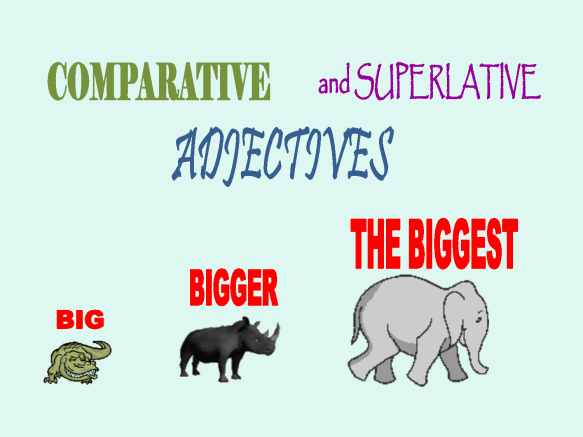
ACTIVE VOCABULARY Listen and read new words Cold warm Hot changeable Snowy humid Cloudy dry Rainy foggy Stormy Grammar: Inductive approach What do you think about the picture? What is it like? What about the weather? London is …. Moscow is …. Astana is … Warm- warmer – the warmest What about adjectives with 2 or more syllables? How do you think? Beautiful- more beautiful - ? Work with cards. Match the pictures with the cards Big – bigger – the biggest Expensive–more expensive– ? Read about Asel and find 4 mistakes in the text. - What’s Asel’s favourite season? -Why does she like it? - What’s the weather like in summer in Almaty? - Why Asel doesn’t like autumn? |
Learners repeat new words
Learners complete the sentences
Learners match the pictures with the cards
Learners answer the questions
|
Verbal evaluation Individual avaluation
Mutual avaluation |
|
|||
|
End 5 min |
Feedback. In what stage are you? Home task: to learn the new grammar theme and adjectives Saying goodbye |
|
Self-assessment |
|
|||

|
LESSON 13 Unit 1: Homes and away |
School: |
||||||
|
Date: |
Teacher name: |
||||||
|
Grade: 5 |
Number present: |
Number absent: |
|||||
|
Theme of the lesson: |
Weather and climate 2 |
||||||
|
Learning objectives |
5.R5 deduce meaning from context in short texts on a limited range of familiar general and curricular topics 5.UE3 use a growing variety of adjectives and regular and irregular comparative and superlative adjectives on a limited range of familiar general and curricular topics 5.L6 deduce meaning from context in short, supported talk on an increasing range of general and curricular topics 5.R2 understand with little support specific information and detail in short, simple texts on a limited range of general and curricular topics |
||||||
|
Lesson objectives |
All learners will be able to: Understand the meaning of topical vocabulary Write a at least short sentence using them Most learners will be able to: Hold a communication clearly at sentence level during pair, group and the whole class exchanges Write a sentence correctly keeping the correct word order Some learners will be able to: Interpret the whole content of the video using phrases and topical vocabulary |
||||||
|
Previous learning |
Weather and climate |
||||||
|
Plan |
|||||||
|
Planned timings |
Planned activities |
Learners’ activities |
Evaluation |
Resources |
|||
|
Begining 5 min |
GREETINGS: Good afternoon dear children How are you? What is the weather like today? Is it hot or warm? Is it rainy or sunny? What is the weekday today? What is the season now? |
Greeting Learners answer the questions |
Mutual avaluation |
|
|||
|
Middle 30 min |
Group work. Writing skill. Persuasive style method Pre-writing activity. Support your learners with vocabulary to write a letter in the group. The question they need to discuss and write within the group is: |
Learners discuss |
Verbal evaluation |
Handout with these words and expressions |
|||
|
|
LISTENING AND SPEAKING Task 1. Listen to the text and answer the questions. 1. Where is the house? 2. What shape is it? 3 4. What is there outside the house? 5. What is the house made of? USE OF ENGLISH Task 2. Look at the picture. Complete the gaps in the sentences with the correct form of there is/there are. Example: Is there a bookcase in the living room? - No, there is not. 1. ________________ any cushions on the sofa? _______________________________________ 2. ________________ a picture on the wall? _______________________________________ 3. ________________ any books in the kitchen? _______________________________________ 4. ________________a carpet on the floor? _______________________________________ 5. ________________ a lamp on the table? _______________________________________ |
Learners listen to the text and answer the questions. Learners complete the gaps in the sentences with the correct form of there is/there are. |
Individual avaluation |
Copy books, pens and PPT with useful words |
|||
|
End 2mins |
Concluding the lesson Assessment Self-assessment chart Three things I’ve learnt. Home task: learn the new grammar theme and adjectives Saying goodbye |
|
Self-assessment |
Handout KWL chart |
|||
 .
How many rooms has it got?
.
How many rooms has it got?
|
LESSON 14 Unit 1: Homes and away |
School: |
||||||||||||
|
Date: |
Teacher name: |
||||||||||||
|
Grade: 5 |
Number present: |
Number absent: |
|||||||||||
|
Theme of the lesson: |
Unit revision |
||||||||||||
|
Learning objectives |
5.L7 recognise the opinion of the speaker(s) in basic, supported talk on an increasing range of general and curricular topics 5.R2 understand with little support specific information and detail in short, simple texts on a limited range of general and curricular topics 5.W1 plan, write, edit and proofread work at text level with support on a limited range of general and curricular topics 5.S2 ask simple questions to get information about a limited range of general topics |
||||||||||||
|
Lesson objectives |
All learners will be able to read the text, learn new words, make a simple sentences according to the theme, Most learners will be able to make a dialogue according to the theme with correct pronunciation. Some learners will be able to compeer our climate with other countries and answer the questions. |
||||||||||||
|
Previous learning |
New vocabulary according to the previous lesson |
||||||||||||
|
Plan |
|||||||||||||
|
Planned timings |
Planned activities |
Learners’ activities |
Evaluation |
Resources |
|||||||||
|
Start 10 min |
Organizational moment Warm up “Listen and remember ” To learners will be given 8 simple words twice. Lion, baby, sweet, balloon, friend, umbrella, house, bike |
Greeting Learners do the task |
|
|
|||||||||
|
Middle 25min |
Task 1. Listen and read the dialogue in pair, underline adjectives from the dialogue and answer the questions
|
Learners underline adjectives from the dialogue and answer the questions |
Verbal evaluation
|
|
|||||||||
|
|
Task 2. Answer the following questions 1 Who are the names of these two friends? What about they are talking? What says the weather forecast for tomorrow? What is the weather like today? Task 3. Group work. Differentiate among weather, season and climate according to the pictures, describing; Rain, stormy, hot, shining, wind, freeze, umbrella, coat...etc Play a game “Freeze in a circle” when teacher will say freeze pupils will stop walking and freeze by showing a nature phenomenon. Complete the sentences about yourself My favorite season is…. The weather is …. I usually go …. |
Learners answer the questions Learners do the task Learners play a game Learners complete the sentences |
Mutual avaluation Individual avaluation |
Posters, markers |
|||||||||
|
End 5min |
Planning, crafting and speaking on the “Hand print Sun” and write about: - what they learned about weather and climate - what remained unclear for them - what they need to continue working on Home task: Write short story about your favorite season Saying goodbye |
|
Self-assessment |
|
|||||||||

|
LESSON 15 Unit 2: Living things |
School: |
||||||
|
Date: |
Teacher name: |
||||||
|
Grade: 5 |
Number present: |
Number absent: |
|||||
|
Theme of the lesson: |
Living things |
||||||
|
Learning objectives |
5.L3 understand an increasing range of unsupported basic questions on general and curricular topics; 5.R2 understand with little support specific information and detail in short, simple texts on a limited range of general and curricular topics; 5.W3 write with support factual descriptions at text level which describe people, places and objects |
||||||
|
Lesson objectives |
All learners will be able to: understand the events in the story from the video; read, understand and reorder most of the events in the story; name things that are required for a growing plant with support Most learners will be able to: read, understand and reorder most of the events in the story; write, about a plant that grows in Kazakhstan with minimum support. Some learners will be able to: understand most of the language on the story video; use the Present Simple Tense accurately in writing without support |
||||||
|
Previous learning |
Unit revision |
||||||
|
Plan |
|||||||
|
Planned timings |
Planned activities |
Learners’ activities |
Evaluation |
Resources |
|||
|
Beginning 5 min. |
Warm-up Game Pair work. Learners are divided into pairs. (Differentiation by support, more able learners with learners who need support, more able learners can help with translation or meaning of the words.)Teachers distributes the handouts..(seed, plant, shoot, tree, leaf, rain, roots, sunlight) Learners guess the topic of the lesson. |
Learners are suggested to work in pairs and match the words with the pictures |
|
||||
|
Middle 25 min |
Listening Pre-listening task Teacher asks learners to read the sentences, underline the unfamiliar words in the task 2. They walk around the classroom and ask the group mates about the unfamiliar words. (Peer’s support). If learners cannot find the meanings/translations of the words teacher provides the meaning of the words. (Teacher’s support). Pair work. Learners are divided into pairs. They compare their answers with the partner. Teacher checks answers as an open-class activity. Reading task. To check the ability of students to use vocabulary in context, learners are asked to read the same story and write the correct word into the missing space. Teacher monitors and supports some students who need help. Production Ask learners in their L1 language what they know about plants and what they need to grow. Then suggest learners work in pairs by forming pairs according to teacher’s decision and to tick things that plants need to grow. (Peer’s support). Open - class activity checking. Practice Learners have to choose one card and are divided into 3 groups with the help of these cards: tree, sunlight, leaf. What kinds of plants do you know? What plants grow in Kazakhstan? Teacher demonstrates some plants which grow in Kazakhstan. (Roses, tulips, poppies). Teacher shows the clue that learners should use in the next task-writing. e.g. This is a camomile. It grows in fields, mountains and gardens. It has a white flower, thin leaves. It is very useful. If you are ill you can drink camomile tea. |
Learners listen and watch the story, put the sentences in correct order. Learners follow the instructions Learners draw the plants that grow in Kazakhstan. |
Individual avaluation
Mutual avaluation
Verbal evaluation |
Worksheet 1. Task 2 |
|||
|
End 5min. |
FEEDBACK The most activities in class for me are……. In class I don’t like………. Today I couldn’t say because……… I have some difficulties with speaking…… Home task: read the text once more Saying goodbye |
|
Self-assessment |
|
|||
|
LESSON 16 Unit 2: Living things |
School: |
|||||
|
Date: |
Teacher name: |
|||||
|
Grade: 5 |
Number present: |
Number absent: |
||||
|
Theme of the lesson: |
Plants1 SA |
|||||
|
Learning objectives |
5.L3 Understand an increasing range of unsupported basic questions on general and curricular topics 5.S2 Ask simple questions to get information about a limited range of general topics 5.UE1 use appropriate countable and uncountable nouns, including common noun phrases describing times and location, on a limited range of familiar general and curricular topics |
|||||
|
Lesson objectives |
• Recognize basic general questions without support • Make up basic interrogative, affirmative and negative sentences and get information about the topic |
|||||
|
Previous learning |
Living things |
|||||
|
Plan |
||||||
|
Planned timings |
Planned activities |
Learners’ activities |
Evaluation |
Resources |
||
|
Beginning 5 min. |
Greeting. Teacher shows the video. Warm up Sing a song of flowers. Sing a song of flowers, Flowers all around Flowers that are growing, Growing in the ground Flowers of every color They look so pretty too? |
Greeting Learners sing a song |
|
Video |
||
|
Middle 10 min |
The method ‘’Think,integrate,share’’ Listen to the teacher. Answer the question. 1.Do you plant flowers? 2. When do you usually plant flowers? 3. Where do you usually plant flowers? 4. What’s your favorite flower? 5. Do you water it? 6. How often do you water it? 7. What kind of flowers do you plant? 8. What do living plants need? 9. What do plants provide us? 10 What type of plants do you know? |
Learners look at the pictures and name the words. Then answer the questions |
Verbal evaluation |
ICT board poster |
||
|
SA 20 min |
LISTENING AND SPEAKING Task 1. Watch the video and answer the questions. Transcript for the teacher:
USE OF ENGLISH Task 2. Look at the picture. Complete the gaps in the sentences with the correct form of there is/there are. Example: Is there a bookcase in the living room? - No, there is not. 1. ________________ any cushions on the sofa? 2. ________________ a picture on the wall? 3. ________________ any books in the kitchen? 4. ________________a carpet on the floor? 5. ________________ a lamp on the table? |
Learners watch the video and answer the questions
Learners complete the gaps in the sentences with the correct form of there is/there are.
|
Individual avaluation |
|
||
|
End 5min. |
At the end of the lesson, learners reflect on their learning: Learners have to write their answers on the stickers and stick it on a tree: - What have you learnt today? What would you like to learn? What would you like to work on? Home task: repeat grammar themes Saying goodbye |
|
Self-assessment |
|
||
|
LESSON 17 Unit 2: Living things |
School: |
|||||||
|
Date: |
Teacher name: |
|||||||
|
Grade: 5 |
Number present: |
Number absent: |
||||||
|
Theme of the lesson: |
Plants1 |
|||||||
|
Learning objectives |
R.2 Understand with little support specific information and detail in short simple texts on a limited range of general and curricular topic W.7 Use with support appropriate layout a text level for a limited range of written genres on familiar on general to general topics and some curricular topics U.E3 Use a grouping variety of adjectives and regular and irregular comparative and superlative on limited range of familiar general and curricular topics |
|||||||
|
Lesson objectives |
All learners will be able to understand with support specific information detail short simple texts Most learners will be to use a grouping variety of adjectives Some learners will be to read and write some of the words from the topic. |
|||||||
|
Previous learning |
Plants 1 |
|||||||
|
Plan |
||||||||
|
Planned timings |
Planned activities |
Learners’ activities |
Evaluation |
Resources |
||||
|
Start 10 минут |
Warming up Teacher asks learners «How are you?» to find out their mood at the beginning of the lesson: students choose one of the smiles they see on the slide, saying «I am happy/sad....etc.» Planned activities: Dividing into two groups by method “Flowers” Steppe flowers- Room flowers. ( with picture) “Brainstorming” 1. What colour do you like? (green or red) 2. What plant do you like? (Trees or flowers) 3. Why do you like tree ? 4. Why do you like flower ? |
Learners look pictures and answer the questions |
Mutual avaluation |
Slide |
||||
|
Middle 25 min |
Read the short text about «The little plant» A little plant lived inside a dark damp room.One day she heard a soft tapping on her door, «Who is there?» she asked «I am little raindrop.Please let me in,» cried the visitor. «No way!» said the Plant angrily. Little Raindrop was very sad for being turned away.After sometime the Plant heard a soft rustle near the door. « Who is there now?» she asked « I am Sunny Sunshine,» said the new visitor. «I don’t have time for sunshine,» said the Plant haughtily. A few days later, the leaves of the Plant turned brown in colour, and her young stem began drooping. Then one day, she heard the chirping of birds, and opened her door to see outside.It was spring and there were colourful flowers and greenery all around. Read the sentences and write True or False. 1. Leaves take in sunlight, water and soil to make food. 2. Roots absorb water from the air. 3. Fruit protect the seeds. 4. Plants need soil, air, sunlight and milk to grow. 5. Flowers attract mammals. 6.We use plants to make cosmetics such as perfumes, shampoos and cream Fill in the correct from of the adjectives.Regular and irregular Comparative Superlative forms. 1 bad-worse-the worst. 2 This is the..... picture on the wall 3 My test was.... yours 4 Ben and Jake were the....t actor in the school play 5 .Good - better – the best 6. This plant ..... than this 7. Football is .... than hockey 8. I am ..... now than yesterday |
Learners reads text and finds adjectives Then compare the plant with flower using these adjectives Learners write the sentences and choose True or False. Learners fill in the correct from of the adjectives. |
Verbal evaluation Individual avaluation |
|
||||
|
End 5min. |
REFLECTION What have you learnt today? What would you like to learn? What would you like to work on? Home task: read the text and finds adjectives Saying goodbye |
Learners have to write their answers on the stickers and stick it on a tree: |
Self-assessment |
|
||||
|
LESSON 18 Unit 2: Living things |
School: |
||||||||||||
|
Date: |
Teacher name: |
||||||||||||
|
Grade: 5 |
Number present: |
Number absent: |
|||||||||||
|
Theme of the lesson: |
Plant 2 |
||||||||||||
|
Learning objectives |
5.R2 understand with little support specific information and detail in short, simple texts on a limited range of general and curricular topics 5.W3 write with support factual descriptions at text level which describe people, places and objects 5.UE3 use a growing variety of adjectives and regular and irregular comparative and superlative adjectives on a limited range of familiar general and curricular topics 5.C5use feedback to set personal learning objectives |
||||||||||||
|
Lesson objectives |
All learners will be able to understand with support specific information detail short simple texts Most learners will be to use a grouping variety of adjectives Some learners will be to read and write some of the words from the topic. |
||||||||||||
|
Previous learning |
Plants 1 |
||||||||||||
|
Plan |
|||||||||||||
|
Planned timings |
Planned activities |
Learners’ activities |
Evaluation |
Resources |
|||||||||
|
Start 10 min |
Organization moment. Greeting. Dividing in two groups by lion and mouse. Warm up. Presenting a criteria – based assessment on the table on sheets of paper for each group .Self assessment of their own group. |
Learners answer in written form within 5minutes |
|
|
|||||||||
|
Middle 25min |
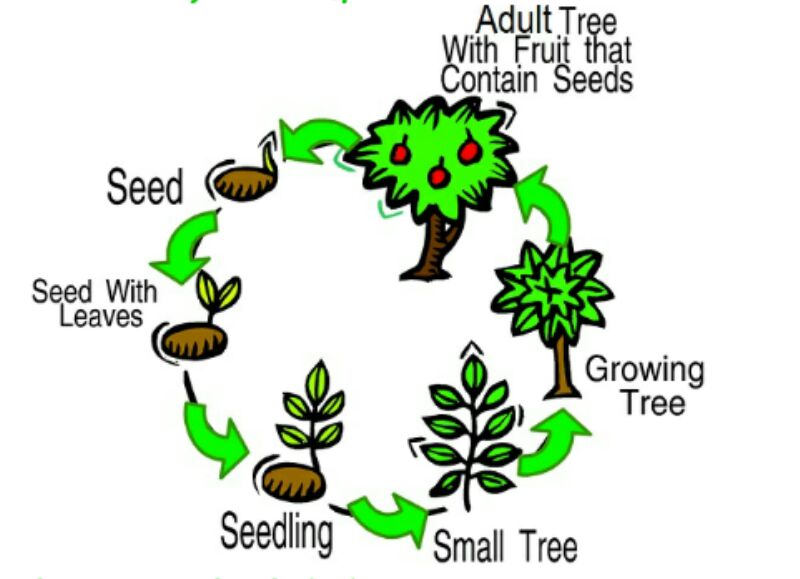
Summarizing all the lesson 1.Number these sentences in order 1-5 … Next, the small plant grows flowers. ….First, a seed falls into the ground. ….Finally, the adult plant grows fruits and seeds. ….Then, the seeding grows a stem and leaves. …Roots start to grow from the seed.
2. Answer the questions. Use full answers. Why are plants important? ………………. What do plants need to grow? Plants needs w….., s……t, and … grow. What do we use plants for? We use plants to make f…, d…., c…., m….. and c….. . Where do seeds grow? ………….. In summary section use method “Success ladder”(Feedback) The first stairs: I know information about plants. The second stairs: I know read and understand text about plants. The third stairs: I know what grow plants and use forms adjectives in the sentences. |
Learners number these sentences in order Learners answer the questions. Use full answers. Learners do the task |
Individual avaluation Mutual avaluation Verbal evaluation |
|
|||||||||
|
End 5 min |
Home task: find the information about plants in Red Book Saying goodbye |
Self-assessment |
stickers |
||||||||||

|
LESSON 19 Unit 2: Living things |
School: |
||||||
|
Date: |
Teacher name: |
||||||
|
Grade: 5 |
Number present: |
Number absent: |
|||||
|
Theme of the lesson: |
Plant 2 |
||||||
|
Learning objectives |
5L3 Understand an increasing range of unsupported basic questions on general and curricular topics. 5C4 Evaluate and respond constructively to feedback from others. 5S7 Use appropriate subject- specific vocabulary and syntax to talk about a limited range of general topics. 5R1 Understand the main points in a limited range of short simple texts on general and curricular topics. 5W2 Write with support a sequence of short sentences in a paragraph on a limited range of familiar general topics. |
||||||
|
Lesson objectives |
All learners will be able to: participate in discussions; give and respond the questions; Most learners will be able to: answer the questions; talk about the plants ; uses appropriate layout; improve communication skills; Some learners will be able to: Make their own sentences learners speak out their opinions about the topic covered; gives constructive feedback; |
||||||
|
Previous learning |
Plants |
||||||
|
Plan |
|||||||
|
Planned timings |
Planned activities |
Learners’ activities |
Evaluation |
|
|||
|
Start 10 min |
GREETING Write a few words/phrases from the previous lesson on the board but with jumbled letters. Ask the pupils to unscramble the letters and write the words in their notebooks. Check their answers. |
Learners unscramble the letters and write the words in their notebooks |
|
|
|||
|
Middle 25 min |
Read the text and answer the questions. Plants are very important kind of life. Plants are living organisms such as flowers, trees, herbs, bushes, grasses, vines, ferns, mosses and green algae. They provide us with food materials, wood and also the live giving oxygen. Plants cover most land and can be big or small and come in many colors, but they are not animals. Plants usually can’t move. They breathe a different kind of air than people and animals do. Plants make their own food from water, sunlight and the soil. Plants usually make more plants, or reproduce, with seeds. Questions: 1.Why plants are very important kind of life? 2.What do living plants need? 3.How do plants grow? 4.What do plants provide us? Write a short topic using the picture from task 2. Follow the instructions. 1.Give the title to the topic. 2.Make up a short plan. 3.Write the main idea. 4.Give three details. 5.Write summary sentence. 6.Use your draft organizer. 7.Follow the layout structure. 8.Write a short story (about 10 sentences). Group work. In their groups learners write 3-4 sentences about this plant using the Present Simple forms. Teacher nominates a group of learners to present the plant. Learners give peer feedback such as: Your English / / pronunciation is good. We can understand all of / most of the presentation. We like the ____. Teacher praises learners’ and suggests an improvement. Learners peer assess each other following the suggested criteria. |
Learners read the text and answer the questions Learners follow the instructions Learners share their ideas about the exact plant in groups, choose the best sentences and present them. |
Verbal evaluation Individual avaluation
Mutual avaluation |
|
|||
|
End 5 min |
Method “Free letter” in 2 minutes learners express thoughts according to the theme, it may be an essay. Home task: learn the new vocabulary Saying goodbye |
|
Self-assessment |
|
|||
|
LESSON 20 Unit 2: Living things |
School: |
||||||
|
Date: |
Teacher name: |
||||||
|
Grade: 5 |
Number present: |
Number absent : |
|||||
|
Theme of the lesson: |
Animals 1 |
||||||
|
Learning objectives |
5.S4 respond with limited flexibility at sentence level to unexpected comments on an increasing range of general and curricular topics 5.W3 write with support factual descriptions at text level which describe people, places and objects 5.UE9 use simple present and simple past regular and irregular forms to describe routines, habits and states on a limited range of familiar general and curricular topics |
||||||
|
Lesson objectives |
All learners will be able to: -
write with support factual descriptions at text
level which describe animals, places and
objects with support; - use simple present to describe routines, habits and states on topic “Animals” with support |
||||||
|
Previous learning |
Plants |
||||||
|
Plan |
|||||||
|
Time |
Planned activities |
Learners’ activities |
Evaluation |
Resources |
|||
|
Beginning 10 min |
1. Greeting: duty’s report 2. Psychological atmosphere Phonetic drill 3. Checking up the home task talk about sea animals New words: teacher will pronounce every word, students will repeat after teacher domestic animal, wild animal, woods, jungles, fields, fox, tiger, wolf, elephant, hare, horse, bull, sheep |
Learners guess the name of animals |
Verbal evaluation |
pictures |
|||
|
Middle 20 min |
Speaking Method: 5W Questions Ex: 2 Answer the questions Teacher will ask questions then children will answer Teacher makes discussion around this question: 1. What kind of animals do you know? 2. Where do wild animals live? 3. Where do domestic animals live? 4. When do people use animals? 5. Which animals are very clever? Method: Imagine Guessing game. Ex: 3. Learners look at the picture and guess, parts of what animals are there on the picture Teacher asks learners: “What animal is it?’’
Reading Ex:2 Group 1: underline new words and explain their meanings Group 2: ask 10 questions about the specific details of the text. Group 3: summarize the text. Animals There are two types of animals. We know wild animals. They are those that live in the woods, jungles and in the fields. They are: foxes, tigers, wolves, elephants, hares and so on. And there are animals that live near the people. They are called domestic animals. And some of them even help people. Horses, bulls, dogs help people a lot. Domestic animals are cows, cats, sheep and so on. Many years ago when there were no cars and trucks people used horses and bulls working in the fields. Dogs are our great friends but they also guard our houses and they are used in the army and by the police. Cats catch mice and rats. As for other domestic animals they are also very useful. Hens, ducks, geese, turkeys give meat and eggs. Cows and goats give milk. It should be said that both wild and domestic animals can be good actors and we can see them in the circus. There are animal-trainers that train a certain kind of animals. For example, Kucklachov has the theatre where cats play main parts. Such shows are really funny and interesting. |
Learners answer the questions Learners try to share their opinions Learners choose one card and answer. Learners read and translate the text. |
Mutual avaluation Individual avaluation |
|
|||
|
End 10 min |
Feedback. The teacher gives comments about learners work and awards learner. Students will choose one and put on the board their stickers. Home task for the next lesson. Read the text once more and translate it Saying goodbye |
|
Self-assessment |
Smiles Stickers |
|||
|
LESSON 21 Unit 2: Living things |
School: |
|
||||||||||||||||
|
Date: |
Teacher name: |
|
||||||||||||||||
|
Grade: 5 |
Number present: |
Number absent: |
|
|||||||||||||||
|
Theme of the lesson: |
Animals 1 |
|
||||||||||||||||
|
Learning objectives: |
5.S7 Use appropriate subject-specific vocabulary and syntax to talk about a limited range of general topics. 5.R4 Read with some support a limited range of short fiction and non-fiction texts. 5.UE1 Use appropriate countable and uncountable nouns, including common noun phrases describing times and location, on a limited range of familiar general and curricular topics. 5.W3 Write with support factual descriptions at text level which describe people, places and objects. |
|
||||||||||||||||
|
Lesson objectives |
All learners will be able to: Listen, repeat the new word follow the instruction according the new words; Most learners will be able to: Read and answer the true or false questions of a given topic. Some learners will be able to: Make sentences, using of countable and uncountable nouns. |
|
||||||||||||||||
|
Previous learning |
Animals |
|
||||||||||||||||
|
Plan |
|
|||||||||||||||||
|
Planned timings |
Planned activities |
Learners’ activities |
Evaluation |
Resources |
|
|||||||||||||
|
Start 10 min |
Greeting. Warm up Now, it’s time to play now. One pupil say sea animals name one word. Another pupil will name one word. Another repeat it and add his word for example: a sea horse. A sea horse and a shark. A sea horse, a shark and a fish. A sea horse, a shark, a fish and a whale. So, Today we are going to talk about sea animals. I will divide you into two group. I give you dolphin’s pictures. And you are take them. Method: ‘Mosaic’ 1st group: blue dolphin 2nd group: grey dolphin. |
Learners follow the instructions |
|
Cards of animals |
|
|||||||||||||
|
Middle 20min |
Task 1 Children catch at the picture and find the new words. The method: “ Catch a fish” S_a dolphin_ _hale jellyfi_h mam_ al s_ark b_at oc_an The method: Brainstorming Do you know about this animal? Have you ever seen a dolphin? Where? Do you like this animal? Task 2 Reading Read the text “Dolphins – The dogs of the Sea Dolphins are sometimes thought of as the dogs of the sea because they are usually playful and friendly. They’re also among the smartest animals on Earth. Dolphins are water mammals. Scientists believe they’re as smart as chimpanzees or dogs. Dolphins live in rivers and oceans, but the fun thing all about dolphins is that they must come up to breathe air. Are the sentences True or False? Circle the correct answer. 1. Dolphins are smart animals. 2. Dolphins live in Lakes 3. Dolphins are related to whales. 4. Dolphins can live without air. Task 3 Write two forms of nouns. Make sentences with nouns. For example: I have got a dog. Dolphins live in the rivers and oceans. Chimpanzee is smart animal. I drink water. Cats like milk. |
Learners find the missing letter and connect with pictures. Learners reads the text and statements. Then circle the correct answer according to the text. Learners compare two forms of noun |
Individual avaluation Verbal evaluation Mutual avaluation |
|
|
|||||||||||||
|
End 10 min |
In summary section use method: “ Sailor” Sea – I can read new words; Ship – I can read and say new words; Sail – I know countable and uncountable nouns; Flag – I can make up short sentences. They build ship because clarify their level Home task for the next lesson. Read the text once more Saying goodbye |
|
Self-assessment |
|
|
|||||||||||||
|
LESSON 22 Unit 2: Living things |
School: |
|||||||||||||||||
|
Date: |
Teacher name: |
|||||||||||||||||
|
Grade: 5 |
Number present: |
Number absent: |
||||||||||||||||
|
Theme of the lesson: |
Animals 2 |
|||||||||||||||||
|
Learning objectives |
L6 deduce meaning from context in short supported talk on an increasing range of general and curricular topics. S6 communicate meaning clearly at sentence level during pair, group and whole class exchanges. R9 recognise the difference between fact and opinion in short, simple texts on an increasing range of general and curricular topics. W7 use with some support appropriate layout at text level for a limited range of written genres of familiar general topics and some curricular topics. U.E3 use a growing variety of adjectives and regular and irregular comparative and superlative adjectives on a limited range of familiar general and curricular topics. |
|||||||||||||||||
|
Lesson objectives |
All learners will be able to: understand some specific information and detail with some support questions use adjectives to describe things Most learners will be able to: take turns when speaking with others recognize the difference between fact and opinion compare Some learners will be able to: spell most familiar high – frequency words accurately when writing independently analyze |
|||||||||||||||||
|
Previous learning |
Animals 1 |
|||||||||||||||||
|
Plan |
||||||||||||||||||
|
Planned timings |
Planned activities |
Learners’ activities |
Evaluation |
Resources |
||||||||||||||
|
Beginning 5min. |
Greeting: Teacher greets learner learners respond to greeting Dividing into subgroups: Teacher divides learners into subgroups using pieces of animals’ pictures. Revising the previous lesson: What are the differences between the domestic animals and wild animals? Brainstorming Teacher shows photo of animal on the screen and asks questions: Do you know this animal? Have you ever seen it? |
Learners listen and answer questions. |
Verbal evaluation |
Pieces of animals’ pictures |
||||||||||||||
|
Middle 30min. |
Task 1 Read the text, decide which statement is a fact and which is an opinion Snow leopard The snow leopard is an official Symbol of Kazakhstan. In Kazakhstan people always respected this leopard as the strongest and proudest animal. The snow leopard is a big cat. It lives high up in the Tien Shan mountains. It usually comes out at night. It has thick fur, which protects it from the freezing cold. It eats wild sheep and goats. It also eats smaller animals and birds. But it isn’t dangerous for people. It is strong and can kill animals that are three times biggest than it. Unfortunately, they are an endangered species. In Kazakhstan there are less than 200, so we need to protect them in order to survive. Task2 Write 3 forms of underlined adjectives from the text and make sentences: Example, strong-stronger-strongest A lion is stronger than a wolf. Task 4 Pair work. Talking about animals. The learners ask questions each other such as: 1Do you have pet? 2What is your favourite pet? 3What does it like? 4 What other domestic animals do you have? 5How do you care of them? 6 How do you protect them? Descriptor answer guestion correctly |
Learners read the text, decide which statement is a fact and which is an opinion Learners rite comparative and superlative of regular adjectives Learners put question correctly |
Individual avaluation
Mutual avaluation |
|
||||||||||||||
|
End 5min. |
Reflection: Self-assessment: At the end of the lesson, learners reflect on their learning: The learners will be assessed by the active work at the lesson with stickers Home task for the next lesson. Repeat the words and prepare to the writing essay Saying goodbye |
|
Self-assessment |
Stickers |
||||||||||||||
|
LESSON 23 Unit 2: Living things |
School: |
||||||||||||||||||||||||||
|
Date: |
Teacher name: |
||||||||||||||||||||||||||
|
Grade: 5 |
Number present: |
Number absent: |
|||||||||||||||||||||||||
|
Theme of the lesson: |
Animals 2 |
||||||||||||||||||||||||||
|
Learning objectives |
L6 deduce meaning from context in short supported talk on an increasing range of general and curricular topics. S6 communicate meaning clearly at sentence level during pair, group and whole class exchanges. R9 recognise the difference between fact and opinion in short, simple texts on an increasing range of general and curricular topics. U.E3 use a growing variety of adjectives and regular and irregular comparative and superlative adjectives on a limited range of familiar general and curricular topics. |
||||||||||||||||||||||||||
|
Lesson objectives |
All learners will be able to: understand some specific information and detail with some support questions use adjectives to describe things Most learners will be able to: take turns when speaking with others recognize the difference between fact and opinion compare Some learners will be able to: spell most familiar high – frequency words accurately when writing independently analyze |
||||||||||||||||||||||||||
|
Previous learning |
Animals 2 |
||||||||||||||||||||||||||
|
Plan |
|||||||||||||||||||||||||||
|
Planned timings |
Planned activities |
Learners’ activities |
Evaluation |
Resources |
|||||||||||||||||||||||
|
Beginning 5min. |
Greeting: Teacher greets learner learners respond to greeting Revising the previous lesson: What are the differences between the domestic animals and wild animals? |
|
|
Pieces of animals’ pictures |
|||||||||||||||||||||||
|
Middle 15 min 15 min |
Write a short essay about animal. Follow the instructions: give a title to the essay make up a short plan write the main idea give three details write a summary sentence Summary graphic organizer Title _______________________ Main idea:_ _________________ Circle the 3 most important words in the main idea and then write them here:______________________ Three important details: 1) 2) 3) Summary of the passage in one sentence:___________ PRESENT SIMPLE TENSE The Past Tense is used to talk about something that started and finished at a definite time in the past. Affirmative form
Question form
Negative form
Inductive methods Ex: 1 Make sentences You should make sentences from present and past simple using these verbs Live, help, use, work, play For example: In present: I live in Shymkent. In past: I lived in Moscow |
Learners write a short essay about animal. Follow the instructions Learners writes a short story uses appropriate layout keeps the format of a given genre Learners make sentences |
Individual avaluation
Verbal evaluation
Mutual avaluation
|
|
|||||||||||||||||||||||
|
End 5min. |
Reflection: Self-assessment: At the end of the lesson, learners reflect on their learning: The learners will be assessed by the active work at the lesson with stickers Home task: make 5 sentences in PRESENT SIMPLE TENSE Saying goodbye |
|
Self-assessment |
Stickers |
|||||||||||||||||||||||
|
LESSON 24 Unit 2: Living things |
School: |
|||||||
|
Date: |
Teacher name: |
|||||||
|
Grade: 5 |
Number present: |
Number absent: |
||||||
|
Theme of the lesson: |
Human Beings 1 |
|||||||
|
Learning objectives |
5.R1 Understand the main points in a limited range of short simple texts on general and curricular topics 5.R4 Read with some support a limited range of short fiction and non-fiction texts 5.W2 Write with support a sequence of short sentences in a paragraph on a limited range of familiar general topics |
|||||||
|
Assessment criteria |
- Identify main idea of simple texts on familiar topics - Identify the general information of the text with some support - Write short sentences on familiar topics with support - Connect sentences into a paragraph |
|||||||
|
Previous learning |
Animals 2 |
|||||||
|
Plan |
||||||||
|
Planned timings |
Planned activities |
Learners’ activities |
Evaluation |
Resources |
||||
|
Beginning 5min. |
Organization moment: Good morning pupils! How are you today? Are you ready for the lesson? Who is on duty to today? Warm up “Listen and remember ” To learners will be given 8 simple words twice. |
Greeting Learners do the task |
Verbal evaluation |
|
||||
|
Middle 30 min |
Choose the correct answer. 1. In his den the lion a) is jumping. b) is sleeping. c) is eating. 2. The lion is going a) to kill the mouse. b) to eat the mouse. c) to play with the mouse. 3. The mouse a) is laughing. b) is running away. c) is crying. 4. When the mouse sees the lion in the net she is running away. b) is laughing. c) is chewing the net. |
Learners choose the correct answer |
Individual avaluation |
|
||||
|
|
Read the text and choose the best title Strange Animals – Logums. Plants of planet Dentol. A Logum has a very big tail. Match the halves of the sentences. Logums are animals A) three big toes There are four B) from the planet Dentol Each foot has C) sharp teeth in the mouth. WRITING Task 2. Write a short paragraph of 4 sentences to complete a story using the pictures below and words from the box. Check your sentences. Happy family Once upon a time there lived animals and people in one house. They were very friendly and happy. They helped each other in different situations. For example: This is a doctor. He has a blue tie. This is a_____. She has a _______. This is a _______. It has a _______. This is a ______. It has a ________. This is a ________. It has _______. This is a ____. It has a _______. People call this family “Happy family” because they lived happily. |
Learners read the text and choose the best title Then match the halves of the sentences Learners write a short paragraph of 4 sentences to complete a story using the pictures below and words from the box. |
Mutual avaluation Individual avaluation |
|
||||
|
End 5min. |
Reflection: Self-assessment: At the end of the lesson, learners reflect on their learning: The learners will be assessed by the active work at the lesson with stickers Home task: to repeat the theme There is…/ there are… Saying goodbye |
|
Self-assessment |
Stickers |
||||
|
LESSON 25 Unit 2: Living things |
School: |
|
|
Date: |
Teacher name: |
|
|
Grade: 5 |
Number present: |
Number absent: |
|
Theme of the lesson: |
Human Beings1 |
||||||
|
Learning objectives |
5.L3 understand an increasing range of unsupported basic questions on general and curricular topics 5.S6 communicate meaning clearly at sentence level during, pair, group and whole class exchanges 5.W7 use with some support appropriate layout at text level for a limited range of written genres on familiar general topics and some curricular topics |
||||||
|
Lesson objectives |
All learners will be able to: Pronounce and name parts of body Most learners will be able to: Respond to the questions correctly Compare and describe the picture Some learners will be able to: Use present and past simple to describe routines, habits and states on a limited range of familiar general and curricular topics |
||||||
|
Previous learning |
Unit revision |
||||||
|
Plan |
|||||||
|
Planned timings |
Planned activities |
Learners’ activities |
Evaluation |
Resources |
|||
|
Start 5 min |
GREETING Teacher greets and invites to make a circle, greet each other and wish their best wishes to each other. |
|
|
|
|||
|
Middle 30 min |
BRAINSTORMING Teacher shows video. Stop in the middle of the video, and ask gist questions to open the theme of the lesson. What did you watch from this video? What about is this video? How do you think what is theme of our lesson? What parts of body do you know? TASK 1. Listen to the teacher. Use new vocabulary. Which parts of body work together when one is watching TV? Which set parts of body are found in the head? What parts of body we use when we write? Are the parts of body help us perform our daily activities? Which set parts of body is found in the upper limbs? TASK 2. Write and speak about your favourite cartoon character. Use new words. TASK 3. “Think and find” There some hidden words at the board. Leaners should come and read the hidden word and explain it to other learners. TASK 4. Change the tense in each of the following sentences. Use the tense given in brackets. 1. My father likes seafood. (change to past simple) My father _____ seafood. 2. Do you watch the film? (change to past simple) ______ the film? 3. My sister doesn’t have a job. (change to past simple) My sister ____a job a year ago. 4. He speaks four languages. (change to past simple) He ________ four languages last year. 5. I saw a great film. (change to present simple) I _______a great film yesterday. 6. He reads a lot of books in his spare time. (change to past simple) He ______ a lot of books in his spare time last summer. 7. He liked his job. (change to present simple) He _____ his job. 8. Elizabeth isn’t at home. (change to past simple) Elizabeth ______ at home yesterday. 9. Are they here? (change to past simple) _________ here a year ago? 10. He liked the job. (change to present simple) He _______ the job. |
Learners do the task Learners answer the questions correctly. Learners write short story Learners explain hidden words to others Learners change the tense in each of the sentences |
Verbal evaluation Individual avaluation Mutual avaluation Individual avaluation |
http://www.youtube.com /watch?v=uTDJiPdz3L0 Flipchart Pictures Flipchart PPT |
|||
|
End 5 min |
Feedback. : What they learned; What remained unclear for them; What they need to continue working on; Teacher gives comments about learners work and awards learners. Home task: to learn the new words Saying goodbye |
Learners will choose one and put on the board their stickers. |
Self-assessment |
Stickers, traffic lights |
|||
|
LESSON 26 Unit 2: Living things |
School: |
|
|
Date: |
Teacher name: |
|
|
Grade: 5 |
Number present: |
Number absent: |
|
Theme of the lesson: |
Human Beings1 |
|
Learning objectives |
5.S1 provide basic information about themselves and others at sentence level on an increasing range of general topics 5.W8 Spell most high-frequency words accurately for a limited range of general topics 5.UE1 use appropriate countable and uncountable nouns, including common noun phrases describing times and location, on a limited range of familiar general and curricular topics 5.C6 organize and present information clearly to others |
||||||
|
Lesson objectives |
All learners will be able to: Match the pictures with sentences, Most learners will be able to: distinguish the countable and uncountable Some learners will be able to: will write parts of the body (singular and plural form) |
||||||
|
Previous learning |
Parts of the body |
||||||
|
Plan |
|||||||
|
Planned timings |
Planned activities
|
Learners’ activities |
Evaluation |
Resources |
|||
|
Beginning 5 min
|
GREETING . T: Good morning, students! I am glad to see you. How are you today? I hope you are well.
Task:1 Match the
pictures with their names and say.
|
Learners match the pictures with their names and say |
Individual avaluation |
Pictures
|
|||
|
Middle 25 min |
Task:2. Fill in the gap, put necessary verbs with group
Task 3. Write parts of the body (singular and plural form)
Read the sentences and write T for True or F for False sentences. The lion and the mouse are good friends. The lion kills the mouse. The lion is sleeping in the den. The mouse helps the lion. The lion is free. |
Learners fill in the gap, put necessary verbs with group Write names of parts of the body (singular and plural) Learners read the sentences and write T for True or F for False sentences |
Verbal evaluation Mutual avaluation
Self-assessment
|
Flashcards, active board Flashcards, active board blackboard |
|||
|
End 5 min |
REFLECTION All learners put stickers into three groups according their understanding of the lesson Home task: to repeat the words and grammar theme. Saying goodbye |
stickers |
|
|
|||

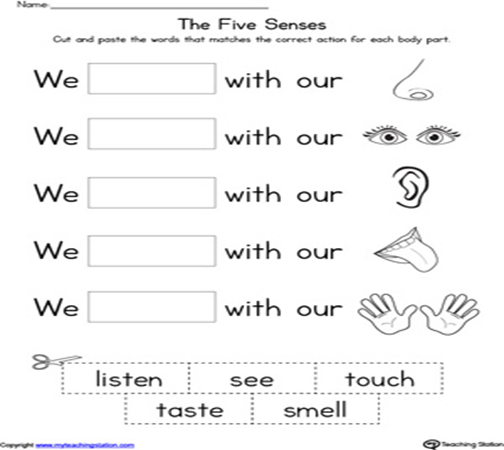
|
LESSON 28 Unit 2: Living things |
School: |
|||||||||||||||||
|
Date: |
Teacher name: |
|||||||||||||||||
|
Grade: 5 |
Number present: |
Number absent: |
||||||||||||||||
|
Theme of the lesson: |
Unit revision |
|||||||||||||||||
|
Learning objectives |
5.L3 understand an increasing range of unsupported basic questions on general and curricular topics 5.S6 communicate meaning clearly at sentence level during, pair, group and whole class exchanges 5.S7 use appropriate subject-specific vocabulary and syntax to talk about a limited range of general topics 5.UE15 use common verbs followed by infinitive verb / verb + ing patterns on a limited range of familiar general and curricular topics |
|||||||||||||||||
|
Lesson objectives |
All learners will be able to: read and understand main facts about plants in our life Most learners will be able to: can use common verbs followed by infinitive Some learners will be able to: tell about the role of plants and animals in human being’s life |
|||||||||||||||||
|
Previous learning |
Summative control work for the 1st term |
|||||||||||||||||
|
Plan |
||||||||||||||||||
|
Planned timings |
Planned activities |
Learners’ activities |
Evaluation |
Resources |
||||||||||||||
|
Beginning 5 min
|
GREETING Teacher shows a short video about the Human beings and plants and asks: So can you guess what the theme of our lesson is? We’ll speak about plants and animals because plants and animals are the part of nature. Teacher introduces lesson objectives to the learners |
Greeting |
Verbal evaluation |
https://www.youtube.com/watch?v=QVig7_D-VFc |
||||||||||||||
|
Middle 30 min |
Pre-reading: “ Brainstorming” Have students brainstorm answers to the following questions: Ask each group to record as many plants and animals as possible How do you understand the word “ living things and none-living things”? And what about a human being? What plants do you know? Do you have any plants at home? What do plants give us? Why are plants important to people?”
1.Work with text . Teacher asks learners to read the text , complete the chart with the main ideas
2. Read the text again and mark the statements right (v) or wrong (x). 1. Without plants , people could live 2 . Animals , plants and human beings aren’t parts of nature. 3. Plants provide habitats for animals and human beings. 4. Plants help moderate the temperature |
Learners answer the questions
Learners should complete KWL chart about “plants in our life”
Learners complete the chart
Learners read the text and mark the statements right or wrong.
|
Mutual avaluation Individual avaluation
|
|
||||||||||||||
|
End 5 min |
REFLECTION Ask students to look at lesson objectives they set at the beginning of the lesson and think and say what they did well in the lesson and what needs improvement. At the end of the lesson, students reflect on: - what they learned - what remained unclear for them - what they need to continue working on Leaners should show their mood with Estimate “Firework” Excellent- Clap your hands up Good- Clap your hands in front of you Satisfactory- Clap your hands down Saying goodbye |
Learners make comments about the lesson orally. |
Self-assessment |
|
||||||||||||||

 Жүктеу


 Жүктеу
шағым қалдыра аласыз


 Бұл курс Қазақстан Республикасы Оқу-ағарту министрлігімен келісілген










