ЖИ көмекші


 Қауіпсіз төлем

жүктеу мүмкіндігіне ие боласыз
Бұл материал сайт қолданушысы жариялаған. Материалдың ішінде жазылған барлық ақпаратқа жауапкершілікті жариялаған қолданушы жауап береді. Ұстаз тілегі тек ақпаратты таратуға қолдау көрсетеді. Егер материал сіздің авторлық құқығыңызды бұзған болса немесе басқа да себептермен сайттан өшіру керек деп ойласаңыз осында жазыңыз
 08 Желтоқсан 2024
 142
142
1 жыл бойы шексіз жүктеңіз
Ағылшын тілі ҚМЖ
|
Unit: |
LESSON: Module 1 Lesson 1 |
|||||
|
Teacher’s name: |
|
|||||
|
Date: |
|
|||||
|
Grade: 9 |
Number present: |
absent: |
||||
|
Topic: |
|
|||||
|
Learning objectives(s) that this lesson is contributing to |
9.C6 organise and present information clearly to others 9.S3 explain and justify their own point of view on a range of general and curricular topics |
|||||
|
Lesson objectives |
All learners will be able to: |
|||||
|
|
|
|||||
Planned activities
|
Planned timings |
Teacher’s activities |
Pupil’s activities |
Marks |
Resources |
|
|
When you want to get to know someone, ask about their hobbies and interests. Talking about hobbies means you can share details about yourself – and discover shared interests and free-time activities. https://quizlet.com/510679846/unit-1-flash-cards/ |
Answer the teacher’s question |
|
Students book |
|
|
Here are some phrases you can use: Questions you can ask What do you like doing? What sort of hobbies do you have? How to reply In my free time I… This short video will give you an opportunity to learn comparison of adverbs. https://www.youtube.com/watch?time_continue=2&v=QHKQYF8YNIA&feature=emb_title |
Make a sentence and write it |
|
Pictures, book |
|
Ending the lesson
|
Reflection
Stude |
|
|
|
 nts attach their boat in the appropriate area of
the map that reflects their emotions and mood after the
lesson
nts attach their boat in the appropriate area of
the map that reflects their emotions and mood after the
lesson
|
Unit: |
LESSON: Module 1 Lesson 2 |
|
|
Teacher’s name: |
|
|
|
Date: |
|
|
|
Grade: 9 |
Number present: |
absent: |
|
Topic: |
Reading: Comparing generations. |
|
|
Learning objectives(s) that this lesson is contributing to |
9.C7 9.R2 9.UE14 |
|
|
Lesson objectives |
All learners will be able to: |
|
|
|
you will be able to comprehend the concept of generation differences. |
|
|
|
Most learners will be able to: |
|
|
|
use, pronounce and spell most target vocabulary accurately in production tasks and integrate with some success in extended writing task |
|
|
|
Some learners will be able to: |
|
|
|
use, pronounce and spell a range of target vocabulary accurately in production tasks and integrate to good effect in extended writing task |
|
Planned activities
|
Planned timings |
Teacher’s activities |
Pupil’s activities |
Marks |
Resources |
|
|
Warm up. 1/ Describe the
2/ What is the message conveyed by it? |
Answer the teacher’s question |
|
Emoticon |
|
|
ask: What were their clothes like? What were their hairstyle like?
What do you think life was like in the 1950s? https://www.liveworksheets.com/sa1009679oo |
Make a sentence and write it |
|
Pictures, book |
|
Ending the lesson
|
Reflection
|
|
|
|
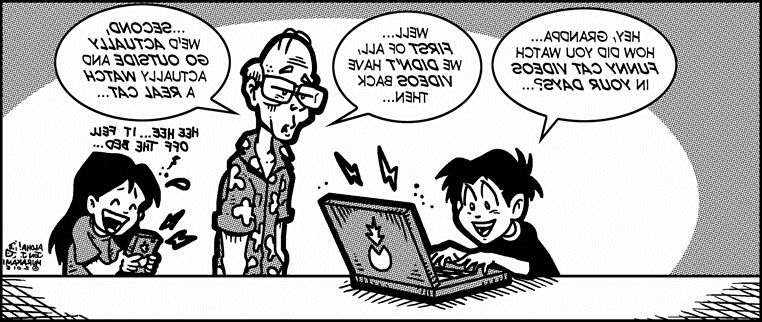 given picture.
|
Unit: |
LESSON: Module 1 Lesson 3 |
|
|
Teacher’s name: |
|
|
|
Date: |
|
|
|
Grade: 9 |
Number present: |
absent: |
|
Topic: |
|
|
|
Learning objectives(s) that this lesson is contributing to |
9.W3 9.UE9 |
|
|
Lesson objectives |
All learners will be able to: |
|
|
|
Identify the difference between the past perfect and past simple. |
|
|
|
Most learners will be able to: |
|
|
|
Construct the sentences using past perfect and past simple with support |
|
|
|
Some learners will be able to: |
|
|
|
Apply past perfect and past simple to talk about events at different times in the past without support. |
|
Planned activities
|
Planned timings |
Teacher’s activities |
Pupil’s activities |
Marks |
Resources |
|
|
Presentation The past perfect simple (had + past participle) is used to talk about past actions or situations that happened before a specific time in the
|
Answer the teacher’s question |
|
Emoticon |
|
|
Watch a video to learn how to use the past perfect and past simple tenses together in English. Then test your understanding of the English lesson by answering the questions. You will get the answers and your score at the end of the quiz. https://www.engvid.com/past-simple-past-perfect/ To have more practice play quiz game. https://jeopardylabs.com/play/simple-past-and-past-perfect4
|
Make a sentence and write it |
|
Pictures, book |
|
Ending the lesson
|
Reflection How well do I understand? 4 - I can do this and explain it to someone else. 3 - I understand and can do this by myself. 2 - I need more practice. 1 - I don't understand this yet. |
|
|
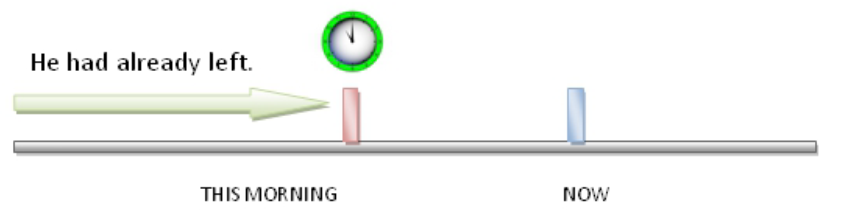 past.
past.
|
Unit: |
LESSON: Module 1 Lesson 4 |
|
|
Teacher’s name: |
|
|
|
Date: |
|
|
|
Grade: 9 |
Number present: |
absent: |
|
Topic: |
|
|
|
Learning objectives(s) that this lesson is contributing to |
9.S5 9.UE1 |
|
|
Lesson objectives |
All learners will be able to: |
|
|
|
Identify the meaning of the dialogues "People talking about the past". |
|
|
|
Most learners will be able to: |
|
|
|
Synthesize information from the dialogues and use it as the basis for discussion. |
|
|
|
Some learners will be able to: |
|
|
|
Produce a clear, coherent description of their memories. |
|
Planned activities
|
Planned timings |
Teacher’s activities |
Pupil’s activities |
Marks |
Resources |
||||||||
|
|
Fill in the table with the names of hobbies: doing things, collecting things, making things, learning things.
|
Handouts
with task |
|
Emoticon |
||||||||
|
|
Complete the sentences for you. You may use a dictionary if necessary.
|
Make a sentence and write
it |
|
Pictures, book |
||||||||
|
Ending the lesson
|
Reflection
|
|
|

|
Unit: |
LESSON: Module 1 Lesson 5 |
|
|
Teacher’s name: |
|
|
|
Date: |
|
|
|
Grade: 9 |
Number present: |
absent: |
|
Topic: |
|
|
|
Learning objectives(s) that this lesson is contributing to |
9.S5 9.W2 9.UE9 |
|
|
Lesson objectives |
All learners will be able to: |
|
|
|
Identify the difference between past simple and continuous. |
|
|
|
Most learners will be able to: |
|
|
|
Construct the sentences using past simple and continuous with minimal support. |
|
|
|
Some learners will be able to: |
|
|
|
Apply past simple and continuous to talk about past events and memories without support. |
|
Planned activities
|
Planned timings |
Teacher’s activities |
Pupil’s activities |
Marks |
Resources |
|
|
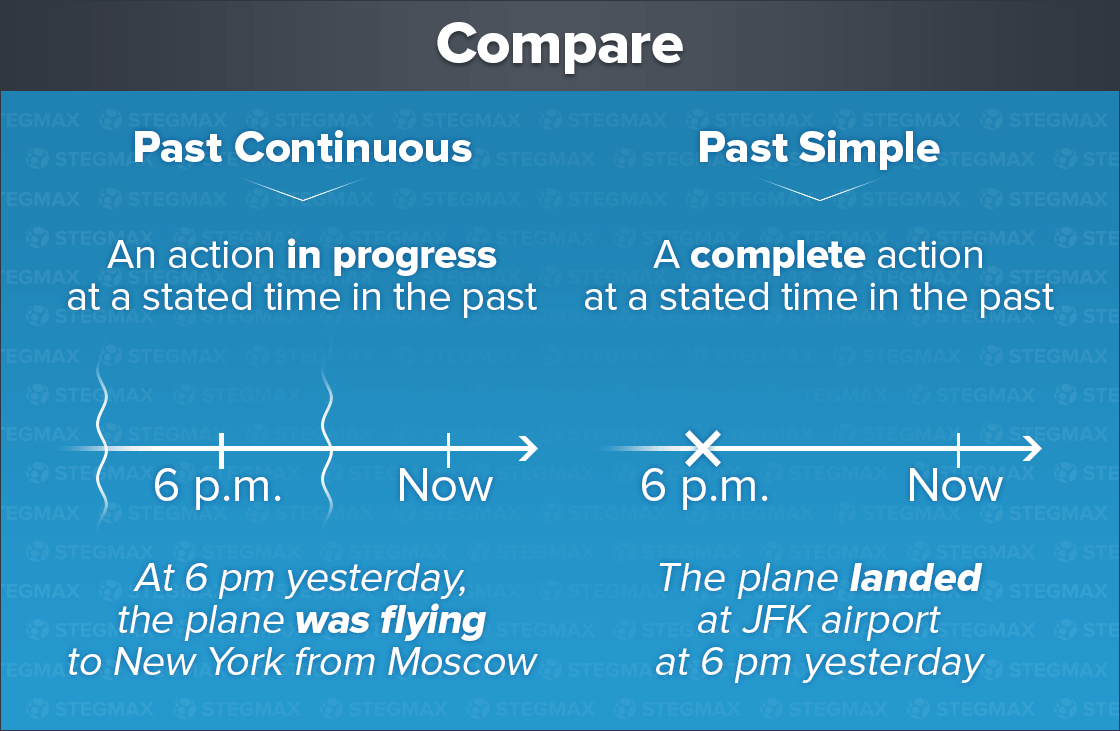
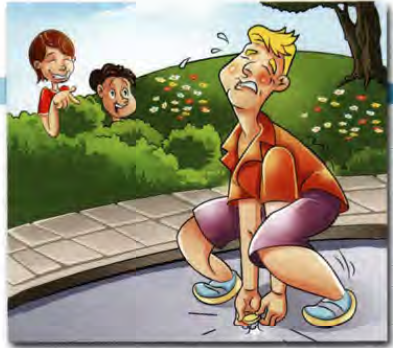
. Presentation |
Internet Presentation Video and images Handouts with task |
|
Emoticon |
|
|
|
Make a sentence and write it |
|
Pictures, book |
|
Ending the lesson
|
Giving the hometask. WB p.9 Self-assessment. How well do I understand? 4 - I can do this and explain it to someone else. 3 - I understand and can do this by myself. 2 - I need more practice. 1 - I don't understand this yet. |
|
|
|
Unit: |
LESSON: Module 1 Lesson 6 |
|
|
Teacher’s name: |
|
|
|
Date: |
|
|
|
Grade: 9 |
Number present: |
absent: |
|
Topic: |
|
|
|
Learning objectives(s) that this lesson is contributing to |
9.L1 9.S5 9.S7 |
|
|
Lesson objectives |
All learners will be able to: |
|
|
|
Recognize and use key phrases for talking about events in the past. |
|
|
|
Most learners will be able to: |
|
|
|
Create their own dialogues based on the given situations. |
|
|
|
Some learners will be able to: |
|
|
|
Perform situations talking about events in the past without support. |
|
Planned activities
|
Planned timings |
Teacher’s activities |
Pupil’s activities |
Marks |
Resources |
|
|
|
Look at the photo from SB p.14 ex.1 and answer the questions. Read the dialogue in SB p.14 ex.2. Then practise it. Complete the dialogue with the phrases.
|
Answer the teacher’s
question |
|
Emoticon |
|
|
Middle
|
Prepare a dialogue. Imagine you want to tell your friend about an event. A Ask if you’ve told them about the event before. B Say no and ask what it was like. A Describe the event. B Ask if A had a good time. A Reply and tell B about the best bit. B Ask what happened then. A Tell B how it ended. B Say it sounds great.
|
|
|
|
|
|
Ending the lesson
|
Reflection “Cinquain” is a five-line poem based on the content of the material under the study. Line 1 – One-word title. Line 2 – Two adjectives for describing that word. Line 3 – Three verbs. Line 4 – Four feeling words. |
|
|
|

|
Unit: |
LESSON: Module 1 Lesson 7 |
|
|
Teacher’s name: |
|
|
|
Date: |
|
|
|
Grade: 9 |
Number present: |
absent: |
|
Topic: |
|
|
|
Learning objectives(s) that this lesson is contributing to |
9.S7 9.R5 |
|
|
Lesson objectives |
All learners will be able to: |
|
|
|
Examine the general writing structure of an account of a decade. |
|
|
|
Most learners will be able to: |
|
|
|
Summarize an account of a decade in accordance with the writing guide |
|
|
|
Some learners will be able to: |
|
|
|
Express their ideas in writing an account of a decade without support |
|
|
|
|
|
Planned activities
|
Planned timings |
Teacher’s activities |
Pupil’s activities |
Marks |
Resources |
||
|
|
Back to the Sixties http://objflicks.com/TakeMeBackToTheSixties.htm Watch the video and answer the questions:
______________________________________
______________________________________
________________________________________
___________________________________________
____________________________________________
_____________________________________________
_____________________________________________________
_____________________________________________________
______________________________________________________
______________________________________________________
______________________________________________________
______________________________________________________ |
Answer the teacher’s question |
|
Emoticon |
||
|
|
. Now use the time phrases to compare life in the sixties with life in the Noughties (2000-2009). Think about fashions, transport and travel, technology, music and films, food.
|
Make a sentence and write
it |
|
Pictures, book |
||
|
Ending the lesson
|
Reflection |
|
|
|

|
Unit: |
LESSON: Module 1 Lesson 8 |
|
|
Teacher’s name: |
|
|
|
Date: |
|
|
|
Grade: 9 |
Number present: |
absent: |
|
Topic: |
Comparing generations |
|
|
Learning objectives(s) that this lesson is contributing to |
9.S5 9.R9 9.UE3 |
|
|
Lesson objectives |
All learners will be able to: |
|
|
|
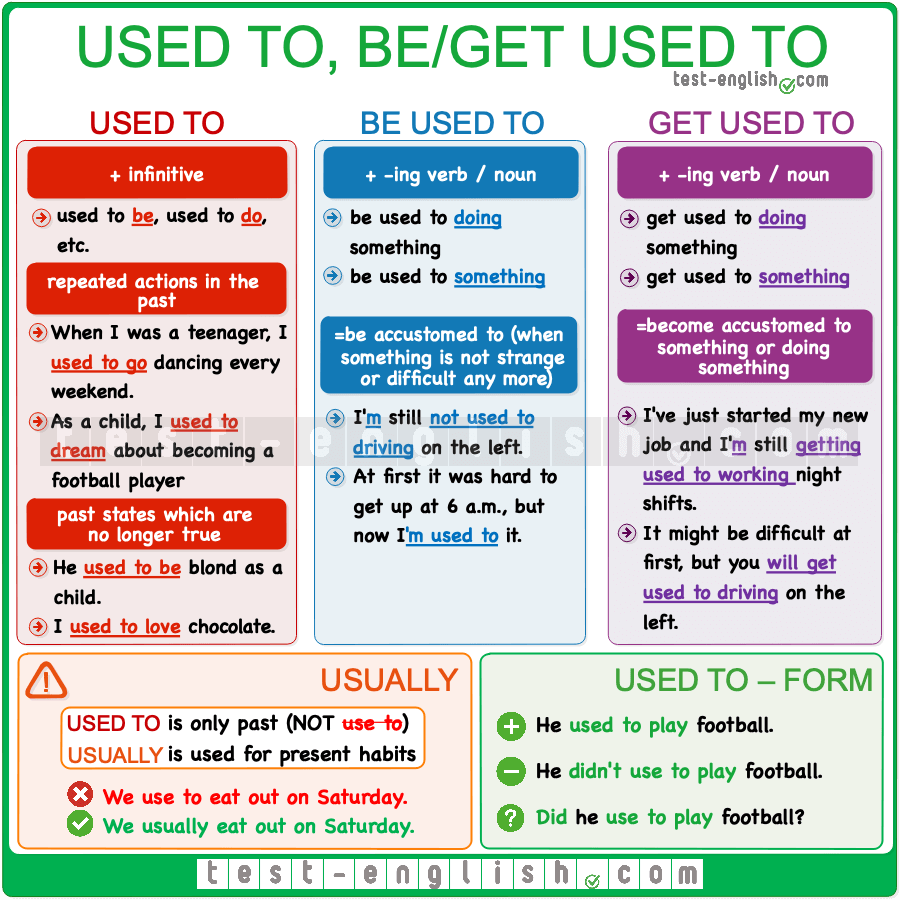
• Demonstrate the correct use of "used to" talking about the past. |
|
|
|
Most learners will be able to: |
|
|
|
• Analyze a text comparing the lifestyles and hobbies of different generations. |
|
|
|
Some learners will be able to: |
|
|
|
• Produce a clear, coherent description of hobbies and interests they used to have. |
|
Planned activities
|
Planned timings |
Teacher’s activities |
Pupil’s activities |
Marks |
Resources |
||
|
|
To compare the lifestyles and hobbies of different generations turn to your SB p.16 ex.1-2. Grammar presentation.
|
Answer the teacher’s
question |
|
Emoticon |
||
|
Middle
|
Watch a lovely and tender video about the life of two people who met when they were children and the moments they have shared. Complete the sentences, put the sentence in order, multiple choice, answer the questions. https://en.islcollective.com/video-lessons/used-grammar
|
Presentation Video and images
|
|
|
||
|
Ending the lesson
|
Giving the hometask. SB ex.7 p.16 (a dialogue) “Cinquain” is a five-line poem based on the content of the material under the study. Line 1 – One-word title. Line 2 – Two adjectives for describing that word. Line 3 – Three verbs. Line 4 – Four feeling words. Line 5 – A synonym for the title word. |
|
|
|
|
Unit: |
LESSON: Module 1 Lesson 9 |
|
|
Teacher’s name: |
|
|
|
Date: |
|
|
|
Grade: 9 |
Number present: |
absent: |
|
Topic: |
The British sense of humour. |
|
|
Learning objectives(s) that this lesson is contributing to |
9.C8 9.S3 9.S7 |
|
|
Lesson objectives |
All learners will be able to: |
|
|
|
|
|
|
|
Most learners will be able to: |
|
|
|
• Analyze a text about the British sense of humour. |
|
|
|
Some learners will be able to: |
|
|
|
• Express their ideas about sense of humour in KZ building extended sentences. |
|
Planned activities
|
Planned timings |
Teacher’s activities |
Pupil’s activities |
Marks |
Resources |
|||||||
|
|
Read the quotation by Charlie Chaplin “A
day without laughter is a day wasted “. What |
Answer the teacher’s question |
|
Emoticon |
|||||||
|
|
. Watch the video “Health benefits of laugher” and do the quiz. https://eslvideo.com/quiz.php?id=26924
|
Make a sentence and write it |
|
Pictures |
|||||||
|
Ending the lesson
|
Reflection KWL
|
|
|
|
|
||||||
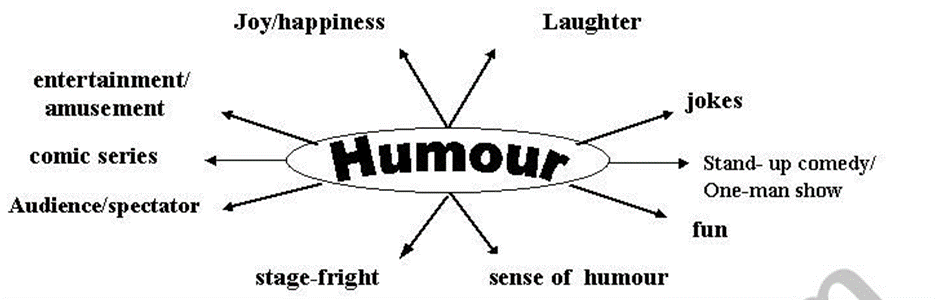 does it mean? Do you
agree or disagree? Why?
does it mean? Do you
agree or disagree? Why?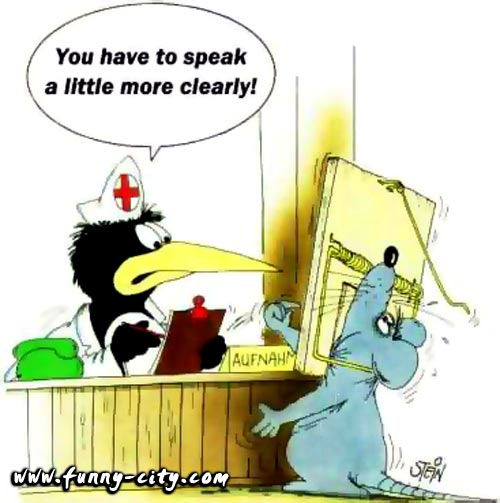
|
Unit: |
LESSON: Module 1 Lesson 10 |
|
|
Teacher’s name: |
|
|
|
Date: |
|
|
|
Grade: |
Number present: |
absent: |
|
Topic: |
CLIL: Media studies. The British sense of humour. |
|
|
Learning objectives(s) that this lesson is contributing to |
9.C8 9.S3 9.S7 |
|
|
Lesson objectives |
All learners will be able to: |
|
|
|
Reproduce taught material in listening, speaking, writing. |
|
|
|
Most learners will be able to: |
|
|
|
you will be able to use taught vocabulary and grammar with accuracy. |
|
|
|
Some learners will be able to: |
|
|
|
Use taught vocabulary and grammar with accuracy. |
|
Planned activities
|
Unit: |
LESSON: Module 1 Lesson 11 |
|
|
Teacher’s name: |
|
|
|
Date: |
|
|
|
Grade: 9 |
Number present: |
absent: |
|
Topic: |
Project. An interview summary: teenage years. |
|
|
Learning objectives(s) that this lesson is contributing to |
9.L8 9.S7 9.UE3 |
|
|
Lesson objectives |
All learners will be able to: |
|
|
|
• Reproduce taught material in listening, speaking, writing. |
|
|
|
Most learners will be able to: |
|
|
|
• Demonstrate learned grammar and vocabulary about hobbies and qualities with sure |
|
|
|
Some learners will be able to: |
|
|
|
• Use taught vocabulary and grammar with accuracy. |
|
|
|
|
|
Planned activities
|
Planned timings |
Teacher’s activities |
Pupil’s activities |
Marks |
Resources |
|
|
Read the interview summary and match paragraphs A-E with interview questions 1-5. It’s ex.1 p.19 (SB). Interview a parent, grandparent, or older family friend who is a member of another generation. By getting them to talk about their past, you will open a door into a new world. You might be astonished at how different their lives were in the past and how different their attitudes are today because of it. |
Answer the teacher’s question |
|
Emoticon |
|
|
. You may use the following questions: 1. What were your favorite activities? Who did you do them with? 2. If you had free time on a Saturday afternoon, how would you spend it? 3. If there was something you were interested in, how would you learn more about it? 4. What global events were the most memorable for you? How did these affect your attitudes about the world? 5. How did you communicate with your friends? What were the advantages and disadvantages of those methods? 6. What kinds of technology did you use on a daily basis? What do you think of today’s technology?
|
Make a sentence and write it |
|
Pictures, book |
|
Ending the lesson
|
Reflection Pair share At the end of a lesson learners share with their partner:
Something they would like to learn in the future. |
|
|
|
TERM 1.
SUMMATIVE ASSESSMENT TASKS
Unit assessment 1 "Hobbies and qualities"
|
Learning objectives |
9.L5 recognise the opinion of the speaker(s) in unsupported extended talk on a wide range of general and curricular topics 9.S3 explain and justify their own point of view on a range of general and curricular topics 9.S7 use appropriate subject-specific vocabulary and syntax to talk about a wide increased range of general and curricular topics |
|
Assessment criteria |
Identify the position of speakers in an extended talk with some support Express thoughts about the given topic in the conversations Apply topic related vocabulary in speech appropriately arranging words and phrases into well-formed sentences |
|
Level of thinking skills |
Application Higher order thinking skills |
|
Duration |
20 minutes |
Listening (Link)
Task 1. Listen to four people talking about their hobbies. For questions 1 - 4, name the hobby and choose from the list (A-E) what each person says about it. Use the letters only once. There is one extra letter which you do not need to use.
A It teaches you about other cultures. Speaker 1:_
В You learn to work with others. Speaker 2:_
С It demands a lot of free time. Speaker 3:_
D It can be stressful at times. Speaker 4:_
E It helps you to stop worrying.
Speaking
Task 2. An individual interview on the suggested topic for approximately 2 minutes for each student.
Card 1
-
What kinds of hobbies do you know?
-
How can hobby reflect our personality?
-
Do you have any hobby/pastime activity? If so, what is it?
-
How long have you had this hobby? Why do you like it?
-
Are there any activities that you used to do and that you don’t do anymore? Why did you stop?
-
How does hobby influence a person's life?
Card 2
-
Which hobbies are the most popular among teenagers?
-
Do you have any hobby/pastime activity? If so, what is it?
-
When did you first develop this hobby?
-
How much time do you spend on your hobby? Is this enough? Please explain.
-
Are there any hobbies you would like to try?
-
Why do people need hobbies?
Card 3
-
Why do we have different kinds of hobbies?
-
What factors influence your choice of a hobby/pastime activity?
-
What is your favourite hobby/pastime activity? Why?
-
What hobbies used to be popular, but aren’t common now? Why have they gone out of fashion?
-
What are some of the advantages of having a hobby?
-
Can your hobby become your profession and vice versa? Can you think of any examples?
Card 4
-
Do you have any hobby/pastime activity? If so, what is it?
-
How did you become interested in your hobby? Please explain.
-
What have you tried but didn't like? Please explain.
-
What hobby would you want to try someday? Why?
-
What do hobbies and interests tell about a person?
-
What do your hobbies and interests tell about you?
Card 5
-
Why it is important for people to have time for leisure activities?
-
Do you have any hobby/pastime activity? If so, what is it?
-
Why are some leisure activities more popular than others?
-
What types of leisure activities may become more popular in the future?
-
What type of leisure activities helpful for teenagers? Why?
-
Some people do not have any leisure activity. Why it is the case?
|
Assessment criteria |
Task |
Descriptor |
Mark |
|
A learner |
|||
|
Identify the position of speakers in an extended talk with some support. |
1 |
1D - karate |
1 |
|
2B - basketball |
1 |
||
|
3A - watching TV |
1 |
||
|
4E - drawing |
1 |
||
|
Express thoughts about the given topic in the conversations. Apply topic related vocabulary in speech appropriately arranging words and phrases into well-formed sentences. |
2 |
gives proper answers to the questions; |
1 |
|
expresses his/her opinion on topic; |
1 |
||
|
uses vocabulary words on the topic; |
1 |
||
|
pronounces words and phrases correctly; |
1 |
||
|
uses grammatically correct sentences in a talk. |
1 |
||
|
Total marks |
9 |
||
Transript 1
Speaker I
I suppose I've been doing it for about four years now. The thing with karate is that you have to practise constantly. I found that quite hard at first because I wasn't used to it, but now I quite enjoy doing my exercises these days. A lot of it is in the mind. You have to be able to concentrate and to stay calm. The end result should be perfect harmony between mind and body. It can be difficult to stay calm, though, when you're trying to get the next belt. There's a lot of pressure on you to do all the moves perfectly.
Speaker 2
Basketball is a wonderful game. My uncle got me my first basketball and I've been playing ever since. From the moment I picked it up, I loved the game. I joined a team when I was old enough and now I play matches every weekend and train about three times a week. It's a sport that teaches you a lot about teamwork - you have to learn how to cooperate well with other people. Some people don't like that, but I think it's what sport is about.
Speaker 3
I don't know if you'd call it a hobby exactly, but I do watch a lot of TV. I find it entertains me when I haven't got anything better to do. I'll watch whatever's on, really, although I'm not so interested in sports. I know some people think it's a waste of time, but I'm not embarrassed. I think I've learned a huge amount from television, and not just watching documentaries. Watching foreign programmes can help your English, and you learn about how people live in other countries much better than you can from a book. That's where you'll find me most weekends, in front of the TV.
Speaker 4
I like spending time on my own, so drawing is the ideal hobby for mе. I started drawing when I was very young, like most people, and I found that I was quite good at it. I don't know. I can just look at something and I know how to put it onto paper Mostly, I draw things that I see around me, but sometimes I just make things up from my imagination. I can escape from my everyday problems that way. And the good thing is that when you've finished you've got a work of art that you can hang on your wall, or give to somebody.
Rubrics for providing information to parents on the results of Summative Assessment
for the unit «Hobbies and qualities»
Learner's name ______________________________________________
|
Assessment criteria |
Level of learning achievements |
||
|
Low |
Middle |
High |
|
|
Identify the position of speakers in an extended talk with some support. |
Experiences difficulties in identifying the speaker's position while listening the text. Completes the task mostly incorrecty. |
Experiences some difficulties in identifying the speaker's position while listening the text. Makes some mistakes in answers. |
Confidently identifies the speaker's position while listening the text. Completes the task mostly correctly. |
|
Express thoughts about the given topic in the conversations. Apply topic related vocabulary in speech appropriately arranging words and phrases into well-formed sentences. |
Experiences difficulties in answering questions with appropriate grammar and vocabulary. Attempts to answer the questions, but most of the time the answers are inappropriate. Has a frequent problem with pronunciation. |
States his/her point of view uncertainly without good reasoning. Makes some mistakes in pronunciation and in using topical vocabulary and grammatical structures. |
Presents ideas clearly with accurate pronunciation of the words. Uses a range of simple and some complex grammatical forms. Demonstrates a wide choice of topical vocabulary. Answers the questions with justification. |
|
Unit: |
LESSON: Module 2 Lesson 13 |
|
|
Teacher’s name: |
|
|
|
Date: |
|
|
|
Grade: 9 |
Number present: |
absent: |
|
Topic: |
Medical science. |
|
|
Learning objectives(s) that this lesson is contributing to |
9.L8 9.S3 9.S7 |
|
|
Lesson objectives |
All learners will be able to: |
|
|
|
use some language from the module to express views and write some relevant questions accuratel |
|
|
|
Most learners will be able to: |
|
|
|
use a range of language from the module to express views and write a range of relevant questions accurately |
|
|
|
Some learners will be able to: |
|
|
|
use a wide range of language from the module to express views and write a range of relevant questions accurately |
|
|
|
|
|
Planned activities
|
Planned timings |
Teacher’s activities |
Pupil’s activities |
Marks |
Resources |
|
|
Before doing the Heath and exercise quiz form your SB ex. 3 p.20 play flashcards games to help you remember new words. https://quizlet.com/510957638/unit-2-flash-cards/ Turn to ex.3 p.20. Look at the sentences and decide if they are true or false. |
Answer the teacher’s question |
|
Emoticon |
|
Middle
|
https://learnenglishteens.britishcouncil.org/skills/listening/advanced-c1-listening/benefits-sport Grammar presentation
|
Internet |
|
|
|
Ending the lesson
|
Self-reflection. "Message". Pupils write 7 words of the greatest importance for the topic of the lesson. |
|
|
|
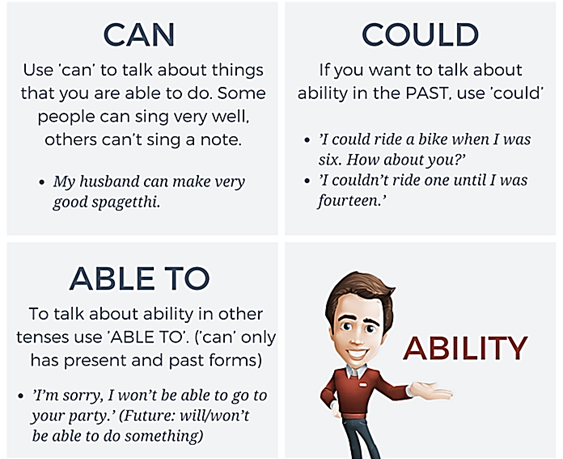
|
Unit:2 |
LESSON: Module 2 Lesson 14 |
|
|
Teacher’s name: |
|
|
|
Date: |
|
|
|
Grade: 9 |
Number present: |
absent: |
|
Topic: |
Alternative therapy (exercise and health). |
|
|
Learning objectives(s) that this lesson is contributing to |
9.S3 9.R2 9.UE1 |
|
|
Lesson objectives |
All learners will be able to: |
|
|
|
use and pronounce some target structures accurately in controlled tasks with support |
|
|
|
Most learners will be able to: |
|
|
|
use and pronounce most target structures accurately in controlled tasks with support |
|
|
|
Some learners will be able to: |
|
|
|
use and pronounce most target structures accurately in controlled tasks with little support |
|
Planned activities
|
Planned timings |
Teacher’s activities |
Pupil’s activities |
Marks |
Resources |
||||||||
|
|
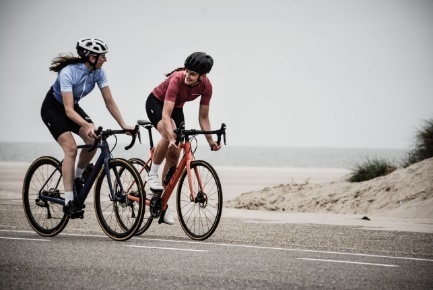
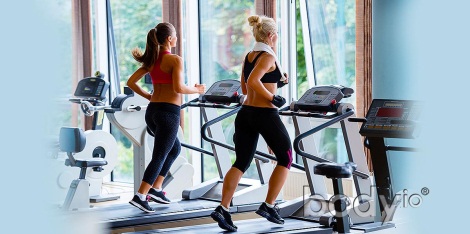
Look at the photos and answer the questions.
|
|
Answer the teacher’s question |
Emoticon |
||||||||
|
Middle
|
Read again and answer the questions. 1. What could an unhealthy weight lead to? 2. How does physical activity benefit our muscles and bones? 3. What does our heart do? 4. How are low-intensity and moderate-intensity activities different? 5. How does a person feel during a high-intensity activity? |
|
|
|
||||||||
|
Ending the lesson
|
Self-reflection.
|
|
|
|
|
|||||||
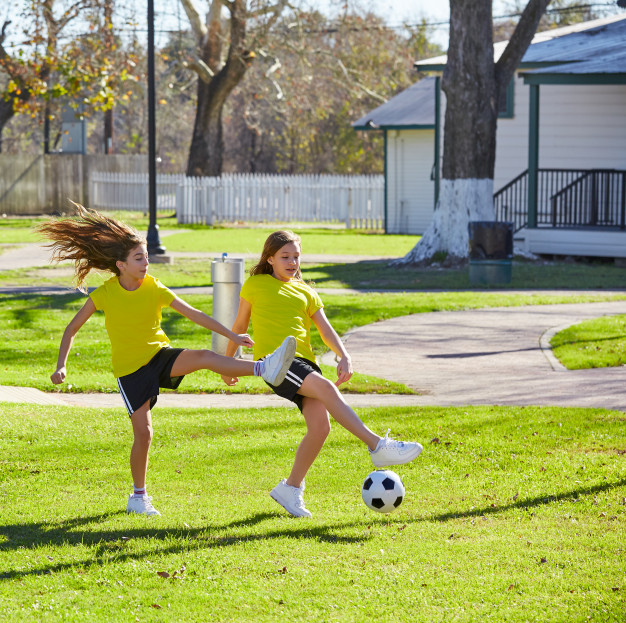
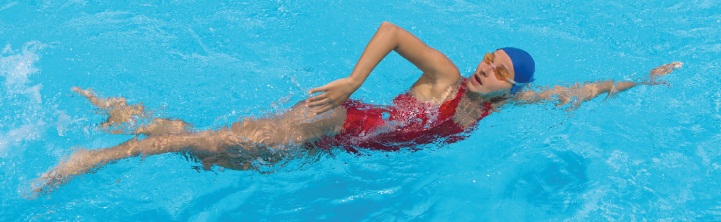
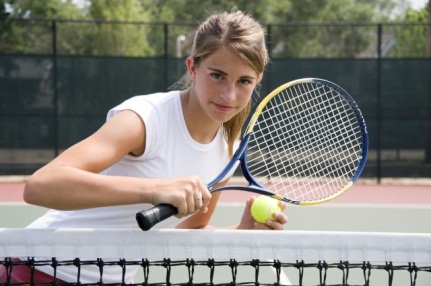
|
Unit: |
LESSON: Module 2Lesson 15 |
|
|
Teacher’s name: |
|
|
|
Date: |
|
|
|
Grade: 9 |
Number present: |
absent: |
|
Topic: |
May, might, could, must, can’t. |
|
|
Learning objectives(s) that this lesson is contributing to |
9.C6 9.C9 9.W3 |
|
|
Lesson objectives |
All learners will be able to: |
|
|
|
identify some specific information in reading text and use some target vocabulary accurately in production tasks with support |
|
|
|
Most learners will be able to: |
|
|
|
identify most specific information in reading text and use most target vocabulary accurately in production tasks with support |
|
|
|
Some learners will be able to: |
|
|
|
identify all specific information in reading text and use most target vocabulary accurately in production tasks with little support |
|
|
|
|
|
Planned activities
|
Planned timings |
Teacher’s activities |
Pupil’s activities |
Marks |
Resources |
|
|
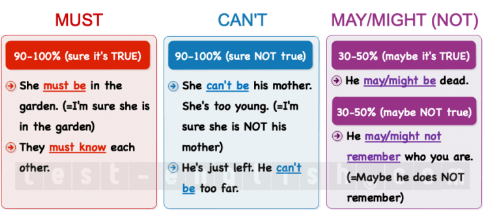
“Deduction” means using the information available to make a guess or draw a conclusion about the facts
|
Answer the teacher’s question |
|
Emoticon |
|
Middle
|
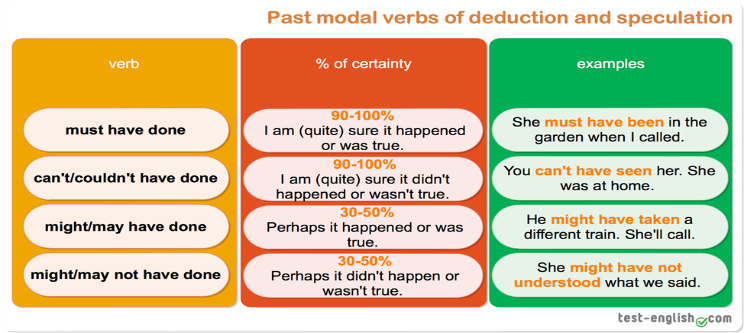
In these exercises (1-3) you will practise using modal verbs to express certainty, probability, and deduction: must, can’t, could, may, might. https://test-english.com/grammar-points/b1/modal-verbs-of-deduction/ |
Answer the teacher’s
question |
|
Emoticon |
|
Ending the lesson
|
Self-assessment. How well do I understand? 4 - I can do this and explain it to someone else. 3 - I understand and can do this by myself. 2 - I need more practice. 1 - I don't understand this yet. |
|
|
|
|
Unit: |
LESSON: Module 2 Lesson 16 |
|
|
Teacher’s name: |
|
|
|
Date: |
|
|
|
Grade: 9 |
Number present: |
absent: |
|
Topic: |
|
|
|
Learning objectives(s) that this lesson is contributing to |
9.L6 9.L8 |
|
|
Lesson objectives |
All learners will be able to: |
|
|
|
use and pronounce some target language accurately in response to prompts and in controlled tasks with support |
|
|
|
Most learners will be able to: |
|
|
|
use and pronounce most target structures accurately in response to prompts and in controlled tasks with support |
|
|
|
Some learners will be able to: |
|
|
|
use and pronounce most target structures accurately in response to prompts and in controlled tasks with little support |
|
Planned activities
|
Planned timings |
Teacher’s activities |
Pupil’s activities |
Marks |
Resources |
|
Beginning the lesson
|
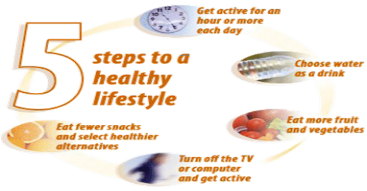
Turn to your SB p.24 ex.1 and match the phrasal verbs in blue in The eight-point health plan with synonyms a-h. Complete the dialogue with the phrasal verbs in the box. carry on with * get rid of * start off with * stay away from * stick to * taken up * try out |
Answer the teacher’s question |
|
Emoticon |
|
|
Who is the oldest person you know? How old are they? How healthy is their lifestyle? Read the article below. Answer the questions. 1 Why are the people of Okinawa famous? 2 What are the reasons for their good health?
|
Make a sentence and write it |
|
Pictures, book |
|
Ending the lesson
|
Self-assessment. Summary sentence Ask learners to write one sentence to summarize what they know about the topic. |
|
|
|
|
Unit: |
LESSON: Module 2 Lesson 17 |
|
|
Teacher’s name: |
|
|
|
Date: |
|
|
|
Grade: 9 |
Number present: |
absent: |
|
Topic: |
Past modals. |
|
|
Learning objectives(s) that this lesson is contributing to |
9.C9 9.L4 9.W2 |
|
|
Lesson objectives |
All learners will be able to: |
|
|
|
use and pronounce some target language accurately in response to prompts and in controlled tasks with support |
|
|
|
Most learners will be able to: |
|
|
|
use and pronounce most target structures accurately in response to prompts and in controlled tasks with support |
|
|
|
Some learners will be able to: |
|
|
|
use and pronounce most target structures accurately in response to prompts and in controlled tasks with little support |
|
Planned activities
|
Planned timings |
Teacher’s activities |
Pupil’s activities |
Marks |
Resources |
|
Beginning the lesson
|
|
Answer the teacher’s question |
|
Emoticon |
|
|
|
Make a sentence and write it |
|
Pictures, book |
|
Ending the lesson
|
|
|
|
|
|
Unit: |
LESSON: Module 2 Lesson 18 |
|
|
Teacher’s name: |
|
|
|
Date: |
|
|
|
Grade:9 |
Number present: |
absent: |
|
Topic: |
|
|
|
Learning objectives(s) that this lesson is contributing to |
9.L5 9.S5 9.S7 |
|
|
Lesson objectives |
All learners will be able to: |
|
|
|
identify some specific information in reading text and use some target vocabulary accurately in production tasks with support |
|
|
|
Most learners will be able to: |
|
|
|
identify most specific information in reading text and use most target vocabulary accurately in production tasks with support |
|
|
|
Some learners will be able to: |
|
|
|
identify all specific information in reading text and use most target vocabulary accurately in production tasks with little support |
|
Planned activities
|
Planned timings |
Teacher’s activities |
Pupil’s activities |
Marks |
Resources |
|
Beginning the lesson
|
Performance-enhancing drugs are known as doping. These are taken to gain an unfair advantage. It is illegal & is often harmful. All of these drugs are banned. Why do performers take drugs? Physiological Reasons: to build muscles, increase energy, lose weight, reduce tiredness Social Reasons: Pressure to win, earn money, fear of losin |
Answer the teacher’s question |
|
Emoticon |
|
|
Look through the model dialogue in your SB p.26 ex.2. Pay attention to the key phrases for exchanging opinions. |
Make a sentence and write it |
|
Pictures, book |
|
Ending the lesson
|
. Self-assessment. How well do I understand? 4 - I can do this and explain it to someone else. 3 - I understand and can do this by myself. 2 - I need more practice. 1 - I don't understand this yet. |
|
|
|

|
Unit: |
LESSON: Module 2 Lesson 19 |
|
|
Teacher’s name: |
|
|
|
Date: |
|
|
|
Grade: 9 |
Number present: |
absent: |
|
Topic: |
A discussion essay. |
|
|
Learning objectives(s) that this lesson is contributing to |
9.S7 9.R6 9.W5 |
|
|
Lesson objectives |
All learners will be able to: |
|
|
|
identify some specific information in reading text and use some target vocabulary accurately in production tasks with support |
|
|
|
Most learners will be able to: |
|
|
|
identify most specific information in reading text and use most target vocabulary accurately in production tasks with support |
|
|
|
Some learners will be able to: |
|
|
|
identify all specific information in reading text and use most target vocabulary accurately in production tasks with little support |
|
Planned activities
|
Planned timings |
Teacher’s activities |
Pupil’s activities |
Marks |
Resources |
|
Beginning the lesson
|
List the following people in order of income, from the highest earning (1) to the lowest (4). Then list them in the order you think they should be. Are your lists different? a P.E. teacher * a top footballer * a TV sports commentator * a top triathlet |
Answer the teacher’s question |
|
Emoticon |
|
|
|
Make a sentence and write it |
|
Pictures, book |
|
Ending the lesson
|
Self-assessment. How well do I understand? 4 - I can do this and explain it to someone else. 3 - I understand and can do this by myself. 2 - I need more practice. 1 - I don't understand this yet. |
|
|
|
|
Unit: |
LESSON: Module 2 Lesson 20 |
|
|
Teacher’s name: |
|
|
|
Date: |
|
|
|
Grade: 9 |
Number present: |
absent: |
|
Topic: |
|
|
|
Learning objectives(s) that this lesson is contributing to |
9.S7 9.R1 9.W1 |
|
|
Lesson objectives |
All learners will be able to: |
|
|
|
identify some specific information in texts and research and write short organised text for display using some of their own words |
|
|
|
Most learners will be able to: |
|
|
|
identify most specific information in texts and research and write short organised text for display using a range of their own words |
|
|
|
Some learners will be able to: |
|
|
|
identify all specific information in texts and research and write more extended organised text for display using a range of their own words |
|
Planned activities
|
Planned timings |
Teacher’s activities |
Pupil’s activities |
Marks |
Resources |
|
Beginning the lesson
|
Read the text form your SB p.28 ex.2 and complete the sentences with the names of the people. |
Answer the teacher’s question |
|
Emoticon |
|
|
|
Make a sentence and write it |
|
Pictures, book |
|
Ending the lesson
|
Self-assessment. How well do I understand? 4 - I can do this and explain it to someone else. 3 - I understand and can do this by myself. 2 - I need more practice. 1 - I don't understand this yet. |
|
|
|
Unit: |
LESSON: Module 2 Lesson 21 |
|
|
Teacher’s name: |
|
|
|
Date: |
|
|
|
Grade: 9 |
Number present: |
absent: |
|
Topic: |
|
|
|
Learning objectives(s) that this lesson is contributing to |
9.R1 9.W1 |
|
|
Lesson objectives |
All learners will be able to: |
|
|
|
Recognize and use vocabulary connected with success in sport |
|
|
|
Most learners will be able to: |
|
|
|
Synthesize the information from the text about Kazakh sportspeople and use it as the basis for discussion |
|
|
|
Some learners will be able to: |
|
|
|
Talk with fluency about famous sportspeople in Kazakhstan |
|
Planned activities
|
Planned timings |
Teacher’s activities |
Pupil’s activities |
Marks |
Resources |
||||||||
|
Beginning the lesson
|
What do you think makes a healthy diet? Look at the ‘eatwell’ plate. What does it suggest we eat the most / least of?
|
Answer the teacher’s question |
|
Emoticon |
||||||||
|
|
Plan what you will eat and drink for a day. Look at the Eatwell Guide for ideas.
|
Make a sentence and write
it |
|
Pictures, book |
||||||||
|
Ending the lesson
|
Self-reflection. Most ……. thing Ask learners what was the most, e.g. useful, interesting, surprising, etc. thing they learned today. |
|
|
|

|
Unit: |
LESSON: Module 2 Lesson 22 |
|
|
Teacher’s name: |
|
|
|
Date: |
|
|
|
Grade: 9 |
Number present: |
absent: |
|
Topic: |
|
|
|
Learning objectives(s) that this lesson is contributing to |
9.L2 9.S5 9.S7 |
|
|
Lesson objectives |
All learners will be able to: |
|
|
|
you will be able to use taught vocabulary and grammar with accuracy. |
|
|
|
Most learners will be able to: |
|
|
|
Create their own dialogues based on the given situations. |
|
|
|
Some learners will be able to: |
|
|
|
Provide unprepared speech talking about adventure sports |
|
Planned activities
TERM 1.
SUMMATIVE ASSESSMENT TASKS
Unit assessment 2 "Exercise and sport"
|
Learning objectives |
9.C6 organise and present information clearly to others 9.R2 understand specific information and detail in texts on a range of familiar general and curricular topics, including some extended texts 9.W2 write independently about factual and imaginary past events, activities and experiences on a range of familiar general and curricular topics 9.UE13 use a variety of modal forms for different functions and a limited number of past modal forms including should/ shouldn’t have to express regret and criticism on range of familiar general and curricular topics |
|
Assessment criteria |
Form ideas effectively and demonstrate the ability to express them clearly Find particular facts and parts in reading passage Write sentences about real and imaginary past events, activities and experiences connecting sentences into paragraphs Distinguish the difference in the usage of modal verbs for different functions (obligation, necessity, possibility, permission, requests, suggestions, prohibition) |
|
Level of thinking skills |
Application Higher order thinking skills |
|
Duration |
20 minutes |
Reading
Task 1. Read the text.
Keeping Fit
Good health is not something we are able to buy at the chemist’s and we can get back with a quick visit to the doctor when we are ill. We often ruin our health by poor diet, stress, a bad working environment, and carelessness. By keeping fit, changing bad habits or the surrounding conditions we can make our body last without major problems. And what are the ways to keep fit?
First of all you must miss no chance of outdoor activities. Skating or skiing in winter and swimming in summer must become part of your everyday life. Second, exercise. You must exercise whenever you can – in the morning or in the evening. Third, regular meals are a must if you want to keep fit. Try to avoid going without any food for hours.
The Romans spoke of health in a proverb: “A healthy mind in a healthy body.” In addition to physical health, an understanding of mental health is also important. The body does a great deal to take care of itself, but by learning a few important health rules, it is possible to help the body to work at its best.
Nowadays, health specialists promote the idea of wellness for everybody. Wellness means achieving the best possible health within the limits of your body. Some people prefer a lot easier exercise to more strenuous exercise. Some people like playing three sweaty, competitive games of tennis.
The English people in the 1990’s have become very concerned about their health. In fact, fitness has become almost a national obsession. In large cities and small towns alike, people jog regularly, join sports teams and go to health clubs and Fitness Centers to work out.
Put the sentences in the right order according to the text.
-
The ideas of health specialists.
-
Ways of keeping fit.
-
How English people take care about their health.
-
The reasons of poor health.
-
The importance of physical and mental health.
Writing
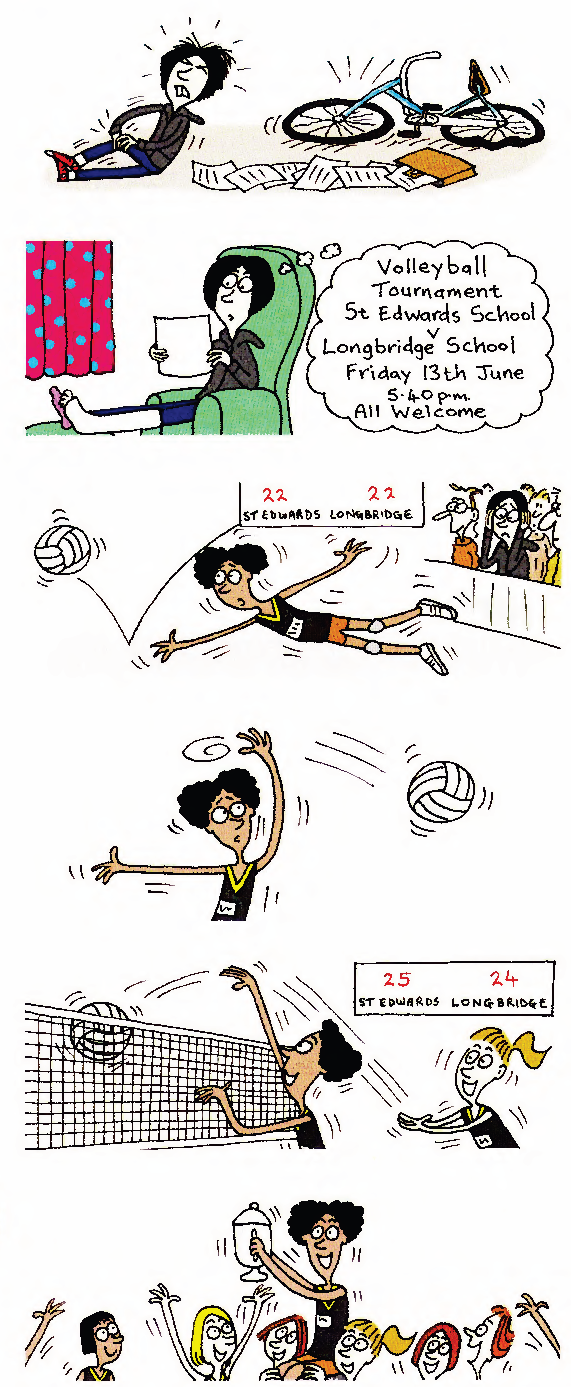
Task 2. Look at the pictures and write a story to go with them. Use the following plan.
Paragraph A: introduction
Paragraph B: background information
Paragraph C: main events
Paragraph D: conclusion.
Thinks about these things.
What happened? Why? Who was involved? When and where? How did you/other people feel? What happened in the end?



6
5
4
|
Assessment criteria |
Task |
Descriptor |
Mark |
|
A leaner |
|||
|
Find particular facts and parts in reading passage. |
1 |
chooses "The reasons of poor health" for the 1st paragraph. |
1 |
|
chooses "Ways of keeping fit" for the 2nd paragraph. |
1 |
||
|
chooses "The importance of physical and mental health" for the 3rd paragraph. |
1 |
||
|
chooses "The ideas of health specialists" for the 4th paragraph. |
1 |
||
|
chooses "How English people take care about their health" for the 5th paragraph. |
1 |
||
|
Write sentences about real and imaginary past events, activities and experiences connecting sentences into paragraphs. Form ideas effectively and demonstrate the ability to express them clearly. Distinguish the difference in the usage of modal verbs for different functions. |
2 |
writes a story according to the plan; |
1 |
|
uses appropriate vocabulary with correct spelling; |
1 |
||
|
links sentences into paragraphs logically using proper connectors; |
1 |
||
|
uses grammatically correct sentences; including modal verbs; |
1 |
||
|
conveys ideas clearly. |
1 |
||
|
Total marks |
10 |
||
Rubrics for providing information to parents on the results of Summative Assessment
for the unit «Exercise and sport»
Learner's name ______________________________________________
|
Assessment criteria |
Level of learning achievements |
||
|
Low |
Middle |
High |
|
|
Find particular facts and parts in reading passage. |
Experiences difficulties in finding particular facts and parts in reading passage. Completes the task mostly incorrectly. |
Experiences some difficulties in finding particular facts and parts in reading passage. Makes some mistakes in completing the task. |
Confidently finds particular facts and parts in reading passage. Completes the task correctly. |
|
Write sentences about real and imaginary past events, activities and experiences connecting sentences into paragraphs. Form ideas effectively and demonstrate the ability to express them clearly. Distinguish the difference in the usage of modal verbs for different functions. |
Lacks in writing a story based on the plan, has difficulties in conveying ideas clearly and logically, in using appropriate vocabulary, basic conjunctions and linking words, in using grammar (modal verbs). |
Makes some mistakes in writing a story based on the plan/ in presenting ideas logically and clearly/ in using appropriate vocabulary / grammar (modal verbs) / conjunctions and linking words. |
Uses appropriate grammatical structures, vocabulary, basic conjunctions and linking words within the task set, ideas fulfill the requirements of the task. |









 Бұл курс Қазақстан Республикасы Оқу-ағарту министрлігімен келісілген