ЖИ көмекші



жүктеу мүмкіндігіне ие боласыз
Бұл материал сайт қолданушысы жариялаған. Материалдың ішінде жазылған барлық ақпаратқа жауапкершілікті жариялаған қолданушы жауап береді. Ұстаз тілегі тек ақпаратты таратуға қолдау көрсетеді. Егер материал сіздің авторлық құқығыңызды бұзған болса немесе басқа да себептермен сайттан өшіру керек деп ойласаңыз осында жазыңыз
 11 Қаңтар 2026
 0
0
Ашык сабак Culture page 1: My school 4 сынып
Approved:____________
|
Unit: 1 |
All About Me |
||||||
|
Teacher’s name: |
Sadirova R.B. |
||||||
|
Date: |
17.09.2025 |
||||||
|
Class: 4A |
Number present: |
Number absent: |
|||||
|
Theme of the lesson |
Culture page 1: My School |
||||||
|
Learning objective (s) |
|
||||||
|
Lesson objectives |
|
||||||
|
Values of the lesson |
Having responsibility in classroom behaviour and completing creative tasks, being pride in presenting one’s own school identity. |
||||||
|
Plan |
|||||||
|
Stages of the lesson |
Teacher’s activities |
Students’ activities |
Assessment |
Resources |
|||
|
G 2 min.r e |
|
T |
|||||
|
Warm-up 5min |
Activity: Brainstorming. Hold up each flashcard, say the corresponding word and get Ss to repeat. Ask Ss to say what they can see in their classroom and if they think that classrooms in Kazakhstan are different from classrooms in other parts of the world. Initiate a short discussion. |
Students share their ideas about how classrooms in Kazakhstan might be similar or different from classrooms in other countries. |
Oral Assessment |
Flashcards |
|||
|
Presentation Vocabulary 10 min |
Activity 1. Flashcard Practice. Have students look at the pictures in the vocabulary section. Play the recording a few times.
Students point to the correct picture and repeat the word after the recording. Then, say the words again yourself and have students point and repeat once more.
Game “What is missing?” with flashcards (school objects). |
Students listen to the audio and point to the correct picture in their books. Then they repeat the word after the teacher. 2 or 3 students are chosen to say the word individually. Name the words, guess the missing picture. |
Formative observation through students’ ability to match pictures with the correct vocabulary and by listening to individual pronunciation when selected to repeat... |
Handouts CD Track 20
Flashcards |
|||
|
Pre-Reading |
Activity1. Pre-Reading. Asking and answering questions. Draw attention to the picture. Ask: “What do you see in the picture?” Expected answer: “A school and a girl.” |
|
|
|
|||
 he students
greet the teacher. Good morning, good morning to you, We are glad
to see you too
he students
greet the teacher. Good morning, good morning to you, We are glad
to see you too
|
4 min
While Reading 6 min
PostReading 6 min
|
Make it personal. Say: “Before we find out about Adina’s school, let’s talk about your school.” Ask: “Why do you like your school?” “What do you do at school?” “Now we will listen to a girl named Adina. She is talking about her school. Look at the pictures — what can you see?” Connect to the task:
“Now listen to the recording and follow the text in your book. Adina will talk about her school.” (Play audio or read the short text aloud slowly and clearly.) Tell Ss: “Now let’s check your understanding. Please answer these questions.” Comprehension Questions (Ask orally):
For Ss with special needs: Pair Work
|
Suggested answer:
Possible answers: “Because I see my friends.” “Because I learn new things.” “Because we play games.”
Expected: “I study.” “I read.” “I write.” “I play.”
Students listen to the recording and follow the text in their books. They answer simple comprehension questions about Adina and her school, then read parts of the text aloud. Finally, they talk about their own school, using sentence starters to express personal opinions.
|
Self- Assessment
Formative observation during pronunciation practice to check sound recognition and articulation
Descriptor: A learner:
|
Question cards Pictures PPT
Handouts
Worksheet
C D Track 21
|
|
Ending the lesson 5min
Feedback 2min
|
Ex.3 Read activity 2 again and tick what there is in Adina’s classroom |
Students tick C and D |
|
|
|
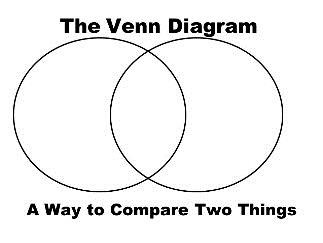
Formative Assessment: Venn Diagram – “My School vs. Adina’s School” Teacher divides the class into two groups. Each group uses a Venn diagram to compare Adina’s school and their own.
“she likes reading and writing”)
“We wear a uniform”)
For Ss with special needs: Work in groups with peers who provide verbal or visual support. |
|
Assessment Criteria:
difference-3
|
Worksheets Completing Charts |
|
|
Explanation of structure there is/there are Task 1. Look at the picture and make sentences with there is/ there are Task 2. Read the sentences and tick true or false |
Students make sentences expresses a personal opinion using short phrases or full sentences (e.g., “There is a board in the classroom”).
|
Descriptor: A learner:
|
|
|
|
Self-reflection. Asks questions: What new words did you learn? What can you say with “there is / there are”? Reflection game “Traffic light”. |
A |
|||
|
Homework |
Workbook: Activity 2 and 3. |
|
||

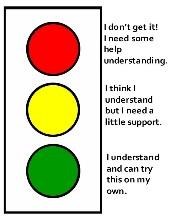 nswer, show
traffic light cards (green – clear, yellow – some difficulties, red
– difficult).
nswer, show
traffic light cards (green – clear, yellow – some difficulties, red
– difficult).

 Жүктеу


 Жүктеу
шағым қалдыра аласыз

 Бұл курс Қазақстан Республикасы Оқу-ағарту министрлігімен келісілген