ЖИ көмекші


жүктеу мүмкіндігіне ие боласыз
Бұл материал сайт қолданушысы жариялаған. Материалдың ішінде жазылған барлық ақпаратқа жауапкершілікті жариялаған қолданушы жауап береді. Ұстаз тілегі тек ақпаратты таратуға қолдау көрсетеді. Егер материал сіздің авторлық құқығыңызды бұзған болса немесе басқа да себептермен сайттан өшіру керек деп ойласаңыз осында жазыңыз
 20 Қазан 2020
 765
765
Ашық сабақ. "Changing seasons" 2 сынып
Short term plan
|
Unit of a long term plan.Unit 7.The natural environment |
School: №13 named after A. Navoi |
|||||||
|
Date: |
||||||||
|
CLASS: 2 |
Number present: |
absent: |
||||||
|
Lesson title |
Changing seasons |
|||||||
|
Learning objectives(s) that this lesson is contributing to (link to the Subject programme) |
2.L4 recognize with support short basic questions relating to features such as color and number 2.R3 read and follow with considerable support simple, words, phrases and sentences on familiar topics 2.UE9 use common present simple forms [positive, negative, question] and contractions to talk about what you want and like and habits and facts |
|||||||
|
Lesson objectives |
All learners will be able to:
Most learners will be able to: - identify different types of weather (rain, hot, wind, snow etc.) and make up sentences with support. - complete the activities correctly (more than 60%)
Some learners will be able to:
|
|||||||
|
Assessment criteria |
|
|||||||
|
Values links |
Common history, culture and language |
|||||||
|
Language objective |
By the end of the lesson learners will be able to -pronouns words and expressions about seasons -make sentences using can, can’t (affirmative, negative, interrogative) Key words and phrases: Swimming, flying kites, collectingleaves, Skiing Making snowman, Eating ice cream, Саn,can’t I can …, I can’t…, can I…? Useful classroom language for dialogue/writing: Discussion points: Can you say why…? Writing prompts: |
|||||||
|
Level of thinking skills |
knowledge, understanding, application |
|||||||
|
Cross-curricular links |
Geography, Kazakh, Uzbek |
|||||||
|
Previous learning |
|
|||||||
|
Plan |
||||||||
|
Planned timings |
Planned activities (replace the notes below with your planned activities) |
Resources |
||||||
|
Start 1-7min |
Greeting: By showing pictures, teacher says the name of the seasons and gives examples to it. And learners should repeat after teacher in order to remember the new words. There are a lot of pictures of “sun”” snowman”” leaf”” butterfly” on the teacher’s desk. Each pupil takes a card and says a word about weather and goes to belonging table. (There are 4 tables for 4 group). In this way, the children divide into four groups Teacher shows a video to identify new lessons theme. After watching the video teacher asks learners some questions to guess the new theme |
Appendix 1
Appendix 2
|
||||||
|
Middle 8-18min
19-25min
26-33minutes
30-37minutes |
New words Swimming - жүзу Flying kites -батпырауық Collecting leaves –жапырақ жинау Skiing – шаңғыда сырғанау Making snowman – аққала жасау Eating ice cream- балмұздақ жеу Саn -қабілеті болу cant - қабілеті болмау Task 1. Talk with your friend. work in pairs. Teacher explains what they are going to do. Learners, you are going to talk with your partner it’s a pair work. The first student asks questions And the second one answers the questions. Then they change their role. “A minute conversation”
Descriptor: A learner
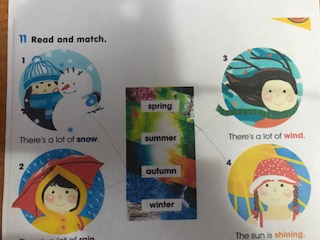
Task 2. Read and match. Students have to match the words with the pictures and read them Spring snow Summer rain Autumn wind Winter shining 5 steps. Let’s play a game.
Descriptor: A learner
Task 3
Descriptor A learner • answers the questions; • counts the months of the year; • names the colors. Task 4 Make up sentences with can and use affirmative and negative forms. You will take verbs and make up sentences by using the verb of “can” Example:
Descriptor: A leaner - makes up sentences with can (noun, verb) B. he can swim. He can’t swim. Can he swim? Descriptor: A leaner - makes up sentences with can (noun, verb) - makes up sentences with can (affirmative, negative,interrogative) C. he can swim like a fish. He can’t swim like a fish Can he swim like a fish? Descriptor: A leaner - makes up sentences with can (affirmative, negative,interrogative) - makes up sentences with can (noun, verb, adverb; affirmative, negative, interrogative ) |
Appendix 3
Appendix 4
Appendix 5 |
||||||
|
End 37-40minutes |
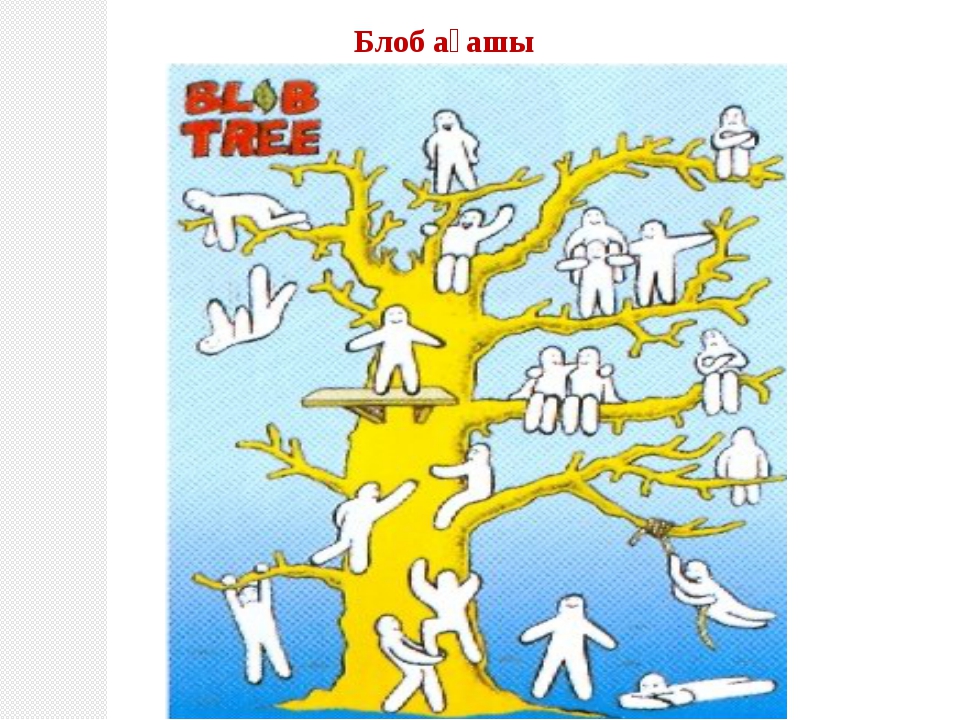
Home task Ex.5 Reflection: blob tree, During the lesson learners evaluate their level of knowledge through the blob tree. Teacher sends the blob tree for every learner in order to evaluate themselves. By sending the blob tree teacher clarifies the level of knowledge of every learner.
|
Appendix 6 |
||||||
|
Additional information |
||||||||
|
Differentiation – how do you plan to give more support? How do you plan to challenge the more able learners? |
Assessment – how are you planning to check learners’ learning? |
Health and safety check |
||||||
|
In order to identify the outcomes of learners differentiation tasks planned:
Differentiation by difficulty of task Differentiation by teacher’s support More support:-Provide less able learners with the translation of some new vocabulary. -Give struggling students one on one assistance with identifying the different body parts. -Often pictures, clichés, speaking prompts. |
Assessing by smiles According to the tasks learners assessed
|
Health saving technologies: Wearing warm clothes Using physical exercises and active activities: Learners show seasons by body language Rules from the Safety Rules book which can be applied in this lesson:
|
||||||
|
Reflection
Were the lesson objectives/learning objectives realistic? Did all the learners achieve the lesson objectives/ learning objectives? If not, why? Did my planned differentiation work well? Did I stick to timings? What changes did I make from my plan and why? |
Use the space below to reflect on your lesson. Answer the most relevant questions from the box on the left about your lesson. |
|||||||
|
|
||||||||
|
Summary evaluation What two things went really well (consider both teaching and learning)? 1: 2: What two things would have improved the lesson (consider both teaching and learning)? 1: 2: What have I learned from this lesson about the class or individuals that will inform my next lesson? |
||||||||
Appendix 1




Appendix
2
Appendix
3
-
What is your favorite season?
-
My favorite season is …
-
Why?
-
Because …
urite
Appendix 4
Appendix 5
Worksheet
Appendix 6

 Жүктеу


 Жүктеу
шағым қалдыра аласыз

 Бұл курс Қазақстан Республикасы Оқу-ағарту министрлігімен келісілген