
 ЖИ көмекші


жүктеу мүмкіндігіне ие боласыз
Бұл материал сайт қолданушысы жариялаған. Материалдың ішінде жазылған барлық ақпаратқа жауапкершілікті жариялаған қолданушы жауап береді. Ұстаз тілегі тек ақпаратты таратуға қолдау көрсетеді. Егер материал сіздің авторлық құқығыңызды бұзған болса немесе басқа да себептермен сайттан өшіру керек деп ойласаңыз осында жазыңыз
 07 Қаңтар 2019
 2289
2289
Ашық сабақ тақырыбы Animals 6 сынып
|
Unit of a long term plan: Unit 3 Our Countryside. |
School: №2 |
||||||
|
Date: 20.11.2018. |
Teacher's name: Balzhanova Nuraina |
||||||
|
CLASS: 6 |
Number present: |
absent: |
|||||
|
Lesson title |
CLIL. Natural science: Animals. |
||||||
|
Learning objectives(s) |
6.C10 use talk or writing as a means of reflecting on and exploring a range of perspectives on the world (Ex.1-3 p.41) 6.S7 use appropriate subject-specific vocabulary and syntax to talk about a range of general topics, and some curricular topics 6.S8 recount basic stories and events on a range of general and curricular topics ( describe vertebrates) 6.R1 understand the main points in texts on a growing range of unfamiliar general and curricular topics, including some extended texts |
||||||
|
Lesson objectives |
All learners will be able to:
Most learners will be able to:
Some learners will be able to:
|
||||||
|
Level of thinking |
Higher order thinking skills (according to the revised Bloom's taxonomy). |
||||||
|
Assessment criteria |
|
||||||
|
Target language |
vertebrates, scales, feathers, wings, lungs, fins, gills, backbone, reptile, mammals. |
||||||
|
Values links |
Responsibility, Global Citizenship. |
||||||
|
Cross-curricular links |
Natural Science, Social Science. |
||||||
|
Previous learning |
Vocabulary relating to people's activity and animal's life and actions |
||||||
|
Plan |
|||||||
|
Planned timings |
Planned activities (replace the notes below with your planned activities) |
Resources |
|||||
|
Beginning 5 min 2 min Middle 10 min 8min 7 min 6 min |
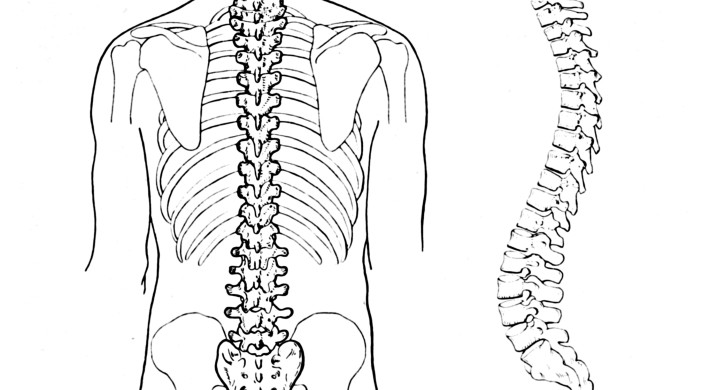
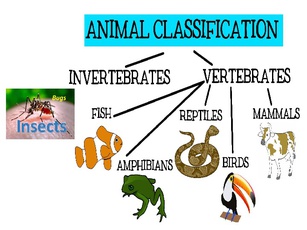
Warm-up Teacher greets the class and suggests playing the game to the learners. Teacher explains the rules for this game. Game “Back to Blackboard” Rules: T: One pupil stands back to the picture of an animal. Teacher shows the animals from interactive board. Classmates should not name the animal; Classmates can give some associations. Pupil should guess the name of animal. Pupils: They are big. They live in the forest. They sleep in the winter. P1: Bear. Teacher: Yes, well done! Pupils: They have long nose and big ears. P2: Elephant! Teacher: Is she right? Pupils: Yes, she is right. Teacher: Excellent. Pupils: They can fly. They have different colors. They can talk. P3: Parrot. Teacher: You are clever boy! Pupils: They haven’t legs. They have long tongue. P4: Snake. Teacher: Great! Brainstorming T: Tongue twister help you to enrich your speaking. A big black bug Bit a big black dog On his big black nose. Teacher says each learners EXCELLENT. The teacher will introduce the objectives of the lesson. Teacher informs that they are going to speak about different types of vertebrates. T: All animals are divided into two main groups. Vertebrates and Invertebrates. Today we can talk about only vertebrates. Vertebrates is an animal that has a backbone. We have a bacлbone.We are vertebrates. We can feel your spine going all the way up your and through your neck.
Animals are classified into 5 different groups.
Teacher shows the video of Dr.Binocs. And then teacher divide pupils into two groups with sweets. New words from Ex 1 p41. Teacher reads the new words. Pupils will repeat after teacher. NEW WORDS T:feathers scales legs hair wings lungs fins backbones gills PYRAMID DISCUSSION Teacher: What about this video? What is it mean vertebrate? How many groups of vertebrates do you know? Pupils: This video is about vertebrate animals. Vertebrates have got a backbone. Vertebrates divided into 5 groups. Mammals Reptiles Fish Bird Amphibians Task 1.Build the text. Working with text. Ex. 1 p.41Read and listen. T: First you will listen to the text. Check your answers in exercise 1. P1: fins P2: lungs P3: feathers P4: legs P5: hair Fill in a necessary word and take one vertebrate from the pictures. And give descriptions. Descriptor: 1 Pupils known information about vertebrate animals. 2 They can used the new words Task 2 Poster. Make description. Group 1:
Warm blooded
Haven’t got gills 
Have got lungs   Mammals
Have got hair Have got 4 legs   Teacher assess the pupils with signal cards. Group2:
Live on the land
Lungs and scales 
Not gills   Reptiles
Not fins and hair Cold-blooded   Teacher assess the pupils with sweets.. Descriptor: 1 Pupils gave their own thinking. 2 They can classified animals. Spectrum of values. Ex 2 p 41 Teacher gives to pupils answers to the questions. Pupils should find appropriate questions. And pupils should give analyze to their answers. Pupil of first group gives answer to second group. If pupil of second group find the question right the first group will give sweet. Group 1 fish Group2: Which type of animal doesn’t live on land? Group2: fish and reptiles. Group 1Which types of animals have got scales? Group 1: mammals Which type of animal has got hair? Pupils assess themselves with sweets. Descriptor:1Pupils can built questions for answer. 2Pupils can gave some information. Words of bank. Teacher gives a bank inside some words. Pupils should find the words related to the theme. P: vertebrates, scales, feathers, wings, lungs, fins, gills, backbone, reptile, mammals. Teacher assess the pupils with smiles. Descriptor: 1Pupils found the new words very fast. 2 Pupils spoke the new words correctly |
Whiteboard Whiteboard Video Vertebrates | The Dr. Binocs Show | Educational Videos For Kids Poster Box with sweets Worksheets |
|||||
|
End 2min |
Home task. Presentation "Television broadcasting about animals" FEEDBACK: Teacher asks learners to give a feedback using butterfly to the lesson. Red: I don’t understand Yellow: I have some questions Green: Everything is clear |
Slide (Homework) |
|||||
|
Additional information |
|||||||
|
Differentiation – how do you plan to give more support? How do you plan to challenge the more able learners? |
Assessment – how are you planning to check learners’ learning? |
Health and safety check |
|||||
|
Differentiation can be achieved through content (Based on the theory of Multiple Intelligences different tasks are used with the same text). By support: Less able learners will be supported through step-be-step instructions, glossaries, thinking time. By task: For more able learners additional leveled tasks are offered. |
Assessment criteria:
Descriptors: A learner
Teacher's observation using observation checklist (Appendix 2 - reference to the resource "Literature Circle Role Sheets" by Christine Boardman Moen. p.28) and monitoring. Self-assessment. |
Health saving technologies. Pupils learned assess each other. During the pupils were very active. I developed pupils thinking skills through using these method. |
|||||



 Жүктеу


 Жүктеу
шағым қалдыра аласыз

 Бұл курс Қазақстан Республикасы Оқу-ағарту министрлігімен келісілген










