
 ЖИ көмекші


жүктеу мүмкіндігіне ие боласыз
Бұл материал сайт қолданушысы жариялаған. Материалдың ішінде жазылған барлық ақпаратқа жауапкершілікті жариялаған қолданушы жауап береді. Ұстаз тілегі тек ақпаратты таратуға қолдау көрсетеді. Егер материал сіздің авторлық құқығыңызды бұзған болса немесе басқа да себептермен сайттан өшіру керек деп ойласаңыз осында жазыңыз
 05 Қаңтар 2019
 3456
3456
Ашық сабақ "“Transport”" 6-сынып
|
Unit of a long term plan Unit 9 |
School: |
|
|||||||||||||||||||||||
|
Date: |
Teacher name: |
|
|||||||||||||||||||||||
|
Grade 6 |
Number present: |
Number absent: |
|
||||||||||||||||||||||
|
Lesson tittle: |
|
|
|||||||||||||||||||||||
|
Learning objectivesthat this lesson is contributing to (link to the Subjectprogramme) |
6.С9 Use imagination to express thoughts ,ideas, experiences and feelings. 6.S7use appropriate subject-specific vocabulary and syntax to talk about a limited range of general topics and some curricular topics. 6.L3 understand more complex supported questions on a growing range of general and curricular topics. 6.UE3 use common participles as adjectives and order adjectives correctly in front of nouns on a growing range of familiar general and curricular topics. |
|
|||||||||||||||||||||||
|
Lesson objectives |
All learners will be able tounderstand the main ideas of the dialogues in the videos, ask and answer the questions Most learners will be able totalk about ways of travelling and types of transport. Some learners will be able to Create their own dialogues based on the given examples without support and act. |
|
|||||||||||||||||||||||
|
Assessment criteria |
|
|
|||||||||||||||||||||||
|
Language objectives |
Learners can talk about kinds of transport. |
|
|||||||||||||||||||||||
|
Value links |
Economic growth based on industrialization and innovation. |
|
|||||||||||||||||||||||
|
Cross curricular link |
Geography,Kazakh/Russian, Physics |
|
|||||||||||||||||||||||
|
Previous learning |
Learners will have prior knowledge of some of the vocabulary associated with neighborhood. |
|
|||||||||||||||||||||||
|
Plan |
|
||||||||||||||||||||||||
|
Planned timings |
Planned activities (replace the notes below with your planned activities) |
Resources |
|||||||||||||||||||||||
|
Start 10 min
|
Organization moment: a)Greeting; b)Duty’s report Warm-up: a) Listen to the song and tryto pronounce sounds; b) Answer the questions: What sounds can make the train?(the bus, the plain, the car, the ship). BRAINSTORMING STRATEGY: c)Answering the questions learners name the theme of the lesson. Dividing into three groups: Choose the picture, name it and find the group. |
Sounds song, an active board, pictures Oral comments |
|||||||||||||||||||||||
|
Middle 5 min 5 min 5 min 5 min End 10 min |
(W)Presentation:Learners watch the video about Transport. Task1 (G)PRACTICE: TPR APPROACH: Learners from each group take pictures and show to other group. Take the card, name the kind of transport using gestures. (Teacher checks learners understanding through formative assessment- smiles) .
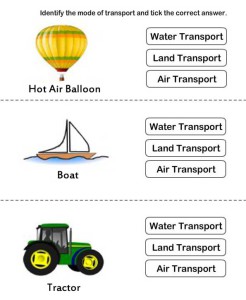
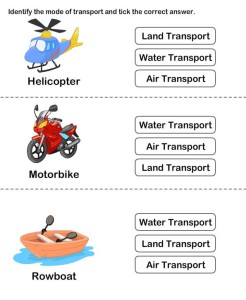
Task 2 They should match the words with the opposite meanings. Cheap-expensive ;comfortable –uncomfortable; convenient- inconvenient; dangerous -safe; fast –slow. Task 3 PREVIEW APPROACH Listening Students listen to the dialogues and choose an appropriate place where the conversation is being held. Task 4 Complete the sentences with the appropriate words. Use only one word in each gap: roadworks, off , underground, pedestrian, helicopter
* * * Complete the text below. Use one word for each gap: take off, a motorbike, trips, an accident, carriages, flight, traffics jam, check, passenger, get to
Group assessment sheet
(I) Conclusion. Basketball strategy. Move questions between learners. 1. Which transportation do you prefer-air,sea or board? 2. What type transport do you think we will see in the future ? 3. Do you like travelling by aeroplane? 4. What do you think is the most dangerous form of transportation? 5.What is your favourite kind of car ?Why? 6.Do you like riding a bicycle? Descriptor: a learner asks and answers the questions. Feedback: “Two stars and one wish”. Let’s conclude our lesson. Take the stickers and answer of the following question: how did you feel at the lesson? What was difficult and easy for you. Assessment: After every activity teacher gives smiles, give oral comments |
Video Transportation soundhttps://www.youtube.com/watch?v=-CilXCFVwBg
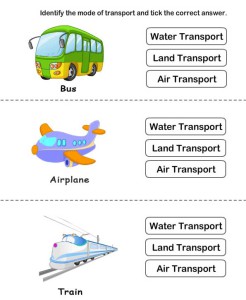
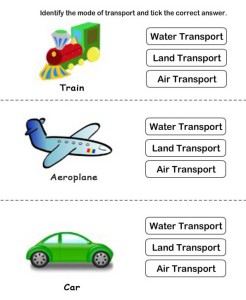
Presentation. Oral comments Work sheets, smiles http://www.linguahouse.com/worksheet/transport Work sheet Magic box Stickers |
|||||||||||||||||||||||
|
|
|
Cards |
|
||||||||||||||||||||||
|
Reflection |
“Traffic
light” T- Everyone of you has three colored circles like traffic lights. At the end of the lesson you should show me how well you understand the tasks. Green- no problems. All is clear. Yellow- I have some problems. Explain me again. Red- I don’t understand the task. I need one’s help. |
||||||||||||||||||||||||
|
Additional information |
|
||||||||||||||||||||||||
|
Differentiation – how do you plan to give more support? How do you plan to challenge themoreablelearners? |
Assessment – how are you planning to check learners’ learning? |
Cross curricular links Health and safety check, ICT links, Value links |
|
||||||||||||||||||||||
|
By asking questions, with the help of the different tasks |
With the help of scores on stickers |
Geography,Kazakh/Russian,Physics. |
|||||||||||||||||||||||
|
Reflection Were the lesson objectives/learning objectives realistic? What did the learners learn today? What was the learning atmosphere like? Did my planned differentiation work well? Did I stick to timings? What changes did I make from my plan and why. |
I think my objectives are realistic because I see the results. I could link the previous lesson with today’s lesson. I could link learning objectives with lesson objectives. The learners do the tasks according their abilities. All learners learn some words, name the kinds of transport; ask and answer the questions using familiar words; Most learners read and write out key words, make up claster. Some learners retell the text using key words.They pay attention for their grammar: Predict the story using new lexic and grammar structure, express opinions and solve problems. It helps todevelop learners’creativity and critical thinking skills. These tasks could involve the learners in teaching process, help to develop learners’ listening, reading, speaking and writing skills. According Bloom’s taxonomy there are some levels of thinking skills: Knowledge, Understanding, Application, Analysis and Creativity. |
||||||||||||||||||||||||


 Жүктеу


 Жүктеу
шағым қалдыра аласыз

 Бұл курс Қазақстан Республикасы Оқу-ағарту министрлігімен келісілген










