
 ЖИ көмекші


 Қауіпсіз төлем

жүктеу мүмкіндігіне ие боласыз
Бұл материал сайт қолданушысы жариялаған. Материалдың ішінде жазылған барлық ақпаратқа жауапкершілікті жариялаған қолданушы жауап береді. Ұстаз тілегі тек ақпаратты таратуға қолдау көрсетеді. Егер материал сіздің авторлық құқығыңызды бұзған болса немесе басқа да себептермен сайттан өшіру керек деп ойласаңыз осында жазыңыз
 07 Желтоқсан 2024
 381
381
1 жыл бойы шексіз жүктеңіз
Авторская программа В мире грамматики
Алматинская область Енбекшиказахский район г. Есик
КГУ "Средняя школа №4 имени Абылай хана" ГУ "
Отдел образования по Енбекшиказахскому району Управленияобразования Алматинской области"
Учитель английского языка
Мамедова Елена Рудольфовна

Авторская программа
В мире грамматики
11 класс
Алматы 2024 год

Алматинская область Енбекшиказахский район г. Есик
КГУ "Средняя школа №4 имени Абылай хана" ГУ "
Отдел образования по Енбекшиказахскому району Управленияобразования Алматинской области"
Учитель английского языка
Мамедова Елена Рудольфовна
– Алматы: редакция «Білім әлемі», 2024. – 93 стр.
Комментаторы:
Преподаватель Казахского национального женского педагогиче- ского университета, к. п. н., и. о. ассоциированного профессора
Карсыбаева Раиса Канабековна
Кандидат кафедры «Педагогика и психология» Казахского государ- ственного женского педагогического университета
Текесбаева Анар
ISBN 978 - 601 - 341 - 501 – 14
Предлагаемый учебник, несомненно, является новаторским и требованием к преподавателю-новатору в области образования, отвечающему современным требованиям. Главная задача перед преподавателем - формирование образованной, компетентной, конкурентоспособной личности, которая, постоянно совершенствуя методы и приемы обучения и осваивая новые педагогические технологии, создает светлое будущее нашей страны.
Освоение новых технологий благотворно влияет на формирование профессионального, духовного, гражданского и многих других человеческих качеств учителя, способствует саморазвитию и эффективной организации учебного процесса. На сегодняшний день, с применением инновационных методов и информационных технологий, Основной целью является повышение интеллекта, заинтересованности, активизации учащихся.
© Мамедова Елена Рудольфовна
© ИП «Білім әлемі»
Пояснительная записка
Курс «В мире грамматики» предназначен для учащихся старшей ступени обучения общеобразовательных школ в системе дополнительного школьного образования. Курс рассчитан для учащихся 11 классов, планирующих сдавать экзамен по английскому языку.
Программа определяет основную цель обучения английскому языку - развитие способностей школьников использовать иностранный язык в виде инструмента общения в диалоге культур современного мира. При этом объем знаний и умений по иностранному языку сориентирован на общеевропейский стандарт, в соответствии с которым выпускники школ смогут сдать экзамен международного образца FCE. Этот экзамен, так же как и ЕНТ, предполагает довольно обширные знания по английскому языку, а также умения и навыки аудирования, чтения, говорения и письма, систематические основы которых закладываются именно на среднем этапе обучения.
Актуальность данного курса в том, что учащиеся будут готовиться к экзамену, согласно заявленному формату, где оценивается два вида речевой деятельности, один из которых знания грамматического и лексического материала. В процессе обучения по данному курсу учащиеся ознакомятся с форматом экзаменационных заданий и будут практиковаться в их выполнении. Необходимость курса заключается в том, что его изучение поможет ученику оценить свой потенциал с точки зрения образовательной перспективы.
Данный курс способствует индивидуализации процесса обучения. Он ориентирован на удовлетворение потребностей обучающихся в изучении английского языка, способствует развитию познавательной активности обучающихся. Курс расширяет и углубляет знания по английскому языку, сохраняет интерес, осознание необходимости его дальнейшего изучения для будущей профессии, повышает мотивацию.
Изучение курса рассчитано на 34 учебных часа в 11 классе.
Отличительные особенности курса и принципы отбора материала:
- новизна
Учащиеся продуктивно овладевают грамматическими явлениями, которые ранее были усвоены рецептивно. Осуществляется развитие профессионально-ориентированных умений письменного перевода текстов с иностранного языка на русский с углубленным изучением английской грамматики.
- доступность
Степень сложности упражнений и тестов определяется уровнем владения учащимися основами грамматики и соответствующим объёмом лексического материала.
- преемственность
Материал логично расширяется и углубляется из языковых курсов, построенных по программе базисного учебного плана для общеобразовательной школы. С одной стороны, повторяются и восполняются пробелы в базовой подготовке, с другой, происходит расширение знаний учащихся путём ознакомления с особенностями английской грамматики, не изучавшейся в базисном курсе.
- научность
Данный курс основан на творческом и научном подходе к информации, содержащейся в нём. Материалы используемого пособия разработаны в соответствии с нормативными документами, определяющими содержание и порядок проведения государственного экзамена по иностранному языку.
- аутентичность
Несомненным достоинством данного курса является использование аутентичных материалов по грамматике, взятых из англоязычных источников. Таким образом, реализована идея о необходимости и возможности для обучаемых изучать язык на образцах оригинального языка, а не на адаптированных, русифицированных текстах, создающих ложный образ английского языка, который надо в дальнейшем преодолевать.
- межпредметные связи
Содержание элективного курса тесно связано с такими предметами как русский язык (формируется лингвистическое отношение к слову, культура речевого поведения, развиваются умения, связанные с общекоммуникативными и мыслительными процессами) и математика (развивается логическое и образное мышление, понятие времени, умение сравнивать, обобщать, систематизировать).
Программа элективного курса содержит знания, виды деятельности, вызывающие интерес учащихся и представляющие ценность для их личностного развития и социализации в дальнейшей жизни. Таким образом, предлагаемый курс соответствует концепции, целям и задачам профильного обучения и позволяет реализовать его идеи на практике.
Основная цель данного курса: подготовка учащихся для успешной сдачи экзаменов.
Основная образовательная задача курса определяется, с одной стороны, требованиями стандарта по иностранным языкам, а с другой стороны, необходимостью специализированной подготовки к сдаче экзаменов по иностранным языкам.
Отличительной особенностью предлагаемого курса является разнообразие практических работ для закрепления полученных знаний и формирования навыков и умений, необходимых для успешной сдачи экзамена. Программа предусматривает установление степени достижения итоговых результатов через систему контроля в форме тестирования учащихся.
Данный курс способствует индивидуализации процесса обучения. Он ориентирован на удовлетворение потребностей обучающихся в изучении английского языка, способствует развитию познавательной активности обучающихся. Курс расширяет и углубляет знания по английскому языку, сохраняет интерес, осознание необходимости его дальнейшего изучения для будущей профессии, повышает мотивацию.
Требования к результатам изучения курса
По окончании курса учащиеся должны знать:
Лексику по предложенным темам элективного курса в объеме 1600-2000 единиц. Имя существительное, имя прилагательное, наречия, видовременные формы английских глаголов в действительном и страдательном залогах, условные предложения I,II,III и смешанного типов, правила перевода прямой речи в косвенную, правила образования утвердительных вопросительных и отрицательных предложений, модальные глаголы, инфинитив, герундий, причастие, неправильные глаголы, фразовые глаголы, основные подходы и приемы выполнения экзаменационных заданий.
Учащиеся должны уметь:
находить и анализировать примеры грамматических явлений английского языка;
работать с различными видами тестов - тесты на выбор, на подстановку, на поиск ошибок, на выбор по критерию истинный, ложный, выбор правильного слова или фразы из двух вариантов, постановка глаголов в предложениях в правильной форме, выбор наречия времени для заполнения пропусков в предложениях, соотнесение двух частей в предложении, поиск грамматических ошибок в строке, изменение предложения с использованием синонимов, словообразования, фразовых глаголов
Методические рекомендации
Данный курс предполагает, что учитель хорошо знаком с форматом экзамена, требованиями к выполнению заданий и критериями их оценки.
Рекомендуется активно использовать в работе имеющийся опыт и знания учащихся, предоставлять им возможность самим проанализировать качество выполнения заданий. Необходимо также уделять внимание определенным экзаменационным стратегиям, позволяющим учащимся решать поставленную перед ними задачу в случае возникновения трудности.
Курс может быть расширен за счет привлечения дополнительного материала для проведения тренингов или сокращен за счет уменьшения времени на объяснение лексико-грамматического материала при хорошей подготовке учащихся. Возможно, предложить учащимся дополнительные тренировочные задания для самостоятельной работы дома, при условии, что это для них не будет большой перегрузкой
Календарный план
11 класс
|
№ |
Темы |
Количество часов |
Дата |
|
1 |
Vocabulary: Meeting new people Grammar: Present tenses overview |
1 |
|
|
2 |
Vocabulary: Family and relationships Grammar: Past tenses review |
1 |
|
|
3 |
Vocabulary: Family and relationships Grammar: “Used to” and “ would” |
1 |
|
|
4 |
Vocabulary: Studying Grammar: The present for future events |
1 |
|
|
5 |
Vocabulary: Studying Grammar: Future review |
1 |
|
|
6 |
Vocabulary: Studying Grammar: The passive |
1 |
|
|
7 |
Vocabulary: Working Grammar: The passive with modals and other passive constructions |
1 |
|
|
8 |
Vocabulary: Working Grammar: Phrasal verbs |
1 |
|
|
9 |
Vocabulary: Working Grammar: Wishes and regrets |
1 |
|
|
10 |
Vocabulary: Working Grammar: Subjunctive mood |
1 |
|
|
11 |
Vocabulary: Meeting and presenting Grammar: Forming questions, types of questions |
1 |
|
|
12 |
Vocabulary: Meeting and presenting Grammar: Reported speech |
1 |
|
|
13 |
Vocabulary: Meeting and presenting Grammar: Reported speech |
1 |
|
|
14 |
Vocabulary: Environmental concerns Grammar: Types of verbs, action and state verbs |
1 |
|
|
15 |
Vocabulary: Environmental concerns Grammar: Infinitives and participles |
1 |
|
|
16 |
Vocabulary: Environmental concerns Grammar: Conditional sentences |
1 |
|
|
17 |
Vocabulary: Tradition and superstition Grammar: Modal verbs |
1 |
|
|
18 |
Vocabulary: Tradition and superstition Grammar: Complex object |
1 |
|
|
19 |
Vocabulary: Tradition and superstition Grammar: Complex subject |
1 |
|
|
20 |
Vocabulary: Media and celebrity Grammar: Articles review |
1 |
|
|
21 |
Vocabulary: Media and celebrity Grammar: Either / neither / both |
1 |
|
|
22 |
Vocabulary: Media and celebrity Grammar: Nouns overview |
1 |
|
|
23 |
Vocabulary: Crime and the law Grammar: Pronouns overview |
1 |
|
|
24 |
Vocabulary: Crime and the law Grammar: Numbers |
1 |
|
|
25 |
Vocabulary: Crime and the law Grammar: Quantity |
1 |
|
|
26 |
Vocabulary: Customs and cultures Grammar: Relative clauses: defining and non-defining |
1 |
|
|
27 |
Vocabulary: Customs and cultures Grammar: There is/There are |
1 |
|
|
28 |
Vocabulary: Customs and cultures Grammar: Ellipsis |
1 |
|
|
29 |
Vocabulary: Customs and cultures Grammar: Inversion |
1 |
|
|
30 |
Vocabulary: Technology and the future Grammar: Adjectives, gradable and non-gradable adjectives |
1 |
|
|
31 |
Vocabulary: Technology and the future Grammar: Comparative and superlative adjectives |
1 |
|
|
32 |
Vocabulary: Art and culture Grammar: Adverbs review |
1 |
|
|
33 |
Vocabulary: Art and culture Grammar: Prepositions review |
1 |
|
|
34 |
Vocabulary: Art and culture Grammar: Suffixes and prefixes |
1 |
|
|
LESSON 1 |
School: |
||||||
|
Date: |
Teacher name: |
||||||
|
Grade: 11 |
Number present: |
Number absent: |
|||||
|
Theme of the lesson: |
Vocabulary: Meeting new people Grammar: Present tenses overview |
||||||
|
Learning objectives |
11.3.3 Explain and justify their own point of view on a range of general and curricular topics 11.5.1 Plan, write, edit and proofread work at a text level with little or no support on a range of general and curricular topics 11.5.6 write coherently at a text level using a variety of connectors on a growing range of general and curricular topics 11.5.7 Use independently an appropriate layout on a growing range of general and curricular topics |
||||||
|
Lesson objectives |
All learners will be able to: students will be able to use present tenses (Present Simple, Present Continuous) to describe themselves and ask/answer questions when meeting new people. |
||||||
|
Plan |
|||||||
|
Planned timings |
Planned activities |
Learners’ activities |
Evaluation |
Resources |
|||
|
Begining 5 min |
GREETINGS 1. Warm-Up Objective: Set the context and activate prior knowledge. Activity: Brainstorm phrases commonly used when meeting someone for the first time. T writes: "What do you say when you meet someone new?" Transition: Introduce the lesson focus on meeting people and using present tenses. |
Greeting Students share ideas (e.g., "Hi, my name is...", "Where are you from?"). |
|
|
|||
|
Middle 35 min |
1. Objective: Teach/review the use of Present Simple and Present Continuous in the context of meeting people. Present Simple: Use for general facts, habits, routines. Example sentences: "I live in Paris." "I work as a teacher." Present Continuous: Use for actions happening right now or temporary situations. Example sentences: "I am visiting London this week." "I am learning English." 2. Practice Examples: T asks: “What tense is this?” and elicits the rules. Interactive Example: T: “I am teaching now. What are you doing now?” Students answer using Present Continuous. 3. Controlled Practice Objective: Practice the target grammar in a structured format. Individual Task: Fill in the blanks with the correct form of the verb (Present Simple or Present Continuous): 1. She _______ (work) in a bank. 2. They _______ (learn) Spanish this month. 3. I _______ (come) from Italy. Pair Work: (Role-play) Partner A: Pretend to be meeting someone for the first time. Partner B: Respond using prompts: Name, job, city, what you're doing today. Example: A: "Hi, I’m Sarah. Where are you from?" B: "I’m from Spain. I’m living in London now." 4. Free Practice Objective: Apply the target language in a real-world context. Pair Work: Scenario: You’re at a party, and you meet someone new. Each student asks/answers 3-4 questions about hobbies, job, or travel plans. Use both Present Simple and Present Continuous. |
Students review the use of Present Simple and Present Continuous in the context of meeting people. Students practice the target grammar in a structured format. |
Verbal evaluation
Mutual evaluation |
PPT Video Cards |
|||
|
End 5 min |
REFLECTION The class comes back to lesson objectives and discusses what they have achieved and what has left. Saying goodbye |
|
|
|
|||
|
LESSON 2 |
School: |
||||||
|
Date: |
Teacher name: |
||||||
|
Grade: 11 |
Number present: |
Number absent: |
|||||
|
Theme of the lesson: |
Vocabulary: Family and relationships Grammar: Past tenses review |
||||||
|
Learning objectives |
11.2.6 - deduce meaning from context in unsupported extended talk on a wide range of general and curricular topics, including talk on a limited range of unfamiliar topics; 11.4.5- deduce meaning from context in extended texts on a wide range of familiar general and curricular topics, and some unfamiliar topics; |
||||||
|
Lesson objectives |
All learners will be able to: students will be able to use present tenses (Present Simple, Present Continuous) to describe themselves and ask/answer questions when meeting new people. |
||||||
|
Plan |
|||||||
|
Planned timings |
Planned activities . |
Learners’ activities |
Evaluation |
Resources |
|||
|
Begining 5 min |
GREETINGS Warm-Up Objective: Activate prior knowledge and introduce the topic. Activity: T writes on the board: "Think about a special family event or a fun memory with friends. What happened?" Transition: Explain that today’s lesson will focus on describing family and relationship memories using past tenses. |
Greeting Students share one or two-word answers (e.g., wedding, holiday, birthday). |
|
|
|||
|
Middle 35 min |
1. Presentation Objective: Teach/review the use of Past Simple and Past Continuous in the context of family and relationships. Past Simple: Use for completed actions in the past. Example: "I visited my grandparents last weekend." "We had a family dinner." Past Continuous: Use for actions in progress at a specific time in the past or to set the scene. Example: "I was talking to my sister when the phone rang." "At 7 PM, we were having dinner together." Interactive Example: T asks: “What’s the difference?” using: "I met my cousin yesterday." (Past Simple) "I was meeting my cousin when it started raining." (Past Continuous) 2. Controlled Practice Objective: Practice the target grammar in a structured format. Individual Task: Fill in the blanks with the correct form of the verb: My parents _______ (get) married in 1990. I _______ (talk) to my brother when he suddenly _______ (shout). We _______ (play) in the garden while my mom _______ (cook) dinner. Pair Work: (Role-play) Partner A: Share a story about a past family event. Partner B: Ask follow-up questions using past tenses. Example: A: "Last year, we celebrated my grandparents’ anniversary." B: "Who was there? What were you doing during the party?" 3. Free Practice Objective: Use past tenses in a real-world context. Pair Work: Share a memory about a family gathering or a fun time with friends. Include details about: What happened (Past Simple). What people were doing at a specific moment (Past Continuous). Example: "At my cousin’s wedding, I danced a lot. While we were dancing, my little brother fell asleep on a chair!" Teacher’s Role: Monitor conversations and provide feedback on grammar use. |
Review the use of Past Simple and Past Continuous in the context of family and relationships. St practice the target grammar in a structured format. St share a story about a past family event St use past tenses in a real-world context |
Verbal evaluation Individual evaluation Mutual evaluation |
PPT Video Cards |
|||
|
End 5 min |
REFLECTION You may ask students any of the followings: Tell an English word you learned and what it means? Describe a mistake you made and what learned from it? Explain how you challenged yourself today? Tell about something you noticed today? Saying goodbye |
|
|
|
|||
|
LESSON 3 |
School: |
||||||
|
Date: |
Teacher name: |
||||||
|
Grade: 11 |
Number present: |
Number absent: |
|||||
|
Theme of the lesson: |
Vocabulary: Family and relationships Grammar: “Used to” and “would” |
||||||
|
Learning objectives |
11.2.2 understand specific information in unsupported extended talk on a wide range of general and curricular topics, including talk on a limited range of unfamiliar topics 11.2.1 understand the main points in unsupported extended talk on a wide range of general and curricular topics, including talk on a limited range of unfamiliar topics 11.3.3 explain and justify their own and others’ point of view on a range of general and curricular topics |
||||||
|
Lesson objectives |
All learners will be able to: students will be able to use "used to" and "would" to talk about past habits and routines in the context of family and relationships. |
||||||
|
Plan |
|||||||
|
Planned timings |
Planned activities . |
Learners’ activities |
Evaluation |
Resources |
|||
|
Begining 5 min |
GREETINGS Warm-Up Objective: Activate prior knowledge and introduce the topic. Activity: Show a picture of a family gathering from the past (e.g., a black-and-white photo of a family picnic or celebration). Ask: "What do you think these people used to do together?" Encourage students to share quick ideas. Transition: Introduce the lesson focus on describing past family habits and routines using "used to" and "would." |
Greeting Students do the instructions |
|
|
|||
|
Middle 35 min |
1. Presentation Objective: Teach/review the use of "used to" and "would." "Used to": Use for past habits, states, or situations that no longer happen. Example: "We used to visit my grandparents every summer." "I didn’t use to like vegetables." "Would": Use for repeated past actions (but not states). Example: "My dad would always tell us bedtime stories." Interactive Examples: Show a short video clip of a family scene from the past Pause the video and ask: "What did they use to do?" "What would they do every weekend?" 2. Controlled Practice Objective: Practice the target grammar in a structured format. Individual Task: Complete the sentences with "used to" or "would": We _______ (play) board games after dinner when I was a child. My grandmother _______ (tell) us stories about her childhood. I _______ (not get) along with my brother when we were younger. Pair Work: Show pictures of family scenes (e.g., a picnic, playing games, holiday dinner). Partner A: Describe what people "used to" or "would" do in the picture. Partner B: Ask follow-up questions. Example: A: "They used to play in the park every weekend." B: "Did they always play football?" 3. Free Practice Objective: Use "used to" and "would" in real-world contexts. Pair Work: Share memories of your family when you were younger. Use prompts like: What games did you play? What traditions did you have? Who used to do something funny? Example Dialogue: A: "My family used to have big Sunday dinners." B: "What would you eat?" A: "We would always have roast chicken and potatoes." Teacher’s Role: Monitor conversations, provide corrections, and encourage elaboration. |
Students review the use of "used to" and "would." St practice the target grammar in a structured format. St describe what people "used to" or "would" do in the picture. |
Verbal evaluation
Verbal evaluation
Verbal evaluation
|
PPT Cards Pics |
|||
|
End 5 min |
Reflection: “3-3-1” 3 sentences to reflect on the lesson 3 adjectives to describe the lesson 1 word about the lesson Saying goodbye |
|
|
|
|||
|
LESSON 4 |
School: |
||||||
|
Date: |
Teacher name: |
||||||
|
Grade: 11 |
Number present: |
Number absent: |
|||||
|
Theme of the lesson: |
Vocabulary: Studying Grammar: The present for future events |
||||||
|
Learning objectives |
11.3.3- explain and justify own and others’ point of view on a wide range of general and curricular topics; 10.4.8 - use a wide range of familiar and unfamiliar paper and digital reference resources to check meaning and extend understanding; 11.5.1- plan, write, edit and proofread work at text level independently on a range of general and curricular topics; 11.5.2 - use a growing range of vocabulary, which is appropriate to topic and genre, and which is spelt accurately; |
||||||
|
Lesson objectives |
All learners will be able to: Understand the use of Present Simple and Present Continuous for future events. Apply the rules to real-life contexts. Engage with the topic through interactive and collaborative activities. |
||||||
|
Plan |
|||||||
|
Planned timings |
Planned activities . |
Learners’ activities |
Evaluation |
Resources |
|||
|
Begining 5 min |
GREETINGS The teacher sets the lesson objectives, letting students know what to anticipate from the lesson. Warm-Up Activity: "What’s on Your Calendar?" Show a short video of people discussing their plans (use an app like Edpuzzle for interactive questions). Ask students: What are they talking about? How do they describe their plans? |
Greeting Free talk |
Individual еvaluation |
|
|||
|
Middle 35min |
1. Presentation Focus on Grammar Rules: Present Simple for schedules (e.g., The train leaves at 6 PM.) Present Continuous for arrangements (e.g., I’m meeting my friend tomorrow.) Interactive Activity: Use the app Kahoot to quiz students on the difference between Present Simple and Present Continuous with fun, competitive questions. 2. Practice Individual Work Task: Use an app like Google Jamboard. Provide incomplete sentences for students to complete: The movie ___ (start) at 7 PM. We ___ (have) lunch with Sarah on Sunday. Pair Work Task: "Plan a Weekend" Each pair creates a mock weekend schedule using Present Simple and Present Continuous. Use the app Padlet to share their plans. Group Work: Task: "Event Planner Game" Groups role-play as event planners. Each group must schedule a day (e.g., a birthday party) using both tenses. They present their schedule briefly. 3. Production Game: "Grammar Race" Use a game app like Quizlet Live. Students race to correctly match sentences with Present Simple or Present Continuous. |
Students find the difference between Present Simple and Present Continuous with fun, competitive questions St create a mock weekend schedule using Present Simple and Present Continuous. Groups role-play as event planners. Each group must schedule a day |
Verbal evaluation
Verbal evaluation
Verbal evaluation |
Kahoot PPT Google Jamboard |
|||
|
End 5 min |
REFLECTION At the end of the lesson, learners reflect on their learning: Learners list 3 things they found out/learnt on the lesson. Saying goodbye |
|
|
|
|||
|
LESSON 5 |
School: |
||||||||||
|
Date: |
Teacher name: |
||||||||||
|
Grade: 11 |
Number present: |
Number absent: |
|||||||||
|
Theme of the lesson: |
Vocabulary: Studying Grammar: Future review |
||||||||||
|
Learning objectives |
11.5.2 - use a growing range of vocabulary, which is appropriate to topic and genre, and which is spelt accurately; 11.5.6 - write coherently at text level using a variety of connectors on a range of familiar general and curricular topics; 11.5.7 - use independently appropriate layout at text level on a range of general and curricular topics; |
||||||||||
|
Lesson objectives |
All learners will be able to: Understand the usage of different future tenses. Practice constructing sentences and dialogues using future tenses. Engage with the topic through collaborative and interactive tasks. |
||||||||||
|
Plan |
|||||||||||
|
Planned timings |
Planned activities |
Learners’ activities |
Evaluation |
Resources |
|||||||
|
Begining 5 min |
GREETINGS Warm-Up Activity: "Predict the Future" Show a short video (e.g., people making plans or predictions about the future). Use an app like Edpuzzle to pause and ask: What tense are they using? What do you think will happen next? |
Greeting Students play Edpuzzle |
Verbal evaluation |
PPT |
|||||||
|
Middle 35 min |
1. Presentation Explain the Rules: Future Simple (I will visit Paris next year) - for promises, decisions made at the moment, predictions without evidence. Going to (I’m going to study hard) - for plans and predictions based on evidence. Present Continuous (I’m meeting my friend tomorrow) - for fixed arrangements. Visual Aid: Use Nearpod or Padlet to show examples with visual timelines. 2. Practice Activities Individual Work Task: Complete sentences using the correct future tense on Quizizz or a Google Form. Example: "Look at those clouds! It _____ (rain) soon." "She _____ (visit) her grandmother next weekend." Pair Work Activity: "Planning a Day Out" Pairs create a short dialogue planning an event, using at least two different future tenses. Example: A: What will we do this weekend? B: I’m going to book tickets for the movie. A: Great! I’ll bring snacks. Group Work (10 minutes) Game: "Future Tense Bingo" Each group gets a bingo card with scenarios (e.g., a prediction based on evidence, a spontaneous decision, a fixed arrangement). Students must write or say sentences matching the scenarios to complete the card. Use an app like Wordwall to gamify this task. |
St complete sentences using the correct future tense on Quizizz or a Google Form. |
Verbal evaluation Verbal evaluation Verbal evaluation |
Kahoot, Quizizz, Nearpod Printed Bingo cards or an online version Markers and chart paper for group tasks |
|||||||
|
End 5 min |
REFLECTION At the end of the lesson, learners reflect on their learning: Learners list 3 things they found out/learnt on the lesson. Saying goodbye |
|
|
|
|||||||
|
|
|||||||||||
|
LESSON 6 |
School: |
||||||||||
|
Date: |
Teacher name: |
||||||||||
|
Grade: 11 |
Number present: |
Number absent: |
|||||||||
|
Theme of the lesson: |
Vocabulary: Studying Grammar: The passive |
||||||||||
|
Learning objectives |
11.3.7 - use appropriate subject-specific vocabulary and syntax to talk about a range of general and curricular topics; 11.4.2 - understand specific information and detail in extended texts on a range of familiar general and curricular topics, and some unfamiliar topics; 11.5.6 - write coherently at text level using a variety of connectors on a range of familiar general and curricular topics. |
||||||||||
|
Lesson objectives |
All learners will be able to: Understand the structure and use of the passive voice. Use passive voice accurately in context. Engage in collaborative and interactive activities to reinforce learning. |
||||||||||
|
Plan |
|||||||||||
|
Planned timings |
Planned activities . |
Learners’ activities |
Evaluation |
Resources |
|||||||
|
Begining 5 min |
GREETINGS Warm-Up Activity: "Spot the Passive" Play a short video (e.g., a news report or cooking demo). Students listen and identify examples of the passive voice (The cake is baked in the oven). Discuss: Why is the passive used? |
Greeting Students listen and identify examples of the passive voice |
Mutual avaluation |
Video |
|||||||
|
Middle 35 min |
1. Presentation Focus on Grammar. Structure: Present Simple Passive: The book is read by students. Past Simple Passive: The cake was baked yesterday. Explain with a visual diagram (e.g., subject-object flip, use of "be" + past participle). Highlight when to use passive voice: when the agent is unknown, unimportant, or obvious. Interactive Activity: Use an app like Quizizz to create an online board with sentences. 2. Practice Individual Work Activity: Passive Voice Quiz Use Kahoot or Quizizz for a quick quiz. Example question: Rewrite: "She writes the letter." A) The letter is written by her. B) She is writing the letter. Pair Work Activity: "Describe the Process" Show a picture or video of a process (e.g., making tea or recycling). Partner A describes using active voice; Partner B converts it to passive. Example: Partner A: "They boil water." Partner B: "Water is boiled." Group Work Activity: "Who Did It?" Detective Game Groups create a crime scene story using passive voice (e.g., The vase was broken. The fingerprints were found.). Present their story to the class. |
Students rewrite them in the passive voice in real-time. St A describe a pic using active voice St B convert it to passive. Groups create a crime scene story using passive voice |
Verbal evaluation
Individual evaluation Verbal evaluation |
Interactive apps: Kahoot, Padlet, Quizizz. |
|||||||
|
End 5 min |
REFLECTION At the end of the lesson, learners reflect on their learning answering the questions: - What has been learned today? - What remained unclear? - What is necessary to work on? Saying goodbye |
|
|
|
|||||||
|
LESSON 7 |
School: |
||||||
|
Date: |
Teacher name: |
||||||
|
Grade: 11 |
Number present: |
Number absent: |
|||||
|
Theme of the lesson: |
Vocabulary: Working Grammar: The passive with modals and other passive constructions |
||||||
|
Learning objectives |
11.2.6 Deduce meaning from context in unsupported extended talk on a wide range of general and curricular topics, including talk on a limited range of unfamiliar topics 11.3.7 Use appropriate subject-specific vocabulary and syntax to talk about a range of general and curricular topics |
||||||
|
Lesson objectives |
All learners will be able to: Understand and use passive voice with modals and other passive constructions in context. Develop confidence in forming and recognizing passive structures. Engage in interactive, collaborative, and independent grammar activities. |
||||||
|
Plan |
|||||||
|
Planned timings |
Planned activities . |
Learners’ activities |
Evaluation |
Resources |
|||
|
Begining 5 min |
GREETINGS Warm-Up Activity: "What Must Be Done?" Play a video clip showing a workplace or household scene. Ask: What needs to be done? Encourage students to respond using passive modals (The floor must be cleaned. The reports should be finished.). |
Greeting Free talk |
Verbal evaluation |
Video |
|||
|
Middle 35 min |
1. Presentation Focus on Grammar: Passive with Modals: Structure: Modal + be + past participle (e.g., This task must be completed.) Other Passive Constructions: Phrases like It is said that..., The book is believed to be... Show examples and highlight differences between active and passive constructions. Interactive Activity: Use Padlet for students to create a live board of sentences converting active modal sentences into the passive. Example: People can see the stars at night. → The stars can be seen at night. 2. Practice Individual Work Activity: Passive Modals Quiz Use Kahoot or Quizizz to test comprehension. Sample question: Rewrite: You should complete the form. A) The form should be completed. B) The form is completing. Pair Work Activity: "Advice Column" One student gives advice using active voice (e.g., You must fix the bike.). The partner rephrases in passive voice (The bike must be fixed.). Group Work Activity: "Passive News Report" Groups create a short news report using passive constructions (e.g., The new law is expected to be passed. The concert must be postponed.). Present to the class. |
Students make notes on differences between active and passive constructions. St convert active modal sentences into the passive. One student gives advice using active voice, other rephrases in passive voice Groups create a short news report using passive constructions |
Individual evaluation Verbal evaluation Verbal evaluation |
PPT Apps: Kahoot, Quizizz, Wordwall. Short video clips or images for group activities. |
|||
|
End 5 min |
REFLECTION At the end of the lesson, learners reflect on their learning: What have you remembered on the lesson today? What was new for you? What information was interesting for you? What is the difference of defining and non-defining relative clauses? Hometask: revise grammar themes from the units Saying goodbye |
|
|
|
|||
|
LESSON 8 |
School: |
||||||
|
Date: |
Teacher name: |
||||||
|
Grade: 11 |
Number present: |
Number absent: |
|||||
|
Theme of the lesson: |
Vocabulary: Working Grammar: Phrasal verbs |
||||||
|
Learning objectives |
11.6.15 - use infinitive forms after an increased number of verbs and adjectives use gerund forms after a variety of verbs and prepositions use a variety of prepositional and phrasal verb on a wide range of familiar general and curricular topics 11.5.2 - use a growing range of vocabulary, which is appropriate to topic and genre, and which is spelt accurately; |
||||||
|
Lesson objectives |
All learners will be able to: Identify and understand the meaning of common phrasal verbs in context. Use phrasal verbs accurately in sentences and conversations. Practice phrasal verbs through individual, pair, and group activities. |
||||||
|
Plan |
|||||||
|
Planned timings |
Planned activities . |
Learners’ activities |
Evaluation |
Resources |
|||
|
Begining 5 min |
GREETINGS Warm-Up Activity: "Guess the Meaning" Show a short video clip (e.g., a sitcom or vlog) with several phrasal verbs highlighted in subtitles (break down, look after, take off). Ask students: What do you think these phrasal verbs mean? Discuss briefly and introduce the topic. |
Greeting Free talk |
Verbal evaluation |
Video clip |
|||
|
Middle 35 min |
1. Presentation Focus on Grammar and Meaning: Types of Phrasal Verbs: Transitive/Intransitive (e.g., turn off the light vs. sit down). Separable/Inseparable (e.g., turn it off vs. look after it). Interactive Visual Aid: Use an app like Padlet or a mind-mapping tool to categorize phrasal verbs. Video Clip: Play a second video with phrasal verbs in context (e.g., a how-to video or an animated story). Students jot down verbs they hear and guess meanings. 2. Practice Individual Work Activity: Phrasal Verbs Quiz Use Kahoot or Quizizz to test understanding. Example question: What does "give up" mean? A) To continue B) To stop trying Pair Work Activity: "Complete the Sentence" Provide pairs with half-complete sentences. Example: I need to look __ my little sister this weekend. Partners fill in the correct phrasal verb (e.g., look after). Group Work Activity: "Roleplay with Phrasal Verbs" Groups create a short dialogue using at least 5 phrasal verbs (e.g., call off, pick up, run out of). Perform the dialogue for the class. |
Students practise phrasal verbs Students jot down verbs they hear and guess meanings. St fill in the correct phrasal verb Groups create a short dialogue using at least 5 phrasal verbs |
Individual evaluation Verbal evaluation Verbal evaluation |
Apps: Kahoot, Quizizz, Padlet, Wordwall. Short video clips with subtitles. Task sheets for pair and group activities. |
|||
|
End 5 min |
REFLECTION What have I learnt? What new words have I learnt? What are my problems? Saying goodbye |
|
|
|
|||
|
LESSON 9 |
School: |
||||||
|
Date: |
Teacher name: |
||||||
|
Grade: 11 |
Number present: |
Number absent: |
|||||
|
Theme of the lesson: |
Vocabulary: Working Grammar: Wishes and regrets |
||||||
|
Learning objectives |
11.2.1 - understand the main points in unsupported extended talk on a wide range of general and curricular topics, including talk on a limited range of unfamiliar topics; 11.4.2 - understand specific information and detail in extended texts on a range of familiar general and curricular topics, and some unfamiliar topics; 11.6.3 - use a variety of compound adjectives, adjectives as participles, comparative structures indicating degree, and intensifying adjectives on a wide range of familiar general and curricular topics; |
||||||
|
Lesson objectives |
All learners will be able to: Understand and use "wish" structures and the third conditional to express wishes and regrets. Distinguish between wishes about the present, future, and past. Practice and reinforce these structures through interactive and collaborative activities. |
||||||
|
Plan |
|||||||
|
Planned timings |
Planned activities |
Learners’ activities |
Evaluation |
Resources |
|||
|
Begining 5 min |
GREETINGS Warm-Up Activity: "If Only…" Show a short video clip (e.g., someone missing a train, forgetting a birthday, or making a mistake). Ask: What do you think the person is regretting? Write responses on the board (e.g., If only I had set an alarm!). Introduce the topic of expressing wishes and regrets. |
Greeting |
Verbal evaluation |
Short video clip |
|||
|
Middle 35 min |
1. Presentation Grammar Explanation: Wishes about the Present: Structure: I wish + past simple (e.g., I wish I were taller.). Used to express unreal situations or desires. Wishes about the Past: Structure: I wish + past perfect (e.g., I wish I had studied harder.). Used to express regrets. Wishes about the Future: Structure: I wish + would/could + base verb (e.g., I wish he would stop talking.). Used to express frustration or hope for change. Interactive Diagram: Create a timeline on Padlet to illustrate when each structure is used. Video Clip: Play a clip showing people expressing regrets or wishes. Ask students to identify the grammar structures used. 2. Practice Individual Work Activity: Grammar Quiz on Quizizz or Kahoot Example question: I didn’t go to the party, and now I regret it. A) I wish I went to the party. B) I wish I had gone to the party. Pair Work Activity: "Regretful Conversations" Partner A describes a situation using active voice (e.g., I didn’t prepare for the test.). Partner B rephrases it with a regret or wish (I wish I had prepared for the test.). Group Work Activity: "Wishful Roleplay" Groups create a short skit where characters express wishes and regrets. Example scenario: Someone missed a flight, forgot their homework, or had a bad day. Each group performs their skit using at least 3 wish/regret structures. |
Students identify the grammar structures used. St describe a situation using active voice, other st rephrases it with a regret or wish Groups create a short skit where characters express wishes and regrets |
Verbal evaluation Verbal evaluation Verbal evaluation Verbal evaluation |
Apps: Kahoot, Quizizz, Padlet. Short video clips with scenarios. Bingo cards (digital or printed). |
|||
|
End 5 min |
REFLECTION Students reflect on the lesson answering the questions:
Saying goodbye |
|
|
|
|||
|
LESSON 10 |
School: |
||||||
|
Date: |
Teacher name: |
||||||
|
Grade: 11 |
Number present: |
Number absent: |
|||||
|
Theme of the lesson: |
Vocabulary: Working Grammar: Subjunctive mood |
||||||
|
Learning objectives |
11.4.7 - recognise patterns of development in lengthy texts [inter-paragraph level] on a range of general and curricular topics; 11.5.7 - use independently appropriate layout at text level on a range of general and curricular topics ; 11.3.6 - navigate talk and modify language through paraphrase and correction in talk on a range of familiar general and curricular topics; 11.1.2 - use speaking and listening skills to provide sensitive feedback to peers; |
||||||
|
Lesson objectives |
All learners will be able to: Understand the form and function of the subjunctive mood in English. Use the subjunctive mood accurately in hypothetical, formal, and emotional contexts. Practice through individual, pair, and group tasks with interactive tools. |
||||||
|
Plan |
|||||||
|
Planned timings |
Planned activities . |
Learners’ activities |
Evaluation |
Resources |
|||
|
Begining 5 min |
GREETINGS Warm-Up Activity: "If I Were a Millionaire…" Write the phrase If I were a millionaire… on the board. Students complete it with a hypothetical scenario (…I would buy a yacht.). Briefly discuss why we use "were" instead of "was" and introduce the subjunctive mood. |
Greeting Students complete the phrase |
Verbal evaluation |
PPT |
|||
|
Middle 35 min |
1. Presentation Grammar Explanation: Subjunctive for Hypotheticals: Structure: If + subject + were + complement (e.g., If I were you…). Subjunctive for Formality/Desires: Verbs like recommend, suggest, insist + that + base verb (e.g., I recommend that she study harder.). Subjunctive for Emotions/Desires: Expressions like It’s essential that…, I wish… Interactive Diagram: Use Padlet or a mind-mapping tool to categorize subjunctive uses and structures. Video Clip: Play a short video (e.g., a speech or scene from a movie) where the subjunctive mood is used (e.g., It’s crucial that you be here on time.). Students identify examples of the subjunctive mood. 2. Practice Individual Work Activity: Grammar Quiz on Quizizz or Kahoot Example question: Which sentence is correct? A) If I was a bird, I would fly. B) If I were a bird, I would fly. Pair Work Activity: "Subjunctive Roleplay" Partner A gives a scenario (You are the teacher and want your students to study harder.). Partner B responds with a subjunctive sentence (I insist that they complete their homework.). Switch roles after 3 exchanges. Group Work Activity: "What If… Storytelling" Groups create a short story using at least 3 subjunctive structures (If I were the president, I would… It’s important that everyone contribute…). Present the story to the class. |
Students make notes on subjunctive uses and structures. Students Complete sentences Students respond with a subjunctive sentence Groups create a short story using at least 3 subjunctive structures |
Individual еvaluation
Mutual еvaluation
Verbal evaluation
|
Apps: Kahoot, Quizizz, Padlet. Short video clips with subjunctive examples. Bingo cards (printed or digital). |
|||
|
End 5 min |
REFLECTION 3 – new words 2 – adjectives to describe the lesson 1 – one activity you like Saying goodbye |
Students write a reflection of the lesson. |
|
|
|||
|
LESSON 11 |
School: |
||||||
|
Date: |
Teacher name: |
||||||
|
Grade: 11 |
Number present: |
Number absent: |
|||||
|
Theme of the lesson: |
Vocabulary: Meeting and presenting Grammar: Forming questions, types of questions |
||||||
|
Learning objectives |
11.6.17 - use if / if only in third conditional structures use a variety of relative clauses including with which [whole previous clause reference] on a wide range of familiar general and curricular topics 11.10.1.1 - use speaking and listening skills to solve problems creatively and cooperatively in groups; 11.1.3 - respect differing points of view; 11.5.9 - punctuate written work at text level on a wide range of general and curricular topics with a good degree of accuracy; |
||||||
|
Lesson objectives |
All learners will be able to: Listen and read for gist, read for specific information, talk about forms of module |
||||||
|
Plan |
|||||||
|
Planned timings |
Planned activities . |
Learners’ activities |
Evaluation |
Resources |
|||
|
Begining 5 min |
GREETINGS The teacher sets the lesson objectives, letting students know what to anticipate from the lesson. |
Greeting Students revise the theme |
|
|
|||
|
|
To revise conditionals type 3 Elicit how we form the third cc elicit examples Refer Ss to the Grammar Reference Suggested Answer Key We form type 3 conditionals with if perfect -» would have + past participle If he had studied, he would have passed the exam. |
|
|
|
|||
|
Middle 35 min |
To present wishes Ask Ss to read the examples and elicit when we use if only. Then elicit when refers to the present and when the past. Refer Ss to the Grammar Reference |
|
Verbal evaluation |
|
|||
|
|
Answer Key We use wish/if only when we want to would like something to be different and to express regret. If only is more emphatic than with. I wish/lf only I were taller. - present I wish/lf only I hadn't put on weight. – past |
Students read the examples and elicit when we use if only |
|
|
|||
|
|
To practise making wishes Give Ss time to make sentences prompts and then check Ss' answers class. Answer Key I wish/lf only I could drive a car. I wish/lf only I had taken driving lessons 1 younger. I wish/lf only my mum would work fewer I wish/lf only my mum had an easier job. |
Students make sentences prompts |
Individual avaluation |
|
|||
|
|
Speaking & Writing Explain the task. Give Ss three minutes to write a few sentences. Ask various Ss to read their sentences in the class. Suggested Answer Key I think life would be very different if sciei found a way to stop people from aging. Peo[ be able to experience everything life has because they would have an unlimited at time; they would never feel too old to try s new. However, overpopulation would definh strain on the planet's resources and its sustain life. |
Students to write a few sentences |
Mutual avaluation |
|
|||
|
End 5 min |
REFLECTION Students express their attitude to the lesson and give self-assessment using the method: “Six thinking hats”: Green: How can you use today's learning in different subjects? Red: How do you feel about your work today? White: What have you leant today? Black: What were the weaknesses of your work? Blue: How much progress have you made in this lesson? Yellow: What did you like about today's lesson? Saying goodbye |
|
|
|
|||
|
LESSON 12 |
School: |
||||||
|
Date: |
Teacher name: |
||||||
|
Grade: 11 |
Number present: |
Number absent: |
|||||
|
Theme of the lesson: |
Vocabulary: Meeting and presenting Grammar: Reported speech |
||||||
|
Learning objectives |
11.4.2 - understand specific information and detail in extended texts on a range of familiar general and curricular topics, and some unfamiliar topics; 11.2.2 - understand specific information in unsupported extended talk on a wide range of general and curricular topics, including talk on a limited range of unfamiliar topics; 11.6.16 - use a wide variety of conjunctions on a wide range of familiar general and curricular topics 11.3.7 - use appropriate subject-specific vocabulary and syntax to talk about a range of general and curricular topics; |
||||||
|
Lesson objectives |
All learners will be able to: Listen and read for gist, read for specific information, talk about forms of module |
||||||
|
Plan |
|||||||
|
Planned timings |
Planned activities . |
Learners’ activities |
Evaluation |
Resources |
|||
|
Begining 5 min |
GREETINGS The teacher sets the lesson objectives, letting students know what to anticipate from the lesson. VOCABULARY To present new vocabulary Read the elements a-h out loud and ask Ss to guess which chemical symbol each one matches. Play the recording for Ss to check their answers. Play the recording again for Ss to repeat chorally and/or individually. |
Greeting Students guess which chemical symbol each one matches. |
Mutual avaluation |
|
|||
|
Middle 35 min |
To use prior knowledge when reading Ask Ss to read the sentences 1-6 and say which ones are true. Play the recording. Ss listen and check their answers. |
Students read the sentences 1-6 and say which ones are true. |
Individual avaluation |
|
|||
|
|
To read for specific information Read out the Study skills box. Then ask Ss to read the questions 1-5 and the possible answers. Give Ss time to read the text carefully and complete the task. Check Ss' answers. Ask Ss to justify their answers. Refer Ss to the Check these words box and ask Ss to look them up in the Word List. Play the video for Ss and elicit their comments. |
Students read the text carefully and complete the task. |
Verbal evaluation |
|
|||
|
|
To consolidate new vocabulary Give Ss time to complete the task and then check Ss' answers. |
Students complete the task |
|
|
|||
|
|
To consolidate prepositional phrases in a text Ask Ss to read the sentences 1-6 and fill in the missing prepositions, then give Ss time to correct them by referring back to the text. Ask Ss to compare their answers with their partners, then check Ss' answers around the classroom. 1Life on Earth arose in an environment without oxygen. 2Our bodies process oxygen with 98% effectiveness. 3Oxygen has not always been present in the atmosphere. 4The appearance of oxygen in the atmosphere is known as the Great Oxidation Event. 5Evidence suggests animal life first appeared in the oceans. 6Land animals depend on sea algae for most of their oxygen |
Students read the sentences 1-6 and fill in the missing prepositions |
Mutual avaluation |
|
|||
|
|
Speaking & Writing To consolidate information Ask Ss to talk in pairs about learnt from the text. Ask various pairs to share their the class. |
Students talk in pairs about learnt from the text |
|
|
|||
|
End 5 min |
REFLECTION Reflection: “3-3-1” 3 sentences to reflect on the lesson 3 adjectives to describe the lesson 1 word about the lesson Saying goodbye |
|
|
|
|||
|
LESSON 13 |
School: |
||||||
|
Date: |
Teacher name: |
||||||
|
Grade: 11 |
Number present: |
Number absent: |
|||||
|
Theme of the lesson: |
Vocabulary: Meeting and presenting Grammar: Reported speech |
||||||
|
Learning objectives |
11.5.5 - develop with support coherent arguments supported when necessary by examples and reasons for a wide range of written genres in familiar general and curricular topics; 11.5.7 - use independently appropriate layout at text level on a range of general and curricular topics ; 11.6.16 - use a wide variety of conjunctions on a wide range of familiar general and curricular topics |
||||||
|
Lesson objectives |
All learners will be able to: Listen and read for gist, read for specific information, talk about forms of module |
||||||
|
Plan |
|||||||
|
Planned timings |
Planned activities . |
Learners’ activities |
Evaluation |
Resources |
|||
|
Begining 5 min |
GREETINGS The teacher sets the lesson objectives, letting students know what to anticipate from the lesson. WRITING To analyse a rubric Ask Ss to read the rubric and underline the key words and then answer the questions. Explain to Ss that it is very important to read the rubric carefully so that they include all the points mentioned. Check Ss' answers around the class. |
Greeting Students read the rubric and underline the key words and then answer the questions. |
Individual avaluation |
|
|||
|
Middle 35 min |
To analyse a model for structure and content Ask Ss to copy the table into their notebooks. Then give Ss time to read the model essay and complete the table. |
Students read the model essay and complete the table |
Verbal evaluation |
|
|||
|
|
To substitute linkers Ask Ss to read the Useful language box and then give them time to replace the linkers in bold in the text with suitable alternatives from the box. Check Ss' answers. |
Students replace the linkers in bold in the text |
|
|
|||
|
|
To identify and substitute opinions Ask Ss to read the Useful language box again and then give them time to identify and replace the phrases the writer uses to express their opinion with suitable alternatives from the box. Check Ss' answers. |
Students follow the instructions |
Mutual avaluation |
|
|||
|
|
To practise expressing opinion Explain the task and read out the example. Then give Ss time to complete it and check Ss' answers by asking Ss around the class to read out their sentences. |
Students practise expressing opinion |
|
|
|||
|
|
To prepare for a writing task Ask Ss to read the viewpoints 1-4 and the examples/reasons/results A-D and give them time to match them. |
Students prepare for a writing task |
|
|
|||
|
|
To identify positive/negative points Elicit which points in Ex. 8a are in space exploration and which points are against |
Students identify positive/negative points |
|
|
|||
|
|
To write an opinion essay Explain the task and give Ss time to essay using the plan, the Useful Ian and their answers to Exs 7 & 8. various Ss to read their essays aloud Remind Ss to use language for opinion. Alternatively, assign the task as HW Ss' answers in the next lesson. |
Students write an opinion essay |
Individual avaluation |
|
|||
|
End 5 min |
REFLECTION At the end of the lesson, learners reflect on their learning: 3 new words they learnt 2 activities helped the most 1 challenge (difficulty) they experienced Saying goodbye |
|
Self-assessment |
|
|||
|
LESSON 14 |
School: |
||||||
|
Date: |
Teacher name: |
||||||
|
Grade: 11 |
Number present: |
Number absent: |
|||||
|
Theme of the lesson: |
Vocabulary: Environmental concerns Grammar: Types of verbs, action and state verbs |
||||||
|
Learning objectives |
11.5.7 Use independently appropriate layout at text level on a range of general and curricular topics 11.4.4 Read a wide range of extended fiction and non-fiction texts on familiar and unfamiliar general and curricular topics |
||||||
|
Lesson objectives |
All learners will be able to: Write a text keeping the layout and format of a given genre Skim the extended fiction and non-fiction texts to evaluate it |
||||||
|
Plan |
|||||||
|
Planned timings |
Planned activities . |
Learners’ activities |
Evaluation |
Resources |
|||
|
Begining 5 min |
GREETINGS The teacher sets the lesson objectives, letting students know what to anticipate from the lesson. To introduce the topic and listen and read for gist Read out the title and elicit Ss' guesses as to what happens during this week. Play the recording. Ss listen and read the text and check. |
Greeting Students introduce the topic and listen and read for gist |
|
|
|||
|
Middle 35 min |
To read for specific information Explain the task and ask Ss to read the sentences 1-6 and then read the text again and mark them as true, false or doesn't say according to the text. Check Ss' answers. Ask Ss to correct the false statements. Play the video for Ss and elicit their comments. |
Students read the sentences 1-6 and then read the text again and mark them as true, false or doesn't say |
Mutual еvaluation
Verbal evaluation |
|
|||
|
|
To write about a science event Give Ss time to research online and collect information about a similar event in their country and write about it. Then ask various Ss to read out their information to the class. |
Students write about a science event |
|
|
|||
|
|
WRITING Learners are arranged in small groups or pairs and write a project on the topic “Analysis of sci-fi film from different perspectives (Physics, Biology, Economics).” Each group of learners explores the topic from different angles (For example, one group explores from the perspective of Physics, others from the perspective of Biology or Economics). The choice of topics may be done according to learners` interests or the teacher may assign the topic. Learners are expected to peer-assess each other so it is necessary to familiarise learners with the project criteria beforehand so that to make the project requirements crystal clear to learners. |
Students follow the instructions Students write an analysis of a sci-fi film from one perspective. You can choose Physics, Biology, Economics |
Individual еvaluation |
|
|||
|
|
READING Task 2. Learners swap their analysis for peer-assessment. Remind the class about the project criteria and ensure peer feedback in accordance with the discussed criteria. Swap your paper with your partner and skim it to evaluate the analysis. Provide feedback in accordance with the project criteria. |
Students swap their analysis for peer-assessment |
|
|
|||
|
End 5 min |
REFLECTION Students express their attitude to the lesson and give self-assessment using the method: “Six thinking hats”: Green: How can you use today's learning in different subjects? Red: How do you feel about your work today? White: What have you leant today? Black: What were the weaknesses of your work? Blue: How much progress have you made in this lesson? Yellow: What did you like about today's lesson? Saying goodbye |
|
|
|
|||
|
LESSON 15 |
School: |
||||||||||||
|
Date: |
Teacher name: |
||||||||||||
|
Grade: 11 |
Number present: |
Number absent: |
|||||||||||
|
Theme of the lesson: |
Vocabulary: Environmental concerns Grammar: Infinitives and participles |
||||||||||||
|
Learning objectives |
10.1.1 - use speaking and listening skills to solve problems creatively and cooperatively in groups 10.2.7 - understand speaker viewpoints and extent of explicit agreement between speakers on a range of general and curricular topics; 10.3.5 - interact with peers to make hypotheses about a wide range of general and curricular topics. |
||||||||||||
|
Lesson objectives |
All learners will be able to: To review vocabulary related to weather and natural disasters To practise listening skills To develop speaking skills through a debate |
||||||||||||
|
Plan |
|||||||||||||
|
Planned timings |
Planned activities . |
Learners’ activities |
Evaluation |
Resources |
|||||||||
|
Begining 5 min |
GREETINGS Brainstorm Task 1 - Picasso dictation Tell students you are going to describe a scene that you would like them to draw. Read out the following text: (adapt as appropriate for higher/lower levels – as long as they produce some kind of natural disaster scene, anything goes!) “Draw three houses on the right in the middle. Each house has four windows and a door. On the roof of one of the houses there are two people and a dog. Draw two trees on the left in the middle. At the top of the picture draw some clouds. The clouds look grey and it’s raining a lot. In the sky there is a helicopter. Around the houses there is water. The water touches the top windows of the house….” Warm up Ask students to look at their pictures. Ask them what they think has happened in the scene? Answers may vary from flood, hurricane, tsunami. When they have suggested some answers ask them to think of as many different natural disaster as they can. Teacher presents the topic, the objectives and assessment way of the lesson. |
Greeting Students draw and explain the picture |
Verbal evaluation |
Presentation colored pencils and sketchbook paper |
|||||||||
|
Middle 35 min |
Task 2. Teambuilding “The most sustainable house” Using spaghetti and marshmallow create extra strong building. Listening Task 3. Pre-listening Match the following words with their definitions. Tornado Earthquake Tsunami Flood Volcano A) A massive wave usually
caused by underwater seismic activity. Task 4. Post-listening. Digitals Listen to an Audio Clip. What disasters happened these days 19/04/2024 06/02/2023 12/06/2023 31/08/2005 26/12/2004 07/07/1963 Mudflow, landslide – сель Mudflows are a type of landslide where the mixture of water, mud, and debris becomes thick and heavy, moving with great force and speed. They can cause significant damage to homes, roads and other infrastructure. Task 5. Yessik lake (team work) Prepare a brief presentation covering: 1 team – Yessik lake (location, history) 2 team – Tragedy, 1963 (Characteristics of the disaster) 3 team – leaflet (ways to prevent damage during the mudflow, safety tips) Using Gamma.ai each team creates not more than a 3 slides presentation on the suggested topic and present it to the class. Each group shares their findings. |
Students create the building using spaghetti and marshmallow Students match vocabulary with their definitions Students watch the video and match the dates with a certain disaster, then define the odd one Students create a presentation using AI and represent it to a class |
Individual evaluation Individual evaluation
Individual evaluation
Individual evaluation
|
spaghetti and marshmallow
Quizziz
Video material completed by video.ai
Laptop Gamma.ai
|
|||||||||
|
End 5 min |
REFLECTION Learners share their opinions about today’s lesson using one adjective. Saying goodbye |
|
|
|
|||||||||
|
LESSON 16 |
School: |
||||||||||||
|
Date: |
Teacher name: |
||||||||||||
|
Grade: 11 |
Number present: |
Number absent: |
|||||||||||
|
Theme of the lesson: |
Vocabulary: Environmental concerns Grammar: Conditional sentences |
||||||||||||
|
Learning objectives |
11.1.9 use imagination to express thoughts, ideas, experiences and feelings 11.4.2 understand specific information and detail in texts on a range of familiar general and curricular topics, including some extended texts 11.4.4 read a range of extended fiction and non-fiction texts on familiar and unfamiliar general and curricular topics |
||||||||||||
|
Lesson objectives |
All learners will be able to: Read an article about recycling. Talk about the recycling situation in a town or city. Decide and present a solution to a rubbish problem. |
||||||||||||
|
Plan |
|||||||||||||
|
Planned timings |
Planned activities . |
Learners’ activities |
Evaluation |
Resources |
|||||||||
|
Begining 5 min |
GREETINGS The teacher sets the lesson objectives, letting students know what to anticipate from the lesson. To present and practise phrasal verbs with hand, hang and join Warm-up There are puzzles on your desks, put them together and explain what you see in the picture? Elicit some ideas, and encourage students to join in and express their opinions. Look at the picture. What is happening with our Earth? Do you think our planet is in danger? Why (not)? Who is responsible for our planet? Can people save the planet? What organisations that try to protect the planet do you know?
Teacher presents the topic, the objectives and assessment way of the lesson. |
Greeting
Learners do the task |
Individual evaluation Google form |
PPT Puzzles |
|||||||||
|
Middle 35 min |
Exercise 1 • Refer students to the photo. • Students sort the items into the correct categories at the Quizizz. ANSWERS
Exercise 2 • Students listen and read the text. • In their pairs, answer the questions Technique: Think-Team-Share Think: Ask students, 1 Why should we separate rubbish when we throw it away? 2 Which of the items in exercise 1 are easy to recycle? 3 Which items should we wash before we throw them away? 4 How can we reduce the amount of rubbish we throw away? Give them 1 minute to think silently. Team: Team students discuss their ideas for 2 minutes. Share: Randomly select pairs to share their responses with the class. ANSWERS 1 Rubbish should be separated so that recyclables aren’t sent to landfill. 2 1, 2, 3, 4, 5 3 glass, PET bottles, drink cans 4 Possible answer: Be careful what you buy and don’t waste food. Exercise 3 Technique: Consensus Building Discuss the questions about the situation in your town or city. Divide the class into 4 groups, assigning each group one environmental issue: Team 1: Air pollution Team 2: Water pollution Team 3: Deforestation Team 4: Waste management Each team reviews the solutions shared by each team member and ranks them from most to least effective. Teams present their top-ranked solution to the class and justify their choice. ANSWERS Students’ own answers Revision of grammar (task for weaker students) Let's repeat Conditional II in the context of the lesson. Let us recall the meaning and formula of this grammatical form. Card 1 1. Answer the questions and discover the rules. Are these sentences real or imagined situations? a) They are real situations. b) They are imagined situations. 2. Сomplete the sentences with the words in the correct form of Conditional II a) If I (win) the lottery, I (donate) the money to protect the environment. b) What you (do) if you (be) an environmental activist? c) If I (be) a politician in our country, I (make) a law to use only green energy. Card 2 1. Answer the questions and discover the rules. Which construction is used in the main part of the sentences? a) would + verb b) will + verb c) verb 2. Сomplete the sentences with the words in the correct form of Conditional II a) If I (win) the lottery, I (donate) the money to protect the environment. b) What you (do) if you (be) an environmental activist? c) If I (be) a politician in our country, I (make) a law to use only green energy. Card 3 1. Answer the questions and discover the rules. Which tense is used in the if-part of the sentences? a) Present Simple b) Past Simple 2. Сomplete the sentences with the words in the correct form of Conditional II a) If I (win) the lottery, I (donate) the money to protect the environment. b) What you (do) if you (be) an environmental activist? c) If I (be) a politician in our country, I (make) a law to use only green energy.. |
Learners complete the exercises Learners follow the instructions |
Individual evaluation Individual evaluation Individual evaluation Individual evaluation
|
mCbC8KgRw-0?si=7nNW6X-WBHoJn-0J
Video shorts GPT, AI apps
cards |
|||||||||
|
End 5 min |
REFLECTION At the end of the lesson, learners reflect on their learning Exit ticket Ask students answer the question to get an exit ticket What small action can you take to help the environment? Saying goodbye |
|
|
|
|||||||||

|
LESSON 17 |
School: |
||||||
|
Date: |
Teacher name: |
||||||
|
Grade: 11 |
Number present: |
Number absent: |
|||||
|
Theme of the lesson: |
Vocabulary: Tradition and superstition Grammar: Modal verbs |
||||||
|
Learning objectives |
11.4.2 - understand specific information and detail in extended texts on a range of familiar general and curricular topics, and some unfamiliar topics; 11.2.8 - recognise inconsistencies in argument in extended talk on a range of general and curricular subjects; 11.5.5 - develop with support coherent arguments supported when necessary by examples and reasons for a wide range of written genres in familiar general and curricular topics; 11.5.7 - use independently appropriate layout at text level on a range of general and curricular topics . |
||||||
|
Lesson objectives |
All learners will be able to: Listen and read for gist, read for specific information, talk about forms of module |
||||||
|
Plan |
|||||||
|
Planned timings |
Planned activities . |
Learners’ activities |
Evaluation |
Resources |
|||
|
Begining 5 min |
GREETINGS The teacher sets the lesson objectives, letting students know what to anticipate from the lesson. Ss to exchange their quizzes, do them, and then check their answers. |
Greeting |
|
|
|||
|
Middle 35 min |
READING To read for specific information Give Ss time to read the text and the statements 1-5 and mark them according to what they read. |
Students read for specific information |
Verbal evaluation |
|
|||
|
|
LISTENING To listen for specific information (True/False statements) Ask Ss to read the statements 1-5. Play the recording. Ss listen and mark them accordingly. |
Students do the task |
Individual avaluation |
|
|||
|
|
To write an opinion essay Explain the task and give Ss time to plan and complete their work and then check Ss' answers. Alternatively assign the task as HW and check Ss' answers in the next lesson. |
Students time to plan and complete their work |
Mutual avaluation |
|
|||
|
|
Suggested Answer Key Should the government spend money on anti-aging research ? Anti-aging is a hot topic these days, but some people question whether the government should spend money on research into it. I think it should not and it should spend it on more worthy research. Firstly, aging is a natural process. Fighting it is like trying to break the laws of nature. If we stop people aging, it is an unnatural way to live. Secondly, medical research is more important. If better treatments or even a cure were found for diseases such as Alzheimer's disease, then fewer older people would suffer and they would have a better quality of life. On the other hand, some people believe that the government should spend money on anti-aging research. They feel that no one should have to suffer from old age. All in all, I believe aging is part of living and try -g to stop it is unnatural. \Ne are born, we live, we get old and then we die. I do not think it is something we can or should change. |
|
|
|
|||
|
|
Check your Progress Ask Ss to assess their own performance in the unit by ticking the boxes according to how competent they feel for each of the listed activities. |
|
|
|
|||
|
End 5 min |
Reflection: “3-3-1” 3 sentences to reflect on the lesson 3 adjectives to describe the lesson 1 word about the lesson Saying goodbye |
|
|
|
|||
|
LESSON 18 |
School: |
||||||
|
Date: |
Teacher name: |
||||||
|
Grade: 11 |
Number present: |
Number absent: |
|||||
|
Theme of the lesson: |
Vocabulary: Tradition and superstition Grammar: Complex object |
||||||
|
Learning objectives |
11.2.1 Understand the main points in unsupported extended talk on a wide range of general and curricular topics, including talk on a limited range of unfamiliar topics 11.4.6 Recognise the attitude or opinion of the writer in extended texts on a wide range of familiar general and curricular topics 11.5.6 Write coherently at text level using a variety of connectors on a range of familiar general and curricular topics 11.6.17 Use if / if only in third conditional structures, use a variety of relative clauses including with which [whole previous clause reference] on a wide range of familiar general and curricular topics |
||||||
|
Lesson objectives |
All learners will be able to: read the text on the topic «Space X» and answer the questions. write a continuation of the story. They answer the questions in full sentences. work in pairs, explaining and justifying their viewpoints on topics |
||||||
|
Plan |
|||||||
|
Planned timings |
Planned activities . |
Learners’ activities |
Evaluation |
Resources |
|||
|
Begining 5 min |
GREETINGS The teacher sets the lesson objectives, letting students know what to anticipate from the lesson |
|
|
|
|||
|
Middle 35 min |
Listening Task 1. Listen to the recording and choose the best option A, B, C or D. 1. Where was the man coming from when he first saw the Unidentified Flying Object (UFO) ? 2. What time did the man report the incident to the police? |
Students listen to the recording and choose the best option Students fill in the gaps |
Individual avaluation |
|
|||
|
|
3. What jumped out in front of the man's car? Task 2. Fill in the gaps with NO MORE THAN TWO WORDS: 4. The beast picked up the front of my car and said, "Get out of the car. I'm taking you to ___________!" 5. When I did not get out of the car, the beast opened the car door, carried me on his shoulders to this round-shaped ________, and well, that is when I woke up alongside the road. 6. We have a great ______ that deals with THESE kinds of cases. |
Students read the questions and choose the best option |
|
|
|||
|
|
READING Task 3. Read the questions and choose the best option A, B, C or D. 1. Which question is answered in the section "Search for Supernovas"? 2. What information do you get from the section "Ingredients for Planets"? 3. Which detail from the article BEST states its MAIN idea? Task 3. Explain what these numbers state in the text. Example: A few hundred number of supernovas observed every year 4. millions years 5. every hundred years 6. 15 seconds |
Students explain what these numbers state in the text |
|
|
|||
|
|
WRITING Task 4. Read the beginning of the story and continue it. Open the brackets in the final sentence correctly. |
Students read the beginning of the story and continue it. |
|
|
|||
|
|
SPEAKING Students work in pairs. They are suggested two pictures (as the example below) to show own point of view on suggested ideas. They ask and answer to the questions of each other. |
Students discuss |
|
|
|||
|
End 5 min |
REFLECTION - What are the most useful three things you have learnt - What two things do you still want to know? - What one question do you still have? Saying goodbye |
|
|
|
|||
|
LESSON 19 |
School: |
||||||
|
Date: |
Teacher name: |
||||||
|
Grade: 11 |
Number present: |
Number absent: |
|||||
|
Theme of the lesson: |
Vocabulary: Tradition and superstition Grammar: Complex subject |
||||||
|
Learning objectives |
11.2.3 - understand the detail of an argument in unsupported extended talk on a wide range of general and curricular topics, including talk on a limited range of unfamiliar topics; 11.2.8 - recognise inconsistencies in argument in extended talk on a range of general and curricular subjects; 11.6.3 - use a variety of compound adjectives, adjectives as participles, comparative structures indicating degree, and intensifying adjectives on a wide range of familiar general and curricular topics; |
||||||
|
Lesson objectives |
All learners will be able to: Listen and read for gist, read for specific information, talk about forms of module |
||||||
|
Plan |
|||||||
|
Planned timings |
Planned activities . |
Learners’ activities |
Evaluation |
Resources |
|||
|
Begining 5 min |
GREETINGS The teacher sets the lesson objectives, letting students know what to anticipate from the lesson. |
Students exchange their quizzes, do them, and then check their answers. |
|
|
|||
|
Middle 35 min |
Preparing and rehearsal Tell learners to plan\rehear a presentation about the questions that they are going to answer and to report/ introduce their final outcome. |
Students plan\rehear a presentation about the questions |
Verbal evaluation |
|
|||
|
|
Presentation Every group presents their work. Their classmates should be ready to ask questions and give recommendations. Feedback: Manage time and procedure of presentation. Monitor their talk and keep notes for the whole group and individual feedback. |
Students do the task |
Individual еvaluation |
|
|||
|
|
Assessment Learners fill in the forms about their group and individual work. Before they start ask if they have any ideas what those phenomena can be; Ask ss to make notes as later they would need to create questions based on the video; Students write 1 question about 1 phenomena in the video; then ss ask each other those questions; e.g. How are mammatus clouds formed? Why do they have a certain shape? Have a group discussion about each phenomenon; let each ss speak; Let ss give their possible explanations\hypothesis to share about each phenomenon; |
Students watch the video about 10 natural sciences can’t explain. |
Mutual еvaluation |
|
|||
|
|
Video making preparation Ss are given the rubrics and they should go though each category discussing them with the teacher; The teacher divides ss into groups of 3-4 for making their final video versions; The teacher provides students with topics options Either from the video (unexplained phenomena) Commonly known things: Why do we sleep; yawn; What is de javu; the placebo effect; Any option from pseudoscience: big foot, werewolf, astrology, palmistry, mysticism or others; Spend the rest of the time on the research on the topic; Get ss fill in the table handing it in by the end of the lesson; |
Students answer the questions |
Verbal evaluation |
|
|||
|
End 5 min |
REFLECTION Students express their attitude to the lesson and give self-assessment using the method: “Six thinking hats”: Saying goodbye |
Students follow the instructions |
|
|
|||
|
LESSON 20 |
School: |
||||||
|
Date: |
Teacher name: |
||||||
|
Grade: 11 |
Number present: |
Number absent: |
|||||
|
Theme of the lesson: |
Vocabulary: Media and celebrity Grammar: Articles review |
||||||
|
Learning objectives |
11.1.2 - use speaking and listening skills to provide sensitive feedback to peers 11.2.7 - understand speaker viewpoints and extent of explicit agreement between speakers on a range of general and curricular topics; 11.4.4 - read a wide range of extended fiction and non-fiction texts on familiar and unfamiliar general and curricular topics; |
||||||
|
Lesson objectives |
All learners will be able to: use a range of target language correctly in response to a wider range of speaking and writing task prompts and in exchanges |
||||||
|
Plan |
|||||||
|
Planned timings |
Planned activities |
Learners’ activities |
Evaluation |
Resources |
|||
|
Begining 5 min |
GREETINGS The teacher sets the lesson objectives, letting students know what to anticipate from the lesson. Read the title of the module Reading for pleasure and ask Ss to suggest what they think the module will be about (the module is about types of literature). Go through the objectives list to stimulate Ss' interest in the module. |
|
|
|
|||
|
Middle 35 min |
To present vocabulary for types of literature; to introduce the topic • Direct Ss to the pictures. Explain that they show book covers for different types of literature. • Elicit which ones are fiction and which ones are non-fiction from Ss around the class. |
Students study new vocabulary Students talk about types of books and present adjectives |
Mutual еvaluation |
|
|||
|
|
To talk about types of books; to present adjectives • Read out the adjectives in the list and explain/ elicit their meanings. • Then ask Ss to read the example and elicit similar sentences from Ss around the class about which books they like to read and why. Suggested Answer Key I enjoy science-fiction books as I find them thrilling and imaginative. I don't like travel books. I find them a waste of time. |
Learners read the text and answer the question |
Individual еvaluation |
|
|||
|
|
To read for specific information Give Ss time to read the text and answer the question. Elicit an answer from the class. |
|
|
|
|||
|
|
To consolidate information in a text Have Ss ask and answer questions in pairs about H.G. Wells following the example. Monitor the activity around the class. Suggested Answer Key B: He worked as a shop assistant, a chemist's assistant, a teaching assistant and a teacher. What did he study at college? A: He studied biology. Who did he marry? B: He married Amy Catherine Robbins. What was his first novel? A: 'The Time Machine'. What other novels did he write? B: 'The Invisible Man' and 'The War of the Worlds'. When did he die? A: In 1946. |
Learners consolidate information in a text |
Verbal evaluation |
|
|||
|
End 5 min |
REFLECTION At the end of the lesson, learners reflect on their learning: - What has been learned - What remained unclear - What is necessary to work on Saying goodbye |
|
|
|
|||
|
LESSON 21 |
School: |
||||||
|
Date: |
Teacher name: |
||||||
|
Grade: 11 |
Number present: |
Number absent: |
|||||
|
Theme of the lesson: |
Vocabulary: Media and celebrity Grammar: Either / neither / both |
||||||
|
Learning objectives |
11.1.4 - evaluate and respond constructively to feedback from others; 11.2.8 - recognise inconsistencies in argument in extended talk on a range of general and curricular subjects; 11.3.1 - use formal and informal language registers in talk on a wide range of general and curricular topics; 11.6.16 - use a wide variety of conjunctions on a wide range of familiar general and curricular topics |
||||||
|
Lesson objectives |
All learners will be able to: identify most specific information and key ideas in texts and use a range of target language to express views and comment on some views of others with support |
||||||
|
Plan |
|||||||
|
Planned timings |
Planned activities |
Learners’ activities |
Evaluation |
Resources |
|||
|
Begining 5 min |
GREETINGS The teacher sets the lesson objectives, letting students know what to anticipate from the lesson. |
|
|
|
|||
|
Middle 35 min |
To read for specific information Explain the task and ask Ss to read the statements and then read the text and mark them according to what they read. To identify and discuss text types Ask Ss to read the theory box. Explain/Elicit the meanings of any unknown words. Then ask Ss to identify the text types in Exs 3 & 5 and justify their answers by giving reasons using the information in the theory box. |
Students read the statements and mark them according to what they read Students discuss text types |
Verbal evaluation |
|
|||
|
|
To identify character development through emotions in a literary extract Give Ss time to read the extract and elicit how the characters express their fears. Suggested Answer Key The narrator expresses his fears physically by walking around and shouting (lines 4-5). Then he expresses his fear by doing something careless and dangerous (lines 42-43). He also expresses his fears by letting his imagination run wild (lines 3-4). He also expresses his fears in his description of others (lines 31-32). The curate expresses his fears physically in the way he acts like a helpless child (lines 23-24) and the way he followed the narrator (lines 25-26). He also expresses his fears verbally by trying to reassure himself (line 20). They both express their fears in their actions when they are hiding in fear, when they are too scared to move, and when they are running away (lines 36-37, 51-52). |
Students identify character development through emotions in a literary extract |
Mutual еvaluation |
|
|||
|
|
То read for specific information Ask Ss to read the questions and answer choices and give them time to read the extract again and choose their answers according to what they read. |
Students read the questions and answer choices |
Individual еvaluation |
|
|||
|
|
To describe a fictional object from an extract Give Ss time to read the extract again and list all the words used to describe tripods. Then ask Ss to use the words to describe a tripod to their partner. Monitor the activity around the class and then ask some Ss to tell the class. Answer Key taller than the trees and metallic, towering, long legs, Heat-Ray, metal container hanging like a workman's basket behind him |
Students use the words to describe a tripod to their partner |
Mutual еvaluation |
|
|||
|
End 5 min |
REFLECTION What was the most interesting thing that you have learnt today? Saying goodbye |
|
|
|
|||
|
LESSON 22 |
School: |
|||||||||
|
Date: |
Teacher name: |
|||||||||
|
Grade: 11 |
Number present: |
Number absent: |
||||||||
|
Theme of the lesson: |
Vocabulary: Media and celebrity Grammar: Nouns overview |
|||||||||
|
Learning objectives |
11.1.6 - organise and present information clearly to others; 11.3.4 - evaluate and comment on the views of others in a growing variety of talk contexts on a growing range of general and curricular topics; 11.5.2 - use a growing range of vocabulary, which is appropriate to topic and genre, and which is spelt accurately; |
|||||||||
|
Lesson objectives |
All learners will be able to: use most target vocabulary successfully in opinion tasks, read effectively for gist and identify all specific information |
|||||||||
|
Plan |
||||||||||
|
Planned timings |
Planned activities |
Learners’ activities |
Evaluation |
Resources |
||||||
|
Begining 10 min |
GREETINGS Warm up Do you like fantasy world: books, films? Then I suggest you to guess the films shown at the screen
Well done! So the topic of the lesson is ____ and our aim is _________________ Have you seen any of these films? Which one is your favourite? Our next stage is to complete a team. Firstly we divide the class according to the pictures. Take part of a cut picture and find the students with the other parts of your one. Great job! Now take your seats and we’ll continue our lesson. |
Free talk Students guess the films shown at the screen |
Verbal evaluation |
PPT |
||||||
|
Middle 30 min |
Task 1. Teambuilding “Castle” Using spaghetti and marshmallow build the most creative castle. Descriptor - involvement of all students - creativity Task 2. Film description You have completed picture of a fantasy film express your opinion about it according descriptors you have. Use the reference expressions. Descriptor - film’s plot (emotional impact) - fantasy elements (exploration of magic, supernatural phenomena, mythical creatures) - actors’ play (believability of characters) - film’s raiting
Task 3. Creating a fantasy story Don’t forget that the module we study now is about Virtual reality and we try to use the modern technology at our lesson. The one we work with is AI. AI is the last of modern invitations and we try two types of AI: GPT and BlueWillow. Descriptor Create a fantasy story in the GPT chat and draw the characters using the BlueWillow - involvement of all students - film’s plot (emotional impact) - fantasy elements (exploration of magic, supernatural phenomena) - mythical creatures (uniqueness) |
Students build the most creative castle. Students express opinion about film according descriptors you have. Students listen and match the extracts to two of t pictures. |
Individual evaluation Mutual evaluation
|
spaghetti and marshmallow
reference expressions
GPT BlueWillow
|
||||||
|
End 5 min |
REFLECTION Learners stand in a circle, they are given a ball to throw it to each other and share their opinions about today’s lesson. Saying goodbye |
Students reflect on the lesson |
|
|
||||||
|
LESSON 23 |
School: |
|||||||||
|
Date: |
Teacher name: |
|||||||||
|
Grade: 11 |
Number present: |
Number absent: |
||||||||
|
Theme of the lesson: |
Vocabulary: Crime and the law Grammar: Pronouns overview |
|||||||||
|
Learning objectives |
11.4.9 - recognise inconsistencies in argument in extended texts on a wide range of general and curricular topics; 11.5.4 - use style and register to achieve appropriate degree of formality in a growing variety of written genres on a range of general and curricular topics; 11.6.5 - use a wide variety of question types on a wide range of familiar general and curricular topics; |
|||||||||
|
Lesson objectives |
All learners will be able to: use most target structures accurately in more controlled and freer production tasks with some support |
|||||||||
|
Plan |
||||||||||
|
Planned timings |
Planned activities |
Learners’ activities |
Evaluation |
Resources |
||||||
|
Begining 5 min |
GREETINGS The teacher sets the lesson objectives, letting students know what to anticipate from the lesson. |
|
|
or www.imdb.com |
||||||
|
|
To compare a novel with a film Ask Ss to watch the film adaptation of The War of the Worlds or rent the DVD and play it in class. If this is not feasible, ask Ss to read a plot summary for the film at and compare it to the plot of the book. Elicit answers from Ss around the class. Suggested Answer Key The film is completely different to the book in a number of ways. The characters are different. In the film, the main characters are Ray Ferrier and his children, Rachel and Robbie. In the book, the main characters are the narrator and his wife, the curate and the artilleryman. The setting is different. The film is set in the USA and the book is set in the UK. On the whole the plots are very different, but the main idea is the same that Martians come to Earth, cause lots of death and destruction and are then killed by simple bacteria. |
Students read a plot summary for the film at and compare it to the plot of the book |
Individual evaluation |
|
||||||
|
Middle 35 min |
To present and practise conjunctions Ask Ss to read the theory box and then give them time to read the sentences 1-7 and choose the correct conjunction. Check Ss' answers around the class. To present, identify and practice find examples in the extract in Ex. 7. • Elicit answers from around the class and then elicit each type of figurative language used in the sentences 1-6. Answer Key Simile: like frightened animals, like a workman's basket Metaphor: he was a child, frozen with fear Personification: the Black Smoke had crept around the house 1 simile (fought like lions) 2 metaphor (bomb site) 3 personification (flowers danced) 4 personification (wind howled) 5 simile (sly as a fox) 6 metaphor (heart of stone) |
Students read the sentences 1-7 and choose the correct conjunction. Students do the task |
Verbal evaluation |
|
||||||
|
|
To read and consolidate information Ask Ss to read the novel The War of the Worlds at home. In a future lesson after Ss have read the book, ask Ss to answer the questions to test their knowledge. |
Students read the book and correct their guesses at a future time. |
Mutual еvaluation |
|
||||||
|
End 5 min |
REFLECTION Students reflect on the lesson answering the questions: What have you remembered on the lesson today? What was new for you? What information was interesting for you? Saying goodbye |
|
|
|
||||||



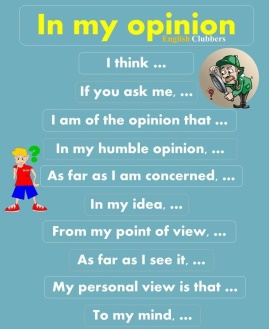
|
LESSON 24 |
School: |
||||||
|
Date: |
Teacher name: |
||||||
|
Grade: 11 |
Number present: |
Number absent: |
|||||
|
Theme of the lesson: |
Vocabulary: Crime and the law Grammar: Numbers |
||||||
|
Learning objectives |
11.2.8 - recognise inconsistencies in argument in extended talk on a range of general and curricular subjects; 11.4.4 - read a wide range of extended fiction and non-fiction texts on familiar and unfamiliar general and curricular topics; 11.6.16 - use a wide variety of conjunctions on a wide range of familiar general and curricular topics |
||||||
|
Lesson objectives |
All learners will be able to: use most target structures accurately in more controlled and freer production tasks with some support |
||||||
|
Plan |
|||||||
|
Planned timings |
Planned activities |
Learners’ activities |
Evaluation |
Resources |
|||
|
Begining 5 min |
GREETINGS The teacher sets the lesson objectives. To practise pronunciation of situational language Pla the recording. Ss listen and repeat chorally and/or individual Pay attention to Ss’ pronunciation and intonation and correct as necessary. |
Students listen and repeat chorally and/or individual |
|
|
|||
|
|
To read for gist/specific information Ask Ss to read the newspaper headlines and the extracts and say how they are related to The War of the Worlds. Suggested Answer Key The first extract is about how people believed Earth was being attacked by Martians when The War of the Worlds was first broadcast over the radio in 1938. They didn't understand it was a fictional drama. The second extract explains that the first story over exaggerates what really happened and although some people were frightened, there was no mass hysteria. |
Students read the newspaper headlines and the extracts and say how they are related to The War of the Worlds |
Verbal evaluation |
|
|||
|
Middle 35 min |
To compare and contrast two news articles Ask Ss to read the news articles again and compare and contrast the presentation of the reaction to Orson Welles' version of The War of the Worlds. Elicit comparison from Ss around the class and which one Ss believe and why. Suggested Answer Key The first article presents the public reaction as hysteria with many injuries and calls to the police. The second article presents the public reaction as mild and claims that the initial reports were exaggerated. It says that some people were frightened, but not in a complete panic. It claims that the newspapers at the time misrepresented the story to make it more news worthy. I believe the report from 2011 because I think it is very possible that it made the story more exciting. I don't think people were so easily fooled by a radio programme. |
Students compare and contrast two news articles |
Individual avaluation |
|
|||
|
End 5 min |
REFLECTION Reflection: “3-3-1” 3 sentences to reflect on the lesson 3 adjectives to describe the lesson 1 word about the lesson Saying goodbye |
|
|
|
|||
|
LESSON 25 |
School: |
||||||
|
Date: |
Teacher name: |
||||||
|
Grade: 11 |
Number present: |
Number absent: |
|||||
|
Theme of the lesson: |
Vocabulary: Crime and the law Grammar: Quantity |
||||||
|
Learning objectives |
11.2.7 - understand speaker viewpoints and extent of explicit agreement between speakers on a range of general and curricular topics; 11.4.9 - recognise inconsistencies in argument in extended texts on a wide range of general and curricular topics; 11.5.2 - use a growing range of vocabulary, which is appropriate to topic and genre, and which is spelt accurately; |
||||||
|
Lesson objectives |
All learners will be able to: use most target structures accurately in more controlled and freer production tasks with some support |
||||||
|
Plan |
|||||||
|
Planned timings |
Planned activities |
Learners’ activities |
Evaluation |
Resources |
|||
|
Begining 5 min |
GREETINGS The teacher sets the lesson objectives, letting students know what to anticipate from the lesson. Warm up: Riddle Ss are shown the crossword, they have to complete the crossword with a word, and make a sentence out of the highlighted words. Ask sts to guess the topic of the lesson.
The secret message is “Care for our planet” |
Students are shown the crossword, they have to complete the crossword with a word, and make a sentence out of the highlighted words |
Verbal evaluation |
|
|||
|
Middle 35 min |
To compare the personalities of two characters from a literary extract Explain the task and give Ss time to formulate their answers referring to the extract in Ex. 7 and the ideas in Ex. 11 to help them. Suggested Answer Key The narrator is worried because he doesn't know where his wife is (lines 2-3 and line 11). He is also courageous (lines 42-43) because he wants to try and find her even though the Martians' deadly machines are close by. The curate, on the other hand, is selfish (line 12) because he is complaining about the situation, but he isn't helping change it. He is also childish (lines 23-24) and unable to keep calm as well as foolish because he is saying that the house is safe, when it clearly isn't (line 20). Both the narrator and the curate are scared (lines 36-37). |
Students compare the personalities of two characters from a literary extract |
Mutual evaluation |
|
|||
|
|
Express an opinion Ask various Ss around the class to tell the rest of the class how they would represent the story if they were to film the story today in their country. Suggested Answer Key I would keep it very closely to the original story. The main characters would be the narrator, another man like the curate, but perhaps he would be a farmer or a villager instead of a type of priest. The place would be a country village and a large city as in the book and I would include a lot of special effects for the aliens. The plot would be the same as the book with only a few changes to make it more relevant to the present day. The Martians would be aliens from another planet because we know a lot more about Mars these days and we know there are no Martians. They would still have weapons like the Heat-Ray and the Black Smoke because these are still very scary. However, the ending would be the same as it is logical that bacteria could kill aliens. |
Students do the task |
Individual evaluation |
|
|||
|
End 5 min |
REFLECTION Describe a mistake you made and what learned from it? Explain how you challenged yourself today? Tell about something you noticed today? Saying goodbye |
|
|
|
|||
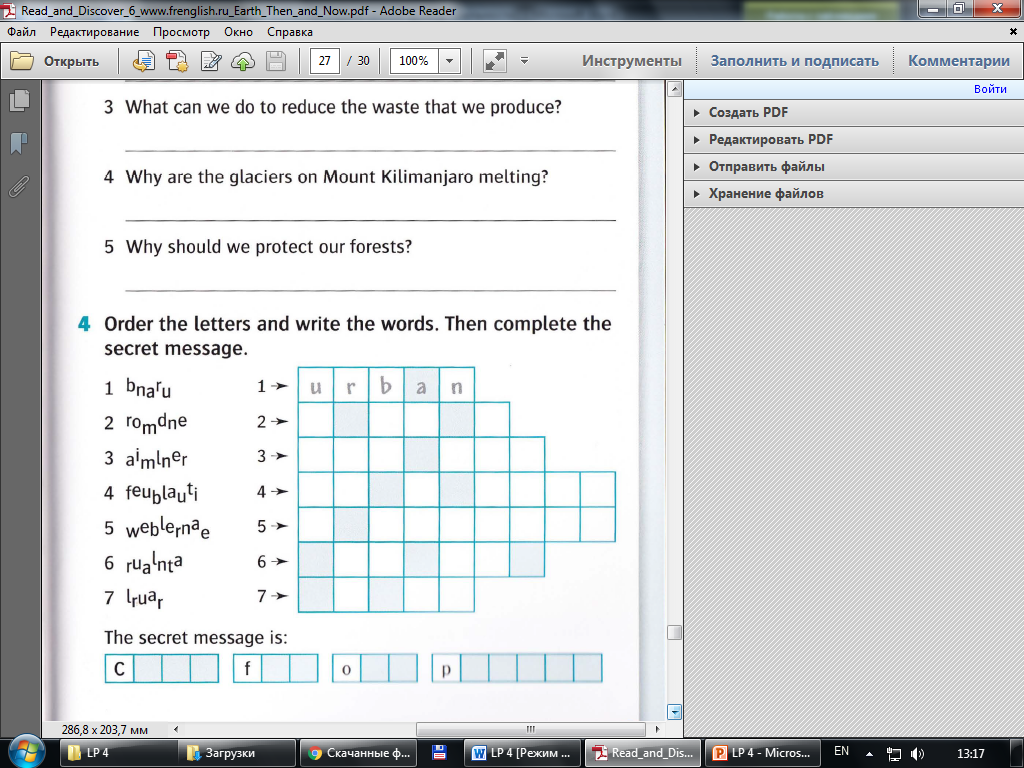
|
LESSON 26 |
School: |
||||||
|
Date: |
Teacher name: |
||||||
|
Grade: 11 |
Number present: |
Number absent: |
|||||
|
Theme of the lesson: |
Vocabulary: Customs and cultures Grammar: Relative clauses: defining and non-defining |
||||||
|
Learning objectives |
11.3.2 ask and respond to complex questions to get information about a wide range of general and curricular topics 11.4.4 read a wide range of extended fiction and non-fiction texts on familiar and unfamiliar general and curricular topics 11.1.6 organise and present information clearly to others |
||||||
|
Lesson objectives |
All learners will be able to: use subject-specific vocabulary in the context of discussion interact with peers and get information about particular topic using active vocabulary read for gist an detail |
||||||
|
Plan |
|||||||
|
Planned timings |
Planned activities . |
Learners’ activities |
Evaluation |
Resources |
|||
|
Begining 5 min |
GREETINGS Module Objectives Read the title of the module The human brain and ask Ss to suggest what they think the module will be about (the module is about capabilities of the human brain and stress and advice). Go through the objectives list to-stimulate Ss' interest in the module. Ss write dictation on the following sentence: It’s the most complex object in the known universe. |
Students answer |
|
|
|||
|
Middle 35 min |
Ss are asked to tell the t everything they know about the brain. All ideas and thoughts are written up on the board. These prompts are used to get the ideas flowing: size, weight, colour, human brain versus animal brains Ss are given “Use your brain worksheet”. Ss do the quiz individually first. Then, they compare answers in small groups. The groups should try and agree on one answer for each question. Ss check the answers with the class. Which group got the most correct answers? Do the answers to the quiz help to determine whether the information on the board is correct or not? Which information in the quiz did ss find the most surprising? Ss are told that the brain has a left side and a right side, and that experiments suggest they control different thigs. Ss look at the board and explain what those words mean and guess which things are controlled by which side of the brain Ss are told that, in most people, one side of the brain is dominant. Ss read the 12 statements and guess if the statements are true or false Ss are pointed towards the Phrasebook. Ss have discussion on their results in small groups, using the language. |
Students decide if the information on the board is definitely true, probably true or possibly true |
Verbal evaluation Mutual evaluatioт
|
|
|||
|
|
Pre-reading Students look at the title “The creative path” and say what the text is going to be about. Introduce unknown vocabulary from the text by explaining the definitions. |
|
|
|
|||
|
|
Reading Divide the class into 3 groups. Each group gets its own piece of passage of the text. Organize jigsaw reading. All Students read the text. |
|
|
|
|||
|
|
Post-reading Students answer multiple choice and open-ended questions. Students work individually then compare their answers in pairs. Open class feedback and discussion. |
Students follow the instructions |
Individual evaluation |
|
|||
|
End 5 min |
REFLECTION At the end of the lesson, learners reflect on their learning: - What has been learned - What remained unclear - What is necessary to work on Saying goodbye |
|
|
|
|||
|
LESSON 27 |
School: |
||||||
|
Date: |
Teacher name: |
||||||
|
Grade: 11 |
Number present: |
Number absent: |
|||||
|
Theme of the lesson: |
Vocabulary: Customs and cultures Grammar: There is/There are |
||||||
|
Learning objectives |
11.3.2 ask and respond to complex questions to get information about a wide range of general and curricular topics 10.4.4 read a wide range of extended fiction and non-fiction texts on familiar and unfamiliar general and curricular topics 10.5.5 develop with support coherent arguments supported when necessary by examples and reasons for a wide range of written genres in familiar general and curricular topics |
||||||
|
Lesson objectives |
All learners will be able to: read the text for gist and specific details watch the video for specific details discuss the different ideas |
||||||
|
Plan |
|||||||
|
Planned timings |
Planned activities |
Learners’ activities |
Evaluation |
Resources |
|||
|
Begining 5 min |
GREETINGS Lead-in: T asks students the following questions: what is CREATIVITY? Students discuss what is CREATIVITY, give their own definition, examples and non-examples, and characteristics in pairs or small groups, followed by open class discussion. What is being creative? Get feedback from your students, ask them if they agree with what the film says about creativity. |
Students watch a short film titled and discussion |
|
|
|||
|
Middle 35 min |
Speaking Show learners a poster of a famous cartoon Wallace and Gromit and elicit what they know about them. Tell learners that they are going to watch an episode of this cartoon. Tell that in the episode they will see an invention called “SNOOZATRON”, Students should watch the video and discuss in groups what is that invention (description, functions, advantages and disadvantages) Students brainstorm a list of possible new inventions with their group. List all ideas and make notes about what they do. As a group, students choose one of the inventions from their list then draw a picture of the invention. Learners have to fill out the first column (what I know) of KWL chart. They write what they already know about the brain. Cut the text into 4 parts. Label the first paragraph A, the second paragraph B, the third paragraph C, the fourth paragraph D. Put the students into groups and distribute the reading strips. Group learners with the same letter text together so they can preview and read the text together. After reading learners in each group fill in the 3-rd column of (what I learnt) chart. Regroup the class into three new groups so that each new group has a student who has read each paragraph. So, group1 should have an A, B, and a C, and D. Learners elicit information from each other and share ideas from each of the paragraphs. While discussing each learner fills out the 3-d column (what I learnt) of KWL chart. Check answers with the class |
Students discuss the question in small groups. Students follow the instructions |
Mutual evaluatioт
Verbal evaluation |
|
|||
|
|
Pre-project work “Create Your Own Invention” Students individually think of simple products, machines, or devices in their life and make a list of everyday inventions that make life more convenient or better than it was in the past. |
Students design a new invention and complete the handout 3. |
Individual evaluation |
|
|||
|
End 5 min |
REFLECTION At the end of the lesson, learners reflect on their learning: - What has been learned - What remained unclear - What is necessary to work on Open class feedback Saying goodbye |
|
|
|
|||
|
LESSON 28 |
School: |
||||||
|
Date: |
Teacher name: |
||||||
|
Grade: 11 |
Number present: |
Number absent: |
|||||
|
Theme of the lesson: |
Vocabulary: Customs and cultures Grammar: Ellipsis |
||||||
|
Learning objectives |
11.1.10 use talk or writing as a means of reflecting on and exploring a range of perspectives on the world topics 11.4.2 understand specific information and detail in extended texts on a range of familiar general and curricular topics, and some unfamiliar topics |
||||||
|
Lesson objectives |
All learners will be able to: Add more adjectives to pictures Write film reviews inventing details |
||||||
|
Plan |
|||||||
|
Planned timings |
Planned activities |
Learners’ activities |
Evaluation |
Resources |
|||
|
Begining 5 min |
GREETINGS The teacher sets the lesson objectives, letting students know what to anticipate from the lesson. Warm-up: Draw a noughts and crosses grid on the board. Divide the class into two teams. One team is X and the other O. The first team decides which square they want to nominate. Teacher asks a question. If the team get it right their symbol is written in that square. The first team to get a line of three symbols in any direction across the grid is the winner. |
Students do the task |
Verbal evaluation |
|
|||
|
Middle 35 min |
Brainstorming Divide learners in pairs. Ask them to revise information on multiple intelligences from the previous lessons. Have a whole class discussion. Teacher puts all ideas on the whiteboard. Show learners a task. Give them time to brainstorm |
Students create a poster. |
Mutual evaluation |
|
|||
|
|
Learners read the text “Your body: the brain” and decide if the statements are True or False. Learners are given worksheets where they color lobes of the brain and write their functions. |
|
|
|
|||
|
|
Learners are divided into groups of four. Each group is given a copy of the Why Do Zombies Love Brains worksheet. Learners read the interesting facts about the brain and ponder upon the areas responsible for different things by looking and reflecting at the picture with their group. Learners write the ideas that they found most interesting about the brain from the worksheet and explain why. Go around the class and ask them to share what they wrote. |
Students read the text and choose True or False statements. |
|
|
|||
|
|
Planning Ask them to plan Introduction. Give them 7 minutes to write the Introduction part of the essay. |
Students should align their information with paragraphs of the essay. |
Individual evaluation |
|
|||
|
End 5 min |
REFLECTION Students reflect on the lesson answering the questions:
Saying goodbye |
|
|
|
|||
|
LESSON 29 |
School: |
||||||
|
Date: |
Teacher name: |
||||||
|
Grade: 11 |
Number present: |
Number absent: |
|||||
|
Theme of the lesson: |
Vocabulary: Customs and cultures Grammar: Inversion |
||||||
|
Learning objectives |
11.1.10 use talk or writing as a means of reflecting on and exploring a range of perspectives on the world topics 11.4.2 understand specific information and detail in extended texts on a range of familiar general and curricular topics, and some unfamiliar topics |
||||||
|
Lesson objectives |
All learners will be able to: Summarize information of each paragraph Make up questions for a text |
||||||
|
Plan |
|||||||
|
Planned timings |
Planned activities . |
Learners’ activities |
Evaluation |
Resources |
|||
|
Begining 5 min |
GREETINGS The teacher sets the lesson objectives, letting students know what to anticipate from the lesson. |
|
|
|
|||
|
|
Ss try to guess the theme of the lesson. They read the sentences on the board and guess that they will work with the Physical structure of the human brain |
|
|
|
|||
|
Middle 35 min |
1 a) To present vocabulary related to the physical structure of the human brain Ask Ss to talk in pairs about the meanings of the words /phrases in the list.Tell Ss to check the meanings of any they are unsure of in their dictionaries. |
Students present vocabulary |
Verbal evaluation |
|
|||
|
|
1 b) To predict the content of the text; to listen and read for gist Explain that our brain is divided into two hemispheres (left, right) each one controlling different tasks/skills. 2 To read for specific information • Ask Ss to read the statements 1-8 and then give Ss time to read the text and mark the statements according to what they read. • Ss compare their answers with their partner. • Refer Ss to the Check these words box and ask Ss to look them up in the Word List. • Play the video for Ss and elicit their comments. |
related to the physical structure of the human brain Students guesses in answer to the questions in the rubric. Students read the text and mark the statements according to what they read. |
Mutual evaluation
Individual evaluation
Verbal evaluation |
|
|||
|
|
3. To consolidate information in a text Give Ss time to answer the questions referring to the text as necessary and then elicit Ss’ answers. |
Students answer the questions referring to the text |
|
|
|||
|
|
4. To consolidate new vocabulary Go through the list of words in the rubric and give Ss time to match them to the highlighted words in the text. Tell Ss they may use their dictionaries if necessary. Check Ss' answers. Answer Key regulates = controls complex = complicated senses = the five physical abilities (touch, taste, sight, smell & hearing) dominant = more powerful function = purpose handle = deal with/manage |
Students match them to the highlighted words in the text. |
|
|
|||
|
5 min |
End REFLECTION The teacher throws a ball and asks learners to share what was useful, what was difficult, what is worth remembering. Saying goodbye |
|
|
|
|||
|
LESSON 31 |
School: |
|||||||||
|
Date: |
Teacher name: |
|||||||||
|
Grade: 11 |
Number present: |
Number absent: |
||||||||
|
Theme of the lesson: |
Vocabulary: Technology and the future Grammar: Comparative and superlative adjectives |
|||||||||
|
Learning objectives |
11.1.10 - use talk or writing as a means of reflecting on and exploring a range of perspectives on the world; 11.4.7 - recognise patterns of development in lengthy texts [inter-paragraph level] on a range of general and curricular topics; 11.3.2 - ask and respond to complex questions to get information about a wide range of general and curricular topics; |
|||||||||
|
Lesson objectives |
All learners will be able to: Learn vocabulary to talk about being online. Read a text about someone’s morning routine online. Learn how to use verbs and prepositions. |
|||||||||
|
Plan |
||||||||||
|
Planned timings |
Planned activities . |
Learners’ activities |
Evaluation |
Resources |
||||||
|
Begining 5 min |
GREETINGS Brainstorm
Warm up. Free talk about using mass media. How
different would be your lives if you didn’t have social media to
communicate with friends. How often do you use Instagram, Tik Tok or other social media? What technological advances have there been in the last ten years? The teacher sets the lesson objectives, letting students know what to anticipate from the lesson. |
Students talk about using mass media. |
|
Quizizz PPT |
||||||
|
Middle 35 min |
Lead -in Read the predictions. This is how people imagined life in the future in 1900. Say which of the predictions have come true.
Now look at the predictions for 2050. Say if you agree or disagree with them and give reasons for your answers.
Reading. Does anyone have a routine like Leona’s? My morning online Hi, I’m Leona, and here’s what I do every morning online. So when I wake up, I turn on my phone, go on Instagram, scroll through my feed, comment on some posts, and see what I’m tagged in. This can take quite a long time if there are lots of new posts. I post a morning selfie on my story and add a poll. This morning I want to ask if I should eat cereal or toast for breakfast. Then I open some memes on my DMs that my friends sent me the night before – the video I saw this morning was really funny. Then I go on Snapchat and open my streaks and answer some snaps. I post a picture on my private story from my memories. Then I look at my subscriptions and turn my snap location on so I can see where everyone is. Then I add some new friends and answer group chats. I really enjoy sharing ideas with other people. It gives me inspiration for the rest of the day. Finally, I log out. It’s time to get going. Vocabulary, Quizizz ANSWERS
Story dice https://davebirss.com/storydice-creative-story-ideas/
|
Students read the predictions and say if they agree or disagree.
Students read the text and in pairs discuss the similarities and differences in their morning routines.
Quizizz Students work individually to match the words to the definitions. Students create own stories with the words in blue and adjectives turning the prompts into a story. |
Individual evaluation
Mutual evaluation
|
Cards
Quizizz PPT Game
Text
https://davebirss.com/storydice-creative-story-ideas/
|
||||||
|
End 5 min |
REFLECTION Ask Ss to write a reflection of the lesson. 3 – new words 2 – adjectives to describe the lesson 1 – one activity you like Saying goodbye |
Students write a reflection of the lesson. |
|
|
||||||

|
LESSON 32 |
School: |
||||||
|
Date: |
Teacher name: |
||||||
|
Grade: 11 |
Number present: |
Number absent: |
|||||
|
Theme of the lesson: |
Vocabulary: Art and culture Grammar: Adverbs review |
||||||
|
Learning objectives |
11.3.7 - use appropriate subject-specific vocabulary and syntax to talk about a range of general and curricular topics; 11.6.17 - use if / if only in third conditional structures use a variety of relative clauses including with which [whole previous clause reference] on a wide range of familiar general and curricular topics 11.5.3 - write with grammatical accuracy on a range of familiar general and curricular topics; |
||||||
|
Lesson objectives |
All learners will be able to: use most target structures accurately in more controlled and freer production tasks with some support |
||||||
|
Plan |
|||||||
|
Planned timings |
Planned activities . |
Learners’ activities |
Evaluation |
Resources |
|||
|
Begining 5 min |
GREETINGS The teacher sets the lesson objectives, letting students know what to anticipate from the lesson. To practise pronunciation of situational language Play the recording. Ss listen and repeat chorally and/or individual Pay attention to Ss’ pronunciation and intonation and correct as necessary. |
|
|
|
|||
|
Middle 35 min |
Grammar To present relative clauses Explain that a defining relative clause gives necessary information and is essential to the meaning of the main sentence. We do not put the clause in commas, e.g. The man who fixed my car was very tall. Which man is tall? The one who fixed my car.) Explain that a non-defining relative clause gives extra information and is not essential to the meaning of the main sentence. The clause is put in commas. We cannot use that instead of who. E.g. Ben, who is my ractice, is noisy. (Ben is noisy – the meaning of the sentence is clear; who is my ractice – gives extra information.) Ask Ss to Refer Ss to the Grammar Reference section for more details. |
Students read the theory box and then elicit examples from the text. |
Verbal evaluation |
|
|||
|
|
To practice defining/non-defining relative clauses Explain the task and give Ss time to complete it. |
Students complete the task |
Mutual evaluation |
|
|||
|
|
Speaking & Writing To conduct a survey, interview classmates and prepare a poster • Explain the task and give Ss time to conduct a survey by interviewing their classmates about their type of intelligence with reasons. • Give Ss time to compile their information and create a poster. Tell Ss they may include a chart or a diagram to display the information. • Then display the posters around the classroom. |
Students conduct a survey by interviewing their classmates about their type of intelligence with reasons. |
Individual evaluation |
|
|||
|
End 5 min |
REFLECTION Students reflect on the lesson completing the sentences: Today at the lesson I … The most useful and interesting thing was … I was good / bad / active at … Saying goodbye |
|
|
|
|||
|
LESSON 33 |
School: |
||||||
|
Date: |
Teacher name: |
||||||
|
Grade: 11 |
Number present: |
Number absent: |
|||||
|
Theme of the lesson: |
Vocabulary: Art and culture Grammar: Prepositions review |
||||||
|
Learning objectives |
11.2.2 - understand specific information in unsupported extended talk on a wide range of general and curricular topics, including talk on a limited range of unfamiliar topics; 11.6.1 - use a variety of abstract compound nouns and complex noun phrases on a range of familiar general and curricular topics, and some unfamiliar general and curricular topics; 11.4.2 - understand specific information and detail in extended texts on a range of familiar general and curricular topics, and some unfamiliar topics; |
||||||
|
Lesson objectives |
All learners will be able to: identify most specific information and key ideas in texts and use a range of target language to express views and comment on some views of others with support |
||||||
|
Plan |
|||||||
|
Planned timings |
Planned activities |
Learners’ activities |
Evaluation |
Resources |
|||
|
Begining 5 min |
GREETINGS The teacher sets the lesson objectives, letting students know what to anticipate from the lesson. To practise subject-specific vocabulary Give Ss time to complete the sentences using the words. Check Ss' answers around the class. |
Students complete the sentences using the words. |
Individual evaluation |
|
|||
|
Middle 35 min |
To listen and read for specific information Have Ss read the sentences again. Play the recording. Ss listen and follow the text in their books and find out which of the sentences in Ex.1 are true. • Check Ss' answers. Background information Alzheimer's disease is a progressive brain damaging illness that slowly destroys memory and thinking skills. In most people suffering from this disease, symptoms appear after the age of 60 |
Students listen and follow the text in their books and find out which of the sentences in Ex.1 are true |
Mutual evaluation |
|
|||
|
|
3. To read for specific information Ask Ss to read questions 1-3 and the possible answers and give them time to read the text again and choose the correct answers. Check Ss' answers around the class. Ss should justify their answers. |
Students read the text again and choose the correct answers |
Verbal evaluation |
|
|||
|
|
To answer comprehension questions based on a text Give Ss time to answer the questions without copying the information straight from the text. Check Ss’ answers around the class. |
Students answer the questions |
Individual evaluation |
|
|||
|
|
To identify abstract and compound nouns Explain that an abstract noun is the name of something that is not concrete or tangible (e.g. emotion, intelligence) and that a compound noun is the name of something that is made up of two words that have been put together (e.g. blackboard, swimming pool). |
Students identify abstract and compound nouns |
Verbal evaluation |
|
|||
|
|
To research and write a paragraph about stress. Explain the task and ask Ss to work in small groups and collect information from the Internet. Then ask Ss to use their notes to write a paragraph about it. Ask various Ss to read their text to the class. |
Students research and write a paragraph about stress |
Individual evaluation |
|
|||
|
End 5 min |
REFLECTION What was the most interesting thing that you have learnt today? Saying goodbye |
|
|
|
|||
|
LESSON 34 |
School: |
||||||
|
Date: |
Teacher name: |
||||||
|
Grade: 11 |
Number present: |
Number absent: |
|||||
|
Theme of the lesson: |
Vocabulary: Art and culture Grammar: Suffixes and prefixes |
||||||
|
Learning objectives |
11.2.2 - understand specific information in unsupported extended talk on a wide range of general and curricular topics, including talk on a limited range of unfamiliar topics; 11.6.1 - use a variety of abstract compound nouns and complex noun phrases on a range of familiar general and curricular topics, and some unfamiliar general and curricular topics; 11.4.2 - understand specific information and detail in extended texts on a range of familiar general and curricular topics, and some unfamiliar topics; |
||||||
|
Lesson objectives |
All learners will be able to: identify most specific information and key ideas in texts and use a range of target language to express views and comment on some views of others with support |
||||||
|
Plan |
|||||||
|
Planned timings |
Planned activities |
Learners’ activities |
Evaluation |
Resources |
|||
|
Begining 5 min |
GREETINGS The teacher sets the lesson objectives, letting students know what to anticipate from the lesson. To practise subject-specific vocabulary Give Ss time to complete the sentences using the words. Check Ss' answers around the class. |
Students complete the sentences using the words. |
Individual evaluation |
|
|||
|
Middle 35 min |
To listen and read for specific information Have Ss read the sentences again. Play the recording. Ss listen and follow the text in their books and find out which of the sentences in Ex.1 are true. • Check Ss' answers. Background information Alzheimer's disease is a progressive brain damaging illness that slowly destroys memory and thinking skills. In most people suffering from this disease, symptoms appear after the age of 60 |
Students listen and follow the text in their books and find out which of the sentences in Ex.1 are true |
Mutual evaluation |
|
|||
|
|
3. To read for specific information Ask Ss to read questions 1-3 and the possible answers and give them time to read the text again and choose the correct answers. Check Ss' answers around the class. Ss should justify their answers. |
Students read the text again and choose the correct answers |
Verbal evaluation |
|
|||
|
|
To answer comprehension questions based on a text Give Ss time to answer the questions without copying the information straight from the text. Check Ss’ answers around the class. |
Students answer the questions |
Individual evaluation |
|
|||
|
|
To identify abstract and compound nouns Explain that an abstract noun is the name of something that is not concrete or tangible (e.g. emotion, intelligence) and that a compound noun is the name of something that is made up of two words that have been put together (e.g. blackboard, swimming pool). |
Students identify abstract and compound nouns |
Verbal evaluation |
|
|||
|
|
To research and write a paragraph about stress. Explain the task and ask Ss to work in small groups and collect information from the Internet. Then ask Ss to use their notes to write a paragraph about it. Ask various Ss to read their text to the class. |
Students research and write a paragraph about stress |
Individual evaluation |
|
|||
|
End 5 min |
REFLECTION What was the most interesting thing that you have learnt today? Saying goodbye |
|
|
|
|||
ҚАЗАҚСТАН РЕСПУБЛИКАСЫ
«Білім əлемі» ҒЫЛЫМИ-ƏДІСТЕМЕЛІК ОРТАЛЫҒЫНЫҢ БАСПАСЫ РЕСПУБЛИКА КАЗАХСТАН
ИЗДАТЕЛЬСТВО НАУЧНО-МЕТОДИЧЕСКОГО ЦЕНТРА «Білім əлемі»

Электрондық почта: Bilim_alemi@mail.ru Байланыс телефоны:
+7 707 633 3852
+7 707 021 7332
+7 701 826 5377
+7 747 063 0467

7









 Бұл курс Қазақстан Республикасы Оқу-ағарту министрлігімен келісілген










