
 ЖИ көмекші


 Қауіпсіз төлем

жүктеу мүмкіндігіне ие боласыз
Бұл материал сайт қолданушысы жариялаған. Материалдың ішінде жазылған барлық ақпаратқа жауапкершілікті жариялаған қолданушы жауап береді. Ұстаз тілегі тек ақпаратты таратуға қолдау көрсетеді. Егер материал сіздің авторлық құқығыңызды бұзған болса немесе басқа да себептермен сайттан өшіру керек деп ойласаңыз осында жазыңыз
 13 Қаңтар 2024
 418
418
1 жыл бойы шексіз жүктеңіз
Could, can, will be able to
|
Unit 5. Reading for pleasure |
School: |
|
|
Date: 16.01.2024 |
|
|
|
Grade: 8 «а», «ә» |
Number present: |
absent: |
|
Theme of the lesson |
Could, can, will be able to |
|
|
Learning objectives(s) that this lesson is contributing to |
8.5.3.1- write with moderate grammatical accuracy on a growing range of familiar general and curricular topics; 8.5.9.1 -use appropriately a variety of active and passive simple present and past forms and past perfect simple forms in narrative and reported speech on a range of familiar general and curricular topics |
|
|
Lesson objectives |
- talk about ability in the past, present and future using could, can and will be able to; -write sentences using the correct forms of could, can or will be able to. |
|
Planned activities
|
Planned timings |
Teacher’s activities |
Pupil’s activities |
Evaluation
|
Resources |
|
Warming-up Team work 5 min
|
Organization moment: 1.Greeting. Warm up With books closed, check students’ understanding of the text. Teacher asks at the class. -Can we create realistic special effects now? (Yes, we can.)
characters on the screen now? (No, we can’t.) Teacher explains that this lesson introduces ways to talk about ability and possibility in the past, present and future. |
Students answer the guestions. |
At the organization moment T tries to award active Ss. «The praise» method is used to evaluate Ss with phrases like: “Good job! Well done!” |
Appendix 1 Appendix 2 |
|
Middle of the lesson 35 min |
Exercise 1,p.59 To introduce this point, teacher writes these questions on the board, and ask students to find the answers in the text about cinema: What was possible in the 1930s? What is possible now? What will be possible in the future? • Elicit sentences from the text that give the answers and write them on the board (producers could include songs …, film makers can now create special effects …, we’ll be able to connect our bodies …). Underline can, could and will be able to and elicit that they refer to possibility or ability in the past, present and future. Answers 1 could 2 can 3 be able to 1 Ability and possibility. 2 Film producers couldn’t include songs. They can’t create very realistic special effects. We won’t be able to feel the character’s emotions. 3 Yes, they do |
Students read rhe text and complete the sentences and use them to help them answer the questions. |
Teacher evaluates Ss. «The praise» method is used to evaluate Ss with phrases like: “Good job! Well done!”, marks |
English plus Grade 8 Pupil’s Book |
|
|
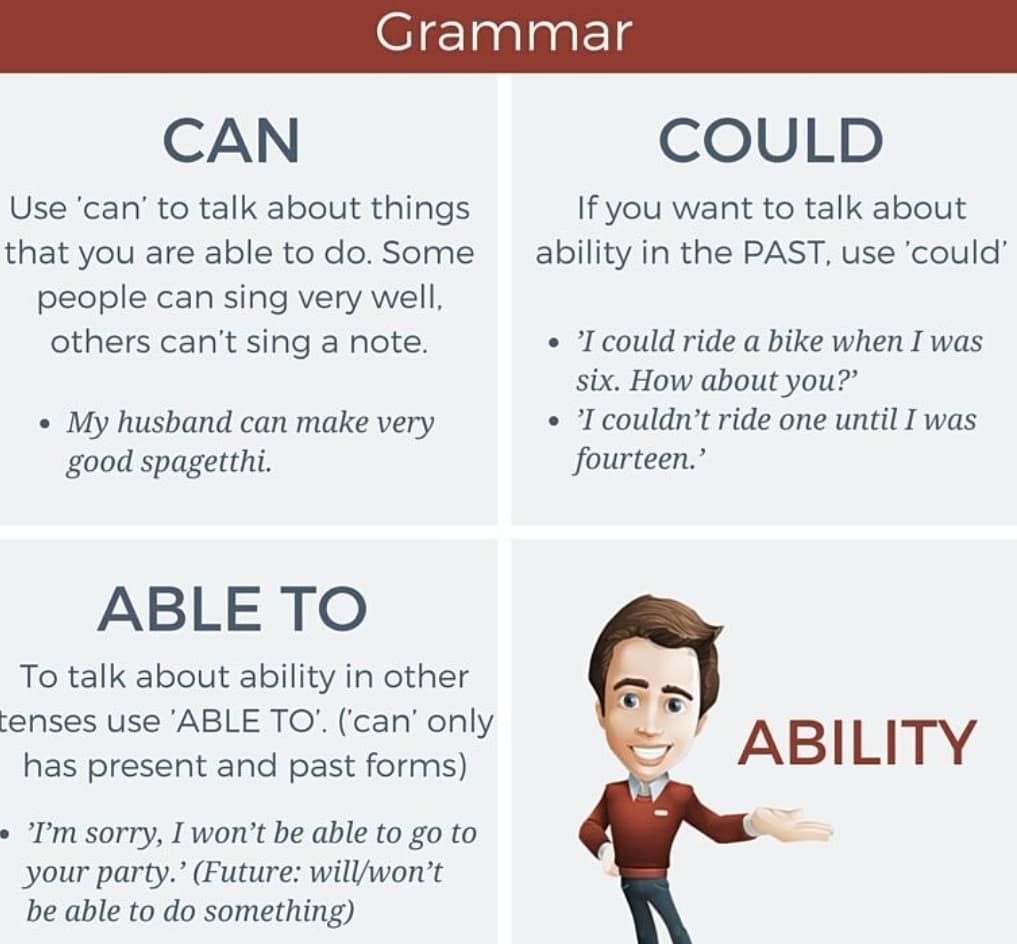
Teacher explain rules of using Could, can, will be able to Exercise 2 In a weaker class, when checking answers highlight the tense in each sentence so students understand why each form was used. ANSWERS 1 can’t 4 couldn’t 2 can 5 could 3 won’t be able to 6 ’ll be able to |
Students give some examples. Students complete the sentences individually, then compare their answers in pairs. Students help each other correct any mistakes before check with the class. |
Teacher evaluates Ss. «The praise» method is used to evaluate Ss with phrases like: “Good job! Well done!”, marks |
English plus Grade 8 Pupil’s Book |
|
|
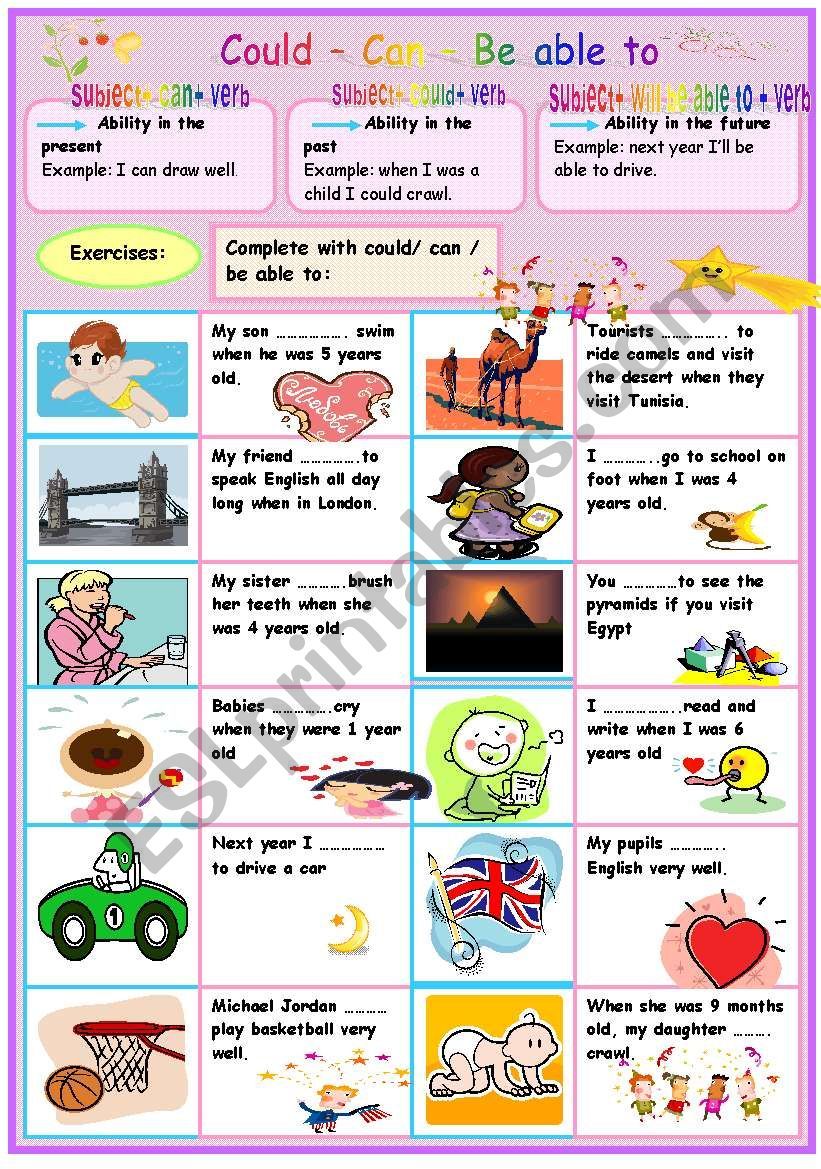
Exercise 3 • Focus on the title and ask students to predict what the text will be about. If they find this difficult, translate senses and ask them to think about what senses were mentioned in the first reading text (sight, hearing, smell ) ANSWERS 1 could smell 4 can enjoy 2 couldn’t hear 5 ’ll be able to feel 3 couldn’t wear 6 ’ll be able to connect Exercise 4 • Go round and listen as they are working, and help as necessary. Encourage students to give more than simple short answers. ANSWERS 1 could 4 Can 2 will, be able to 5 Could ЕББҚ Exercise 3,p.41. Look at the table. Complete the sentences with can,can’t, could, couldn’t,’ll able to or won’t able to. Task 5 Complete with can/ could/ be able to |
Students complete the text with the verbs and the correct forms of could, can and will be able to. Students complete the questions, and prepare answers, before they ask and answer the questions with a partner. Students complete the sentences with can,can’t, could, couldn’t,’ll able to or won’t able to. Student complete the sentences with can/ could/ be able to |
Teacher evaluates Ss. «The praise» method is used to evaluate Ss with phrases like: “Good job! Well done!”, marks Teacher evaluates Ss. «The praise» method is used to evaluate Ss with phrases like: “Good job! Well done!”, marks Teacher evaluates Ss. «The praise» method is used to evaluate Ss with phrases like: “Good job! Well done!”, marks FA |
English plus Grade 8 Pupil’s Book English plus Grade 8 Pupil’s Book |
|
Ending the lesson 5 min. |
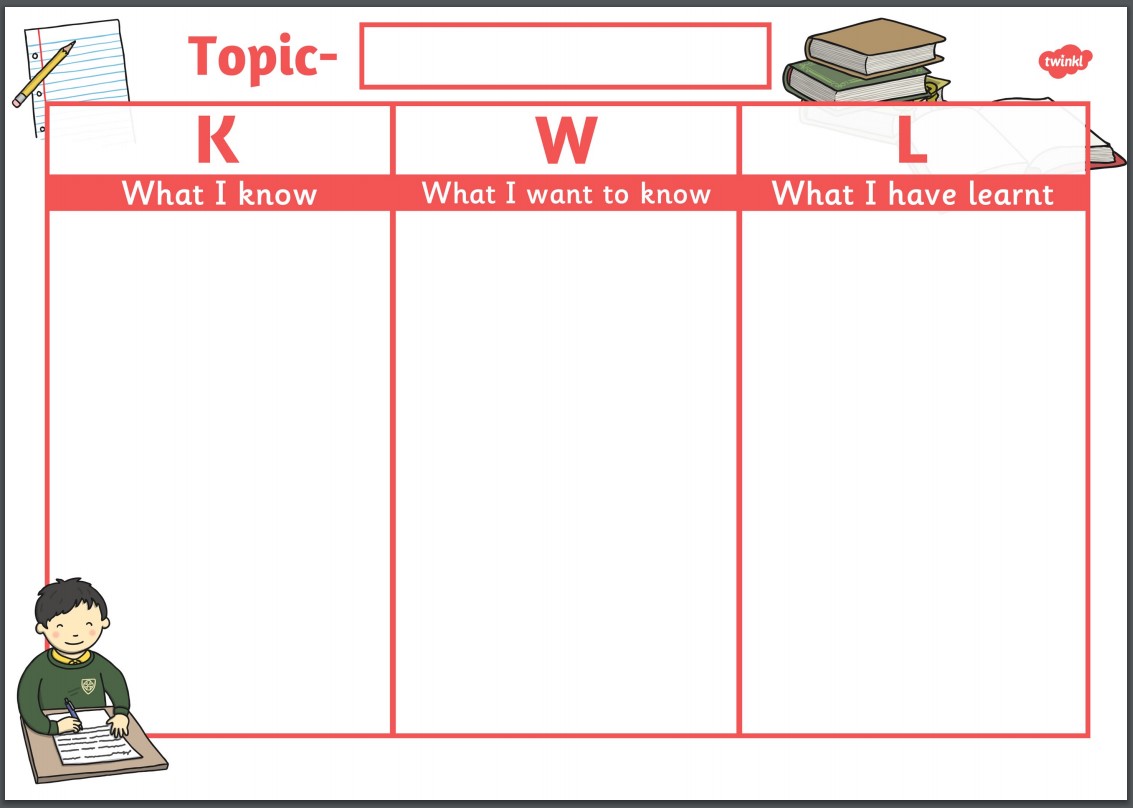
Reflection KWL chart K - Recall what you KNEW about the subject before the lesson start. W - Recall what you WANTed to learn in the beginning. L - Identify what you LEARNed so far. Hometask: Exercise 4,p.41. |
Students complete the chart . Students complete the table about yourselves and a person in a family.Then write eight sentences using the correct forms of could, can or will be able to. |
|
Appendix 3. English plus Grade 8 Pupil’s Book |
Appendix
1. 
APPENDIX 2
Appendix 3









 Бұл курс Қазақстан Республикасы Оқу-ағарту министрлігімен келісілген










