
 ЖИ көмекші


 Қауіпсіз төлем

жүктеу мүмкіндігіне ие боласыз
Бұл материал сайт қолданушысы жариялаған. Материалдың ішінде жазылған барлық ақпаратқа жауапкершілікті жариялаған қолданушы жауап береді. Ұстаз тілегі тек ақпаратты таратуға қолдау көрсетеді. Егер материал сіздің авторлық құқығыңызды бұзған болса немесе басқа да себептермен сайттан өшіру керек деп ойласаңыз осында жазыңыз
 08 Сәуір 2026
 26
26
1 жыл бойы шексіз жүктеңіз
“Developing Functional Literacy in Primary Foreign Language Education”
Developing Functional Literacy in Primary Foreign Language Education
Annotation
This authorial program, “Developing Functional Literacy in Primary Foreign Language Education,” is designed for students in Grades 3–4 in Kazakhstan. The program focuses on enhancing learners’ ability to use English in real-life contexts through the development of functional literacy skills. It integrates communicative, cognitive, and socio-cultural approaches to language learning, promoting meaningful interaction and practical language use. Special emphasis is placed on speaking, listening, reading, and writing skills within authentic and engaging situations. The program incorporates interactive methods, including games, storytelling, project-based learning, and digital resources. It aligns with national educational standards and supports the formation of key competencies required for lifelong learning. The expected outcomes include improved communicative competence, critical thinking, and the ability to apply language skills in everyday situations, both in and outside the classroom.
Introduction
In the context of modern education in Kazakhstan, the development of functional literacy has become one of the key priorities of primary education. Functional literacy is understood as the ability of learners to apply their knowledge, skills, and competencies in real-life situations. In foreign language education, this concept is especially important, as language serves not only as a subject of study but also as a tool for communication and social interaction.
Primary school learners are at a crucial stage of cognitive and linguistic development. At this age, students are highly receptive to new languages and are able to acquire them naturally through meaningful interaction and engaging activities. Therefore, the teaching of English in Grades 3–4 should go beyond memorization of vocabulary and grammar rules and focus on the development of practical communication skills.
This authorial program is aimed at developing functional literacy through a communicative and student-centered approach. It emphasizes the use of authentic contexts, where learners can practice language in situations that reflect real-life communication. Activities such as role-plays, dialogues, storytelling, and project work are widely used to encourage active participation and meaningful language use.
The program also takes into account the cultural and educational context of Kazakhstan, ensuring that the content is relevant and accessible to learners. It supports the development of critical thinking, creativity, and collaboration skills, which are essential for the 21st century.
By implementing this program, teachers will be able to create a supportive and interactive learning environment that fosters motivation, confidence, and independence in language learning. Ultimately, the program contributes to the formation of functional literacy as a foundation for lifelong learning and successful integration into a globalized
Content
Introduction
Consolidation Content Section
Information section
Normation section
Educational-methodological section
Conclusion
References
Links
Introduction
In recent years, the concept of functional literacy has become a central focus of educational reforms in Kazakhstan. Functional literacy is defined as the ability of learners to apply acquired knowledge, skills, and competencies in real-life situations. In the context of primary foreign language education, this concept is especially relevant, as language learning is not only about mastering linguistic structures but also about developing the ability to communicate effectively in meaningful contexts.
Primary school learners in Grades 3–4 represent a unique stage of development characterized by high cognitive flexibility, curiosity, and a natural readiness for language acquisition. At this stage, children are particularly responsive to interactive, engaging, and context-based learning approaches. Therefore, teaching English at this level should prioritize communication, understanding, and practical usage over rote memorization of vocabulary and grammar rules.
This authorial program, “Developing Functional Literacy in Primary Foreign Language Education,” is designed to respond to these educational needs. It aims to create a learning environment in which students actively use English as a tool for communication, problem-solving, and social interaction. The program integrates communicative, cognitive, and socio-cultural approaches, ensuring that language learning is meaningful and relevant to students’ everyday lives.
A key feature of the program is the use of interactive teaching methods such as role-playing, storytelling, project-based learning, and digital tools. These methods encourage students to participate actively in the learning process, develop critical thinking skills, and collaborate with their peers. Additionally, the program incorporates elements of cross-curricular integration, linking language learning with other subjects and real-world topics.
The program is aligned with the updated educational standards of Kazakhstan and reflects the principles of modern pedagogy, including student-centered learning, differentiation, and inclusivity. It also considers the cultural and linguistic context of Kazakhstani learners, ensuring that the content is accessible and engaging.
Ultimately, this program seeks to develop not only language proficiency but also essential life skills such as communication, creativity, independence, and responsibility. By fostering functional literacy, the program prepares students to use English confidently in both academic and everyday situations, contributing to their successful participation in a globalized world.
Aim:
To develop functional literacy in primary school learners (Grades 3–4) through communicative and context-based foreign language education.
Objectives:
-
To develop students’ communicative competence in speaking and listening.
-
To enhance reading and writing skills through meaningful and contextualized tasks.
-
To expand learners’ active and passive vocabulary related to everyday topics.
-
To foster critical thinking and problem-solving skills in language use.
-
To promote learner autonomy and confidence in using English.
-
To integrate cultural awareness and intercultural communication skills.
-
To apply interactive and student-centered teaching methods.
-
To connect language learning with real-life situations and cross-curricular content.
Relevance of the Program
The relevance of this program is determined by the growing need to develop functional literacy as a key educational outcome in Kazakhstan. Modern society requires individuals who are not only knowledgeable but also capable of applying their knowledge in practical situations. In foreign language education, this means the ability to use English as a tool for communication in real-life contexts.
Traditional approaches to teaching English in primary school often focus on memorization and reproduction of language material. However, such approaches do not fully prepare learners for real communication. This program addresses this gap by emphasizing meaningful language use, interaction, and practical application.
Furthermore, the program responds to the demands of updated educational standards, which prioritize competency-based learning, critical thinking, and student engagement. It also reflects the global trend toward communicative language teaching and the development of 21st-century skills.
Thus, the program is both timely and necessary, as it contributes to improving the quality of foreign language education and supports the development of learners’ functional literacy.
Scientific and Methodological Level (Innovation)
The novelty of this program lies in its integrated approach to developing functional literacy through foreign language education. Unlike traditional programs that focus primarily on linguistic knowledge, this program emphasizes the practical application of language in real-life situations.
The innovative aspect of the program includes the systematic use of communicative tasks, project-based learning, and interactive methods. It introduces a new interpretation of language teaching, where English is not treated as an isolated subject but as a tool for communication, thinking, and learning.
Additionally, the program incorporates elements of interdisciplinary learning, connecting language education with other subjects such as science, social studies, and environmental education. This approach enhances students’ understanding and allows them to apply language skills in various contexts.
The program also introduces flexible teaching strategies that take into account individual differences among learners, promoting differentiation and inclusivity.
Scientific Validity
The program is grounded in the philosophy of the modern educational paradigm, which emphasizes learner-centered education, competence development, and lifelong learning. It is based on established theories of language acquisition, including communicative language teaching, constructivism, and socio-cultural theory.
From a psychological perspective, the program considers the age-specific characteristics of primary school learners, including their cognitive development, motivation, and emotional needs. It uses methods that support active engagement, interaction, and positive reinforcement.
Pedagogically, the program reflects current best practices in education, including differentiation, formative assessment, and the integration of digital tools. It aligns with national and international educational standards and incorporates recent research findings in language teaching methodology.
Orientation of the Program
The program is oriented not only toward the formation of knowledge, skills, and abilities but also toward the holistic development of the learner’s personality.
It ensures:
-
the preservation of students’ psychological and social well-being through a supportive and inclusive learning environment;
-
the integration of economic, ecological, ethnopedagogical, and psychological aspects into the educational process;
-
the alignment of educational content with humanistic, integrative, and innovative approaches;
-
the development of values such as respect, cooperation, responsibility, and cultural awareness.
The program also meets scientific requirements by clearly defining the problem (insufficient functional literacy), proposing a hypothesis (functional literacy can be developed through communicative and interactive methods), and implementing research-based teaching strategies.
Methodological Integrity
The program demonstrates internal methodological consistency and coherence. All components of the program—aims, objectives, content, methods, and expected outcomes—are interconnected and aligned.
The systematic nature of the program ensures that each stage of learning contributes to the overall goal of developing functional literacy. The selected methods and activities are consistent with the theoretical foundations of the program and support the achievement of the stated objectives.
Validity and Reliability
The validity of the program is ensured through its alignment with educational standards, theoretical foundations, and practical teaching experience. The conclusions and methodological approaches are supported by research in pedagogy and language education.
The reliability of the program is reflected in the consistency of its results, which can be observed through students’ progress in communicative competence and functional language use. The use of formative assessment and continuous feedback further strengthens the reliability of outcomes.
Expected Results
The expected outcomes of this program are directly aligned with the stated objectives and reflect the comprehensive development of functional literacy in primary school learners.
First, students will demonstrate improved communicative competence in speaking and listening. They will be able to understand simple instructions, participate in basic conversations, and express their ideas using familiar vocabulary and structures. Through regular practice in interactive activities such as dialogues, role-plays, and group discussions, learners will develop confidence in using English in everyday situations.
Second, learners will show progress in reading and writing skills. They will be able to read short texts, understand their main ideas, and extract relevant information. In writing, students will learn to produce simple sentences and short texts, such as descriptions, messages, and stories. These skills will be developed through meaningful and context-based tasks that reflect real-life communication.
Third, students will expand their vocabulary and improve their ability to use it appropriately. They will acquire both active and passive vocabulary related to common topics such as family, school, hobbies, and daily routines. Vocabulary will be taught in context, ensuring that learners understand not only the meaning of words but also their usage.
Fourth, the program will foster critical thinking and problem-solving skills. Students will learn to analyze information, make decisions, and express their opinions in English. Activities such as project work and problem-based tasks will encourage learners to think independently and creatively.
Fifth, learners will develop greater autonomy and responsibility for their learning. They will become more independent in completing tasks, using learning strategies, and evaluating their progress. This will contribute to the development of lifelong learning skills.
Sixth, the program will enhance students’ cultural awareness and intercultural competence. Learners will become familiar with different cultures and traditions, developing respect and openness toward diversity. This is particularly important in the context of globalization.
Seventh, the use of interactive and student-centered methods will increase students’ motivation and engagement. Learners will enjoy the learning process and develop a positive attitude toward English.
Eighth, students will be able to apply their language skills in real-life situations. They will use English not only in the classroom but also in everyday communication, such as understanding simple instructions, interacting with others, and accessing information.
Overall, the program will contribute to the holistic development of learners, preparing them for further education and active participation in society.
Consolidation Content Section
|
Unit |
Lesson Topic |
Hours |
Key Concepts |
|
Unit 1: Foundations of Reading |
|||
|
Introduction to Reading in English |
1 |
reading purpose, rules, routines |
|
|
Letters and Sounds Review |
1 |
alphabet, phonics, sounds |
|
|
Reading Simple Words |
1 |
decoding, word recognition, fluency |
|
|
Reading Short Sentences |
1 |
sentence meaning, structure, comprehension |
|
|
Unit 2: Family and School Life |
|||
|
My Family |
1 |
family members, relationships, text |
|
|
Vocabulary: Family Words |
1 |
mother, father, sister |
|
|
My School |
1 |
school, classroom, activities |
|
|
Vocabulary: School Life |
1 |
teacher, lesson, school objects |
|
|
Unit 3: Daily Life and Routines |
|||
|
Daily Routines |
1 |
morning, activities, sequence |
|
|
Ordering Events in a Text |
1 |
sequence, order, events |
|
|
My Hobbies |
1 |
hobbies, interests, activities |
|
|
Vocabulary: Hobbies |
1 |
play, draw, read |
|
|
Unit 4: Nature and Environment |
|||
|
Nature Around Us |
1 |
nature, environment, world |
|
|
Describing Nature |
1 |
adjectives, description, colors |
|
|
Animals |
1 |
animals, habitats, types |
|
|
Animals: True or False |
1 |
comprehension, facts, checking |
|
|
Unit 5: Food and Healthy Living |
|||
|
Food and Drinks |
1 |
food, drinks, preferences |
|
|
Healthy Eating |
1 |
healthy, unhealthy, habits |
|
|
My Day |
1 |
daily life, routine, story |
|
|
Finding Main Ideas |
1 |
main idea, topic, meaning |
|
|
Unit 6: People and Places |
|||
|
My Friends |
1 |
friendship, people, emotions |
|
|
Describing People |
1 |
appearance, character, adjectives |
|
|
My City / Village |
1 |
city, village, places |
|
|
Places Around Us |
1 |
locations, environment, information |
|
|
Unit 7: Culture and Stories |
|||
|
Holidays and Traditions |
1 |
holiday, tradition, culture |
|
|
Stories for Fun |
1 |
story, reading, enjoyment |
|
|
Characters and Setting |
1 |
character, setting, story |
|
|
Problem and Solution |
1 |
problem, solution, events |
|
|
Unit 8: Functional Reading Skills |
|||
|
Reading with Expression |
1 |
intonation, fluency, expression |
|
|
Guessing Meaning from Context |
1 |
context, meaning, guessing |
|
|
Independent Reading Practice |
1 |
independence, reading, skills |
|
|
Creative Response to Text |
1 |
creativity, response, ideas |
|
|
Unit 9: Assessment and Project Work |
|||
|
Revision and Reading Assessment |
1 |
revision, assessment, skills |
|
|
Final Reading Project |
1 |
project, presentation, reading |
|
Introduction to Reading in
English
This lesson introduces students to the purpose of reading in
English and establishes basic classroom routines. Learners
understand how reading helps communication and begin to engage with
simple texts in a supportive
environment.
Letters and Sounds
Review
Students revise the English alphabet and basic phonics. The lesson
focuses on recognizing letters and correctly pronouncing their
sounds to support further reading
development.
Reading Simple
Words
Learners practice decoding and reading familiar words. The lesson
builds confidence in recognizing simple vocabulary and improves
early reading fluency.
Reading Short
Sentences
Students begin reading short sentences and understanding their
meaning. The focus is on connecting words into meaningful units and
developing basic comprehension
skills.
My
Family
Learners read a short text about family members. The lesson helps
students understand simple information and relate it to their own
lives.
Vocabulary: Family
Words
This lesson focuses on expanding vocabulary related to family.
Students learn and practice key words through reading and simple
tasks.
My
School
Students read a short text about school life. They identify key
information and relate it to their own school
experiences.
Vocabulary: School
Life
Learners develop vocabulary related to school. The lesson supports
understanding of common school-related words in reading
contexts.
Daily
Routines
Students read about everyday activities. The lesson helps them
understand sequences and typical daily
actions.
Ordering Events in a
Text
Learners practice identifying the correct order of events in a
text. This develops logical thinking and comprehension
skills.
My
Hobbies
Students read about hobbies and personal interests. The lesson
encourages them to connect reading content with their own
preferences.
Vocabulary:
Hobbies
This lesson expands vocabulary related to hobbies. Students
recognize and use key words in
context.
Nature Around
Us
Learners read a short text about nature. The lesson introduces
basic environmental vocabulary and
concepts.
Describing
Nature
Students read descriptive sentences about nature. They learn to
identify adjectives and descriptive
language.
Animals
Learners read a text about animals and their characteristics. The
focus is on understanding general ideas and key
details.
Animals: True or
False
Students check their comprehension by answering true or false
questions. The lesson develops reading accuracy and attention to
detail.
Food and
Drinks
Learners read about food preferences. The lesson introduces
vocabulary related to everyday meals and
choices.
Healthy
Eating
Students read an informational text about healthy and unhealthy
food. The lesson promotes awareness of healthy
habits.
My
Day
Learners read a short personal story. The focus is on understanding
daily experiences and sequencing
events.
Finding Main
Ideas
Students learn to identify the main idea of a text. This lesson
strengthens comprehension and analytical
skills.
My
Friends
Learners read about friendship and social relationships. The lesson
highlights values such as kindness and
cooperation.
Describing
People
Students read texts describing people. They learn to recognize
physical and personal
characteristics.
My City /
Village
Learners read about places where people live. The lesson develops
understanding of basic geographical
vocabulary.
Places Around
Us
Students read informational texts about different places. The focus
is on identifying key details and understanding
context.
Holidays and
Traditions
Learners read about cultural traditions and holidays. The lesson
develops cultural awareness and
understanding.
Stories for
Fun
Students read a short story for enjoyment. The lesson encourages
reading as a pleasurable
activity.
Characters and
Setting
Learners identify key elements of a story such as characters and
setting. This develops literary
understanding.
Problem and
Solution
Students analyze simple stories to identify problems and solutions.
The lesson builds critical thinking
skills.
Reading with
Expression
Learners practice reading aloud with proper intonation and
expression. This improves fluency and
confidence.
Guessing Meaning from
Context
Students learn to understand unfamiliar words using context clues.
This develops independent reading
skills.
Independent Reading
Practice
Learners read short texts independently. The lesson promotes
autonomy and confidence in
reading.
Creative Response to
Text
Students respond creatively to what they read through drawing or
speaking. This encourages personal engagement with
texts.
Revision and Reading
Assessment
Learners review all previously learned skills. The lesson includes
assessment tasks to evaluate reading
progress.
Final Reading
Project
Students present a final reading task. They demonstrate their
ability to read, understand, and explain a chosen text
confidently.
Information section
|
Criteria |
Descriptor |
Points |
|
Reading Accuracy |
Reads words and sentences correctly with minimal errors; demonstrates clear pronunciation and decoding skills |
9–10 |
|
Reads with some minor errors that do not affect overall understanding |
7–8 |
|
|
Makes noticeable errors that sometimes affect understanding |
5–6 |
|
|
Struggles to read basic words; frequent errors interfere with comprehension |
3–4 |
|
|
Unable to read or recognize basic words |
1–2 |
|
|
Reading Fluency |
Reads smoothly with appropriate pace, rhythm, and intonation |
9–10 |
|
Reads with generally good pace but occasional hesitation |
7–8 |
|
|
Reads slowly with frequent pauses |
5–6 |
|
|
Reads word-by-word with difficulty |
3–4 |
|
|
Cannot read fluently; stops frequently |
1–2 |
|
|
Reading Comprehension |
Fully understands the text; accurately answers all comprehension questions |
9–10 |
|
Understands most of the text; answers most questions correctly |
7–8 |
|
|
Partial understanding; answers some questions correctly |
5–6 |
|
|
Limited understanding; struggles to answer questions |
3–4 |
|
|
Does not understand the text |
1–2 |
|
|
Identifying Main Ideas and Details |
Clearly identifies main ideas and supporting details |
9–10 |
|
Identifies main ideas with minor difficulties |
7–8 |
|
|
Identifies some details but misses main idea |
5–6 |
|
|
Struggles to identify key information |
3–4 |
|
|
Unable to identify main ideas or details |
1–2 |
|
|
Use of Vocabulary |
Accurately understands and uses vocabulary from the text |
9–10 |
|
Understands most vocabulary; minor errors in usage |
7–8 |
|
|
Limited vocabulary understanding |
5–6 |
|
|
Minimal vocabulary recognition |
3–4 |
|
|
Does not understand key vocabulary |
1–2 |
|
|
Independent Reading Skills |
Reads independently and uses strategies (context guessing, sequencing, etc.) effectively |
9–10 |
|
Shows some independence with occasional support |
7–8 |
|
|
Needs guidance to complete tasks |
5–6 |
|
|
Depends heavily on teacher support |
3–4 |
|
|
Unable to work independently |
1–2 |
Normative Section
Curricular Calendar Plan
1 hour per week. 34 hours per year
|
№ |
Topic |
Learning Objective |
Hours |
Expected Result |
|
1 |
Introduction to Reading in English |
To introduce basic reading rules and classroom routines |
1 |
Students understand the purpose of reading activities and classroom expectations |
|
2 |
Letters and Sounds Review |
To revise letter–sound correspondence |
1 |
Students correctly recognize and pronounce basic English sounds |
|
3 |
Reading Simple Words |
To read and recognize simple familiar words |
1 |
Students read simple words confidently |
|
4 |
Reading Short Sentences |
To develop sentence-level reading |
1 |
Students read short sentences with understanding |
|
5 |
My Family |
To read a short text about family |
1 |
Students understand basic information about family members |
|
6 |
Vocabulary: Family Words |
To expand vocabulary related to family |
1 |
Students use family vocabulary in reading tasks |
|
7 |
My School |
To read a short text about school |
1 |
Students identify key information in a school-related text |
|
8 |
Vocabulary: School Life |
To develop school-related vocabulary |
1 |
Students understand and recognize school words |
|
9 |
Daily Routines |
To read about daily activities |
1 |
Students understand sequence of daily routines |
|
10 |
Ordering Events in a Text |
To identify the order of events |
1 |
Students correctly sequence events from a text |
|
11 |
My Hobbies |
To read a text about hobbies |
1 |
Students identify hobbies and personal interests |
|
12 |
Vocabulary: Hobbies |
To expand vocabulary related to hobbies |
1 |
Students recognize and use hobby-related words |
|
13 |
Nature Around Us |
To read a short text about nature |
1 |
Students understand basic nature-related information |
|
14 |
Describing Nature |
To read descriptive sentences |
1 |
Students identify descriptive words in a text |
|
15 |
Animals |
To read a text about animals |
1 |
Students understand main ideas about animals |
|
16 |
Animals: True or False |
To check reading comprehension |
1 |
Students answer comprehension questions correctly |
|
17 |
Food and Drinks |
To read about food preferences |
1 |
Students understand simple food-related texts |
|
18 |
Healthy Eating |
To read an informational text |
1 |
Students identify healthy and unhealthy food |
|
19 |
My Day |
To read a short personal story |
1 |
Students understand personal experiences in a text |
|
20 |
Finding Main Ideas |
To identify the main idea of a text |
1 |
Students correctly identify main ideas |
|
21 |
My Friends |
To read about friendship |
1 |
Students understand values of friendship |
|
22 |
Describing People |
To read descriptive texts about people |
1 |
Students identify personal characteristics |
|
23 |
My City / Village |
To read a text about places |
1 |
Students recognize key details about places |
|
24 |
Places Around Us |
To read informational texts |
1 |
Students understand basic information texts |
|
25 |
Holidays and Traditions |
To read about holidays |
1 |
Students identify cultural elements in a text |
|
26 |
Stories for Fun |
To read a short story |
1 |
Students enjoy reading for pleasure |
|
27 |
Characters and Setting |
To identify story elements |
1 |
Students recognize characters and setting |
|
28 |
Problem and Solution |
To identify problems in a story |
1 |
Students explain simple problem–solution relationships |
|
29 |
Reading with Expression |
To improve reading fluency |
1 |
Students read aloud with better intonation |
|
30 |
Guessing Meaning from Context |
To understand new words using context |
1 |
Students guess word meaning without translation |
|
31 |
Independent Reading Practice |
To practice independent reading |
1 |
Students read short texts independently |
|
32 |
Creative Response to Text |
To respond creatively to reading |
1 |
Students express ideas through drawing or speaking |
|
33 |
Revision and Reading Assessment |
To revise all reading skills |
1 |
Students demonstrate improved reading skills |
|
34 |
Final Reading Project |
To present a final reading task |
1 |
Students confidently read and explain a chosen text |
Educational-methodological section
Short-Term Lesson Plan №1
|
Name of the Educational Institution |
|
||||||
|
Subject: |
|
||||||
|
Unit: |
|
||||||
|
Teacher's Full Name: |
|
||||||
|
Date: |
|
||||||
|
Grade: |
Number of Participants: |
Number of Absentees: |
|||||
|
Topic: |
|
||||||
|
Lesson Objective: |
|
||||||
|
Value education |
|
||||||
|
Lesson Procedure |
|||||||
|
Planned Lesson Stages |
Teacher's Actions |
Student's Actions |
Assessment |
Resources |
|||
|
Organizational stage |
"Show Your Mood" Objective: Determine students' mood and assess their readiness for the lesson.
|
Follows Instructions |
Verbal Praise |
|
|||
|
New lesson |
Ice-breaker Reading Game (Advanced Version) The teacher prepares short
sentence cards with simple classroom-related sentences, for
example: Students work in small groups. Each student takes one card, reads the sentence aloud, and explains its meaning in one simple sentence. After that, the group decides whether the sentence is true for them or not. Example: Read and Repeat (Focused Reading Practice) The teacher reads short sentences aloud with clear pronunciation and correct intonation. Students repeat the sentences individually and then in pairs. The focus is on accuracy, stress, and confidence. Text
example: Expected student
response: Classroom Reading Rules Matching (Conceptual Task) Students receive two sets of
cards: Students read both sets and match each rule with its correct explanation. Example: Correct match: ✔ Picture Prediction (Reasoned Reading Preparation) Students look at a picture showing children reading books in a classroom. Before reading, students answer prediction questions based on the picture.
Questions: Expected
answers: Challenging Task – Create a “Reading Rules” Poster and Explain It Students create a small poster with 3–4 reading rules. Each rule must include a short explanation. After completing the poster, students present it orally. Example poster
content: Rule 2:
Look at
pictures. Expected oral
explanation: Assessment Descriptors (0–10 Scale) Ice-breaker Reading
Game Read and
Repeat Classroom Reading Rules
Matching Picture
Prediction Reading Rules Poster
(Challenging Task) Practice Tasks (with answers)
|
Completes Tasks Completes Tasks Completes Tasks Completes Tasks Completes Tasks |
Descriptor
T Verbal Praise
|
|
|||
|
Lesson consolidation |
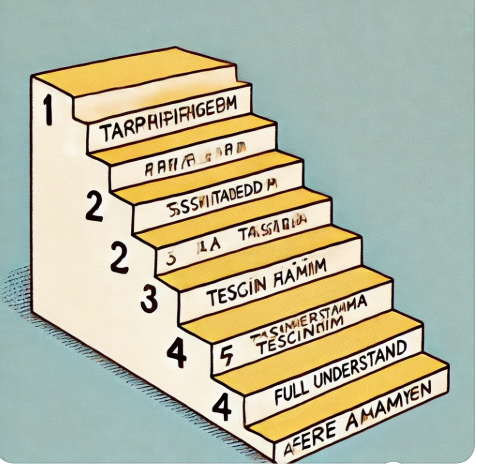
"Success Ladder"
1️⃣
I did not understand the
topic.
|
Follows Instructions |
Provides Feedback |
|
|||



 raffic
Light
raffic
Light


Short-Term Lesson Plan №2
|
Name of the Educational Institution |
|
||||||
|
Subject: |
|
||||||
|
Unit: |
|
||||||
|
Teacher's Full Name: |
|
||||||
|
Date: |
|
||||||
|
Grade: |
Number of Participants: |
Number of Absentees: |
|||||
|
Topic: |
|
||||||
|
Lesson Objective: |
|
||||||
|
Value education |
|
||||||
|
Lesson Procedure |
|||||||
|
Planned Lesson Stages |
Teacher's Actions |
Student's Actions |
Assessment |
Resources |
|||
|
Organizational stage |
"Secret Gift" Method Objective: Encourage students and increase their interest in the lesson.
|
Follows Instructions |
Verbal Praise |
|
|||
|
New lesson |
Sound Bingo (Phonics-Focused Practice) Students receive a bingo card
with sounds, not words (for example: /æ/, /e/, /ɪ/, /ɒ/, /ʌ/). Words read by the
teacher: Correct
answers: Letter–Sound Match Cards (Systematic Drill) Students are given two sets of cards: letters and sounds. They read the letter and match it with the correct sound. Example: Correct match: a → /æ/
Echo Reading (Controlled Repetition) The teacher reads short sound-based words. Students repeat immediately, copying pronunciation exactly. Words: Expected
response: Phonics Chant (Rhythm-Based Practice) Students read and chant a short phonics rhyme together, focusing on vowel sounds. Chant
text: Expected
result: Challenging Task – Sort Words by Vowel Sounds and Justify Choices Students read a list of words and sort them into vowel sound groups. Then they say why each word belongs to that group. Words: Correct
sorting: Student justification
example: Assessment Descriptors (0–10 Scale) Sound
Bingo Letter–Sound Match
Cards Echo
Reading Phonics
Chant Sorting by Vowel
Sounds Practice Tasks (Reading Trainer Style)
|
Completes Tasks Completes Tasks Completes Tasks Completes Tasks Completes Tasks |
Descriptor
T Verbal Praise
|
|
|||
|
Lesson consolidation |
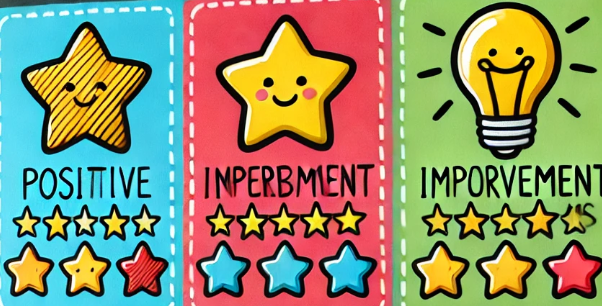
"Two Stars, One Wish"
|
Follows Instructions |
Provides Feedback |
|
|||
Short-Term Lesson Plan №3
|
Name of the Educational Institution |
|
||||||
|
Subject: |
|
||||||
|
Unit: |
|
||||||
|
Teacher's Full Name: |
|
||||||
|
Date: |
|
||||||
|
Grade: |
Number of Participants: |
Number of Absentees: |
|||||
|
Topic: |
|
||||||
|
Lesson Objective: |
|
||||||
|
Value education |
|
||||||
|
Lesson Procedure |
|||||||
|
Planned Lesson Stages |
Teacher's Actions |
Student's Actions |
Assessment |
Resources |
|||
|
Organizational stage |
"Magic Word" Method Objective: Spark interest in the lesson topic and encourage teamwork.
|
Follows Instructions |
Verbal Praise |
|
|||
|
New lesson |
Flashcard Reading (Controlled Word Practice) Students are shown flashcards with simple CVC words. Each student reads the word aloud and repeats it twice. Word
set: Expected
reading: Word Hunt (Visual Word Recognition) Students look at a short word grid and find target words. They read each word aloud after finding it. Target
words: Word grid
example: Correct
answers: Read and Point (Word–Object Connection) Students read a word and point to the correct picture or object in the classroom. Words: Expected
response: Speed Reading Challenge (Timed Accuracy) Students read a list of simple words in 30 seconds. Accuracy is more important than speed. Word
list:
Correct
reading: Challenging Task – Build New Words from Letter Cards and Read Them Aloud Students receive letter cards and build real English words. After building each word, they read it aloud. Letter
cards: Possible correct
words: Student explanation
example: Assessment Descriptors (0–10 Scale) Flashcard
Reading Word
Hunt Read and
Point Speed Reading
Challenge Build New Words
(Challenging) Practice Tasks (Reading Trainer)
|
Completes Tasks Completes Tasks Completes Tasks Completes Tasks Completes Tasks |
Descriptor
T Verbal Praise
|
|
|||
|
Lesson consolidation |
"Traffic Light" Method
|
Follows Instructions |
Provides Feedback |
|
|||


Short-Term Lesson Plan №4
|
Name of the Educational Institution |
|
||||||
|
Subject: |
|
||||||
|
Unit: |
|
||||||
|
Teacher's Full Name: |
|
||||||
|
Date: |
|
||||||
|
Grade: |
Number of Participants: |
Number of Absentees: |
|||||
|
Topic: |
|
||||||
|
Lesson Objective: |
|
||||||
|
Value education |
|
||||||
|
Lesson Procedure |
|||||||
|
Planned Lesson Stages |
Teacher's Actions |
Student's Actions |
Assessment |
Resources |
|||
|
Organizational stage |
"Magic Box" Method Objective: Increase students' interest and motivation for the lesson.
|
Follows Instructions |
Verbal Praise |
|
|||
|
New lesson |
Sentence Strip Reading (Structured Sentence Practice) Students receive sentence strips and read each sentence aloud carefully. After reading, they point to a matching picture. Sentence
strips: Correct
responses:
Read and Act (Meaning-Based Reading) Students read short sentences and show the meaning using actions or gestures. Sentences: Expected
actions: Sentence Puzzle (Word Order Training) Students are given mixed words and must arrange them into a correct sentence, then read it aloud. Example: Correct
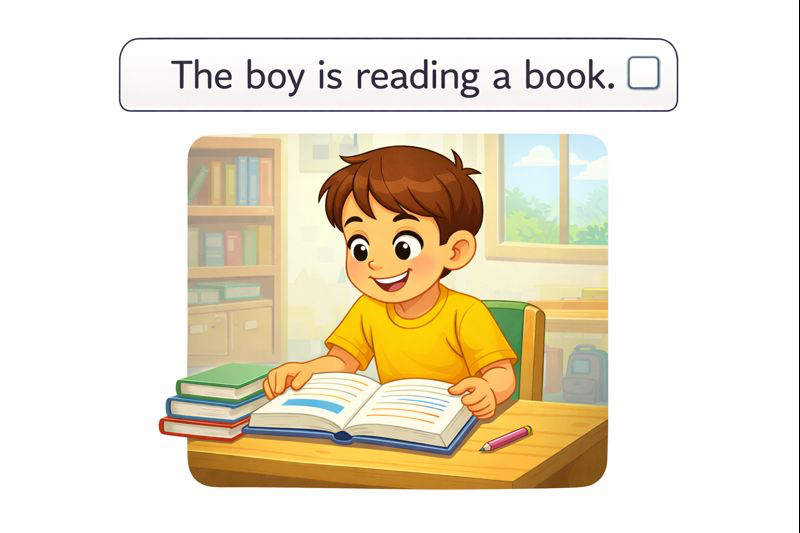
sentence: Choose the Correct Sentence (Visual Discrimination) Students look at a picture and choose the correct sentence from two options. Picture: A child reading a book Options: Correct
answer: Challenging Task – Rearrange Mixed Sentences to Create a Mini Story Students are given three short sentences in mixed order. They must put them in the correct order and read the mini story. Sentences: Correct order:
Expected
reading: Assessment Descriptors (0–10 Scale) Sentence Strip
Reading Read and
Act Sentence
Puzzle Choose the Correct
Sentence Mini Story
(Challenging) Practice Tasks (Reading Trainer)
|
Completes Tasks Completes Tasks Completes Tasks Completes Tasks Completes Tasks |
Descriptor
T Verbal Praise
|
|
|||
|
Lesson consolidation |
"Mood Emojis" Method ? Instructions:
|
Follows Instructions |
Provides Feedback |
|
|||

Short-Term Lesson Plan №5
|
Name of the Educational Institution |
|
||||||
|
Subject: |
|
||||||
|
Unit: |
|
||||||
|
Teacher's Full Name: |
|
||||||
|
Date: |
|
||||||
|
Grade: |
Number of Participants: |
Number of Absentees: |
|||||
|
Topic: |
|
||||||
|
Lesson Objective: |
|
||||||
|
Value education |
|
||||||
|
Lesson Procedure |
|||||||
|
Planned Lesson Stages |
Teacher's Actions |
Student's Actions |
Assessment |
Resources |
|||
|
Organizational stage |
"Circle of Kind Words" Method Objective: Boost students' mood and foster friendly relationships.
|
Follows Instructions |
Verbal Praise |
|
|||
|
New lesson |
Picture-Based Reading (Meaning-Focused Word and Sentence Reading) Students look at a picture of a family and read short sentences describing it. After reading, they match each sentence to the correct person in the picture. Sentences: Correct
answers: Family Tree Reading (Relationship Recognition) Students read a simple family tree and say who each person is. Family tree
text: Correct
understanding: Who Is It? (Reading for Identification) Students read short descriptions and say who the person is. Descriptions: Correct
answers: Read and Circle (Focused Reading Task) Students read sentences and circle the correct word. Example: Correct
answers: Challenging Task – Read and Compare Two Family Descriptions Students read two short family descriptions and answer comparison questions. Text
A: Text
B: Questions and correct
answers: Assessment Descriptors (0–10 Scale) Picture-Based
Reading Family Tree
Reading Who Is
It? Read and
Circle Compare Family Descriptions
(Challenging) Practice Tasks (Reading Trainer)
|
Completes Tasks Completes Tasks Completes Tasks Completes Tasks Completes Tasks |
Descriptor
T Verbal Praise
|
|
|||
|
Lesson consolidation |
"What Did I Like? What Was Difficult? What Did I Learn?" ? Instructions:
✅ What did I
like? – What was the most
interesting part of the lesson? This method encourages reflection and helps students analyze their learning progress.
|
Follows Instructions |
Provides Feedback |
|
|||
Short-Term Lesson Plan №6
|
Name of the Educational Institution |
|
||||||
|
Subject: |
|
||||||
|
Unit: |
|
||||||
|
Teacher's Full Name: |
|
||||||
|
Date: |
|
||||||
|
Grade: |
Number of Participants: |
Number of Absentees: |
|||||
|
Topic: |
|
||||||
|
Lesson Objective: |
|
||||||
|
Value education |
|
||||||
|
Lesson Procedure |
|||||||
|
Planned Lesson Stages |
Teacher's Actions |
Student's Actions |
Assessment |
Resources |
|||
|
Organizational stage |
"Compliment Bridge" Method Objective: Build friendly relationships and boost students' confidence.
|
Follows Instructions |
Verbal Praise |
|
|||
|
New lesson |
Word–Picture Matching (Vocabulary Recognition) Students read family words and match them with the correct picture. Words: Correct
matches: Read and Draw (Word Meaning Visualization) Students read a word and draw a simple picture to show its meaning. Words to
read: Expected
result: Guess the Word (Definition-Based Reading) Students read a short description and guess the family word. Descriptions: Correct
answers: Fill the Gaps (Controlled Vocabulary Use) Students read sentences and fill in the missing family word. Sentences: Correct
answers: Challenging Task – Use Family Words to Create and Read Original Sentences Students choose 2–3 family words and create their own simple sentences. After writing, they read the sentences aloud. Example: Expected
result: Assessment Descriptors (0–10 Scale) Word–Picture
Matching Read and
Draw Guess the
Word Fill the
Gaps Create Sentences
(Challenging) Practice Tasks (Reading Trainer)
|
Completes Tasks Completes Tasks Completes Tasks Completes Tasks Completes Tasks |
Descriptor
T Verbal Praise
|
|
|||
|
Lesson consolidation |
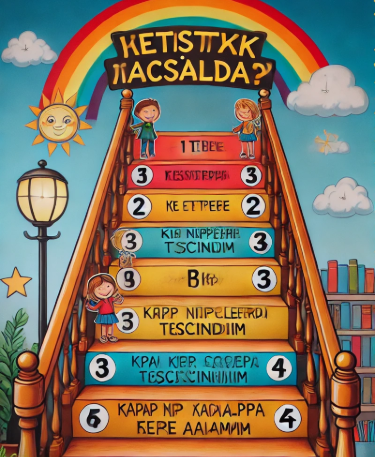
Success Ladder" Method ? Instructions:
|
Follows Instructions |
Provides Feedback |
|
|||
Short-Term Lesson Plan №7
|
Name of the Educational Institution |
|
|||||||||||
|
Subject: |
|
|||||||||||
|
Unit: |
|
|||||||||||
|
Teacher's Full Name: |
|
|||||||||||
|
Date: |
|
|||||||||||
|
Grade: |
Number of Participants: |
Number of Absentees: |
||||||||||
|
Topic: |
|
|||||||||||
|
Lesson Objective: |
|
|||||||||||
|
Value education |
|
|||||||||||
|
Lesson Procedure |
||||||||||||
|
Planned Lesson Stages |
Teacher's Actions |
Student's Actions |
Assessment |
Resources |
||||||||
|
Organizational stage |
"Circle of Kind Words" Method Objective: Boost students' mood and foster friendly relationships.
|
Follows Instructions |
Verbal Praise |
|
||||||||
|
New lesson |
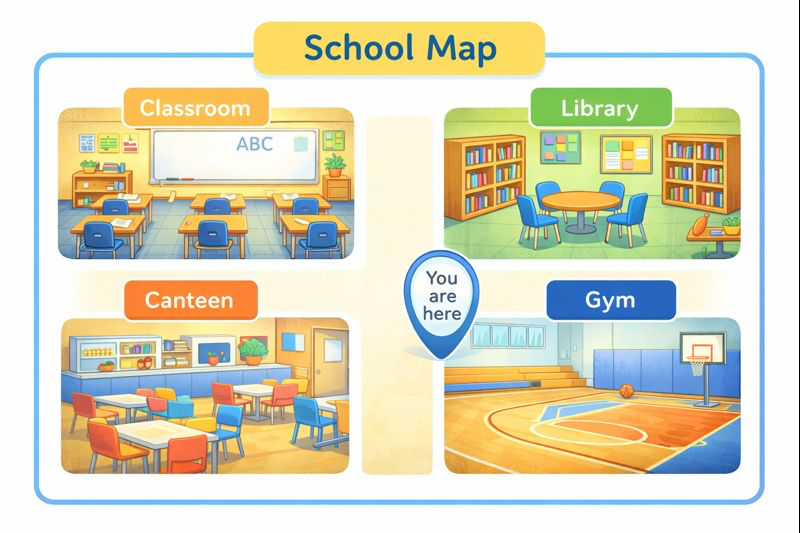
School Map Reading (Reading for Location) Students read short sentences and find places on a simple school map. Sentences: Correct
understanding:
Read and Label (Word–Place Connection) Students read place names and label them on the school map. Words: Correct
labels: True or False (Text Understanding) Students read short sentences and choose True or False. Sentences: Read and Choose (Meaning Selection) Students read a sentence and choose the correct answer. Sentence: Correct
answer: Challenging Task – Read and Explain School Rules from the Text Students read short school rules and explain them in simple words. Rules
text: Correct
explanations: Assessment Descriptors (0–10 Scale) School Map
Reading Read and
Label True or
False Read and
Choose Explain School Rules
(Challenging) Practice Tasks (Reading Trainer)
|
Completes Tasks Completes Tasks Completes Tasks Completes Tasks Completes Tasks |
Descriptor
T Verbal Praise
|
|
||||||||
|
Lesson consolidation |
"Know – Want to Know – Learned" (KWL) Method ? Instructions:
|
Follows Instructions |
Provides Feedback |
|
||||||||
Short-Term Lesson Plan №8
|
Name of the Educational Institution |
|
||||||
|
Subject: |
|
||||||
|
Unit: |
|
||||||
|
Teacher's Full Name: |
|
||||||
|
Date: |
|
||||||
|
Grade: |
Number of Participants: |
Number of Absentees: |
|||||
|
Topic: |
|
||||||
|
Lesson Objective: |
|
||||||
|
Value education |
|
||||||
|
Lesson Procedure |
|||||||
|
Planned Lesson Stages |
Teacher's Actions |
Student's Actions |
Assessment |
Resources |
|||
|
Organizational stage |
"One Word" Method ? Objective: Determine students' emotional readiness for the lesson.
|
Follows Instructions |
Verbal Praise |
|
|||
|
New lesson |
Vocabulary Sorting (Meaning-Based Classification) Students read school-related words and sort them into groups. Words: Correct
sorting:
Read and Point (Word Recognition) Students read a word and point to the correct object or person in the classroom. Words: Expected
response: Memory Cards (Visual Vocabulary Recall) Students work with word–picture cards. They read each word when turning the card over and find the matching picture. Example
pairs: Correct
result: Sentence Completion (Contextual Vocabulary Use) Students read sentences and complete them with the correct school word. Sentences: Correct
answers: Challenging Task – Categorize School Words and Explain Categories Students read a list of school words, group them into categories, and explain each category in simple sentences. Words: Correct
categories: Student explanation
example: Assessment Descriptors (0–10 Scale) Vocabulary
Sorting Read and
Point Memory
Cards Sentence
Completion Categorize and Explain
(Challenging) Practice Tasks (Reading Trainer)
|
Completes Tasks Completes Tasks Completes Tasks Completes Tasks Completes Tasks |
Descriptor
T Verbal Praise
|
|
|||
|
Lesson consolidation |
"Five Fingers" Method ? Instructions:
? Thumb – I liked
it.
|
Follows Instructions |
Provides Feedback |
|
|||
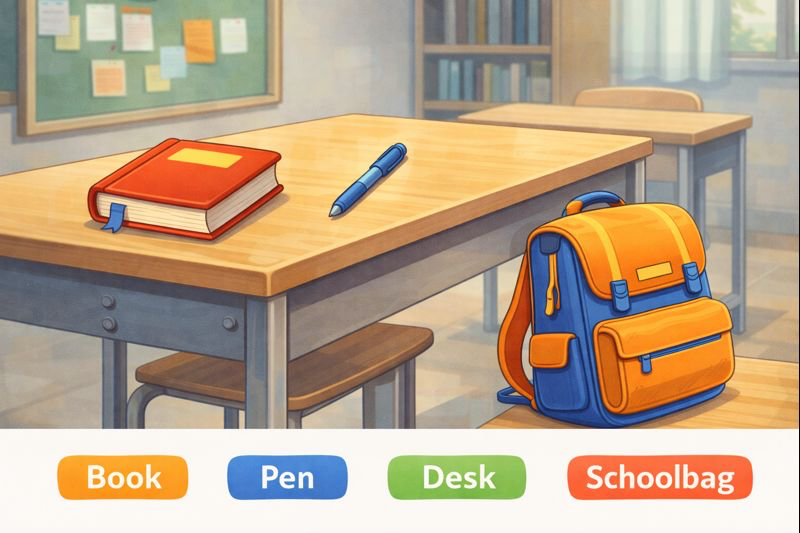
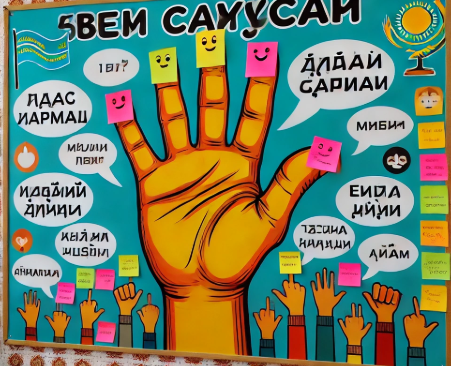
Short-Term Lesson Plan №9
|
Name of the Educational Institution |
|
||||||
|
Subject: |
|
||||||
|
Unit: |
|
||||||
|
Teacher's Full Name: |
|
||||||
|
Date: |
|
||||||
|
Grade: |
Number of Participants: |
Number of Absentees: |
|||||
|
Topic: |
|
||||||
|
Lesson Objective: |
|
||||||
|
Value education |
|
||||||
|
Lesson Procedure |
|||||||
|
Planned Lesson Stages |
Teacher's Actions |
Student's Actions |
Assessment |
Resources |
|||
|
Organizational stage |
"Show Your Mood" Objective: Determine students' mood and assess their readiness for the lesson.
|
Follows Instructions |
Verbal Praise |
|
|||
|
New lesson |
Timeline Reading (Sequence-Based Reading) Students read short sentences about a daily routine and place them on a timeline from morning to evening. Sentences: Correct
order: Read and Order (Text Sequencing) Students read a short text and put the sentences in the correct order. Text: Correct order:
Mime and Guess (Action-Based Reading) Students read a sentence silently, mime the action, and classmates guess the sentence. Sentences: Correct
guesses: Yes or No (Reading for Meaning) Students read sentences and answer Yes or No. Sentences: Challenging Task – Compare Two Daily Routines from Different Texts Students read two short daily routine texts and answer comparison questions. Text
A: Text
B:
Correct
answers: Assessment Descriptors (0–10 Scale) Timeline
Reading Read and
Order Mime and
Guess Yes or
No Compare Daily Routines
(Challenging) Practice Tasks (Reading Trainer)
|
Completes Tasks Completes Tasks Completes Tasks Completes Tasks Completes Tasks |
Descriptor
T Verbal Praise
|
|
|||
|
Lesson consolidation |
"Success Ladder"
1️⃣
I did not understand the
topic.
|
Follows Instructions |
Provides Feedback |
|
|||

Short-Term Lesson Plan №10
|
Name of the Educational Institution |
|
||||||
|
Subject: |
|
||||||
|
Unit: |
|
||||||
|
Teacher's Full Name: |
|
||||||
|
Date: |
|
||||||
|
Grade: |
Number of Participants: |
Number of Absentees: |
|||||
|
Topic: |
|
||||||
|
Lesson Objective: |
|
||||||
|
Value education |
|
||||||
|
Lesson Procedure |
|||||||
|
Planned Lesson Stages |
Teacher's Actions |
Student's Actions |
Assessment |
Resources |
|||
|
Organizational stage |
"Secret Gift" Method Objective: Encourage students and increase their interest in the lesson.
|
Follows Instructions |
Verbal Praise |
|
|||
|
New lesson |
Cut-and-Order Reading (Sentence Sequencing) Students read short sentences printed on separate strips. They cut them out and arrange them in the correct order, then read the full text aloud. Sentences: Correct order:
Number the Events (Reading for Sequence) Students read a short text and write numbers to show the correct order of events. Text: Correct numbering:
Read and Match (Beginning–Middle–End) Students read sentences and match them to the correct part of the story. Sentences: Correct
matches: Find the Beginning (Text Awareness) Students read a short text and choose which sentence is the beginning. Text: Correct
answer: Challenging Task – Rewrite Events Using Own Words Students read a short ordered text and rewrite it using different words, keeping the same meaning and order. Original
text: Possible correct
rewrite: Assessment Descriptors (0–10 Scale) Cut-and-Order
Reading Number the
Events Read and
Match Find the
Beginning Rewrite Events
(Challenging) Practice Tasks (Reading Trainer)
|
Completes Tasks Completes Tasks Completes Tasks Completes Tasks Completes Tasks |
Descriptor
T Verbal Praise
|
|
|||
|
Lesson consolidation |
"Two Stars, One Wish"
|
Follows Instructions |
Provides Feedback |
|
|||
Short-Term Lesson Plan №11
|
Name of the Educational Institution |
|
||||||
|
Subject: |
|
||||||
|
Unit: |
|
||||||
|
Teacher's Full Name: |
|
||||||
|
Date: |
|
||||||
|
Grade: |
Number of Participants: |
Number of Absentees: |
|||||
|
Topic: |
|
||||||
|
Lesson Objective: |
|
||||||
|
Value education |
|
||||||
|
Lesson Procedure |
|||||||
|
Planned Lesson Stages |
Teacher's Actions |
Student's Actions |
Assessment |
Resources |
|||
|
Organizational stage |
"Magic Word" Method Objective: Spark interest in the lesson topic and encourage teamwork.
|
Follows Instructions |
Verbal Praise |
|
|||
|
New lesson |
Hobby Guess Game (Reading for Meaning) Students read short sentences describing hobbies and guess the correct hobby. Descriptions: Correct answers:
Read and Tick (Personalized Reading) Students read sentences and tick ✔ if the sentence is true for them. Sentences: Expected
response: Find Someone Who… (Reading and Interaction) Students read sentences and find classmates who match them. Sentences: Correct
result: Picture Matching (Word–Image Connection) Students read hobby words and match them with pictures. Words: Correct
matches: Challenging Task – Read and Explain Why a Hobby Is Important Students read short sentences about hobbies and explain why the hobby is important. Text: Correct explanation
example: Assessment Descriptors (0–10 Scale) Hobby Guess
Game Read and
Tick Find Someone
Who… Picture
Matching Explain Hobby Importance
(Challenging) Practice Tasks (Reading Trainer)
|
Completes Tasks Completes Tasks Completes Tasks Completes Tasks Completes Tasks |
Descriptor
T Verbal Praise
|
|
|||
|
Lesson consolidation |
"Traffic Light" Method
|
Follows Instructions |
Provides Feedback |
|
|||
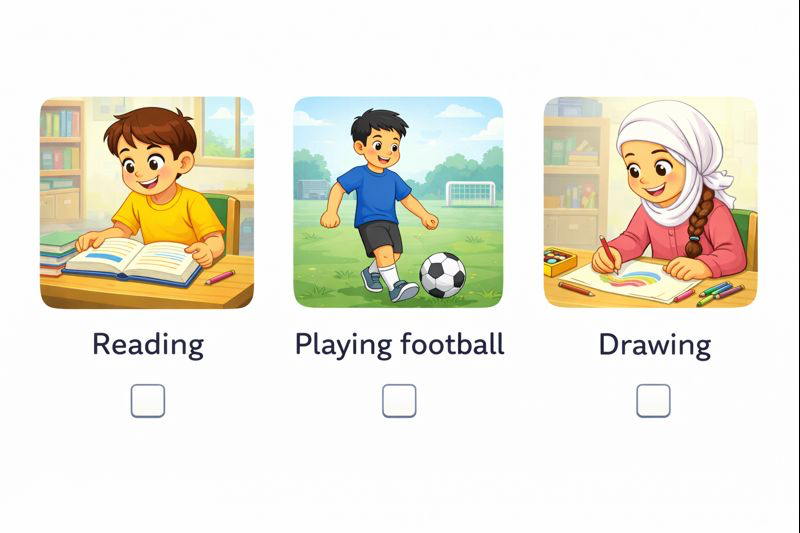
Short-Term Lesson Plan №12
|
Name of the Educational Institution |
|
||||||
|
Subject: |
|
||||||
|
Unit: |
|
||||||
|
Teacher's Full Name: |
|
||||||
|
Date: |
|
||||||
|
Grade: |
Number of Participants: |
Number of Absentees: |
|||||
|
Topic: |
|
||||||
|
Lesson Objective: |
|
||||||
|
Value education |
|
||||||
|
Lesson Procedure |
|||||||
|
Planned Lesson Stages |
Teacher's Actions |
Student's Actions |
Assessment |
Resources |
|||
|
Organizational stage |
"Magic Box" Method Objective: Increase students' interest and motivation for the lesson.
|
Follows Instructions |
Verbal Praise |
|
|||
|
New lesson |
Word Web (Vocabulary Expansion through Reading) Students read the key word hobbies and connect it to related hobby words. Key
word: Connected
words: Correct
result: Read and Sort (Categorizing Vocabulary) Students read hobby words and sort them into correct groups. Words: Correct
sorting: Vocabulary Relay (Fast Word Recognition) Students read hobby words on cards and pass them to the next student after reading aloud. Words: Expected
result: Missing Words (Context-Based Reading) Students read sentences and fill in the missing hobby word. Sentences: Correct
answers: Challenging Task – Use Hobby Vocabulary to Write and Read a Short Paragraph Students choose 2–3 hobby words and write a short paragraph. After writing, they read it aloud. Example
paragraph: Expected
result: Assessment Descriptors (0–10 Scale) Word
Web Read and
Sort Vocabulary
Relay Missing
Words Write and Read Paragraph
(Challenging) Practice Tasks (Reading Trainer)
|
Completes Tasks Completes Tasks Completes Tasks Completes Tasks Completes Tasks |
Descriptor
T Verbal Praise
|
|
|||
|
Lesson consolidation |
"Mood Emojis" Method ? Instructions:
|
Follows Instructions |
Provides Feedback |
|
|||
Short-Term Lesson Plan №13
|
Name of the Educational Institution |
|
||||||
|
Subject: |
|
||||||
|
Unit: |
|
||||||
|
Teacher's Full Name: |
|
||||||
|
Date: |
|
||||||
|
Grade: |
Number of Participants: |
Number of Absentees: |
|||||
|
Topic: |
|
||||||
|
Lesson Objective: |
|
||||||
|
Value education |
|
||||||
|
Lesson Procedure |
|||||||
|
Planned Lesson Stages |
Teacher's Actions |
Student's Actions |
Assessment |
Resources |
|||
|
Organizational stage |
"Circle of Kind Words" Method Objective: Boost students' mood and foster friendly relationships.
|
Follows Instructions |
Verbal Praise |
|
|||
|
New lesson |
Nature Picture Reading (Reading for Visual Meaning) Students look at a picture of nature and read short sentences about it. They connect each sentence to the correct part of the picture. Sentences: Correct
understanding:
Read and Label (Word–Nature Connection) Students read nature words and label them on a picture. Words: Correct
labels: Find the Fact (Reading for Information) Students read short sentences and choose the correct fact about nature. Sentences: Correct
facts: Yes / No Cards (Understanding Check) Students read sentences and show Yes or No cards. Sentences: Challenging Task – Identify Environmental Problems Mentioned in the Text Students read a short text and identify environmental problems. Text: Correct
answers: Student explanation
example: Assessment Descriptors (0–10 Scale) Nature Picture
Reading Read and
Label Find the
Fact Yes / No
Cards Identify Environmental
Problems (Challenging) Practice Tasks (Reading Trainer)
|
Completes Tasks Completes Tasks Completes Tasks Completes Tasks Completes Tasks |
Descriptor
T Verbal Praise
|
|
|||
|
Lesson consolidation |
"What Did I Like? What Was Difficult? What Did I Learn?" ? Instructions:
✅ What did I
like? – What was the most
interesting part of the lesson? This method encourages reflection and helps students analyze their learning progress.
|
Follows Instructions |
Provides Feedback |
|
|||
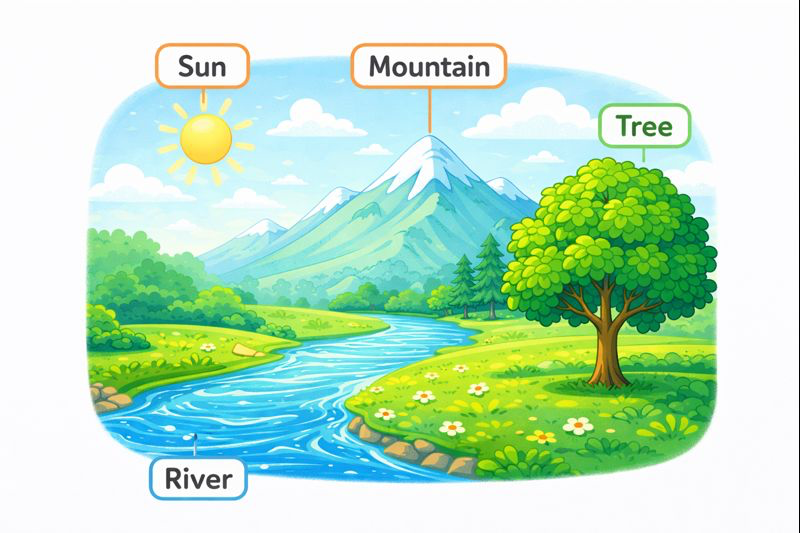
Short-Term Lesson Plan №14
|
Name of the Educational Institution |
|
||||||
|
Subject: |
|
||||||
|
Unit: |
|
||||||
|
Teacher's Full Name: |
|
||||||
|
Date: |
|
||||||
|
Grade: |
Number of Participants: |
Number of Absentees: |
|||||
|
Topic: |
|
||||||
|
Lesson Objective: |
|
||||||
|
Value education |
|
||||||
|
Lesson Procedure |
|||||||
|
Planned Lesson Stages |
Teacher's Actions |
Student's Actions |
Assessment |
Resources |
|||
|
Organizational stage |
"Compliment Bridge" Method Objective: Build friendly relationships and boost students' confidence.
|
Follows Instructions |
Verbal Praise |
|
|||
|
New lesson |
Adjective Hunt (Reading for Description) Students read short sentences and find adjectives that describe nature. They underline the describing word. Sentences:
Correct
answers: Read and Draw (Visualizing Descriptions) Students read a sentence and draw what they understand from the description. Sentence: Expected
drawing: Compare Pictures (Descriptive Reading) Students look at two nature pictures and read short descriptions. They decide which picture matches the description. Descriptions: Correct
matching: Highlight Descriptions (Focused Attention) Students read sentences and highlight words that describe nature. Sentences: Correct
highlights: Challenging Task – Rewrite Descriptions Using Different Adjectives Students read a description and rewrite it using a different adjective with the same meaning or a suitable alternative. Original
sentence: Possible correct
rewrite: Assessment Descriptors (0–10 Scale) Adjective
Hunt Read and
Draw Compare
Pictures Highlight
Descriptions Rewrite Descriptions
(Challenging) Practice Tasks (Reading Trainer)
|
Completes Tasks Completes Tasks Completes Tasks Completes Tasks Completes Tasks |
Descriptor
T Verbal Praise
|
|
|||
|
Lesson consolidation |
Success Ladder" Method ? Instructions:
|
Follows Instructions |
Provides Feedback |
|
|||

Short-Term Lesson Plan №15
|
Name of the Educational Institution |
|
|||||||||||
|
Subject: |
|
|||||||||||
|
Unit: |
|
|||||||||||
|
Teacher's Full Name: |
|
|||||||||||
|
Date: |
|
|||||||||||
|
Grade: |
Number of Participants: |
Number of Absentees: |
||||||||||
|
Topic: |
|
|||||||||||
|
Lesson Objective: |
|
|||||||||||
|
Value education |
|
|||||||||||
|
Lesson Procedure |
||||||||||||
|
Planned Lesson Stages |
Teacher's Actions |
Student's Actions |
Assessment |
Resources |
||||||||
|
Organizational stage |
"Circle of Kind Words" Method Objective: Boost students' mood and foster friendly relationships.
|
Follows Instructions |
Verbal Praise |
|
||||||||
|
New lesson |
Animal Sound Reading (Sound–Word Connection) Students read animal words and say the correct animal sound. Then they read the word again aloud. Words: Correct
responses: Read and Match (Animal–Description Matching) Students read short descriptions and match them with the correct animal. Descriptions: Correct
matches: Guess the Animal (Reading for Identification) Students read short sentences and guess the animal. Sentences: Correct answers:
Circle the Fact (Fact Recognition) Students read sentences and circle the correct fact. Sentences: Correct
facts: Challenging Task – Compare Two Animals Using Text Information Students read two short texts and compare the animals. Text
A: Text
B: Correct comparison
answers: Assessment Descriptors (0–10 Scale) Animal Sound
Reading Read and
Match Guess the
Animal Circle the
Fact Compare Animals
(Challenging) Practice Tasks (Reading Trainer)
|
Completes Tasks Completes Tasks Completes Tasks Completes Tasks Completes Tasks |
Descriptor
T Verbal Praise
|
|
||||||||
|
Lesson consolidation |
"Know – Want to Know – Learned" (KWL) Method ? Instructions:
|
Follows Instructions |
Provides Feedback |
|
||||||||

|
Name of the Educational Institution |
|
||||||
|
Subject: |
|
||||||
|
Unit: |
|
||||||
|
Teacher's Full Name: |
|
||||||
|
Date: |
|
||||||
|
Grade: |
Number of Participants: |
Number of Absentees: |
|||||
|
Topic: |
|
||||||
|
Lesson Objective: |
|
||||||
|
Value education |
|
||||||
|
Lesson Procedure |
|||||||
|
Planned Lesson Stages |
Teacher's Actions |
Student's Actions |
Assessment |
Resources |
|||
|
Organizational stage |
"One Word" Method ? Objective: Determine students' emotional readiness for the lesson.
|
Follows Instructions |
Verbal Praise |
|
|||
|
New lesson |
True / False Corners (Movement-Based Reading Check) Students read sentences about animals. They move to the True or False corner of the classroom. Sentences: Correct
responses: Correct the Sentence (Error Awareness) Students read incorrect sentences and correct them orally or in writing. Sentences: Corrected
sentences: Read and Choose (Meaning Selection) Students read a sentence and choose the correct option. Sentence: Correct
answer: Pair Discussion (Reading and Speaking Integration) Students read short animal facts and discuss them with a partner using simple sentences. Facts: Expected
discussion: Challenging Task – Create True / False Statements for Classmates Students read a short animal text and create two statements: one true and one false. Classmates read and decide. Text: Student-created
examples: Assessment Descriptors (0–10 Scale) True / False
Corners Correct the
Sentence Read and
Choose Pair
Discussion Create True / False
(Challenging) Practice Tasks (Reading Trainer)
|
Completes Tasks Completes Tasks Completes Tasks Completes Tasks Completes Tasks |
Descriptor
T Verbal Praise
|
|
|||
|
Lesson consolidation |
"Five Fingers" Method ? Instructions:
? Thumb – I liked
it.
|
Follows Instructions |
Provides Feedback |
|
|||
Short-Term Lesson Plan №17
|
Name of the Educational Institution |
|
||||||
|
Subject: |
|
||||||
|
Unit: |
|
||||||
|
Teacher's Full Name: |
|
||||||
|
Date: |
|
||||||
|
Grade: |
Number of Participants: |
Number of Absentees: |
|||||
|
Topic: |
|
||||||
|
Lesson Objective: |
|
||||||
|
Value education |
|
||||||
|
Lesson Procedure |
|||||||
|
Planned Lesson Stages |
Teacher's Actions |
Student's Actions |
Assessment |
Resources |
|||
|
Organizational stage |
"Show Your Mood" Objective: Determine students' mood and assess their readiness for the lesson.
|
Follows Instructions |
Verbal Praise |
|
|||
|
New lesson |
Menu Reading (Functional Reading) Students read a simple menu and identify food and drinks. Menu: Correct
identification: Read and Sort (Food Classification) Students read words and sort them into food and drinks. Words: Correct
sorting: Like / Don’t Like (Personal Response Reading) Students read sentences and choose Like or Don’t like. Sentences: Correct
response: Word Search (Visual Word Recognition) Students find food and drink words in a word grid and read them aloud. Target
words: Correct
result: Challenging Task – Read and Analyze Food Preferences Students read a short text and answer questions about food preferences. Text: Correct
answers: Assessment Descriptors (0–10 Scale) Menu
Reading Read and
Sort Like / Don’t
Like Word
Search Analyze Food Preferences
(Challenging) Practice Tasks (Reading Trainer)
|
Completes Tasks Completes Tasks Completes Tasks Completes Tasks Completes Tasks |
Descriptor
T Verbal Praise
|
|
|||
|
Lesson consolidation |
"Success Ladder"
1️⃣
I did not understand the
topic.
|
Follows Instructions |
Provides Feedback |
|
|||
Short-Term Lesson Plan №18
|
Name of the Educational Institution |
|
||||||
|
Subject: |
|
||||||
|
Unit: |
|
||||||
|
Teacher's Full Name: |
|
||||||
|
Date: |
|
||||||
|
Grade: |
Number of Participants: |
Number of Absentees: |
|||||
|
Topic: |
|
||||||
|
Lesson Objective: |
|
||||||
|
Value education |
|
||||||
|
Lesson Procedure |
|||||||
|
Planned Lesson Stages |
Teacher's Actions |
Student's Actions |
Assessment |
Resources |
|||
|
Organizational stage |
"Secret Gift" Method Objective: Encourage students and increase their interest in the lesson.
|
Follows Instructions |
Verbal Praise |
|
|||
|
New lesson |
Healthy Plate Reading (Informational Reading) Students read short sentences about a healthy plate and identify healthy food. Text: Correct
understanding: Read and Classify (Healthy vs Unhealthy) Students read food words and classify them as healthy or unhealthy. Words: Correct
classification: Yes / No Quiz (Understanding Check) Students read sentences and answer Yes or No. Sentences: Sentence Matching (Meaning Connection) Students read sentences and match them with the correct meaning. Sentences: Correct
matches: Challenging Task – Explain Why Certain Foods Are Healthy Students read short food facts and explain why the food is healthy. Text: Correct explanation
example: Assessment Descriptors (0–10 Scale) Healthy Plate
Reading Read and
Classify Yes / No
Quiz Sentence
Matching Explain Healthy Food
(Challenging) Practice Tasks (Reading Trainer)
|
Completes Tasks Completes Tasks Completes Tasks Completes Tasks Completes Tasks |
Descriptor
T Verbal Praise
|
|
|||
|
Lesson consolidation |
"Two Stars, One Wish"
|
Follows Instructions |
Provides Feedback |
|
|||
Short-Term Lesson Plan №19
|
Name of the Educational Institution |
|
||||||
|
Subject: |
|
||||||
|
Unit: |
|
||||||
|
Teacher's Full Name: |
|
||||||
|
Date: |
|
||||||
|
Grade: |
Number of Participants: |
Number of Absentees: |
|||||
|
Topic: |
|
||||||
|
Lesson Objective: |
|
||||||
|
Value education |
|
||||||
|
Lesson Procedure |
|||||||
|
Planned Lesson Stages |
Teacher's Actions |
Student's Actions |
Assessment |
Resources |
|||
|
Organizational stage |
"Magic Word" Method Objective: Spark interest in the lesson topic and encourage teamwork.
|
Follows Instructions |
Verbal Praise |
|
|||
|
New lesson |
Personal Story Reading (Reading for General Meaning) Students read a short personal story about a daily routine and understand the main idea. Text: Correct
understanding: Read and Order (Sequencing a Personal Day) Students read the same text and put the activities in the correct order. Activities: Correct order:
Find the Detail (Reading for Specific Information) Students read the text again and answer detail questions. Questions: Read and Match (Action–Time Connection) Students read actions and match them with the correct time of day. Actions: Times: Correct
matches: Challenging Task – Compare the Text with Own Daily Routine Students read the text and compare it with their own day using simple sentences. Example
comparison: Expected
result: Assessment Descriptors (0–10 Scale) Personal Story
Reading Read and
Order Find the
Detail Read and
Match Compare Daily Routines
(Challenging) Practice Tasks (Reading Trainer)
|
Completes Tasks Completes Tasks Completes Tasks Completes Tasks Completes Tasks |
Descriptor
T Verbal Praise
|
|
|||
|
Lesson consolidation |
"Traffic Light" Method
|
Follows Instructions |
Provides Feedback |
|
|||
Short-Term Lesson Plan №20
|
Name of the Educational Institution |
|
||||||
|
Subject: |
|
||||||
|
Unit: |
|
||||||
|
Teacher's Full Name: |
|
||||||
|
Date: |
|
||||||
|
Grade: |
Number of Participants: |
Number of Absentees: |
|||||
|
Topic: |
|
||||||
|
Lesson Objective: |
|
||||||
|
Value education |
|
||||||
|
Lesson Procedure |
|||||||
|
Planned Lesson Stages |
Teacher's Actions |
Student's Actions |
Assessment |
Resources |
|||
|
Organizational stage |
"Magic Box" Method Objective: Increase students' interest and motivation for the lesson.
|
Follows Instructions |
Verbal Praise |
|
|||
|
New lesson |
Title Matching (Global Understanding) Students read a short text and choose the best title that shows the main idea. Text: Titles: Correct answer:
Read and Choose the Main Idea (Core Meaning) Students read a short paragraph and choose the sentence that best shows the main idea. Text: Main idea
options: Correct
answer: Highlight the Key Sentence (Main Idea Identification) Students read a paragraph and highlight the sentence that tells the main idea. Text: Correct highlighted
sentence: Group Discussion (Sharing Main Ideas) Students read a short text and say the main idea in one simple sentence. Text: Expected
response: Challenging Task – Justify the Chosen Main Idea with Evidence Students choose the main idea and give one sentence from the text as evidence. Text: Correct
answer: Assessment Descriptors (0–10 Scale) Title
Matching Read and Choose Main
Idea Highlight Key
Sentence Group
Discussion Justify Main Idea
(Challenging) Practice Tasks (Reading Trainer)
|
Completes Tasks Completes Tasks Completes Tasks Completes Tasks Completes Tasks |
Descriptor
T Verbal Praise
|
|
|||
|
Lesson consolidation |
"Mood Emojis" Method ? Instructions:
|
Follows Instructions |
Provides Feedback |
|
|||
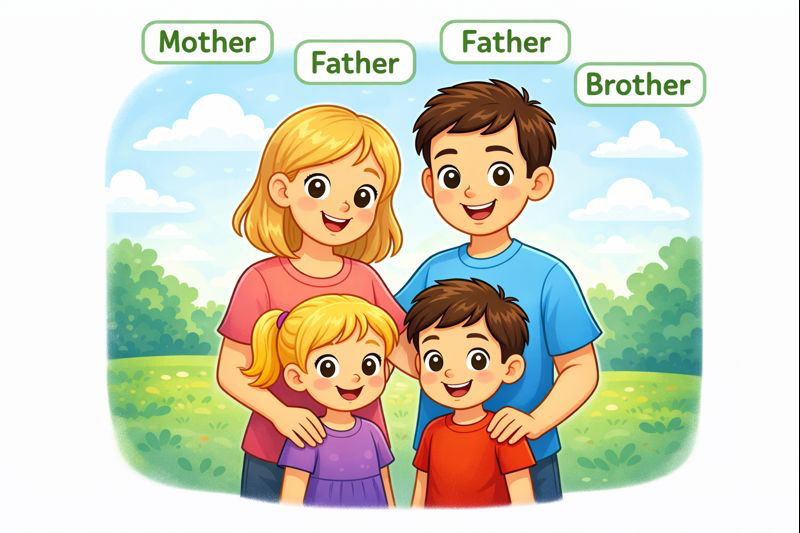
Short-Term Lesson Plan №21
|
Name of the Educational Institution |
|
||||||
|
Subject: |
|
||||||
|
Unit: |
|
||||||
|
Teacher's Full Name: |
|
||||||
|
Date: |
|
||||||
|
Grade: |
Number of Participants: |
Number of Absentees: |
|||||
|
Topic: |
|
||||||
|
Lesson Objective: |
|
||||||
|
Value education |
|
||||||
|
Lesson Procedure |
|||||||
|
Planned Lesson Stages |
Teacher's Actions |
Student's Actions |
Assessment |
Resources |
|||
|
Organizational stage |
"Circle of Kind Words" Method Objective: Boost students' mood and foster friendly relationships.
|
Follows Instructions |
Verbal Praise |
|
|||
|
New lesson |
Friendship Story Reading (Reading for Meaning) Students read a short story about friendship and understand the general idea. Story: Correct
understanding: Read and Agree / Disagree (Opinion-Based Reading) Students read sentences and choose Agree or Disagree. Sentences: Correct
responses: Who Is a Good Friend? (Character Identification) Students read short descriptions and choose who is a good friend. Descriptions: Correct
answers: Sentence Matching (Action–Meaning Connection) Students read sentences and match actions with meanings. Sentences: Meanings: Correct
matches: Challenging Task – Analyze Characters’ Actions and Motivations Students read a short text and explain why the character is a good friend. Text: Correct analysis
example: Assessment Descriptors (0–10 Scale) Friendship Story
Reading Agree /
Disagree Who Is a Good
Friend? Sentence
Matching Analyze Actions
(Challenging) Practice Tasks (Reading Trainer)
|
Completes Tasks Completes Tasks Completes Tasks Completes Tasks Completes Tasks |
Descriptor
T Verbal Praise
|
|
|||
|
Lesson consolidation |
"What Did I Like? What Was Difficult? What Did I Learn?" ? Instructions:
✅ What did I
like? – What was the most
interesting part of the lesson? This method encourages reflection and helps students analyze their learning progress.
|
Follows Instructions |
Provides Feedback |
|
|||
Short-Term Lesson Plan №22
|
Name of the Educational Institution |
|
||||||
|
Subject: |
|
||||||
|
Unit: |
|
||||||
|
Teacher's Full Name: |
|
||||||
|
Date: |
|
||||||
|
Grade: |
Number of Participants: |
Number of Absentees: |
|||||
|
Topic: |
|
||||||
|
Lesson Objective: |
|
||||||
|
Value education |
|
||||||
|
Lesson Procedure |
|||||||
|
Planned Lesson Stages |
Teacher's Actions |
Student's Actions |
Assessment |
Resources |
|||
|
Organizational stage |
"Compliment Bridge" Method Objective: Build friendly relationships and boost students' confidence.
|
Follows Instructions |
Verbal Praise |
|
|||
|
New lesson |
Guess the Person (Reading for Description) Students read short descriptions and guess the person. Descriptions: Correct
answers: Read and Draw (Visualizing Descriptions) Students read a sentence and draw the person they imagine. Sentence: Expected
result: Adjective Match (Word–Meaning Connection) Students read adjectives and match them with the correct meaning. Adjectives: Meanings: Correct
matches: Fill in the Description (Contextual Use) Students read sentences and complete them with the correct adjective. Sentences: Correct
answers: Challenging Task – Compare Two People from the Text Students read two short descriptions and compare the people. Text
A: Text
B: Correct
comparison: Assessment Descriptors (0–10 Scale) Guess the
Person Read and
Draw Adjective
Match Fill in the
Description Compare People
(Challenging) Practice Tasks (Reading Trainer)
|
Completes Tasks Completes Tasks Completes Tasks Completes Tasks Completes Tasks |
Descriptor
T Verbal Praise
|
|
|||
|
Lesson consolidation |
Success Ladder" Method ? Instructions:
|
Follows Instructions |
Provides Feedback |
|
|||
Short-Term Lesson Plan №23
|
Name of the Educational Institution |
|
|||||||||||
|
Subject: |
|
|||||||||||
|
Unit: |
|
|||||||||||
|
Teacher's Full Name: |
|
|||||||||||
|
Date: |
|
|||||||||||
|
Grade: |
Number of Participants: |
Number of Absentees: |
||||||||||
|
Topic: |
|
|||||||||||
|
Lesson Objective: |
|
|||||||||||
|
Value education |
|
|||||||||||
|
Lesson Procedure |
||||||||||||
|
Planned Lesson Stages |
Teacher's Actions |
Student's Actions |
Assessment |
Resources |
||||||||
|
Organizational stage |
"Circle of Kind Words" Method Objective: Boost students' mood and foster friendly relationships.
|
Follows Instructions |
Verbal Praise |
|
||||||||
|
New lesson |
Map Reading (Reading for Location) Students read short sentences and find places on a simple city/village map. Sentences: Correct
understanding: Read and Label (Place Identification) Students read place names and label them on the map. Words: Correct
labels: Find the Place (Reading for Purpose) Students read sentences and say where the action happens. Sentences: Correct
answers: Picture Sorting (City vs Village Recognition) Students read place words and sort pictures into city or village. Words /
pictures: Correct
sorting: Challenging Task – Explain Advantages of City vs Village Students read two short texts and explain one advantage of each place. Text A
(City): Text B
(Village): Correct
explanations: Assessment Descriptors (0–10 Scale) Map
Reading Read and
Label Find the
Place Picture
Sorting Explain City vs Village
(Challenging) Practice Tasks (Reading Trainer)
|
Completes Tasks Completes Tasks Completes Tasks Completes Tasks Completes Tasks |
Descriptor
T Verbal Praise
|
|
||||||||
|
Lesson consolidation |
"Know – Want to Know – Learned" (KWL) Method ? Instructions:
|
Follows Instructions |
Provides Feedback |
|
||||||||
Short-Term Lesson Plan №24
|
Name of the Educational Institution |
|
||||||
|
Subject: |
|
||||||
|
Unit: |
|
||||||
|
Teacher's Full Name: |
|
||||||
|
Date: |
|
||||||
|
Grade: |
Number of Participants: |
Number of Absentees: |
|||||
|
Topic: |
|
||||||
|
Lesson Objective: |
|
||||||
|
Value education |
|
||||||
|
Lesson Procedure |
|||||||
|
Planned Lesson Stages |
Teacher's Actions |
Student's Actions |
Assessment |
Resources |
|||
|
Organizational stage |
"One Word" Method ? Objective: Determine students' emotional readiness for the lesson.
|
Follows Instructions |
Verbal Praise |
|
|||
|
New lesson |
Read and Match Signs (Functional Reading) Students read common place signs and match them with the correct place. Signs: Correct
matches: Find Information (Reading for Purpose) Students read short sentences and find information about what people do in different places. Sentences: Correct
answers: Yes / No Questions (Understanding Check) Students read sentences and answer Yes or No. Sentences: Pair Reading (Shared Understanding) Students read short place descriptions in pairs and say what people do there. Text: Correct
response: Challenging Task – Identify Functions of Different Places Students read short texts and identify the main function of each place. Texts: Correct
answers: Assessment Descriptors (0–10 Scale) Read and Match
Signs Find
Information Yes / No
Questions Pair
Reading Identify Functions
(Challenging) Practice Tasks (Reading Trainer)
|
Completes Tasks Completes Tasks Completes Tasks Completes Tasks Completes Tasks |
Descriptor
T Verbal Praise
|
|
|||
|
Lesson consolidation |
"Five Fingers" Method ? Instructions:
? Thumb – I liked
it.
|
Follows Instructions |
Provides Feedback |
|
|||
Short-Term Lesson Plan №25
|
Name of the Educational Institution |
|
||||||
|
Subject: |
|
||||||
|
Unit: |
|
||||||
|
Teacher's Full Name: |
|
||||||
|
Date: |
|
||||||
|
Grade: |
Number of Participants: |
Number of Absentees: |
|||||
|
Topic: |
|
||||||
|
Lesson Objective: |
|
||||||
|
Value education |
|
||||||
|
Lesson Procedure |
|||||||
|
Planned Lesson Stages |
Teacher's Actions |
Student's Actions |
Assessment |
Resources |
|||
|
Organizational stage |
"Show Your Mood" Objective: Determine students' mood and assess their readiness for the lesson.
|
Follows Instructions |
Verbal Praise |
|
|||
|
New lesson |
Holiday Guessing Game (Reading for Identification) Students read short descriptions and guess the holiday. Descriptions: Correct
answers: Read and Match (Holiday–Action Connection) Students read holiday words and match them with correct actions. Words: Actions: Correct
matches: Find the Tradition (Reading for Cultural Detail) Students read short sentences and find the tradition. Sentences: Correct
traditions: True / False (Understanding Check) Students read sentences and choose True or False. Sentences: Challenging Task – Compare Two Holidays from Different Cultures Students read two short texts and compare the holidays. Text
A: Text
B: Correct
comparison: Assessment Descriptors (0–10 Scale) Holiday Guessing
Game Read and
Match Find the
Tradition True /
False Compare Holidays
(Challenging) Practice Tasks (Reading Trainer)
|
Completes Tasks Completes Tasks Completes Tasks Completes Tasks Completes Tasks |
Descriptor
T Verbal Praise
|
|
|||
|
Lesson consolidation |
"Success Ladder"
1️⃣
I did not understand the
topic.
|
Follows Instructions |
Provides Feedback |
|
|||
Short-Term Lesson Plan №26
|
Name of the Educational Institution |
|
||||||
|
Subject: |
|
||||||
|
Unit: |
|
||||||
|
Teacher's Full Name: |
|
||||||
|
Date: |
|
||||||
|
Grade: |
Number of Participants: |
Number of Absentees: |
|||||
|
Topic: |
|
||||||
|
Lesson Objective: |
|
||||||
|
Value education |
|
||||||
|
Lesson Procedure |
|||||||
|
Planned Lesson Stages |
Teacher's Actions |
Student's Actions |
Assessment |
Resources |
|||
|
Organizational stage |
"Secret Gift" Method Objective: Encourage students and increase their interest in the lesson.
|
Follows Instructions |
Verbal Praise |
|
|||
|
New lesson |
Story Circle Reading (Shared Story Reading) Students sit in a circle. Each student reads one short sentence from a fun story aloud. Story: Correct
reading: Read and React (Emotional Response to Text) Students read short sentences and show their reaction using simple words or gestures. Sentences: Correct
reactions: Choose the Ending (Understanding Story Logic) Students read a short story and choose the correct ending. Story: Endings: Correct
answer: Character Guess (Reading for Character Clues) Students read short descriptions and guess the character. Descriptions: Correct
answer: Challenging Task – Predict and Justify Alternative Endings Students read the story and choose a new ending. They explain why it can happen. Original
ending: Possible alternative
ending: Justification
example: Assessment Descriptors (0–10 Scale) Story Circle
Reading Read and
React Choose the
Ending Character
Guess Predict Ending
(Challenging) Practice Tasks (Reading Trainer)
|
Completes Tasks Completes Tasks Completes Tasks Completes Tasks Completes Tasks |
Descriptor
T Verbal Praise
|
|
|||
|
Lesson consolidation |
"Two Stars, One Wish"
|
Follows Instructions |
Provides Feedback |
|
|||
Short-Term Lesson Plan №27
|
Name of the Educational Institution |
|
||||||
|
Subject: |
|
||||||
|
Unit: |
|
||||||
|
Teacher's Full Name: |
|
||||||
|
Date: |
|
||||||
|
Grade: |
Number of Participants: |
Number of Absentees: |
|||||
|
Topic: |
|
||||||
|
Lesson Objective: |
|
||||||
|
Value education |
|
||||||
|
Lesson Procedure |
|||||||
|
Planned Lesson Stages |
Teacher's Actions |
Student's Actions |
Assessment |
Resources |
|||
|
Organizational stage |
"Magic Word" Method Objective: Spark interest in the lesson topic and encourage teamwork.
|
Follows Instructions |
Verbal Praise |
|
|||
|
New lesson |
Character Cards (Identifying Characters) Students read character cards and say who the character is. Character
cards: Correct
identification: Read and Sort (Character vs Setting) Students read words and sort them into characters or settings. Words: Correct
sorting: Setting Hunt (Reading for Place) Students read a short story and find where it happens. Text: Correct
answer: Match Description (Character–Setting Connection) Students read descriptions and match them with the correct character or setting. Descriptions: Correct
matches: Challenging Task – Explain How Setting Affects the Story Students read a short text and explain how the place changes the story. Text: Correct explanation
example: Assessment Descriptors (0–10 Scale) Character
Cards Read and
Sort Setting
Hunt Match
Description Explain Setting
(Challenging) Practice Tasks (Reading Trainer)
|
Completes Tasks Completes Tasks Completes Tasks Completes Tasks Completes Tasks |
Descriptor
T Verbal Praise
|
|
|||
|
Lesson consolidation |
"Traffic Light" Method
|
Follows Instructions |
Provides Feedback |
|
|||
Short-Term Lesson Plan №28
|
Name of the Educational Institution |
|
||||||
|
Subject: |
|
||||||
|
Unit: |
|
||||||
|
Teacher's Full Name: |
|
||||||
|
Date: |
|
||||||
|
Grade: |
Number of Participants: |
Number of Absentees: |
|||||
|
Topic: |
|
||||||
|
Lesson Objective: |
|
||||||
|
Value education |
|
||||||
|
Lesson Procedure |
|||||||
|
Planned Lesson Stages |
Teacher's Actions |
Student's Actions |
Assessment |
Resources |
|||
|
Organizational stage |
"Magic Box" Method Objective: Increase students' interest and motivation for the lesson.
|
Follows Instructions |
Verbal Praise |
|
|||
|
New lesson |
Problem Finder (Reading for Problems) Students read a short text and find the problem. Text: Correct
problem: Read and Match (Problem–Solution Connection) Students read problems and match them with the correct solutions. Problems: Solutions: Correct
matches: Choose the Solution (Decision Making) Students read a problem and choose the best solution. Problem: Solutions: Correct
answer: Group Discussion (Talking About Solutions) Students read a problem and say the solution in one simple sentence. Problem: Correct discussion
answer: Challenging Task – Propose an Alternative Solution and Justify It Students read a problem and think of a different solution. They explain why it is good. Problem: Possible alternative
solution: Justification
example: Assessment Descriptors (0–10 Scale) Problem
Finder Read and
Match Choose the
Solution Group
Discussion Alternative Solution
(Challenging) Practice Tasks (Reading Trainer)
|
Completes Tasks Completes Tasks Completes Tasks Completes Tasks Completes Tasks |
Descriptor
T Verbal Praise
|
|
|||
|
Lesson consolidation |
"Mood Emojis" Method ? Instructions:
|
Follows Instructions |
Provides Feedback |
|
|||
Short-Term Lesson Plan №29
|
Name of the Educational Institution |
|
||||||
|
Subject: |
|
||||||
|
Unit: |
|
||||||
|
Teacher's Full Name: |
|
||||||
|
Date: |
|
||||||
|
Grade: |
Number of Participants: |
Number of Absentees: |
|||||
|
Topic: |
|
||||||
|
Lesson Objective: |
|
||||||
|
Value education |
|
||||||
|
Lesson Procedure |
|||||||
|
Planned Lesson Stages |
Teacher's Actions |
Student's Actions |
Assessment |
Resources |
|||
|
Organizational stage |
"Circle of Kind Words" Method Objective: Boost students' mood and foster friendly relationships.
|
Follows Instructions |
Verbal Praise |
|
|||
|
New lesson |
Emotion Reading (Reading with Feelings) Students read the same sentence with different emotions shown on cards. Sentence: Emotions and correct
reading style: Read with Intonation (Meaning through Voice) Students read sentences and change their voice at the end (rising or falling). Sentences: Correct
reading: Voice Levels (Volume Control) Students read sentences using different voice levels. Voice
levels: Sentence: Correct
use: Pair Feedback (Listening and Improving) Students read a sentence to a partner. The partner listens and gives simple feedback. Sentence: Correct feedback
examples: Challenging Task – Perform Expressive Reading for an Audience Students choose a short text and read it expressively in front of the class. Text: Expected
performance: Assessment Descriptors (0–10 Scale) Emotion
Reading Read with
Intonation Voice
Levels Pair
Feedback Expressive Reading
(Challenging) Practice Tasks (Reading Trainer)
|
Completes Tasks Completes Tasks Completes Tasks Completes Tasks Completes Tasks |
Descriptor
T Verbal Praise
|
|
|||
|
Lesson consolidation |
"What Did I Like? What Was Difficult? What Did I Learn?" ? Instructions:
✅ What did I
like? – What was the most
interesting part of the lesson? This method encourages reflection and helps students analyze their learning progress.
|
Follows Instructions |
Provides Feedback |
|
|||
Short-Term Lesson Plan №30
|
Name of the Educational Institution |
|
||||||
|
Subject: |
|
||||||
|
Unit: |
|
||||||
|
Teacher's Full Name: |
|
||||||
|
Date: |
|
||||||
|
Grade: |
Number of Participants: |
Number of Absentees: |
|||||
|
Topic: |
|
||||||
|
Lesson Objective: |
|
||||||
|
Value education |
|
||||||
|
Lesson Procedure |
|||||||
|
Planned Lesson Stages |
Teacher's Actions |
Student's Actions |
Assessment |
Resources |
|||
|
Organizational stage |
"Compliment Bridge" Method Objective: Build friendly relationships and boost students' confidence.
|
Follows Instructions |
Verbal Praise |
|
|||
|
New lesson |
Context Clue Hunt (Finding Clues in a Sentence) Students read sentences and find words that help them understand the meaning of a new word. Sentence: Context
clue: Correct
understanding: Guess the Word (Meaning from Context) Students read sentences and guess the meaning of the highlighted word. Sentences: Correct
meanings: Sentence Comparison (Using Context) Students read two sentences and decide what the word means. Sentences: Correct
understanding: Read and Choose (Meaning Selection) Students read a sentence and choose the correct meaning of a word. Sentence: Choices: Correct
answer: Challenging Task – Explain How Context Helped Understanding Students read a sentence and explain which words helped them understand the new word. Sentence: Correct explanation
example: Assessment Descriptors (0–10 Scale) Context Clue
Hunt Guess the
Word Sentence
Comparison Read and
Choose Explain Context
(Challenging) Practice Tasks (Reading Trainer)
|
Completes Tasks Completes Tasks Completes Tasks Completes Tasks Completes Tasks |
Descriptor
T Verbal Praise
|
|
|||
|
Lesson consolidation |
Success Ladder" Method ? Instructions:
|
Follows Instructions |
Provides Feedback |
|
|||
Short-Term Lesson Plan №31
|
Name of the Educational Institution |
|
|||||||||||
|
Subject: |
|
|||||||||||
|
Unit: |
|
|||||||||||
|
Teacher's Full Name: |
|
|||||||||||
|
Date: |
|
|||||||||||
|
Grade: |
Number of Participants: |
Number of Absentees: |
||||||||||
|
Topic: |
|
|||||||||||
|
Lesson Objective: |
|
|||||||||||
|
Value education |
|
|||||||||||
|
Lesson Procedure |
||||||||||||
|
Planned Lesson Stages |
Teacher's Actions |
Student's Actions |
Assessment |
Resources |
||||||||
|
Organizational stage |
"Circle of Kind Words" Method Objective: Boost students' mood and foster friendly relationships.
|
Follows Instructions |
Verbal Praise |
|
||||||||
|
New lesson |
Silent Reading Task (Independent Understanding) Students read a short text silently and focus on understanding the meaning. Text: Correct
understanding: Reading Log (Recording Reading Activity) After silent reading, students complete a simple reading log. Reading log
example: Correct
result: Self-Check Questions (Monitoring Understanding) Students answer simple questions about the text on their own. Questions: Read and Reflect (Personal Reflection) Students read the text again and reflect using one simple sentence. Reflection sentence
example: Expected
result: Challenging Task – Summarize the Text Independently Students write or say a short summary (1–2 sentences) without help. Correct summary
example: Assessment Descriptors (0–10 Scale) Silent Reading
Task Reading
Log Self-Check
Questions Read and
Reflect Summarize Text
(Challenging) Practice Tasks (Reading Trainer)
|
Completes Tasks Completes Tasks Completes Tasks Completes Tasks Completes Tasks |
Descriptor
T Verbal Praise
|
|
||||||||
|
Lesson consolidation |
"Know – Want to Know – Learned" (KWL) Method ? Instructions:
|
Follows Instructions |
Provides Feedback |
|
||||||||
Short-Term Lesson Plan №32
|
Name of the Educational Institution |
|
||||||
|
Subject: |
|
||||||
|
Unit: |
|
||||||
|
Teacher's Full Name: |
|
||||||
|
Date: |
|
||||||
|
Grade: |
Number of Participants: |
Number of Absentees: |
|||||
|
Topic: |
|
||||||
|
Lesson Objective: |
|
||||||
|
Value education |
|
||||||
|
Lesson Procedure |
|||||||
|
Planned Lesson Stages |
Teacher's Actions |
Student's Actions |
Assessment |
Resources |
|||
|
Organizational stage |
"One Word" Method ? Objective: Determine students' emotional readiness for the lesson.
|
Follows Instructions |
Verbal Praise |
|
|||
|
New lesson |
Draw the Scene (Visual Response to Reading) Students read a short text and draw the main scene. Text: Expected
drawing: Role Play (Acting Out the Text) Students read short sentences and act them out. Sentences: Correct
performance: Story Mapping (Organizing Story Elements) Students read a short text and complete a simple story map. Text: Story
map: Read and Share (Sharing Understanding) Students read the text and share one idea with the class. Example
response: Challenging Task – Create a New Text Based on the Original Students read the original text and create a new short text by changing one element. Original
text: Possible new
text: Expected
result: Assessment Descriptors (0–10 Scale) Draw the
Scene Role
Play Story
Mapping Read and
Share Create New Text
(Challenging) Practice Tasks (Reading Trainer)
|
Completes Tasks Completes Tasks Completes Tasks Completes Tasks Completes Tasks |
Descriptor
T Verbal Praise
|
|
|||
|
Lesson consolidation |
"Five Fingers" Method ? Instructions:
? Thumb – I liked
it.
|
Follows Instructions |
Provides Feedback |
|
|||
Short-Term Lesson Plan №33
|
Name of the Educational Institution |
|
||||||
|
Subject: |
|
||||||
|
Unit: |
|
||||||
|
Teacher's Full Name: |
|
||||||
|
Date: |
|
||||||
|
Grade: |
Number of Participants: |
Number of Absentees: |
|||||
|
Topic: |
|
||||||
|
Lesson Objective: |
|
||||||
|
Value education |
|
||||||
|
Lesson Procedure |
|||||||
|
Planned Lesson Stages |
Teacher's Actions |
Student's Actions |
Assessment |
Resources |
|||
|
Organizational stage |
"Show Your Mood" Objective: Determine students' mood and assess their readiness for the lesson.
|
Follows Instructions |
Verbal Praise |
|
|||
|
New lesson |
Skill Stations (Revision of Reading Skills) Students move through stations and complete short reading tasks. Station
examples: Correct
result: Reading Quiz (Checking Understanding) Students read short texts and answer questions. Text: Question: Error Correction (Finding and Fixing Mistakes) Students read sentences with mistakes and correct them. Sentence: Correct
sentence: Peer Assessment (Learning from Others) Students listen to a partner reading and give simple feedback. Feedback
examples: Challenging Task – Analyze Own Progress Using Criteria Students look at simple criteria and say how well they can read now. Criteria: Correct self-analysis
example: Assessment Descriptors (0–10 Scale) Skill
Stations Reading
Quiz Error
Correction Peer
Assessment Analyze Progress
(Challenging) Practice Tasks (Reading Trainer)
|
Completes Tasks Completes Tasks Completes Tasks Completes Tasks Completes Tasks |
Descriptor
T Verbal Praise
|
|
|||
|
Lesson consolidation |
"Success Ladder"
1️⃣
I did not understand the
topic.
|
Follows Instructions |
Provides Feedback |
|
|||
Short-Term Lesson Plan №34
|
Name of the Educational Institution |
|
||||||
|
Subject: |
|
||||||
|
Unit: |
|
||||||
|
Teacher's Full Name: |
|
||||||
|
Date: |
|
||||||
|
Grade: |
Number of Participants: |
Number of Absentees: |
|||||
|
Topic: |
|
||||||
|
Lesson Objective: |
|
||||||
|
Value education |
|
||||||
|
Lesson Procedure |
|||||||
|
Planned Lesson Stages |
Teacher's Actions |
Student's Actions |
Assessment |
Resources |
|||
|
Organizational stage |
"Secret Gift" Method Objective: Encourage students and increase their interest in the lesson.
|
Follows Instructions |
Verbal Praise |
|
|||
|
New lesson |
Project Reading (Independent Text Selection and Reading) Students choose one short text they like from previous lessons and read it aloud or silently. Text
example: Correct
performance: Group Presentation (Sharing the Reading Project) Students present their chosen text to a small group and say why they chose it. Presentation
example: Expected
result: Question Time (Answering About the Text) Classmates ask simple questions about the text. The student answers. Questions: Correct
answers: Reflection Circle (Thinking About Learning) Students sit in a circle and say one sentence about their reading progress. Reflection
examples: Expected
result: Challenging Task – Present, Justify, and Evaluate Reading Choices Students present their chosen text, explain why they chose it, and evaluate their reading. Example
response: Assessment Descriptors (0–10 Scale) Project
Reading Group
Presentation Question
Time Reflection
Circle Evaluate Reading Choice
(Challenging) Practice Tasks (Reading Trainer)
|
Completes Tasks Completes Tasks Completes Tasks Completes Tasks Completes Tasks |
Descriptor
T Verbal Praise
|
|
|||
|
Lesson consolidation |
"Two Stars, One Wish"
|
Follows Instructions |
Provides Feedback |
|
|||
Conclusion
In conclusion, the authorial program “Developing Functional Literacy in Primary Foreign Language Education” is designed to meet the modern educational requirements of Kazakhstan and to respond to the growing need for functional literacy among primary school learners. The program emphasizes the practical use of English as a tool for communication, rather than focusing solely on theoretical knowledge.
Throughout the program, special attention is given to the development of reading skills as a foundation for functional literacy. Learners are gradually guided from basic decoding and word recognition to more complex skills such as understanding main ideas, analyzing texts, and expressing personal responses. This progression ensures that students not only learn the language but also learn how to use it effectively in real-life situations.
The integration of interactive methods, such as role-playing, storytelling, and project-based learning, creates a dynamic and engaging learning environment. These approaches help to increase students’ motivation, promote active participation, and support the development of critical thinking and creativity.
Furthermore, the program reflects a learner-centered approach, taking into account the individual needs, abilities, and interests of students. It also integrates value-based education, fostering respect, responsibility, and cultural awareness.
The expected outcomes of the program demonstrate that students will be able to read with understanding, use vocabulary appropriately, think critically, and apply their knowledge independently. These skills are essential not only for academic success but also for lifelong learning.
Thus, the implementation of this program contributes to improving the quality of foreign language education and supports the development of functional literacy as a key competency for the 21st century. It prepares learners to become confident, active, and responsible participants in both local and global communities.
References
-
Brown, H. D. Principles of Language Learning and Teaching. – New York: Pearson Education, 2014.
-
Harmer, J. How to Teach English. – Harlow: Pearson Longman, 2015.
-
Scrivener, J. Learning Teaching: The Essential Guide to English Language Teaching. – London: Macmillan, 2012.
-
Cameron, L. Teaching Languages to Young Learners. – Cambridge: Cambridge University Press, 2016.
-
Pinter, A. Teaching Young Language Learners. – Oxford: Oxford University Press, 2017.
-
Ur, P. A Course in English Language Teaching. – Cambridge: Cambridge University Press, 2012.
-
Nation, I. S. P. Learning Vocabulary in Another Language. – Cambridge: Cambridge University Press, 2013.
-
Willis, J. A Framework for Task-Based Learning. – Harlow: Longman, 2014.
-
Richards, J. C., Rodgers, T. S. Approaches and Methods in Language Teaching. – Cambridge: Cambridge University Press, 2014.
-
Nunan, D. Task-Based Language Teaching. – Cambridge: Cambridge University Press, 2013.
-
Hedge, T. Teaching and Learning in the Language Classroom. – Oxford: Oxford University Press, 2014.
-
Vygotsky, L. S. Mind in Society: The Development of Higher Psychological Processes. – Cambridge: Harvard University Press, 2012.
-
Krashen, S. D. Second Language Acquisition and Second Language Learning. – Oxford: Pergamon Press, 2013.
-
OECD. PISA 2022 Results: Creative Minds, Creative Schools. – Paris: OECD Publishing, 2023.
-
Ministry of Education and Science of the Republic of Kazakhstan. Updated Curriculum for Primary Education. – Astana, 2022.









 Бұл курс Қазақстан Республикасы Оқу-ағарту министрлігімен келісілген










