«Effective communication skills: оқушылардың сөйлеу және пікір білдіру мәдениетін дамыту»

Тақырып бойынша 11 материал табылды

«Effective communication skills: оқушылардың сөйлеу және пікір білдіру мәдениетін дамыту»

Материал туралы қысқаша түсінік
Қазіргі жаһандану және ақпараттық қоғам жағдайында тиімді қарым-қатынас жасау қабілеті – тұлғаның табысты әлеуметтенуінің негізгі шарттарының бірі. Осы тұрғыдан алғанда, оқушылардың сөйлеу және өз пікірін сауатты, еркін жеткізе білу мәдениетін қалыптастыру бүгінгі білім беру жүйесінің маңызды міндеті болып отыр. “Effective communication skills” ұғымы тек тілдік біліммен шектелмей, ойды жүйелі жеткізу, дәлелдеу, тыңдай білу, қарсы пікірге құрметпен қарау сияқты дағдыларды қамтиды. Бүгінгі оқушы – болашақта түрлі әлеуметтік ортада, кәсіби салада өз орнын табатын тұлға. Ал өз ойын нақты әрі сенімді жеткізе алмайтын адам қоғамда бәсекеге қабілетті бола алмайды. Сондықтан мектеп қабырғасынан бастап оқушылардың сөйлеу мәдениетін дамыту – уақыт талабы. Әсіресе, цифрлық технологиялар дамыған заманда балалардың ауызша қарым-қатынастан гөрі қысқа жазбаша хабарламаларға, эмодзи мен дайын үлгілерге үйреніп кетуі сөйлеу дағдысының әлсіреуіне әкелуі мүмкін. Бұл мәселе тақырыптың өзектілігін одан әрі
Материалдың қысқаша нұсқасы

Караева Дилара Алисултановна

Кагазбаева Магира Жолдыбековна


«Effective communication skills: оқушылардың сөйлеу және пікір білдіру мәдениетін дамыту»


Алматы 2025

УДК 371.214

ББК 74.202

Караева Дилара Алисултановна

Кагазбаева Магира Жолдыбековна

«Effective communication skills: оқушылардың сөйлеу және пікір білдіру мәдениетін дамыту»

Пікір жазған:

Қызылорда қаласы Болашақ университетінің «Арнайы педагогика және психология» кафедрасының аға оқытушысы, п.ғ.к., Облыстық білім басқармасының балалар оңалту орталығының түзету маманы, РЖА профессоры С.С Жанибекова


М. Х. Дулати атындағы Тараз өңірлік университеті, филология ғылымдарының кандидаты, қауымдастырылған профессоры Н.Б.Есенова


«BOLASHAQ BILIM ORTALYGY» Оқу-әдістемелік орталығының директоры

А.Ә.Еркебай


Республикалық ғылым мен білімді қолдау орталығы «BOLASHAQ BILIM ORTALYGY» оқу-әдістемелік кеңес мәжілісінде талқыланып, 2025 ж «01» қазан №074 хаттамасымен мақұлданған және баспаға ұсынылған.


Караева Дилара Алисултановна

Кагазбаева Магира Жолдыбековна

«Effective communication skills: оқушылардың сөйлеу және пікір білдіру мәдениетін дамыту»Алматы: «ZIALY» 100 бет, 2025. Қазақ тілінде


ISBN_____________


Аталған авторлық жұмыс оқу бағдарламасына негізделе үлгілік бағдарламамен сабақтастықты ескере отырып құрастырылған.Білім –тәрбие беру кезеңінде саналы, дұрыс, комуникативті оқу дағдыларын жетілдіру, логикалық қабылдауды дамыту, функционалдық сауаттылықтарын арттыру пәнге деген қызығушылықты, зерттеушілік қабілетті дамытып қалыптастыруға бағытталған авторлық жұмыс білім беру стандартының пәндік тақырыптарының мазмұнын, оқу сағаттарын курс бөлімдері арасында бөлуді, сонымен қатар пәнаралық байланыстарды ескере отырып, пәндер мен пән бөлімдерін зерделеудің ұсынылатын тәртібіне негізделе отырып құрастырылған.


УДК 371.214

ББК 74.202


ISBN____________


Караева.Д.А.

Кагазбаева.М.Ж.


Түсінік хат

Қазіргі жаһандану және ақпараттық қоғам жағдайында тиімді қарым-қатынас жасау қабілеті – тұлғаның табысты әлеуметтенуінің негізгі шарттарының бірі. Осы тұрғыдан алғанда, оқушылардың сөйлеу және өз пікірін сауатты, еркін жеткізе білу мәдениетін қалыптастыру бүгінгі білім беру жүйесінің маңызды міндеті болып отыр. “Effective communication skills” ұғымы тек тілдік біліммен шектелмей, ойды жүйелі жеткізу, дәлелдеу, тыңдай білу, қарсы пікірге құрметпен қарау сияқты дағдыларды қамтиды.

Бүгінгі оқушы – болашақта түрлі әлеуметтік ортада, кәсіби салада өз орнын табатын тұлға. Ал өз ойын нақты әрі сенімді жеткізе алмайтын адам қоғамда бәсекеге қабілетті бола алмайды. Сондықтан мектеп қабырғасынан бастап оқушылардың сөйлеу мәдениетін дамыту – уақыт талабы. Әсіресе, цифрлық технологиялар дамыған заманда балалардың ауызша қарым-қатынастан гөрі қысқа жазбаша хабарламаларға, эмодзи мен дайын үлгілерге үйреніп кетуі сөйлеу дағдысының әлсіреуіне әкелуі мүмкін. Бұл мәселе тақырыптың өзектілігін одан әрі арттыра түседі.

Оқушылардың пікір білдіру мәдениетін дамыту демократиялық қоғам құндылықтарымен де тығыз байланысты. Өз ойын ашық айту, дәлел келтіру, өзгенің көзқарасын тыңдау – азаматтық жауапкершіліктің негізі. Сабақ барысында пікірталас, топтық жұмыс, жобалық оқыту, презентация қорғау сияқты әдістерді қолдану арқылы оқушылардың коммуникативтік құзыреттілігін арттыруға болады. Мұндай тәсілдер оқушыны пассив тыңдаушыдан белсенді ойлаушы тұлғаға айналдырады.

Сонымен қатар, тиімді коммуникация дағдылары оқушылардың академиялық жетістігіне де оң әсер етеді. Сұрақ қоя білу, жауапты дәл жеткізу, мәтінді талдап, өз көзқарасын білдіру – барлық пәндерге ортақ қабілеттер. Демек, бұл дағдылар тек тіл сабақтарында ғана емес, бүкіл оқу үдерісінде жүйелі түрде қалыптастырылуы тиіс.

Қорытындылай келе, “Effective communication skills: оқушылардың сөйлеу және пікір білдіру мәдениетін дамыту” тақырыбы қазіргі білім беру кеңістігінде аса актуалды. Бұл бағыттағы жұмыс оқушылардың тек білім деңгейін емес, олардың тұлғалық дамуын, әлеуметтік бейімделуін және болашақтағы кәсіби табысын қамтамасыз ететін маңызды фактор болып табылады.

Бағыты

Effective communication skills – оқушылардың ауызша және жазбаша сөйлеу дағдыларын, өз ойын еркін, мәдениетті әрі дәлелді жеткізу қабілетін қалыптастыруға бағытталған педагогикалық бағыт. Бұл бағыт тұлғаның коммуникативтік құзыреттілігін дамытуға, диалог пен пікірталас мәдениетін қалыптастыруға негізделеді.

Өзектілігі

Қазіргі қоғамда ақпаратты қабылдау, өңдеу және жеткізу қабілеті басты құзыреттердің біріне айналды. Оқушылардың көпшілігі өз ойын толық жеткізуде, пікірін дәлелдеуде, аудитория алдында сөйлеуде қиындық көреді. Цифрлық ортада қысқа әрі бейресми қарым-қатынастың басым болуы сөйлеу мәдениетінің төмендеуіне әкелуде. Осыған байланысты оқушылардың тиімді коммуникация дағдыларын қалыптастыру – білім беру жүйесінің өзекті мәселесі.

Жаңалығы

  • Оқушылардың сөйлеу мәдениетін тек тілдік норма емес, тұлғалық және әлеуметтік дағды ретінде қарастыру;

  • Сабақта пікірталас, дебат, рөлдік ойын, кейс-әдіс сияқты интерактивті тәсілдерді жүйелі қолдану;

  • Коммуникацияны дамытуда сыни ойлау, эмоциялық интеллект және мәдени диалог элементтерін біріктіру;

  • Оқушының пікірін еркін айтуына жағдай жасайтын ынтымақтастыққа негізделген оқу ортасын қалыптастыру.

Педагогикалық мақсаттылығы

Оқушылардың сөйлеу және пікір білдіру мәдениетін дамыту арқылы олардың оқу белсенділігін арттыру, өзіндік ойлауын қалыптастыру және әлеуметтік ортада тиімді қарым-қатынас жасауға бейімдеу.

Мақсаты

Оқушылардың өз ойын анық, мәдениетті, дәлелді түрде ауызша және жазбаша жеткізе білу дағдыларын қалыптастыру, тиімді коммуникация мәдениетін дамыту.

Міндеттері

  • Оқушылардың ауызша және жазбаша сөйлеу дағдыларын жетілдіру;

  • Өз пікірін негіздеп айтуға, дәлел келтіруге үйрету;

  • Тыңдай білу және қарсы пікірді құрметтеу мәдениетін қалыптастыру;

  • Пікірталас пен диалогқа қатысу қабілетін дамыту;

  • Коммуникативтік сенімділік пен өзін-өзі бағалауды арттыру.

Ерекшелігі

  • Оқушы тұлғасына бағытталған тәсілге негізделуі;

  • Барлық пәндермен кіріктіріле жүзеге асырылуы;

  • Топтық және жұптық жұмыстардың басым болуы;

  • Практикалық сөйлеу әрекеттеріне (презентация, дебат, жоба қорғау) негізделуі;

  • Оқушының белсенді позициясын қалыптастыруы.

Күтілетін нәтижелері

  • Оқушылар өз ойын еркін және сауатты жеткізе алады;

  • Пікір білдіру мәдениеті мен сөйлеу әдебі қалыптасады;

  • Қарым-қатынас барысында сенімділік пен жауапкершілік артады;

  • Пікірталасқа белсенді қатысады, дәлел келтіре алады;

  • Коммуникативтік құзыреттілігі жоғары тұлға қалыптасады.

Нәтижелерді тексеру әдістері

  • Ауызша жауаптар мен пікірталастарды бақылау;

  • Презентация, жоба қорғау нәтижелерін бағалау;

  • Диагностикалық тапсырмалар мен сауалнамалар;

  • Өзін-өзі және өзара бағалау парақтары;

  • Мұғалімнің қалыптастырушы бағалауы (кері байланыс).


2-ҚҰРЫЛЫМ


ТҰРАҚТЫЛАУ МАЗМҰНДЫҚ – БӨЛІМ


Оқу пәнінің құрылымы мен мазмұны барынша толық және нақты бейнеленген бағдарламадан тұрады. Бағдарламаның бұл бөлімінің негізі нақты пәннің мазмұндық құрылымы мен теориялық аспектісін таңдау болып табылады. Оқу пәнінің мазмұнын тұрақтылау бағдарлаа нақты және бағдарламаның түсінік хатында көрсетілген барлық мақсат пен міндеттерді жүзеге асыру бойынша жазылған.


1. Introduction to Communication

This topic introduces the basic concept of communication, its meaning, elements, and role in human interaction. Students learn how communication helps people share ideas, thoughts, and feelings.

2. Types of Communication

Students explore different types of communication such as verbal, non-verbal, written, and visual communication. The topic helps them understand when and how each type is used.

3. Importance of Effective Communication

This topic explains why effective communication is essential in education, daily life, and future careers. Students understand how good communication builds relationships and prevents misunderstandings.

4. Verbal Communication Skills

Students develop skills for clear and correct spoken language. The focus is on word choice, clarity of speech, and logical expression of ideas.

5. Non-verbal Communication

This topic covers body language, facial expressions, gestures, and eye contact. Students learn how non-verbal signals support or change the meaning of spoken messages.

6. Active Listening Skills

Students learn how to listen attentively, show interest, and respond appropriately. Emphasis is placed on listening without interrupting and understanding the speaker’s message.

7. Barriers to Communication

This topic identifies common barriers such as language difficulties, emotions, noise, and misunderstandings. Students learn strategies to overcome these barriers.

8. Vocabulary for Expressing Opinions

Students learn useful words and phrases for sharing opinions. The topic helps expand vocabulary needed for discussions and debates.

9. Sentence Structures for Opinions

This lesson focuses on grammatical structures used to express opinions clearly, such as “I think…”, “In my opinion…”, and “I believe that…”.

10. Agreeing and Disagreeing Politely

Students learn polite ways to agree or disagree with others. The topic promotes respectful communication and positive interaction.

11. Asking and Answering Questions

This topic develops the ability to ask clear questions and give relevant answers. Students practice open-ended and closed questions.

12. Expressing Feelings and Emotions

Students learn how to express emotions appropriately through words. The topic encourages emotional awareness and respectful expression of feelings.

13. Speaking with Confidence

This lesson helps students overcome fear of speaking. Techniques for building self-confidence and reducing anxiety are introduced.

14. Pronunciation and Intonation

Students practice correct pronunciation, stress, and intonation. The topic improves speech clarity and understanding.

15. Role-play Activities

Through role-play, students practice real-life communication situations. This topic develops practical speaking and interaction skills.

16. Group Discussion Skills

Students learn how to participate actively in group discussions, share ideas, and listen to others respectfully.

17. Turn-taking in Conversation

This topic teaches conversational rules such as waiting for one’s turn and not interrupting. Students practice polite dialogue.

18. Storytelling Skills

Students learn how to tell stories with a clear beginning, middle, and ending. The topic develops creativity and narrative skills.

19. Describing Ideas Clearly

This lesson focuses on organizing thoughts and explaining ideas logically and clearly.

20. Giving Short Presentations

Students learn how to prepare and deliver short oral presentations. Emphasis is placed on structure and clear delivery.

21. Using Visual Aids in Speech

This topic teaches how to support speech with visual materials such as pictures, charts, and slides.

22. Persuasive Speaking

Students learn techniques of persuasive communication, including giving reasons and convincing others respectfully.

23. Debate Basics

This topic introduces the rules and structure of debates. Students learn how to defend their opinions with arguments.

24. Classroom Debates

Students participate in classroom debates to practice expressing and defending their viewpoints in a structured way.

25. Respectful Communication

This lesson promotes respectful language, tolerance, and ethical communication in different situations.

26. Communication in Daily Life

Students apply communication skills to everyday situations such as school, family, and social interactions.

27. Communication in Digital Space

This topic focuses on online communication etiquette, safety, and responsible use of digital platforms.

28. Problem-solving through Communication

Students learn how communication helps solve conflicts and problems through discussion and cooperation.

29. Feedback and Reflection

This lesson teaches how to give and receive feedback constructively and reflect on personal communication skills.

30. Cultural Aspects of Communication

Students explore how culture influences communication styles and learn to respect cultural differences.

31. Communication Games

Games are used to reinforce communication skills in an engaging and interactive way.

32. Project Preparation

Students plan communication-based projects, organize ideas, and prepare presentations.

33. Project Presentation

Students present their projects, demonstrating speaking, presentation, and interaction skills.

34. Course Review and Reflection

The final lesson summarizes the course content and allows students to reflect on their progress and achievements.


3-құрылым

Нормативті бөлім

Күнтізбелік тақырыптық жоспар

аптасына


Сынып -----------, аптасына – 1 сағат, барлығы – 34 сағат)

Topic

Aim

Hours

Expected Outcome

1

Introduction to Communication

To introduce the concept of communication

1

Students understand basic communication concepts

2

Types of Communication

To identify verbal and non-verbal communication

1

Students distinguish communication types

3

Importance of Effective Communication

To explain why communication skills matter

1

Students realize the value of communication

4

Verbal Communication Skills

To develop clear verbal expression

1

Students speak more clearly

5

Non-verbal Communication

To recognize body language and gestures

1

Students use appropriate non-verbal cues

6

Active Listening Skills

To develop listening strategies

1

Students listen attentively

7

Barriers to Communication

To identify communication problems

1

Students overcome common barriers

8

Vocabulary for Expressing Opinions

To enrich opinion-related vocabulary

1

Students express opinions confidently

9

Sentence Structures for Opinions

To practice opinion sentence patterns

1

Students form correct opinion sentences

10

Agreeing and Disagreeing Politely

To teach respectful disagreement

1

Students express disagreement politely

11

Asking and Answering Questions

To improve questioning skills

1

Students ask meaningful questions

12

Expressing Feelings and Emotions

To communicate emotions appropriately

1

Students express feelings clearly

13

Speaking with Confidence

To reduce speaking anxiety

1

Students speak confidently

14

Pronunciation and Intonation

To improve pronunciation skills

1

Students pronounce words correctly

15

Role-play Activities

To practice real-life communication

1

Students act out communication situations

16

Group Discussion Skills

To develop discussion abilities

1

Students participate actively

17

Turn-taking in Conversation

To teach conversational etiquette

1

Students respect speaking turns

18

Storytelling Skills

To develop narrative speaking

1

Students tell structured stories

19

Describing Ideas Clearly

To improve clarity of ideas

1

Students explain ideas logically

20

Giving Short Presentations

To practice public speaking

1

Students present short talks

21

Using Visual Aids in Speech

To support speech with visuals

1

Students use visuals effectively

22

Persuasive Speaking

To introduce persuasive techniques

1

Students persuade with arguments

23

Debate Basics

To introduce debating rules

1

Students follow debate structure

24

Classroom Debates

To practice debating

1

Students defend their opinions

25

Respectful Communication

To promote respectful speech

1

Students communicate respectfully

26

Communication in Daily Life

To apply skills to real life

1

Students use skills outside school

27

Communication in Digital Space

To teach online communication etiquette

1

Students communicate safely online

28

Problem-solving through Communication

To use communication to solve problems

1

Students solve problems collaboratively

29

Feedback and Reflection

To give and receive feedback

1

Students accept feedback positively

30

Cultural Aspects of Communication

To respect cultural differences

1

Students communicate cross-culturally

31

Communication Games

To reinforce skills through games

1

Students improve fluency

32

Project Preparation

To prepare communication projects

1

Students plan presentations

33

Project Presentation

To present final projects

1

Students present confidently

34

Course Review and Reflection

To summarize and reflect

1

Students evaluate their progress


4-құрылым

Ақпараттық-әдістемелік бөлім

«Effective communication skills: оқушылардың сөйлеу және пікір білдіру мәдениетін дамыту» бағдарламасындағы тапсырмаларды бағалау критерийі


Assessment Criteria

Course: Effective Communication Skills
Focus: Speaking and Expressing Opinions

1. Clarity of Speech

  • The student expresses ideas clearly and logically.

  • Speech is understandable and well-structured.

  • Ideas are presented in an organized manner.

2. Vocabulary Use

  • Uses appropriate and varied vocabulary.

  • Selects suitable words to express opinions.

  • Avoids excessive repetition of words.

3. Grammar and Sentence Structure

  • Uses correct grammatical structures.

  • Forms complete and meaningful sentences.

  • Makes minimal grammatical errors that do not affect meaning.

4. Pronunciation and Intonation

  • Pronounces words correctly.

  • Uses appropriate stress and intonation.

  • Speech is natural and easy to follow.

5. Confidence in Speaking

  • Speaks confidently without hesitation.

  • Maintains eye contact with the audience.

  • Shows positive body language.

6. Ability to Express Opinions

  • Clearly states personal opinions.

  • Supports opinions with reasons or examples.

  • Uses opinion expressions correctly (e.g., I think, In my opinion).

7. Listening and Interaction Skills

  • Listens attentively to others.

  • Responds appropriately to questions or comments.

  • Does not interrupt others.

8. Respectful Communication

  • Uses polite and respectful language.

  • Shows tolerance toward different viewpoints.

  • Disagrees politely and constructively.

9. Participation in Discussions

  • Actively participates in discussions and activities.

  • Shares ideas willingly.

  • Encourages others to speak.

10. Use of Non-verbal Communication

  • Uses appropriate gestures and facial expressions.

  • Maintains good posture and eye contact.

  • Non-verbal cues support spoken message.

Performance Levels (Optional)

  • Excellent – Fully meets all criteria, communicates effectively and confidently.

  • Good – Meets most criteria, minor mistakes do not affect communication.

  • Satisfactory – Basic communication skills are present but need improvement.

  • Needs Improvement – Experiences difficulties in expressing ideas clearly.


5-құрылым


Оқытуды ұйымдастыруға әдістемелік нұсқаулар

Әдістемелік нұсқауға кіретіндер:

- әрбір тарау немесе тақырып бойынша негізгі мазмұндық бөліктер;

- оқу-тәрбие үрдісін ұйымдастырудың әдістері мен тәсілдеріне сипаттама, сабақ өткізу формасы


Short-Term Lesson Plan №1

Name of the Educational Institution


Subject:


Unit:


Teacher's Full Name:


Date:


Grade:

Number of Participants:

Number of Absentees:

Topic:

Introduction to Communication

Lesson Objective:

To introduce the concept of communication

Lesson Procedure

Planned Lesson Stages

Teacher's Actions

Student's Actions

Assessment

Resources

Lesson Beginning

"Show Your Mood"

Objective: Determine students' mood and assess their readiness for the lesson.

  • The teacher displays various emoji representing different emotions.

  • Students select an emoji that reflects how they feel about the lesson or place a sticky note on the board.

  • Based on students' moods, the teacher adjusts lesson engagement strategies accordingly.


Follows Instructions

Verbal Praise


Lesson Middle

Task 1: “What Is Communication?” Brainstorm Game

Method: Brainstorming, collaborative learning

Instruction:
Students work in small groups. They brainstorm ideas to answer the question:
“What is communication?”
Each group prepares a short oral explanation.

Sample Answer:
“Communication is the process of sharing ideas, information, thoughts, and feelings between people using words, gestures, or symbols.”

Descriptors:

  • Explains the meaning of communication clearly

  • Uses simple and correct language

  • Participates actively in group discussion

Task 2: Communication Chain Game

Method: Game-based learning, active listening

Instruction:
The teacher whispers a short message to the first student. Each student passes the message by whispering to the next person. The last student says the message aloud.

Sample Message:
“Good communication helps people understand each other better.”

Expected Answer:
Students compare the original and final messages and explain differences.

Descriptors:

  • Listens carefully

  • Repeats the message clearly

  • Explains why the message changed

Task 3: Ways We Communicate

Method: Think–Pair–Share

Instruction:
Students think about different ways people communicate. They work in pairs and name at least
three types of communication, then share with the class.

Sample Answer:
“People communicate by speaking, writing, body language, and using pictures.”

Descriptors:

  • Identifies different types of communication

  • Gives relevant examples

  • Speaks clearly and confidently

Task 4: Role Play – “No Words Allowed”

Method: Role play, creative expression

Instruction:
Students act out a message
without using words (for example: asking for help, showing happiness, or giving directions). Other students guess the message.

Sample Answer:
A student uses gestures and facial expressions to show “I am happy.”

Descriptors:

  • Uses body language effectively

  • Expresses meaning clearly without words

  • Engages creatively in the activity

Task 5: My Communication Reflection

Method: Reflection, individual work

Instruction:
Students answer orally or in writing:
“Why is communication important in our daily life?”

Sample Answer:
“Communication is important because it helps us understand others, share ideas, and solve problems.”

Descriptors:

  • Expresses personal opinion

  • Gives a clear reason

  • Uses appropriate vocabulary

Teaching Tip

Encourage positive feedback after each activity. Focus on confidence and participation, not only accuracy.

Completes Tasks


Completes Tasks


Completes Tasks


Completes Tasks


Completes Tasks

Descriptor


T raffic Light


Verbal Praise


Lesson End

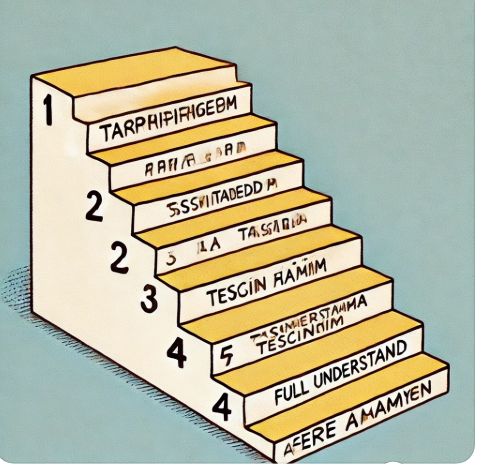
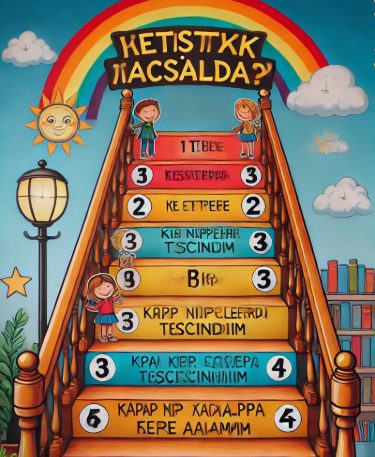
"Success Ladder"

  • The teacher draws a staircase on the board or provides a ready-made template.

  • Students mark the level where they feel they are:

1 I did not understand the topic.
2
I still have some questions.
3
I partially understood.
4
I fully understood and can explain it to others.


Follows Instructions

Provides Feedback


Short-Term Lesson Plan 2

Name of the Educational Institution


Subject:


Unit:


Teacher's Full Name:


Date:


Grade:

Number of Participants:

Number of Absentees:

Topic:

Types of Communication

Lesson Objective:

To identify verbal and non-verbal communication

Lesson Procedure

Planned Lesson Stages

Teacher's Actions

Student's Actions

Assessment

Resources

Lesson Beginning

"Secret Gift" Method

Objective: Encourage students and increase their interest in the lesson.

  • The teacher informs students that the most active participant of the lesson will receive a "secret gift."

  • The gift can be a small item (badge, candy, stickers) or a card with words of praise.

  • This method helps boost students' motivation and engagement.


Follows Instructions

Verbal Praise


Lesson Middle

Task 1: Communication Match Game

Method: Game-based learning, visual thinking

Instruction:
The teacher names different situations (e.g., talking to a friend, sending an email, using gestures). Students say which type of communication is used.

Sample Answer:

  • Talking to a friend → Verbal communication

  • Sending an email → Written communication

  • Using gestures → Non-verbal communication

Descriptors:

  • Correctly identifies types of communication

  • Matches situations with examples

  • Responds confidently

Task 2: Think and Say – “How Do We Communicate?”

Method: Think–Pair–Share

Instruction:
Students think individually, then work in pairs to name and explain
at least three types of communication.

Sample Answer:
“There are verbal communication, non-verbal communication, written communication, and visual communication.”

Descriptors:

  • Names different communication types

  • Gives simple explanations

  • Participates actively

Task 3: Mime and Guess

Method: Role play, kinaesthetic learning

Instruction:
One student shows a message using
only body language. The class guesses the message and names the type of communication.

Sample Answer:

  • Message: “I am tired”

  • Type: Non-verbal communication

Descriptors:

  • Uses gestures and facial expressions clearly

  • Correctly identifies non-verbal communication

  • Engages creatively

Task 4: Communication Sorting Challenge

Method: Critical thinking, collaborative learning

Instruction:
Students sort examples into types of communication:
speaking, texting, emojis, signs, drawings.

Sample Answer:

  • Speaking → Verbal

  • Texting → Written

  • Emojis → Visual / Non-verbal

  • Signs → Visual

  • Drawings → Visual

Descriptors:

  • Sorts examples correctly

  • Explains choices

  • Works well in a group

Task 5: Mini Reflection – “My Favorite Type of Communication”

Method: Reflection, speaking practice

Instruction:
Students answer:
“Which type of communication do you use most and why?”

Sample Answer:
“I use verbal communication most because I like talking to people and sharing ideas.”

Descriptors:

  • Expresses personal opinion

  • Gives a clear reason

  • Uses correct vocabulary

Completes Tasks


Completes Tasks


Completes Tasks


Completes Tasks


Completes Tasks

Descriptor


T raffic Light


Verbal Praise


Lesson End


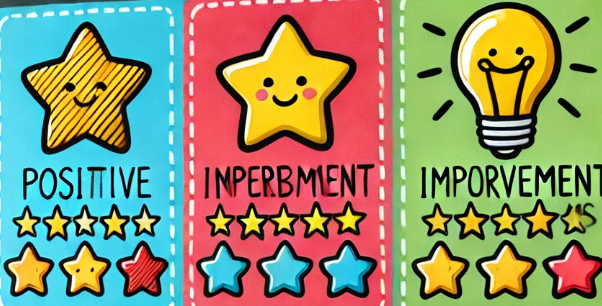
"Two Stars, One Wish"

  • Each student writes two positive things (stars) and one suggestion (wish):
    Today I learned this well...
    I completed this task successfully...
    ? I need to improve on this...

  • The teacher collects and analyzes students' responses.


Follows Instructions

Provides Feedback


Short-Term Lesson Plan №3

Name of the Educational Institution


Subject:


Unit:


Teacher's Full Name:


Date:


Grade:

Number of Participants:

Number of Absentees:

Topic:

Importance of Effective Communication

Lesson Objective:

To explain why communication skills matter

Lesson Procedure

Planned Lesson Stages

Teacher's Actions

Student's Actions

Assessment

Resources

Lesson Beginning

"Magic Word" Method

Objective: Spark interest in the lesson topic and encourage teamwork.

  • The teacher presents a “magic word” related to the lesson topic.

  • Students share their thoughts on its meaning and how it connects to the lesson.

  • For example, in a lesson about fractions, the teacher says "divide" and asks students to explain its meaning.

  • After students respond, the teacher reveals the lesson topic.


Follows Instructions

Verbal Praise


Lesson Middle

Task 1: Group Discussion – “Why is Communication Important?”

Method: Collaborative learning, speaking practice

Instruction:
In small groups, students discuss reasons why effective communication matters in everyday life and school. Each group shares one key reason with the class.

Sample Answer:
“Communication is important because it helps us understand each other and work together better.”

Descriptors:

  • Shares ideas clearly

  • Listens to others

  • Participates actively in discussion

Task 2: Storytelling – “A Time When Communication Helped Me”

Method: Personal reflection, speaking skills

Instruction:
Students tell a short story about a time when effective communication solved a problem or helped them.

Sample Answer:
“Once, I explained my idea clearly in class and my teacher understood it well.
It helped me get a good grade.”

Descriptors:

  • Narrates experience clearly

  • Links story to communication importance

  • Uses appropriate vocabulary

Task 3: Role Play – “Good vs Poor Communication”

Method: Role-play, critical thinking

Instruction:
Students act out two short dialogues: one where communication is effective, and one where it is not.
The class discusses the differences.

Sample Dialogue:

  • Good communication: “Can you help me with this task?”

  • Poor communication: “Do it yourself.”

Descriptors:

  • Demonstrates clear differences

  • Uses polite language in good communication

  • Understands impact of communication style

Task 4: Drawing Activity – “Communication in Our Lives”

Method: Creative expression, visual learning

Instruction:
Students draw pictures showing different situations where communication is important (e.g., talking to family, asking questions in class).

Sample Answer:
A picture showing a student asking a question in class.

Descriptors:

  • Illustrates communication situations clearly

  • Explains drawing to the class

  • Connects drawing to communication importance

Task 5: Reflection Writing – “How Communication Helps Me”

Method: Writing and critical thinking

Instruction:
Students write 3-4 sentences about how communication helps them in school or at home.

Sample Answer:
“Communication helps me make friends. It helps me ask questions when I don’t understand something.
It makes learning easier.”

Descriptors:

  • Writes clearly and simply

  • Expresses personal connection to communication

  • Uses basic vocabulary correctly

Teaching Tip

Encourage students to relate activities to their own experiences. Praise efforts and improvements.

Completes Tasks


Completes Tasks


Completes Tasks


Completes Tasks


Completes Tasks

Descriptor


T raffic Light


Verbal Praise


Lesson End

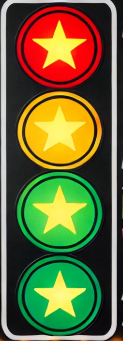
"Traffic Light" Method

  • The teacher provides students with three colored cards: green, yellow, and red.

  • Green – I am ready for the lesson, everything is clear.

  • Yellow – I have some questions, but I am ready to work.

  • Red – I do not understand the topic, I need help.


Follows Instructions

Provides Feedback


Short-Term Lesson Plan №4

Name of the Educational Institution


Subject:


Unit:


Teacher's Full Name:


Date:


Grade:

Number of Participants:

Number of Absentees:

Topic:

Verbal Communication Skills

Lesson Objective:

To develop clear verbal expression

Lesson Procedure

Planned Lesson Stages

Teacher's Actions

Student's Actions

Assessment

Resources

Lesson Beginning

"Magic Box" Method

Objective: Increase students' interest and motivation for the lesson.

  • The teacher places an object (symbolic) related to the lesson inside a mystery box.

  • Students guess what might be inside and share their thoughts.

  • The teacher then reveals the object and explains its connection to the lesson.

  • This method develops students' inquiry skills and curiosity.


Follows Instructions

Verbal Praise


Lesson Middle

Task 1: Tongue Twister Challenge

Method: Pronunciation practice, fun activity

Instruction:
Students practice saying simple tongue twisters aloud to improve clarity and fluency. For example:
“She sells seashells by the seashore.”

Sample Answer:
Student says the tongue twister clearly and confidently.

Descriptors:

  • Pronounces words clearly

  • Speaks with appropriate speed

  • Shows improved fluency over attempts

Task 2: Express Yourself!

Method: Speaking practice, expressing ideas

Instruction:
Students choose a favorite hobby or food and explain why they like it to a partner in 1-2 minutes.

Sample Answer:
“I like playing football because it keeps me healthy and I enjoy teamwork.”

Descriptors:

  • Uses complete sentences

  • Expresses reasons clearly

  • Maintains eye contact

Task 3: Question and Answer Relay

Method: Interactive game, quick thinking

Instruction:
In pairs, students ask and answer simple questions about daily life (e.g., “What is your favorite color?”). They take turns rapidly to keep the conversation flowing.

Sample Answer:
Q: “What do you like to eat?”
A: “I like pizza.”

Descriptors:

  • Responds quickly and appropriately

  • Uses correct sentence structures

  • Engages actively

Task 4: Story Building

Method: Group activity, creativity

Instruction:
In a circle, one student starts a story with one sentence. Each student adds one sentence to continue the story verbally.

Sample Answer:
Student 1: “Once upon a time, there was a friendly dragon.”
Student 2: “The dragon loved to help people in the village.”

Descriptors:

  • Contributes relevant sentences

  • Uses clear and correct language

  • Listens and builds on others’ ideas

Task 5: Role Play – Everyday Conversations

Method: Role-play, practical communication

Instruction:
Students act out everyday situations (e.g., ordering food, greeting a friend). They practice polite and clear verbal communication.

Sample Answer:
“Hello! I would like a sandwich, please.”

Descriptors:

  • Uses polite expressions

  • Speaks clearly and confidently

  • Responds appropriately to partner

Completes Tasks


Completes Tasks


Completes Tasks


Completes Tasks


Completes Tasks

Descriptor


T raffic Light


Verbal Praise


Lesson End

"Mood Emojis" Method

? Instructions:

  • The teacher shows students different emoji images (???) or other mood-indicating symbols.

  • Students select an emoji that best represents their mood and attitude towards the lesson.

  • This method helps the teacher understand students' emotional state and adjust the lesson approach accordingly.


Follows Instructions

Provides Feedback


Short-Term Lesson Plan №5

Name of the Educational Institution


Subject:


Unit:


Teacher's Full Name:


Date:


Grade:

Number of Participants:

Number of Absentees:

Topic:

Non-verbal Communication

Lesson Objective:

To recognize body language and gestures

Lesson Procedure

Planned Lesson Stages

Teacher's Actions

Student's Actions

Assessment

Resources

Lesson Beginning

"Circle of Kind Words" Method

Objective: Boost students' mood and foster friendly relationships.

  • The teacher gathers students in a circle and asks them to say kind words to each other.

  • Students take turns sharing positive wishes with a classmate or the whole class.

  • Example: “You look very cheerful today!” or “We will have a fun lesson together!”

  • This method creates warmth and a positive atmosphere among students.


Follows Instructions

Verbal Praise


Lesson Middle

Task 1: Emotion Charades

Method: Role play, kinesthetic learning

Instruction:
Students take turns acting out emotions (happy, sad, angry, surprised) using only facial expressions and body language. Others guess the emotion.

Sample Answer:
A student smiles broadly and raises hands to show excitement →
“Happy.”

Descriptors:

  • Uses clear facial expressions and gestures

  • Communicates emotion without words

  • Engages actively and creatively

Task 2: Gesture Matching Game

Method: Visual and kinaesthetic learning

Instruction:
Teacher shows or describes common gestures (thumbs up, waving, shaking head). Students match each gesture with its meaning.

Sample Answer:
Thumbs up →
“Good job”
Waving hand →
“Hello”
Shaking head →
“No”

Descriptors:

  • Correctly identifies gestures

  • Explains meanings clearly

  • Demonstrates understanding of non-verbal cues

Task 3: Silent Conversation

Method: Pair work, non-verbal interaction

Instruction:
In pairs, students “talk” to each other using only gestures, facial expressions, and body movements. They try to communicate simple messages like “I’m hungry” or “Let’s play.”

Sample Answer:
Student rubs tummy and points to food →
“I’m hungry.”

Descriptors:

  • Expresses ideas clearly without speaking

  • Understands partner’s gestures

  • Uses varied non-verbal signals

Task 4: Posture and Eye Contact Exercise

Method: Observation and practice

Instruction:
Students practice standing/sitting with confident posture and making appropriate eye contact during conversations or presentations.

Sample Answer:
Student maintains upright posture and looks at the listener while speaking.

Descriptors:

  • Demonstrates confident body language

  • Uses eye contact effectively

  • Supports verbal communication with posture


Task 5: Non-verbal Storytelling

Method: Creative expression, group work

Instruction:
Groups create a short story or scenario and present it using only non-verbal communication (no words). Other students guess the story.

Sample Answer:
Group acts out helping a lost person find their way.

Descriptors:

  • Collaborates well in group

  • Uses gestures and expressions to tell a story

  • Engages audience with non-verbal cues

Completes Tasks


Completes Tasks


Completes Tasks


Completes Tasks


Completes Tasks

Descriptor


T raffic Light


Verbal Praise


Lesson End

"What Did I Like? What Was Difficult? What Did I Learn?"

? Instructions:

  • Students answer three key questions:

What did I like? – What was the most interesting part of the lesson?
What was difficult? – Which task or concept was challenging?
? What did I learn? – What new thing did I learn today?

This method encourages reflection and helps students analyze their learning progress.


Follows Instructions

Provides Feedback


Short-Term Lesson Plan №6

Name of the Educational Institution


Subject:


Unit:


Teacher's Full Name:


Date:


Grade:

Number of Participants:

Number of Absentees:

Topic:

Active Listening Skills

Lesson Objective:

To develop listening strategies

Lesson Procedure

Planned Lesson Stages

Teacher's Actions

Student's Actions

Assessment

Resources

Lesson Beginning

"Compliment Bridge" Method

Objective: Build friendly relationships and boost students' confidence.

  • Students stand in a line and give a compliment to the classmate next to them.

  • The process continues until everyone has received and given a kind word.

  • This method enhances confidence and helps students start the lesson with a positive mindset.


Follows Instructions

Verbal Praise


Lesson Middle

Task 1: Listen and Repeat

Method: Listening practice, memory game

Instruction:
The teacher reads a short sentence or phrase aloud. Students listen carefully and repeat exactly what they heard.

Sample Answer:
Teacher: “The cat is sleeping on the sofa.”
Student repeats: “The cat is sleeping on the sofa.”

Descriptors:

  • Listens attentively

  • Repeats words accurately

  • Shows good concentration

Task 2: Telephone Game

Method: Fun group activity, listening and memory

Instruction:
Students sit in a circle. The teacher whispers a sentence to the first student, who then whispers it to the next, and so on. The last student says the sentence aloud.

Sample Sentence:
“I enjoy reading books about animals.”

Descriptors:

  • Pays close attention

  • Passes message clearly

  • Recognizes differences in the final message

Task 3: True or False?

Method: Comprehension check

Instruction:
Teacher reads a short story or description. Students listen and then decide if given statements are true or false.

Sample Answer:
Story: “Tom has two cats and one dog.”
Statement: “Tom has three cats.”
False

Descriptors:

  • Understands main ideas

  • Responds correctly

  • Demonstrates comprehension

Task 4: Listening for Details

Method: Focused listening

Instruction:
Teacher reads a list of items or instructions. Students listen and write down as many details as they can remember.

Sample Answer:
Teacher reads: “Buy milk, eggs, bread, and apples.”
Student writes: “milk, eggs, bread, apples.”

Descriptors:

  • Listens for specific information

  • Records details accurately

  • Concentrates throughout the task

Task 5: Partner Interview

Method: Interactive listening and speaking

Instruction:
Students interview a partner with prepared questions (e.g., “What is your favorite food?”). They listen carefully and then report what they learned to the class.

Sample Answer:
“My partner’s favorite food is pizza because it tastes good.”

Descriptors:

  • Listens actively to partner

  • Remembers key information

  • Reports clearly and confidently

Completes Tasks


Completes Tasks


Completes Tasks


Completes Tasks


Completes Tasks

Descriptor


T raffic Light


Verbal Praise


Lesson End

Success Ladder" Method

? Instructions:

  • The teacher draws a staircase on the board or provides individual worksheets with a ladder illustration.

  • Students mark their current level of understanding and progress.

  • The steps can represent different levels, such as:
    1
    I don't understand the topic.
    2
    I have some questions.
    3
    I partially understand.
    4
    I fully understand and can explain it to others.

  • This method helps students self-assess their learning progress and encourages reflection.

Follows Instructions

Provides Feedback


Short-Term Lesson Plan №7

Name of the Educational Institution


Subject:


Unit:


Teacher's Full Name:


Date:


Grade:

Number of Participants:

Number of Absentees:

Topic:

Barriers to Communication

Lesson Objective:

To identify communication problems

Lesson Procedure

Planned Lesson Stages

Teacher's Actions

Student's Actions

Assessment

Resources

Lesson Beginning

"Circle of Kind Words" Method

Objective: Boost students' mood and foster friendly relationships.

  • The teacher gathers students in a circle and asks them to say kind words to each other.

  • Students take turns sharing positive wishes with a classmate or the whole class.

  • Example: “You look very cheerful today!” or “We will have a fun lesson together!”

  • This method creates warmth and a positive atmosphere among students.


Follows Instructions

Verbal Praise


Lesson Middle

Task 1: Barrier Brainstorm

Method: Group discussion, brainstorming

Instruction:
In small groups, students brainstorm common barriers that make communication difficult (e.g., noise, language differences, emotions). Groups share their lists with the class.

Sample Answer:
“Noise, shouting, different languages, and distractions can be barriers.”

Descriptors:

  • Identifies various communication barriers

  • Shares ideas clearly

  • Participates actively in discussion

Task 2: Role Play – Communication Breakdown

Method: Role play, problem-solving

Instruction:
Students act out a conversation where communication fails because of a barrier (e.g., speaking too quietly, using unfamiliar words). Then, they suggest ways to fix the problem.

Sample Answer:
Student 1 speaks softly → Student 2 asks, “Can you speak louder, please?”

Descriptors:

  • Demonstrates communication barriers clearly

  • Suggests effective solutions

  • Uses polite language

Task 3: Barrier Identification Game

Method: Visual aids, critical thinking

Instruction:
Teacher shows pictures of communication problems (e.g., noisy street, broken phone). Students name the barrier shown and explain how it affects communication.

Sample Answer:
“Noisy street → noise makes it hard to hear.”

Descriptors:

  • Correctly identifies barriers

  • Explains impact on communication

  • Engages with visuals actively

Task 4: Fix the Message

Method: Listening and speaking

Instruction:
Teacher says a confusing or unclear message (due to a barrier like mumbling). Students try to clarify and restate the message clearly.

Sample Answer:
Teacher says: “C-ld you pls ssst me?”
Student says: “Could you please assist me?”

Descriptors:

  • Recognizes unclear communication

  • Rephrases message clearly

  • Shows understanding of barriers

Task 5: Barrier Reflection

Method: Writing and speaking

Instruction:
Students write or talk about a time when communication was difficult for them because of a barrier, and how they handled it.

Sample Answer:
“I couldn’t understand my friend because he spoke too fast.
I asked him to speak slowly.”

Descriptors:

  • Describes personal experience clearly

  • Identifies the barrier

  • Explains solution or response

Completes Tasks


Completes Tasks


Completes Tasks


Completes Tasks


Completes Tasks

Descriptor


T raffic Light


Verbal Praise


Lesson End

"Know – Want to Know – Learned" (KWL) Method

? Instructions:

  • The teacher provides students with a three-column chart:

Know (Білемін)

Want to Know (Білгім келеді)

? Learned (Үйрендім)

What I already
know about the topic

What I want to learn

What I have learned by the end of the lesson


  • At the beginning of the lesson, students fill in the first two columns.

  • At the end of the lesson, they complete the third column with new knowledge gained.

  • This method activates prior knowledge, encourages curiosity, and helps track learning progress.


Follows Instructions

Provides Feedback


Short-Term Lesson Plan №8

Name of the Educational Institution


Subject:


Unit:


Teacher's Full Name:


Date:


Grade:

Number of Participants:

Number of Absentees:

Topic:

Vocabulary for Expressing Opinions

Lesson Objective:

To enrich opinion-related vocabulary

Lesson Procedure

Planned Lesson Stages

Teacher's Actions

Student's Actions

Assessment

Resources

Lesson Beginning

"One Word" Method

? Objective: Determine students' emotional readiness for the lesson.

  • The teacher asks the question: "What do you expect from today's lesson?"

  • Each student responds with one word (e.g., interesting, useful, difficult, new, unique).

  • Based on the responses, the teacher can adjust the lesson approach to match students' expectations and engagement levels.


Follows Instructions

Verbal Praise


Lesson Middle

Task 1: Opinion Word Match

Method: Vocabulary matching game

Instruction:
Students match opinion phrases with their meanings or examples. For example, match “I believe that…” with “expressing a personal belief.”

Sample Answers:

  • I think that... Expressing opinion

  • In my opinion... Sharing a personal view

  • I feel that... Expressing feelings

Descriptors:

  • Correctly matches phrases with meanings

  • Understands different opinion expressions

  • Participates actively

Task 2: Sentence Completion

Method: Sentence-building practice

Instruction:
Students complete sentences using opinion vocabulary. For example:
“I believe that __________.”

Sample Answer:
“I believe that learning English is important.”

Descriptors:

  • Uses appropriate opinion phrases

  • Completes sentences logically

  • Demonstrates understanding of meaning

Task 3: Express Your Opinion!

Method: Speaking practice

Instruction:
Students pick a topic (e.g., favorite food, best season) and use opinion phrases to express their thoughts aloud.

Sample Answer:
“In my opinion, summer is the best season because I like going to the beach.”

Descriptors:

  • Uses opinion vocabulary correctly

  • Speaks clearly and confidently

  • Supports opinion with reasons

Task 4: Agree or Disagree?

Method: Interactive game

Instruction:
Teacher reads a statement (e.g., “Cats are better pets than dogs.”) Students respond with phrases like “I agree because…” or “I disagree because…”

Sample Answer:
“I agree because cats are easier to take care of.”

Descriptors:

  • Uses agreeing/disagreeing phrases appropriately

  • Expresses reasons clearly

  • Engages respectfully with others’ opinions

Task 5: Opinion Writing

Method: Writing practice

Instruction:
Students write a short paragraph expressing their opinion on a simple topic, using opinion vocabulary.

Sample Answer:
“I think school uniforms are helpful because they create equality among students.”

Descriptors:

  • Uses opinion vocabulary accurately

  • Writes clear and coherent sentences

  • Expresses personal viewpoint

Completes Tasks


Completes Tasks


Completes Tasks


Completes Tasks


Completes Tasks

Descriptor


T raffic Light


Verbal Praise


Lesson End

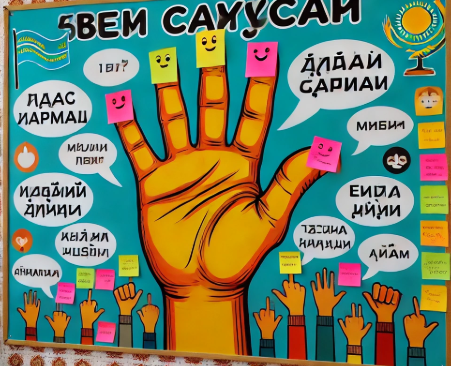
"Five Fingers" Method

? Instructions:

  • The teacher shows students a picture of a hand and explains the meaning of each finger:

? Thumb – I liked it.
Index Finger – It was difficult for me.
Middle Finger – It was unclear to me.
? Ring Finger – I gained new knowledge.
? Little Finger – I can now apply it.

  • Students reflect on the lesson by choosing the finger that best describes their experience.

  • This method helps assess understanding and gather feedback on the lesson.


Follows Instructions

Provides Feedback


Short-Term Lesson Plan №9

Name of the Educational Institution


Subject:


Unit:


Teacher's Full Name:


Date:


Grade:

Number of Participants:

Number of Absentees:

Topic:

Sentence Structures for Opinions

Lesson Objective:

To practice opinion sentence patterns

Lesson Procedure

Planned Lesson Stages

Teacher's Actions

Student's Actions

Assessment

Resources

Lesson Beginning

"Show Your Mood"

Objective: Determine students' mood and assess their readiness for the lesson.

  • The teacher displays various emoji representing different emotions.

  • Students select an emoji that reflects how they feel about the lesson or place a sticky note on the board.

  • Based on students' moods, the teacher adjusts lesson engagement strategies accordingly.


Follows Instructions

Verbal Praise


Lesson Middle

Task 1: Sentence Building Blocks

Method: Sentence construction game

Instruction:
Students are given word cards (e.g.,
I, think, that, learning, is, fun). They arrange the cards to form correct opinion sentences.

Sample Answer:
“I think that learning is fun.”

Descriptors:

  • Forms grammatically correct sentences

  • Uses opinion sentence structures

  • Works collaboratively (if in groups)

Task 2: Sentence Transformation

Method: Grammar practice

Instruction:
Students rewrite simple sentences into opinion sentences using given structures.
Example:
Simple: “Learning English is useful.”
Opinion: “I believe that learning English is useful.”

Sample Answer:
“I believe that exercise is important for health.”

Descriptors:

  • Understands sentence transformation

  • Applies opinion structures correctly

  • Writes clear sentences

Task 3: Opinion Sentence Quiz

Method: Interactive quiz

Instruction:
Teacher reads a sentence aloud. Students decide if it is an opinion sentence or not.

Sample Sentences:

  • The sky is blue.” (Fact)

  • I think the sky is beautiful.” (Opinion)

Descriptors:

  • Distinguishes between facts and opinions

  • Responds quickly and accurately

  • Engages actively

Task 4: Complete the Sentence

Method: Cloze activity

Instruction:
Students complete opinion sentences with their own ideas.
Example sentence starter:
“I feel that __________ because __________.”

Sample Answer:
“I feel that music helps me relax because it calms my mind.”

Descriptors:

  • Completes sentences meaningfully

  • Uses correct grammar

  • Expresses personal opinion clearly

Task 5: Partner Interview Using Opinion Structures

Method: Speaking and listening

Instruction:
Students interview a partner using opinion sentence starters (e.g., “What do you think about…?”). They report back using sentences like “My partner thinks that…”

Sample Answer:
“My partner thinks that video games can be educational.”

Descriptors:

  • Uses opinion sentence structures in speaking

  • Listens actively to partner

  • Reports accurately

Completes Tasks


Completes Tasks


Completes Tasks


Completes Tasks


Completes Tasks

Descriptor


T raffic Light


Verbal Praise


Lesson End

"Success Ladder"

  • The teacher draws a staircase on the board or provides a ready-made template.

  • Students mark the level where they feel they are:

1 I did not understand the topic.
2
I still have some questions.
3
I partially understood.
4
I fully understood and can explain it to others.


Follows Instructions

Provides Feedback


Short-Term Lesson Plan 10

Name of the Educational Institution


Subject:


Unit:


Teacher's Full Name:


Date:


Grade:

Number of Participants:

Number of Absentees:

Topic:

Agreeing and Disagreeing Politely

Lesson Objective:

To teach respectful disagreement

Lesson Procedure

Planned Lesson Stages

Teacher's Actions

Student's Actions

Assessment

Resources

Lesson Beginning

"Secret Gift" Method

Objective: Encourage students and increase their interest in the lesson.

  • The teacher informs students that the most active participant of the lesson will receive a "secret gift."

  • The gift can be a small item (badge, candy, stickers) or a card with words of praise.

  • This method helps boost students' motivation and engagement.


Follows Instructions

Verbal Praise


Lesson Middle

Task 1: Polite Phrase Match

Method: Vocabulary matching game

Instruction:
Students match polite agreeing and disagreeing phrases with their meanings or example sentences.

Sample Answers:

  • I agree with you because… Expressing agreement politely

  • That’s a good point, but… Disagreeing politely

  • I see what you mean, however… Softening disagreement

Descriptors:

  • Correctly matches phrases and meanings

  • Understands polite expressions

  • Participates actively

Task 2: Role Play – Agree or Disagree

Method: Speaking practice, role play

Instruction:
In pairs, students role play short dialogues where they politely agree or disagree on simple topics (e.g., “Cats are better pets than dogs.”).

Sample Dialogue:
A: “I think cats are better pets.”
B: “I see your point, but I prefer dogs because they are more energetic.”

Descriptors:

  • Uses polite agreeing/disagreeing phrases

  • Maintains respectful tone

  • Communicates clearly

Task 3: Sentence Completion

Method: Grammar and vocabulary practice

Instruction:
Students complete sentences with polite agreeing or disagreeing phrases.
Example:
“I agree with you because __________.”
“I understand your opinion, but __________.”

Sample Answer:
“I agree with you because exercise is good for health.”
“I understand your opinion, but I think reading is more relaxing.”

Descriptors:

  • Completes sentences accurately

  • Uses polite language

  • Expresses opinions clearly

Task 4: Group Discussion – Polite Debate

Method: Group discussion

Instruction:
Students discuss a simple statement (e.g., “School uniforms should be mandatory”) using polite agreeing and disagreeing phrases.

Sample Contributions:
“I agree with that because it creates equality.”
“That’s a good point; however, I believe students should choose their clothes.”

Descriptors:

  • Participates actively and politely

  • Uses appropriate phrases

  • Respects others’ opinions

Task 5: Feedback Circle

Method: Reflection and feedback

Instruction:
After a discussion or debate, students give polite feedback to their peers using phrases like:
“I liked how you explained your opinion.”
“I understand your view, but I think…”

Sample Answer:
“I liked how you explained your opinion clearly.”
“I understand your view, but I think there are other reasons to consider.”

Descriptors:

  • Gives constructive and polite feedback

  • Uses appropriate language

  • Shows respect and empathy

Completes Tasks


Completes Tasks


Completes Tasks


Completes Tasks


Completes Tasks

Descriptor


T raffic Light


Verbal Praise


Lesson End


"Two Stars, One Wish"

  • Each student writes two positive things (stars) and one suggestion (wish):
    Today I learned this well...
    I completed this task successfully...
    ? I need to improve on this...

  • The teacher collects and analyzes students' responses.


Follows Instructions

Provides Feedback


Short-Term Lesson Plan №11

Name of the Educational Institution


Subject:


Unit:


Teacher's Full Name:


Date:


Grade:

Number of Participants:

Number of Absentees:

Topic:

Asking and Answering Questions

Lesson Objective:

To improve questioning skills

Lesson Procedure

Planned Lesson Stages

Teacher's Actions

Student's Actions

Assessment

Resources

Lesson Beginning

"Magic Word" Method

Objective: Spark interest in the lesson topic and encourage teamwork.

  • The teacher presents a “magic word” related to the lesson topic.

  • Students share their thoughts on its meaning and how it connects to the lesson.

  • For example, in a lesson about fractions, the teacher says "divide" and asks students to explain its meaning.

  • After students respond, the teacher reveals the lesson topic.


Follows Instructions

Verbal Praise


Lesson Middle

Task 1: Question Formation Relay

Method: Team game, sentence building

Instruction:
Students form teams. Each team member creates one question using question words (Who, What, Where, When, Why, How).
The team reads all questions aloud.

Sample Answer:

  • What is your favorite sport?”

  • Where do you live?”

Descriptors:

  • Forms grammatically correct questions

  • Uses appropriate question words

  • Participates actively

Task 2: Interview a Partner

Method: Speaking and listening practice

Instruction:
Students pair up and ask each other prepared questions (e.g., “What do you like to do in your free time?”). They answer in full sentences.

Sample Answer:
Q: “What is your favorite food?”
A: “My favorite food is pizza because it tastes delicious.”

Descriptors:

  • Asks clear questions

  • Answers with complete sentences

  • Listens attentively

Task 3: Question and Answer Bingo

Method: Game-based learning

Instruction:
Students receive bingo cards with answers written. Teacher asks questions, and students mark the correct answer if it’s on their card. First to complete a row wins.

Sample Question:
“Where do you live?”
Correct answer: “I live in Almaty.”

Descriptors:

  • Understands questions correctly

  • Recognizes matching answers

  • Engages enthusiastically

Task 4: Create and Ask

Method: Creative speaking

Instruction:
Students create their own questions about a given topic (e.g., hobbies, school) and ask classmates. Classmates answer using full sentences.

Sample Answer:
Q: “What sports do you like?”
A: “I like basketball and swimming.”

Descriptors:

  • Creates relevant questions

  • Speaks clearly

  • Responds appropriately

Task 5: Question Tag Practice

Method: Grammar practice

Instruction:
Students practice adding question tags to statements and answering them.
Example: “You like ice cream, don’t you?”

Sample Answer:
“Yes, I do.” / “No, I don’t.”

Descriptors:

  • Forms correct question tags

  • Responds accurately

  • Uses polite intonation

Completes Tasks


Completes Tasks


Completes Tasks


Completes Tasks


Completes Tasks

Descriptor


T raffic Light


Verbal Praise


Lesson End

"Traffic Light" Method

  • The teacher provides students with three colored cards: green, yellow, and red.

  • Green – I am ready for the lesson, everything is clear.

  • Yellow – I have some questions, but I am ready to work.

  • Red – I do not understand the topic, I need help.


Follows Instructions

Provides Feedback


Short-Term Lesson Plan №12

Name of the Educational Institution


Subject:


Unit:


Teacher's Full Name:


Date:


Grade:

Number of Participants:

Number of Absentees:

Topic:

Expressing Feelings and Emotions

Lesson Objective:

To communicate emotions appropriately

Lesson Procedure

Planned Lesson Stages

Teacher's Actions

Student's Actions

Assessment

Resources

Lesson Beginning

"Magic Box" Method

Objective: Increase students' interest and motivation for the lesson.

  • The teacher places an object (symbolic) related to the lesson inside a mystery box.

  • Students guess what might be inside and share their thoughts.

  • The teacher then reveals the object and explains its connection to the lesson.

  • This method develops students' inquiry skills and curiosity.


Follows Instructions

Verbal Praise


Lesson Middle

Task 1: Emotion Flashcards

Method: Visual and speaking activity

Instruction:
Show students flashcards with different emotions (happy, sad, angry, surprised). Students say a sentence expressing that emotion.

Sample Answer:
Flashcard: Happy → “I feel happy because I got a good grade.”

Descriptors:

  • Identifies emotions correctly

  • Uses simple sentences to express feelings

  • Speaks clearly and confidently

Task 2: Role Play – How Are You Feeling?

Method: Speaking and acting

Instruction:
In pairs, students ask and answer questions about feelings. One student asks, “How are you feeling today?” The other responds using emotion words.

Sample Answer:
“I’m feeling excited because we have a holiday tomorrow.”

Descriptors:

  • Uses emotion vocabulary appropriately

  • Responds in full sentences

  • Maintains eye contact and expression

Task 3: Emotion Charades

Method: Non-verbal communication, acting

Instruction:
Students act out an emotion without speaking. The class guesses the feeling.

Sample Answer:
Student frowns and crosses arms →
“Angry.”

Descriptors:

  • Uses body language and facial expressions clearly

  • Engages actively

  • Helps classmates identify emotions

Task 4: Feeling Diary

Method: Writing and reflection

Instruction:
Students write 3-4 sentences about how they felt during the day and why.

Sample Answer:
“Today, I felt nervous because I had a test. But I felt happy after I finished it.”

Descriptors:

  • Expresses feelings clearly in writing

  • Uses emotion vocabulary

  • Reflects on personal experience

Task 5: Picture Discussion

Method: Speaking and description

Instruction:
Show students pictures depicting different emotions (e.g., a smiling child, a crying baby). Students describe what feelings the people might have and why.

Sample Answer:
“The child looks happy because she is playing with friends.”

Descriptors:

  • Describes emotions accurately

  • Gives reasons for feelings

  • Speaks confidently

Completes Tasks


Completes Tasks


Completes Tasks


Completes Tasks


Completes Tasks

Descriptor


T raffic Light


Verbal Praise


Lesson End

"Mood Emojis" Method

? Instructions:

  • The teacher shows students different emoji images (???) or other mood-indicating symbols.

  • Students select an emoji that best represents their mood and attitude towards the lesson.

  • This method helps the teacher understand students' emotional state and adjust the lesson approach accordingly.


Follows Instructions

Provides Feedback


Short-Term Lesson Plan №13

Name of the Educational Institution


Subject:


Unit:


Teacher's Full Name:


Date:


Grade:

Number of Participants:

Number of Absentees:

Topic:

Speaking with Confidence

Lesson Objective:

To reduce speaking anxiety

Lesson Procedure

Planned Lesson Stages

Teacher's Actions

Student's Actions

Assessment

Resources

Lesson Beginning

"Circle of Kind Words" Method

Objective: Boost students' mood and foster friendly relationships.

  • The teacher gathers students in a circle and asks them to say kind words to each other.

  • Students take turns sharing positive wishes with a classmate or the whole class.

  • Example: “You look very cheerful today!” or “We will have a fun lesson together!”

  • This method creates warmth and a positive atmosphere among students.


Follows Instructions

Verbal Praise


Lesson Middle

Task 1: Power Pose Practice

Method: Body language and confidence building

Instruction:
Students practice “power poses” (standing tall, shoulders back) for one minute before speaking to boost confidence. Then, they introduce themselves to the class.

Sample Answer:
“Hello, my name is Sarah. I like reading books and playing football.”

Descriptors:

  • Demonstrates confident posture

  • Speaks clearly and loudly

  • Maintains eye contact

Task 2: Prepare and Present

Method: Short presentations

Instruction:
Students prepare a 1-minute talk about their favorite hobby or interest and present it to the class.

Sample Answer:
“My favorite hobby is painting because it helps me relax and express my creativity.”

Descriptors:

  • Organizes ideas clearly

  • Speaks with good volume and pace

  • Shows confidence in front of the audience

Task 3: Positive Self-talk Exercise

Method: Mindset and speaking practice

Instruction:
Students practice saying positive affirmations before speaking, e.g., “I can speak clearly,” “My ideas are important.”

Sample Answer:
Student says aloud: “I am ready to speak confidently.”

Descriptors:

  • Uses positive language

  • Demonstrates readiness to speak

  • Builds self-confidence

Task 4: Role Play – Asking for Help

Method: Practical speaking practice

Instruction:
Students role play asking a teacher or friend for help politely and confidently.

Sample Answer:
“Excuse me, could you please help me with this question?”

Descriptors:

  • Uses polite and clear language

  • Maintains confident tone

  • Engages appropriately in conversation

Task 5: Group Storytelling

Method: Collaborative speaking

Instruction:
In small groups, students create and tell a short story together, each adding a sentence confidently.

Sample Answer:
Student 1: “Once there was a brave knight.”
Student 2: “He went on an adventure to find a lost treasure.”

Descriptors:

  • Speaks clearly and loudly

  • Listens and builds on others’ ideas

  • Participates actively and confidently

Completes Tasks


Completes Tasks


Completes Tasks


Completes Tasks


Completes Tasks

Descriptor


T raffic Light


Verbal Praise


Lesson End

"What Did I Like? What Was Difficult? What Did I Learn?"

? Instructions:

  • Students answer three key questions:

What did I like? – What was the most interesting part of the lesson?
What was difficult? – Which task or concept was challenging?
? What did I learn? – What new thing did I learn today?

This method encourages reflection and helps students analyze their learning progress.


Follows Instructions

Provides Feedback


Short-Term Lesson Plan №14

Name of the Educational Institution


Subject:


Unit:


Teacher's Full Name:


Date:


Grade:

Number of Participants:

Number of Absentees:

Topic:

Pronunciation and Intonation

Lesson Objective:

To improve pronunciation skills

Lesson Procedure

Planned Lesson Stages

Teacher's Actions

Student's Actions

Assessment

Resources

Lesson Beginning

"Compliment Bridge" Method

Objective: Build friendly relationships and boost students' confidence.

  • Students stand in a line and give a compliment to the classmate next to them.

  • The process continues until everyone has received and given a kind word.

  • This method enhances confidence and helps students start the lesson with a positive mindset.


Follows Instructions

Verbal Praise


Lesson Middle

Task 1: Minimal Pairs Practice

Method: Listening and pronunciation exercise

Instruction:
Students practice pronouncing pairs of similar words that differ by one sound (e.g.,
ship vs sheep). They repeat after the teacher and identify differences.

Sample Answer:
Student says: “ship” and “sheep” clearly and distinctly.

Descriptors:

  • Pronounces sounds accurately

  • Distinguishes between similar words

  • Shows improvement with practice

Task 2: Stress the Word

Method: Intonation and emphasis practice

Instruction:
Teacher reads sentences with different stress patterns. Students repeat, focusing on stressing the correct word for meaning.

Sample Sentence:
“I didn’t say
he stole the money.” (stress changes meaning depending on the word emphasized)

Descriptors:

  • Uses correct word stress

  • Changes meaning with intonation

  • Speaks with natural rhythm

Task 3: Tongue Twister Challenge

Method: Pronunciation and fluency game

Instruction:
Students practice and say tongue twisters aloud to improve pronunciation and rhythm.

Sample Tongue Twister:
“Peter Piper picked a peck of pickled peppers.”

Descriptors:

  • Pronounces clearly and fluently

  • Maintains pace without hesitation

  • Shows increased confidence

Task 4: Question Intonation Practice

Method: Speaking and listening

Instruction:
Students practice rising intonation for yes/no questions and falling intonation for WH- questions.

Sample Sentences:
“Are you coming?” (rising intonation)
“What time is it?”
(falling intonation)

Descriptors:

  • Uses appropriate intonation patterns

  • Speaks clearly

  • Demonstrates understanding of question types

Task 5: Recording and Self-Assessment

Method: Technology-assisted learning

Instruction:
Students record themselves reading a short passage. Then, they listen and assess their pronunciation and intonation.

Sample Answer:
Student identifies areas of strong pronunciation and parts needing improvement.

Descriptors:

  • Recognizes pronunciation strengths and weaknesses

  • Demonstrates self-awareness

  • Shows willingness to improve

Completes Tasks


Completes Tasks


Completes Tasks


Completes Tasks


Completes Tasks

Descriptor


T raffic Light


Verbal Praise


Lesson End

Success Ladder" Method

? Instructions:

  • The teacher draws a staircase on the board or provides individual worksheets with a ladder illustration.

  • Students mark their current level of understanding and progress.

  • The steps can represent different levels, such as:
    1
    I don't understand the topic.
    2
    I have some questions.
    3
    I partially understand.
    4
    I fully understand and can explain it to others.

  • This method helps students self-assess their learning progress and encourages reflection.

Follows Instructions

Provides Feedback


Short-Term Lesson Plan №15

Name of the Educational Institution


Subject:


Unit:


Teacher's Full Name:


Date:


Grade:

Number of Participants:

Number of Absentees:

Topic:

Role-play Activities

Lesson Objective:

To practice real-life communication

Lesson Procedure

Planned Lesson Stages

Teacher's Actions

Student's Actions

Assessment

Resources

Lesson Beginning

"Circle of Kind Words" Method

Objective: Boost students' mood and foster friendly relationships.

  • The teacher gathers students in a circle and asks them to say kind words to each other.

  • Students take turns sharing positive wishes with a classmate or the whole class.

  • Example: “You look very cheerful today!” or “We will have a fun lesson together!”

  • This method creates warmth and a positive atmosphere among students.


Follows Instructions

Verbal Praise


Lesson Middle

Task 1: Introducing Yourself

Method: Role-play, speaking practice

Instruction:
Students pair up and take turns introducing themselves as if meeting for the first time. They include their name, hobbies, and favorite things.

Sample Dialogue:
A: “Hello, I’m Alex. I like playing football and reading books.”
B: “Nice to meet you, Alex! I’m Sara, and I enjoy painting and music.”

Descriptors:

  • Speaks clearly and politely

  • Uses complete sentences

  • Listens and responds appropriately

Task 2: Ordering Food at a Restaurant

Method: Practical role-play

Instruction:
One student plays the customer, another the waiter/waitress. They practice ordering food politely and asking questions about the menu.

Sample Dialogue:
Customer: “Can I have a cheeseburger and fries, please?”
Waiter: “Would you like something to drink with that?”
Customer: “Yes, a lemonade, please.”

Descriptors:

  • Uses polite expressions

  • Pronounces words clearly

  • Engages naturally in conversation

Task 3: Asking for Directions

Method: Real-life communication

Instruction:
One student asks for directions to a place (e.g., library, school), and another gives simple directions.

Sample Dialogue:
A: “Excuse me, can you tell me how to get to the library?”
B: “Sure! Go straight, then turn left at the traffic light.
The library is next to the bank.”

Descriptors:

  • Uses polite language

  • Gives clear and simple directions

  • Maintains eye contact

Task 4: Making a Complaint Politely

Method: Conflict resolution

Instruction:
Students role-play a situation where a customer politely complains about a problem (e.g., cold food) and the employee responds professionally.

Sample Dialogue:
Customer: “Excuse me, my soup is cold. Could you please warm it up?”
Employee: “I’m sorry about that. I’ll bring you a hot one right away.”

Descriptors:

  • Uses polite and respectful language

  • Shows empathy and understanding

  • Communicates effectively

Task 5: Planning a Party

Method: Collaborative role-play

Instruction:
In small groups, students role-play planning a birthday party, discussing ideas like location, food, and activities.

Sample Dialogue:
A: “Let’s have the party at the park.”
B: “Good idea! We can bring sandwiches and drinks.”
C: “I’ll prepare games for everyone.”

Descriptors:

  • Communicates ideas clearly

  • Listens and builds on others’ suggestions

  • Uses polite expressions

Completes Tasks


Completes Tasks


Completes Tasks


Completes Tasks


Completes Tasks

Descriptor


T raffic Light


Verbal Praise


Lesson End

"Know – Want to Know – Learned" (KWL) Method

? Instructions:

  • The teacher provides students with a three-column chart:

Know (Білемін)

Want to Know (Білгім келеді)

? Learned (Үйрендім)

What I already know about the topic

What
I want to learn

What I have learned by the end of the lesson


  • At the beginning of the lesson, students fill in the first two columns.

  • At the end of the lesson, they complete the third column with new knowledge gained.

  • This method activates prior knowledge, encourages curiosity, and helps track learning progress.


Follows Instructions

Provides Feedback


Short-Term Lesson Plan №16

Name of the Educational Institution


Subject:


Unit:


Teacher's Full Name:


Date:


Grade:

Number of Participants:

Number of Absentees:

Topic:

Group Discussion Skills

Lesson Objective:

To develop discussion abilities

Lesson Procedure

Planned Lesson Stages

Teacher's Actions

Student's Actions

Assessment

Resources

Lesson Beginning

"One Word" Method

? Objective: Determine students' emotional readiness for the lesson.

  • The teacher asks the question: "What do you expect from today's lesson?"

  • Each student responds with one word (e.g., interesting, useful, difficult, new, unique).

  • Based on the responses, the teacher can adjust the lesson approach to match students' expectations and engagement levels.


Follows Instructions

Verbal Praise


Lesson Middle

Task 1: Turn-Taking Practice

Method: Speaking and listening exercise

Instruction:
In small groups, students discuss a simple topic (e.g., favorite foods). Each student takes a turn speaking without interrupting others.

Sample Answer:
“I like pizza because it’s tasty.”
“My favorite is pasta because it’s easy to cook.”

Descriptors:

  • Waits for turn politely

  • Listens actively to others

  • Expresses ideas clearly

Task 2: Building on Ideas

Method: Collaborative speaking

Instruction:
Students listen to a group member’s idea and add their own related thought. For example, after one says, “We should plant trees,” another adds, “Yes, and also clean the park.”

Sample Answer:
“I agree, and we can organize a recycling program too.”

Descriptors:

  • Listens carefully

  • Adds relevant comments

  • Supports group discussion flow

Task 3: Agreeing and Disagreeing Respectfully

Method: Speaking practice

Instruction:
During group discussion, students practice agreeing or disagreeing politely using phrases like “I see your point, but…” or “That’s a good idea because…”

Sample Answer:
“I see your point about recycling, but I think we also need to reduce plastic use.”

Descriptors:

  • Uses polite language

  • Expresses opinions respectfully

  • Engages constructively

Task 4: Summarizing Group Ideas

Method: Listening and speaking

Instruction:
At the end of a discussion, one student summarizes the group’s main ideas for the class.

Sample Answer:
“Our group thinks that planting trees and recycling are the best ways to help the environment.”

Descriptors:

  • Summarizes clearly and accurately

  • Uses complete sentences

  • Shows understanding of group discussion

Task 5: Reflection on Group Work

Method: Writing and speaking

Instruction:
Students write or share verbally what they learned from the group discussion and how they contributed.

Sample Answer:
“I learned that listening to others helps find better ideas.
I shared my opinion about planting trees.”

Descriptors:

  • Reflects on participation

  • Identifies learning points

  • Expresses thoughts clearly

Completes Tasks


Completes Tasks


Completes Tasks


Completes Tasks


Completes Tasks

Descriptor


T raffic Light


Verbal Praise


Lesson End

"Five Fingers" Method

? Instructions:

  • The teacher shows students a picture of a hand and explains the meaning of each finger:

? Thumb – I liked it.
Index Finger – It was difficult for me.
Middle Finger – It was unclear to me.
? Ring Finger – I gained new knowledge.
? Little Finger – I can now apply it.

  • Students reflect on the lesson by choosing the finger that best describes their experience.

  • This method helps assess understanding and gather feedback on the lesson.


Follows Instructions

Provides Feedback


Short-Term Lesson Plan №17

Name of the Educational Institution


Subject:


Unit:


Teacher's Full Name:


Date:


Grade:

Number of Participants:

Number of Absentees:

Topic:

Turn-taking in Conversation

Lesson Objective:

To teach conversational etiquette

Lesson Procedure

Planned Lesson Stages

Teacher's Actions

Student's Actions

Assessment

Resources

Lesson Beginning

"Show Your Mood"

Objective: Determine students' mood and assess their readiness for the lesson.

  • The teacher displays various emoji representing different emotions.

  • Students select an emoji that reflects how they feel about the lesson or place a sticky note on the board.

  • Based on students' moods, the teacher adjusts lesson engagement strategies accordingly.


Follows Instructions

Verbal Praise


Lesson Middle

Task 1: Pass the Ball

Method: Interactive speaking game

Instruction:
Students sit in a circle and pass a soft ball while speaking. Only the student holding the ball may talk. They share ideas on a given topic (e.g., favorite hobbies).

Sample Answer:
Student holding the ball: “I like swimming because it keeps me fit.”

Descriptors:

  • Waits patiently for their turn

  • Speaks clearly when holding the ball

  • Listens attentively while others speak

Task 2: Conversation Relay

Method: Group activity

Instruction:
Students form pairs or small groups. Each student contributes one sentence to a conversation on a set topic, passing the “turn” to the next person smoothly.

Sample Dialogue:
A: “What do you like to do after school?”
B: “I like to read books.”
C: “I prefer playing football.”

Descriptors:

  • Takes turns without interrupting

  • Builds on previous statements

  • Uses polite phrases to signal turn-taking

Task 3: Question Chain

Method: Speaking and listening exercise

Instruction:
One student asks a question. The next student answers and then asks a new question to another classmate, continuing the chain.

Sample Exchange:
A: “What’s your favorite movie?”
B: “My favorite movie is ‘The Lion King.’ What about you?”
C: “I like ‘Frozen.’ What’s your favorite song?”

Descriptors:

  • Responds promptly and appropriately

  • Uses questions to keep conversation going

  • Listens actively

Task 4: Interruptions Practice

Method: Role play

Instruction:
Students practice polite ways to wait or ask to speak without interrupting. For example, raising a hand or saying, “Can I add something?”

Sample Phrase:
“Excuse me, may I say something?”

Descriptors:

  • Demonstrates patience and politeness

  • Uses appropriate phrases to join conversation

  • Shows respect for others’ speaking time

Task 5: Reflection on Turn-taking

Method: Writing and speaking

Instruction:
Students write or discuss why turn-taking is important in conversations and how they practiced it.

Sample Answer:
“Turn-taking helps everyone speak and listen. It makes conversations polite and clear.”

Descriptors:

  • Explains importance of turn-taking

  • Reflects on personal experience

  • Uses clear language

Completes Tasks


Completes Tasks


Completes Tasks


Completes Tasks


Completes Tasks

Descriptor


T raffic Light


Verbal Praise


Lesson End

"Success Ladder"

  • The teacher draws a staircase on the board or provides a ready-made template.

  • Students mark the level where they feel they are:

1 I did not understand the topic.
2
I still have some questions.
3
I partially understood.
4
I fully understood and can explain it to others.


Follows Instructions

Provides Feedback


Short-Term Lesson Plan 18

Name of the Educational Institution


Subject:


Unit:


Teacher's Full Name:


Date:


Grade:

Number of Participants:

Number of Absentees:

Topic:

Storytelling Skills

Lesson Objective:

To develop narrative speaking

Lesson Procedure

Planned Lesson Stages

Teacher's Actions

Student's Actions

Assessment

Resources

Lesson Beginning

"Secret Gift" Method

Objective: Encourage students and increase their interest in the lesson.

  • The teacher informs students that the most active participant of the lesson will receive a "secret gift."

  • The gift can be a small item (badge, candy, stickers) or a card with words of praise.

  • This method helps boost students' motivation and engagement.


Follows Instructions

Verbal Praise


Lesson Middle

Task 1: Story Starter

Method: Creative speaking

Instruction:
Give students the beginning of a story (e.g., “Once upon a time, there was a mysterious forest...”) and ask them to continue it orally with their own ideas.

Sample Answer:
“Once upon a time, there was a mysterious forest where animals could talk.
One day, a little girl got lost there...”

Descriptors:

  • Uses imagination to develop the story

  • Speaks clearly and confidently

  • Organizes ideas logically

Task 2: Picture Storytelling

Method: Visual and oral activity

Instruction:
Show students a series of pictures that tell a story. Students describe the pictures in order to tell the story aloud.

Sample Answer:
“In the first picture, the boy finds a treasure map. Then, he goes on an adventure with his friends.”

Descriptors:

  • Describes images accurately

  • Uses sequencing words (first, then, finally)

  • Speaks with expression

Task 3: Group Story Creation

Method: Collaborative speaking

Instruction:
In small groups, students create a story together. Each student adds one sentence to the story, building on what the previous person said.

Sample Answer:
Student 1: “A young dragon wanted to fly.”
Student 2: “But he was afraid of heights.”
Student 3: “His friends helped him practice every day.”

Descriptors:

  • Listens to others carefully

  • Adds relevant ideas

  • Shows creativity and cooperation

Task 4: Personal Storytelling

Method: Speaking and reflection

Instruction:
Students tell a short personal story about a memorable event or experience.

Sample Answer:
“Last summer, I went to the beach with my family.
We built sandcastles and swam in the sea.”

Descriptors:

  • Narrates personal experiences clearly

  • Uses past tense correctly

  • Engages the listener

Task 5: Storytelling with Props

Method: Interactive and creative

Instruction:
Students use simple props (toys, pictures, objects) to help tell a story in front of the class.

Sample Answer:
Using a toy car: “This is my car. One day, it took me on a fun trip to the mountains.”

Descriptors:

  • Uses props effectively to support storytelling

  • Speaks clearly and confidently

  • Captures audience attention

Completes Tasks


Completes Tasks


Completes Tasks


Completes Tasks


Completes Tasks

Descriptor


T raffic Light


Verbal Praise


Lesson End


"Two Stars, One Wish"

  • Each student writes two positive things (stars) and one suggestion (wish):
    Today I learned this well...
    I completed this task successfully...
    ? I need to improve on this...

  • The teacher collects and analyzes students' responses.


Follows Instructions

Provides Feedback


Short-Term Lesson Plan №19

Name of the Educational Institution


Subject:


Unit:


Teacher's Full Name:


Date:


Grade:

Number of Participants:

Number of Absentees:

Topic:

Describing Ideas Clearly

Lesson Objective:

To improve clarity of ideas

Lesson Procedure

Planned Lesson Stages

Teacher's Actions

Student's Actions

Assessment

Resources

Lesson Beginning

"Magic Word" Method

Objective: Spark interest in the lesson topic and encourage teamwork.

  • The teacher presents a “magic word” related to the lesson topic.

  • Students share their thoughts on its meaning and how it connects to the lesson.

  • For example, in a lesson about fractions, the teacher says "divide" and asks students to explain its meaning.

  • After students respond, the teacher reveals the lesson topic.


Follows Instructions

Verbal Praise


Lesson Middle

Task 1: Idea Mapping

Method: Visual organizer

Instruction:
Students choose a simple topic (e.g., “My Favorite Animal”) and create a mind map listing key points and details. Then, they describe their idea using the map.

Sample Answer:
“My favorite animal is the dolphin. It is very intelligent, friendly, and lives in the ocean.”

Descriptors:

  • Organizes ideas logically

  • Uses clear and simple language

  • Explains key points effectively

Task 2: Picture Description

Method: Speaking and observation

Instruction:
Students look at a picture and describe what they see using complete sentences.

Sample Answer:
“In the picture, there is a big tree with green leaves.
A bird is sitting on a branch.”

Descriptors:

  • Describes details accurately

  • Uses descriptive vocabulary

  • Speaks clearly and confidently

Task 3: What Am I Talking About?

Method: Guessing game

Instruction:
One student describes an object, place, or person without naming it. Others listen and guess what it is.

Sample Answer:
“It is round and yellow. You can eat it, and it is sweet.”
“A lemon.”

Descriptors:

  • Provides clear and relevant clues

  • Uses precise vocabulary

  • Engages listeners effectively

Task 4: Clear Instructions

Method: Speaking and writing

Instruction:
Students give clear instructions on how to do a simple task (e.g., making a sandwich).

Sample Answer:
“First, take two slices of bread. Then, spread butter on one side. Next, add cheese and ham. Finally, put the slices together.”

Descriptors:

  • Gives step-by-step instructions

  • Uses sequencing words (first, then, next)

  • Communicates clearly and logically

Task 5: Explaining Your Opinion

Method: Speaking practice

Instruction:
Students describe their opinion on a topic and explain their reasons clearly.

Sample Answer:
“I think reading books is important because it improves our vocabulary and imagination.”

Descriptors:

  • States opinion clearly

  • Provides supporting reasons

  • Uses coherent sentences

Completes Tasks


Completes Tasks


Completes Tasks


Completes Tasks


Completes Tasks

Descriptor


T raffic Light


Verbal Praise


Lesson End

"Traffic Light" Method

  • The teacher provides students with three colored cards: green, yellow, and red.

  • Green – I am ready for the lesson, everything is clear.

  • Yellow – I have some questions, but I am ready to work.

  • Red – I do not understand the topic, I need help.


Follows Instructions

Provides Feedback


Short-Term Lesson Plan №20

Name of the Educational Institution


Subject:


Unit:


Teacher's Full Name:


Date:


Grade:

Number of Participants:

Number of Absentees:

Topic:

Giving Short Presentations

Lesson Objective:

To practice public speaking

Lesson Procedure

Planned Lesson Stages

Teacher's Actions

Student's Actions

Assessment

Resources

Lesson Beginning

"Magic Box" Method

Objective: Increase students' interest and motivation for the lesson.

  • The teacher places an object (symbolic) related to the lesson inside a mystery box.

  • Students guess what might be inside and share their thoughts.

  • The teacher then reveals the object and explains its connection to the lesson.

  • This method develops students' inquiry skills and curiosity.


Follows Instructions

Verbal Praise


Lesson Middle

Task 1: Presentation Bingo

Method: Listening and presentation practice

Instruction:
Students prepare 1-minute presentations on a simple topic (e.g., favorite animal). While one student presents, classmates have bingo cards with words or phrases they expect to hear. They mark off words as they listen.

Sample Answer:
Presentation about a dog: “Dogs are friendly, loyal, and good pets.”

Descriptors:

  • Speaks clearly and confidently

  • Uses relevant vocabulary

  • Engages the audience

Task 2: Picture Prompt Presentation

Method: Visual aid, spontaneous speaking

Instruction:
Students receive a picture and prepare a 1-minute presentation describing it. They should include details and personal opinions.

Sample Answer:
“This is a beach. The sand is white, and the water is blue. I like going to the beach because it’s relaxing.”

Descriptors:

  • Describes visual details clearly

  • Expresses personal feelings

  • Maintains eye contact

Task 3: Peer Feedback Circle

Method: Presentation and reflection

Instruction:
After each short presentation, classmates give positive feedback using sentence starters like, “I liked how you…” or “You spoke clearly when…”

Sample Answer:
“I liked how you explained the benefits of reading books.”

Descriptors:

  • Gives constructive, polite feedback

  • Listens actively

  • Encourages classmates

Task 4: Role-play Presenter

Method: Creative role-play

Instruction:
Students pretend to be presenters on a TV show introducing a new product, animal, or place. They prepare and deliver a short presentation.

Sample Answer:
“Welcome! Today, I will tell you about the amazing cheetah.
It’s the fastest land animal in the world.”

Descriptors:

  • Uses enthusiastic tone

  • Organizes ideas logically

  • Engages audience

Task 5: Presentation Relay

Method: Group activity

Instruction:
In groups, each student presents one part of a longer topic (e.g., “My City”). They pass the “presentation baton” to the next speaker smoothly.

Sample Answer:
Student 1: “My city is big and busy.”
Student 2: “There are many parks and museums.”
Student 3: “People enjoy festivals and sports here.”

Descriptors:

  • Coordinates smoothly with group members

  • Maintains clear speech

  • Supports teamwork

Completes Tasks


Completes Tasks


Completes Tasks


Completes Tasks


Completes Tasks

Descriptor


T raffic Light


Verbal Praise


Lesson End

"Mood Emojis" Method

? Instructions:

  • The teacher shows students different emoji images (???) or other mood-indicating symbols.

  • Students select an emoji that best represents their mood and attitude towards the lesson.

  • This method helps the teacher understand students' emotional state and adjust the lesson approach accordingly.


Follows Instructions

Provides Feedback


Short-Term Lesson Plan №21

Name of the Educational Institution


Subject:


Unit:


Teacher's Full Name:


Date:


Grade:

Number of Participants:

Number of Absentees:

Topic:

Using Visual Aids in Speech

Lesson Objective:

To support speech with visuals

Lesson Procedure

Planned Lesson Stages

Teacher's Actions

Student's Actions

Assessment

Resources

Lesson Beginning

"Circle of Kind Words" Method

Objective: Boost students' mood and foster friendly relationships.

  • The teacher gathers students in a circle and asks them to say kind words to each other.

  • Students take turns sharing positive wishes with a classmate or the whole class.

  • Example: “You look very cheerful today!” or “We will have a fun lesson together!”

  • This method creates warmth and a positive atmosphere among students.


Follows Instructions

Verbal Praise


Lesson Middle

Task 1: Picture Description with Visual Aid

Method: Speaking practice with images

Instruction:
Students choose a picture or infographic to support their short speech. They describe the image and explain its relevance.

Sample Answer:
“This chart shows the number of trees planted each year.
As you can see, the numbers are increasing.”

Descriptors:

  • Clearly explains the visual aid

  • Connects visual information to speech

  • Speaks confidently

Task 2: Create a Poster Presentation

Method: Creative project

Instruction:
Students create a simple poster about a topic (e.g., favorite animal) and use it to help present key facts to the class.

Sample Answer:
“My poster shows a panda. Pandas eat bamboo and live in China.”

Descriptors:

  • Designs clear and relevant visuals

  • Uses the poster effectively during presentation

  • Engages the audience

Task 3: Visual Aid Matching Game

Method: Interactive game

Instruction:
Teacher shows various visuals (photos, graphs, symbols). Students match each visual with a sentence that explains it.

Sample Answer:
Visual: A picture of a volcano.
Sentence: “This is a volcano, which can erupt with lava.”

Descriptors:

  • Understands and interprets visuals correctly

  • Matches visuals and explanations accurately

  • Participates actively

Task 4: Visual Aid Improvisation

Method: Spontaneous speaking

Instruction:
Students are given random pictures or objects. They must quickly prepare a 1-minute speech incorporating the visual aid.

Sample Answer:
(Showing a globe) “This is a globe. It helps us learn about different countries and oceans.”

Descriptors:

  • Thinks quickly and organizes ideas

  • Uses the visual aid to support speech

  • Maintains clear speech and eye contact

Task 5: Feedback on Visual Aids

Method: Peer evaluation

Instruction:
After presentations, classmates give feedback on the use of visual aids, focusing on clarity, relevance, and effectiveness.

Sample Answer:
“I liked how you explained the graph clearly. The colors made it easy to understand.”

Descriptors:

  • Provides constructive and polite feedback

  • Observes use of visuals critically

  • Encourages peers

Completes Tasks


Completes Tasks


Completes Tasks


Completes Tasks


Completes Tasks

Descriptor


T raffic Light


Verbal Praise


Lesson End

"What Did I Like? What Was Difficult? What Did I Learn?"

? Instructions:

  • Students answer three key questions:

What did I like? – What was the most interesting part of the lesson?
What was difficult? – Which task or concept was challenging?
? What did I learn? – What new thing did I learn today?

This method encourages reflection and helps students analyze their learning progress.


Follows Instructions

Provides Feedback


Short-Term Lesson Plan №22

Name of the Educational Institution


Subject:


Unit:


Teacher's Full Name:


Date:


Grade:

Number of Participants:

Number of Absentees:

Topic:

Persuasive Speaking

Lesson Objective:

To introduce persuasive techniques

Lesson Procedure

Planned Lesson Stages

Teacher's Actions

Student's Actions

Assessment

Resources

Lesson Beginning

"Compliment Bridge" Method

Objective: Build friendly relationships and boost students' confidence.

  • Students stand in a line and give a compliment to the classmate next to them.

  • The process continues until everyone has received and given a kind word.

  • This method enhances confidence and helps students start the lesson with a positive mindset.


Follows Instructions

Verbal Praise


Lesson Middle

Task 1: Persuasive Phrase Match

Method: Vocabulary matching game

Instruction:
Students match common persuasive phrases with their meanings or examples (e.g., “I strongly believe that…”
→ expressing a strong opinion).

Sample Answers:

  • I strongly believe that… Expressing conviction

  • It is important to… Highlighting significance

  • You should… Giving advice or commands

Descriptors:

  • Recognizes persuasive language

  • Matches phrases correctly

  • Engages actively

Task 2: Opinion and Reason Statements

Method: Sentence building

Instruction:
Students create sentences stating an opinion and giving a reason to support it. For example, “I think school uniforms are good because they create equality.”

Sample Answer:
“I believe eating healthy food is important because it keeps us strong.”

Descriptors:

  • Forms logical opinion-reason sentences

  • Uses persuasive language

  • Expresses ideas clearly

Task 3: Persuasive Mini-Speeches

Method: Speaking practice

Instruction:
Students prepare and deliver a 1-minute persuasive speech on a simple topic (e.g., “Why we should recycle”).

Sample Answer:
“We should recycle because it helps protect the environment and saves resources.”

Descriptors:

  • Speaks confidently and clearly

  • Uses persuasive language

  • Supports opinion with reasons

Task 4: Debate Preparation

Method: Group activity

Instruction:
In pairs or small groups, students prepare arguments for or against a topic and present their points persuasively.

Sample Topics:
“Should homework be banned?”
“Is playing sports important?”

Descriptors:

  • Develops clear arguments

  • Uses persuasive expressions

  • Works collaboratively

Task 5: Persuasive Writing and Speaking

Method: Writing and oral practice

Instruction:
Students write a short persuasive paragraph and then present it to the class.

Sample Answer:
“Everyone should exercise daily because it improves health and mood.”

Descriptors:

  • Writes clear and convincing paragraphs

  • Uses persuasive vocabulary

  • Speaks with confidence

Completes Tasks


Completes Tasks


Completes Tasks


Completes Tasks


Completes Tasks

Descriptor


T raffic Light


Verbal Praise


Lesson End

Success Ladder" Method

? Instructions:

  • The teacher draws a staircase on the board or provides individual worksheets with a ladder illustration.

  • Students mark their current level of understanding and progress.

  • The steps can represent different levels, such as:
    1
    I don't understand the topic.
    2
    I have some questions.
    3
    I partially understand.
    4
    I fully understand and can explain it to others.

  • This method helps students self-assess their learning progress and encourages reflection.

Follows Instructions

Provides Feedback


Short-Term Lesson Plan №23

Name of the Educational Institution


Subject:


Unit:


Teacher's Full Name:


Date:


Grade:

Number of Participants:

Number of Absentees:

Topic:

Debate Basics

Lesson Objective:

To introduce debating rules

Lesson Procedure

Planned Lesson Stages

Teacher's Actions

Student's Actions

Assessment

Resources

Lesson Beginning

"Circle of Kind Words" Method

Objective: Boost students' mood and foster friendly relationships.

  • The teacher gathers students in a circle and asks them to say kind words to each other.

  • Students take turns sharing positive wishes with a classmate or the whole class.

  • Example: “You look very cheerful today!” or “We will have a fun lesson together!”

  • This method creates warmth and a positive atmosphere among students.


Follows Instructions

Verbal Praise


Lesson Middle

Task 1: Understanding Debate Structure

Method: Explanation and matching activity

Instruction:
Students learn about the parts of a debate (Introduction, Arguments, Rebuttals, Conclusion).
They match each part with its definition.

Sample Answers:

  • Introduction Introduce your topic and position

  • Arguments Give reasons supporting your position

  • Rebuttals Respond to the opposing side’s arguments

  • Conclusion Summarize and restate your position

Descriptors:

  • Understands debate components

  • Matches terms with correct definitions

  • Participates actively

Task 2: Practice Opening Statements

Method: Speaking exercise

Instruction:
Students prepare and deliver a 1-minute opening statement on a simple debate topic (e.g., “School uniforms are necessary”).

Sample Answer:
“I believe school uniforms are important because they create equality and reduce bullying.”

Descriptors:

  • Presents clear position

  • Uses persuasive language

  • Speaks confidently

Task 3: Argument Development

Method: Group brainstorming

Instruction:
In small groups, students list reasons supporting or opposing a topic.

Sample Topic:
“Should mobile phones be allowed in school?”
Sample Answers:

  • Yes: They help in emergencies.

  • No: They distract students from learning.

Descriptors:

  • Generates relevant arguments

  • Works collaboratively

  • Thinks critically

Task 4: Rebuttal Practice

Method: Role-play

Instruction:
Students listen to an argument and practice responding politely with a counter-argument.

Sample Dialogue:
A: “Mobile phones help students learn.”
B: “I see your point, but they can also cause distractions.”

Descriptors:

  • Listens carefully

  • Responds respectfully

  • Uses polite disagreement phrases

Task 5: Mini Debate

Method: Speaking and teamwork

Instruction:
Students hold a short debate in pairs or small groups, taking turns presenting arguments and rebuttals.

Sample Topic:
“Is homework beneficial?”

Descriptors:

  • Organizes ideas clearly

  • Uses debate structure

  • Communicates respectfully and confidently

Completes Tasks


Completes Tasks


Completes Tasks


Completes Tasks


Completes Tasks

Descriptor


T raffic Light


Verbal Praise


Lesson End

"Know – Want to Know – Learned" (KWL) Method

? Instructions:

  • The teacher provides students with a three-column chart:

Know (Білемін)

Want to Know (Білгім келеді)

? Learned (Үйрендім)

What I already know about the topic

What I want to learn

What I have learned by the end of the lesson


  • At the beginning of the lesson, students fill in the first two columns.

  • At the end of the lesson, they complete the third column with new knowledge gained.

  • This method activates prior knowledge, encourages curiosity, and helps track learning progress.


Follows Instructions

Provides Feedback


Short-Term Lesson Plan №24

Name of the Educational Institution


Subject:


Unit:


Teacher's Full Name:


Date:


Grade:

Number of Participants:

Number of Absentees:

Topic:

Classroom Debates

Lesson Objective:

To practice debating

Lesson Procedure

Planned Lesson Stages

Teacher's Actions

Student's Actions

Assessment

Resources

Lesson Beginning

"One Word" Method

? Objective: Determine students' emotional readiness for the lesson.

  • The teacher asks the question: "What do you expect from today's lesson?"

  • Each student responds with one word (e.g., interesting, useful, difficult, new, unique).

  • Based on the responses, the teacher can adjust the lesson approach to match students' expectations and engagement levels.


Follows Instructions

Verbal Praise


Lesson Middle

Task 1: Debate Topic Brainstorm

Method: Group brainstorming

Instruction:
Students work in groups to come up with interesting and relevant debate topics suitable for the classroom.

Sample Topics:

  • Should students have homework every day?”

  • Are smartphones helpful in school?”

Descriptors:

  • Generates diverse and relevant topics

  • Collaborates effectively

  • Demonstrates creativity

Task 2: Preparing Arguments and Rebuttals

Method: Group work

Instruction:
Students divide into two teams (for and against). Each team prepares three strong arguments and possible rebuttals.

Sample Argument:
“For: Homework helps students learn better.”
“Against: Homework causes stress and takes away free time.”

Descriptors:

  • Develops clear and logical points

  • Anticipates opposing views

  • Works collaboratively

Task 3: Role Assignment

Method: Team organization

Instruction:
Assign roles to students (e.g., opening speaker, rebuttal speaker, summarizer).
Each practices their part before the debate.

Sample Roles:

  • Opening Speaker: Introduces the topic and position

  • Rebuttal Speaker: Responds to opposition’s points

  • Summarizer: Concludes the team’s argument

Descriptors:

  • Understands and fulfills assigned role

  • Prepares speech clearly

  • Participates actively

Task 4: Conducting the Debate

Method: Speaking and listening activity

Instruction:
Teams hold the debate in front of the class, following the structure: introduction, arguments, rebuttals, conclusion.

Sample Dialogue:
Opening: “We believe that school uniforms improve discipline.”
Rebuttal: “While uniforms promote equality, they limit personal expression.”

Descriptors:

  • Speaks confidently and clearly

  • Listens respectfully

  • Uses debate format correctly

Task 5: Peer Feedback and Reflection

Method: Feedback and discussion

Instruction:
After the debate, classmates provide constructive feedback on speaking skills, use of arguments, and teamwork.

Sample Feedback:
“I liked how your team gave clear reasons. Try to speak a bit louder next time.”

Descriptors:

  • Gives polite and specific feedback

  • Reflects on performance

  • Supports peers positively


Completes Tasks


Completes Tasks


Completes Tasks


Completes Tasks


Completes Tasks

Descriptor


T raffic Light


Verbal Praise


Lesson End

"Five Fingers" Method

? Instructions:

  • The teacher shows students a picture of a hand and explains the meaning of each finger:

? Thumb – I liked it.
Index Finger – It was difficult for me.
Middle Finger – It was unclear to me.
? Ring Finger – I gained new knowledge.
? Little Finger – I can now apply it.

  • Students reflect on the lesson by choosing the finger that best describes their experience.

  • This method helps assess understanding and gather feedback on the lesson.


Follows Instructions

Provides Feedback


Short-Term Lesson Plan №25

Name of the Educational Institution


Subject:


Unit:


Teacher's Full Name:


Date:


Grade:

Number of Participants:

Number of Absentees:

Topic:

Respectful Communication

Lesson Objective:

To promote respectful speech

Lesson Procedure

Planned Lesson Stages

Teacher's Actions

Student's Actions

Assessment

Resources

Lesson Beginning

"Show Your Mood"

Objective: Determine students' mood and assess their readiness for the lesson.

  • The teacher displays various emoji representing different emotions.

  • Students select an emoji that reflects how they feel about the lesson or place a sticky note on the board.

  • Based on students' moods, the teacher adjusts lesson engagement strategies accordingly.


Follows Instructions

Verbal Praise


Lesson Middle

Task 1: Polite Language Practice

Method: Role-play and repetition

Instruction:
Students practice common polite phrases like “Please,” “Thank you,” “Excuse me,” and “I’m sorry” in pairs using role-play scenarios (e.g., asking for help).

Sample Dialogue:
A: “Could you please help me with this?”
B: “Of course! You’re welcome.”

Descriptors:

  • Uses polite expressions correctly

  • Speaks clearly and respectfully

  • Demonstrates understanding of polite tone

Task 2: Active Listening Exercise

Method: Partner activity

Instruction:
Students take turns speaking about a topic while the partner listens carefully and then summarizes what was said, showing respect through attention.

Sample Answer:
“You said you like basketball because it’s exciting and good exercise.”

Descriptors:

  • Listens attentively

  • Paraphrases respectfully

  • Maintains eye contact

Task 3: Respectful Disagreement Role-play

Method: Speaking and conflict resolution

Instruction:
Students role-play a polite disagreement, using phrases like “I see your point, but…” or “I respectfully disagree because…”

Sample Dialogue:
A: “I think video games are bad.”
B: “I see your point, but I believe they can improve problem-solving skills.”

Descriptors:

  • Uses respectful disagreement phrases

  • Maintains calm tone

  • Engages in constructive dialogue

Task 4: Compliment Circle

Method: Group activity

Instruction:
Students sit in a circle and give sincere compliments to the person next to them, practicing respectful and positive communication.

Sample Answer:
“I like your presentation because you spoke clearly.”

Descriptors:

  • Gives genuine compliments

  • Uses positive language

  • Shows respect and encouragement

Task 5: Communication Reflection

Method: Writing and discussion

Instruction:
Students write or discuss what respectful communication means and why it is important in daily life and school.

Sample Answer:
“Respectful communication means listening and speaking politely.
It helps us get along with others.”

Descriptors:

  • Expresses ideas clearly

  • Reflects on importance of respect

  • Uses appropriate vocabulary

Completes Tasks


Completes Tasks


Completes Tasks


Completes Tasks


Completes Tasks

Descriptor


T raffic Light


Verbal Praise


Lesson End

"Success Ladder"

  • The teacher draws a staircase on the board or provides a ready-made template.

  • Students mark the level where they feel they are:

1 I did not understand the topic.
2
I still have some questions.
3
I partially understood.
4
I fully understood and can explain it to others.


Follows Instructions

Provides Feedback


Short-Term Lesson Plan 26

Name of the Educational Institution


Subject:


Unit:


Teacher's Full Name:


Date:


Grade:

Number of Participants:

Number of Absentees:

Topic:

Communication in Daily Life

Lesson Objective:

To apply skills to real life

Lesson Procedure

Planned Lesson Stages

Teacher's Actions

Student's Actions

Assessment

Resources

Lesson Beginning

"Secret Gift" Method

Objective: Encourage students and increase their interest in the lesson.

  • The teacher informs students that the most active participant of the lesson will receive a "secret gift."

  • The gift can be a small item (badge, candy, stickers) or a card with words of praise.

  • This method helps boost students' motivation and engagement.


Follows Instructions

Verbal Praise


Lesson Middle

Task 1: Daily Conversation Role-Play

Method: Practical speaking activity

Instruction:
Students role-play common daily situations such as greeting a neighbor, asking for help in a store, or ordering food at a restaurant.

Sample Dialogue:
A: “Good morning! How are you today?”
B: “I’m fine, thank you.
Can you help me find the milk?”

Descriptors:

  • Uses appropriate daily expressions

  • Speaks clearly and politely

  • Engages naturally in conversation

Task 2: Communication Diary

Method: Writing and reflection

Instruction:
Students keep a diary for a day, writing down examples of communication they had (with family, friends, teachers). Then, they share one example with the class.

Sample Entry:
“Today, I talked to my mom about my homework. I asked her for help with a math problem.”

Descriptors:

  • Records communication examples accurately

  • Reflects on different communication types

  • Shares clearly with others

Task 3: Problem-Solving Conversation

Method: Role-play and collaboration

Instruction:
Students work in pairs to solve a common daily problem through conversation, such as deciding what to cook or planning a weekend activity.

Sample Dialogue:
A: “What should we cook for dinner?”
B: “How about pasta? It’s quick and easy.”

Descriptors:

  • Communicates ideas clearly

  • Listens and responds respectfully

  • Works collaboratively

Task 4: Non-verbal Communication Awareness

Method: Observation and discussion

Instruction:
Students observe and discuss examples of non-verbal communication in daily life, such as facial expressions, gestures, and body language.

Sample Discussion:
“When someone smiles, it usually means they are happy or friendly.”

Descriptors:

  • Identifies non-verbal cues correctly

  • Explains their meaning clearly

  • Participates actively

Task 5: Communication Etiquette Poster

Method: Creative project

Instruction:
Students create posters illustrating good communication manners in daily life (e.g., listening without interrupting, making eye contact).

Sample Poster Message:
“Listen carefully.
Don’t interrupt.”

Descriptors:

  • Designs clear and relevant visuals

  • Shows understanding of etiquette

  • Presents ideas effectively

Completes Tasks


Completes Tasks


Completes Tasks


Completes Tasks


Completes Tasks

Descriptor


T raffic Light


Verbal Praise


Lesson End


"Two Stars, One Wish"

  • Each student writes two positive things (stars) and one suggestion (wish):
    Today I learned this well...
    I completed this task successfully...
    ? I need to improve on this...

  • The teacher collects and analyzes students' responses.


Follows Instructions

Provides Feedback


Short-Term Lesson Plan №27

Name of the Educational Institution


Subject:


Unit:


Teacher's Full Name:


Date:


Grade:

Number of Participants:

Number of Absentees:

Topic:

Communication in Digital Space

Lesson Objective:

To teach online communication etiquette

Lesson Procedure

Planned Lesson Stages

Teacher's Actions

Student's Actions

Assessment

Resources

Lesson Beginning

"Magic Word" Method

Objective: Spark interest in the lesson topic and encourage teamwork.

  • The teacher presents a “magic word” related to the lesson topic.

  • Students share their thoughts on its meaning and how it connects to the lesson.

  • For example, in a lesson about fractions, the teacher says "divide" and asks students to explain its meaning.

  • After students respond, the teacher reveals the lesson topic.


Follows Instructions

Verbal Praise


Lesson Middle

Task 1: Online Chat Role-play

Method: Simulated digital conversation

Instruction:
Students role-play chatting online using polite and clear language. One student sends a message asking for help, the other replies kindly.

Sample Dialogue:
A: “Hi! Can you help me with my homework?”
B: “Sure! What do you need help with?”

Descriptors:

  • Uses appropriate online language

  • Maintains polite tone

  • Communicates clearly

Task 2: Digital Communication Rules Poster

Method: Creative group project

Instruction:
Students create posters listing important rules for safe and respectful communication online (e.g., no bullying, use polite language).

Sample Poster Message:
“Think before you post.
Be kind online.”

Descriptors:

  • Understands digital etiquette

  • Presents ideas clearly

  • Works collaboratively

Task 3: Email Writing Practice

Method: Writing exercise

Instruction:
Students write a simple email to a teacher asking a question about homework, using correct format and polite language.

Sample Email:
Subject: Homework Question
Dear Mr. Smith,
Could you please explain question 3 from the homework?
Thank you,
Anna

Descriptors:

  • Uses proper email format

  • Writes politely and clearly

  • Expresses request effectively

Task 4: Identifying Safe and Unsafe Messages

Method: Critical thinking activity

Instruction:
Students read sample online messages and decide if they are safe or unsafe. They explain their choices.

Sample Message:
“Let’s meet at the park after school.” (Unsafe if from a stranger)

Descriptors:

  • Recognizes safe vs. unsafe communication

  • Explains reasoning clearly

  • Demonstrates awareness of online safety

Task 5: Digital Communication Reflection

Method: Writing and discussion

Instruction:
Students write or discuss how digital communication differs from face-to-face communication and the importance of being respectful online.

Sample Answer:
“Online, we can’t see facial expressions, so we must be careful with our words.
Respect is very important.”

Descriptors:

  • Reflects thoughtfully

  • Uses clear language

  • Shows understanding of digital communication

Completes Tasks


Completes Tasks


Completes Tasks


Completes Tasks


Completes Tasks

Descriptor


T raffic Light


Verbal Praise


Lesson End

"Traffic Light" Method

  • The teacher provides students with three colored cards: green, yellow, and red.

  • Green – I am ready for the lesson, everything is clear.

  • Yellow – I have some questions, but I am ready to work.

  • Red – I do not understand the topic, I need help.


Follows Instructions

Provides Feedback


Short-Term Lesson Plan №28

Name of the Educational Institution


Subject:


Unit:


Teacher's Full Name:


Date:


Grade:

Number of Participants:

Number of Absentees:

Topic:

Problem-solving through Communication

Lesson Objective:

To use communication to solve problems

Lesson Procedure

Planned Lesson Stages

Teacher's Actions

Student's Actions

Assessment

Resources

Lesson Beginning

"Magic Box" Method

Objective: Increase students' interest and motivation for the lesson.

  • The teacher places an object (symbolic) related to the lesson inside a mystery box.

  • Students guess what might be inside and share their thoughts.

  • The teacher then reveals the object and explains its connection to the lesson.

  • This method develops students' inquiry skills and curiosity.


Follows Instructions

Verbal Praise


Lesson Middle

Task 1: Group Problem Discussion

Method: Collaborative speaking

Instruction:
Students work in small groups to discuss a common problem (e.g., how to reduce litter in school) and suggest solutions together.

Sample Answer:
“We can put more trash bins around the school and remind students to use them.”

Descriptors:

  • Listens actively

  • Shares ideas clearly

  • Collaborates respectfully

Task 2: Role-play Problem Resolution

Method: Role-play

Instruction:
Students role-play a situation where they must solve a problem through communication, such as resolving a disagreement over a group project.

Sample Dialogue:
A: “I think we should divide the work equally.”
B: “That’s a good idea. Let’s make a list of tasks.”

Descriptors:

  • Uses polite and clear language

  • Negotiates solutions

  • Shows understanding of others’ opinions

Task 3: Problem-Solving Brainstorm

Method: Idea generation

Instruction:
Students brainstorm multiple solutions to a problem individually and then share and discuss them with a partner.

Sample Answer:
Problem: “How to save water at school.”
Solutions: “Turn off taps tightly,” “Use water only when needed,” “Fix leaking pipes.”

Descriptors:

  • Generates diverse ideas

  • Explains solutions clearly

  • Engages in discussion

Task 4: Communication Role Cards

Method: Structured group activity

Instruction:
Assign students different roles in a problem-solving discussion (e.g., leader, note-taker, timekeeper). They must communicate effectively to solve the problem.

Sample Role:
Leader: “Let’s decide the best way to improve recycling.”

Descriptors:

  • Fulfills assigned role effectively

  • Communicates respectfully

  • Helps group reach agreement

Task 5: Reflective Discussion

Method: Speaking and writing

Instruction:
Students reflect on a time they solved a problem through communication and share what strategies worked.

Sample Answer:
“I solved a problem with my friend by listening carefully and suggesting we take turns speaking.”

Descriptors:

  • Reflects thoughtfully

  • Describes communication strategies

  • Uses clear language

Completes Tasks


Completes Tasks


Completes Tasks


Completes Tasks


Completes Tasks

Descriptor


T raffic Light


Verbal Praise


Lesson End

"Mood Emojis" Method

? Instructions:

  • The teacher shows students different emoji images (???) or other mood-indicating symbols.

  • Students select an emoji that best represents their mood and attitude towards the lesson.

  • This method helps the teacher understand students' emotional state and adjust the lesson approach accordingly.


Follows Instructions

Provides Feedback


Short-Term Lesson Plan №29

Name of the Educational Institution


Subject:


Unit:


Teacher's Full Name:


Date:


Grade:

Number of Participants:

Number of Absentees:

Topic:

Feedback and Reflection

Lesson Objective:

To give and receive feedback

Lesson Procedure

Planned Lesson Stages

Teacher's Actions

Student's Actions

Assessment

Resources

Lesson Beginning

"Circle of Kind Words" Method

Objective: Boost students' mood and foster friendly relationships.

  • The teacher gathers students in a circle and asks them to say kind words to each other.

  • Students take turns sharing positive wishes with a classmate or the whole class.

  • Example: “You look very cheerful today!” or “We will have a fun lesson together!”

  • This method creates warmth and a positive atmosphere among students.


Follows Instructions

Verbal Praise


Lesson Middle

Task 1: Giving Positive Feedback

Method: Pair work

Instruction:
Students pair up and give each other positive feedback about a recent presentation or activity using sentence starters like “I liked how you…” or “You did a great job with…”

Sample Answer:
“I liked how you spoke clearly and made eye contact.”

Descriptors:

  • Gives specific and sincere feedback

  • Uses polite language

  • Focuses on strengths

Task 2: Constructive Criticism Practice

Method: Role-play

Instruction:
Students practice giving polite, constructive criticism using phrases like “Maybe you could try…” or “It might help if you…”

Sample Dialogue:
A: “Your story was interesting. Maybe you could speak a little slower next time.”
B: “Thanks! I’ll try to do that.”

Descriptors:

  • Offers helpful suggestions respectfully

  • Maintains positive tone

  • Listens and responds politely

Task 3: Self-Reflection Journal

Method: Writing

Instruction:
Students write a short journal entry reflecting on their own performance in a recent activity, noting what went well and what they want to improve.

Sample Entry:
“I think I spoke clearly during my presentation, but I need to practice speaking louder.”

Descriptors:

  • Reflects honestly and thoughtfully

  • Identifies strengths and areas for improvement

  • Writes clearly

Task 4: Group Feedback Session

Method: Group discussion

Instruction:
After a group activity, students discuss as a team what worked well and what could be improved, encouraging everyone to share their thoughts respectfully.

Sample Answer:
“Our teamwork was good because we listened to each other.
Next time, we can plan our time better.”

Descriptors:

  • Participates actively

  • Communicates respectfully

  • Helps group identify improvements

Task 5: Feedback Role Reversal

Method: Speaking and listening

Instruction:
Students role-play both giving and receiving feedback to understand the importance of both skills.

Sample Dialogue:
A: “You did a great job explaining the topic.”
B: “Thank you! I appreciate your feedback.”

Descriptors:

  • Demonstrates respect in both roles

  • Responds positively to feedback

  • Practices clear communication

Completes Tasks


Completes Tasks


Completes Tasks


Completes Tasks


Completes Tasks

Descriptor


T raffic Light


Verbal Praise


Lesson End

"What Did I Like? What Was Difficult? What Did I Learn?"

? Instructions:

  • Students answer three key questions:

What did I like? – What was the most interesting part of the lesson?
What was difficult? – Which task or concept was challenging?
? What did I learn? – What new thing did I learn today?

This method encourages reflection and helps students analyze their learning progress.


Follows Instructions

Provides Feedback


Short-Term Lesson Plan №30

Name of the Educational Institution


Subject:


Unit:


Teacher's Full Name:


Date:


Grade:

Number of Participants:

Number of Absentees:

Topic:

Cultural Aspects of Communication

Lesson Objective:

To respect cultural differences

Lesson Procedure

Planned Lesson Stages

Teacher's Actions

Student's Actions

Assessment

Resources

Lesson Beginning

"Compliment Bridge" Method

Objective: Build friendly relationships and boost students' confidence.

  • Students stand in a line and give a compliment to the classmate next to them.

  • The process continues until everyone has received and given a kind word.

  • This method enhances confidence and helps students start the lesson with a positive mindset.


Follows Instructions

Verbal Praise


Lesson Middle

Task 1: Cultural Greetings Role-play

Method: Speaking and role-play

Instruction:
Students practice greetings from different cultures (e.g., bowing in Japan, handshakes in the USA, cheek kisses in France) and discuss when and how they are used.

Sample Dialogue:
A: “In Japan, people bow to greet each other.”
B: “In my country, we shake hands.”

Descriptors:

  • Demonstrates understanding of cultural greetings

  • Uses polite language

  • Shows respect for cultural differences

Task 2: Communication Style Comparison

Method: Group discussion

Instruction:
Students compare direct and indirect communication styles used in different cultures, discussing examples and effects.

Sample Answer:
“In some cultures, people speak directly and clearly. In others, they use more polite or indirect language.”

Descriptors:

  • Understands differences in communication styles

  • Explains with examples

  • Participates respectfully

Task 3: Non-verbal Communication Across Cultures

Method: Observation and discussion

Instruction:
Students watch videos or view images showing gestures that have different meanings in various cultures (e.g., thumbs up, eye contact) and discuss their meanings.

Sample Answer:
“In some places, thumbs up means ‘good,’ but in others, it can be rude.”

Descriptors:

  • Identifies cultural differences in non-verbal communication

  • Explains meanings clearly

  • Engages actively

Task 4: Cultural Communication Scenarios

Method: Role-play

Instruction:
Students role-play scenarios where cultural misunderstandings might happen and practice resolving them politely.

Sample Dialogue:
A: “I didn’t understand why he didn’t look me in the eyes.”
B: “In his culture, avoiding eye contact is a sign of respect.”

Descriptors:

  • Demonstrates empathy and understanding

  • Uses polite language to resolve misunderstandings

  • Communicates clearly

Task 5: Reflection on Cultural Communication

Method: Writing and discussion

Instruction:
Students write or discuss how learning about cultural communication helps them communicate better in diverse settings.

Sample Answer:
“Knowing about different cultures helps me avoid misunderstandings and be more respectful.”

Descriptors:

  • Reflects thoughtfully

  • Expresses ideas clearly

  • Shows openness to diversity

Completes Tasks


Completes Tasks


Completes Tasks


Completes Tasks


Completes Tasks

Descriptor


T raffic Light


Verbal Praise


Lesson End

Success Ladder" Method

? Instructions:

  • The teacher draws a staircase on the board or provides individual worksheets with a ladder illustration.

  • Students mark their current level of understanding and progress.

  • The steps can represent different levels, such as:
    1
    I don't understand the topic.
    2
    I have some questions.
    3
    I partially understand.
    4
    I fully understand and can explain it to others.

  • This method helps students self-assess their learning progress and encourages reflection.

Follows Instructions

Provides Feedback


Short-Term Lesson Plan №31

Name of the Educational Institution


Subject:


Unit:


Teacher's Full Name:


Date:


Grade:

Number of Participants:

Number of Absentees:

Topic:

Communication Games

Lesson Objective:

To reinforce skills through games

Lesson Procedure

Planned Lesson Stages

Teacher's Actions

Student's Actions

Assessment

Resources

Lesson Beginning

"Circle of Kind Words" Method

Objective: Boost students' mood and foster friendly relationships.

  • The teacher gathers students in a circle and asks them to say kind words to each other.

  • Students take turns sharing positive wishes with a classmate or the whole class.

  • Example: “You look very cheerful today!” or “We will have a fun lesson together!”

  • This method creates warmth and a positive atmosphere among students.


Follows Instructions

Verbal Praise


Lesson Middle

Game 1: Telephone (Chinese Whispers)

Method: Listening and speaking game

Instruction:
Students sit in a circle. The teacher whispers a sentence to the first student, who whispers it to the next, and so on. The last student says the sentence aloud. Compare it to the original.

Sample Sentence:
“The quick brown fox jumps over the lazy dog.”

Descriptors:

  • Listens carefully

  • Practices clear pronunciation

  • Pays attention to detail

Game 2: Charades

Method: Non-verbal communication game

Instruction:
Students act out a word or phrase without speaking while others guess what it is.

Sample Words:
“Cooking,” “Reading,” “Dancing.”

Descriptors:

  • Uses body language effectively

  • Observes and interprets gestures

  • Communicates non-verbally

Game 3: Story Chain

Method: Collaborative storytelling

Instruction:
Students sit in a circle. One student starts a story with a sentence, and each student adds a sentence to continue it.

Sample Start:
“Once upon a time, there was a magical forest.”

Descriptors:

  • Builds on others’ ideas

  • Speaks clearly

  • Uses imagination

Game 4: Find Someone Who…

Method: Speaking and mingling

Instruction:
Students walk around asking classmates questions to find someone who fits a description (e.g., “Find someone who likes pizza”).

Sample Question:
“Do you like pizza?”

Descriptors:

  • Asks and answers questions politely

  • Practices conversational skills

  • Engages actively

Game 5: Guess the Object

Method: Describing and guessing

Instruction:
One student describes an object without naming it; others guess what it is.

Sample Description:
“It’s round, used for writing, and has many colors.”

Descriptors:

  • Gives clear, detailed descriptions

  • Listens attentively

  • Engages in guessing

Completes Tasks


Completes Tasks


Completes Tasks


Completes Tasks


Completes Tasks

Descriptor


T raffic Light


Verbal Praise


Lesson End

"Know – Want to Know – Learned" (KWL) Method

? Instructions:

  • The teacher provides students with a three-column chart:

Know (Білемін)

Want to Know (Білгім келеді)

? Learned (Үйрендім)

What I already know about the topic

What I want to learn

What I have learned by the end of the lesson


  • At the beginning of the lesson, students fill in the first two columns.

  • At the end of the lesson, they complete the third column with new knowledge gained.

  • This method activates prior knowledge, encourages curiosity, and helps track learning progress.


Follows Instructions

Provides Feedback


Short-Term Lesson Plan №32

Name of the Educational Institution


Subject:


Unit:


Teacher's Full Name:


Date:


Grade:

Number of Participants:

Number of Absentees:

Topic:

Project Preparation

Lesson Objective:

To prepare communication projects

Lesson Procedure

Planned Lesson Stages

Teacher's Actions

Student's Actions

Assessment

Resources

Lesson Beginning

"One Word" Method

? Objective: Determine students' emotional readiness for the lesson.

  • The teacher asks the question: "What do you expect from today's lesson?"

  • Each student responds with one word (e.g., interesting, useful, difficult, new, unique).

  • Based on the responses, the teacher can adjust the lesson approach to match students' expectations and engagement levels.


Follows Instructions

Verbal Praise


Lesson Middle

Task 1: Brainstorming Ideas

Method: Group discussion

Instruction:
Students work in small groups to brainstorm ideas for their project topic. They list all possible ideas without judgment.

Sample Answer:
“We can make a project about recycling, healthy eating, or animals.”

Descriptors:

  • Participates actively

  • Generates diverse ideas

  • Listens respectfully to others

Task 2: Selecting a Project Topic

Method: Voting and decision-making

Instruction:
Each group discusses their ideas and votes on which topic to choose for their project.

Sample Answer:
“We decided to do a project about healthy eating because it is important for everyone.”

Descriptors:

  • Engages in decision-making

  • Communicates preferences clearly

  • Works collaboratively

Task 3: Planning Project Steps

Method: Organizing and sequencing

Instruction:
Students list the steps needed to complete their project, such as research, gathering materials, creating, and presenting.

Sample Answer:
“First, we will research healthy foods. Then, we will make posters.
Finally, we will present to the class.”

Descriptors:

  • Organizes tasks logically

  • Uses sequencing words

  • Plans effectively

Task 4: Assigning Roles

Method: Teamwork

Instruction:
Students assign roles (e.g., researcher, writer, presenter) to each group member according to their strengths.

Sample Answer:
“Anna will do research. Tom will write the report.
Sarah will present.”

Descriptors:

  • Recognizes strengths

  • Communicates role assignments clearly

  • Cooperates with team members

Task 5: Creating a Timeline

Method: Time management

Instruction:
Students create a simple timeline showing when each step of the project will be completed.

Sample Answer:
“Week 1: Research
Week 2: Create materials
Week 3: Practice presentation”

Descriptors:

  • Plans time realistically

  • Uses dates and deadlines

  • Follows timeline

Completes Tasks


Completes Tasks


Completes Tasks


Completes Tasks


Completes Tasks

Descriptor


T raffic Light


Verbal Praise


Lesson End

"Five Fingers" Method

? Instructions:

  • The teacher shows students a picture of a hand and explains the meaning of each finger:

? Thumb – I liked it.
Index Finger – It was difficult for me.
Middle Finger – It was unclear to me.
? Ring Finger – I gained new knowledge.
? Little Finger – I can now apply it.

  • Students reflect on the lesson by choosing the finger that best describes their experience.

  • This method helps assess understanding and gather feedback on the lesson.


Follows Instructions

Provides Feedback


Short-Term Lesson Plan №33

Name of the Educational Institution


Subject:


Unit:


Teacher's Full Name:


Date:


Grade:

Number of Participants:

Number of Absentees:

Topic:

Project Presentation

Lesson Objective:

To present final projects

Lesson Procedure

Planned Lesson Stages

Teacher's Actions

Student's Actions

Assessment

Resources

Lesson Beginning

"Show Your Mood"

Objective: Determine students' mood and assess their readiness for the lesson.

  • The teacher displays various emoji representing different emotions.

  • Students select an emoji that reflects how they feel about the lesson or place a sticky note on the board.

  • Based on students' moods, the teacher adjusts lesson engagement strategies accordingly.


Follows Instructions

Verbal Praise


Lesson Middle

Task 1: Practice Presentation with Peer Feedback

Method: Pair work

Instruction:
Students practice presenting their project to a partner, who listens carefully and provides positive feedback using phrases like “I liked how you…” or “You explained that very well.”

Sample Feedback:
“I liked how you used clear examples during your presentation.”

Descriptors:

  • Speaks clearly and confidently

  • Accepts and uses feedback constructively

  • Engages the listener

Task 2: Visual Aid Preparation

Method: Creative preparation

Instruction:
Students prepare visual aids (posters, slides, props) to support their project presentation and practice explaining them.

Sample Explanation:
“This chart shows the benefits of recycling. As you can see, the amount of waste has decreased.”

Descriptors:

  • Uses visuals effectively

  • Connects visuals to speech

  • Presents confidently

Task 3: Time Management Practice

Method: Timed presentation

Instruction:
Students practice delivering their presentation within a set time limit (e.g., 5 minutes), focusing on pacing and covering key points.

Sample Self-Check:
“I finished my presentation in 4 minutes and 30 seconds, covering all important information.”

Descriptors:

  • Manages time well

  • Prioritizes key information

  • Maintains steady pace

Task 4: Handling Questions

Method: Q&A simulation

Instruction:
After presenting, students answer questions from classmates or the teacher politely and clearly.

Sample Answer:
Question: “Why did you choose this topic?”
Answer: “I chose it because recycling is important for protecting the environment.”

Descriptors:

  • Listens carefully to questions

  • Responds clearly and politely

  • Demonstrates understanding of topic

Task 5: Self-Reflection on Presentation

Method: Writing or discussion

Instruction:
Students reflect on their presentation performance, noting strengths and areas for improvement.

Sample Reflection:
“I spoke clearly and used good examples, but I need to work on making eye contact.”

Descriptors:

  • Reflects honestly

  • Identifies specific improvements

  • Uses clear language

Completes Tasks


Completes Tasks


Completes Tasks


Completes Tasks


Completes Tasks

Descriptor


T raffic Light


Verbal Praise


Lesson End

"Success Ladder"

  • The teacher draws a staircase on the board or provides a ready-made template.

  • Students mark the level where they feel they are:

1 I did not understand the topic.
2
I still have some questions.
3
I partially understood.
4
I fully understood and can explain it to others.


Follows Instructions

Provides Feedback


Short-Term Lesson Plan 34

Name of the Educational Institution


Subject:


Unit:


Teacher's Full Name:


Date:


Grade:

Number of Participants:

Number of Absentees:

Topic:

Course Review and Reflection

Lesson Objective:

To summarize and reflect

Lesson Procedure

Planned Lesson Stages

Teacher's Actions

Student's Actions

Assessment

Resources

Lesson Beginning

"Secret Gift" Method

Objective: Encourage students and increase their interest in the lesson.

  • The teacher informs students that the most active participant of the lesson will receive a "secret gift."

  • The gift can be a small item (badge, candy, stickers) or a card with words of praise.

  • This method helps boost students' motivation and engagement.


Follows Instructions

Verbal Praise


Lesson Middle

Task 1: Favorite Topic Discussion

Method: Group discussion

Instruction:
Students share which topic or activity they enjoyed most during the course and explain why.

Sample Answer:
“My favorite topic was ‘Debate Basics’ because I learned how to express my opinion clearly.”

Descriptors:

  • Expresses opinions clearly

  • Listens actively to others

  • Engages in respectful discussion

Task 2: Course Summary Presentation

Method: Speaking exercise

Instruction:
Students prepare a short presentation summarizing the key points they learned throughout the course.

Sample Answer:
“We learned about effective communication skills, including speaking confidently and listening actively.”

Descriptors:

  • Organizes ideas logically

  • Speaks clearly and confidently

  • Highlights main course content

Task 3: Self-Reflection Journal

Method: Writing

Instruction:
Students write a reflection about their progress, challenges, and achievements during the course.

Sample Entry:
“I improved my public speaking skills, but I want to practice using visual aids more.”

Descriptors:

  • Reflects thoughtfully

  • Identifies strengths and areas for growth

  • Writes clearly and honestly

Task 4: Peer Feedback Exchange

Method: Pair work

Instruction:
Students exchange feedback with a partner about each other’s communication progress and offer encouraging comments.

Sample Feedback:
“You have improved a lot in speaking clearly. Keep practicing your pronunciation.”

Descriptors:

  • Provides specific and positive feedback

  • Listens respectfully

  • Encourages peers

Task 5: Goal Setting for Future Learning

Method: Writing and discussion

Instruction:
Students set personal communication goals for the future and share them with the class.

Sample Answer:
“My goal is to speak more confidently during class discussions.”

Descriptors:

  • Sets realistic and clear goals

  • Communicates intentions clearly

  • Shows motivation for improvement

Completes Tasks


Completes Tasks


Completes Tasks


Completes Tasks


Completes Tasks

Descriptor


T raffic Light


Verbal Praise


Lesson End


"Two Stars, One Wish"

  • Each student writes two positive things (stars) and one suggestion (wish):
    Today I learned this well...
    I completed this task successfully...
    ? I need to improve on this...

  • The teacher collects and analyzes students' responses.


Follows Instructions

Provides Feedback


Conclusion

In conclusion, the development of effective communication skills, particularly students’ speaking ability and culture of expressing opinions, is a crucial component of modern education. In today’s rapidly changing and information-driven world, students are expected not only to acquire knowledge but also to communicate their ideas clearly, confidently, and respectfully. Effective communication skills empower learners to participate actively in classroom activities, collaborate with others, and express their thoughts in meaningful ways. Therefore, integrating communication-focused learning into the educational process is both timely and necessary.

Throughout the course, students are guided to understand the fundamental principles of communication and to apply them in various real-life and academic contexts. By learning how to speak clearly, listen actively, and respect different viewpoints, students gradually develop confidence and self-awareness. These skills help them overcome fear of public speaking and encourage them to participate more actively in discussions, debates, and presentations. As a result, students become more engaged learners who are willing to share ideas and take responsibility for their own learning.

Moreover, the focus on expressing opinions respectfully plays a significant role in shaping students’ social and emotional development. When students learn how to agree and disagree politely, give constructive feedback, and listen to others without interruption, they develop empathy and tolerance. These qualities are essential for building positive relationships and creating a supportive learning environment. Respectful communication also prepares students for democratic participation in society, where expressing one’s opinion and respecting the opinions of others are fundamental values.

Another important outcome of developing effective communication skills is the improvement of academic performance. Communication skills are closely connected to critical thinking, problem-solving, and creativity. Students who can explain their ideas clearly and logically are more likely to succeed across all subjects. Presentations, group discussions, project work, and debates encourage students to analyze information, organize their thoughts, and present arguments in a structured way. These abilities are transferable and will be valuable throughout their educational journey and future careers.

Furthermore, in the digital age, communication skills extend beyond face-to-face interaction. Students must learn how to communicate responsibly and effectively in online environments. Understanding digital communication etiquette, providing respectful online feedback, and expressing opinions safely are essential skills for modern learners. By addressing both traditional and digital forms of communication, the course ensures that students are well-prepared for real-life communication challenges.

In summary, developing students’ speaking and opinion-expression culture through effective communication skills contributes significantly to their personal, academic, and social growth. This approach supports the formation of confident, respectful, and articulate individuals who can interact successfully in diverse contexts. By fostering a culture of open dialogue, critical thinking, and mutual respect, education can equip students with essential life skills that will benefit them far beyond the classroom.


References for Teachers

  1. Harmer, J. (2015). How to Teach English. Pearson Education.

  2. Brown, H. D. (2014). Teaching by Principles: An Interactive Approach to Language Pedagogy. Pearson.

  3. Richards, J. C. (2017). Teaching Listening and Speaking. Cambridge University Press.

  4. Thornbury, S. (2019). How to Teach Speaking. Pearson.

  5. Ur, P. (2012). A Course in Language Teaching: Practice and Theory. Cambridge University Press.

  6. Lightbown, P. M., & Spada, N. (2013). How Languages Are Learned. Oxford University Press.

  7. Scrivener, J. (2011). Learning Teaching. Macmillan Education.

  8. Nation, I. S. P., & Newton, J. (2009). Teaching ESL/EFL Listening and Speaking. Routledge.

  9. Dörnyei, Z. (2014). Motivational Strategies in the Language Classroom. Cambridge University Press.

  10. Johnson, D. W., & Johnson, R. T. (2017). Cooperative Learning. Interaction Book Company.

  11. Fisher, R., & Frey, N. (2014). Better Learning Through Structured Teaching. ASCD.

  12. Hattie, J. (2012). Visible Learning for Teachers. Routledge.

  13. Brookhart, S. M. (2018). How to Give Effective Feedback to Your Students. ASCD.

  14. Paul, R., & Elder, L. (2019). Critical Thinking: Tools for Taking Charge of Learning. Rowman & Littlefield.

  15. Mercer, N., & Littleton, K. (2007). Dialogue and the Development of Children’s Thinking. Routledge.

  16. Alexander, R. (2020). A Dialogic Teaching Companion. Routledge.

  17. Walsh, S. (2011). Exploring Classroom Discourse. Routledge.

  18. Goh, C. C. M. (2017). Teaching Speaking for Academic Purposes. Springer.

  19. Lucas, S. E. (2015). The Art of Public Speaking. McGraw-Hill Education.

  20. Trilling, B., & Fadel, C. (2009). 21st Century Skills: Learning for Life in Our Times. Jossey-Bass.


References for Students

  1. Dale, C., & Wolf, J. (2014). The Presentation Book. Pearson Education.

  2. Lucas, S. E. (2012). Public Speaking Made Simple. Pearson.

  3. McKay, W., Davis, M., & Fanning, P. (2009). Messages: The Communication Skills Book. New Harbinger.

  4. Adler, R. B., Rodman, G., & du Pré, A. (2016). Understanding Human Communication. Oxford University Press.

  5. Carnegie, D. (2010). How to Win Friends and Influence People. Simon & Schuster.

  6. Guffey, M. E., & Loewy, D. (2018). Essentials of Business Communication. Cengage Learning.

  7. Broughton, G. (2013). Success with Speaking Activities. Oxford University Press.

  8. Hughes, R. (2011). Teaching and Researching Speaking. Pearson.

  9. Wilson, J. J. (2018). How to Teach Listening. Pearson.

  10. Leong, L. M., & Ahmadi, S. M. (2017). An Analysis of Factors Influencing Learners’ Speaking Skills. International Journal of Research.

  11. King, J. (2013). Silence in the Second Language Classroom. Palgrave Macmillan.

  12. Bailey, K. M. (2005). Practical English Language Teaching: Speaking. McGraw-Hill.

  13. Thornbury, S., & Slade, D. (2006). Conversation: From Description to Pedagogy. Cambridge University Press.

  14. Harmer, J. (2010). How to Learn English. Longman.

  15. Lewis, M. (2016). The English Verb. Heinle Cengage Learning.

  16. Klippel, F. (2011). Keep Talking: Communicative Fluency Activities. Cambridge University Press.

  17. Cameron, L. (2001). Teaching Languages to Young Learners. Cambridge University Press.

  18. Brown, A. (2015). Pronunciation and Phonetics. Routledge.

  19. Hedge, T. (2008). Teaching and Learning in the Language Classroom. Oxford University Press.

  20. Ur, P. (2017). Grammar Practice Activities. Cambridge University Press.


Жүктеу
bolisu
Бөлісу
ЖИ арқылы жасау
Файл форматы:
docx
10.02.2026
0
Жүктеу
ЖИ арқылы жасау
Бұл материалды қолданушы жариялаған. Ustaz Tilegi ақпаратты жеткізуші ғана болып табылады. Жарияланған материалдың мазмұны мен авторлық құқық толықтай автордың жауапкершілігінде. Егер материал авторлық құқықты бұзады немесе сайттан алынуы тиіс деп есептесеңіз,
шағым қалдыра аласыз
Қазақстандағы ең үлкен материалдар базасынан іздеу
Сіз үшін 400 000 ұстаздардың еңбегі мен тәжірибесін біріктіріп, ең үлкен материалдар базасын жасадық. Төменде керек материалды іздеп, жүктеп алып сабағыңызға қолдана аласыз
Материал жариялап, аттестацияға 100% жарамды сертификатты тегін алыңыз!
Ustaz tilegi журналы министірліктің тізіміне енген. Qr коды мен тіркеу номері беріледі. Материал жариялаған соң сертификат тегін бірден беріледі.
Оқу-ағарту министірлігінің ресми жауабы
Сайтқа 5 материал жариялап, тегін АЛҒЫС ХАТ алыңыз!
Қазақстан Республикасының білім беру жүйесін дамытуға қосқан жеке үлесі үшін және де Республика деңгейінде «Ustaz tilegi» Республикалық ғылыми – әдістемелік журналының желілік басылымына өз авторлық материалыңызбен бөлісіп, белсенді болғаныңыз үшін алғыс білдіреміз!
Сайтқа 25 материал жариялап, тегін ҚҰРМЕТ ГРОМАТАСЫН алыңыз!
Тәуелсіз Қазақстанның білім беру жүйесін дамытуға және білім беру сапасын арттыру мақсатында Республика деңгейінде «Ustaz tilegi» Республикалық ғылыми – әдістемелік журналының желілік басылымына өз авторлық жұмысын жариялағаны үшін марапатталасыз!
Министірлікпен келісілген курстар тізімі