Short term plan
|
Unit 1: Our calss |
School: Comprehensive school of the village Dvurechnoye Dvurechnoye |
||
|
Date: 16.09.2025 |
Teacher name: Kabidenova Ainur Akylbekovna |
||
|
Grade: 6 |
Number present: |
absent: |
|
|
Lesson title |
Everyday English: Asking for / giving directions |
||
|
Learning objectives |
6.3.1.1 provide basic information about themselves and others at sentence level on an increasing range of general topics 6.4.2.1 understand with little support specific information and detail in short, simple texts on a limited range of general and curricular topics |
||
|
Learning objectives (assessment criteria) |
Learners will be able to: - Present school areas - Read for specific information - Present and practice prepositions of direction/movement |
||
|
Levels of thinking skills |
Knowledge and comprehension |
||
|
Stages/ Time |
Teachers actions |
Students actions |
Assessment |
Resources |
|
Beginning 5 min |
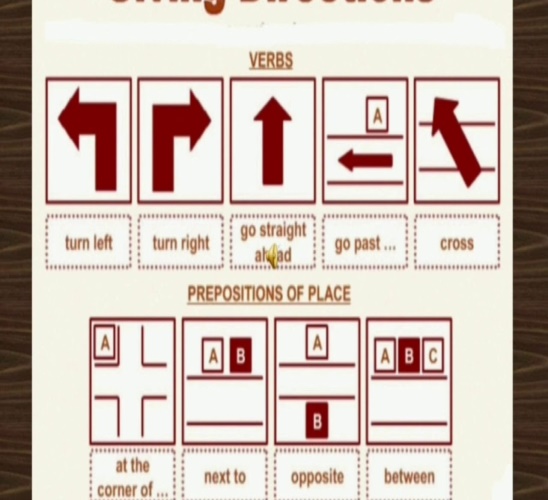
Greeting. (Whale class, Individually) T tells the class to make groups of 2. Warm up: Books closed. Draw students’ attention to your desk (ask them to stand up and look at it if necessary). Ask them what they can see on it, e.g. There’s a dictionary. There’s a book. There are some pens. Put any new vocabulary on the board and model for pronunciation. Setting the aim of the lesson.
|
Learners read the given sentences on the board and guess the topic and share with their ideas. Remember and recognize the main vocabulary. |
Teacher controles the process, gives feedback and asks additional questions if it’s nessasery. Teacher evaluate pupils with phrases like: “Good job! Well done!” Formative Assessment |
Sheets of peppers Pictures of to be |
|
Middle 30 min |
Task. I (Wh, I) (pair dicsussion) Ex: 1 P: 12 Ask Ss to look at the picture. • Play the recording. Ss listen and repeat chora and/or individually. • Elicit the L1 equivalent for each word |
Learners listen and repeat. Say the school areas in your language. ANSWERS location: on a quiet street my classroom: desks and chairs for 25 children, a blackboard, posters on walls |
Pair assessment
Descriptor: - listen and repeat - describe your school Total: 2 point |
Student’s book |
|
|
Task. II (Wh, I) (Task for location) Ex: 2 P: 12 Read the rubric aloud. • Play the recording. Ss listen and follow the dialogue in their books. • Elicit answers to the questions in the rubric. |
Learners listen to and or read the dialogue. Answer the question. ANSWERS Andy's classroom is up the stairs. To get there, he should go past the science lab and the computer room. Then he should turn left, go past the staffroom and the nurse's office, turn right, then go up the stairs and down the corridor. Classroom 3C is on his right |
T’s ffedback
Descriptor: - read the dialogue. - answer the question. Total: 2 point |
Worksheets Student’s book |
|
|
Task. III (Task for understanding) Ex: 3 P: 12 Go through the prepositions of direction/ movement with Ss. Present each preposition by miming the movement it shows. Give Ss time to read through the dialogue in Ex. again. In pairs, Ss act out their dialogues. RAF Monitor the activity around the class and then ask various pairs to act out their dialogues in front of the class A learner with individual needs: will be paired with helpers and teacher allows him act out the dialogues with support. |
Learners look at the map of the school and in pairs act out similar dialogues. Use prepositions of directions/movement ANSWERS A: Excuse me, where is classroom 3A? B: Go past the computer room and turn left. Go past the staffroom and the nurse's office, turn right and go up the stairs. A: I'm sorry. Can you repeat the last bit, please? B: Of course. Go up the stairs. Classroom 3A is on your right. A: Thank you. B: You're welcome. A: Excuse me, where is the auditorium? B: Go along the corridor, past the staffroom and the nurse's office. Turn left. A: I'm sorry. Can you repeat the last bit, please? B: Of course. Turn left. The auditorium is next to the canteen. A: Thank you. B: You're welcome. A: Excuse me, where is the nurse's office? B: Go along the corridor and turn right. Then go past the staffroom |
Feedback: “Thumbs up, thumbs down” After correct answer teacher shows thumbs up, if there are some mistakes thumbs down with comments Descriptor: - look at the map - act out the dialogues Total: 2 point |
|
|
|
Task. IV Ex: 4 P: 12 Go through the Study Skills box and explain how we link sounds in English. Check Ss' comprehension by asking for further examples. Direct Ss' attention to the example and elicit the linking sounds in the sentences. Play the recording for Ss to check. Play the recording again with pauses for Ss to listen and repeat chorally or individually. Pay special attention to Ss' pronunciation and intonation. Repeat the task if necessary A learner with individual needs: will be supported by teacher and by helpers from his class. |
Learners read the theory. Find the linking sounds in the sentences below. Listen and repeat. ANSWERS 1 Can I have an apple? 2 I am always late for school. 3 I hope it's OK for Anna to come with us. 4 How about eight o'clock? |
T’s comment Descriptor: - read the theory. - find the linking sounds Total: 2 point |
|
|
End 5 min |
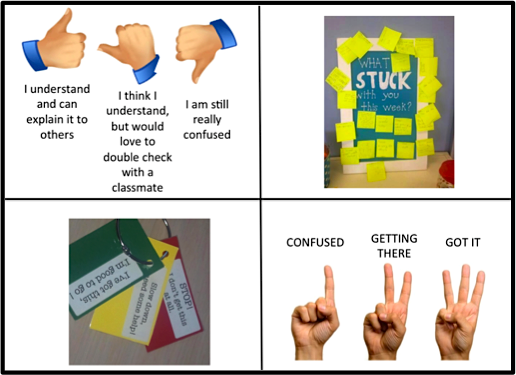
The Ladder method was used as a reflection. T asks Ss to stick their stickers to the Success Ladder. Green- I understood Yellow-I have some questions Red-I need a help. Ex: P: Home task |
Ss use their stickers to show their knowledge according to the lesson

|
Poster Success Ladder |

|
жүктеу мүмкіндігіне ие боласыз
Бұл материал сайт қолданушысы жариялаған. Материалдың ішінде жазылған барлық ақпаратқа жауапкершілікті жариялаған қолданушы жауап береді. Ұстаз тілегі тек ақпаратты таратуға қолдау көрсетеді. Егер материал сіздің авторлық құқығыңызды бұзған болса немесе басқа да себептермен сайттан өшіру керек деп ойласаңыз осында жазыңыз
Everyday English: Asking for / giving directions
Short term plan
|
Unit 1: Our calss |
School: Comprehensive school of the village Dvurechnoye Dvurechnoye |
||
|
Date: 16.09.2025 |
Teacher name: Kabidenova Ainur Akylbekovna |
||
|
Grade: 6 |
Number present: |
absent: |
|
|
Lesson title |
Everyday English: Asking for / giving directions |
||
|
Learning objectives |
6.3.1.1 provide basic information about themselves and others at sentence level on an increasing range of general topics 6.4.2.1 understand with little support specific information and detail in short, simple texts on a limited range of general and curricular topics |
||
|
Learning objectives (assessment criteria) |
Learners will be able to: - Present school areas - Read for specific information - Present and practice prepositions of direction/movement |
||
|
Levels of thinking skills |
Knowledge and comprehension |
||
|
Stages/ Time |
Teachers actions |
Students actions |
Assessment |
Resources |
|
Beginning 5 min |
Greeting. (Whale class, Individually) T tells the class to make groups of 2. Warm up: Books closed. Draw students’ attention to your desk (ask them to stand up and look at it if necessary). Ask them what they can see on it, e.g. There’s a dictionary. There’s a book. There are some pens. Put any new vocabulary on the board and model for pronunciation. Setting the aim of the lesson.
|
Learners read the given sentences on the board and guess the topic and share with their ideas. Remember and recognize the main vocabulary. |
Teacher controles the process, gives feedback and asks additional questions if it’s nessasery. Teacher evaluate pupils with phrases like: “Good job! Well done!” Formative Assessment |
Sheets of peppers Pictures of to be |
|
Middle 30 min |
Task. I (Wh, I) (pair dicsussion) Ex: 1 P: 12 Ask Ss to look at the picture. • Play the recording. Ss listen and repeat chora and/or individually. • Elicit the L1 equivalent for each word |
Learners listen and repeat. Say the school areas in your language. ANSWERS location: on a quiet street my classroom: desks and chairs for 25 children, a blackboard, posters on walls |
Pair assessment
Descriptor: - listen and repeat - describe your school Total: 2 point |
Student’s book |
|
|
Task. II (Wh, I) (Task for location) Ex: 2 P: 12 Read the rubric aloud. • Play the recording. Ss listen and follow the dialogue in their books. • Elicit answers to the questions in the rubric. |
Learners listen to and or read the dialogue. Answer the question. ANSWERS Andy's classroom is up the stairs. To get there, he should go past the science lab and the computer room. Then he should turn left, go past the staffroom and the nurse's office, turn right, then go up the stairs and down the corridor. Classroom 3C is on his right |
T’s ffedback
Descriptor: - read the dialogue. - answer the question. Total: 2 point |
Worksheets Student’s book |
|
|
Task. III (Task for understanding) Ex: 3 P: 12 Go through the prepositions of direction/ movement with Ss. Present each preposition by miming the movement it shows. Give Ss time to read through the dialogue in Ex. again. In pairs, Ss act out their dialogues. RAF Monitor the activity around the class and then ask various pairs to act out their dialogues in front of the class A learner with individual needs: will be paired with helpers and teacher allows him act out the dialogues with support. |
Learners look at the map of the school and in pairs act out similar dialogues. Use prepositions of directions/movement ANSWERS A: Excuse me, where is classroom 3A? B: Go past the computer room and turn left. Go past the staffroom and the nurse's office, turn right and go up the stairs. A: I'm sorry. Can you repeat the last bit, please? B: Of course. Go up the stairs. Classroom 3A is on your right. A: Thank you. B: You're welcome. A: Excuse me, where is the auditorium? B: Go along the corridor, past the staffroom and the nurse's office. Turn left. A: I'm sorry. Can you repeat the last bit, please? B: Of course. Turn left. The auditorium is next to the canteen. A: Thank you. B: You're welcome. A: Excuse me, where is the nurse's office? B: Go along the corridor and turn right. Then go past the staffroom |
Feedback: “Thumbs up, thumbs down” After correct answer teacher shows thumbs up, if there are some mistakes thumbs down with comments Descriptor: - look at the map - act out the dialogues Total: 2 point |
|
|
|
Task. IV Ex: 4 P: 12 Go through the Study Skills box and explain how we link sounds in English. Check Ss' comprehension by asking for further examples. Direct Ss' attention to the example and elicit the linking sounds in the sentences. Play the recording for Ss to check. Play the recording again with pauses for Ss to listen and repeat chorally or individually. Pay special attention to Ss' pronunciation and intonation. Repeat the task if necessary A learner with individual needs: will be supported by teacher and by helpers from his class. |
Learners read the theory. Find the linking sounds in the sentences below. Listen and repeat. ANSWERS 1 Can I have an apple? 2 I am always late for school. 3 I hope it's OK for Anna to come with us. 4 How about eight o'clock? |
T’s comment Descriptor: - read the theory. - find the linking sounds Total: 2 point |
|
|
End 5 min |
The Ladder method was used as a reflection. T asks Ss to stick their stickers to the Success Ladder. Green- I understood Yellow-I have some questions Red-I need a help. Ex: P: Home task |
Ss use their stickers to show their knowledge according to the lesson
|
Poster Success Ladder |
|
шағым қалдыра аласыз