Innovative Methods for Teaching English: What Works and Why
In the rapidly evolving world of education, the traditional "chalk and talk" method is no longer sufficient to keep students engaged. As English maintains its status as the global lingua franca, educators are constantly searching for innovative methods to make language learning more dynamic, intuitive, and effective.
But with so many new trends emerging, what actually works, and why? Let’s explore the most impactful innovative methods in English Language Teaching (ELT) today.
1. Gamification: Learning Through Play
Gamification involves integrating game mechanics—such as points, leaderboards, challenges, and rewards—into the educational process. It turns abstract grammar and vocabulary into an interactive quest.
-
What works: Platforms like Kahoot!, Quizizz, and Duolingo, as well as classroom-based role-playing games.
-
Why it works: Dopamine and Engagement. Traditional learning can sometimes feel repetitive, leading to cognitive fatigue. Gamification triggers excitement and healthy competition. It lowers the "affective filter" (anxiety and fear of making mistakes), allowing students to absorb language naturally while focused on winning the game.
2. The Flipped Classroom Model
In a flipped classroom, the traditional order of teaching is inverted. Students learn new concepts at home (via videos, podcasts, or reading material), and classroom time is dedicated to active practice, discussion, and project work.
-
What works: Assigning a short, engaging YouTube video on a grammar point (e.g., Past Perfect) for homework, and using the next day's class entirely for speaking trials and debate.
-
Why it works: Maximizing Student Talking Time (STT). Language is a skill, not just a subject. It needs to be practiced, not just memorized. By moving the lecture outside the classroom, teachers free up valuable time for students to actually speak, interact, and receive real-time feedback.
3. Task-Based Language Learning (TBLL)
TBLL focuses on the completion of meaningful tasks. Instead of learning a language rule just to pass a test, students use English as a tool to solve a real-world problem.
-
What works: Asking students to plan a travel itinerary, solve a mystery, host a mock podcast, or negotiate a business deal in English.
-
Why it works: Context and Relevance. Brains naturally retain information that has immediate practical value. When students focus on the task rather than the linguistic structure, they develop "fluency over accuracy" first, leading to more natural communication skills.
4. Immersive VR and AI-Driven Personalization
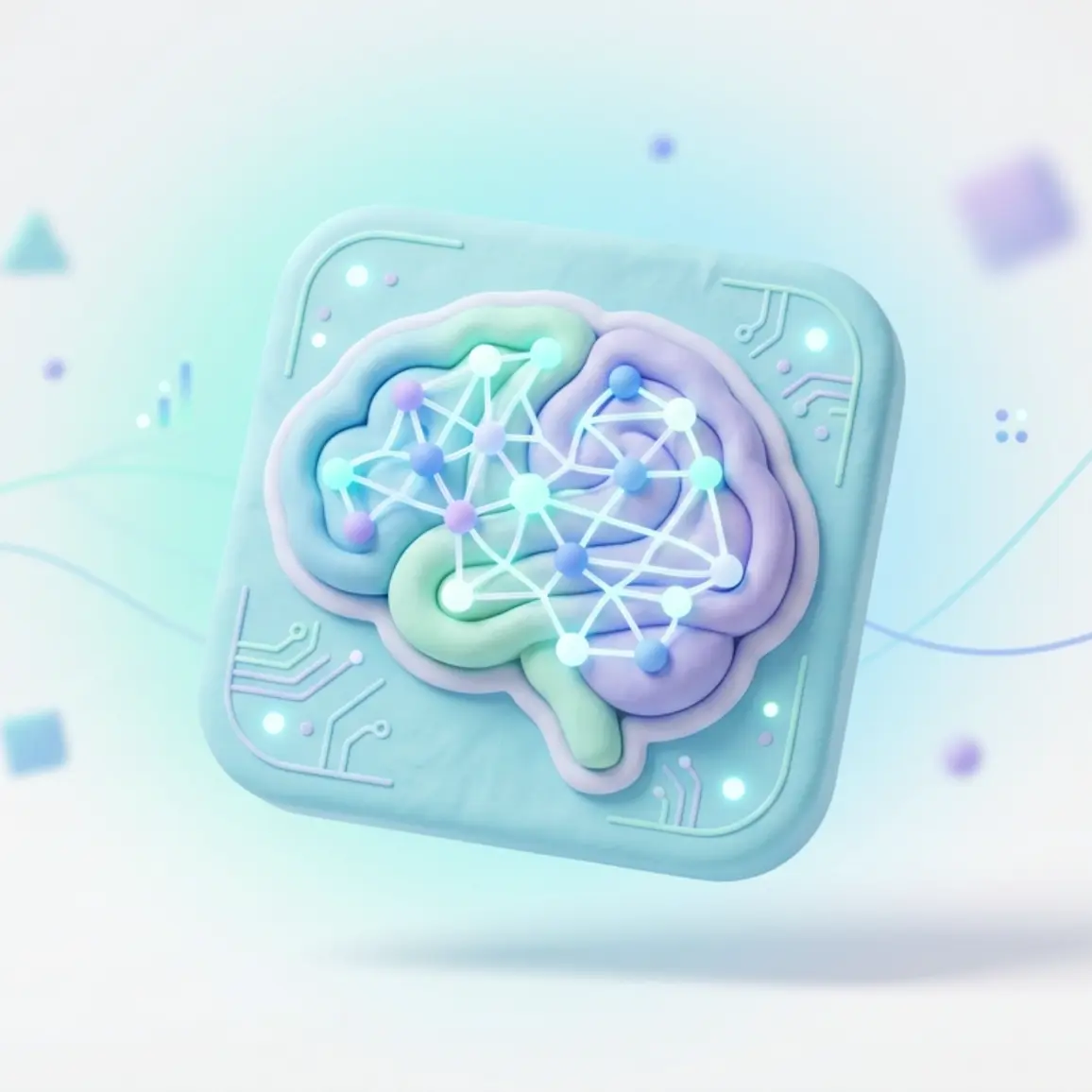
Technology has moved beyond simple presentation slides. Artificial Intelligence (AI) and Virtual Reality (VR) are redefining boundaries.
-
What works: Using AI chatbots (like ChatGPT) as personalized conversation partners for students to practice writing/speaking at their own pace, or using VR to virtually "walk" through London while describing the surroundings.
-
Why it works: Safe Environment and Customization. AI doesn’t judge. Shy students who are afraid to speak in front of peers can practice endlessly with AI assistants. Furthermore, AI can instantly adapt to a student’s current vocabulary level, providing the perfect balance of challenge and support.
5. Content and Language Integrated Learning (CLIL)
CLIL is an approach where English is taught through other subjects, such as science, history, or geography. Students learn the subject matter using the target language.
-
What works: Teaching an art history lesson or a basic eco-sustainability project entirely in English.
-
Why it works: Authentic Purpose. Students stop thinking about English as a set of rules and start using it as a medium for thought. It mirrors how native speakers acquire language—by using it to learn about the world.
Conclusion: The Ultimate Recipe for Success
Innovation in ELT is not about throwing away old textbooks and replacing them with expensive gadgets. It is about a shift in mindset—moving from a teacher-centered classroom to a student-centered environment.
The methods that truly work are those that:
-
Promote active production over passive consumption.
-
Reduce student anxiety.
-
Connect English to real-world utility.
By blending emotional engagement (Gamification) with practical application (TBLL and Flipped Classrooms), modern educators can transform English from a tedious school subject into a lifelong skill.

жүктеу мүмкіндігіне ие боласыз
Бұл материал сайт қолданушысы жариялаған. Материалдың ішінде жазылған барлық ақпаратқа жауапкершілікті жариялаған қолданушы жауап береді. Ұстаз тілегі тек ақпаратты таратуға қолдау көрсетеді. Егер материал сіздің авторлық құқығыңызды бұзған болса немесе басқа да себептермен сайттан өшіру керек деп ойласаңыз осында жазыңыз
Innovative Methods for Teaching English: What Works and Why
In the rapidly evolving world of education, the traditional "chalk and talk" method is no longer sufficient to keep students engaged. As English maintains its status as the global lingua franca, educators are constantly searching for innovative methods to make language learning more dynamic, intuitive, and effective.
But with so many new trends emerging, what actually works, and why? Let’s explore the most impactful innovative methods in English Language Teaching (ELT) today.
1. Gamification: Learning Through Play
Gamification involves integrating game mechanics—such as points, leaderboards, challenges, and rewards—into the educational process. It turns abstract grammar and vocabulary into an interactive quest.
-
What works: Platforms like Kahoot!, Quizizz, and Duolingo, as well as classroom-based role-playing games.
-
Why it works: Dopamine and Engagement. Traditional learning can sometimes feel repetitive, leading to cognitive fatigue. Gamification triggers excitement and healthy competition. It lowers the "affective filter" (anxiety and fear of making mistakes), allowing students to absorb language naturally while focused on winning the game.
2. The Flipped Classroom Model
In a flipped classroom, the traditional order of teaching is inverted. Students learn new concepts at home (via videos, podcasts, or reading material), and classroom time is dedicated to active practice, discussion, and project work.
-
What works: Assigning a short, engaging YouTube video on a grammar point (e.g., Past Perfect) for homework, and using the next day's class entirely for speaking trials and debate.
-
Why it works: Maximizing Student Talking Time (STT). Language is a skill, not just a subject. It needs to be practiced, not just memorized. By moving the lecture outside the classroom, teachers free up valuable time for students to actually speak, interact, and receive real-time feedback.
3. Task-Based Language Learning (TBLL)
TBLL focuses on the completion of meaningful tasks. Instead of learning a language rule just to pass a test, students use English as a tool to solve a real-world problem.
-
What works: Asking students to plan a travel itinerary, solve a mystery, host a mock podcast, or negotiate a business deal in English.
-
Why it works: Context and Relevance. Brains naturally retain information that has immediate practical value. When students focus on the task rather than the linguistic structure, they develop "fluency over accuracy" first, leading to more natural communication skills.
4. Immersive VR and AI-Driven Personalization
Technology has moved beyond simple presentation slides. Artificial Intelligence (AI) and Virtual Reality (VR) are redefining boundaries.
-
What works: Using AI chatbots (like ChatGPT) as personalized conversation partners for students to practice writing/speaking at their own pace, or using VR to virtually "walk" through London while describing the surroundings.
-
Why it works: Safe Environment and Customization. AI doesn’t judge. Shy students who are afraid to speak in front of peers can practice endlessly with AI assistants. Furthermore, AI can instantly adapt to a student’s current vocabulary level, providing the perfect balance of challenge and support.
5. Content and Language Integrated Learning (CLIL)
CLIL is an approach where English is taught through other subjects, such as science, history, or geography. Students learn the subject matter using the target language.
-
What works: Teaching an art history lesson or a basic eco-sustainability project entirely in English.
-
Why it works: Authentic Purpose. Students stop thinking about English as a set of rules and start using it as a medium for thought. It mirrors how native speakers acquire language—by using it to learn about the world.
Conclusion: The Ultimate Recipe for Success
Innovation in ELT is not about throwing away old textbooks and replacing them with expensive gadgets. It is about a shift in mindset—moving from a teacher-centered classroom to a student-centered environment.
The methods that truly work are those that:
-
Promote active production over passive consumption.
-
Reduce student anxiety.
-
Connect English to real-world utility.
By blending emotional engagement (Gamification) with practical application (TBLL and Flipped Classrooms), modern educators can transform English from a tedious school subject into a lifelong skill.
шағым қалдыра аласыз