
 ЖИ көмекші


жүктеу мүмкіндігіне ие боласыз
Бұл материал сайт қолданушысы жариялаған. Материалдың ішінде жазылған барлық ақпаратқа жауапкершілікті жариялаған қолданушы жауап береді. Ұстаз тілегі тек ақпаратты таратуға қолдау көрсетеді. Егер материал сіздің авторлық құқығыңызды бұзған болса немесе басқа да себептермен сайттан өшіру керек деп ойласаңыз осында жазыңыз
 20 Мамыр 2021
 467
467
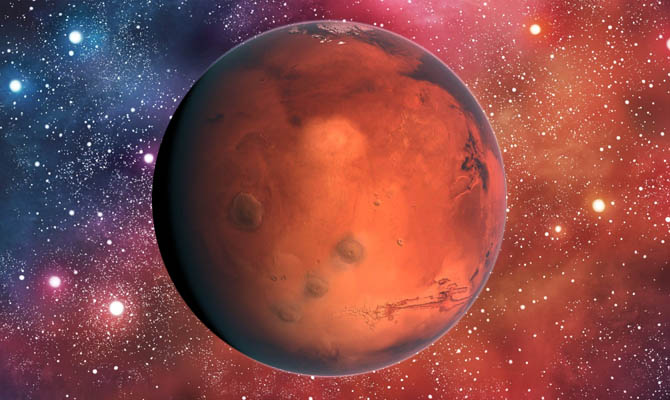
"Journey into Space"
|
Short –term plan |
|||||||||||||||||||||||||||||||||||||||||||||
|
Unit of a long term plan: Term 4 Journey into Space |
School: |
||||||||||||||||||||||||||||||||||||||||||||
|
Theme |
Planets 1 |
||||||||||||||||||||||||||||||||||||||||||||
|
CLASS: 4 |
Number present: |
absent: |
|||||||||||||||||||||||||||||||||||||||||||
|
Learning objectives(s) that this lesson is contributing to |
4.3.3.1 recognize basic opinions in short, simple texts on an increasing range of general range of general and some curricular topics 4.5.5.1 use interrogative pronouns who, what and where, how many, how much, how often, how big, what kind of to ask questions on growing range of familiar topics |
||||||||||||||||||||||||||||||||||||||||||||
|
Lesson objectives |
All learners will be able to: |
||||||||||||||||||||||||||||||||||||||||||||
|
-recognize basic opinions in short, simple texts when reading with some support -choose interrogative pronouns who, what and where, how many, how much, how often, how big, what kind of when asking questions with 75% accuracy |
|||||||||||||||||||||||||||||||||||||||||||||
|
Most learners will be able to: |
|||||||||||||||||||||||||||||||||||||||||||||
|
-Identify basic opinions in short, simple texts when reading without any support -choose interrogative pronouns who, what and where, how many, how much, how often, how big, what kind of when asking questions with 80% accuracy |
|||||||||||||||||||||||||||||||||||||||||||||
|
Some learners will be able to:
|
|||||||||||||||||||||||||||||||||||||||||||||
|
-Identify and analyze basic opinions in short, simple texts when reading without any support -explain their choice when using interrogative pronouns who, what and where, how many, how much, how often, how big, what kind of to ask questions with 90% accuracy |
|||||||||||||||||||||||||||||||||||||||||||||
|
Assessment criteria |
Recognize correctly basic opinions in short, simple texts when reading the text. Demonstrate the ability to apply interrogative pronouns who, what and where, how many, how much, how often, how big, what kind of to ask questions using grammatically correct English |
||||||||||||||||||||||||||||||||||||||||||||
|
Value links |
Tolerance Safety Mutual respect |
||||||||||||||||||||||||||||||||||||||||||||
|
Cross curricular links |
Nature Study |
||||||||||||||||||||||||||||||||||||||||||||
|
ICT skills |
whiteboard |
||||||||||||||||||||||||||||||||||||||||||||
|
Previous learning |
|
||||||||||||||||||||||||||||||||||||||||||||
|
Plan |
|||||||||||||||||||||||||||||||||||||||||||||
|
Planned timings |
Planned activities |
Resources |
|||||||||||||||||||||||||||||||||||||||||||
|
Beginning 5 minutes |
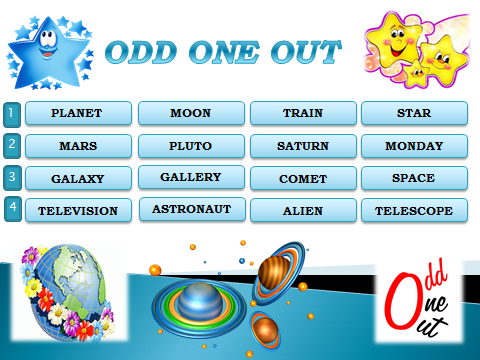
Greeting. Hello, children! Yow are you? Teacher divides children into groups “Molecule” strategy. Warming - Up. Activity “Odd one out”. Choose which one doesn’t fit, and then explain why it doesn’t. Guessing the theme of the lesson.
|
|
|||||||||||||||||||||||||||||||||||||||||||
|
Middle 5 minutes 12 minutes
3 minutes
12 minutes
|
Pre-reading Eliciting the vocabulary. (Eliciting techniques) Teacher introduces new topic related words: Unique-the only Extraordinarily- giving definitions not usual Mysterious-giving definitions magic Huge-very big Lollipop-candy Activity 1A. Reading. Active strategies “Story board” Omar. The world of space is amazing! What is it? Stars, meteorites, planets... they are extraordinarily beautiful, each in its own unique. But other than Earth, there is no life on other planets. Ann. Our world is very interesting, but space is even more interesting! I have a lot of questions about space. What do stars look like? What do planets look like? I would very much like to be in the place of Yuri Gagarin and say his famous words: "let's Go!". Kris. Space is very mysterious, and we still do not know what is on the other side of the Sun. I don't think all the planets are alike. The Sun - a ball of fire, Mercury - on the round stone, Venus, Mars and Saturn look like huge lollipops. The earth is different colors on all sides because it has life on it, so it's hard for me to tell what our planet is like. Task 1B. Identify a person’s opinion and put a tick in the right column.
Descriptor: A learner: -reads the parts of the story attentively - recognizes different opinion of the speakers - creates the story board Differentiation by grouping Peer assessment Relax time Song
Zoom Zoom Zoom.
We’re going to the
moon
Activity 2. Learning objectives 4.3.3.1 recognize basic opinions in short, simple texts on an increasing range of general range of general and some curricular topics Assessment criteria Identify basic opinions in short, simple texts when reading the text.
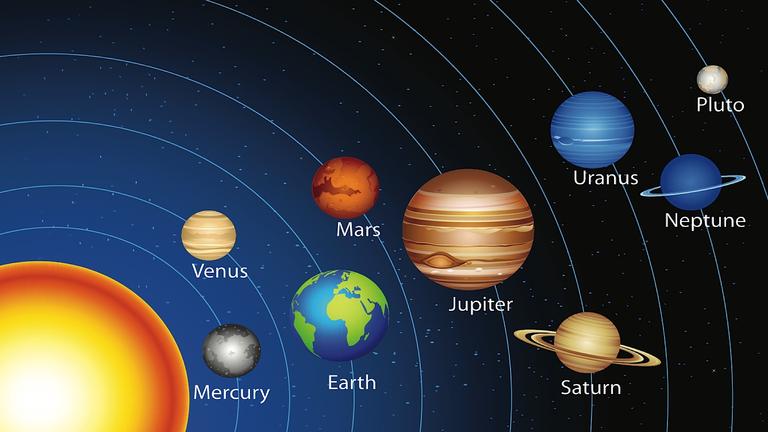
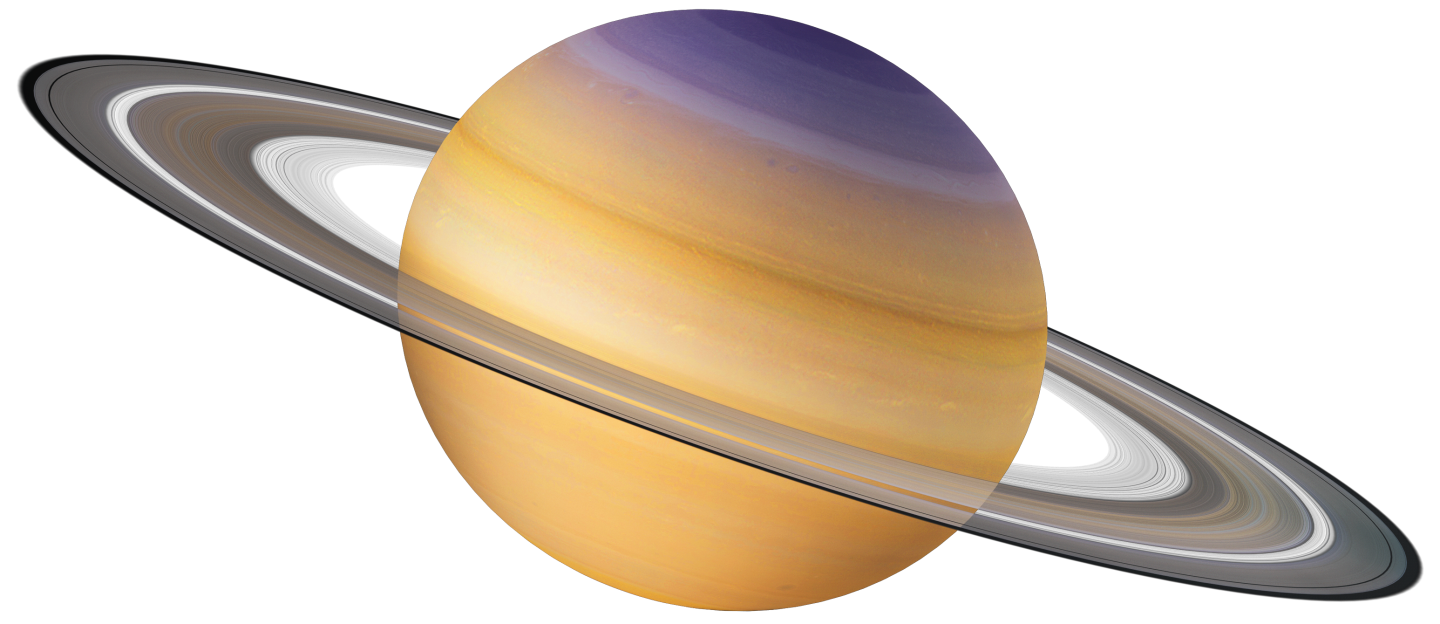
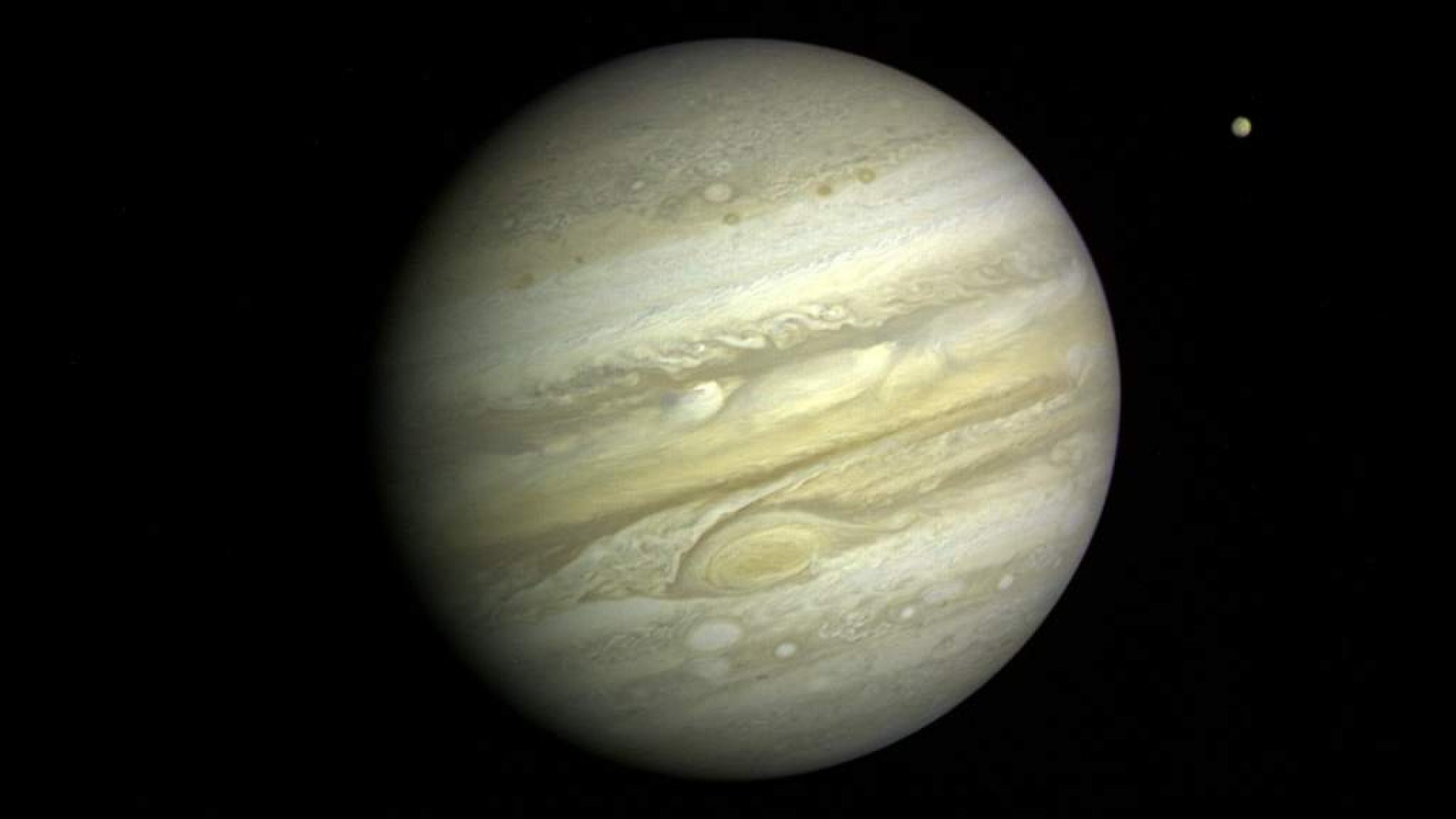
Task 2. Look at the pictures. Read the text. Answer the questions.
The Solar System The sun is the brightest object in our Solar System. Pluto is the smallest planet in the solar system. A day on Venus is the nearly as long as a year on the Earth. Uranus is four times bigger than the Earth. Mercury is the closest planet to the Sun. A day on Neptune is longer than on Uranus. Earth is the only planet in the solar system that has life. Mars is often called as the Red Planet. Jupiter is the giant of the Solar System. The bright globe of Saturn is surrounded by rings. Neptune cannot be seen without a large telescope.
Descriptor: A learner • reads the text; • answers the questions using information from the text.
|
http://www.songspro.ru/47/The-Kiboomers/tekst-pesni-Zoom-Zoom-Zoom-Were-Going-To-The-Moon-Song |
|||||||||||||||||||||||||||||||||||||||||||
|
End 3 minutes |
Reflection Strategy “Traffic light” |
|
|||||||||||||||||||||||||||||||||||||||||||
|
Additional information |
|||||||||||||||||||||||||||||||||||||||||||||
|
Differentiation – how do you plan to give more support? |
Assessment – how are you planning to check learners’ learning? |
Safety check
|
|||||||||||||||||||||||||||||||||||||||||||
|
Differentiation by grouping Differentiation by task
|
|
|
|||||||||||||||||||||||||||||||||||||||||||




 Жүктеу


 Жүктеу
шағым қалдыра аласыз

 Бұл курс Қазақстан Республикасы Оқу-ағарту министрлігімен келісілген










