ЖИ көмекші

 Көп таңдалатын


 Ең тиімді
15 890₸ үнемдейсіз


жүктеу мүмкіндігіне ие боласыз
Бұл материал сайт қолданушысы жариялаған. Материалдың ішінде жазылған барлық ақпаратқа жауапкершілікті жариялаған қолданушы жауап береді. Ұстаз тілегі тек ақпаратты таратуға қолдау көрсетеді. Егер материал сіздің авторлық құқығыңызды бұзған болса немесе басқа да себептермен сайттан өшіру керек деп ойласаңыз осында жазыңыз
 03 Қырқүйек 2023
 258
258
КТР
Short term plan
|
Unit: 1 Our World lesson 1 |
School: |
||
|
Date: |
Teacher name: |
||
|
Grade: 8 |
Number present: |
absent: |
|
|
Lesson title |
Welcome; Adjectives |
||
|
Learning objectives |
8.1.9.1 use imagination to express thoughts, ideas, experiences and feelings 8.2.7.1 recognise typical features at word, sentence and text level of a growing range of spoken genres 8.5.3.1 write with moderate grammatical accuracy on a growing range of familiar general and curricular topics |
||
|
Lesson objectives |
Learners will be able to: • Review adjectives. . • Do a quiz on The world around you. • Ask and answer questions using adjectives. |
||
|
Plan |
|||
|
Stages / Time |
Teachers’ actions |
Students’ actions |
Assessment criteria |
Resources |
|
Start
|
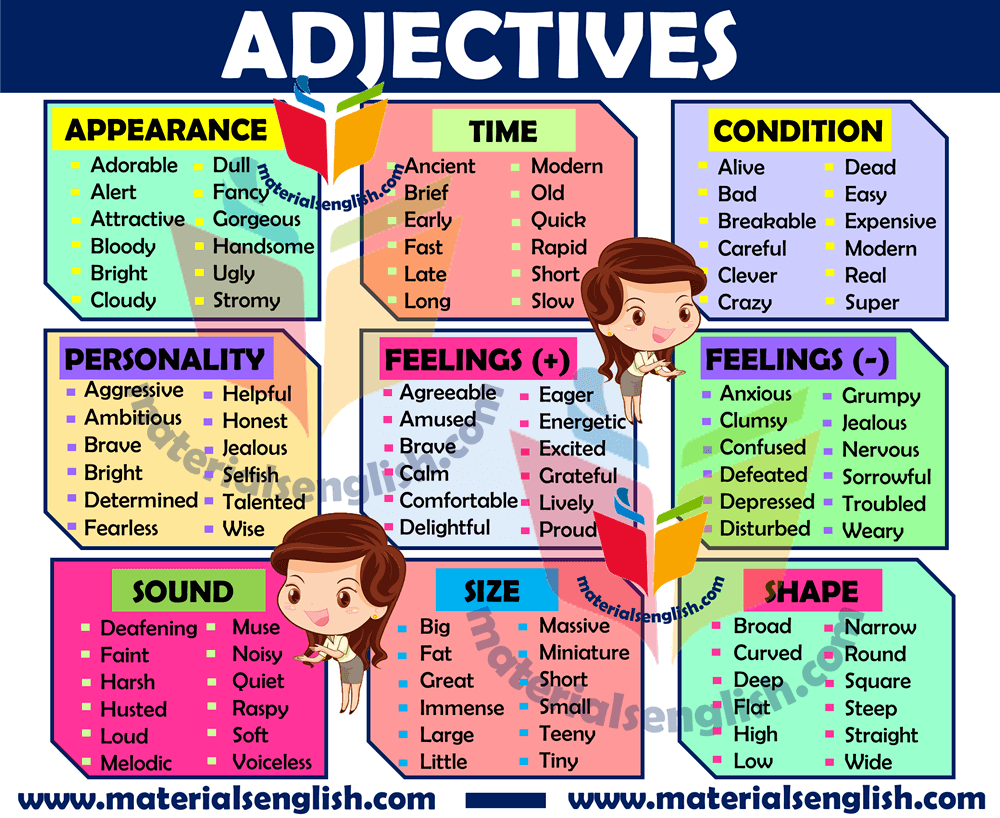
Organization moment 1.Greeting. Ask about the weather. Warm-up • With books closed, ask individual students questions such as What’s your favourite TV programme / animal / food? Ask them to describe the item they have chosen. Write any adjectives they use on the board and elicit that they are adjectives. • Elicit and write up other adjectives that students know Lead - In
|
“The wish flower” method helps to start the lesson with good wishes to each other. The aim: To develop Ss speaking skills and create friendly atmosphere Efficiency: By wishing each other they feel better and feel the support of others. Students introduce themselves Students say different words from the picture
|
At the organization moment T tries to award active Ss. «The praise» method is used to evaluate Ss with phrases like: “Good job! Well done!” Formative Assessment
Good job! Assessment criteria -Learn vocabulary to do with television.
|
Pictures PPT Student’s book |
|
Main part
|
Ex: 1 p:4 • Read through the adjectives in the box with the class. In a weaker class, match the first two items as an example. In a stronger class, you could start this as a quick quiz. Call out an adjective from the box at random and ask students to put up their hands as soon as they know the answer. • Students complete the activity individually or in pairs. After confirming their answers with the recording, you could play the audio again to drill the pronunciation of any new adjectives Ex: 2 p:4 • Read the title of the quiz with the class and elicit a translation or definition. You may need to explain around: you could say that this quiz covers the things we see, hear and experience in the world. • In a weaker class, check that students have chosen the correct words before they move on to think of answers. • Students think of answers individually or in pairs. • Ask the class for ideas for each question, then confirm with the recording Ex: 1 p:5 • In a weaker class, allow students to find the comparative and superlative forms and write the rules in pairs. Ex: 2 p:5 • Go through the example with the class. Encourage students to think about the adjective exciting in relation to all three activities. Ex: 4 p:5 • Students complete the sentences in pairs. In a weaker class, write these answers on the board and highlight the third person singular changes to prompt the class. • In a stronger class, elicit the rule as a class activity |
Students match adjectives with their opposites in the box. ANSWERS : 1 cheap 2 rare 3 weak 4 quiet 5 dangerous 6 unhealthy 7 clean 8 near 9 easy 10 heavy 11 useless 12 exciting
Students work in pairs. Choose the correct words in World around you quiz. Then think of an answer for each description. ANSWERS : 1 near (Neptune) 2 noisy (Tokyo) 3 common (mosquito) 4 powerful (whale) 5 cheap (plastic) 6 expensive (platinum) Students complete the tables with adjectives. Then answer the question. ANSWERS: 1 rarer 2 expensive 3 further 4 nearest 5 hottest 6 common 7 furthest Students write a comparative and superlative sentence for each group of words. ANSWERS: Students own answer Students complete the sentences from the quiz. ANSWERS: 1 make 2 don’t speak 3 loves 4 doesn’t live |
Descriptor: - match adjectives with their opposites Total: 1 point Differentiation: Modelling- teacher gives clear description of the task with examples Descriptor: - Choose the correct words Total: 1 point Descriptor: - complete the tables with adjectives Total: 1 point -Make CCQ questions Yes / No Descriptor: - complete the sentences from the quiz Total: 1 point
|
Cards Worksheets |
|
End
|
Home task: Ex: P: |
|
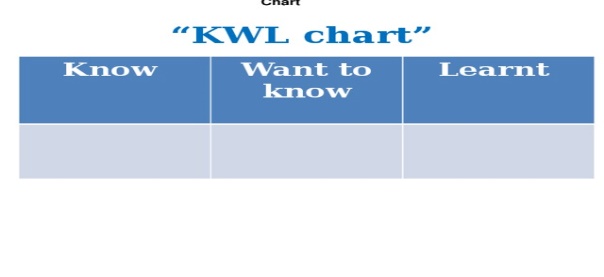
Poster KWL chart |
|

Short term plan
|
Unit: 1 Our World lesson 2 |
School: |
||
|
Date: |
Teacher name: |
||
|
Grade: 8 |
Number present: |
absent: |
|
|
Lesson title |
Everyday objects |
||
|
Learning objectives |
8.2.1.1understand with little or no support the main points in extended talk on a wide range of general and curricular topics 8.6.2.1 use a growing variety of quantifiers for countable and uncountable nouns including several, plenty, a large/small number/amount on a range of familiar general and curricular topics 8.3.1.1 use formal and informal registers in their talk on a growing range of general and curricular topics |
||
|
Lesson objectives |
Learners will be able to: • Learn vocabulary of household goods. • Learn how to say numbers. • Do a quiz about human consumers. |
||
|
Plan |
|||
|
Stages / Time |
Teachers’ actions |
Students’ actions |
Assessment criteria |
Resources |
|
Start
|
Organization moment 1.Greeting. Ask about the weather. Warm-up • With books closed, write the words carbon footprint on the board and ask students what they understand by it. Ask if students think they have a big or small carbon footprint and why. • Ask what makes a person’s carbon footprint bigger, and elicit some ideas such as travelling by car, using energy in the home and buying lots of goods Lead - In
|
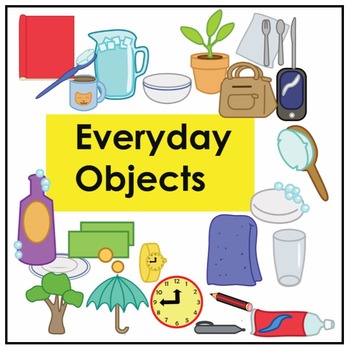
“The wish flower” method helps to start the lesson with good wishes to each other. The aim: To develop Ss speaking skills and create friendly atmosphere Efficiency: By wishing each other they feel better and feel the support of others. Students introduce themselves Students say different words from the picture
|
At the organization moment T tries to award active Ss. «The praise» method is used to evaluate Ss with phrases like: “Good job! Well done!” Formative Assessment
Good job! Assessment criteria - Practise comparing opinions.
|
Pictures PPT Student’s book |
|
|









 Бұл курс Қазақстан Республикасы Оқу-ағарту министрлігімен келісілген