ЖИ көмекші


 Қауіпсіз төлем

жүктеу мүмкіндігіне ие боласыз
Бұл материал сайт қолданушысы жариялаған. Материалдың ішінде жазылған барлық ақпаратқа жауапкершілікті жариялаған қолданушы жауап береді. Ұстаз тілегі тек ақпаратты таратуға қолдау көрсетеді. Егер материал сіздің авторлық құқығыңызды бұзған болса немесе басқа да себептермен сайттан өшіру керек деп ойласаңыз осында жазыңыз
 12 Мамыр 2026
 33
33
1 жыл бойы шексіз жүктеңіз
LP Action 11 term 2
Short term plan: term 2
|
Unit: 3 Human brain |
Lesson 25 |
||
|
School |
|
||
|
Teacher name: |
|
||
|
Date: |
|
||
|
Grade: 11 |
Number present: |
absent: |
|
|
Lesson title |
Parts of the brain – human brain facts |
||
|
Learning objectives |
11.3.2.1 - ask and respond with appropriate syntax and vocabulary to open-ended higher-order thinking questions on a range of general and curricular topics, including some unfamiliar topics 11.4.8.1 - select and evaluate paper and digital reference resources to check meaning and extend understanding |
||
|
Lesson objectives |
Learners will be able to: - Identify and describe the main parts of the human brain and their functions. - Use appropriate scientific vocabulary related to brain anatomy and function. - Summarize factual information about the human brain in spoken and written form. |
||
|
Instilling values of the program “Adal Azamat” |
Responsibility for one’s words and actions Empathy and understanding others’ perspectives Constructive feedback and teamwork |
||
|
Plan |
|||
|
Stages / Time |
Teachers actions |
Students actions |
Assessment criteria |
Resources |
|
Beginning of the lesson 5 min. |
Organization moment : 1.Greeting. Ask about the weather. Warming up Ask: “What do you already know about the human brain?” Show a silhouette image of a head and ask students to mark where they think the brain’s main parts are. Brief discussion: “Why is the brain important? Show a labeled diagram of the brain. Explain the main parts and their functions: Cerebrum – thinking, memory, emotions, decision making Cerebellum – balance and coordination Brainstem – breathing, heartbeat, basic body functions |
Students of the class are listed. Students' attention is drawn to the lesson. Students say different words from the picture Learners remember previous lesson vocabulary Learners answer the questions |
The teacher to assess learners for their ability. “Good job! Well done!” Formative Assessment |
Brain diagram (poster or projector slide) Worksheets with fill-in tasks Flashcards (brain parts/functions) Short video: “How the Human Brain Works” (2–3 minutes) Paper, pens, colored pencils |
|
Middle of the lesson 15 min 20 min |
Ex:1 P:36 Direct Ss' attention to the texts A and B and the words in bold. Give Ss time to read the texts and then use the bold words to label the pictures. Play the recording. Ss listen and check their answers. “When we listen carefully and check our answers honestly, we are showing that we are adal azamat — fair and responsible people. We respect the rules and help our friends learn too.” Ex: 2 P: 36 Ask Ss to talk in pairs and ask and answer questions about the parts of the human brain and their functions. Monitor the activity around the class and then ask some pairs of Ss to ask and answer in front of the rest of the class. “When we work in pairs, we need to listen carefully and let our partner speak. This shows we are adal azamat — respectful and fair to others.” |
Learners look at the pictures and match the different areas in the human brain ANSWERS 1 cerebrum 2 brainstem 3 cerebellum 4 hippocampus 5 amygdala 6 pituitary gland 7 hypothalamus Learners in pairs, ask and answer questions about the parts of human brain and their functions ANSWERS A: What is the cerebrum? B: It's the biggest part of the brain. It's where we process information from our senses like touch, sight and hearing. We also use it for speech, learning and emotion. Do you remember what the cerebellum does? A: Yes. It controls movement and balance. It's the area at the back of the brain. Then, there's the brainstem which connects the brain to the spinal cord. B: That's right. Beneath the cerebrum is the limbic system. Where is the pituitary gland? |
Descriptor: - look at the pictures - match the different areas in the human brain Total: 5 point Descriptor: - work in pairs - answer questions about the parts of human brain Total: 5 point |
|
|
End of the lesson 5 min |
FEEDBACK Learners provide feedback on what they have learned at the lesson. |
Formative: Observation during discussion, worksheet accuracy, group poster. Summative: Short end-of-lesson quiz or exit ticket (“Name 3 parts of the brain and one function of each”). |
Poster Success
|
|

Short term plan: term 2
|
Unit 3 Human brain |
Lesson 26 |
||
|
School |
|
||
|
Teacher name: |
|
||
|
Date: |
|
||
|
Grade: 11 |
Number present: |
absent: |
|
|
Lesson title |
Brain technology |
||
|
Learning objectives |
11.2.4.1 - implied meaning in unsupported extended talk on a wide range of general and curricular topics, including talk on a growing range of unfamiliar topics 11.4.8.1 - select and evaluate paper and digital reference resources to check meaning and extend understanding |
||
|
Lesson objectives |
Learners will be able to: - read for specific information (multiple matching) - consolidate information in a text; to develop critical thinking skills - learn/revise prepositional phrases - clauses of concession - multi-word verbs |
||
|
Instilling values of the program “Adal Azamat” |
Respect: Listening carefully and showing appreciation. Responsibility: Preparing for success through self-discipline. Confidence and self-awareness as key traits of responsible citizens |
||
|
Plan |
|||
|
Stages / Time |
Teachers actions |
Students actions |
Assessment criteria |
Resources |
|
Beginning of the lesson 5 min Middle of the lesson 10 min |
Organization moment : 1.Greeting. Ask about the weather. Warming up Brainstorm: “What if you could control a computer with your mind?” Show an image of someone wearing a neural headset. Ask: “What do you think this device does?” “Where might this be useful?” Write ideas on the board (e.g., medicine, gaming, military, education). Ex:3 P:37 Read out the Study Skills box and tell Ss this tip will help them to complete the task successfully. Ask Ss to read the text and the questions 1-8. Give Ss time to complete the task and then check their answers. “When you answer the questions on your own, you are showing that you are adal azamat — honest and responsible. Doing your own work helps you learn and become a fair student.” |
Students of the class are listed. Students' attention is drawn to the lesson. Determines the topic and purpose of the lesson Learners remember previous lesson vocabulary Students say different words from the picture Answer the question. Pupils read the text and for questions choose from the brain technologies ANSWERS 1 B 2 D 3 C 4 A 5 D 6 C 7 B 8 A |
The teacher to assess learners for their ability. “Good job! Well done!” Formative Assessment Descriptor: - know daily routines vocabulary
Descriptor: - read the text - choose from the brain technologies Total: 3 point |
Worksheet: matching, comprehension, discussion questions Internet or printed articles (simplified text) Poster paper / markers for group work |
|
13 min 12 min |
Ex: 4 P: 37 Ask Ss to read the questions 1-3 and give them time to answer them referring to the text as necessary and using their own ideas. Elicit answers from Ss around the class. “When you share your ideas and listen to your classmates politely, you show that you are adal azamat — fair and respectful. Everyone’s ideas are important, and we learn from each other.” Ex: 5 P: 37 Explain the task and give Ss time to complete it using the Word List or their dictionaries to help them. Check Ss' answers around the class. “When you use your dictionary or the Word List carefully, you are showing responsibility. And when you help your classmates respectfully, you are being adal azamat — fair, kind, and honest.” |
Pupils answer the questions ANSWERS 1 BCI has been used before in order to help generate speech. 2 Scientists are growing mini-brains in order to help them understand and learn more about the human brain and brain disorders. Pupils match the words in bold to their meanings ANSWERS brain technology a device or software related to the brain enhance = make better computer interface = a means to exchange digital information generate produce infrared switch = a sensor |
Descriptor: - answer the questions Total: 4 point Descriptor: - match the words in bold to their meanings Total: 3 point Total: 10 point |
|
|
End of the lesson 5 min |
FEEDBACK Learners provide feedback on what they have learned at the lesson. Homework Write a short article (100–120
words): Optional: research one real company (e.g., Neuralink, Synchron) and describe what it’s developing. |
Formative: Observation, worksheet completion, participation in discussion. Summative: Short written paragraph (homework or class exit ticket). |
Poster Success
|
|
Short term plan: term 2
|
Unit 3 Human brain |
Lesson 27 |
||
|
School |
|
||
|
Teacher name: |
|
||
|
Date: |
|
||
|
Grade: 11 |
Number present: |
absent: |
|
|
Lesson title |
Grammar: Prepositional phrases |
||
|
Learning objectives |
11.5.2.1 - use a wide range of vocabulary, which is appropriate to topic and genre, and which is spelt accurately 11.6.14.1 use a growing variety of more complex prepositional phrases including those relating to concession and respect use a variety of multi-word verbs of different syntactic types on a wide range of general and curricular topics |
||
|
Lesson objectives |
Learners will be able to: - Define what a prepositional phrase is. - Identify prepositional phrases in sentences. - Use prepositional phrases correctly to add detail and variety to writing and speaking. |
||
|
Instilling values of the program “Adal Azamat” |
Respect for cultural differences in communication Awareness and empathy in understanding others Confidence and responsibility in expressing oneself appropriately |
||
|
Plan |
|||
|
Stages / Time |
Teachers actions |
Students actions |
Assessment criteria |
Resources |
|
Beginning of the lesson 5 min Middle of the lesson 13 min |
Organization moment : 1.Greeting. Ask about the weather. Warming up Quick game: “Where is it?” Teacher places a book on the desk, under the chair, etc., and asks: “Where is the book?” Students respond with sentences: “It’s on the desk.” Elicit that on the desk is a prepositional phrase. Ex: 6 P: 37 Refer Ss to the Grammar Reference section to revise the theory on clauses of concession. Answer any questions Ss may have. Refer Ss to the Appendix if necessary. Then give Ss time to choose the correct items in the sentences 1-10. Check Ss answers around the class. “When you look for answers in the Grammar Reference by yourself, you are showing responsibility. Adal azamat students don’t just wait for answers — they try to learn and understand honestly and carefully.” |
. Students of the class are listed. Students' attention is drawn to the lesson. Learners remember previous lesson vocabulary Determines the topic and purpose of the lesson Students say different words from the picture Pupils choose the correct item ANSWERS 1 although 2 in spite of the fact that 3 with respect to 4 yet 5 with 6 in respect of 7 in for 8 Despite 9 in for 10 No matter |
The teacher to assess learners for their ability. “Good job! Well done!” Formative Assessment Descriptor: - can tell the time Point 1 Descriptor: - choose the correct item - revise the theory on clauses of concession Total: 4 point |
Whiteboard / Smartboard Handouts or worksheet (fill-in-the-blank, identification tasks) Flashcards with prepositions and objects Slides or printed sentences for analysis |
|
12 min 10 min |
Ex: 7 P: 37 Give Ss time to consider their answers to the questions and then ask various Ss around the class to share their answers with the rest of the class “When you share your answers honestly and listen to your classmates respectfully, you are showing that you are adal azamat — fair, honest, and respectful citizens. We learn best when we value each other’s ideas.” Ex:8 P: 37 Explain the task and give Ss enough time to underline the correct words. Check Ss' answers. “When you choose the correct words by yourself and check your answers honestly, you are showing that you are Adal Azamat — a fair, honest, and responsible learner.” |
Pupils answer the question. Tell the class. ANSWERS The information in the text that I found most interesting was the part about the mini-brains because I think it is fascinating that we can grow a tiny version of our brain in the lab. Pupils find information about other brain technologies. ANSWERS Students own answer |
Descriptor: - answer the question Total: 3 point
Descriptor: - find information about other brain Total: 3 point |
|
|
End of the lesson 5 min |
FEEDBACK Learners provide feedback on what they have learned at the lesson. Homework Write 8 original sentences using different types of prepositional phrases (place, time, direction, manner). Optional: short descriptive paragraph about “My favorite place” using at least five prepositional phrases |
Formative: Observation during tasks, peer correction, group work. Summative: Mini quiz or writing task with target structure. |
Poster Success
|
|
Short term plan: term 2
|
Unit 3 Human brain |
Lesson 28 |
||
|
School |
|
||
|
Teacher name: |
|
||
|
Date: |
|
||
|
Grade: 11 |
Number present: |
absent: |
|
|
Lesson title |
Neurons |
||
|
Learning objectives |
11.2.2.1 - understand specific information in unsupported extended talk on a wide range of general and curricular topics, including talk on a growing range of unfamiliar topics 11.4.2.1 - understand specific information and detail in extended texts on a wide range of familiar and unfamiliar general and curricular topics |
||
|
Lesson objectives |
Learners will be able to: - introduce key vocabulary related to parts of neurones - listen and read for gist - consolidate new vocabulary |
||
|
Instilling values of the program “Adal Azamat” |
Respect for others’ strengths and differences Responsibility and honesty as core values Empathy and teamwork |
||
|
Plan |
|||
|
Stages / Time |
Teachers actions |
Students actions |
Assessment criteria |
Resources |
|
Beginning of the lesson 5 min Middle of the lesson 10 min |
Organization moment : 1.Greeting. Ask about the weather. Warm up Activities: Ask: “How does your brain send a message to your hand?” Quick demonstration: Teacher claps → Students respond immediately → Discuss how quickly signals move. Introduce the key word “neuron” – the basic unit of the nervous system.
Ex: 1 P: 38 Direct Ss to the picture and read out the list o definitions. Give Ss time to match them to the neurone parts. Play the recording Ss listen and check. “When you listen carefully and check your answers honestly, you are showing that you are Adal Azamat — responsible, fair, and hardworking.” |
Students of the class are listed. Students' attention is drawn to the lesson. Learners remember previous lesson vocabulary Determines the topic and purpose of the lesson Students say different words from the picture Pupils look at the picture and match the neuron parts to their definitions ANSWERS A 1 B 4 C 3 D 2 |
The teacher to assess learners for their ability. “Good job! Well done!” Formative Assessment
Descriptor: - look at the picture - match the neuron parts to their definitions Total: 3 point |
Diagram of a neuron (poster, slide, or worksheet) Short video: “How Neurons Work” (2–3 minutes) Worksheet (labeling + matching + comprehension) Colored pencils / paper for drawing activity |
|
10 min 8 min 7 min |
Ex: 2 P: 38 Ask Ss to read the title of the text and the first paragraph and elicit Ss' guesses as to what makes this new type of neurone unique. Play the recording. Ss listen and read the text to find out. “When you share your ideas politely and listen carefully to find the answer, you are showing that you are Adal Azamat — respectful, fair, and responsible learners who think for themselves.” Ex:3 P: 39 Ask Ss to read the sentences 1-6 and then give them time to read the text again and decide on their answers. Check Ss' answers around the class. “When you read carefully and choose your answers honestly, you are showing that you are Adal Azamat — a fair and responsible learner who always tries their best.” Ex:4 P: 39 Explain the task and give Ss time to complete the gaps using the words in the list a referring back to the text if necessary. Check Ss' answers. “When you look back at the text and find the answers by yourself, you are showing that you are Adal Azamat — honest, fair, and responsible in your work.” |
Pupils read the title of the text and the first paragraph. ANSWERS This new type of neurone is unique because it doesn't appear in rodents and is making scientists question the similarities between the rodent and human brain. Pupils read again and mark the statements. ANSWERS 1 DS 2 F 3 T 4 DS 5 F 6 T Pupils fill the gaps. ANSWERS 1 characteristics 2 neurones 3 properties 4 fibres 5 abilities 6 neurones |
Descriptor: - read the title of the text and the first paragraph. Total: 3 point
Descriptor: - read again and mark the statements Total: 2 point Descriptor: - read again and mark the statements Total: 2 point |
|
|
End of the lesson 5 min |
FEEDBACK Learners provide feedback on what they have learned at the lesson. Homework Draw a colored, labeled diagram of a neuron and explain each part in 2–3 sentences. Research: “How many neurons are in the human brain?” and write 5 fun facts about them. |
Formative: Participation in discussion, worksheet completion, accuracy of labeling. Summative: Group project and end-of-lesson quiz. |
Poster Success
|
|

Short term plan: term 2
|
Unit 3 Human brain |
Lesson 29 |
||
|
School |
|
||
|
Teacher name: |
|
||
|
Date: |
|
||
|
Grade: 11 |
Number present: |
absent: |
|
|
Lesson title |
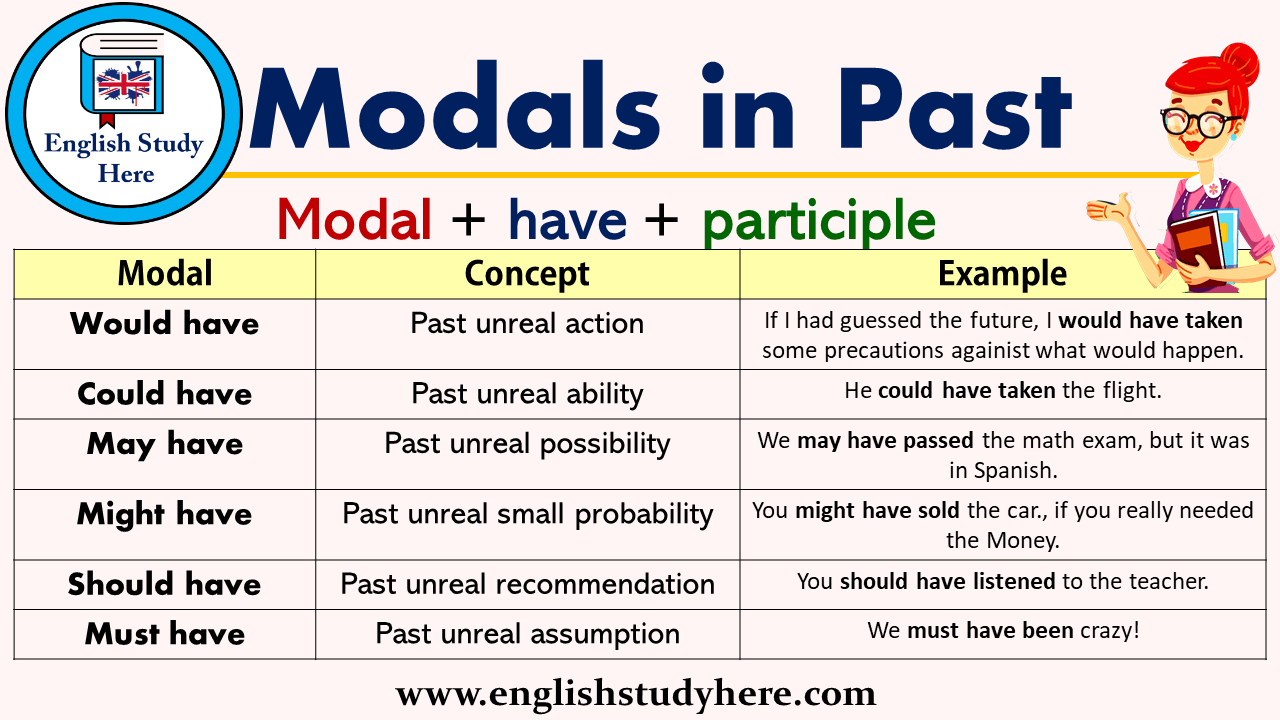
Grammar: Past modals |
||
|
Learning objectives |
11.5.2.1 - use a wide range of vocabulary, which is appropriate to topic and genre, and which is spelt accurately 11.6.12.1 - use a wide variety of past modal forms to express appropriate functions ; use a variety of near modal structures including supposed to, bound to, due, willing to on a wide range of general and curricular topics |
||
|
Lesson objectives |
Learners will be able to: - Identify and use past modal structures correctly. - Express possibility, certainty, and obligation about past situations. - Distinguish between modals of deduction, obligation, and regret in context |
||
|
Instilling values of the program “Adal Azamat” |
Responsibility (must / have to) Respect and politeness (may / could / would) Helping others (should / ought to) Self-discipline and honesty in communication |
||
|
Plan |
|||
|
Stages / Time |
Teachers actions |
Students actions |
Assessment criteria |
Resources |
|
Beginning of the lesson 5 min Middle of the lesson 10 min |
Organization moment : 1.Greeting. Ask about the weather. Warming-up Activities: Show pictures of mysterious or
funny situations. Students guess: “It must have been raining.” / “He might have fallen into the bath.” Elicit structure on the board: must have + past participle. Ex: 5 P: 39 Ask Ss to read the questions and answer choices and think about the key words. Then play the recording and have Ss choose their answers. Check Ss answers. Conclude that an adal azamat communicates honestly and respectfully, sharing information accurately while listening carefully to others. |
Students of the class are listed. Students' attention is drawn to the lesson. Learners remember previous lesson vocabulary Determines the topic and purpose of the lesson Students say different words from the picture
Pupils will hear people talking in three different situations. For questions choose the best answer. ANSWERS 1 B 2 A |
The teacher to assess learners for their ability. “Good job! Well done!” Formative Assessment
Descriptor: - hear people talking in three different situations. - choose the best answer Total: 3 point |
Whiteboard / projector Handout (gap-fill, matching, sentence correction) Flashcards with past situations Optional: short video or audio with people guessing about past events |
|
12 min 13 min |
Ex: 6 P: 39 Refer Ss to the Grammar Reference section to revise the theory on the form and use of past modals. Then explain the task and give Ss time to complete it. Check Ss answers. Highlight that being an adal azamat includes working diligently, checking work carefully, and respecting the learning process. Ex:7 P: 39 Explain the task and give Ss time to conduct a survey of the class individually and make notes of the Ss' answers. Check Ss' answers. Conclude that an adal azamat learns responsibly and honestly, developing integrity both in class and in everyday life |
Pupils use the words in bold to complete the sentences. Use two or five words. ANSWERS 1 must have been 2 due to have been analysed 3 must have been willing 4 supposed to have written 5 bound to have been proved 6 could have destroyed Pupils present their finding to the class. ANSWERS In the class, the majority (two thirds) .he students said that they were in favour of studying the brains of people who donated their bodies to science. The reasons they gave included that studying human brains is better than studying animal brains because animal brains are not the same as ours They also said that studying the human brain can help us understand more about how it works and about brain disorders. Some thought that it was a good opportunity to study the brain since it is not easy to find human brains to study. |
Descriptor: - use the words in bold to complete the sentences Total: 3 point
Descriptor: - present their finding to the class Total: 4 point - |
|
|
End of the lesson 5 min |
FEEDBACK Learners provide feedback on what they have learned at the lesson. Homework Write a short detective
paragraph: |
Formative: Observation during speaking tasks, worksheet accuracy, participation. Summative: Mini quiz or short written paragraph using 5 past modals correctly. |
Poster Success
|
|
Short term plan: term 2
|
Unit 3 Human brain |
Lesson 30 |
||
|
School |
|
||
|
Teacher name: |
|
||
|
Date: |
|
||
|
Grade: 11 |
Number present: |
absent: |
|
|
Lesson title |
Memory |
||
|
Learning objectives |
11.3.3.1 - explain and justify own and others’ point of view on a range of general and curricular topics, including some unfamiliar topics 11.4.1.1 - understand complex and abstract main points in extended texts on a wide range of familiar and unfamiliar general and curricular topics |
||
|
Lesson objectives |
Learners will be able to: - introduce vocabulary related to brain food - talk about brain food - introduce the topic; to listen and read for gist |
||
|
Instilling values of the program “Adal Azamat” |
Respect: Listening and responding politely. Responsibility: Preparing thoughtfully and giving constructive feedback. Integrity: Being honest and authentic in communication. Confidence and empathy: Building trust and mutual understanding. |
||
|
Plan |
|||
|
Stages / Time |
Teachers actions |
Students actions |
Assessment criteria |
Resources |
|
Beginning of the lesson 5 min |
Organization moment : 1.Greeting. Ask about the weather. Warming-up Activities: Ask: “What did you have for breakfast yesterday?” → Some students forget! Discuss: Why do we remember some things and forget others? Write “MEMORY” in the center of the board and make a quick mind map of student ideas. Ex: 1 P: 40 a)Direct Ss to the gapped text and read out the list of words Give Ss time to look up the meanings of any unknown words in the Word List or in their dictionaries. Then have them complete the gaps. Play the recording. Ss listen and check their ans |
Students of the class are listed. Students' attention is drawn to the lesson. Learners remember previous lesson vocabulary Determines the topic and purpose of the lesson Students say different words from the picture a) Pupils fill the gaps. ANSWERS 1 antioxidant 2 loss 3 acids 4 decline 5 radicals 6 function |
The teacher to assess learners for their ability. “Good job! Well done!” Formative Assessment
Descriptor: - read out the list of words - complete the gaps Total: 1 point |
Slides or chart showing stages of memory Handout: reading text + comprehension questions Paper / pens for mind map or group task |
|
Middle of the lesson Presentation part. 35 min |
Conclude that an adal azamat is someone who learns responsibly, answers honestly, and takes pride in their own work, both in class and in life. Ex:2 P: 40 Read out the title and the first sentences of each paragraph in the text. Elicit Ss guesses as to what the text is about. Play the recording. Ss listen and read to find out. Conclude that an adal azamat communicates honestly, politely, and responsibly, developing both good speaking habits and integrity Ex:3 P: 40 Ask Ss to read the sentences A-F. Then give them time to read the text again and match the sentences to the gaps. Check Ss answers. Conclude that an adal azamat listens attentively, practices responsibly, and takes ownership of their learning, showing integrity in class and beyond. Ex:4 P: 40 Read out the words in bold in the text and the words/phrases in the list and ask Ss to match them using their dictionaries if necessary. Check Ss' answers. Conclude that an adal azamat communicates honestly, listens attentively, and respects the opinions of others, building integrity and trust in both learning and life |
Pupils read the title and the first sentence of each paragraph. ANSWERS I think the text is about memory and how we can improve our brain function using different tips and techniques Pupils read the text again. Match the sentences to the gaps. ANSWERS 1 B 2 F 3 A 4 E 5 D Pupils match the words in bold with their meaning ANSWERS enhanced = improved skill set = a variety of abilities visualisation the act of forming a picture of sth in your mind physical bodily fundamental = vital attention = concentration beneficial = advantageous |
Descriptor: - read the title and the first sentence Total: 1 point Descriptor: - match the words in bold with their meaning Total: 1 point Descriptor: - work in pairs - use the completed table to talk Total: 1 point
|
|
|
End of the lesson 5 min |
FEEDBACK Learners provide feedback on what they have learned at the lesson. Homework Write a short paragraph
(80–100 words): Optional: research one memory experiment (e.g., Ebbinghaus forgetting curve) and present a short summary in class. |
Formative: Observation, reading comprehension, vocabulary matching. Summative: Quiz or short written summary on “How memory works.” |
Poster Success
|
|
Short term plan: term 2
|
Unit 3 Human brain |
Lesson 31 |
||
|
School |
|
||
|
Teacher name: |
|
||
|
Date: |
|
||
|
Grade: 11 |
Number present: |
absent: |
|
|
Lesson title |
Grammar: Affixes and suffixes |
||
|
Learning objectives |
11.2.2.1 - understand specific information in unsupported extended talk on a wide range of general and curricular topics, including talk on a growing range of unfamiliar topics 11.3.5.1 - interact with peers to make hypotheses and evaluate alternative proposals on a range of familiar and some unfamiliar general and curricular topics |
||
|
Lesson objectives |
Learners will be able to: - practise affixes (prefixes and suffixes) - listen for specific information (multiple choice) - ask for/express opinions about techniques to improve memory |
||
|
Instilling values of the program “Adal Azamat” |
Responsibility: Preparing carefully for success Respect: Showing politeness and professionalism Integrity: Being honest about one’s abilities Confidence and empathy: Communicating respectfully with others |
||
|
Plan |
|||
|
Stages / Time |
Teachers actions |
Students actions |
Assessment criteria |
Resources |
|
Beginning of the lesson 5 min Middle of the lesson 10 min |
Organization moment : 1.Greeting. Ask about the weather. Warming-up Activities: Write the word “happy” on the board. Ask: “How can we change this word?” Elicit: unhappy, happiness, happily. Write the term AFFIX and explain that prefixes and suffixes change word meanings or parts of speech. Quick question: “What’s the difference between a prefix and a suffix?” Ex: 5 P: 41 Refer Ss to the Appendix to revise affixes. Then explain the task and give Ss time to complete it. Check Ss' answers Conclude that an adal azamat is someone who thinks independently, asks questions responsibly, and verifies answers honestly, both in class and in life. |
Students of the class are listed. Students' attention is drawn to the lesson. Learners remember previous lesson vocabulary Determines the topic and purpose of the lesson Students say different words from the picture Pupils fill in the correct form of the words in bold using the appropriate affix. ANSWERS 1 counteract 2 oversleep 3 co-authored 4 forgetfulness 5 alteration |
The teacher to assess learners for their ability. “Good job! Well done!” Formative Assessment Descriptor: - fill in the correct form of the words in bold Total: 3 point |
Whiteboard or slides Handout with affix tables and exercises Flashcards (root + prefix/suffix) Worksheet (fill-in, word formation, sentence practice) |
|
7 min 10 min 8 min |
Ex:6 P: 41 Ask Ss to read the questions 1-5 and the possible answers and think about what the key words might be. Play the recording. Ss listen and complete the task. Check Ss answers. Conclude that an adal azamat is someone who reads carefully, answers honestly, and takes responsibility for their own learning, developing integrity both in class and in life. Ex:7 P: 41 Ask Ss to read the language box, then play the recording again. Ss listen and say which phrases they hear. Conclude that an adal azamat consolidates knowledge honestly and responsibly, developing critical thinking and integrity both in class and in life. Ex:8 P: 41 Ask Ss to work in pairs and discuss the questions using the information in Exs 2 and 6 as well as their own ideas and the phrases in the language box. Monitor the activity around the class and then have some pairs ask and answer in front of the class. Have the class evaluate each pair's performance and give feedback. “When you look back at the text and find the answers by yourself, you are showing that you are Adal Azamat — honest, fair, and responsible in your work.” |
Pupils listen to an interview with a neurobiologist. For question choose the correct answer. ANSWERS 1 C 2 A 3 C 4 B 5 C Pupils listen to ex 6 again. Answer the question. ANSWERS Well, that's not the way I see itI'm of the opinion that..., Don't you agree that... ? You have a point. Pupils use the information in Ex 2 and 6 and your own ideas to ask for/express opinions. ANSWERS A: How can we improve our memory? B: Well, we can do brain exercises or try to eat brain foods, and try to get good sleep at night |
Descriptor: - listen to an interview with a neurobiologist Total: 2 point
Descriptor: - listen again. - answer the question. Total: 3 point Descriptor: - use the information - ask for opinions Total: 2 point |
|
|
End of the lesson 5 min |
FEEDBACK Learners provide feedback on what they have learned at the lesson. Homework Write 10 new words formed with prefixes or suffixes and explain their meanings. Optional: create a mini word tree with root → prefix → suffix examples (e.g., act → react → reaction → active → activity). |
Formative: Observation during activities, correct word formation. Summative: Quiz or short written exercise using affixed words. |
Poster Success
|
|
Short term plan: term 2
|
Unit 3 Human brain |
Lesson 32 |
||
|
School |
|
||
|
Teacher name: |
|
||
|
Date: |
|
||
|
Grade: 11 |
Number present: |
absent: |
|
|
Lesson title |
Writing: Analysing a model |
||
|
Learning objectives |
11.4.2.1 - understand specific information and detail in extended texts on a wide range of familiar and unfamiliar general and curricular topics 11.5.2.1 - use a wide range of vocabulary, which is appropriate to topic and genre, and which is spelt accurately |
||
|
Lesson objectives |
Learners will be able to: - Identify the structure and purpose of a model text. - Recognize useful language features (e.g., linking words, topic sentences, tone). - Analyse how the writer organizes ideas to achieve coherence and cohesion. Apply these strategies in their own writing. |
||
|
Instilling values of the program “Adal Azamat” |
Responsibility: Giving accurate, helpful instructions. Respect: Writing clearly for others’ understanding. Perseverance: Improving writing through editing and feedback. |
||
|
Plan |
|||
|
Stages / Time |
Teachers actions |
Students actions |
Assessment criteria |
Resources |
|
Beginning of the lesson 5 min Middle of the lesson 10 min |
Organization moment : 1.Greeting. Ask about the weather. Warming-up Ask: “What makes a good piece of writing?” “What do you notice when you read an essay or article that’s easy to understand?” Brainstorm ideas on the board: structure, clear ideas, examples, linking words, etc. Tell students: Today, we’ll look at how to analyse a model text to learn how good writing is built. Ex: 1 P: 42 Give Ss time to read through the Writing Tip and tell them that this information will help them to write instructional texts successfully. Then ask Ss to read the rubric and elicit answers to the questions from Ss around the class. |
Students of the class are listed. Students' attention is drawn to the lesson. Learners remember previous lesson vocabulary Determines the topic and purpose of the lesson Students say different words from the picture Pupils read the rubric and answer the question. ANSWERS 1 the forum members 2 informal, but not too chatty 3 present tenses, the imperative, direct and simple language, diagrams or images |
The teacher to assess learners for their ability. “Good job! Well done!” Formative Assessment Descriptor: - read the rubric - answer the question Total: 3 point |
A printed model text (e.g., “A Model Opinion Essay: The Importance of Reading Books”) Worksheet for analysis (guided questions) Board / projector |
|
10 min 8 min 7 min |
Conclude that an adal azamat learns responsibly and honestly, developing integrity both in class and in everyday life. Ex:2 P: 42 Give Ss time to read the model and answer the questions. Check Ss answers. Conclude that an adal azamat listens attentively, answers honestly, and takes responsibility for their learning, showing integrity both in class and in life. Ex:3 P: 42 Ask Ss to read the text again and then read the list of instruction and put them into the correct order. Check Ss' answers. Conclude that an adal azamat speaks honestly and respectfully, sharing their thoughts clearly while considering others’ viewpoints. Ex:4 P: 43 Ask Ss to read the list of verbs and then read the text and complete the gaps with the correct verbs. Check S answers. When students listen attentively and give truthful, accurate answers, they are practicing adal azamat (being honest and responsible citizens). |
Pupils read the model text. Answer the question. ANSWERS The purpose of the text is to tell someone how to pair their smart watch with their phone. The writer has used active, imperative verbs because he/she is giving instructions to the reader. Pupils read the text again, and put the instructions in the correct order. ANSWERS A 2 B 1 C 6 D 5 E 3 F 4 Pupils fill the gaps ANSWERS 1 Tap 2 Open 3 Scroll 4 Click 5 Choose 6 remove |
Descriptor: - read the model text. - answer the question Total: 3 point
Descriptor: - read the text - put the instructions in the correct order Total:2 point Descriptor: - fill the gaps Total: 2 point |
|
|
End of the lesson 5 min |
FEEDBACK Learners provide feedback on what they have learned at the lesson. Homework Write your own short essay or paragraph using the same structure as the model. Highlight linking words and topic sentences in your work. |
Formative: Teacher monitors during analysis and discussion. Summative (optional): Students write a short outline for their own essay using the same structure. |
Poster Success
|
|
Short term plan: term 2
|
Unit 3 Human brain |
Lesson 33 |
||
|
School |
|
||
|
Teacher name: |
|
||
|
Date: |
|
||
|
Grade: 11 |
Number present: |
absent: |
|
|
Lesson title |
Grammar: Clauses of Concession |
||
|
Learning objectives |
11.5.5.1 - develop with minimal support coherent arguments supported when necessary by examples and reasons for a wide range of written genres in familiar general and curricular topics 11.6.15.1 use a growing variety of more complex conjunctions to express condition concession. and contrast on a wide range of general and curricular topics |
||
|
Lesson objectives |
Learners will be able to: - learn/revise clauses of concession - conditional clauses - practise clauses of concession- conditional clause - prepare for a writing task |
||
|
Instilling values of the program “Adal Azamat” |
Responsibility: Making wise choices to meet conditions. Discipline: Following rules and expectations. Critical thinking: Predicting outcomes based on conditions. |
||
|
Plan |
|||
|
Stages / Time |
Teachers actions |
Students actions |
Assessment criteria |
Resources |
|
Beginning of the lesson 5 min Middle of the lesson 10 min |
Organization moment : 1.Greeting. Ask about the weather. Warming-up Write on the board: It was cold. We went swimming. He studied hard. He failed the test. Ask: “Can we join these ideas to show contrast?” Elicit answers → Although it was cold, we went swimming. Introduce: Today we’ll learn how to join contrasting ideas using clauses of concession. Ex: 6 P: 43 Ask Ss to read the theory box and refer them to the Grammar Reference section for more information if necessary. Then elicit examples from the text Conclude that an adal azamat learns responsibly and honestly, developing integrity both in class and in everyday life. |
Students of the class are listed. Students' attention is drawn to the lesson. Learners remember previous lesson vocabulary Determines the topic and purpose of the lesson Students say different words from the picture Pupils read the theory and find examples in the text. ANSWERS clause of concession: however conditional clauses: If yours uses Android, you can ...; If you download and instal it, you can... |
The teacher to assess learners for their ability. “Good job! Well done!” Formative Assessment Descriptor: - read the theory - find examples in the text. Total: 3 point |
Whiteboard / slides Handout or worksheet (fill-in-the-blank, sentence rewriting) Cards with sentence halves (for matching activity) |
|
13 min 12 min |
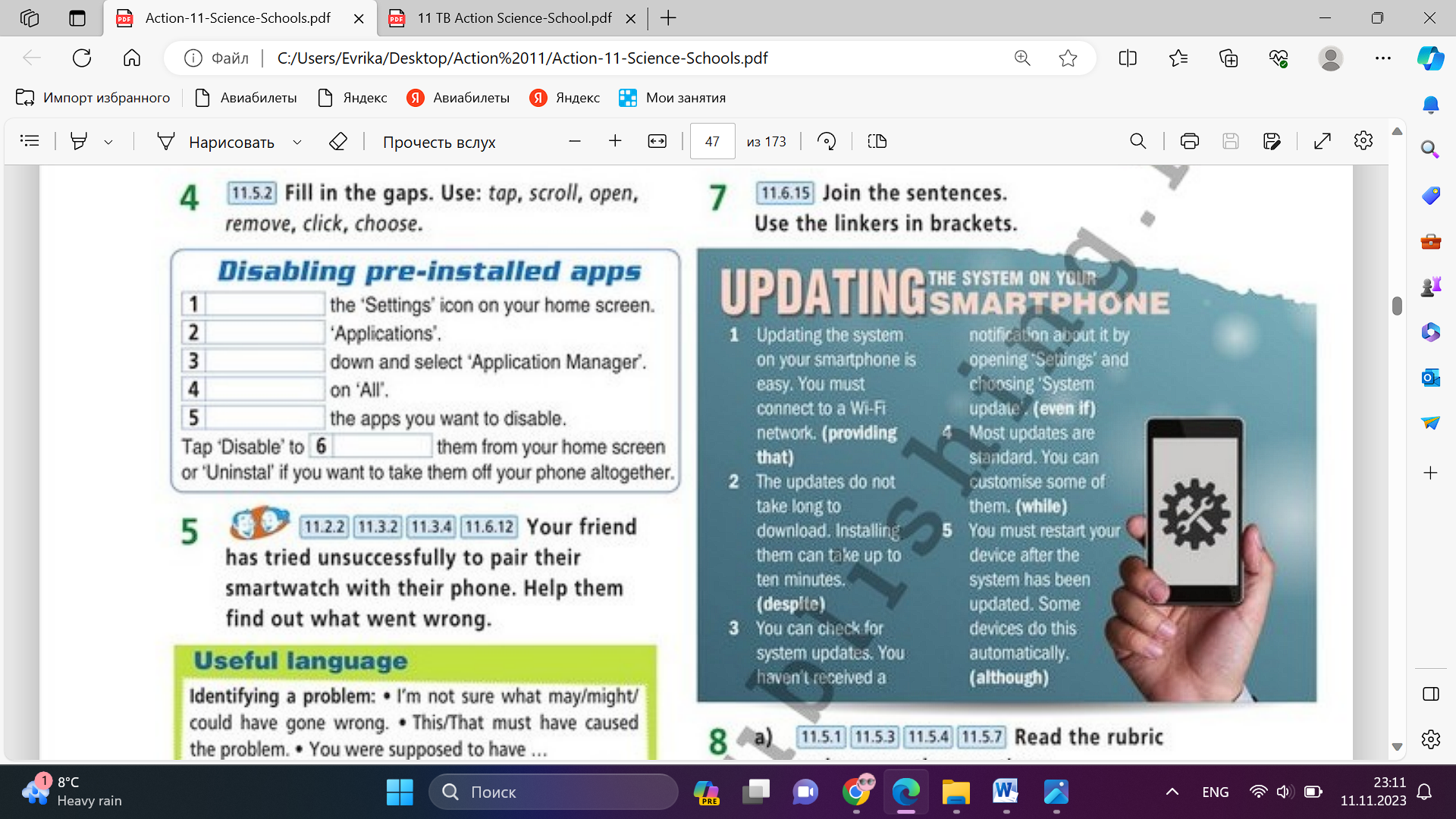
Ex:7 P: 43 Explain the task and give Ss time to complete it. Elicit answers from Ss around the class. Conclude that an adal azamat listens attentively, answers honestly, and takes responsibility for their learning, showing integrity both in class and in life.
Ex:8 P: 43 Ask Ss to read the rubric and answer the questions. Check Ss' answers around the class. Conclude that an adal azamat speaks honestly and respectfully, sharing their thoughts clearly while considering others’ viewpoints. |
Pupils join the sentences. Use the linkers in brackets. ANSWERS 1 Updating the system on your smartphone is easy providing that you connect to a Wi-Fi network. 2 Despite the updates not taking long to download, installing them can take up to ten minutes. 3 You can check for system updates, even if you haven't received a notification about it, by opening 'setting' and choosing 'system update." 4 Most updates are standard, while you can customise some of them. 5 You must restart your device after the system has been updated, although some devices do this automatically Pupils read the rubric and answer the question ANSWERS 1 online forum members, in an online forum 2 informal style, but not chatty 3 present tenses, the imperative, direct and simple language |
Descriptor: - join the sentences - use the linkers in brackets Total: 4 point
Descriptor: - read the rubric - answer the question Total: 3 point |
|
|
End of the lesson 5 min |
FEEDBACK Learners provide feedback on what they have learned at the lesson. Homework Write a short paragraph (100–120 words) using 5 concessive clauses about a real or imagined situation (e.g., “Although I was nervous, I did it”). Highlight all concessive conjunctions used. |
Formative: Monitor during pair and group work. Summative: Evaluate the written paragraph for correct use of concessive clauses and coherence. |
Poster Success
|
|
Short term plan: term 2
|
Unit 3 Human brain |
Lesson 34 |
||
|
School |
|
||
|
Teacher name: |
|
||
|
Date: |
|
||
|
Grade: 11 |
Number present: |
absent: |
|
|
Lesson title |
Culture corner: The method of Loci |
||
|
Learning objectives |
11.3.7.1 - use appropriate subject-specific vocabulary and syntax to talk about a range of familiar and some unfamiliar general and curricular topics 11.4.5.1 - deduce meaning from context in extended texts on a wide range of familiar and unfamiliar general and curricular topics |
||
|
Lesson objectives |
Learners will be able to: - use some target vocabulary successfully in opinion tasks and show some gist understanding of the appropriate situati |
||
|
Instilling values of the program “Adal Azamat” |
Self-development: Improving personal learning strategies. Perseverance: Practicing regularly to build memory. Responsibility: Taking control of one’s learning process. |
||
|
Plan |
|||
|
Stages / Time |
Teachers actions |
Students actions |
Assessment criteria |
Resources |
|
Beginning of the lesson 5 min Middle of the lesson 10 min |
Organization moment : 1.Greeting. Ask about the weather. Warming-up Ask students: “How do you usually remember things for exams?” “Have you ever used pictures or locations to remember something?” Play a short memory challenge: Show 10 random words for 30 seconds. Ask students to recall as many as they can. Tell them: There’s an ancient technique that can help you remember everything easily! Transition: “Let’s explore an ancient Greek method called The Method of Loci.” Ex: 1 P: 44 To introduce the topic and generate topic-related vocabulary and ideas Ask Ss to work in small groups and read the definition and then think of any other mnemonic devices. Ask various Ss to tell the class. Encourage them to give truthful and thoughtful answers, not just guess, which demonstrates the honesty and fairness of an adal azamat (honest and responsible citizen). |
Students of the class are listed. Students' attention is drawn to the lesson. Learners remember previous lesson vocabulary Determines the topic and purpose of the lesson Students say different words from the picture Pupils read the definition. Answer the question. ANSWERS Word or expression mnemonics can help us remember and recall information. For example, you can remember the colours of the rainbow in the correct order if you remember the phrase ‘Richard of York gave battle in vain’ using the first letter of each word to remember the order of the colours (red, orange, yellow, green, blue,indigo and violet.) |
The teacher to assess learners for their ability. “Good job! Well done!” Formative Assessment
Descriptor: - read the definition - answer the question. Total: 3 point |
Pictures of ancient Greece or Roman architectureShort text or video about the Method of Loci Worksheet with comprehension and application tasks Paper for drawing “memory palaces” |
|
10 min 8 min 7 min |
Ex:2 P: 44 Ask Ss to look at the picture and read the title of the text. Elicit whether Ss recognise the character and their guesses as to how he is connected to the method of loci. Tell Ss to then read the first paragraph and find out. Suggested Answer Key The fictional character is Sherlock Holmes. He is related to the method of loci because he used a mind palace to remember information When they share information truthfully, listen respectfully to their classmates, and speak confidently, they demonstrate the qualities of an adal azamat — an honest, fair, and respectful citizen. Ex:3 P: 44 To listen and read for structure and content Give Ss time to read the whole text and put the steps A-D in the correct order. Play the recording. Ss listen and check their Encourage students to make honest guesses, listen carefully to find the truth, and respect others’ opinions during discussion Ex:4 P: 44 To write about how mnemonic devices have been used in popular culture in one’s country or another country Explain the task and give Ss time to research online to find out information about how mnemonic devices have been used in popular culture in their country or another country and write a short text Encourage them to give truthful and thoughtful answers, not just guess, which demonstrates the honesty and fairness of an adal azamat (honest and responsible citizen). |
Pupils look at the picture and read the title of the text ANSWERS The fictional character is Sherlock Holmes. He is related to the method of loci because he used a mind palace to remember information. Pupils read the text and put the steps of the technic in the correct order. ANSWERS A 3 B 1 C 4 D 2 Pupils find out how mnemonic devices have been used in popular culture in your country. ANSWERS Students own answer. |
Descriptor: - look at the picture - read the title Total: 3 point
Descriptor: - read the text - put the steps of the technic in the correct order. Total: 2 point Descriptor: - find out - answer the question Total: 2 point |
|
|
End of the lesson 5 min |
FEEDBACK Learners provide feedback on what they have learned at the lesson. Homework Create your own Memory Palace Map (draw 5–6 rooms and write what you would remember in each). |
Formative: Observation during discussion and recall activity. Summative: Students write a short paragraph (6–8 sentences) explaining the Method of Loci and giving one example of how they could use it. |
Poster Success
|
|
Short term plan: term 2
|
Unit 3 Human brain |
Lesson 35 |
||
|
School |
|
||
|
Teacher name: |
|
||
|
Date: |
|
||
|
Grade: 11 |
Number present: |
absent: |
|
|
Lesson title |
Culture: biology |
||
|
Learning objectives |
11.3.2.1 - ask and respond with appropriate syntax and vocabulary to open-ended higher-order thinking questions on a range of general and curricular topics, including some unfamiliar topics 11.4.8.1 - select and evaluate paper and digital reference resources to check meaning and extend understanding |
||
|
Lesson objectives |
Learners will be able to: - identify the main idea ignoring minor details - discuss\debate on a range of local, national and global issues - explain the meaning of new words, terms and idioms in their own words |
||
|
Instilling values of the program “Adal Azamat” |
Creativity – expressing personal experiences through writing. Respect and positivity – sharing opinions politely. |
||
|
Plan |
|||
|
Stages / Time |
Teachers actions |
Students actions |
Assessment criteria |
Resources |
|
Beginning of the lesson 5 min . Middle of the lesson 12 min |
Organization moment : 1.Greeting. Ask about the weather. Ask students: “What comes to your mind when you hear the word biology?” “What about culture?” Write ideas on the board under two columns. Then ask: “Can these two be
connected?” Ex: 1 P: 45 Introduce the topic; to listen and read for specific information Direct Ss to the picture and the title and elicit their guesses in answer to the questions. Play the recording. Ss listen and read and find out if their guesses were correct. |
Students of the class are listed. Students' attention is drawn to the lesson. Learners remember previous lesson vocabulary Determines the topic and purpose of the lesso Students say different words from the picture Pupils look at the picture and read the title of the text. Answer the question. ANSWERS The hippocampus is a curved part located towards the base of the brain. It is responsible for creating memories and helping to consolidate memories from our short-term memory into our long-term memory. |
The teacher to assess learners for their ability. “Good job! Well done!” Formative Assessment
Descriptor: - look at the picture - read the title of the text. Total: 3 point |
|
|
10 min 13 min |
Ex:2 P: 45 Consolidate information in a text Give Ss time to complete the phrases from the text with the words in the list. Check Ss answers. Ex:3 P: 45 Consolidate new information Ask Ss to work in pairs and tell their partner three things that they have learnt from the text. Then ask various Ss to share their answers with the class. |
Pupils fill the gaps ANSWERS 1 cortex 2 memory 3 retention 4 facts 5 synapses 6 memory Pupils tell your partner three things that you have learnt from the text. ANSWERS I learnt that the brain makes two memories of events at the same time. I also learnt that short-term memory can hold about six or seven items for 30 seconds. I didn't know that the neurones that were active during our experiences reactivate while we are asleep. |
Descriptor: - fill the gaps Total: 3 point
Descriptor: - tell your partner - three things that you have learnt Total: 4 point |
|
|
End of the lesson 5 min |
FEEDBACK Learners provide feedback on what they have learned at the lesson. Homework Research one cultural practice related to health, food, or biology (e.g., yoga, herbal medicine, traditional diet). Write a short paragraph (100–120 words) explaining how it connects culture and biology. |
Formative: Participation in discussions and group work. Summative: Short written reflection (5–6 sentences): “Describe one example of how biology and culture are connected in your life.” |
Poster Success
|
|
Short term plan: term 2
|
Unit 3 Human brain |
Lesson 36 |
||
|
School |
|
||
|
Teacher name: |
|
||
|
Date: |
|
||
|
Grade: 11 |
Number present: |
absent: |
|
|
Lesson title |
Language in use |
||
|
Learning objectives |
11.5.2.1 - use a wide range of vocabulary, which is appropriate to topic and genre, and which is spelt accurately 11.6.13.1 use a variety of dependent prepositions with less common nouns, adjectives and verbs on a wide range of general and curricular topics |
||
|
Lesson objectives |
Learners will be able to: -present findings based on independent research - identify and present comparing and contrasting ideas and cause/effect patterns |
||
|
Instilling values of the program “Adal Azamat” |
Health and well-being: Encouraging active lifestyles. Discipline and teamwork: Sports as a way to develop personal values. Respect: Listening and supporting partners during activities. |
||
|
Plan |
|||
|
Stages / Time |
Teachers actions |
Students actions |
Assessment criteria |
Resources |
|
Beginning of the lesson 5 min Middle of the lesson 10 min |
Organization moment : 1.Greeting. Ask about the weather. Warming-up Write on the board: Online learning, Climate change, Fast food, Exams. Ask: “What do you think about these topics?” Elicit a few opinions using key expressions: In my opinion, online learning is useful. I think exams are stressful. Highlight the target language: In my opinion / I think / From my point of view. Ex: 1 P: 46 Present and practice phrasal verbs Explain the task and ask Ss to use the phrasal verbs in the diagram to complete it. Give Ss time to complete the task and then check Ss' answers. Value link Show enthusiasm and effort — signs of self-discipline and a healthy attitude. |
Students of the class are listed. Students' attention is drawn to the lesson. Determines the topic and purpose of the lesson Students say different words from the picture Pupils complete the sentences with the phrasal verbs in the diagram in the correct form ANSWERS 1 fill out 2 find out 4 work out 3 fell out 5 passing out 6 pointing out |
The teacher to assess learners for their ability. “Good job! Well done!” Formative Assessment Descriptor: - present and practice phrasal verbs - complete the sentences with the phrasal verbs Total: 3 point |
Whiteboard or projector Handouts with discussion prompts / dialogue completion Vocabulary bank sheet Role cards or scenario cards |
|
7 min 10 min 8 min |
Ex:2 P: 46 Practise prepositional phrases Explain the task and give Ss time to complete it and then check Ss' answers Value link Encourage them to listen and read carefully to understand the main idea — this shows responsibility and focus. Ex:3 P: 46 Practise collocations Explain the task and give Ss time to complete it and then check Ss' answers. Value link When they share their ideas honestly and respectfully, they are practising the qualities of an adal azamat — an honest, fair, and respectful citizen Ex:4 P: 46 Practise word formation Explain the task and give Ss time to complete it and then check Ss' answers. Value link Be honest when they don’t know a word and ask for help respectfully. Understand that expanding their vocabulary helps them express kindness, fairness, and respect in English. |
Pupils choose the correct preposition ANSWERS 1 to 2 to 3 on 4 with 5 into Pupils fill the gaps ANSWERS 1 palace 2 impulses 3 disorders 4 nerve 5 abilities 6 switch Pupils complete the sentences with words formed from the words in capital. ANSWERS 1 recognition 2 antioxidant 3 retention 4 usefulness 5 visualisation |
Descriptor: - choose the correct preposition Total: 2 point
Descriptor: - use collocations - fill the gaps Total: 3 point Descriptor: - complete the sentences with words formed from the words Total: 2 point |
|
|
End of the lesson 5 min |
FEEDBACK Learners provide feedback on what they have learned at the lesson. Homework Write a short dialogue (8–10 lines) between two people discussing a real issue (e.g., technology, education, health). Use at least 3 opinion phrases, 1 concessive clause, and 2 modal verbs. |
Formative: Observation of participation, accuracy of expressions, and fluency during tasks. Summative: Optional short written paragraph or dialogue demonstrating correct use of functional language and grammar. |
Poster Success
|
|
Short term plan: term 2
|
Unit 3 Human brain |
Lesson 37 |
||
|
School |
|
||
|
Teacher name: |
|
||
|
Date: |
|
||
|
Grade: 11 |
Number present: |
absent: |
|
|
Lesson title |
Progress check Summative assessment for the unit «Human brain» |
||
|
Learning objectives |
11.2.2.1 - understand specific information in unsupported extended talk on a wide range of general and curricular topics, including talk on a growing range of unfamiliar topics 11.4.5.1 - deduce meaning from context in extended texts on a wide range of familiar and unfamiliar general and curricular topics |
||
|
Lesson objectives |
Learners will be able to: -identify why the speakers used particular words or phrases - demonstrate the skills of using figurative language, word relationships, and nuances in word meanings |
||
|
Instilling values of the program “Adal Azamat” |
Respect for others’ strengths and differences Responsibility and honesty as core values Empathy and teamwork |
||
|
Plan |
|||
|
Stages / Time |
Teachers actions |
Students actions |
Assessment criteria |
Resources |
|
Beginning of the lesson Warming-up 5 min Middle of the lesson 5 min |
Organization moment : 1.Greeting. Ask about the weather. The teacher sets the lesson objectives, letting students know what to anticipate from the lesson. revise the vocabulary from the previous Ex: 1 P: 46 Read for cohesion and coherence (missing sentences) Ask Ss to read the sentences A-G and think about the key words. Give Ss time to read the text and choose the correct sentence for each gap. Check Ss' answers. Conclude that being an adal azamat means listening attentively, speaking truthfully, and showing respect in communication and learning |
Students of the class are listed. Students' attention is drawn to the lesson. Learners remember previous lesson vocabulary Determines the topic and purpose of the lesson Students say different words from the picture Pupils read and match the sentences to the gaps. One sentence is extra. ANSWERS 1 C 2 F 3 G 4 D 5 A 6 B |
The teacher to assess learners for their ability. “Good job! Well done!” Formative Assessment Descriptor: - read for cohesion and coherence - match the sentences to the gaps Total: 3 point |
|
|
5 min 5 min 20 min |
Ex:2 P: 46 Listen for specific information (multiple choice) Ask Ss to read the questions 1-5 and the possible answers. Play the recording. Ss listen and choose their answers. Check Ss' answers. Conclude that an adal azamat listens with respect, shares ideas honestly, and works cooperatively with others — values that make both good learners and good members of society. Ex:3 P: 46 Consolidate vocabulary from the module Explain the task. Ss complete the task. Check Ss' answers. Conclude that an adal azamat speaks honestly, respects others’ opinions, and uses kind, positive language when expressing feelings or describing experiences. Summative assessment for the unit «Human brain» |
Pupils will hear an interview with a scientists about the human brain. For question choose the correct answer. ANSWERS 1 C 2 B 3 A 4 C 5 A Pupils fill the gaps. ANSWERS 1 absorb 2 consolidate 3 comprise 4 stimulate 5 generate 6 fire 7 advocate 8 encode 9 enhance 10 regulate |
Descriptor: - hear an interview with a scientists about the human brain - choose the correct answer Total: 3 point Descriptor: - fill the gaps. - use the words in bold to complete Total: 4 point |
|
|
End of the lesson 5 min |
FEEDBACK Learners provide feedback on what they have learned at the lesson. Ex: Home task: |
|
Poster Success
|
|

Short term plan: term 2
|
Unit4: Investigate and report on timekeeping devices/Science |
Lesson 38 |
||
|
School |
|
||
|
Teacher name: |
|
||
|
Date: |
|
||
|
Grade: 11 |
Number present: |
absent: |
|
|
Lesson title |
The history of timekeeping devices |
||
|
Learning objectives |
11.2.4.1 - implied meaning in unsupported extended talk on a wide range of general and curricular topics, including talk on a growing range of unfamiliar topics 11.3.6.1 - navigate talk and modify language through paraphrase and correction in talk on a wide range of familiar and some unfamiliar general and curricular topics |
||
|
Lesson objectives |
Learners will be able to: - identify what has been communicated - recognize speaker’s intention conveyed in a listening task - lead/ contribute to a class discussion |
||
|
Instilling values of the program “Adal Azamat” |
|
||
|
Plan |
|||
|
Stages / Time |
Teachers actions |
Students actions |
Assessment criteria |
Resources |
|
Beginning of the lesson Warming-up 5 min |
Organization moment : 1.Greeting. Ask about the weather. The teacher sets the lesson objectives, letting students know what to anticipate from the lesson. revise the vocabulary from the previous Lead – In
|
Students of the class are listed. Students' attention is drawn to the lesson. Learners remember previous lesson vocabulary Determines the topic and purpose of the lesson Students say different words from the picture |
The teacher to assess learners for their ability. “Good job! Well done!” Formative Assessment Descriptor: - can tell the time Point 1 |
|
|
Middle of the lesson Presentation part. 35 min |
Ex: 1 P: 49 • Introduce vocabulary related to timekeeping history Direct Ss' attention to the texts and ask them to read the words in the lists for each one. Then have Ss read the texts and use the new vocabulary to fill the gaps. Play the recording. Ss listen and check their answers. Ex:2 P: 49 • Listen for specific information Read out the questions and the play the recording. Ss listen and answer the questions. Ask various Ss to share their answers with the class. Conclusion during the lesson some tasks differentiated by outcomes of the students and by their abilities. |
Pupils complete the text using the words in the lists. ANSWERS 1 disc 2 stick 3 shadow 4 divide 5 practice 6 cast 7 existence 8 flow 9 passing 10 filled 11 lit 12 burned Pupils listen to two students talking about ancient timekeeping devices and answer the question ANSWERS 1 The boy thinks that sundials are too simplistic and there is little to say about them. 2 The speakers agree that the fact ancient people thought to measure time by the movement of the sun was inspirational/fascinating |
Descriptor: - complete the text - use the words in the lists Total: 3 point Self assessment Descriptor: - listen to two students talking about ancient timekeeping devices - answer the question Total: 2 point
-Make CCQ questions Yes / No |
|
|
End of the lesson 5 min |
FEEDBACK Learners provide feedback on what they have learned at the lesson. Ex: Home task: |
|
Poster Success
|
|


Short term plan: term 2
|
Unit4: Investigate and report on timekeeping devices/Science |
Lesson 39 |
||
|
Teacher name: |
|
||
|
Date: |
|
||
|
Grade: 11 |
Number present: |
absent: |
|
|
Lesson title |
Timekeeping in Ancient Egypt |
||
|
Learning objectives |
11.2.6.1 - deduce meaning from context in unsupported extended talk on a wide range of general and curricular topics, including talk on a growing range of unfamiliar topics 11.3.6.1 - navigate talk and modify language through paraphrase and correction in talk on a wide range of familiar and some unfamiliar general and curricular topics 11.4.8.1 - select and evaluate paper and digital reference resources to check meaning and extend understanding |
||
|
Lesson objectives |
Learners will be able to: - identify what has been communicated - recognize speaker’s intention conveyed in a listening task - lead/ contribute to a class discussion |
||
|
Instilling values of the program “Adal Azamat” |
|
||
|
Plan |
|||
|
Stages / Time |
Teachers actions |
Students actions |
Assessment criteria |
Resources |
|
Beginning of the lesson Warming-up 5 min |
Organization moment : 1.Greeting. Ask about the weather. The teacher sets the lesson objectives, letting students know what to anticipate from the lesson. revise the vocabulary from the previous Lead – In
|
Students of the class are listed. Students' attention is drawn to the lesson. Learners remember previous lesson vocabulary Determines the topic and purpose of the lesson Students say different words from the picture |
The teacher to assess learners for their ability. “Good job! Well done!” Formative Assessment Descriptor: - can tell the time Point 1 |
|
|
Middle of the lesson Presentation part. 35 min |
Ex: 1 P: 50 Introduce key vocabulary relating to the topic Read out the list of words and give Ss time to use them to complete the diagram. Play the recording. Ss listen and check their answers. Ex:2 P: 50 Listen and read for specific information Read out the questions. Then elicit Ss' guesses in answer to them. Play the recording. Ss listen and read the text to find out if their guesses were correct. Ex:3 P: 51 Read for specific information (multiple choice) Ask Ss to read the questions 1-4 and the possible answers. Then give Ss time to read the text and choose their answers according to what they read. Check Ss' answers around the class. Conclusion during the lesson some tasks differentiated by outcomes of the students and by their abilities. |
Pupils fill the gaps ANSWERS 1 Pole 2 merkhet 3 tool 5 observer 4 line Pupils listen and read to find out. Answer the question ANSWERS The merkhet used the stars to tell the time and could be used at night. Experts claim that the merkhet was used to accurately establish straight lines in construction and to align temples and tombs with celestial bodies. Pupils read the text again. For question choose the correct answer ANSWERS 1 C 2 D 3A 4 B Pupils match the words /phrases in bold in the text ANSWERS keep track of = record civilisations = groups of people who share society, culture and a way of life equal = identical accomplished = achieved alignments = positions overcame = surpassed carved = sculpted precisely = accurately imaginary = non-existent excavated = dug up preserved = kept safe depicted = pictured |
Descriptor: - fill the gaps Total: 3 point Self assessment Descriptor: - listen and read to find out - answer the question Total: 2 point
Descriptor: - read the text again. - for question choose the correct answer Total: 2 point Descriptor: - match the words /phrases in bold in the text Total: 2 point -Make CCQ questions Yes / No |
|
|
End of the lesson 5 min |
FEEDBACK Learners provide feedback on what they have learned at the lesson. Ex: Home task: |
|
Poster Success
|
|



Short term plan: term 2
|
Unit4: Investigate and report on timekeeping devices/Science |
Lesson 40 |
||
|
School |
|
||
|
Teacher name: |
|
||
|
Date: |
|
||
|
Grade: 11 |
Number present: |
absent: |
|
|
Lesson title |
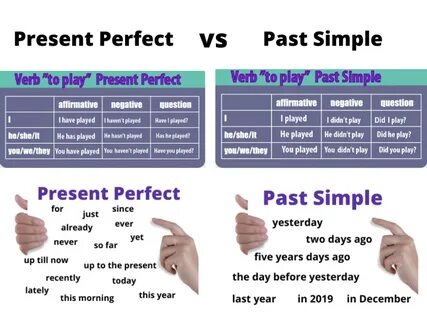
Grammar: Present/past perfect |
||
|
Learning objectives |
11.4.7.1 - recognize patterns of development in lengthy texts [inter-paragraph level] on a range of more complex and abstract general and curricular topics 11.5.1.1 - plan, write, edit and proofread work at text level independently on a wide range of general and curricular topics |
||
|
Lesson objectives |
Learners will be able to: - identify what has been communicated - recognize speaker’s intention conveyed in a listening task - lead/ contribute to a class discussion |
||
|
Instilling values of the program “Adal Azamat” |
|
||
|
Plan |
|||
|
Stages / Time |
Teachers actions |
Students actions |
Assessment criteria |
Resources |
|
Beginning of the lesson Warming-up 5 min |
Organization moment : 1.Greeting. Ask about the weather. The teacher sets the lesson objectives, letting students know what to anticipate from the lesson. revise the vocabulary from the previous Lead – In
|
Students of the class are listed. Students' attention is drawn to the lesson. Learners remember previous lesson vocabulary Determines the topic and purpose of the lesson Students say different words from the picture |
The teacher to assess learners for their ability. “Good job! Well done!” Formative Assessment Descriptor: - can tell the time Point 1 |
|
|
Middle of the lesson Presentation part. 35 min |
Ex: 5a P: 51 • Revise the present perfect and past perfect (active/passive voice) Refer Ss to the Grammar Reference section to review the theory on the present perfect and the past perfect (active and passive voice). Then elicit examples from the text and when/how we use these sentences in each tense. Ex:5b P: 51 • Practise the present perfect and past perfect (active/passive voice) Give Ss time to read the email and complete the task. Check Ss' answers Ex:6 P: 51 Consolidate comprehension of a text; to develop critical thinking skills Ask Ss to work in pairs or small groups and discuss the questions. Monitor the activity around the class and then ask some groups to share their answers with the rest of the class. Conclusion during the lesson some tasks differentiated by outcomes of the students and by their abilities. |
Pupils find examples. Answer the question. ANSWERS a) have always been recognised/has also been called/have been proposed/had also been used/have excavated and preserved b) have been using/had long been tracking Pupils put the verbs in brackets into the correct present /past perfect tense ANSWERS 1 Has everyone already started 2 had been planning B have just learned 1 has been working 5 haven't been chosen 6 had been selected 7 had been researching 8 had been measured 9 has been written 10 had been looking 11 had been used Pupils discuss in groups. Answer the question ANSWERS A: What problems do you think the ancient Egyptians might have faced when using a merkhet? B: Well, they can't be used in the day. So that's a problem. A: True, but during the day, the ancient Egyptians could use a sundial. B: Yes, you're right. C: I think another problem might be if the sky was cloudy, you wouldn't be able to see the stars. A: Yes, I don't think they would have been able to solve that problem. B: I agree. etc |
Descriptor: - find examples - answer the question Total: 3 point Self assessment Descriptor: - put the verbs in brackets into the correct present /past perfect tense Total: 2 point
Descriptor: - discuss in groups - answer the question Total: 2 point -Make CCQ questions Yes / No |
|
|
End of the lesson 5 min |
FEEDBACK Learners provide feedback on what they have learned at the lesson. Ex: Home task: |
|
Poster Success
|
|


Short term plan: term 2
|
Unit4: Investigate and report on timekeeping devices/Science |
Lesson 41 |
||
|
School |
|
||
|
Teacher name: |
|
||
|
Date: |
|
||
|
Grade: 11 |
Number present: |
absent: |
|
|
Lesson title |
The calendar |
||
|
Learning objectives |
11.3.7.1 - use appropriate subject -specific vocabulary and syntax to talk about a range of familiar and some unfamiliar general and curricular topics 11.4.2.1 - understand specific information and detail in extended texts on a wide range of familiar and unfamiliar general and curricular topics |
||
|
Lesson objectives |
Learners will be able to: -demonstrate the skills of using figurative language, word relationships, and nuances in word meanings - evaluate the use of facts and details in paragraphs and extended texts |
||
|
Instilling values of the program “Adal Azamat” |
|
||
|
Plan |
|||
|
Stages / Time |
Teachers actions |
Students actions |
Assessment criteria |
Resources |
|
Beginning of the lesson Warming-up min |
Organization moment : 1.Greeting. Ask about the weather. The teacher sets the lesson objectives, letting students know what to anticipate from the lesson. revise the vocabulary from the previous Lead – In
Ex: 1 a P: 52 Present vocabulary relating to time units Direct Ss to the list of time units and give Ss time to read the definitions and match them. Have Ss check their answers in their dictionaries |
Students of the class are listed. Students' attention is drawn to the lesson. Learners remember previous lesson vocabulary Determines the topic and purpose of the lesson Students say different words from the picture Pupils match the time units to their definitions. ANSWERS 1 f 2 d 3 I 4 b 5 h 6 j 7 a 8 g 9 e 10 c |
The teacher to assess learners for their ability. “Good job! Well done!” Formative Assessment Descriptor: - can tell the time Point 1 Descriptor: - match the time to their definitions Total: 3 point |
|
|
Middle of the lesson Presentation part. 35 min |
Ex: 1 b P: 52 • Consolidate new vocabulary Elicit which of the time units in Ex. 1a the picture shows. Answer Key the lunar month Ex:2 P: 52 Read for gist Ask Ss to look at the pictures and read the title of the text. Elicit Ss' guesses as to how the pictures are related and what the text might be about. Ss read the text to find out Ex:3 P: 53 Listen and read for cohesion and coherence (missing sentences) Give Ss time to read the sentences A-F and then read the text again and use them to fill the gaps to make a cohesive text. Play the recording. Ss listen and check their answers. Ex:4 P: 53 Consolidate new vocabulary Explain the task. Give Ss time to complete it using the Word List or their dictionaries to help them as necessary. Check Ss' answers around the class. Conclusion during the lesson some tasks differentiated by outcomes of the students and by their abilities. |
Pupils answer the question ANSWERS the lunar month Pupils look at the pictures and read the title of the text. Answer the question. Read to find out. ANSWERS I think the pictures are related because they refer to objects in space. For example, picture A shows a lunar month and the cycle of the Moon and picture B shows Babylonian astronomers looking at a comet shooting through the sky. The title mentions centuries and seven days. I think the text might be about how the seven-day week began. Pupils read the text again and choose from the sentences ANSWERS 1 D 2 F 3 A 4 B 5 E Pupils match the words in bold to their meaning. ANSWERS origins = beginnings bodies = objects phases = stages rituals = practices Waxing = expanding movements = positions Waning = shrinking counterparts = equivalents |
Descriptor: - answer the question Total: 3 point Self assessment Descriptor: - look at the pictures - read the title of the text - answer the question Total: 2 point
Descriptor: - read the text - choose from the sentences Total: 2 point Descriptor: - match the words in bold Total: 2 point -Make CCQ questions Yes / No |
|
|
End of the lesson 5 min |
FEEDBACK Learners provide feedback on what they have learned at the lesson. Ex: Home task: |
|
Poster Success
|
|
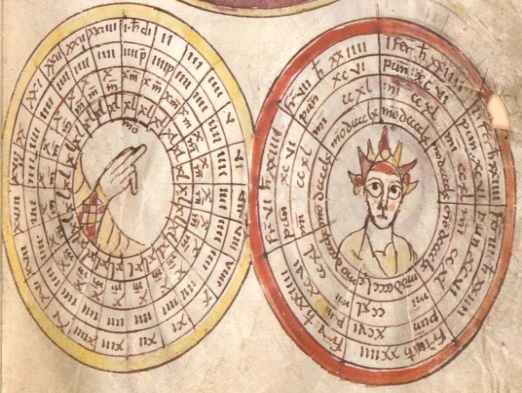

Short term plan: term 2
|
Unit4: Investigate and report on timekeeping devices/Science |
Lesson 42 |
||
|
School |
|
||
|
Teacher name: |
|
||
|
Date: |
|
||
|
Grade: 11 |
Number present: |
absent: |
|
|
Lesson title |
Grammar: Idioms with time |
||
|
Learning objectives |
11.2.2.1 - understand specific information in unsupported extended talk on a wide range of general and curricular topics, including talk on a growing range of unfamiliar topics 11.3.5.1 - interact with peers to make hypotheses and evaluate alternative proposals on a range of familiar and some unfamiliar general and curricular topics 11.4.8.1 - select and evaluate paper and digital reference resources to check meaning and extend understanding |
||
|
Lesson objectives |
Learners will be able to: -demonstrate the skills of using figurative language, word relationships, and nuances in word meanings - evaluate the use of facts and details in paragraphs and extended texts |
||
|
Instilling values of the program “Adal Azamat” |
|
||
|
Plan |
|||
|
Stages / Time |
Teachers actions |
Students actions |
Assessment criteria |
Resources |
|
Beginning of the lesson Warming-up 5 min |
Organization moment : 1.Greeting. Ask about the weather. The teacher sets the lesson objectives, letting students know what to anticipate from the lesson. revise the vocabulary from the previous Lead – In
|
Students of the class are listed. Students' attention is drawn to the lesson. Learners remember previous lesson vocabulary Determines the topic and purpose of the lesson Students say different words from the picture |
The teacher to assess learners for their ability. “Good job! Well done!” Formative Assessment Descriptor: - can tell the time Point 1 |
|
|
Middle of the lesson Presentation part. 35 min |
Ex: 6 P: 53 • Learn idioms with time Explain the task and give Ss time to complete the sentences using the idioms in the list. Check Ss' answers Ex: 7 P: 53 • learn collocations relating to time Explain the task. Give Ss time to complete it. Check Ss' answers. Ex:8 P: 53 Ask Ss to read the questions and answer choices. Then play the recording and ask Ss to complete the task by choosing the correct answers according to what they hear. Check Ss' answers. Ex:9 P: 53 Ask Ss to work in small groups and talk about calendars in the ancient world answering the questions in the rubric. Monitor the activity around the class, then ask some groups to report back to the class. Ask Ss to conduct peer assessment and evaluate each other's performance and give feedback. Conclusion during the lesson some tasks differentiated by outcomes of the students and by their abilities. |
Pupils complete the sentences ANSWERS 1 against the clock 2 at the 11th hour 3 beat the clock 4 third time is a charm 5 a matter of time 6 a race against time Pupils choose the correct item ANSWERS 1 wasting 2 lose 3 pass 4 marking Pupils listen to a conversation between two students. ANSWERS 1 B 2 A 3 B Pupils answer the question. Discuss in groups ANSWERS A: Why do you think various calendars existed in the ancient world? B: Well, I think different civilisations chose to measure the passing of time in different ways. For example, the Babylonians focused on the lunar phases for their calendar. But some civilisations used the sun instead. |
Descriptor: - complete the sentences Total: 3 point Descriptor: - choose the correct item Total: 3 point Self assessment Descriptor: - listen to a conversation between two students. Total: 2 point
Descriptor: - answer the question - discuss in groups Total: 2 point -Make CCQ questions Yes / No |
|
|
End of the lesson 5 min |
FEEDBACK Learners provide feedback on what they have learned at the lesson. Ex: Home task: |
|
Poster Success
|
|
Short term plan: term 2
|
Unit4: Investigate and report on timekeeping devices/Science |
Lesson 43 |
||
|
School |
|
||
|
Teacher name: |
|
||
|
Date: |
|
||
|
Grade: 11 |
Number present: |
absent: |
|
|
Lesson title |
Slideshow presentations Summative assessment for the unit «Investigate and report on timekeeping devices/Science» |
||
|
Learning objectives |
11.2.6.1 - deduce meaning from context in unsupported extended talk on a wide range of general and curricular topics, including talk on a growing range of unfamiliar topics. 11.4.2.1 - understand specific information and detail in extended texts on a wide range of familiar and unfamiliar general and curricular topics. 11.5.7.1 - use independently appropriate layout at text level on a wide range of general and curricular topics. |
||
|
Lesson objectives |
Learners will be able to: -demonstrate the skills of using figurative language, word relationships, and nuances in word meanings - evaluate the use of facts and details in paragraphs and extended texts |
||
|
Instilling values of the program “Adal Azamat” |
|
||
|
Plan |
|||
|
Stages / Time |
Teachers actions |
Students actions |
Assessment criteria |
Resources |
|
Beginning of the lesson Warming-up 5 min
|
Organization moment : 1.Greeting. Ask about the weather. The teacher sets the lesson objectives, letting students know what to anticipate from the lesson. revise the vocabulary from the previous Lead – In
Ex: 1 P: 54 Learn idioms with time Explain the task and give Ss time to complete the sentences using the idioms in the list. Check Ss' answers |
Students of the class are listed. Students' attention is drawn to the lesson. Learners remember previous lesson vocabulary Determines the topic and purpose of the lesson Students say different words from the picture Pupils fill the gaps. ANSWERS Do's Don'ts 1 check 1 stand 2 know 2 put 3 stick 3 select 4 present 4 overuse 5 create 5 type 6 end 6 display |
The teacher to assess learners for their ability. “Good job! Well done!” Formative Assessment Descriptor: - can tell the time Point 1 Descriptor: - fill the gaps Total: 3 point |
|
|
Middle of the lesson Presentation part. 35 min |
Ex: 2 P: 54 • Read out the title of the text and the subheadings and elicit how these tips can help make an effective slideshow from Ss around the class. Play the recording. Ss listen and read to find out. Ex:3 P: 55 Ask Ss to read the questions. Then give them time to read the text and answer them according to what they read. Check Ss' answers. Ex:4 P: 55 Read out the words in bold and give Ss time to match them to their meanings in the list using their dictionaries to help them if necessary Conclusion during the lesson some tasks differentiated by outcomes of the students and by their abilities. |
Pupils read the title of the text and the subheading ANSWERS The tips can help your audience understand the material you're presenting, make your presentation look more professional and get your message across Pupils read the text again and answer the question. ANSWERS 1 You should use slides with bullet points to reinforce important points. Use up to five lines of text, each up to five words. 2 Animations can increase the impact of messages when used wisely. Overuse can distract the audience and make the presentation appear unprofessional Pupils match the words in bold. ANSWERS facilitate = help stimulate = encourage generating = creating complement = add to conveying = communicating incorporating = including emerging = appearing decipher = make out |
Descriptor: - read the title of the text Total: 3 point Self assessment Descriptor: - read the text again - answer the question. Total: 2 point Descriptor: - match the words. Total: 2 point -Make CCQ questions Yes / No |
|
|
End of the lesson 5 min |
FEEDBACK Learners provide feedback on what they have learned at the lesson. Ex: Home task: |
|
Poster Success
|
|
Short term plan: term 2
|
Unit4: Investigate and report on timekeeping devices/Science |
Lesson 44 |
||
|
School |
|
||
|
Teacher name: |
|
||
|
Date: |
|
||
|
Grade: 11 |
Number present: |
absent: |
|
|
Lesson title |
Grammar: Impersonal/ cleft sentences |
||
|
Learning objectives |
11.2.4.1 - implied meaning in unsupported extended talk on a wide range of general and curricular topics, including talk on a growing range of unfamiliar topics 11.3.2.1 - ask and respond with appropriate syntax and vocabulary to open -ended higher -order thinking questions on a range of general and curricular topics, including some unfamiliar topics 11.3.7.1 - use appropriate subject -specific vocabulary and syntax to talk about a range of familiar and some unfamiliar general and curricular topics |
||
|
Lesson objectives |
Learners will be able to: -demonstrate the skills of using figurative language, word relationships, and nuances in word meanings - evaluate the use of facts and details in paragraphs and extended texts |
||
|
Instilling values of the program “Adal Azamat” |
|
||
|
Plan |
|||
|
Stages / Time |
Teachers actions |
Students actions |
Assessment criteria |
Resources |
|
Beginning of the lesson Warming-up 5 min |
Organization moment : 1.Greeting. Ask about the weather. The teacher sets the lesson objectives, letting students know what to anticipate from the lesson. revise the vocabulary from the previous Lead – In Ex: 5 P: 55 Consolidate information in a text Ask Ss to discuss what they have learnt in pairs and say how it will help them with their next presentation. Tell Ss to compare answers with their partner. Then ask various Ss to share their answers with the class. |
Students of the class are listed. Students' attention is drawn to the lesson. Learners remember previous lesson vocabulary Determines the topic and purpose of the lesson Students say different words from the picture Pupils say two things you have learnt that will help you in your next presentation. ANSWERS A: I have learnt not to put too many words on my slide and to use a larger font size. I usually try to include too much information on my slides so next time, I will definitely remember these tips. |
The teacher to assess learners for their ability. “Good job! Well done!” Formative Assessment Descriptor: - can tell the time Point 1 Descriptor: - say two things about presentation Total: 3 point |
|
|
Middle of the lesson Presentation part. 35 min |
Ex: 6 a P: 55 • Revise impersonal & cleft sentences Refer Ss to the Grammar Reference section to revise the theory on impersonal and cleft sentences if necessary. Then give Ss time to read through the text again and find examples. Elicit answers Ex:6b P: 55 • Practise cleft sentences Explain the task and give Ss time to complete it. Check Ss' answers around the class. . Ex: 7 P: 55 • Listen for specific information (gap fill) Ask Ss to read the gapped text and think about what the missing information could be. Play the recording. Ss listen and fill the gaps. Check Ss' answers. Conclusion during the lesson some tasks differentiated by outcomes of the students and by their abilities. |
B: I learnt to be careful with using animation in a presentation because it can be distracting if done badly. I also learnt to use contrasting colours for the background and the text to make the slides easier to read from a distance. Pupils find examples of impersonal and cleft sentences in the text. ANSWERS Impersonal sentences: it seems that, it goes without saying Cleft sentences: what you need to do is, it is the audience who will be, What your slides are meant to do is, What people are generally used to Pupils rewrite the following sentences as cleft sentences. ANSWERS 1 before his presentation was check the equipment 2 when the speech on ancient calendars took place was Monday 3 where the presentation was held was at the company's headquarters 4 why a sighting tool was used was so that the merkhet would be aligned correctly Pupils complete the sentences ANSWERS 1 confident 2 research 3 mirror 4 open 5 attention 6 fact 7 address 8 visuals |
Descriptor: - find examples of impersonal and cleft sentences Total: 3 point Self assessment Descriptor: - rewrite the following sentences as cleft Total: 2 point Descriptor: - complete the sentences Total: 2 point -Make CCQ questions Yes / No |
|
|
End of the lesson 5 min |
FEEDBACK Learners provide feedback on what they have learned at the lesson. Ex: Home task: |
|
Poster Success
|
|
Short term plan: term 2
|
Unit4: Investigate and report on timekeeping devices/Science |
Lesson 45 |
||
|
School |
|
||
|
Teacher name: |
|
||
|
Date: |
|
||
|
Grade: 11 |
Number present: |
absent: |
|
|
Lesson title |
Writing: For and against essay |
||
|
Learning objectives |
11.3.6.1 - navigate talk and modify language through paraphrase and correction in talk on a wide range of familiar and some unfamiliar general and curricular topics 11.4.7.1 - recognize patterns of development in lengthy texts [inter-paragraph level] on a range of more complex and abstract general and curricular topics 11. 5.1.1 - plan, write, edit and proofread work at text level independently on a wide range of general and curricular topics |
||
|
Lesson objectives |
Learners will be able to: -demonstrate the skills of using figurative language, word relationships, and nuances in word meanings - evaluate the use of facts and details in paragraphs and extended texts |
||
|
Instilling values of the program “Adal Azamat” |
|
||
|
Plan |
|||
|
Stages / Time |
Teachers actions |
Students actions |
Assessment criteria |
Resources |
|
Beginning of the lesson Warming-up 5 min . |
Organization moment : 1.Greeting. Ask about the weather. The teacher sets the lesson objectives, letting students know what to anticipate from the lesson. revise the vocabulary from the previous Lead – In
|
Students of the class are listed. Students' attention is drawn to the lesson. Learners remember previous lesson vocabulary Determines the topic and purpose of the lesson Students say different words from the picture |
The teacher to assess learners for their ability. “Good job! Well done!” Formative Assessment Descriptor: - can tell the time Point 1 |
|
|
Middle of the lesson Presentation part. 35 min |
Ex: 1 P: 56 • Analyse a rubric Ask Ss to read the rubric and identify and underline the key words. Give Ss time to answer the questions and then check Ss answers. Ex: 2 a P: 56 • Read a model essay and practise linkers Give Ss time to read the model. Tell Ss to choose the correct linkers in bold. Check Ss' answers. Ex:2b P: 56 • Analyse a model for structure Ask Ss to read the model again and match the paragraphs to their contents. Check Ss' answers. Ex:2c P: 56 • Identify and replace topic sentences Ask Ss to identify the topic sentences and replace them with suitable alternatives. Check Ss answers around the class. Ex: 3 P: 56 • Practise linking words/phrases Explain the task and give Ss time to complete it. Check Ss' answers. Conclusion during the lesson some tasks differentiated by outcomes of the students and by their abilities. |
Pupils read the rubric and underline the key words. Answer the question ANSWERS Key words: daylight saving time (DST), write an essay discussing the advantages and disadvantages of DST, justifying your arguments, longer evenings, health, (140-190 words) 1 No, they should be separated into at least two paragraphs. 2 Formal 3 Arguments should be supported with reasons and examples. Pupils read the model. Choose the appropriate linkers from the words in bold. ANSWERS 1 Although 2 Firstly 3 Moreover 4 As a result 5 On the other hand 6 To begin with 7 Secondly 8 This means that 9 To conclude Pupils match the paragraph ANSWERS A 3 B 4 C 2 D 1 Pupils find and replace the topic sentences in the main body. ANSWERS There are a number of advantages to DST. - DST offers several benefits. On the other hand, DST has its drawbacks. - However, there are some disadvantages to DST Pupils find and replace the topic sentences in the main body. ANSWERS 1 As a result 2 This means that 3 This is due to the fact that 4 As well as 5 In conclusion |
Descriptor: - read the rubric - underline the key words - answer the question Total: 3 point Descriptor: - read the model - choose the appropriate linkers Total: 3 point
Self assessment Descriptor: - Choose the appropriate linkers Total: 2 point Descriptor: - find and replace the topic sentences Total: 2 point -Make CCQ questions Yes / No |
|
|
End of the lesson 5 min |
FEEDBACK Learners provide feedback on what they have learned at the lesson. Ex: Home task: |
|
Poster Success
|
|
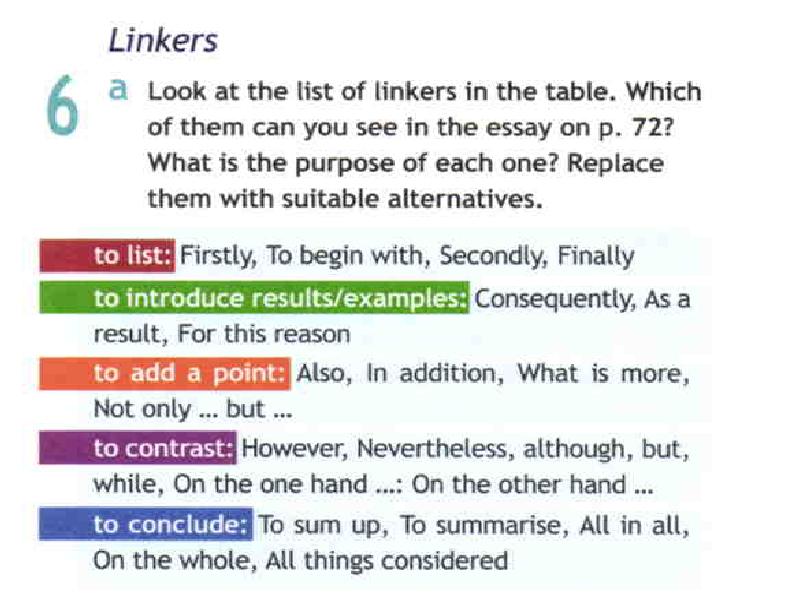
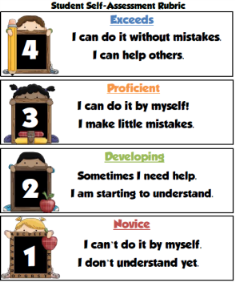
Short term plan: term 2
|
Unit4: Investigate and report on timekeeping devices/Science |
Lesson 46 |
||
|
School |
|
||
|
Teacher name: |
|
||
|
Date: |
|
||
|
Grade: 11 |
Number present: |
absent: |
|
|
Lesson title |
Summative control work for the 2nd term |
||
|
Learning objectives |
11.4.7.1 - recognize patterns of development in lengthy texts [inter-paragraph level] on a range of more complex and abstract general and curricular topics 11.5.1.1 - plan, write, edit and proofread work at text level independently on a wide range of general and curricular topics |
||
|
Lesson objectives |
Learners will be able to: -demonstrate the skills of using figurative language, word relationships, and nuances in word meanings - evaluate the use of facts and details in paragraphs and extended texts |
||
|
Instilling values of the program “Adal Azamat” |
|
||
|
Plan |
|||
|
Stages / Time |
Teachers actions |
Students actions |
Assessment criteria |
Resources |
|
Beginning of the lesson Warming-up 5 min |
Organization moment : 1.Greeting. Ask about the weather. The teacher sets the lesson objectives, letting students know what to anticipate from the lesson. revise the vocabulary from the previous Lead – In
|
Students of the class are listed. Students' attention is drawn to the lesson. • Learners remember previous lesson vocabulary Determines the topic and purpose of the lesson Students say different words from the picture |
The teacher to assess learners for their ability. “Good job! Well done!” Formative Assessment Descriptor: - can tell the time Point 1 |
|
|
Middle of the lesson Presentation part. 35 min |
LISTENING Task. Listen to the naturalist called Alison Pringle talking about wildlife. For questions 1-6, complete the sentences with a word or short phrase. READING. Task 1. Complete the gaps with the correct adjective from the list. Task 2. Choose the correct response. WRITING. Task. Choose one topic and discuss it in written form. Topic 1: Some countries are very popular among a wide range of people while there are countries that people want to visit less. What makes any country be attractive for tourists? Express your opinion. SPEAKING Task. Present a talk answering the questions in the card. Conclusion during the lesson some tasks differentiated by outcomes of the students and by their abilities. |
Pupils complete the sentences with a word or short phrase. ANSWERS Pupils complete the gaps with the correct adjective ANSWERS Pupils choose one topic and discuss it in written form ANSWERS Pupils present a talk answering the questions in the card ANSWERS |
Descriptor: - complete the sentences Total: 6 point Descriptor: - complete the gaps with the correct adjective Total: 6 point Descriptor: - choose one topic and discuss Total: 6 point Descriptor: - choose one topic and discuss Total:62 point -Make CCQ questions Yes / No |
|
|
End of the lesson 5 min |
FEEDBACK Learners provide feedback on what they have learned at the lesson. Ex: Home task: |
|
Poster Success
|
|

Short term plan: term 2
|
Unit4: Investigate and report on timekeeping devices/Science |
Lesson 47 |
||
|
School |
|
||
|
Teacher name: |
|
||
|
Date: |
|
||
|
Grade: 11 |
Number present: |
absent: |
|
|
Lesson title |
Culture corner |
||
|
Learning objectives |
11.1.10.1 - use talk or writing as a means of reflecting on and exploring a range of perspectives on the world; 11.2.4.1 - understand implied meaning in unsupported extended talk on a wide range of general and curricular topics, including talk on a growing range of unfamiliar topics; 11.4.7.1 - recognise patterns of development in lengthy texts [inter-paragraph level] on a range of more complex and abstract general and curricular topics; |
||
|
Lesson objectives |
Learners will be able to: -demonstrate the skills of using figurative language, word relationships, and nuances in word meanings - evaluate the use of facts and details in paragraphs and extended texts |
||
|
Instilling values of the program “Adal Azamat” |
|
||
|
Plan |
|||
|
Stages / Time |
Teachers actions |
Students actions |
Assessment criteria |
Resources |
|
Beginning of the lesson Warming-up 5 min |
Organization moment : 1.Greeting. Ask about the weather. The teacher sets the lesson objectives, letting students know what to anticipate from the lesson. revise the vocabulary from the previous Lead – In Ex: 1 P: 58 • Read for specific information Ask Ss what, if anything, they know about the Royal Observatory in Greenwich. Then elicit questions from Ss around the class. Write two of them in the board. Have Ss read the text and see if they can answer them. |
Students of the class are listed. Students' attention is drawn to the lesson. Learners remember previous lesson vocabulary Determines the topic and purpose of the lesson Students say different words from the picture Pupils read the text. Answer the question. ANSWERS How old is it? (It dates from 1675.) What is special about it? (It is the home of the prime meridian and a place famous for research into the stars and the planets.) |
The teacher to assess learners for their ability. “Good job! Well done!” Formative Assessment Descriptor: - can tell the time Point 1 |
|
|
Middle of the lesson Presentation part. 35 min |
Ex: 2 P: 58 Read for cohesion and coherence (open cloze); to listen and read for confirmation. Give Ss time to read the text again and complete each gap with an appropriate word. Play the recording. Ss listen and read and check their answers. . Ex:3 P: 58 • Consolidate new vocabulary Give Ss time to match the words in bold in the text to the meanings in the list referring to the Word List or their dictionaries as necessary to help them. Then give Ss time to use the words in bold in sentences of their own and elicit answers from Ss around the class. Ex:4 P: 58 • Consolidate new vocabulary through antonyms Give Ss time to match the words in bold in the text to the meanings in the list referring to the Word List or their dictionaries as necessary to help them. Then give Ss time to use the words in bold in sentences of their own and elicit answers from Ss around the class. Conclusion during the lesson some tasks differentiated by outcomes of the students and by their abilities. |
Pupils read the text again and in pairs think of the word that best fits each gap. ANSWERS 1 than 2 When 3 after 4 can 5 up 6 order 7 not 8 for 9 is 10 each 11 well 12 where Pupils match the words in bold to their definitions ANSWERS calculated = worked out imaginary = not real tricky = difficult navigate = sail pinpoint = find the exact position of brilliant = very intelligent divides = splits boasts = has something that it is proud of Pupils find the words in the text. ANSWERS unknown = famous, real = imaginary incorrect = accurate, spread = gathered, changeable = fixed tiniest = largest, minor = major |
Descriptor: - read the text - answer the question Total: 3 point Descriptor: - read the text - in pairs think of the word that best fits each gap. Total: 3 point Self assessment Descriptor: - match the words Total: 2 point Descriptor: - find the words in the text Total: 2 point -Make CCQ questions Yes / No |
|
|
End of the lesson 5 min |
FEEDBACK Learners provide feedback on what they have learned at the lesson. Ex: Home task: |
|
Poster Success
|
|

Short term plan: term 2
|
Unit4: Investigate and report on timekeeping devices/Science |
Lesson 48 |
||
|
School |
|
||
|
Teacher name: |
|
||
|
Date: |
|
||
|
Grade: 11 |
Number present: |
absent: |
|
|
Lesson title |
Curricular: Geography. Time zones |
||
|
Learning objectives |
11.4.2.1 - understand specific information and detail in extended texts on a wide range of familiar and unfamiliar general and curricular topics. 11.2.1.1 - understand the main points in unsupported extended talk on a wide range of general and curricular topics, including talk on a growing range of unfamiliar topic 11.3.6.1 - navigate talk and modify language through paraphrase and correction in talk on a wide range of familiar and some unfamiliar general and curricular topics |
||
|
Lesson objectives |
Learners will be able to: -demonstrate the skills of using figurative language, word relationships, and nuances in word meanings - evaluate the use of facts and details in paragraphs and extended texts |
||
|
Instilling values of the program “Adal Azamat” |
|
||
|
Plan |
|||
|
Stages / Time |
Teachers actions |
Students actions |
Assessment criteria |
Resources |
|
Beginning of the lesson Warming-up 5 min . |
Organization moment : 1.Greeting. Ask about the weather. The teacher sets the lesson objectives, letting students know what to anticipate from the lesson. revise the vocabulary from the previous Lead – In
|
Students of the class are listed. Students' attention is drawn to the lesson. Learners remember previous lesson vocabulary Determines the topic and purpose of the lesson Students say different words from the picture |
The teacher to assess learners for their ability. “Good job! Well done!” Formative Assessment Descriptor: - can tell the time Point 1 |
|
|
Middle of the lesson Presentation part. 35 min |
Ex: 1 P: 59 • Introduce the topic; to listen and read for specific information Read out the questions and give Ss time to read the text and see if they can answer the questions. Ex: 2 P: 59 • Read for cohesion and coherence (missing sentences) Ask Ss to read the sentences A-F and give them time to read the text again and match the sentences to the gaps 1-5 to make a cohesive text. Check Ss answers. . Ex:3 P: 59 • Consolidate information in a text Play the recording. Ss listen and read the text again. Elicit what Ss have learnt from the text from various Ss around the class. Ex:4 P: 59 • Expand the topic; to develop critical thinking skills; to express an opinion Give Ss time to research online and collect information about countries with more than one time zone. Then give Ss time to consider the advantages and disadvantages of living in these countries and write a short text expressing their opinions. Then ask various Ss to share their answers with the class. Alternatively, assign the task as HW and ask Ss to share their answers in the next lesson Conclusion during the lesson some tasks differentiated by outcomes of the students and by their abilities. |
Pupils read the text to find out. ANSWERS UTC stands for 'Coordinated Universal Time' and is calculated from data from the Earth's rotation and over 400 atomic clocks worldwide. UTC applies for any country that the prime meridian passes through. Any countries that are to the left or right of this line are in different time zones and therefore have a different time for example, France is UTC+1 because they are just a little to the left of the prime meridian. Pupils match sentences to the gaps. ANSWERS 1 F 2 C 3 A 4 B 5 D Pupils listen to the text. Tell your partner three things you have learnt about time zones. ANSWERS I learnt that atomic clocks are very accurate. I also learnt that parts of Antarctica use the same time as the UK, and that there are more than 24 time zones. Pupils in groups collect information about countries with more than one time zone. ANSWERS Students own answer. |
Descriptor: - read the text - answer the question Total: 3 point Descriptor: - match sentences to the gaps Total: 3 point
Self assessment Descriptor: - listen to the text. Total: 2 point Descriptor: - in groups collect information about countries Total: 2 point -Make CCQ questions Yes / No |
|
|
End of the lesson 5 min |
FEEDBACK Learners provide feedback on what they have learned at the lesson. Ex: Home task: |
|
Poster Success
|
|
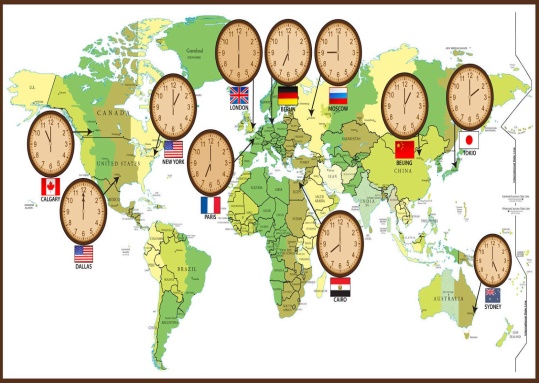
Short term plan: term 2
|
Unit4: Investigate and report on timekeeping devices/Science |
Lesson 49 |
||
|
School |
|
||
|
Teacher name: |
|
||
|
Date: |
|
||
|
Grade: 11 |
Number present: |
absent: |
|
|
Lesson title |
Language in use: Phrasal verbs/ prepositions |
||
|
Learning objectives |
11.5.2.1 - use a wide range of vocabulary, which is appropriate to topic and genre, and which is spelt accurately 11.6.13.1 - use a variety of dependent prepositions with less common nouns, adjectives and verbs on a wide range of general and curricular topics |
||
|
Lesson objectives |
Learners will be able to: -demonstrate the skills of using figurative language, word relationships, and nuances in word meanings - evaluate the use of facts and details in paragraphs and extended texts |
||
|
Instilling values of the program “Adal Azamat” |
|
||
|
Plan |
|||
|
Stages / Time |
Teachers actions |
Students actions |
Assessment criteria |
Resources |
|
Beginning of the lesson Warming-up 5 min |
Organization moment : 1.Greeting. Ask about the weather. The teacher sets the lesson objectives, letting students know what to anticipate from the lesson. revise the vocabulary from the previous Lead – In
Ex: 1 P: 60 • Present and practice phrasal verbs Explain the task and ask Ss to use the phrasal verbs in the diagram to complete it. Give Ss time to complete the task and then check Ss' answers. |
Students of the class are listed. Students' attention is drawn to the lesson. Learners remember previous lesson vocabulary Determines the topic and purpose of the lesson Students say different words from the picture Pupils complete the sentences with the phrasal verbs in the diagram in the correct form. ANSWERS 1 pay ... off 2 calling off 3 put off 4 show off 5 dropped off 6 take off |
The teacher to assess learners for their ability. “Good job! Well done!” Formative Assessment Descriptor: - can tell the time Point 1 Descriptor: - complete the sentences Total: 3 point |
|
|
Middle of the lesson Presentation part. 35 min |
Ex: 2 P: 60 • Practise prepositional phrases Explain the task and give Ss time to complete it and then check Ss' answers. Ex:3 P: 60 • Practise collocations Explain the task and give Ss time to complete it and then check Ss' answers Ex:4 P: 60 • Practise word formation Explain the task and give Ss time to complete it and then check Ss' answers Ex:5 P: 60 Consolidate words which are often confused Explain the task and give Ss time to complete it and then check Ss' answers. Conclusion during the lesson some tasks differentiated by outcomes of the students and by their abilities. |
Pupils choose the correct prepositions ANSWERS 1 from 2 on 3 into 4 to 5 on 6 of Pupils fill the gaps. ANSWERS 1 perfect 2 visual 3 standardised 4 sighting 5 well-executed Pupils complete the sentences with a word formed from the word in capitals ANSWERS 1 ineffective 2 alignment 3 rotation 4 uselessness 5 embellishments |
Descriptor: - choose the correct prepositions Total: 3 point
Self assessment Descriptor: - complete the sentences with a word formed from the word in capitals Total: 2 point -Make CCQ questions Yes / No |
|
|
End of the lesson 5 min |
FEEDBACK Learners provide feedback on what they have learned at the lesson. Ex: Home task: |
|
Poster Success
|
|
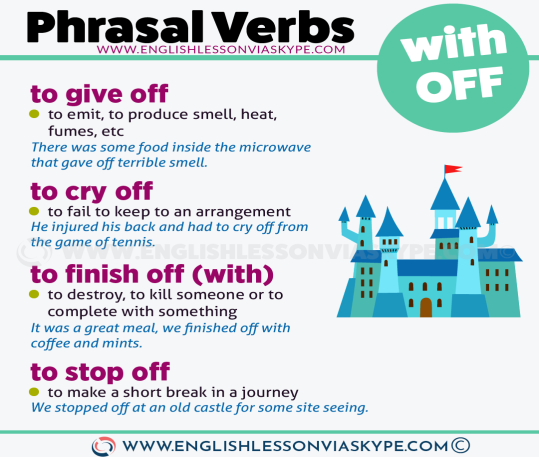









 Бұл курс Қазақстан Республикасы Оқу-ағарту министрлігімен келісілген