|
Unit: 5 Reading for pleasure |
Lesson 50 |
||
|
Teacher name: |
|||
|
Date: 13.01.2026 |
|
||
|
Grade: 8 |
Number present: |
absent: |
|
|
Lesson title |
Movie technology. |
||
|
Learning objectives |
8.3.7.1 use appropriate subject-specific vocabulary and syntax to talk about a range of general topics, and some curricular topics 8.4.4.1 read a growing range of extended fiction and non-fiction texts on familiar and some unfamiliar general and curricular topics |
||
|
Lesson objectives |
Learners will be able to: • Read about the use of technology in the movies. • Read for general meaning and specific information. • Learn how to find specific information. • Learn about the suffixes -er and -or. |
||
|
Value links |
Loyalty – Loyalty might be a core personal value to you if you highly prize friends that are reliable and trustworthy. You might put your friends or chosen family first, always being there for them when they need you. |
||
|
Plan |
|||
|
Stages / Time |
Teachers’ actions |
Students’ actions |
Assessment criteria |
Resources |
|
Beginning of the lesson 5 min |
Organization moment 1.Greeting. Ask about the weather. Warm-up • With books closed, ask students what they know about the history of cinema. • Ask them when people made the first films, and if students have seen any very old films. Ask what the films were like. • Elicit that very early films were silent, and were in black and white. • Ask how films are continuing to improve now. • Elicit ideas and encourage students to join in and contribute ideas or express opinions. Lead - In

|
The aim: To develop Ss speaking skills and create friendly atmosphere Efficiency: By telling the wishes they show their appreciations . Students introduce themselves Students say different words from the picture |
At the organization moment T tries to award active Ss. «The praise» method is used to evaluate Ss with phrases like: “Good job! Well done!” Formative Assessment

Good job! |
Pictures PPT Student’s book |
|
Middle of the lesson Presentation part. 35 min |
Ex: 1 p:58 • Read through the words in the box with the class and elicit or explain the meaning. • Students guess the order of the words on the timeline in pairs. • Students can check their answers by reading and listening to the text. When they have done this, ask round the class to find out if they guessed correctly. Ex: 2 p:58 • Allow students time to read the study strategy carefully. In a weaker class, go through each point and check understanding. In a stronger class, ask students if this is something they do already. • Students read the text again and answer the questions. Encourage all students to follow the tip step-by-step, by underlining the key words in the questions then looking for these in the text.
Differentiation: Modelling- teacher gives clear description of the task with examples By task – more motivated learners can do task without support Less motivated learners will be given prompts to find the correct location Ex: 3 p:58 • Do the first item with the class by asking students to read the text, and to put their hand up when they find the correct word (viewer). • Check answers and spelling by asking students to come up and write the words on the board |
Students look at the words in the box and guess the correct order on the timeline ANSWERS : 1 colour 2 sound 3 3D 4 surround-sound 5 computer-generated images 6 digital projectors Students find the answers to these questions ANSWERS : 1 In 1902. 2 There were more than 4,000. 3 They listened to a pianist. 4 Some actors lost their jobs because they didn’t have good voices or because they could not act and speak at the same time. 5 Surround-sound became popular in the 1970s. 6 With future technology it is possible that we will be able to feel a character’s emotions by connecting our bodies to special cinema seats. Students look at verbs and find corresponding nouns in the text. ANSWERS: 1 viewer 2 producer 3 actor 4 projector |
Assessment criteria - Read about the use of technology in the movies.
Descriptor: - look at the words in the box and guess the correct order on the timeline Peer assessment: answer key Assessment criteria: - Read for general meaning and specific information. Descriptor: - look at verbs and find corresponding nouns in the text. -Make CCQ questions Yes / No |
Cards Worksheets |

|
End of the lesson 5 min |
Home task: Ex: 3 P: 40 WB |
|
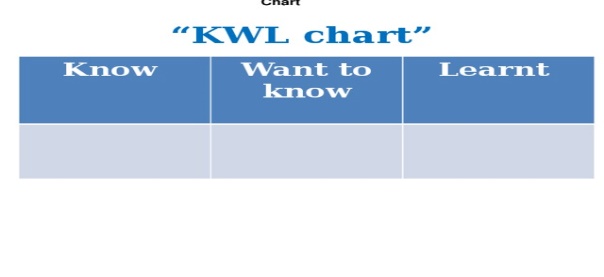
Poster KWL chart |
|
жүктеу мүмкіндігіне ие боласыз
Бұл материал сайт қолданушысы жариялаған. Материалдың ішінде жазылған барлық ақпаратқа жауапкершілікті жариялаған қолданушы жауап береді. Ұстаз тілегі тек ақпаратты таратуға қолдау көрсетеді. Егер материал сіздің авторлық құқығыңызды бұзған болса немесе басқа да себептермен сайттан өшіру керек деп ойласаңыз осында жазыңыз
Movie tehnology
Movie tehnology
|
Unit: 5 Reading for pleasure |
Lesson 50 |
||
|
Teacher name: |
|||
|
Date: 13.01.2026 |
|
||
|
Grade: 8 |
Number present: |
absent: |
|
|
Lesson title |
Movie technology. |
||
|
Learning objectives |
8.3.7.1 use appropriate subject-specific vocabulary and syntax to talk about a range of general topics, and some curricular topics 8.4.4.1 read a growing range of extended fiction and non-fiction texts on familiar and some unfamiliar general and curricular topics |
||
|
Lesson objectives |
Learners will be able to: • Read about the use of technology in the movies. • Read for general meaning and specific information. • Learn how to find specific information. • Learn about the suffixes -er and -or. |
||
|
Value links |
Loyalty – Loyalty might be a core personal value to you if you highly prize friends that are reliable and trustworthy. You might put your friends or chosen family first, always being there for them when they need you. |
||
|
Plan |
|||
|
Stages / Time |
Teachers’ actions |
Students’ actions |
Assessment criteria |
Resources |
|
Beginning of the lesson 5 min |
Organization moment 1.Greeting. Ask about the weather. Warm-up • With books closed, ask students what they know about the history of cinema. • Ask them when people made the first films, and if students have seen any very old films. Ask what the films were like. • Elicit that very early films were silent, and were in black and white. • Ask how films are continuing to improve now. • Elicit ideas and encourage students to join in and contribute ideas or express opinions. Lead - In
|
The aim: To develop Ss speaking skills and create friendly atmosphere Efficiency: By telling the wishes they show their appreciations . Students introduce themselves Students say different words from the picture |
At the organization moment T tries to award active Ss. «The praise» method is used to evaluate Ss with phrases like: “Good job! Well done!” Formative Assessment
Good job! |
Pictures PPT Student’s book |
|
Middle of the lesson Presentation part. 35 min |
Ex: 1 p:58 • Read through the words in the box with the class and elicit or explain the meaning. • Students guess the order of the words on the timeline in pairs. • Students can check their answers by reading and listening to the text. When they have done this, ask round the class to find out if they guessed correctly. Ex: 2 p:58 • Allow students time to read the study strategy carefully. In a weaker class, go through each point and check understanding. In a stronger class, ask students if this is something they do already. • Students read the text again and answer the questions. Encourage all students to follow the tip step-by-step, by underlining the key words in the questions then looking for these in the text.
Differentiation: Modelling- teacher gives clear description of the task with examples By task – more motivated learners can do task without support Less motivated learners will be given prompts to find the correct location Ex: 3 p:58 • Do the first item with the class by asking students to read the text, and to put their hand up when they find the correct word (viewer). • Check answers and spelling by asking students to come up and write the words on the board |
Students look at the words in the box and guess the correct order on the timeline ANSWERS : 1 colour 2 sound 3 3D 4 surround-sound 5 computer-generated images 6 digital projectors Students find the answers to these questions ANSWERS : 1 In 1902. 2 There were more than 4,000. 3 They listened to a pianist. 4 Some actors lost their jobs because they didn’t have good voices or because they could not act and speak at the same time. 5 Surround-sound became popular in the 1970s. 6 With future technology it is possible that we will be able to feel a character’s emotions by connecting our bodies to special cinema seats. Students look at verbs and find corresponding nouns in the text. ANSWERS: 1 viewer 2 producer 3 actor 4 projector |
Assessment criteria - Read about the use of technology in the movies.
Descriptor: - look at the words in the box and guess the correct order on the timeline Peer assessment: answer key Assessment criteria: - Read for general meaning and specific information. Descriptor: - look at verbs and find corresponding nouns in the text. -Make CCQ questions Yes / No |
Cards Worksheets |
|
End of the lesson 5 min |
Home task: Ex: 3 P: 40 WB |
|
Poster KWL chart |
|
шағым қалдыра аласыз