
 ЖИ көмекші


жүктеу мүмкіндігіне ие боласыз
Бұл материал сайт қолданушысы жариялаған. Материалдың ішінде жазылған барлық ақпаратқа жауапкершілікті жариялаған қолданушы жауап береді. Ұстаз тілегі тек ақпаратты таратуға қолдау көрсетеді. Егер материал сіздің авторлық құқығыңызды бұзған болса немесе басқа да себептермен сайттан өшіру керек деп ойласаңыз осында жазыңыз
 20 Қараша 2024
 213
213
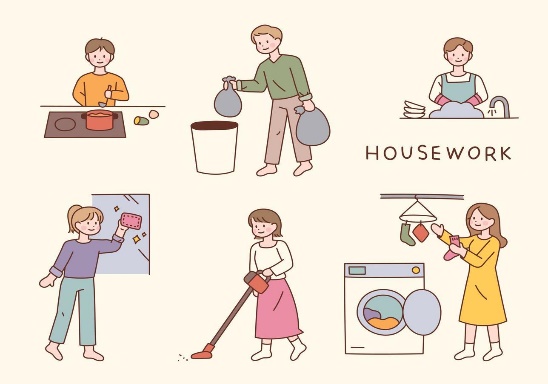
OPEN LESSON HOUSEWORK 7- grade
Shortterm plan
|
Unit of a long term plan: Holidays and Travel |
Lesson 29 |
|
||
|
Teacher name: |
|
|
||
|
Date: |
|
|
||
|
Grade: 7 |
Number present: |
absent: |
|
|
|
Lesson title |
Housework |
|
||
|
Learning objectives |
7.2.5.1 understand most specific information and detail of supported, extended talk on a range general and curricular topics 7.6.10.1 use present continuous forms with present and future meaning and past continuous forms for background and interrupted past actions on a limited range of familiar general and curricular topics |
|
||
|
Lesson objectives |
• Learn expressions for housework. • Do a questionnaire on being helpful at home. • Listen to a conversation about the questionnaire. • Listen for general meaning and specific details. |
|
||
|
Value links |
Generosity – This may be a core value of yours if you cherish people who will give their time and resources to people in need. You may consider yourself to be a generous person if you find joy and meaning in giving to others. |
|
||
|
Plan |
|
|||
|
Stages / Time |
Teachers actions |
Students actions |
Assessment criteria |
Resources |
|
Beginning of the lesson Warming-up 3 min |
Organization moment : 1.Greeting. Warm-up • Write the word housework on the board. • Elicit or explain the meaning, and ask students what things they do to help at home. They can discuss this in their own language. Lead - In
Do you help at home? Who make dinner in your home? Who take out the rubbish at home? |
“The wish flower” method helps to start the lesson with good wishes to each other. The aim: To develop Ss speaking skills and create friendly atmosphere Efficiency: By wishing each other they feel better and feel the support of others Students say different words from the picture |
At the organization moment T tries to award active Ss. «The praise» method is used to evaluate Ss with phrases like: “Good job! Well done!” Formative Assessment
Good job! |
Pictures
PPT |
|
Middle of the lesson Presentation part. 37 min |
Ex:1 P:26 • Read through the table with the class and make sure students understand the verbs in the headings. • Students check the meaning of the words in the box, then use them to complete the table.
Differentiation: «Verbal support» method is used to help Students use new words in the text. Ex: 2 P: 26 Read the title of the questionnaire and the questions under the title with the class. • If students do not understand the word helpful, refer them back to the housework phrases and ask if they think these help other people at home. Ask some individual students if they think they are very helpful or not very helpful. Differentiation:Support; learners are arranged to interact in mixed groups. Topic vocabulary is used while responding to the given questions Ex: 4 P: 26 • Allow students time to read the questions and all the options. • Play the CD again and ask students to answer the questions individually, then compare their answers in pairs |
Students check the meaning of the words in the box and complete the table. ANSWERS clear: the table make: your bed, breakfast, lunch, dinner do: the ironing, the shopping, the vacuuming, the washing up tidy: your room clean: the car, the floor, your room take: the dog for a walk, out the rubbish Students work in pairs. Do the questionnaire and compare your scores. ANSWERS Students own answer. Students listen and choose the correct answer ANSWERS 1 b 2 c 3 c 4 a 5 b 6 c |
Assessment criteria - Learn expressions for housework Descriptor: -check the meaning of the words in the box and complete the table. Assessment criteria: - Do a questionnaire on being helpful at home. Descriptor: - work in pairs. Do the questionnaire and compare your scores. -Make CCQ questions Yes / No |
CD 1 Cards Worksheets |
|
End of the lesson 5 min |
Home task: Ex: 1 P: 18 WB |
|
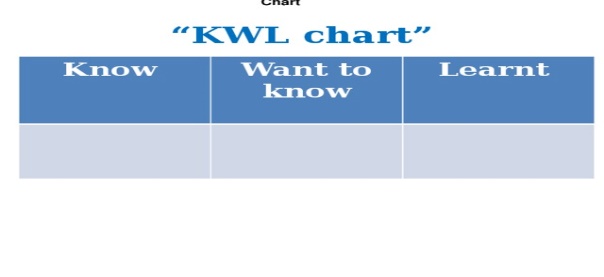
Poster Success KWL chart |
|


 Жүктеу


 Жүктеу
шағым қалдыра аласыз

 Бұл курс Қазақстан Республикасы Оқу-ағарту министрлігімен келісілген










