
 ЖИ көмекші


 Қауіпсіз төлем

жүктеу мүмкіндігіне ие боласыз
Бұл материал сайт қолданушысы жариялаған. Материалдың ішінде жазылған барлық ақпаратқа жауапкершілікті жариялаған қолданушы жауап береді. Ұстаз тілегі тек ақпаратты таратуға қолдау көрсетеді. Егер материал сіздің авторлық құқығыңызды бұзған болса немесе басқа да себептермен сайттан өшіру керек деп ойласаңыз осында жазыңыз
 07 Қаңтар 2024
 310
310
1 жыл бойы шексіз жүктеңіз
қмж
Short term plan: Term 3
|
Unit 5 Reading for pleasure
|
Lesson 49 |
||
|
Teacher name: |
Ashimov A |
||
|
Date: 08.01.2024 |
|
||
|
Grade: 9 А,Ә |
Number present: |
absent: |
|
|
Lesson title |
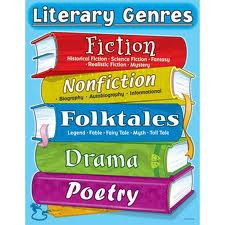
Vocabulary and language Focus. Literary genres. |
||
|
Learning objectives |
9.1.9.1 use imagination to express thoughts, ideas, experiences and feelings 9.2.1.1 understand the main points in unsupported extended talk on a wide range of general and curricular topics, including talk on a limited range of unfamiliar topics 9.3.1.1 use formal and informal language registers in their talk on a range of general and curricular topic |
||
|
Lesson objectives |
Learners will be able to: • Learn how to make compound nouns to describe literary genres. • Practice using complex compound nouns to describe books. • Do a quiz on recognizing literary genres. |
||
|
Value links |
Family – Family values are moral and ethical principles of typical family life, including sacrificing for loved ones, putting your loved ones first, and keeping your loved ones at the centre of your thoughts and actions. |
||
|
Plan |
|||
|
Stages / Time |
Teachers’ actions |
Students’ actions |
Assessment criteria |
Resources |
|
Beginning of the lesson 5 min |
1.Greeting. Ask about the weather. Warm-up • With books closed, write literature on the board. Ask students what they think it means. Ask: Are all novels literature? • Encourage them to come to a conclusion by themselves. You might want to tell them literature often refers to books in which the writing is considered superior. • In pairs, students make a list of all the genres of books they can remember. Set a time limit. • Ask a pair to read their list out and ask other students to add to it Lead – In
|
The wish flower” method helps to start the lesson with good wishes to each other. The aim: To develop Ss speaking skills and create friendly atmosphere Efficiency: By telling the wishes they show their appreciations . Students express their ideas |
At the organization moment T tries to award active Ss. «The praise» method is used to evaluate Ss with phrases like: “Good job! Well done!”
Good job! |
Pictures
PPT |
|
Middle of the lesson Presentation part. 35 min |
Ex:1 P:56 • In pairs, students make a list of all the genres of books they can remember. Set a time limit. • Ask a pair to read their list out and ask other students to add to it Differentiation: «Verbal support» method is used to help Students use new words in the text. Ex: 2 P:56 • Ask a few students about the books they like to read. Ask: What genre is it? Then ask for more details. When was it written? If students say it was written a few years ago, tell them it is a contemporary novel. Ask: Who tells the story? Does the writer use I (the first person) or do they talk about the main character as he / she (the third person)? • Continue to ask questions about the theme, building up a description of the book, until you can produce a description such as It’s a contemporary novel about teenagers, written in the first person Ex: 3 P:56 • Draw students’ attention to the book covers in the quiz. In pairs and without reading the texts, students decide what the genres are from the cover photos. • Invite students to give their answers to the class and explain why they came up with their description. |
Students in pairs, make a list of all the genres of books you know. ANSWERS: adventure story, romance, horror, science-fiction, mystery, crime, humorous, thriller, poetry, drama Students put the words in order to make complex noun phrases to describe books ANSWERS: 1 nineteenth century romantic poetry 2 historical drama about social injustice 3 romantic novel told in the third person 4 twentieth century adventure story from an animal’s point of view 5 nineteenth century gothic novel told in the first person Students read the literary extracts . Then match them with the descriptions in exercise 2 ANSWERS: A nineteenth century romantic poetry B historical drama about social injustice C romantic novel told in the third person D twentieth century adventure story from an animal’s point of view E nineteenth century gothic novel narrated in the first person |
Assessment criteria - Learn how to make compound nouns to describe literary genres. Descriptor: - make a list of all the genres of books you know.
Assessment criteria: - Practice using complex compound nouns to describe books. Descriptor: - put the words in order to make complex noun phrases to describe books -Make CCQ questions Yes / No |
Cards Student’s book Worksheet Student’s book |
|
End of the lesson 5 min |
Giving the hometask. Ex: 1 P:38 wb Self-reflection |
Peer-assessment. Two stars and a wish.
Maybe you could ... |
Students use their stickers to show their knowledge according to the lesson. |
Poster Success
|




Short term plan: Term 3
|
Unit 5 Reading for pleasure
|
Lesson 50 |
||
|
Teacher name: |
Ashimov A |
||
|
Date: 0970172024 |
|
||
|
Grade: 9 А. Ә |
Number present: |
absent: |
|
|
Lesson title |
Reading. Fiction. Discussing a text about the benefits of reading. |
||
|
Learning objectives |
9.4.4.1 read a wide range of extended fiction and non-fiction texts on familiar and unfamiliar general and curricular topics 9.2.4.1 understand the main points of supported extended talk on a range of general and curricular topics 9.5.1.1 plan, write, edit and proofread work at text level with support on a limited range of general and curricular topics |
||
|
Lesson objectives |
Learners will be able to: • Read a text about how someone benefited from reading. • Learn compound nouns related to learning. • Discuss the benefits of reading and what you can learn from books |
||
|
Value links |
Loyalty – Loyalty might be a core personal value to you if you highly prize friends that are reliable and trustworthy. You might put your friends or chosen family first, always being there for them when they need you. |
||
|
Plan |
|||
|
Stages / Time |
Teachers’ actions |
Students’ actions |
Assessment criteria |
Resources |
|
Beginning of the lesson 5 min |
1.Greeting. Ask about the weather. Warm-up • Draw students’ attention to the photo. Ask students what sort of book they think the boy is reading. • Ask why they think he is reading rather than playing beach games with others or swimming in the sea. Accept all answers. Lead – In
The team here at Basmo is not only dedicated
to pushing you beyond your curr |









 Бұл курс Қазақстан Республикасы Оқу-ағарту министрлігімен келісілген










