
 ЖИ көмекші


жүктеу мүмкіндігіне ие боласыз
Бұл материал сайт қолданушысы жариялаған. Материалдың ішінде жазылған барлық ақпаратқа жауапкершілікті жариялаған қолданушы жауап береді. Ұстаз тілегі тек ақпаратты таратуға қолдау көрсетеді. Егер материал сіздің авторлық құқығыңызды бұзған болса немесе басқа да себептермен сайттан өшіру керек деп ойласаңыз осында жазыңыз
 01 Ақпан 2019
 626
626
Қысқа мерзімді жоспар
|
Unit of a long term plan: 7 |
School: School14 |
|
|
Date: |
Teacher name: Nurmagambetova.B |
|
|
Class: 7 |
Number present:12 |
Absent:12 |
|
Lesson title: Natural disasters in Kazakhstan and around the world |
|
|
|
Learning objectives |
C9. Use imagination to express thoughts, ideas, experiences and feelings. S4. Respond with some flexibility at both sentences and discourse level to unexpected comments on a growing range of general and curricular topics. L5. Recognize the opinion of the speaker(s) in supported extended talk on a range of general and curricular topics. |
||||||
|
Level of thinking |
Knowledge and comprehension Application, Synthesis |
||||||
|
Assessment criteria |
- Convey fantasy ideas including emotions and senses. - Provide unexpected speech to answer a variety of questions at sentence level with limited flexibility. - Identify particular information and details while listening. |
||||||
|
Lesson objectives |
All learners will be able to understand general information by listening the text. Most learners will be able to pronounce increasing range of words and simple sentences about the theme. Some learners will be able to present their ideas clearly to others, using the new vocabulary. |
||||||
|
Language objectives |
To listen and talk about natural disasters to predict the content of a text to discuss for specific information. Keywords:flood,earthquake,tsunami,tornado,volcano,lightning,hurricane,drought,landslide Discussion points:
Writing prompts: an active board, pictures, cards, slides, smiles. |
||||||
|
Values links |
Conserve nature – conserve our future! |
||||||
|
Cross curricular links |
Geography, Science |
||||||
|
Previous learning |
About entertainment. Use the method of “Association” 1st group write about the advantages of watching TV. 2nd group write about the disadvantages of watching TV.
|
||||||
|
Plan |
|
||||||
|
Planned things. |
Planned activities |
Resources |
|||||
|
Start (15min) Middle (22 min) |
I. Organization moment. Teacher greets with the pupils and check their attendance. II. Divided pupils into two groups by picture puzzles. 1st group “The Globe” 2nd group “Environment” III. Explain the new theme: To show them video. Pupils watch the video and guess the theme.
(pupils share their ideas) IV. Active vocabulary to show them pictures of natural disasters. Flood [flʌd] – су тасқыны Earthquake [ә:θkweik] – жер сілкінісі Tsunami [su:nәmi] - цунами Tornado [tᴐ:neidәu] - торнадо Volcano[vᴐlkᴂnәu] - жанартау Lightning [laitniƞ] - найзағай Hurricane [h˄rikәn] - дауыл Drought [draut] - құрғақшылық Landslide [lᴂnd slaid] - көшкін Affect [ᴂfekt]- әсер ету Whirlwind[wɜ:lwind] - құйын Evaporate [i’ vᴂpәreit] – буға айналу Track [trᴂk]- бақылау
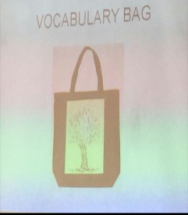
V. Task:1 Use method “Bag vocabulary”
I. Listening. Listen to the information about one of the natural disasters Hurricanes and indentify if the information True or False? Natural disasters. Scientists understand a lot about the environment – but they don’t understand everything! Every year there are big and small disasters in different parts of the world. Some of this happen very often, but some of them are a big shock. How do these natural disasters affect humans? Can we do anything about them? Hurricanes. What are they? Tropical storms with strong winds. They start at sea and can travel a long distance. They have different names in different places: “hurricanes” in the Atlantic Ocean, “typhoons” in the Pacific ocean, “tropical cyclones” in the Indian ocean and around Australasia. Tornadoes, or whirlwinds, are similar, but begin over land. Why do they happen? The water evaporates from the warm sea. This condenses in the atmosphere. More and more hot, wet air rises up. It becomes a strong wind. Where do they happen? Over the warm parts of oceans. Tornadoes are common in parts of the USA, Australia and Japan. How do they affect people? They can affect ships, blow down houses, cause floods and disrupt traffic. What can people do? Scientists can usually track hurricanes, but they cannot stop them. True or false? 1. Scientists know everything about the environment. 2. Great and small disasters take place each year in different parts of the world. 3. Hurricanes can be of various names in different places. 4. Hurricanes can common in all parts of the world. 5. It is difficult for scientists to stop them.
Descriptor: Pupils
Task:1 Read the words in the box. Some of the disasters are man-made and some are natural. Classify them using the table. 1st group “Natural disasters” 2nd group “Man-made disasters”
Descriptor: pupils
Put the words in the right column
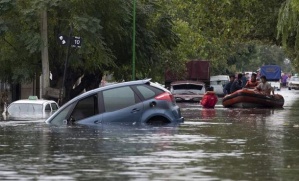
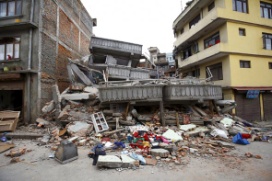
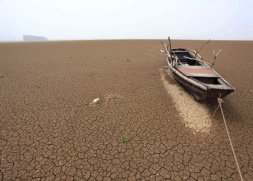
Task:2 Look at the picture and match them to their definitions. Method “Card sorts”
1

2

3
4

5
6

7
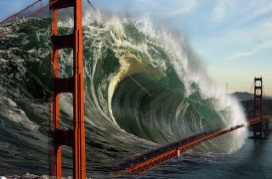 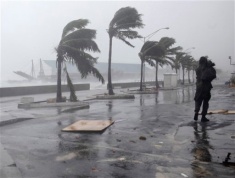 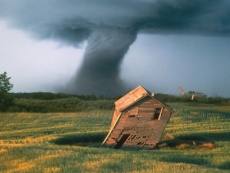 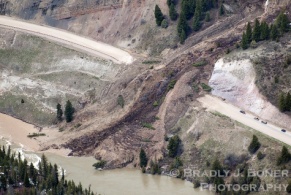
a) a sudden, violent shaking of the earth’s surface. b) a large amount of water covering an area that is usually dry. c) a mass of earth ,rock, etc. that falls down the slope of a mountain or a cliff. d) a violent storm with very strong winds which move circle. e) a long period of time when there is little or no rain. f) an extremely large wave in the sea caused, for example, by an earthquake. g) a violent storm with very strong winds, especially in the western Atlantic Ocean. Keys: 1-b,2-a,3-e,4-f,5-g,6-d,7-c Descriptor: Pupils
|
Method “Picture puzzles”.
Video. The Natural Disasters in the world.JerusalemHand.com
Pictures, slide
http:/www.onestopenglish.com/clil/secondary/engkish-across-the-curriculum/topic-based-listening-lessons/pdf-and-mp3-content/environment-natural-disasters-hurricanes.
group work
Method “Card sorts”- is a good activity because it allows pupils to sort and match the information.
Worksheet
|
|||||
|
|
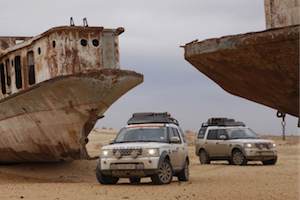
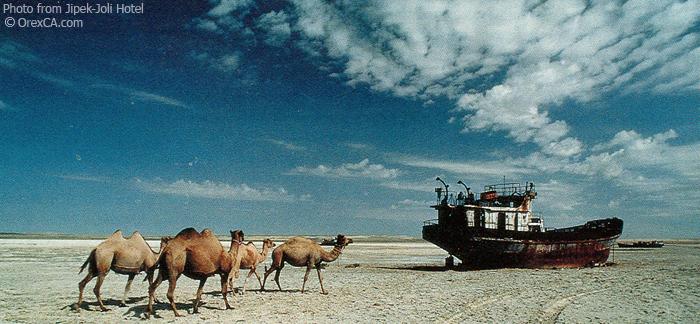
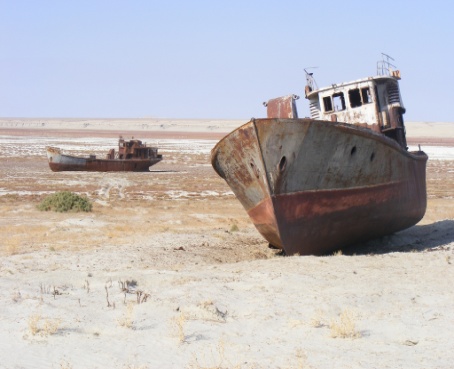
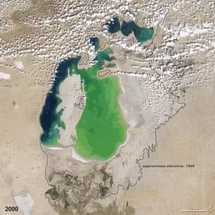
Differentiation Task. Task: 3 “A talking picture” method. Critical thinking strategy What happened with the Aral Sea? Look at the picture and present your ideas about it to the class. The Aral Sea Disaster
Descriptor: Most pupils - Look at the picture and name all the things in the picture in English. Some pupils
Minimal pupils
|
Differentiation task.
A talking picture” method.
Slide, picture
|
|||||
|
End (8 min) |
I. Cinquain Method (rhyming words)
1. Noun: Disaster 2. Adjectives: terrible, dangerous 3. Verb: destroy, survive, affect 4. Phrase: Save Mother Earth! 5. Synonym: Catastrophic Descriptor: Pupils
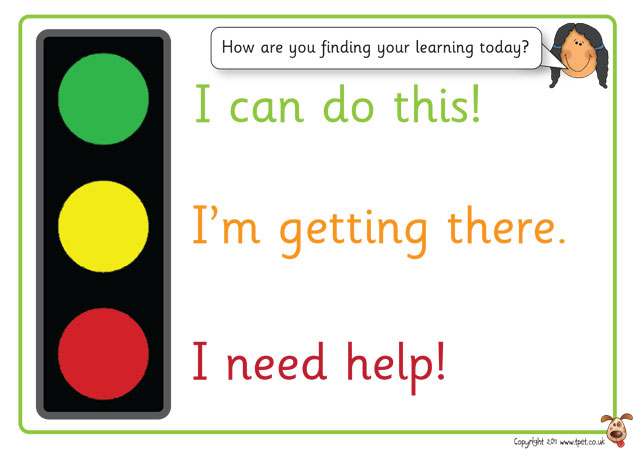
II. “Twitter Board” technology -What types of natural disasters are common in our area? -What can we do to prepare for natural disasters? III. Giving homework: Find information about a disaster that happened in our country. IV. Reflection: “Traffic Light”
(Pupils shares their opinions about the lesson) |
Individual work
“Twitter Board” technology. Pupils are able to summarize what is learned from a lesson within a short sentence.
Stickers, smiles |
|||||







|
Additional information |
||
|
Differentiation- how do you plan to give more support? How do you plan to challenge the more able learners? |
Assessment – how are you planning to check learners’ leaning? |
Health and safety check ICT links. Values links |
|
Most learners -Look at the picture and name all the things in the picture in English. Some learners -Make up 6 sentences using the new vocabulary. Minimal learners - Find the main idea of the picture -describe the Aral sea using their opinions -present their emotions to the class.
|
Descriptor: Pupils
Pupils
Pupils
Pupils -rhyme the words correctly. |
Make sure learners have sufficient space to conduct a class survey. Points from Safety rules were used at this lesson |
|
Reflection |
1. The lesson objectives are realistic for the children 7th form 2. All the children achieve the learning objectives. 3. They do a lot of exercises. They present their ideas about the new theme. They widen their vocabulary. The lesson is very interesting because it is a modal lesson. I stick to timings |
|
|
Summary evaluation |
What two things went really well? 1. Learning new words with video and check with the method “Card sorts”. 2. Match the words with their definitions. What two things would have improved the lesson? 1. Present their ideas about the theme. 2. Speaking about the Aral Sea disaster. What have I learned from this lesson? 1. Giving individual tasks according to the levels of pupils knowledge. |
|

 Жүктеу


 Жүктеу
шағым қалдыра аласыз

 Бұл курс Қазақстан Республикасы Оқу-ағарту министрлігімен келісілген










