
 ЖИ көмекші


 Қауіпсіз төлем

жүктеу мүмкіндігіне ие боласыз
Бұл материал сайт қолданушысы жариялаған. Материалдың ішінде жазылған барлық ақпаратқа жауапкершілікті жариялаған қолданушы жауап береді. Ұстаз тілегі тек ақпаратты таратуға қолдау көрсетеді. Егер материал сіздің авторлық құқығыңызды бұзған болса немесе басқа да себептермен сайттан өшіру керек деп ойласаңыз осында жазыңыз
 27 Мамыр 2026
 63
63
1 жыл бойы шексіз жүктеңіз
Top stars
Бұйрық No194 (30.07.2024) – «Біртұтас тәрбие» бағдарламасы.
Бұйрық No123 (26.05.2025) – «Адал азамат» жобасы арқылы адалдық пен әділдікке тәрбиелеу.
Top Stars. 3rd grade
I- TERM
Unit: 1 |
Hello English! |
||||||||
Teacher’s name: |
|
||||||||
Date: |
|
||||||||
Class: |
Number present: |
Number absent: |
|||||||
Theme of the lesson |
Hello English! Alphabet. |
||||||||
Learning objective (s) |
3.3.1.1 recognise sounds and name the letters of the alphabet; 3.3.3.1 understand short, simple instructions used in familiar everyday contexts. |
||||||||
Lesson objectives |
|
||||||||
Plan |
|||||||||
Stages of the lesson |
Teacher’s activities |
Students’ activities |
Assessment |
Resources |
|||||
Greeting
|
Teacher greets students; students respond to greeting and take their places. “Saying hello!” Students are suggested a video “How to say hello in different languages”. Students listen to and compare English “Hello”; then each student shares a farewell he/she memorized and says this farewell to a peer and/or a teacher. |
Greeting
Learners listen to and compare
|
|
video |
|||||
Warm-up
Presentation
Practice
Ending the lesson
Feedback |
Brainstorming.
|
|
Oral Assessment |
Flashcards |
|||||
Activity1. Listen and Say.
Value: Honesty: Being truthful about what they know and checking sources (dictionary) for accuracy.
|
Students to listen to the letters of the English alphabet and say the letter and the sound.
|
Verbal Assessment |
The ABC Song https://youtu.be/75p-N9YKqNo?si=N5jgNJCuNdonQ5zu
|
||||||
Activity 2. Circle the letters.
Value: Respect for Knowledge – Using grammar correctly shows respect for languag |
Keys: A, A a, a D, D d, d C, C c, c . Z – z O – o R – r M – m |
Peer Assessment |
Handouts |
||||||
Activity 3. Matching the letters.
Value: Perseverance – Checking answers teaches students to correct mistakes without giving up.
|
Key: B – b G – g K – k E – e N – n V – v S – s Y – y |
Peer Assessment |
Worksheets https://www.superteacherworksheets.com/full-letters-alphabet.html
|
||||||
Game: “Mixed-up letters”
|
Students come up and arrange the flashcards in the correct alphabetical order
|
Peer Assessment
|
Flashcards
|
||||||
Formative Assessment
Descriptor: A learner:
of the alphabet
|
Descriptor: Learner:
|
|
|
||||||
Reflection.
|
|
||||||||
Homework |
Workbook: Ss look at the capital and lower-case letters, trace them and write them. |
||||||||
Additional Information |
|||||||||
Differentiation - how do you plan to give more support? How do you plan to challenge the more able learners? |
Assessment - how are you planning to check learners` learning? |
Health and safety check ICT links |
|||||||
More support will be given to weaker learners by giving them a modified worksheets in some tasks with greater support |
-through questioning and the redirecting of questioning in feedback activities -through observation in group and end performance activities -through formative task
|
-White board and video are used no more than 10 minutes -Use water-based pens -Health promoting techniques -Breaks and physical activities used. -Points from Safety rules used at this lesson. |
|||||||
REFLECTION
|
Answer the most relevant questions to reflect on your lesson. Were the lesson objectives/learning objectives realistic? What did the learners learn? What did/didn’t you like? What was difficult? |
||||||||

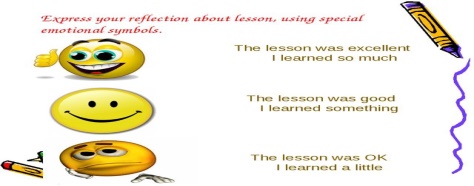
 he
smiley faces are on the board. (happy, sad, angry, etc)
he
smiley faces are on the board. (happy, sad, angry, etc)
Бұйрық No194 (30.07.2024) – «Біртұтас тәрбие» бағдарламасы.
Бұйрық No123 (26.05.2025) – «Адал азамат» жобасы арқылы адалдық пен әділдікке тәрбиелеу.
Short term plan
Unit: 1 |
Hello English! |
||||||
Teacher’s name: |
|
||||||
Date: |
|
||||||
Class: |
Number present: |
Number absent: |
|||||
Theme of the lesson |
Greetings and names: What's Your Name? |
||||||
Learning objective (s) |
3.1.2.1 recognise familiar words with visual support; 3.2.2.1 use isolated words and basic expressions to provide personal information; 3.5.1.8 use personal subject and object pronouns in a limited range of familiar topics. |
||||||
Lesson objectives |
|
||||||
Plan |
|||||||
Stages of the lesson |
Teacher’s activities |
Students’ activities |
Assessment |
Resources |
|||
Greeting
|
Greet students; students respond to greeting and take their places. Hello, boys and girls! How are you? |
|
|
|
|||
Warm-up
|
Demonstration (acting).
|
Students act out and repeat. |
|
Flashcards
|
|||
Presentation
Practice
Ending the lesson
Feedback
|
Activity 1. Conveying the meaning of new words.
Values Link to Birtutas Tarbiye. Accuracy & Diligence – Careful sentence completion encourages neatness and attention to detail. Activity 2. Listen, point and sing.
Values Link to Birtutas Tarbiye. Respect for Knowledge – Using grammar correctly shows respect for language and communication. Activity 3. Listen and number.
Values Link to Birtutas Tarbiye. Perseverance – Checking answers teaches students to correct mistakes without giving up. |
Students look at the pictures in the vocabulary section, say the greetings and repeat.
Listening
transcript
KEY: 1. I'm 2. You're 3. What's |
Oral Assessment
Verbal Assessment
Peer Assessment
Self- Assessment |
Pictures
Waving Song - Hello and Goodbye https://youtu.be /Rlc4GL3v29w? si=y5QO05 E2C6LgpFH0
CD
Handouts |
|||
Formation Assessment.
Descriptor: A learner:
|
Students work in pairs to ask for each other's name and answer as in the example. |
Peer Assessment
|
Key Words
Pictures
|
||||
Reflection.
|
|
||||||
Homework |
Workbook: Activity 3 and 4 |
||||||
Additional Information |
|||||||
Differentiation - how do you plan to give more support? How do you plan to challenge the more able learners? |
Assessment - how are you planning to check learners` learning? |
Health and safety check ICT links |
|||||
More support will be given to weaker learners by giving them a modified worksheets in some tasks with greater support |
-through questioning and the redirecting of questioning in feedback activities -through observation in group and end performance activities -through formative task |
-White board and video is used no more than 10 minutes -Use water based pens -Health promoting techniques -Breaks and physical activities used. -Points from Safety rules used at this lesson |
|||||
REFLECTION
|
Answer the most relevant questions to reflect on your lesson. Were the lesson objectives/learning objectives realistic? What did the learners learn? What did/didn’t you like? What was difficult? |
||||||
Бұйрық No194 (30.07.2024) – «Біртұтас тәрбие» бағдарламасы.
Бұйрық No123 (26.05.2025) – «Адал азамат» жобасы арқылы адалдық пен әділдікке тәрбиелеу.
Short term plan
Unit: 1 |
Hello English! |
|||||||
Teacher’s name: |
|
|||||||
Date: |
|
|||||||
Class: |
Number present: |
Number absent: |
||||||
Theme of the lesson |
Best friends. Greetings and names. |
|||||||
Learning objective (s) |
3.1.3.1 understand a range of short classroom instructions; 3.2.3.1 respond to basic questions with single words or short responses. 3.5.1.2 use the verb to be for presenting personal information and describe people and things |
|||||||
Lesson objectives |
|
|||||||
Plan |
||||||||
Stages of the lesson |
Teacher’s activities |
Students’ activities |
Assessment |
Resources |
||||
Greeting
|
Greet students; students respond to greeting and take their places. Hello, boys and girls! How are you? |
|
|
|
||||
Warm-up
Presentation
Practice
Ending the lesson
Feedback |
|
Students present the understanding. |
Oral Assessment |
Flashcards |
||||
Activity1. Listen, point and say.
Values Link to Birtutas Tarbiye. Respect for Knowledge – Understanding different uses of one word shows careful and deep learning. Activity 2. Look at the pictures and answer: What has Mia got in her bag? Then listen and read.
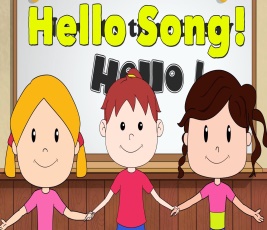
Values Link to Birtutas Tarbiye Respect for Knowledge – Understanding different uses of one word shows careful and deep learning. Sing the Hello Song!
Values Link to Birtutas Tarbiye. Perseverance & Effort – Students must pay attention to grammar rules to use “enough” correctly |
Students look at the pictures in the vocabulary section and point to the corresponding pictures and repeat.
Suggested answer: 1. What are the main characters’ names? (Tom, Leo and Mia), 2. What is Mia holding in frame 4? (Zippy.), 3. What colour is Zippy? (Green.)
Listening transcript 1. Boy 1: Look! 2. Boy 2: Listen! 3. Man: Come here
Keys: 1. What's 2. He's 3. She's |
Verbal Assessment
Oral Assessment
Self-Assessment |
Textbook CD
Worksheets
Dialogue
Hello song!
https://youtu.be/Gm_hYf3KDEU?si=JHCstLVJNTeQWTay
Handouts
CD |
|||||
FORMAIVE ASSESSMENT Students work with their partners to ask each of them about their well-being and that they have to answer accordingly describe abilities looking at the pictures. Descriptor: A learner
|
Students work with their partners |
Oral Assessment |
Picture |
|||||
Reflection. Say one of the words from the lesson. Ask a pupil to draw it on the board. Ask the rest of the class for verification. |
|
|
||||||
Homework |
Workbook: Activity 1 and 2 |
|||||||
Additional Information |
||||||||
Differentiation - how do you plan to give more support? How do you plan to challenge the more able learners? |
Assessment - how are you planning to check learners` learning? |
Health and safety check ICT links |
||||||
More support will be given to weaker learners by giving them a modified worksheets in some tasks with greater support |
-through questioning and the redirecting of questioning in feedback activities -through observation in group and end performance activities -through formative task
|
-White board and video are used no more than 10 minutes -Use water-based pens -Health promoting techniques -Breaks and physical activities used. -Points from Safety rules used at this lesson. |
||||||
REFLECTION
|
Answer the most relevant questions to reflect on your lesson. Were the lesson objectives/learning objectives realistic? What did the learners learn? What did/didn’t you like? What was difficult? |
|||||||
Бұйрық No194 (30.07.2024) – «Біртұтас тәрбие» бағдарламасы.
Бұйрық No123 (26.05.2025) – «Адал азамат» жобасы арқылы адалдық пен әділдікке тәрбиелеу.
Short term plan
Unit: 1 |
Hello English! |
||||||||
Teacher’s name: |
|
||||||||
Date: |
|
||||||||
Class: |
Number present: |
Number absent: |
|||||||
Theme of the lesson |
Comic: About me. |
||||||||
Learning objective (s) |
3.3.2.2 deduce the meaning of a word in a picture or icon on a limited range of topics; 3.5.1.3 use cardinal numbers 1-10; 11 - 20; 21 – 100; |
||||||||
Lesson objectives |
|
||||||||
Plan |
|||||||||
Stages of the lesson |
Teacher’s activities |
Students’ activities |
Assessment |
Resources |
|||||
Greeting
|
Greet students; students respond to greeting and take their places. Hello, boys and girls! How are you? |
|
|
|
|||||
Warm-up
Presentation
Practice
Ending the lesson
Feedback |
Brainstorming.
|
Students point and repeat |
|
Pictures |
|||||
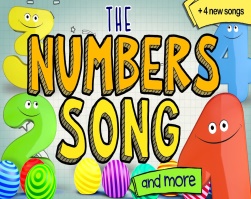
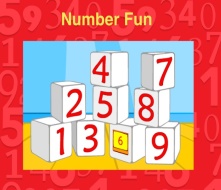
Activity1. Listen, point and sing. Play "The Numbers Song"
Values Link to Birtutas Tarbiye. Cooperation & Respect: Comparing answers in pairs encourages listening and compromise. |
.
|
Verbal Assessment |
Flashcards
Play "The Numbers Song"
|
||||||
Activity2. Guessing and Predicting.
Values Link to Birtutas Tarbiye. Perseverance: Learning new word forms shows effort in improving vocabulary. Activity 3. Listen and tick (✔)
Game: “Quick numbers”.
Values Link to Birtutas Tarbiye. Confidence: Sharing answers aloud helps build courage to speak up. FORMAIVE ASSESSMENT
Descriptor: A learner: • writes the age correctly in the space provided
|
Suggested Answer: 1. How many apples has Snow White got? (Ten.) (pointing to the dwarf she’s talking to in frame 4) 2. How old is he? (He’s six.) (pointing to the two dwarves that are talking) 3. How old are they? (They're seven.)
Listening transcript:
Man: 1. One, two three. 2. One, two, three, four, five, six, seven, eight. 3. One, two, three, four, five. 4. One, two, three, four.
1. a 2. b 3. a 4. b
Keys: 1. seven 2. ten 3. four
|
Peer Assessment
Self- Assessment
Verbal Assessment
|
Handouts Pictures CD
Worksheets https://learnenglish kids.british council.org/print-make/worksheets /numbers
CD Handouts
Worksheets
Handouts
|
||||||
Self-assessment. Ask the pupils which is their favourite number (from 1 to 10). Ask them to write it on a piece of paper. Then ask them to decorate their paper with items denoting that number.
|
Feedback |
piece of paper |
|||||||
Homework |
Workbook: Activity 1and 2 |
||||||||
Additional Information |
|
||||||||
Differentiation - how do you plan to give more support? How do you plan to challenge the more able learners? |
Assessment - how are you planning to check learners` learning? |
Health and safety check ICT links |
|
||||||
More support will be given to weaker learners by giving them a modified worksheets in some tasks with greater support |
-through questioning and the redirecting of questioning in feedback activities -through observation in group and end performance activities -through formative task
|
-White board and video are used no more than 10 minutes -Use water-based pens -Health promoting techniques -Breaks and physical activities used. -Points from Safety rules used at this lesson. |
|
||||||
REFLECTION
|
Answer the most relevant questions to reflect on your lesson. Were the lesson objectives/learning objectives realistic? What did the learners learn? What did/didn’t you like? What was difficult? |
|
|||||||
Бұйрық No194 (30.07.2024) – «Біртұтас тәрбие» бағдарламасы.
Бұйрық No123 (26.05.2025) – «Адал азамат» жобасы арқылы адалдық пен әділдікке тәрбиелеу.
Short term plan
Unit: 1 |
Hello English! |
||||||||
Teacher’s name: |
|
||||||||
Date: |
|
||||||||
Class: |
Number present: |
Number absent: |
|||||||
Theme of the lesson |
Play and Write: About me. |
||||||||
Learning objective (s) |
3.1.1.1 recognise the sounds of phonemes and phoneme blends in words; 3.2.1.1 pronounce various sounds of phonemes and phoneme blends using appropriate stress, rhythm, and intonation; 3.1.2.1 recognise familiar words with visual support; |
||||||||
Lesson objectives |
|
||||||||
Plan |
|||||||||
Stages of the lesson |
Teacher’s activities |
Students’ activities |
Assessment |
Resources |
|||||
Greeting
|
Greet students; students respond to greeting and take their places. Hello, boys and girls! How are you? |
|
|
|
|||||
Warm-up
Presentation
Practice
Ending the lesson
Reflection
|
Predicting and Guessing.
|
Open Answer |
|
Pictures
|
|||||
Activity1. Conveying the meaning of new words.
Values Link to Birtutas Tarbiye. Honesty: Encourage students to give genuine answers based on their own knowledge/experience. Activity2. “A Guessing Game”
Values Link to Birtutas Tarbiye. Honesty: Encourage students to give genuine answers based on their own knowledge/experience. Activity 3. Practice the Pronunciation.
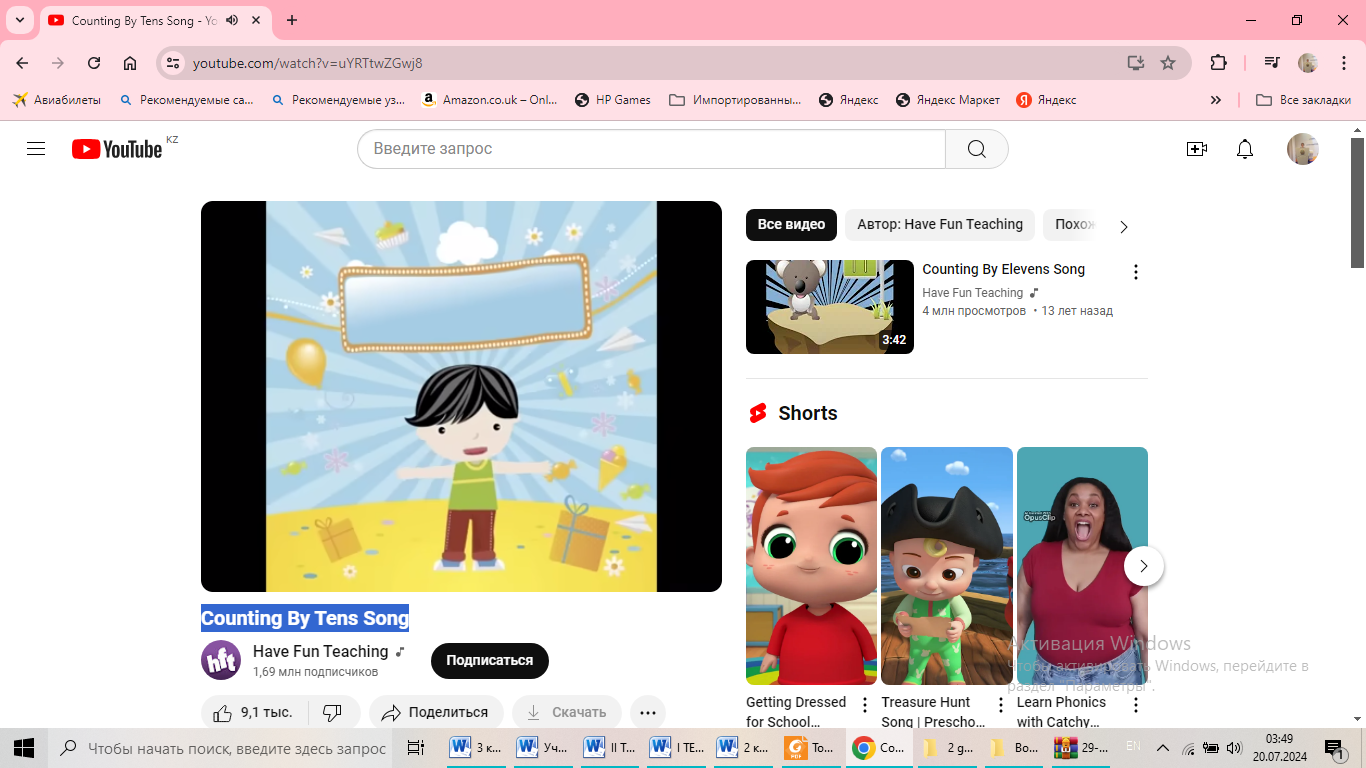
Values Link to Birtutas Tarbiye. Respect & Inspiration: Students learn about role models and why people admire them. Sing A Song : “Counting By Tens Song”
|
Students look at the pictures and repeat and say.
SA: describes the child/children depicted on the chosen picture, by mentioning the age he/she is / they are and the country he/she is / they are from. SB: tries to find out which picture SA has chosen by saying the child’s /children’s name(s).
Listening transcript: Woman: A cat with a hat in a van. /k/, /ӕ/, /t/, cat /h/, /ӕ/, /t/, hat /v/, /ӕ/, /n/, van
|
Oral Assessment
Peer Assessment
Verbal Assessment
|
Key Words
Pictures
Pictures
CD
Listening transcript
Counting By Tens Song https://youtu.be/ uYRTtwZGwj8? si= Be4wj4EOe NzPSg5w
|
||||||
Formative Assessment
Descriptor: A learner:
|
KEY 2. Where is she from? (She’s from Kazakhstan.)
Students do the project and present it. And then ask and answer with his/her partner. |
Verbal Assessment
Peer Assessment
|
Pictures
Handouts
Project work |
||||||
Self-assessment. Ask learners to speak one or two sentences to summarise what they know about the topic. |
|
Self-assessment. |
|
||||||
Homework |
Workbook: Activity 1and 2 |
||||||||
Additional Information |
|
||||||||
Differentiation - how do you plan to give more support? How do you plan to challenge the more able learners? |
Assessment - how are you planning to check learners` learning? |
Health and safety check ICT links |
|
||||||
More support will be given to weaker learners by giving them a modified worksheets in some tasks with greater support |
-through questioning and the redirecting of questioning in feedback activities -through observation in group and end performance activities -through formative task
|
-White board and video are used no more than 10 minutes -Use water-based pens -Health promoting techniques -Breaks and physical activities used. -Points from Safety rules used at this lesson. |
|
||||||
REFLECTION
|
Answer the most relevant questions to reflect on your lesson. Were the lesson objectives/learning objectives realistic? What did the learners learn? What did/didn’t you like? What was difficult? |
|
|||||||
Бұйрық No194 (30.07.2024) – «Біртұтас тәрбие» бағдарламасы.
Бұйрық No123 (26.05.2025) – «Адал азамат» жобасы арқылы адалдық пен әділдікке тәрбиелеу.
Short term plan
Unit: 1 |
Hello English! |
|||||||
Teacher’s name: |
|
|||||||
Date: |
|
|||||||
Class: |
Number present: |
Number absent: |
||||||
Theme of the lesson |
CLIL1: Flags. |
|||||||
Learning objective (s) |
3.1.2.1 recognise familiar words with visual support; 3.3.2.2 deduce the meaning of a word in a picture or icon on a limited range of topics; |
|||||||
Lesson objectives |
|
|||||||
Plan |
||||||||
Stages of the lesson |
Teacher’s activities |
Students’ activities |
Assessment |
Resources |
||||
Greeting
|
Greet students; students respond to greeting and take their places. Hello, boys and girls! How are you? |
|
|
|
||||
Warm-up
Presentation
Practice
Ending the lesson
Feedback |
Recognition exercise.
|
Students find red objects that they might own and hold them up for the rest of the class to see. |
|
Objects |
||||
Activity1. Conveying the meaning of new words.
Values Link to Birtutas Tarbiye. Confidence – Sharing answers helps build self-assurance. Play "Color Stand Up and Jump"
Values Link to Birtutas Tarbiye. Responsibility – Students work alone and take ownership of their answers. Activity 2. Matching activity.
Play a Game: “Alphabet chant”
Play the chant again and encourage Ss to sing along.
Values Link to Birtutas Tarbiye Respect – While checking answers, students listen to and respect others’ responses. |
Students look at the pictures in the vocabulary section.
KEY
|
Verbal Assessment
Oral Assessment
Self-Assessment |
Handouts Key Words
Pictures
Worksheets
https://www. thegamegal. com/2010/11/ 27/alphabet-chant/
|
|||||
Formative Assessment.
Descriptor: A learner:
|
|
|
Handouts |
|||||
Self-Assessment.
|
||||||||
Homework |
Workbook: Activity 1and 2 |
|||||||
Additional Information |
||||||||
Differentiation - how do you plan to give more support? How do you plan to challenge the more able learners? |
Assessment - how are you planning to check learners` learning? |
Health and safety check ICT links |
||||||
More support will be given to weaker learners by giving them a modified worksheets in some tasks with greater support |
-through questioning and the redirecting of questioning in feedback activities -through observation in group and end performance activities -through formative task
|
-White board and video are used no more than 10 minutes -Use water-based pens -Health promoting techniques -Breaks and physical activities used. -Points from Safety rules used at this lesson. |
||||||
REFLECTION
|
Answer the most relevant questions to reflect on your lesson. Were the lesson objectives/learning objectives realistic? What did the learners learn? What did/didn’t you like? What was difficult? |
|||||||
Бұйрық No194 (30.07.2024) – «Біртұтас тәрбие» бағдарламасы.
Бұйрық No123 (26.05.2025) – «Адал азамат» жобасы арқылы адалдық пен әділдікке тәрбиелеу.
Short term plan
Unit: 1 |
Hello English! |
|
|||||||
Teacher’s name: |
|
|
|||||||
Date: |
|
|
|||||||
Class: |
Number present: |
Number absent: |
|
||||||
Theme of the lesson |
Culture page1. Summative Assessment for the unit 1 |
|
|||||||
Learning objective (s) |
3.1.3.1 understand a range of short classroom instructions; 3.3.3.1 understand short, simple instructions used in familiar everyday contexts. |
|
|||||||
Lesson objectives |
|
|
|||||||
Plan |
|
||||||||
Stages of the lesson |
Teacher’s activities |
Students’ activities |
Assessment |
Resources |
|
||||
Greeting
|
Greet students; students respond to greeting and take their places. Hello, boys and girls! How are you? |
|
|
|
|
||||
Warm-up
Practice
Ending the lesson
Reflection |
Group Work. Asking and answering questions.
|
Open Answers |
Verbal Assessment |
Flashcards
Handouts |
|
||||
Activity 1. Read and circle a or b.
Values Link to Birtutas Tarbiye. Respect – While checking answers, students listen to and respect others’ responses. Activity 2. Look and complete.
Values Link to Birtutas Tarbiye. Respect for Knowledge – Understanding different uses of one word shows careful and deep learning. Activity 3. The missing letters.
Play a game. “Spelling Bee”
Values Link to Birtutas Tarbiye. Respect for Knowledge – Understanding different uses of one word shows careful and deep learning. |
. KEY 1.a 2. a 3. b 4. b
KEY B, D, F, G, H, J, K, M, O, P, Q, S, T, V, W, X, Z
KEY b, d, e, g, h, j, l, m, o, q, s, u, v, x, z
SB: to spell the word, as in the example. If SB: spells it correctly, he/she gets a point.
|
Self-Assessment
Peer Assessment |
Reference resources
Handouts
|
|
|||||
Self-reflection. Ask students to think about a couple of things they have learned/remembered at the lesson and share their ideas with the class (with great teacher support)
|
|
|
|
|
|||||
Homework |
Workbook: Activity 1 and 2 |
|
|||||||
Additional Information |
|||||||||
Differentiation - how do you plan to give more support? How do you plan to challenge the more able learners? |
Assessment - how are you planning to check learners` learning? |
Health and safety check ICT links |
|||||||
More support will be given to weaker learners by giving them a modified worksheets in some tasks with greater support |
-through questioning and the redirecting of questioning in feedback activities -through observation in group and end performance activities -through formative task |
-White board and video are used no more than 10 minutes -Use water-based pens -Health promoting techniques -Breaks and physical activities used. -Points from Safety rules used at this lesson. |
|||||||
REFLECTION
|
Answer the most relevant questions to reflect on your lesson. Were the lesson objectives/learning objectives realistic? What did the learners learn? What did/didn’t you like? What was difficult? |
||||||||
Бұйрық No194 (30.07.2024) – «Біртұтас тәрбие» бағдарламасы.
Бұйрық No123 (26.05.2025) – «Адал азамат» жобасы арқылы адалдық пен әділдікке тәрбиелеу.
Short term plan
Unit: 1 |
Hello English! |
|||||||
Teacher’s name: |
|
|||||||
Date: |
|
|||||||
Class: |
Number present: |
Number absent: |
||||||
Theme of the lesson |
Unit revision1 |
|||||||
Learning objective (s) |
3.1.4.1 understand basic personal questions. 3.4.1.1 spell accurately a few high-frequency words; 3.4.2.2 use words and short simple phrases to complete a written text at a sentence level. |
|||||||
Lesson objectives |
|
|||||||
Plan |
||||||||
Stages of the lesson |
Teacher’s activities |
Students’ activities |
Assessment |
Resources |
||||
Greeting
|
Greet students; students respond to greeting and take their places. Hello, boys and girls! How are you? |
|
|
|
||||
Warm-up
Practice
Reflection |
Brainstorming.
|
Students memorise some of the flashcards from previous lessons, close eyes and try to remember which one is missing. |
Oral Assessment |
Flashcards from previous lessons in the module on the board
|
||||
Activity 1. Look and write.
Values Link to Birtutas Tarbiye. Respect for Knowledge – Understanding different uses of one word shows careful and deep learning. Activity 2. Listen and match.
Values Link to Birtutas Tarbiye. Accuracy & Diligence – Careful sentence completion encourages neatness and attention to detail. Listening transcript 1. Man 1: Hi! What’s your name? Boy 1: I’m Jim. Man 1: How old are you, Jim? Boy 1: I’m nine. 2. Man 2: Hello. What’s your name? Girl: Lucy. Man 2: How old are you, Lucy? Girl: I’m eight. 3. Woman: Hello. What’s your name? Boy 2: I’m Gary. Woman: How old are you, Gary? Boy 2: Seven. I’m seven.
Activity 3. Read and write am/is/are. • Explain to Ss that they have to read the sentences and complete them with am/is/are. Values Link to Birtutas Tarbiye. Honesty & accuracy: Students learn to support answers with evidence from the text (not just guessing). |
Key 1. Hello 2. Goodbye 3. Look 4. Listen 5. Come here
Students listen to the recording carefully and match the names to the numbers according to what they hear
Key 1. 9 2. 8 3. 7
Key 1. is, is 2. am 3. are 4. is, is
Key: 1. c 2. e 3. b 4. a 5. f 6. d |
Verbal Assessment
Self-assessment
Self-assessment |
Handouts
CD
Dialogue
Worksheets |
|||||
Self-assessment. Students give feedback to each other. This might be done in oral form. Students reflect on their learning:
|
|
Self-assessment.
|
|
|||||
Homework |
Workbook: Activity 1and 2 |
|||||||
Additional Information |
||||||||
Differentiation - how do you plan to give more support? How do you plan to challenge the more able learners? |
Assessment - how are you planning to check learners` learning? |
Health and safety check ICT links |
||||||
More support will be given to weaker learners by giving them a modified worksheets in some tasks with greater support |
-through questioning and the redirecting of questioning in feedback activities -through observation in group and end performance activities -through formative task
|
-White board and video are used no more than 10 minutes -Use water-based pens -Health promoting techniques -Breaks and physical activities used. -Points from Safety rules used at this lesson. |
||||||
REFLECTION
|
Answer the most relevant questions to reflect on your lesson. Were the lesson objectives/learning objectives realistic? What did the learners learn? What did/didn’t you like? What was difficult? |
|||||||
Бұйрық No194 (30.07.2024) – «Біртұтас тәрбие» бағдарламасы.
Бұйрық No123 (26.05.2025) – «Адал азамат» жобасы арқылы адалдық пен әділдікке тәрбиелеу.
Short term plan
Бұйрық No194 (30.07.2024) – «Біртұтас тәрбие» бағдарламасы.
Бұйрық No123 (26.05.2025) – «Адал азамат» жобасы арқылы адалдық пен әділдікке тәрбиелеу.
Short term plan
Unit: 2 |
My School |
|||||||
Teacher’s name: |
|
|||||||
Date: |
|
|||||||
Class: |
Number present: |
Number absent: |
||||||
Theme of the lesson |
Best Friends: My schoolbag |
|||||||
Learning objective (s) |
3.3.2.1 identify some familiar words and signs on illustrations /pictures in common everyday situations; 3.3.3.2 find out the main points in short simple descriptions with visual support. 3.5.1.11 use has got/ have got; there is/are in a limited range of familiar topics; |
|||||||
Lesson objectives |
|
|||||||
Plan |
||||||||
Stages of the lesson |
Teacher’s activities |
Students’ activities |
Assessment |
Resources |
||||
Greeting
|
Greet students; students respond to greeting and take their places. Hello, boys and girls! How are you? |
|
|
|
||||
Warm-up
|
Phonetic drill T
One and two I and you One and two Who are you? P: I am … ( Pupil’s name) To sing a song in a circle |
|
https://youtu.be /fN1Cyr0ZK9M? si=mFm0cSk 1MCaktpaS
|
|||||
Presentation
Practice
Ending the lesson
Reflection
|
Activity1. Conveying the meaning of new words.
|
Students look at the pictures in the vocabulary section, point to the corresponding pictures and repeat. |
Verbal Assessment |
Textbook
Pictures
|
||||
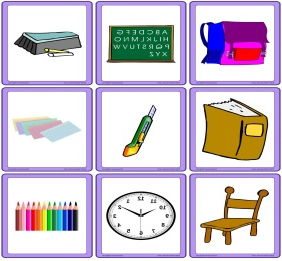
Activity 2. Look at the pictures and answer: What classroom objects have the children got? Then listen and read.
Values Link to Birtutas Tarbiye. Accuracy & Diligence – Careful sentence completion encourages neatness and attention to detail. Activity 3. Match, point and say.
Values Link to Birtutas Tarbiye Perseverance – Checking answers teaches students to correct mistakes without giving up. Game: “What’s in your bag?”
Activity 4. Listen and circle a or b.
Values Link to Birtutas Tarbiye. Perseverance – Checking answers teaches students to correct mistakes without giving up. Formative assessment
Descriptors A learner
|
Key: 1.Where are the children? (At school.) (pointing to frame 2) 2. Has Mia got a red bag? (Yes, she has.) 3. Has Leo got a blue pencil? (No, he hasn’t.) (pointing to frame 3) 4. Has Tom got an apple? (No, he hasn’t.) (pointing to frame 4) 5. Is Zippy sitting on a box? (Yes, he is.)
Keys: a. 3 – It’s a bag. b. 2 – It’s a rubber. c. 1 – It’s a pen.
Listening transcript 1. Woman: You’ve got a bag. Boy: Yes. I’ve got a bag. It’s blue. 2. Girl: I haven’t got a pencil. I’ve got a pen. It’s red. 3. Woman: I’ve got an apple. It’s green. 1. a 2. b 3. b
1.
have 2. haven't
|
Oral Assessment
Self Assessment
Peer Assessment
Self-assessment.
|
Handouts
Worksheets
CD
Worksheets
|
|||||
Yes/No question: Is it pen? Yes/No Is it book? Yes/No
|
Points: 3 4 5
|
|
|
|||||
Homework |
Workbook: Activity 3and 4 |
|||||||
Additional Information |
||||||||
Differentiation - how do you plan to give more support? How do you plan to challenge the more able learners? |
Assessment - how are you planning to check learners` learning? |
Health and safety check ICT links |
||||||
More support will be given to weaker learners by giving them a modified worksheets in some tasks with greater support |
-through questioning and the redirecting of questioning in feedback activities -through observation in group and end performance activities -through formative task
|
-White board and video are used no more than 10 minutes -Use water-based pens -Health promoting techniques -Breaks and physical activities used. -Points from Safety rules used at this lesson. |
||||||
REFLECTION
|
Answer the most relevant questions to reflect on your lesson. Were the lesson objectives/learning objectives realistic? What did the learners learn? What did/didn’t you like? What was difficult? |
|||||||
 :
Come here, children. Let’s make a circle. Listen to me. If I
clap one time, you’ll say “Hello”, if I clap two times
you’ll say “Good morning”, if I clap three times you’ll
give your hands smiling to each other. To give the ball for each
pupil saying this short poem –
:
Come here, children. Let’s make a circle. Listen to me. If I
clap one time, you’ll say “Hello”, if I clap two times
you’ll say “Good morning”, if I clap three times you’ll
give your hands smiling to each other. To give the ball for each
pupil saying this short poem –
Бұйрық No194 (30.07.2024) – «Біртұтас тәрбие» бағдарламасы.
Бұйрық No123 (26.05.2025) – «Адал азамат» жобасы арқылы адалдық пен әділдікке тәрбиелеу.
Short term plan
Unit: 2 |
My school |
|||||||
Teacher’s name: |
|
|||||||
Date: |
|
|||||||
Class: |
Number present: |
Number absent: |
||||||
Theme of the lesson |
Our World: A Strange School. |
|||||||
Learning objective (s) |
3.1.2.1 recognise familiar words with visual support; 3.2.3.1 respond to basic questions with single words or short responses; 3.5.1.7 use demonstrative pronouns this, these, that, and those to indicate things in closed questions with support; |
|||||||
Lesson objectives |
|
|||||||
Plan |
||||||||
Stages of the lesson |
Teacher’s activities |
Students’ activities |
Assessment |
Resources |
||||
Greeting
|
Greet students; students respond to greeting and take their places. Hello, boys and girls! How are you? |
|
|
|
||||
Warm-up
Presentation
Practice
Reflection |
A song: “Objects song”
|
Students listen to the song and try to remember some of the words. |
Verbal Assessment |
https://youtu.be/ 41cJ0mqWses?si =Zduwli57k14il-JU
|
||||
Recognition exercise.
Structures:
|
|
Oral Assessment |
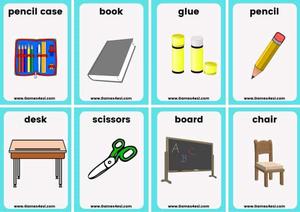
Handouts https:// games4esl.com /wp-content/ uploads/ Classroom-Objects-Flash cards.pdf
Song “What's This?” https://www.youtube. com/watch?v= TARreOtrWUg
|
|||||
Activity 3. Label the pictures.
Values Link to Birtutas Tarbiye. Cooperation & Friendship – Working in pairs helps students learn teamwork and respect for each other’s ideas. Activity 4. Classroom Objects Guessing Game
Values Link to Birtutas Tarbiye. Diligence & Attentiveness – Careful listening develops patience and focus Activity 5. Classroom Objects Worksheet
Values Link to Birtutas Tarbiye. Perseverance – Checking answers teaches students to correct mistakes without giving up. Formative Assessment.
Descriptor: A learner:
|
Students work in pairs
KEY 1.board 2. Bookcase 3. desk 4. Laptop
When all Ss have finished, have some pairs present their exchanges to the whole class. |
Peer Assessment
Verbal Assessment
Self assessment.
|
Tables
Classroom objects
https://games4esl.com/wp-content/uploads/Classroom-Objects-Worksheet-1.pdf
|
|||||
Feedback Ask a pupil to come to the front and close his/her eyes. Give him/her one of the objects to identify. |
|
|
||||||
Homework |
WORKBOOK: Activity 1 and 2 |
|||||||
Additional Information |
||||||||
Differentiation - how do you plan to give more support? How do you plan to challenge the more able learners? |
Assessment - how are you planning to check learners` learning? |
Health and safety check ICT links |
||||||
More support will be given to weaker learners by giving them a modified worksheets in some tasks with greater support |
-through questioning and the redirecting of questioning in feedback activities -through observation in group and end performance activities -through formative task
|
-White board and video are used no more than 10 minutes -Use water-based pens -Health promoting techniques -Breaks and physical activities used. -Points from Safety rules used at this lesson. |
||||||
REFLECTION
|
Answer the most relevant questions to reflect on your lesson. Were the lesson objectives/learning objectives realistic? What did the learners learn? What did/didn’t you like? What was difficult? |
|||||||
Бұйрық No194 (30.07.2024) – «Біртұтас тәрбие» бағдарламасы.
Бұйрық No123 (26.05.2025) – «Адал азамат» жобасы арқылы адалдық пен әділдікке тәрбиелеу.
Short term plan
Unit: 2 |
My School |
|||||||
Teacher’s name: |
|
|||||||
Date: |
|
|||||||
Class: |
Number present: |
Number absent: |
||||||
Theme of the lesson |
Play and Write: My Classroom |
|||||||
Learning objective (s) |
3.1.2.1 recognise familiar words with visual support 3.5.1.3 use cardinal numbers 1-10; 11 - 20; 21 – 100 to count 3.5.1.14 use basic prepositions of place. 3.5.1.11 use has got/ have got; there is/are in a limited range of familiar topics; |
|||||||
Lesson objectives |
|
|||||||
Plan |
||||||||
Stages of the lesson |
Teacher’s activities |
Students’ activities |
Assessment |
Resources |
||||
Greeting
|
Greet students; students respond to greeting and take their places. Hello, boys and girls! How are you? |
|
|
|
||||
Warm-up
Presentation
Practice
Reflection
|
Teach numbers 11-20. A song “Counting 11 to 20”
|
Students chorus each number in turn (11, 12, 13, etc.) and run through 11-20 a few times, each time getting faster and faster |
Oral Assessment |
https://youtu.be /NVdupTP4N5Q ?si=9Bx630R6 Oug4KyFK
|
||||
Conveying the meaning of new words. Matching task. Look at the picture and say.
|
. KEY Furniture: bed, table, sofa Noun: box |
Self Assessment |
Handouts
Pictures
CD
|
|||||
Activity 2. Physical Training.
Structures:
LISTENING Task 1. Listen and number the pictures.
Play "Stand in the right order" Next give each student a number sheet from the board. If you have more than 10 students make more numbers so you have two groups. For less than 10 students, give out more sheets per student but make sure the numbers they have are in sequence (e.g. give a student numbers 14 and 15, not 14 and 18). Now tell your students to stand in a line in the right order. Everyone has to shuffle around until they are standing and holding their numbers in order 11-20. Now, get the class to shout out their numbers from 11-20, down the line. Make it a game – each round try and do it faster than the last! WRITING. Task 2. Write the name of the objects. Teacher reads the words
Descriptor: A learner:
|
Students work in pairs to practice
Values Link to Birtutas Tarbiye Respect for Knowledge – Using grammar correctly shows respect for language and communication.
Key: writes № 1 for A writes № 2 for C writes № 3 for B writes № 4 for D
Values Link to Birtutas Tarbiye Respect for Knowledge – Using grammar correctly shows respect for language and communication.
Students write these words. |
Peer Assessment
Self- Assessment
Self assessment |
https://youtu. beDGwh iwwxXA ?si=G1ZU JuWnuCu YtYMi
Textbook
Handouts
CD
Worksheets |
|||||
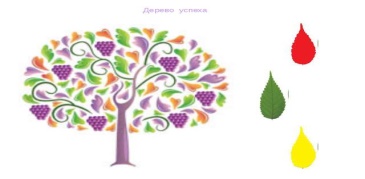
TREE OF SUCCESS Green leaf - I totally understand Yellow leaf - I understand the lesson but I need some helps Red leaf - I don't understand |
|
|
||||||
Homework |
Activity 3 and 4 |
|||||||
Additional Information |
||||||||
Differentiation - how do you plan to give more support? How do you plan to challenge the more able learners? |
Assessment - how are you planning to check learners` learning? |
Health and safety check ICT links |
||||||
More support will be given to weaker learners by giving them a modified worksheets in some tasks with greater support |
-through questioning and the redirecting of questioning in feedback activities -through observation in group and end performance activities -through formative task
|
-White board and video are used no more than 10 minutes -Use water-based pens -Health promoting techniques -Breaks and physical activities used. -Points from Safety rules used at this lesson. |
||||||
REFLECTION
|
Answer the most relevant questions to reflect on your lesson. Were the lesson objectives/learning objectives realistic? What did the learners learn? What did/didn’t you like? What was difficult? |
|||||||
Бұйрық No194 (30.07.2024) – «Біртұтас тәрбие» бағдарламасы.
Бұйрық No123 (26.05.2025) – «Адал азамат» жобасы арқылы адалдық пен әділдікке тәрбиелеу.
Short term plan
Unit: 2 |
My School |
||||||||
Teacher’s name: |
|
||||||||
Date: |
|
||||||||
Class: |
Number present: |
Number absent: |
|||||||
Theme of the lesson |
CLIL: Calculations. Summative Assessment for the unit 2 |
||||||||
Learning objective (s) |
3.1.2.1 recognise familiar words with visual support 3.3.2.1 identify some familiar words and signs on illustrations /pictures in common everyday situations; |
||||||||
Lesson objectives |
|
||||||||
Plan |
|||||||||
Stages of the lesson |
Teacher’s activities |
Students’ activities |
Assessment |
Resources |
|||||
Greeting
|
Greet students; students respond to greeting and take their places. Hello, boys and girls! How are you? |
|
|
|
|||||
Warm-up
Presentation
Practice
Ending the lesson
Reflection
|
Prediction based on the title, pictures. Skimming.
|
Open Answer
|
|
Pictures |
|||||
|
Students |
Oral assessment
|
Handouts |
||||||
Game “BINGO” T gives a flashcard with jumbled numbers of a game for every learner, they should listen to the Teacher very carefully
After
that, instruct Ss to do the sums. Have Ss check their answers in
pairs first, then as a class Choose some Ss to say the sums in
English.
Formative Assessment.
e.g. 8 + 5 =
Descriptor: A learner:
|
Students point and repeat.
KEY a.
fifteen
Values Link to Birtutas Tarbiye Accuracy & Diligence – Careful sentence completion encourages neatness and attention to detail
Values Link to Birtutas Tarbiye Independence & Responsibility – Students work alone, showing personal responsibility for learning
KEY A. 6 + 8 = 14 (six plus eight equals fourteen) B. 19 - 6 = 13 (nineteen minus six equals thirteen)
Students write and read
|
Verbal assessment
Self-assessment
Self assessment |
Worksheets
Handouts
Pictures
Worksheets |
||||||
FEEDBACK There smiley faces are on the board. (happy and sad) T. suggests choosing any smiley face. |
Ss will choose one and put on their desks.
|
|
|||||||
Homework |
WORKBOOK: Activity 1 and 2 |
||||||||
Additional Information |
|
||||||||
Differentiation - how do you plan to give more support? How do you plan to challenge the more able learners? |
Assessment - how are you planning to check learners` learning? |
Health and safety check ICT links |
|
||||||
More support will be given to weaker learners by giving them a modified worksheets in some tasks with greater support |
-through questioning and the redirecting of questioning in feedback activities -through observation in group and end performance activities -through formative task |
-White board and video are used no more than 10 minutes -Use water-based pens -Health promoting techniques -Breaks and physical activities used. -Points from Safety rules used at this lesson. |
|
||||||
REFLECTION
|
Answer the most relevant questions to reflect on your lesson. Were the lesson objectives/learning objectives realistic? What did the learners learn? What did/didn’t you like? What was difficult? |
|
|||||||


Бұйрық No194 (30.07.2024) – «Біртұтас тәрбие» бағдарламасы.
Бұйрық No123 (26.05.2025) – «Адал азамат» жобасы арқылы адалдық пен әділдікке тәрбиелеу.
Short term plan
Unit: 2 |
My School |
||||||||
Teacher’s name: |
|
||||||||
Date: |
|
||||||||
Class: |
Number present: |
Number absent: |
|||||||
Theme of the lesson |
Unit revision 2 |
||||||||
Learning objective (s) |
3.1.4.1 understand basic personal questions. 3.4.1.1 spell accurately a few high-frequency words 3.4.2.2 use words and short simple phrases to complete a written text at a sentence level; |
||||||||
Lesson objectives |
|
||||||||
Plan |
|||||||||
Stages of the lesson |
Teacher’s activities |
Students’ activities |
Assessment |
Resources |
|||||
Greeting
|
Greet students; students respond to greeting and take their places. Hello, boys and girls! How are you? |
|
|
|
|||||
Warm-up
Practice
Ending the lesson
Reflection
|
Brainstorming.
|
Open Answer
|
|
|
|||||
Activity 1. Look and write.
Values Link to Birtutas Tarbiye. Respect & Cooperation – Students practise listening, sharing, and respecting different Activity 2. Listen and circle a or b.
Listening
transcript Boy: It’s my rubber. It’s blue and green. 2. Woman: Where’s your bag? Girl: It’s on the sofa. 3. Man: How old are you, Anna? Girl: I’m fifteen. Values
Link to Birtutas
Tarbiye. Responsibility
– Each student contributes to the pair’s answers, showing
accountability for learnin
|
KEY 1.
table 2. Close your book!
Key
Key: 1.
this 2. Those |
Self-assessment |
Worksheets
CD |
||||||
Matching pictures
|
|||||||||
FEEDBACK
|
|
|
|
||||||
Homework |
Workbook: Activity 1 and 2 |
||||||||
Additional Information |
|
||||||||
Differentiation - how do you plan to give more support? How do you plan to challenge the more able learners? |
Assessment - how are you planning to check learners` learning? |
Health and safety check ICT links |
|
||||||
More support will be given to weaker learners by giving them a modified worksheets in some tasks with greater support |
-through questioning and the redirecting of questioning in feedback activities -through observation in group and end performance activities -through formative task
|
-White board and video are used no more than 10 minutes -Use water-based pens -Health promoting techniques -Breaks and physical activities used. -Points from Safety rules used at this lesson. |
|
||||||
REFLECTION
|
Answer the most relevant questions to reflect on your lesson. Were the lesson objectives/learning objectives realistic? What did the learners learn? What did/didn’t you like? What was difficult? |
|
|||||||
Бұйрық No194 (30.07.2024) – «Біртұтас тәрбие» бағдарламасы.
Бұйрық No123 (26.05.2025) – «Адал азамат» жобасы арқылы адалдық пен әділдікке тәрбиелеу.
Short term plan









 Бұл курс Қазақстан Республикасы Оқу-ағарту министрлігімен келісілген










