Approved____________ Short term plan: term 4
Unit 8: Food and drink |
Lesson 84 |
||
Teacher name:Tussibekova M M |
|
||
Date: 7.04.2026 |
|
||
Grade: 8 A |
Number present: |
absent: |
|
Lesson title |
Vocabulary Adjectives describing food and drink |
||
Learning objectives
|
8.1.6.1 organize and present information clearly to others 8.6.8.1 use a growing variety of future forms including present continuous and present simple with future meaning on a range of familiar general and curricular topics |
||
Lesson objectives |
Learners will be able to: -learn adjectives, to describe food and drink. - listen to a game show. - talk about dishes I would like to try, unusual dishes and my favourite dishes. |
||
Value links |
Қоғамдағы әлеуметтік нормаларды, ережелерді білу және түсіну |
||
Plan |
|||
Stages / Time |
Teachers actions |
Students actions |
Assessment criteria |
Resources |
Beginning of the lesson Warming-up

3 min.
Pre-learning «Brainstorming» method 7 min.
|
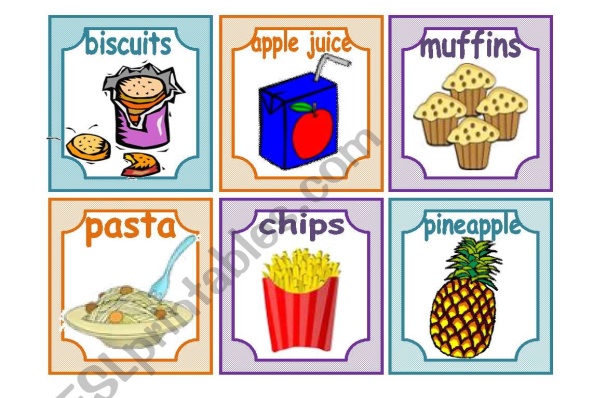
Organization moment : 1.Greeting. Ask about the weather. The teacher sets the lesson objectives, letting students know what to anticipate from the lesson. Warming up Books closed. Write adjectives describing food on the board. Elicit adjectives used to describe reactions to the taste of food. Students might produce words like nice, tasty or horrible Lead – In
|
The aim: To develop pupils speaking skills and create friendly atmosphere Students of the class are listed.
Students' attention is drawn to the lesson.
Students say different words from the picture
•Learners remember previous lesson vocabulary
•Learners answer the questions
|
The teacher to assess learners for their ability. “Good job! Well done!” Formative Assessment

Good job! Descriptor: - remembers the lesson passed Point 1 Assessment criteria make basic statements related to personal information, people and objects on familiar topics and a treasure hunt |
Pictures
worksheet
Picture |
Middle of the lesson Presentation part. 30 min
|
Ex:1 P90 • Ask students to open their books at page 90. Put students into pairs to match the adjectives in bold with the definitions. Check answers. Once you have checked answers, refer students to the use of mmm in sentences 2 and 5 and yuk in sentence 8. Mm, which can also be written mmm, is an exclamation used to express contentment, pleasure, agreement or uncertainty. Ex: 2 P: 90 • Read out the question, then put students into pairs to answer it. Check answers. You could then ask students to name food items or dishes which are salty, spicy, etc. To extend the work on the vocabulary, you could ask students to turn to the Vocabulary bank on page 128 and do the exercises for Adjectives describing food. Ex: 3 P: 90 • Refer students to the photos of the dishes. You could then either put students into pairs to describe the dishes using the adjectives which were introduced in Exercise 1, or elicit descriptions from the class as a whole. Ex: 5 P: 90 Refer students to the notes. Make sure that students understand that they should circle the correct answer or complete gaps. Play the recording for students to do the exercise. Check answers. Conclusion during the lesson some tasks differentiated by outcomes of the students and by their abilities. |
• Learners match the adjectives in bold with the definitions (a–j). Then listen, check and repeat ANSWERS a sweet b salty c spicy d disgusting e delicious f bland g crunchy h slimy I savoury j bitter • Learners which adjectives in Exercise 1 describe a) taste, b) texture (how they feel in your mouth) and c) a good or bad opinion? ANSWERS a) taste: salty, spicy, bland, sweet, bitter, savoury b) texture: crunchy, slimy c) good and bad opinion: delicious, disgusting • Learners work with a partner. Look at the photos. Use adjectives from Exercise 1 to describe each dish ANSWERS chapulines (grasshoppers) • Learners listen again and copy and complete the notes for each dish ANSWERS 1 a jellyfish b Vietnam c sweet, (a bit) spicy, disgusting, slimy 2 a cockscombs b Italy c light, crunchy, (a bit) bland, crunchy (on the outside), (a bit) soft (on the inside) 3 a grasshoppers b Mexico c salty, spicy, crunchy, perfect, delicious |
Descriptor: - match the adjectives in bold - listen, check and repeat Total: 2 point
Self assessment
Differentiation: «Verbal support» method is used to help Ss use new words in the sentences.
Descriptor: - work with a partner. - use adjectives Total: 2 point
Descriptor: - listen again and copy - complete the notes for each Total: 2 point
-Make CCQ questions Yes / No |

Card Worksheet
Students book |

End of the lesson 5 min |
FEEDBACK Learners provide feedback on what they have learned at the lesson.
|
|
Poster Success
|
|
жүктеу мүмкіндігіне ие боласыз
Бұл материал сайт қолданушысы жариялаған. Материалдың ішінде жазылған барлық ақпаратқа жауапкершілікті жариялаған қолданушы жауап береді. Ұстаз тілегі тек ақпаратты таратуға қолдау көрсетеді. Егер материал сіздің авторлық құқығыңызды бұзған болса немесе басқа да себептермен сайттан өшіру керек деп ойласаңыз осында жазыңыз
Vocabulary Adjectives Describing food and drink
Approved____________ Short term plan: term 4
Unit 8: Food and drink |
Lesson 84 |
||
Teacher name:Tussibekova M M |
|
||
Date: 7.04.2026 |
|
||
Grade: 8 A |
Number present: |
absent: |
|
Lesson title |
Vocabulary Adjectives describing food and drink |
||
Learning objectives
|
8.1.6.1 organize and present information clearly to others 8.6.8.1 use a growing variety of future forms including present continuous and present simple with future meaning on a range of familiar general and curricular topics |
||
Lesson objectives |
Learners will be able to: -learn adjectives, to describe food and drink. - listen to a game show. - talk about dishes I would like to try, unusual dishes and my favourite dishes. |
||
Value links |
Қоғамдағы әлеуметтік нормаларды, ережелерді білу және түсіну |
||
Plan |
|||
Stages / Time |
Teachers actions |
Students actions |
Assessment criteria |
Resources |
Beginning of the lesson Warming-up
3 min.
Pre-learning «Brainstorming» method 7 min.
|
Organization moment : 1.Greeting. Ask about the weather. The teacher sets the lesson objectives, letting students know what to anticipate from the lesson. Warming up Books closed. Write adjectives describing food on the board. Elicit adjectives used to describe reactions to the taste of food. Students might produce words like nice, tasty or horrible Lead – In
|
The aim: To develop pupils speaking skills and create friendly atmosphere Students of the class are listed.
Students' attention is drawn to the lesson.
Students say different words from the picture
•Learners remember previous lesson vocabulary
•Learners answer the questions
|
The teacher to assess learners for their ability. “Good job! Well done!” Formative Assessment
Good job! Descriptor: - remembers the lesson passed Point 1 Assessment criteria make basic statements related to personal information, people and objects on familiar topics and a treasure hunt |
Pictures
worksheet
Picture |
Middle of the lesson Presentation part. 30 min
|
Ex:1 P90 • Ask students to open their books at page 90. Put students into pairs to match the adjectives in bold with the definitions. Check answers. Once you have checked answers, refer students to the use of mmm in sentences 2 and 5 and yuk in sentence 8. Mm, which can also be written mmm, is an exclamation used to express contentment, pleasure, agreement or uncertainty. Ex: 2 P: 90 • Read out the question, then put students into pairs to answer it. Check answers. You could then ask students to name food items or dishes which are salty, spicy, etc. To extend the work on the vocabulary, you could ask students to turn to the Vocabulary bank on page 128 and do the exercises for Adjectives describing food. Ex: 3 P: 90 • Refer students to the photos of the dishes. You could then either put students into pairs to describe the dishes using the adjectives which were introduced in Exercise 1, or elicit descriptions from the class as a whole. Ex: 5 P: 90 Refer students to the notes. Make sure that students understand that they should circle the correct answer or complete gaps. Play the recording for students to do the exercise. Check answers. Conclusion during the lesson some tasks differentiated by outcomes of the students and by their abilities. |
• Learners match the adjectives in bold with the definitions (a–j). Then listen, check and repeat ANSWERS a sweet b salty c spicy d disgusting e delicious f bland g crunchy h slimy I savoury j bitter • Learners which adjectives in Exercise 1 describe a) taste, b) texture (how they feel in your mouth) and c) a good or bad opinion? ANSWERS a) taste: salty, spicy, bland, sweet, bitter, savoury b) texture: crunchy, slimy c) good and bad opinion: delicious, disgusting • Learners work with a partner. Look at the photos. Use adjectives from Exercise 1 to describe each dish ANSWERS chapulines (grasshoppers) • Learners listen again and copy and complete the notes for each dish ANSWERS 1 a jellyfish b Vietnam c sweet, (a bit) spicy, disgusting, slimy 2 a cockscombs b Italy c light, crunchy, (a bit) bland, crunchy (on the outside), (a bit) soft (on the inside) 3 a grasshoppers b Mexico c salty, spicy, crunchy, perfect, delicious |
Descriptor: - match the adjectives in bold - listen, check and repeat Total: 2 point
Self assessment
Differentiation: «Verbal support» method is used to help Ss use new words in the sentences.
Descriptor: - work with a partner. - use adjectives Total: 2 point
Descriptor: - listen again and copy - complete the notes for each Total: 2 point
-Make CCQ questions Yes / No |
Card Worksheet
Students book |
End of the lesson 5 min |
FEEDBACK Learners provide feedback on what they have learned at the lesson.
|
|
Poster Success
|
|
шағым қалдыра аласыз