Short term plan: term 2
|
Unit: 3 Values |
Lesson 25 |
||
|
School |
93 school lyceum |
||
|
Teacher name: |
Assylbekkyzy T. |
||
|
Date: |
|||
|
Grade: 5B |
Number present: |
absent: |
|
|
Lesson title |
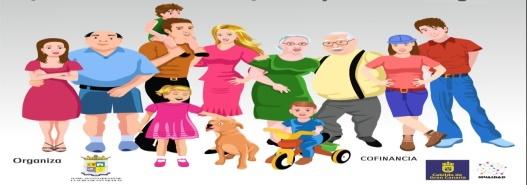
Vocabulary: The family |
||
|
Learning objectives |
5. 3. 5. 1 attempt to communicate in the exchange of information at the basic level within the framework of various general and educational topics; 5. 6. 1. 1 appropriate use of appropriate countable and uncountable nouns, including common phrases describing time and location, on a number of familiar general and educational topics; |
||
|
Lesson objectives |
Learners will be able to: - present vocabulary for family members - practise vocabulary for family members and present 's genitive/whose
-
practise 's genitive/whose |
||
|
Values and its purpose: |
Justice and Responsibility For any type of service or activity take responsibility |
||
|
Plan |
|||
|
Stages / Time |
Teachers actions |
Students actions |
Assessment criteria |
Resources |
|
Beginning of the lesson Warming-up

3 min. Pre-learning «Brainstorming» method 7 min.
|
Organization moment : 1.Greeting. Ask about the weather. The teacher sets the lesson objectives, letting students know what to anticipate from the lesson. Warm up Spot the word Put a long word up on the board, ideally to do with a topic you’ve been covering, something with at least nine letters. Then set learners a time limit to see how many words they can create from that word. The beauty of this game is that it can keep going for as long or as little as you want it too. Lead – In
|
Learners read the given sentences on the board and guess the topic and share with their ideas. Students say different words from the picture Learners remember previous lesson vocabulary Learners answer the questions What time do you get up every morning? What time do you go to school? What do you do after the lesson? |
Teacher controles the process, gives feedback and asks additional questions if it’s nessasery. Teacher evaluate pupils with phrases like: “Good job! Well done!” Formative Assessment Good job!
|
Pictures worksheet Picture |
|
Middle of the lesson Presentation part. 30 min
|
Ex:1 P:33 Play the recording. Ss listen and repeat chorally or individually. Elicit the L1 equivalents from Ss around the class. Ex: 2 P: 33 Direct Ss' attention to the family tree and explain the task. Ss complete the task. Check Ss' answers. Ss close their books. To present 's genitive/whose, start by pointing to a student and saying: Who's [Bill]? (He's [Mario's] brother/best friend, etc.) Write it on the board. Then point to a student's book and say: Whose book is this? (It's [Paula's].) Write it on the board. Indicate some desks in the classroom and say: (Whose desks are these? They are the student's desks.) Write it on the board. Say then write: Who's the children's teacher? (I'm the children's teacher.) Ex: 3 P: 33 Ask two students to read out the example exchange about Sue's family while the rest of the class follow in their books. Ss then ask and answer in pairs about Sue's family, using the pictures and vocabulary in Exs. 1 and 2 to extend the activity. Monitor the activity around the class and help as necessary. |
Learners listen and repeat. ANSWERS Students’ own answer Learners look at Sue’s family tree. Use the words above tom complete the sentences. ANSWERS 2 cousin, her cousin 3 son, their son 4 grandma, her grandma 5 aunt, her aunt 6 nephew, his nephew 7 mum, their mum 8 father-in-law, his father-in-law Learners ask and answer ANSWERS A: Who's John? B: He's Sue's brother. Whose dad is Sam? A: He's Kate and Claire's dad. Whose sister is Kate? B: She's Claire's sister. Who's Mark? A: He's Mary's husband. Who's Ann? B: She's Steve's wife, etc. |
Descriptor: -Listen and repeat
Total: 3 point
Self assessment Descriptor: - attention to the family tree - complete the sentences Total: 3 point Descriptor: - read out the example - ask and answer in pairs Total: 3 point -Make CCQ questions Yes / No
|
Card Worksheet Students book |
|
End of the lesson 5 min |
FEEDBACK Learners provide feedback on what they have learned at the lesson. Ex: P: Home task: Write the days |
What worked well for you in today’s class? What could we have done differently to make today’s class better for you? What are you wondering about after today’s lesson? What did you find difficult about today’s lesson? |
Poster Success
|
|
жүктеу мүмкіндігіне ие боласыз
Бұл материал сайт қолданушысы жариялаған. Материалдың ішінде жазылған барлық ақпаратқа жауапкершілікті жариялаған қолданушы жауап береді. Ұстаз тілегі тек ақпаратты таратуға қолдау көрсетеді. Егер материал сіздің авторлық құқығыңызды бұзған болса немесе басқа да себептермен сайттан өшіру керек деп ойласаңыз осында жазыңыз
Vocabulary: The family
Short term plan: term 2
|
Unit: 3 Values |
Lesson 25 |
||
|
School |
93 school lyceum |
||
|
Teacher name: |
Assylbekkyzy T. |
||
|
Date: |
|||
|
Grade: 5B |
Number present: |
absent: |
|
|
Lesson title |
Vocabulary: The family |
||
|
Learning objectives |
5. 3. 5. 1 attempt to communicate in the exchange of information at the basic level within the framework of various general and educational topics; 5. 6. 1. 1 appropriate use of appropriate countable and uncountable nouns, including common phrases describing time and location, on a number of familiar general and educational topics; |
||
|
Lesson objectives |
Learners will be able to: - present vocabulary for family members - practise vocabulary for family members and present 's genitive/whose
-
practise 's genitive/whose |
||
|
Values and its purpose: |
Justice and Responsibility For any type of service or activity take responsibility |
||
|
Plan |
|||
|
Stages / Time |
Teachers actions |
Students actions |
Assessment criteria |
Resources |
|
Beginning of the lesson Warming-up
3 min. Pre-learning «Brainstorming» method 7 min.
|
Organization moment : 1.Greeting. Ask about the weather. The teacher sets the lesson objectives, letting students know what to anticipate from the lesson. Warm up Spot the word Put a long word up on the board, ideally to do with a topic you’ve been covering, something with at least nine letters. Then set learners a time limit to see how many words they can create from that word. The beauty of this game is that it can keep going for as long or as little as you want it too. Lead – In
|
Learners read the given sentences on the board and guess the topic and share with their ideas. Students say different words from the picture Learners remember previous lesson vocabulary Learners answer the questions What time do you get up every morning? What time do you go to school? What do you do after the lesson? |
Teacher controles the process, gives feedback and asks additional questions if it’s nessasery. Teacher evaluate pupils with phrases like: “Good job! Well done!” Formative Assessment Good job!
|
Pictures worksheet Picture |
|
Middle of the lesson Presentation part. 30 min
|
Ex:1 P:33 Play the recording. Ss listen and repeat chorally or individually. Elicit the L1 equivalents from Ss around the class. Ex: 2 P: 33 Direct Ss' attention to the family tree and explain the task. Ss complete the task. Check Ss' answers. Ss close their books. To present 's genitive/whose, start by pointing to a student and saying: Who's [Bill]? (He's [Mario's] brother/best friend, etc.) Write it on the board. Then point to a student's book and say: Whose book is this? (It's [Paula's].) Write it on the board. Indicate some desks in the classroom and say: (Whose desks are these? They are the student's desks.) Write it on the board. Say then write: Who's the children's teacher? (I'm the children's teacher.) Ex: 3 P: 33 Ask two students to read out the example exchange about Sue's family while the rest of the class follow in their books. Ss then ask and answer in pairs about Sue's family, using the pictures and vocabulary in Exs. 1 and 2 to extend the activity. Monitor the activity around the class and help as necessary. |
Learners listen and repeat. ANSWERS Students’ own answer Learners look at Sue’s family tree. Use the words above tom complete the sentences. ANSWERS 2 cousin, her cousin 3 son, their son 4 grandma, her grandma 5 aunt, her aunt 6 nephew, his nephew 7 mum, their mum 8 father-in-law, his father-in-law Learners ask and answer ANSWERS A: Who's John? B: He's Sue's brother. Whose dad is Sam? A: He's Kate and Claire's dad. Whose sister is Kate? B: She's Claire's sister. Who's Mark? A: He's Mary's husband. Who's Ann? B: She's Steve's wife, etc. |
Descriptor: -Listen and repeat
Total: 3 point
Self assessment Descriptor: - attention to the family tree - complete the sentences Total: 3 point Descriptor: - read out the example - ask and answer in pairs Total: 3 point -Make CCQ questions Yes / No
|

Card Worksheet Students book |
|
End of the lesson 5 min |
FEEDBACK Learners provide feedback on what they have learned at the lesson. Ex: P: Home task: Write the days |
What worked well for you in today’s class? What could we have done differently to make today’s class better for you? What are you wondering about after today’s lesson? What did you find difficult about today’s lesson? |
Poster Success

|

|
шағым қалдыра аласыз