
 ЖИ көмекші


жүктеу мүмкіндігіне ие боласыз
Бұл материал сайт қолданушысы жариялаған. Материалдың ішінде жазылған барлық ақпаратқа жауапкершілікті жариялаған қолданушы жауап береді. Ұстаз тілегі тек ақпаратты таратуға қолдау көрсетеді. Егер материал сіздің авторлық құқығыңызды бұзған болса немесе басқа да себептермен сайттан өшіру керек деп ойласаңыз осында жазыңыз
 24 Ақпан 2025
 98
98
Weather
|
Unit: 5 Hot and Cold |
Lesson 1 |
||
|
Teacher name: |
Matova Shynar |
||
|
Date: |
09.01.25 10.01.25 |
||
|
Grade: 4 Б В |
Number present: |
absent: |
|
|
Lesson title |
Weather 1 |
||
|
Learning objectives |
4.1.9.1 understand spoken words related to a limited range of general and educational topics; 4.2.1.1 compose simple sentences about oneself on a wide range of general topics; |
||
|
Lesson objectives |
All learners will be able to: recognise and use some target language correctly and show comprehension of some written and spoken familiar words in simple sentences, talk about the weather; to talk about summer and winter activities Most learners will be able to: recognise and use most target language correctly and show comprehension of most written and spoken familiar words in simple sentences talk about the weather; to talk about summer and winter activities Some learners will be able to: recognise and use target language correctly with clear pronunciation and good comprehension of written and spoken familiar words in simple sentences talk about the weather; to talk about summer and winter activities
|
||
|
Plan |
|||
|
Stages / Time |
Teachers actions |
Students actions |
Assessment criteria |
Resources |
|
Beginning of the lesson Warming-up 3 min.
Pre-learning «Brainstorming» method 7 min.
|
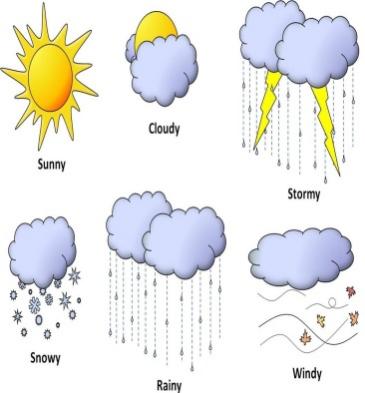
Organization moment : 1.Greeting. Ask about the weather. The teacher sets the lesson objectives, letting students know what to anticipate from the lesson. Warming up Where are you from? How old are you? What color is it? How many students are there in class? What day of the week today? Lead – In
|
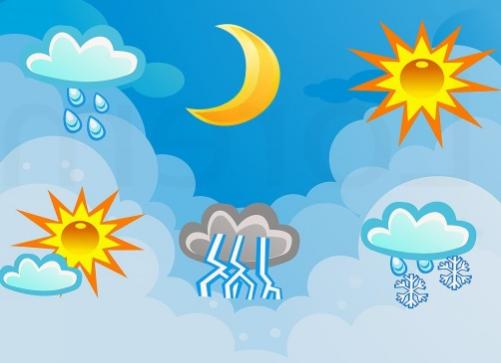
The aim: To develop pupils speaking skills and create friendly atmosphere Efficiency: By wishing each other they feel better and feel the support of others Students of the class are listed. Students' attention is drawn to the lesson. Students say different words from the picture • Student’s activity with special educational needs 3. Read and write summer or winter activity. 1. swimming _________________ 2. skiing _________________ 3. surfing _________________ 4. skating _______________ •Learners answer the questions What is the weather today? What was the weather yesterday? |
The teacher to assess learners for their ability. “Good job! Well done!” Formative Assessment
Good job! Descriptor: - remembers the lesson passed Point 1 |
Pictures worksheet Picture |
|
Middle of the lesson Presentation part. 30 min
|
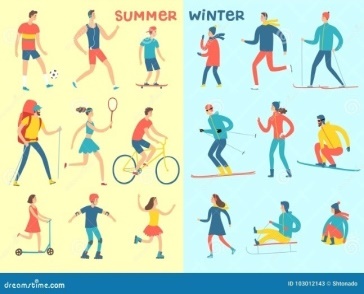
Ex:1 P:69 • Look at the picture. Answer the questions. Refer the pupils to the pictures and have a picture discussion. Elicit what season it is, what's the weather like, what the children are doing and what they're wearing (e.g. Is it winter or summer? Is it cold or hot? etc). Explain the activity. Go through the questions and elicit/explain any unknown vocabulary. Allow the pupil's some time to answer the questions. Check their answers. Value links Family – Family values are moral and ethical principles of typical family life, including sacrificing for loved ones, putting your loved ones first, and keeping your loved ones at the centre of your thoughts and actions. Ex: 2 P: 69 • Put the flashcards up on the board. Point to the flashcards, one at a time, and say the corresponding phrases. The pupils repeat chorally and/or individually. Point to them in random order. Ask individual pupils to name them. Ask the rest of the class for verification. Play the CD. The pupils listen, point to the words and repeat. If you wish, play the CD again pausing after each phrase. The pupils repeat chorally and/or individually Ex: 3 P: 69 Write on the board a summer activity and a winter activity. Ask the pupils What do you do in summer? Elicit answers (e.g. I go swimming.). Give verification to the pupils by saying (Swimming) is a summer activity. Repeat the same in order to elicit winter activities. Explain the activity. Go through the prompts and elicit/explain any unknown words. Allow the pupils some time to complete the activity. Check their answers. Conclusion during the lesson some tasks differentiated by outcomes of the students and by their abilities. |
• learners look at the picture and answer the question ANSWERS 1 It's winter. 2 It's cold. 3 They're wearing jackets, helmets and gloves. 4 New Year. Student’s activity with special educational needs . Look, read and match. Then write sentences. Use must / mustn’t. • wear a hat on hot sunny days • make a campfire near trees • climb trees • have a map with us • pick flowers • take eggs from birds’ nests • learners listen, point and repeat ANSWERS Students own answer
• learners read and match. Then say. ANSWERS A summer activity: surfing, skating, camping A winter activity: skiing, snowboarding
|
Descriptor: - look at the picture - answer the question Total: 3 point
Self assessment
Differentiation:«Verbal support» method is used to help Ss use new words in the sentences. Descriptor: - point to the flashcards - ask individual to name them Total: 3 point Descriptor: - read and match Total: 3 point -Make CCQ questions Yes / No |
Card Worksheet Students book |
|
End of the lesson 5 min |
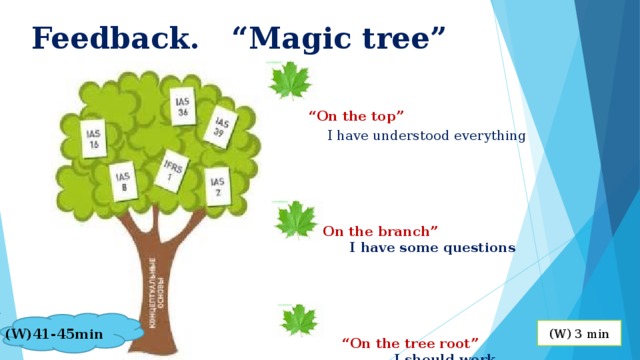
FEEDBACK Learners provide feedback on what they have learned at the lesson. Ex: P: Home task: Write the days |
|
Poster Success |
|


|
Additional information |
||
|
Differentiation – how do you plan to give more support? How do you plan to challenge the more able learners? |
Assessment – how are you planning to check learners’ learning? |
Follow health and safety practices |
|
Differentiation can be achieved by task (selection of learning materials and resources based on student strengths). By support. Less able learners will be supported through step-by-step instructions, graphic organizers, sentence frames, glossaries, thinking time. Small group learning. By outcome providing challenge, variety and choice. |
Observe learners when participating in use of English activities. Record what they considered they had learned from the lesson. Could they express what they had learned about content and language? Could they express which skills they had developed? Formative assessment is held through observation/monitoring. |
1.I pay close attention to the health of students during the lesson and pay special attention to them. I take into account the points of the rules of safety equipment used in this lesson 2. I use refreshing exercises and active types of work in class. All tasks are age-specific of children |

 Жүктеу


 Жүктеу
шағым қалдыра аласыз

 Бұл курс Қазақстан Республикасы Оқу-ағарту министрлігімен келісілген










