
 ЖИ көмекші


 Қауіпсіз төлем

жүктеу мүмкіндігіне ие боласыз
Бұл материал сайт қолданушысы жариялаған. Материалдың ішінде жазылған барлық ақпаратқа жауапкершілікті жариялаған қолданушы жауап береді. Ұстаз тілегі тек ақпаратты таратуға қолдау көрсетеді. Егер материал сіздің авторлық құқығыңызды бұзған болса немесе басқа да себептермен сайттан өшіру керек деп ойласаңыз осында жазыңыз
 19 Желтоқсан 2024
 154
154
1 жыл бойы шексіз жүктеңіз
4 grade Student's book
Short term plan
|
Unit: 1 Kazakhstan in the World of Sport |
Lesson 1 |
||
|
|
School: |
||
|
Teacher’s name: |
|
||
|
Date: |
|
||
|
Grade: 4 |
Number present: |
absent: |
|
|
Lesson title |
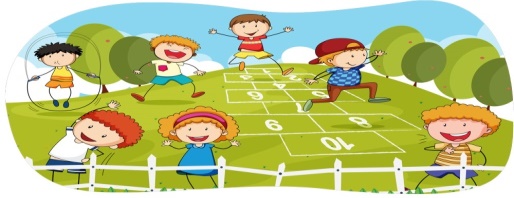
Children’s games 1 |
||
|
Learning objectives |
4.1.2.1 understand an increasing range of supported questions which ask for personal information 4.2.4.1 respond to questions on an increasing range of general and some curricular topics |
||
|
Learning objectives (assessment criteria) |
Learners will be able to: - To talk about sports - To talk about children’s games |
||
|
Levels of thinking skills |
Knowledge and comprehension Application |
||
|
Stages/ Time |
Teachers actions |
Students actions |
Assessment |
Resources |
|
Beginning of the lesson |
Organization moment : 1.Greeting. . (Whale class, Individually) Warm-up Creating a positive psychological environment Lead – In - Prepare name tags on small pieces of paper, one per pupil. Hand out the name tags and help the pupils stick them on their shirts with some tape. Ask the pupils to greet each other. Pupil 1: Hi, Assel! Pupil 2: Hi, Damir! How are you? Pupil 1: I am fine thanks. And you? Etc Pre-listening Setting the aim of the lesson.
T gives opportunity to show learners finished tasks and find out new words to try them use in their speech. |
Learners prepare name tags on small pieces of paper, one per pupil. They stick them on their shirts with some tape and greet each other. Remember and recognize the main vocabulary. |
Teacher controles the process, gives feedback and asks additional questions if it’s nessasery. Teacher evaluate pupils with phrases like: “Good job! Well done!” Formative Assessment
|
Pictures worksheet Student’s book |
|
Middle of the lesson Presentation part. 30 min |
Task. I Ex:1-2 P:5 Explain in L1 if necessary what is a team sport and what is an individual sport. Ask the pupils to look at the picture and elicit the names of the sports. Ask the pupils: What type of sport is tennis? Elicit: It is an individual sport. Ask the pupils: What type of sport is football? Elicit: It is a team sport. Ask the pupils to name other individual and team sports they know. Then ask the pupils to tell the class if there is a sport they can play really well. T shows pictures on the board and asks some CCQs:
Differentiation with individual need learners: *Define a picture of the sports and match with the words from the text belong to the tittle. |
Pupils look at the pictures. Which is a team sport? Which is an individual sport? Is there a sport you can play really well? Which of these sports are popular in your country? ANSWERS I can play bandy really well. I can play football relly well. I can play tennis really well. ANSWERS -No -No -Yes D* a learner: *Recognizes the main information including examples and reasons where necessary *gives explanation of the text |
T’s feedback T’s CCQs Descriptor: -look at the picture - answer the question |
Pictures
Pictures of games |
|
|
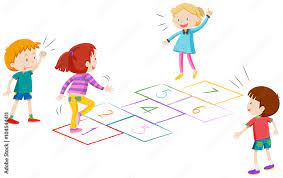
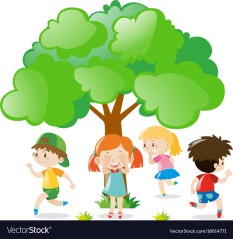
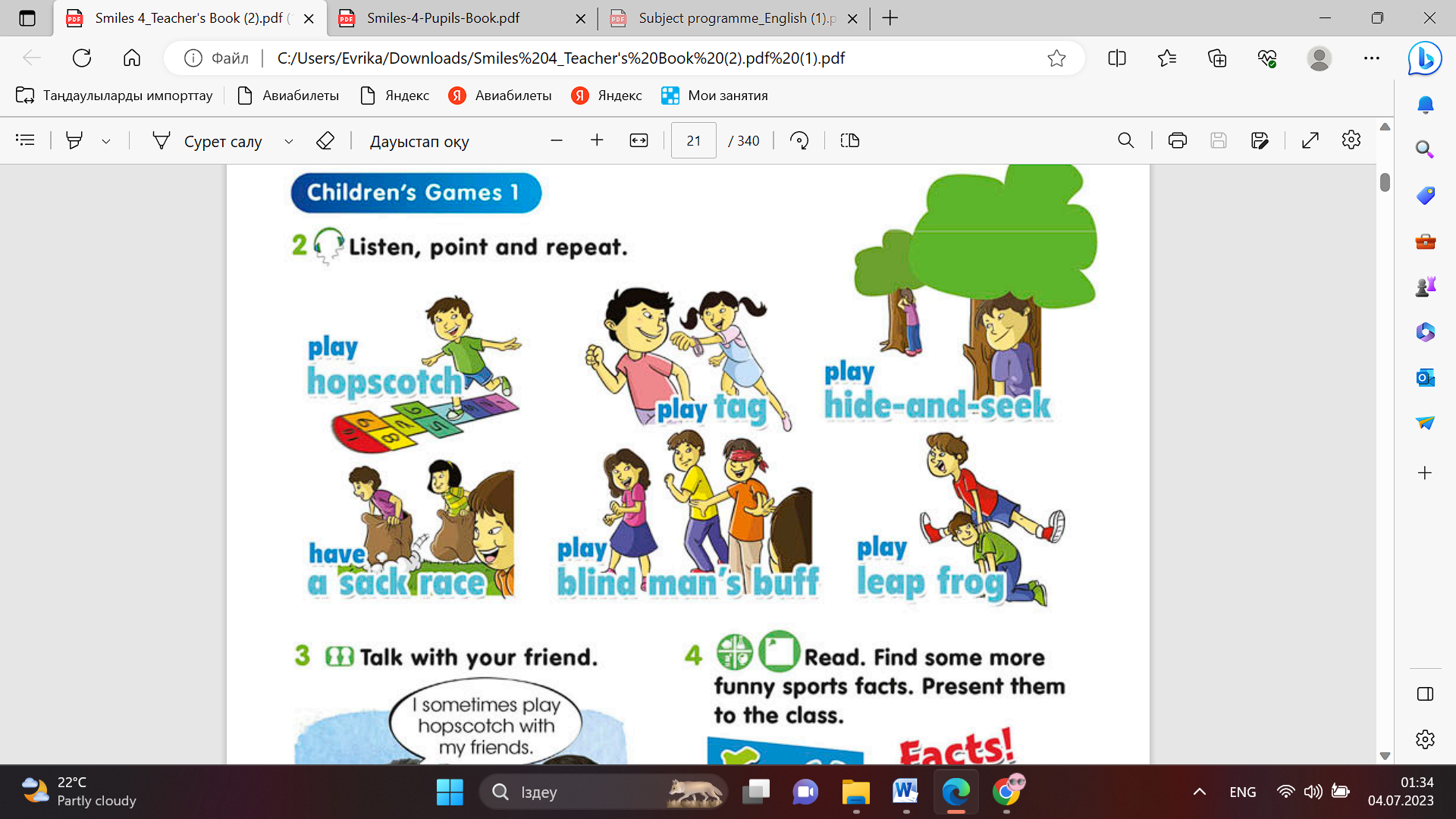
Task. II Ex: 3-4 P: 5 Put the Children’s games poster up on the board. Point to the Children’s games one at a time, and say the corresponding words. The pupils repeat chorally and / or individually. Point to the games in random order and ask individual pupils to name them. Play the CD. The pupils listen, point and repeat the words T shows pictures on the board and asks some CCQs:
|
ANSWERS 1
2 3 4 5 6 Answers -Yes -No -Yes |
Self -assessment T’s CCQs Descriptor: -listen the words - point to the games in random Descriptor: - answers yes or no |
Worksheets Pictures |
|
|
Task. III Ex: 5 P: 5 Refer the pupils to the picture and the dialogue. First, read out the dialogue and then act out a similar dialogue with one of the pupils. Ask the pupils to act out in pairs similar dialogues about themselves |
ANSWERS P1: I sometimes play hide-and-seek with my friends. P2: I don’t. I play leap frog with my friends. P3: I often play hopscotch with my friends. |
Descriptor: - talk with your friend |
Cards |
|
|
||||
|
End of the lesson 5 min |
VAK feedback. VAK- Visual, auditory, kinesthetic. What have you learnt with your eyes this lesson? What have you learnt with your ears? What have you learnt with your body? Ex: P: Home task: |
Come back to the lesson objectives and summarize with students if they met the lesson objectives. Ss give the VAK feedback. |
Poster Success
|
|


Short term plan
|
Unit: 1 Kazakhstan in the World of Sport |
Lesson 2 |
||
|
Language: |
School: |
||
|
Teacher’s name: |
|
||
|
Date: |
|
||
|
Grade: 4 |
Number present: |
absent: |
|
|
Lesson title |
Children’s games 2 |
||
|
Learning objectives |
4.1.2.1 understand an increasing range of supported questions which ask for personal information 4.3.2.1 ask questions to find out about present and possibly past experiences on an increasing range of general and some curricular topics 4.5.12.1 use adverbs of time and frequency: sometimes, often, always, never to indicate when and how often, begin to use simple adverbs of manner example given well, badly, use common -ly manner adverbs to describe actions example given slowly, |
||
|
Learning objectives (assessment criteria) |
Learners will be able to:
|
||
|
Levels of thinking skills |
Application |
||
|
Stages/ Time |
Teachers actions |
Students actions |
Assessment |
Resources |
|
Beginning of the lesson |
Organization moment : 1.Greeting. . (Whale class, Individually) Warm-up Creating a positive psychological environment Lead – In - Ask two pupils to come to the front of the classroom and act out the dialogue from the previous lesson - Hi, Diar! - Hi, Dina! How are you? - Do you want to play hide and seek? - Yes, I do. I like this game. Pre-listening Matching pictures to lexical items
T gives opportunity to show learners finished tasks and find out new words to try them use in their speech. |
Learners come to the front of the classroom and act out the dialogue. Match pictures with words. Remember and recognize the main vocabulary. |
Teacher controles the process, gives feedback and asks additional questions if it’s nessasery. Teacher evaluate pupils with phrases like: “Good job! Well done!” Formative Assessment
|
Pictures worksheet Student’s book |
|
Middle of the lesson Presentation part. 30 min |
Task. I While-listening Ex:6 P:6 Put the Children’s games poster up on the board. Point to the Children’s games one at a time, and say the corresponding words. The pupils repeat chorally and / or individually. Point to the games in random order and ask individual pupils to name them. Differentiation: learners will repeat words from the picture for a less motivated student and discuss with more motivated students A less motivated leaner: Task match pictures to the words 1 chess 2 bowling 3 puzzle |
Learners listen, point and repeat. Then match and complete the activity. ANSWERS 2 a 3 d 4 f 5 e 6 b D* a learner: *Recognizes the main information including examples and reasons where necessary A less motivated learner matches pictures to the words |
Descriptor: - point to the games in random order - match and complete the activity T’s feedback Descriptor: -match with pictures |
Pictures
pictures of games Worksheets |
|
|
Task II Ex: 7 P: 6 Explain the activity and read the example aloud. Explain that the sentences are clues to find the correct answer. Go through the activity elicit / explain any unknown words. Allow the pupils some time to complete the activity. T asks some CCQs:
|
Pupils read and choose. Read the example and complete the activity. ANSWERS 2 b 3 b 4 a 5 a Learners answers Yes or No in CCQ ANSWERS -No -No -Yes |
T’s feedback T’s CCQs Descriptor: - match and complete the activity - talk about children’s games Total: 1 point
Descriptor: - answers Yes or No |
Worksheets Pictures |
|
|
Task. III Ex: 8 P: 6 Read the example and explain the game. Divide the class into two teams, A and B. Invite a pupil from each team to the board. One pupil asks what a person from Ex. 5 does in his/her free time. The other person has to say what activity the person does. Each correct answer wins a point. The team with the most points wins the game. |
Learners divides into two teams, A and B. Invite a pupil from each team to the board and asks what does he/she in his/her free time ANSWERS A: What does Bob do in his free time? B: He juggles. What does Ann do in her free time? A: She plays chess. etc |
Self -assessment Check themselves. Descriptor: - play the game |
|
|
|
Task. IV Ex: 9 P: 7 Read the instructions and explain the activity. Read aloud the example and ask the pupils to answer the question (e.g. I live in Astana.) Go through the sentences and elicit any unknown words. Allow the pupils some time to complete the activity. Check their answers. |
Learners complete the questions. Then cap answer them. ANSWERS 2 does Bauyrzhan Islamkhan play He plays for Kairan. 3 do you have I have an English lesson twice a week/every Monday/2 hours a week, etc. (suggested answer) 4 does an ice hockey match last It lasts 60 minutes. 5 do you like I like team sports. (suggested answer) |
Self -assessment Check themselves. Descriptor: - play the game |
Cards |
|
|
Task. V Ex: 10 P: 7 Read the instructions and explain the activity. Read aloud the example and ask the pupils to answer the question. Conclusion during the lesson some tasks differentiated by outcomes of the students and by their abilities. |
Learners complete the questions. Then answer them. ANSWERS 2 e Aizhan never juggles. 3 c Ulan always plays chess. 4 b Sultan never does jigsaw puzzle. 5 f Berik sometimes goes bowling. 6 d Marzhan usually plays video games . |
Descriptor: - complete the questions - answer the question |
|
|
|
||||
|
End of the lesson 5 min |
VAK feedback. VAK- Visual, auditory, kinesthetic. What have you learnt with your eyes this lesson? What have you learnt with your ears? What have you learnt with your body? Ex: P: Home task: |
Come back to the lesson objectives and summarize with students if they met the lesson objectives. Ss give the VAK feedback. |
Poster Success
|
|



Short term plan
|
Unit: 1 Kazakhstan in the World of Sport |
Lesson 3 |
||
|
Language: |
School: |
||
|
Teacher’s name: |
|
||
|
Date: |
|
||
|
Grade: 4 |
Number present: |
absent: |
|
|
Lesson title |
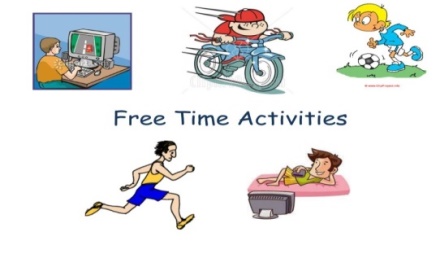
Free time activities and hobbies |
||
|
Learning objectives |
4.3.2.1 ask questions to find out about present and possibly past experiences on an increasing range of general and some curricular topics. 4.2.2.1 understand an increasing range of supported questions which ask for personal information 4.4.4.1 write with support a sequence of short sentences in a paragraph to give basic personal information |
||
|
Learning objectives (assessment criteria) |
Learners will be able to: -to talk about free time activities and hobbies - to learn how to pronounce the [dʒ]sound |
||
|
Levels of thinking skills |
Application |
||
|
Stages/ Time |
Teachers actions |
Students actions |
Assessment |
Resources |
|
Beginning of the lesson |
Organization moment : 1.Greeting. . (Whale class, Individually) Warm-up Creating a positive psychological environment Lead – In - The pupils work in pairs. One pupil thinks of a free time activity and says how often he / she does it without naming it. The other pupil tries to guess the activity. Pupil 1: I never do this. Pupil 2: Play chess. Pre –listening I forgot to bring your book. Never mind. Hold on to my bag for me while I buy some snacks.
T shows learners finished tasks and find out new words to try them use in their speech. |
Learners work in pairs. One pupil thinks of a free time activity and the other pupil tries to guess the activity. Remember and recognize the main vocabulary. |
Teacher controles the process, gives feedback and asks additional questions if it’s nessasery. Teacher evaluate pupils with phrases like: “Good job! Well done!” Formative Assessment
|
Pictures worksheet Student’s book |
|
Middle of the lesson Presentation part. 30 min |
Task. I While-listening Ex: 11 P: 8 Go through the pictures of the story and set the scene by asking the pupils question about what they can see in the picture. Play the CD. The pupils listen and follow the story in their books. |
Learners listen and read. Answer the question about what can see in the picture. ANSWERS T: What are Daisy and Lilly doing? P: They are reading magazines. T: What is Liam doing? P: Sending a text message. |
T’s feedback Individual evaluate Descriptor: - listen and read - answer the question |
Pictures
|
|
|
Task II Ex: 12 P: 9 Allow the pupils some time to read the story again and complete the activity. Differentiation: «Verbal support» method is used to help Ss use new words in the sentences. Filling in gaps in sentences |
learners read the story and complete the activity. ANSWERS 2 answer 3 ring 4 house 5 hobby D a learner: use new words in the sentences and filling in gaps in sentences |
T’s feedback Self assessment Descriptor: - read the story - complete the activity Total: 1 point
|
Worksheets Pictures |
|
|
Task. III Ex:13 P:9 Explain the activity and allow the pupils some time to complete. |
Pupils choose and complete. ANSWERS Hold on |
Self -assessment Descriptor: - choose and complete |
|
|
|
Task. IV Ex: 14 P: 9 Refer the pupils to the picture and the dialogue. The pupils listen and follow along. The pupils in pairs act out similar dialogues about themselves. Ask some pairs to come to the front of the classroom and act out the dialogue. If you wish, write the following on the board so the pupils can refer to it while they are completing the activity. T asks some CCQs:
|
Learners listen and read. Make a new dialogue with their friend. ANSWERS A: Hey … . Are you staying in? you usually go out on … . B: I am not sure. I am just … . What are you doing? Learners answers Yes or No in CCQ ANSWERS -No -Yes -Yes |
Self -assessment T’s CCQs Descriptor: - make a new dialogue Descriptor: - answers Yes or No |
Cards |
|
|
Task. IV Ex: 15 P: 9 Refer the pupils to the pictures. Point to the jellyfish and say: [dʒ] – jellyfish. The pupils repeat chorally and / or individually. Conclusion during the lesson some tasks differentiated by outcomes of the students and by their abilities. |
Learners repeat chorally and / or individually. ANSWERS |
Descriptor: - repeat chorally and / or individually Total: 1 point |
|
|
|
||||
|
End of the lesson 5 min |
VAK feedback. VAK- Visual, auditory, kinesthetic. What have you learnt with your eyes this lesson? What have you learnt with your ears? What have you learnt with your body? Ex: P: Home task: |
Come back to the lesson objectives and summarize with students if they met the lesson objectives. Ss give the VAK feedback. |
Poster Success
|
|
Short term plan
|
Unit: 1 Kazakhstan in the World of Sport |
Lesson 4 |
||
|
Language: |
School: |
||
|
Teacher’s name: |
|
||
|
Date: |
|
||
|
Grade: 4 |
Number present: |
absent: |
|
|
Lesson title |
Olympic Games |
||
|
Learning objectives |
4.1.2.1 understand an increasing range of supported questions which ask for personal information 4.3.4.1 respond to questions on an increasing range of general and some curricular topics 4.5.12.1 use adverbs of time and frequency: sometimes, often, always, never to indicate when and how often, begin to use simple adverbs of manner example given well, badly, use common -ly manner adverbs to describe actions example given slowly, |
||
|
Learning objectives (assessment criteria) |
Learners will be able to: -to talk about Olympic Games -to learn adverbs of manner, interrogative pronouns. |
||
|
Levels of thinking skills |
Knowledge and comprehension |
||
|
Stages/ Time |
Teachers actions |
Students actions |
Assessment |
Resources |
|
Beginning of the lesson |
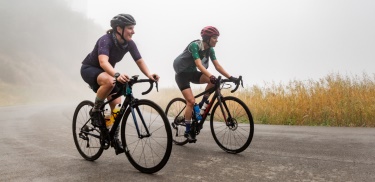
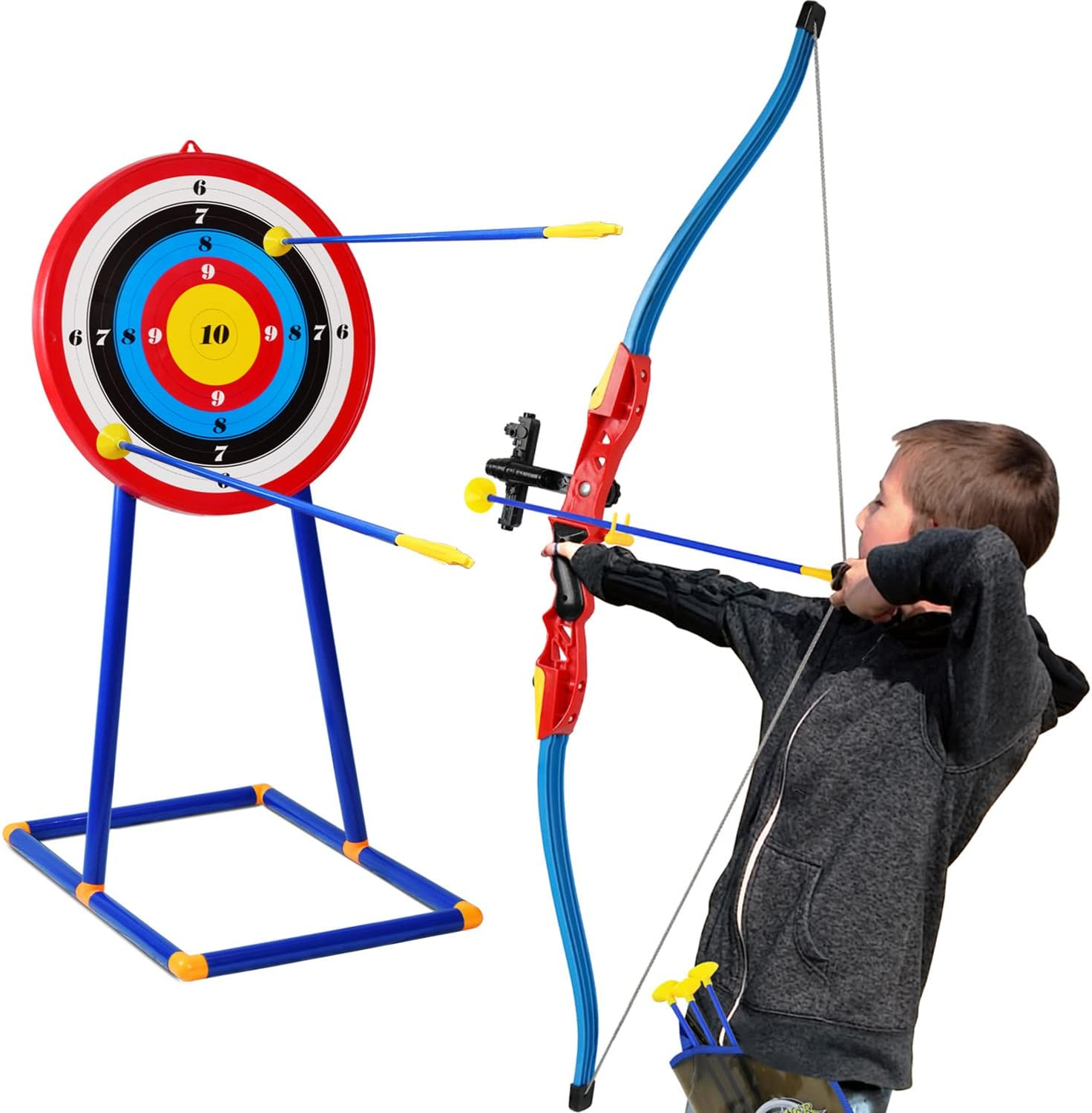
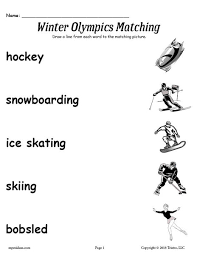
Organization moment : 1.Greeting. . (Whale class, Individually) Warm-up Creating a positive psychological environment Lead – In - Ask two pupils to come to the front of the classroom and act out the dialogue from the previous lesson. Repeat with as many pairs as you feel necessary. -Hi, Zara! It’s me Anar. Are you staying at home on Sunday - I am not sure. We are going practising my new hobby. Pre –listening Look at these pictures. Cycling is an individual sport. Rugby is a team sport. - Does cyclist ride a bike in outside or inside? - Does figure skater skate in outside or inside?
T shows learners finished tasks and find out new words to try them use in their speech. |
Learners ask two pupils to come to the front of the classroom and act out the dialogue. Learners look the pictures and identify them indoors or outdoors . Remember and recognize the main vocabulary. |
Teacher controles the process, gives feedback and asks additional questions if it’s nessasery. Teacher evaluate pupils with phrases like: “Good job! Well done!” Formative Assessment
|
Pictures worksheet Student’s book |
|
Middle of the lesson Presentation part. 30 min |
Task. I While-listening Ex:18 P:10 Put the Olympic games poster up on the board. Point to the Olympic games one at a time, and say the corresponding words. The pupils repeat chorally and / or individually. Point to the games in random order and ask individual pupils to name them. A less motivated leaner: Task match pictures to the words
T asks some CCQs:
- Does cycling winter sport |
Learners listen, point and repeat. Then match with pictures. The pupils repeat chorally and / or individually ANSWERS 2 A 3 B 4 E 5 G 6 J 7 I 8 D 9 C 10 F A less motivated learner matches pictures to the words Learners answers Yes or No in CCQ ANSWERS -Yes -Yes -No |
T’s feedback Individual evaluate T’s CCQs Descriptor: - listen, point and repeat. - match and complete the activity Descriptor: - matches pictures to the words - answers Yes or No |
Pictures
Worksheets |
|
|
Task II Ex: 19 P: 10 Explain the activity. The pupils listen and complete the activity. Ask pupils to tell you what sport each person plays well Differentiation: «Verbal support» method is used to help Ss use new words in the sentences. Filling in gaps in sentences |
Learners listen and complete the activity. Identify what sport do they play well. ANSWERS 2 cycling 3 rugby 4 gymnastics D* a learner: use new words in the sentences and filling in gaps in sentences |
T’s feedback Self assessment Descriptor: - write what sport each person plays well Total: 1 point
|
Worksheets Pictures |
|
|
Task. III Ex:20 P:11 Read the instructions and the example the activity. Go through the phrases and the sentences and elicit any unknown words. Allow the pupils some time to complete the activity. |
Pupils choose and complete the sentences. ANSWERS 2 very fast 3 his meal slowly 4 English well 5 his teacher’s questions quickly 6 new sports easily |
Self -assessment Descriptor: - choose and complete |
|
|
|
Task. IV Ex: 21 P: 11 Read aloud the adjectives, one at a time, and ask the pupils to say the correct adverb (e.g. good well). Refer the pupils to the picture and the dialogue. First, read aloud the dialogue and then act out a similar dialogue with one of the pupils. |
Learners read aloud the dialogue and then act out a similar dialogue |
Self -assessment Descriptor: - make a new dialogue |
Cards |
|
End of the lesson 5 min |
VAK feedback. VAK- Visual, auditory, kinesthetic. What have you learnt with your eyes this lesson? What have you learnt with your ears? What have you learnt with your body? Ex: P: Home task: |
Come back to the lesson objectives and summarize with students if they met the lesson objectives. Ss give the VAK feedback. |
Poster Success
|
|

Short term plan
|
Unit: 1 Kazakhstan in the World of Sport |
Lesson 5 |
||
|
Language: |
School: |
||
|
Teacher’s name: |
|
||
|
Date: |
|
||
|
Grade: 4 |
Number present: |
absent: |
|
|
Lesson title |
Sports events |
||
|
Learning objectives |
4.2.4.1 respond to questions on an increasing range of general and some curricular topics 4.4.4.1 write with support a sequence of short sentences in a paragraph to give basic personal information |
||
|
Learning objectives (assessment criteria) |
Learners will be able to: to read and write an email about inviting a friend to a sports event. -to develop the pupils listening skills through a song. -to make suggestions and state preferences. |
||
|
Levels of thinking skills |
Knowledge and comprehension |
||
|
Stages/ Time |
Teachers actions |
Students actions |
Assessment |
Resources |
|
Beginning of the lesson |
Organization moment : 1.Greeting. . (Whale class, Individually) Warm-up Creating a positive psychological environment Lead – In - Ask pairs of pupils to come to the front of the classroom and act out the dialogue from the previous lesson. Repeat with as many pairs as you feel necessary. Pre –reading
This is a ticket for football match. Do you want to attend a football match? T shows learners finished tasks and find out new words to try them use in their speech. |
Learners ask two pupils to come to the front of the classroom and act out the dialogue. Learners look the pictures and identify them indoors or outdoors . Remember and recognize the main vocabulary. |
Teacher controles the process, gives feedback and asks additional questions if it’s nessasery. Teacher evaluate pupils with phrases like: “Good job! Well done!” Formative Assessment
|
Pictures worksheet Student’s book |
|
Middle of the lesson Presentation part. 30 min |
Task. I While- reading Ex:23 P:12 Explain the activity. The pupils read the email and underline the correct answer. Allow them some time to complete the activity. |
Learners read and underline the correct answer. Listen and complete the activity. ANSWERS 2 free 3 starts 4 event 5 becouse 6 make |
T’s feedback Individual evaluate Descriptor: -read and underline -listen and complete |
Pictures
Student’s book
|
|
|
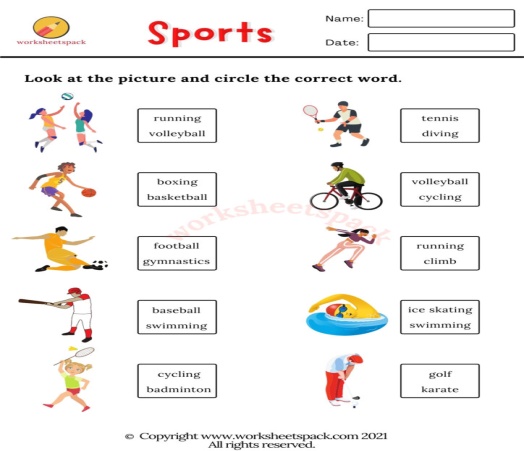
Task II Ex: 24 P: 12 Explain the activity and read the example aloud. Explain that the sentences are clues to find the correct answer. Allow them some time to complete the activity. A less motivated leaner: Task. Look at the pictures and circle the correct word.
|
Learners Pupils read and choose. Find the correct answer and complete the activity ANSWERS 2 B 3 B 4 B 5 A A less motivated learner circle the correct word. |
T’s feedback Self assessment Descriptor: - read and choose Total: 1 point
Descriptor: - circle the correct word. |
Worksheets Pictures |
|
|
Task. III Ex:25 P:13 Point to the picture and ask the pupils to describe it. The pupils listen and follow along in their books. Divide the class into groups and assign a verse to each group. Ask each group to sing their corresponding verse and mime the actions. Ask the pupils in pairs to come up with a little for the song. |
Learners listen and follow along in their books. Ask each group to sing and mime the actions. |
Self -assessment Descriptor: - listen and follow |
|
|
|
Task. IV Post –reading Ex: 27 P: 13 Explain the task and read the prompts and speech bubbles aloud. Explain/Elicit any unknown words. In pairs, the pupils use the prompts and make dialogues about the hobbies in the list. Go around the classroom providing help where necessary. Ask some pairs to report back to the class. Differentiation: «Verbal support» method is used to help Ss use new words in the sentences to make new dialogue |
Learners read the prompts and speech bubbles aloud. In pairs use the prompts and make dialogues about the hobbies in the list. D* a learner: use new words in the sentences to make new dialogue |
Self -assessment Descriptor: - make a new dialogue |
Cards |
|
End of the lesson 5 min |
VAK feedback. VAK- Visual, auditory, kinesthetic. What have you learnt with your eyes this lesson? What have you learnt with your ears? What have you learnt with your body? Ex: P: Home task: |
Come back to the lesson objectives and summarize with students if they met the lesson objectives. Ss give the VAK feedback. |
Poster Success
|
|

Short term plan
|
Unit: 1 Kazakhstan in the World of Sport |
Lesson 6 |
||
|
Language: |
School: |
||
|
Teacher’s name: |
|
||
|
Date: |
|
||
|
Grade: 4 |
Number present: |
absent: |
|
|
Lesson title |
Time for CLIL. Aesop’s Fables 2 |
||
|
Learning objectives |
4.1.3.1 understand the main points of short, supported talk on an increasing range of general and some curricular topics 4.2.8.1 express basic likes and dislikes, recount short, basic stories and events on a limited range of general and some curricular topics |
||
|
Learning objectives (assessment criteria) |
Learners will be able to: -to develop listening and reading comprehension skills through short stories -to understand and to talk about the main idea of a story |
||
|
Levels of thinking skills |
Knowledge and comprehension |
||
|
Stages/ Time |
Teachers actions |
Students actions |
Assessment |
Resources |
|
Beginning of the lesson |
Organization moment : 1.Greeting. . (Whale class, Individually) Warm-up Creating a positive psychological environment Lead – In - Ask the pupils to tell you in L1 if necessary if they know what a fable is. Explain that fables are stories that teach us values. Ask the pupils if they know any fables from Kazakhstan. Explain to the pupils that today they will read 2 fables by Aesop. Read aloud the title of the first story and refer pupils to the picture. Have a brief discussion, in L1 if necessary, about what the pupils think the story is about. |
Learners read aloud the title of the first story. |
Teacher controles the process, gives feedback and asks additional questions if it’s nessasery. Teacher evaluate pupils with phrases like: “Good job! Well done!” Formative Assessment
|
Pictures worksheet Student’s book |
|
Middle of the lesson Presentation part. 30 min |
Task. I While- reading Ex:26 P:14 Explain the activity. Allow the pupils some time to read and underline the correct answer. The pupils listen and check their answers. Differentiation: «Verbal support» method is used to help Ss use new words in the sentences to make new dialogue |
Learners read and underline the correct answer. Then listen and check. ANSWERS 2 usually 3 secretly 4 quickly 5 loudly 6 politly 7 never 8 sometimes |
T’s feedback Individual evaluate Descriptor: - read and circle |
Pictures
Student’s book
|
|
|
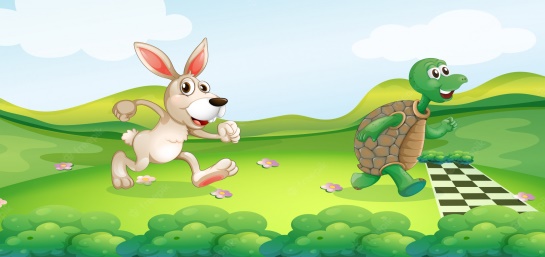
Task II Ex: 27 P: 14 Read aloud the title of the story and refer pupils to the pictures. Ask them to guess who they think wins the race. The pupils listen and follow in their books. Ask the pupils if their guess was correct. Refer the pupils to the question and elicit answers. Explain to the pupils that slow and steady wins the race. If we want to succeed we need to be patient and to keep on trying.
|
Learners listen and read. What value does the story teach. ANSWERS Pupils’ own answer |
T’s feedback Self assessment Descriptor: - listen and read Total: 1 point
|
Worksheets Pictures |
|
|
Task. III Ex:28 P:14 Read the instructions and explain the activity. If you wish, you can assign this for homework. The pupils present their projects to the class. Display their work in the classroom. |
Learners choose one of the two fables. Draw a picture. Present it to the class. ANSWERS Pupils’ own answer |
Self -assessment Descriptor: - present their projects |
|
|
End of the lesson 5 min |
VAK feedback. VAK- Visual, auditory, kinesthetic. What have you learnt with your eyes this lesson? What have you learnt with your ears? What have you learnt with your body? Ex: P: Home task: |
Come back to the lesson objectives and summarize with students if they met the lesson objectives. Ss give the VAK feedback. |
Poster Success
|
|
Short term plan
|
Unit: 1 Kazakhstan in the World of Sport |
Lesson 7 |
||
|
Language: |
School: |
||
|
Teacher’s name: |
|
||
|
Date: |
|
||
|
Grade: 4 |
Number present: |
absent: |
|
|
Lesson title |
Our world – Check point Summative assessment for the cross curricular unit «Kazakhstan in the World of Sport» |
||
|
Learning objectives |
4.1.8.1 understand short, supported narratives on an increasing range of general and some curricular topics 4.3.3.1 recognise basic opinions in short, simple texts on an increasing range of general and some curricular topics |
||
|
Learning objectives (assessment criteria) |
Learners will be able to: - to talk about famous Olympic athletes from the UK, Russia and Kazakhstan |
||
|
Levels of thinking skills |
Knowledge and comprehension |
||
|
Stages/ Time |
Teachers actions |
Students actions |
Assessment |
Resources |
|
Beginning of the lesson |
Organization moment : 1.Greeting. . (Whale class, Individually) Warm-up Creating a positive psychological environment Lead – In - Ask the pupils to present their drawings from the previous lesson.
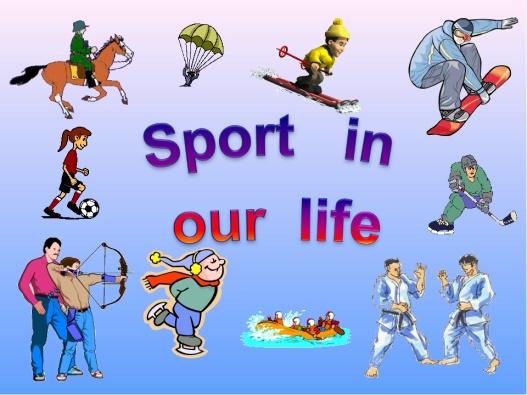
What is your favourite sport? Do we need sport in our life? |
Learners answer the question. |
Teacher controles the process, gives feedback and asks additional questions if it’s nessasery. Teacher evaluate pupils with phrases like: “Good job! Well done!” Formative Assessment
|
Pictures worksheet Student’s book |
|
Middle of the lesson Presentation part. 30 min |
Task. I Ex:31 P:16 Ask the pupils to look at the pictures. Have a picture discussion. Read the instructions and the example and explain the activity. Go through the texts and elicit any unknown words. The pupils read the texts silently T asks some CCQs:
- Is Yana Egorian a skier? |
Learners Pupils read and complete. Then listen and check. ANSWERS T: Look at this woman. Where is she from? P: She is from the UK T: What is she doing? P: She is sycling. 2 gold 3 quickly 4 fencer 5 medal 6 great 7 skates 8 free time 9 taking Learners answers Yes or No in CCQ ANSWERS -No -No -No |
T’s feedback Individual evaluate T’s CCQs Descriptor: - read and complete Descriptor: - matches pictures to the words - answers Yes or No |
Pictures
Student’s book
|
|
|
Task II Ex: 32 P: 16 Explain the activity and allow the pupils some time to complete it. Ask the pupils to tell you the answers and ask them where they found them in the texts. |
Learners read and answer. ANSWERS 1 Laura Kenny 2 Denis Ten 3 Yana Egorian
|
T’s feedback Self assessment Descriptor: - read and answer Total: 1 point
|
Worksheets Pictures |
|
|
Task. III Summative assessment for the cross curricular unit «Kazakhstan in the World of Sport» |
Learners answer the question and do the task while you listen |
Self -assessment Individual evaluate Descriptor: - listen and follow |
|
|
End of the lesson 5 min |
VAK feedback. VAK- Visual, auditory, kinesthetic. What have you learnt with your eyes this lesson? What have you learnt with your ears? What have you learnt with your body? Ex: P: Home task: |
Come back to the lesson objectives and summarize with students if they met the lesson objectives. Ss give the VAK feedback. |
Poster Success
|
|
Short term plan
|
Unit: 2 Values in Myths and Legends
|
School: Small general secondary school named after L.Tazhybayev |
||
|
Date: 03.10.2024 year |
Teacher’s name: Bukharbay Zhanar |
||
|
Grade: 4 |
Number present: 3 |
absent:0 |
|
|
Lesson title |
Traditional stories 1/2 |
||
|
Learning objectives |
4.2.2.1 ask questions to find out about present and possibly past experiences on an increasing range of general and some curricular topics 4.1.4.1 understand an increasing range of short supported questions on general and some curricular topics 4.4.7.1 spell most familiar high-frequency words accurately when writing independently; |
||
|
Learning objectives (assessment criteria) |
Learners will be able to: - to talk about fairy tales. |
||
|
Levels of thinking skills |
Knowledge and comprehension Application |
||
|
Stages/ Time |
Teachers actions |
Students actions |
Assessment |
Resources |
|
Beginning of the lesson |
Organization moment : 1.Greeting. . (Whale class, Individually) Warm-up Creating a positive psychological environment Lead – In - Hand out the completed Progress Report Catch for the previous module and ask the pupils to file them in their Language Portfolios. Pre –reading
What is your favourite fairy tales? Do you like to read fairy tales? |
Learners complete Progress Report Catch for the previous module |
Teacher controles the process, gives feedback and asks additional questions if it’s nessasery. Teacher evaluate pupils with phrases like: “Good job! Well done!” Formative Assessment
|
Pictures worksheet Student’s book |
|
Middle of the lesson Presentation part. 30 min |
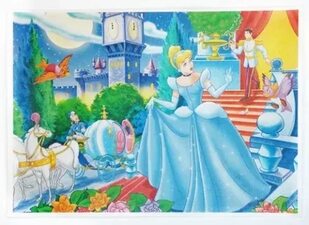
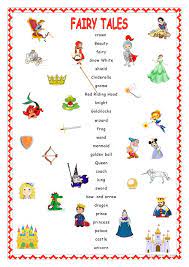
Task. I While- reading Ex:1 P:18 Ask the pupils to look at the picture and have a picture discussion. Elicit the name of the fairy tale. Then ask the pupils: Do you enjoy reading fairy tales? What is A less motivated leaner: Task. Look at the pictures about fairy tales and match
|
Learners look at the picture and answer the questions. Can you name the fairy tale? Do you enjoy reading fairy tales? What is your favourite fairy tales? ANSWERS I enjoy fairy tales. My favourite fairy tales is Cindirella. I read fairy tales to have a good time. A less motivated learner match pictures |
T’s feedback Individual evaluate Descriptor: - look at the picture and answer the questions. Descriptor: - match pictures |
Pictures
Student’s book
|
|
|
Task II Ex: 2 P: 19 Read the instructions and explain the activity. Go through the activity and elicit any unknown words. Allow the pupils some time to read and complete the activity. Elicit answers from individual pupils. |
Learners read and complete the activity. ANSWERS I read fairy tales to visit fantasy world. |
T’s feedback Self assessment Descriptor: - read and complete Total: 1 point
|
Worksheets Pictures |
|
|
Task. III Ex: 3 P: 19 Refer the pupils to the covers of the two books and read aloud the titles. Ask the pupils if they have read these fairy tales and initiate a discussion in L1 if necessary, about what happens in each story. Then read aloud the two sentences and ask the pupils to choose which fairy tale these sentences are taken from. |
Learners read and choose. Pupils to choose which fairy tale these sentences are taken from. ANSWERS Little Red Riding Hood |
Self -assessment Descriptor: - read and choose |
|
|
|
Task. IV Post –reading Ex: 4 P: 19 Refer the pupils to the covers of the four books and read aloud the titles. Ask the pupils if they have read these fairy tales and initiate a discussion in L1 if necessary, what they know about these stories. Read the instructions and explain the activity. |
Learners Pupils listen and number. ANSWERS 2 b 3 d |
Self -assessment Descriptor: - listen and number. |
Cards |
|
End of the lesson 5 min |
VAK feedback. VAK- Visual, auditory, kinesthetic. What have you learnt with your eyes this lesson? What have you learnt with your ears? What have you learnt with your body? Ex: P: Home task: |
Come back to the lesson objectives and summarize with students if they met the lesson objectives. Ss give the VAK feedback. |
Poster Success
|
|
Short term plan
|
Unit: 2 Values in Myths and Legends
|
School: Small general secondary school named by L.Tazhybaev |
||
|
Date: 01.10.2024 year |
Teacher’s name: Bukharabay Zhanar |
||
|
Grade: 4 |
Number present: 3 |
absent:0 |
|
|
Lesson title |
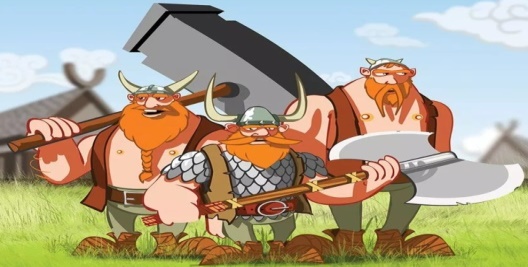
The Vikings |
||
|
Learning objectives |
4.2.3.1 give short, basic description of people and objects; begin to describe past experiences on an increasing range of general and some curricular topics 4.4.1.1 plan, write and check sentences with support on a range of basic personal, general and some curricular topics 4.5.7.1 use personal subject and object pronouns, including indirect object pronouns and use possessive pronouns mine, yours to give personal information and describe actions and events |
||
|
Learning objectives (assessment criteria) |
Learners will be able to: - to learn and talk about the Vikings -to learn and talk about past civilisations and past events. |
||
|
Levels of thinking skills |
Knowledge and comprehension Application |
||
|
Stages/ Time |
Teachers actions |
Students actions |
Assessment |
Resources |
|
Beginning of the lesson |
Organization moment : 1.Greeting. . (Whale class, Individually) Warm-up Creating a positive psychological environment Lead – In - Ask two pupils to come to the front of the classroom and act out the dialogue from the previous lesson. Repeat the activity with other pupils. Pre –reading
What do you know about the Vikings? Does the Vikings live in a long house? |
Learners come to the front of the classroom and act out the dialogue |
Teacher controles the process, gives feedback and asks additional questions if it’s nessasery. Teacher evaluate pupils with phrases like: “Good job! Well done!” Formative Assessment
|
Pictures worksheet Student’s book |
|
Middle of the lesson Presentation part. 30 min |
Task. I While- reading Ex:6 P:20 Put the flashcards up on the board. Point to them one at a time and say the corresponding words. The pupils repeat chorally and individually. Ask individual pupils to name them. |
Learners listen, point and repeat. ANSWERS Pupils’ own answer |
T’s feedback Individual evaluate Descriptor: - listen and repeat |
Pictures
Student’s book
|
|
|
Task II Ex: 7 P: 20 Explain the activity and read the activity and read the activity aloud. The pupils look at the picture and read the sentences. Allow the pupils some time to complete the activity. A learner with individual needs: will be supported by teacher and by helpers from his class. |
Learner look, read and write Yes or No. ANSWERS 2 yes 3 no 4 no 5 yes 6 yes |
T’s feedback Self assessment Descriptor: - read and write
|
Worksheets Pictures |
|
|
Task. III Ex: 8 P: 21 Explain and write on the board: The ancient Egyptian lived in houses made from mud. The Romans spoke in Latin. Underline the words in bold. The pupils repeat after you. Explain / Elicit that this is the past simple and we use it to talk about actions that happened at a specific time in the past. Explain / Elicit that we add –ed at the end of regular verbs but that some verbs (irregular) in the past simple use a different form of the verb. Write the following verbs on the board and elicit the spelling rules and irregular forms: stop – stopped, live – lived, study – studied, write – wrote, go – went, eat - ate. Revise the negative and interrogative forms and write short answers on the board. A learner with individual needs: will be paired with helpers and teacher allows him to use simple, basic statements in his sentences. |
Learners complete the sentences. Then match. ANSWERS 2 lived 3 wore 4 made. 5 watches 6 wrote |
Self -assessment Descriptor: - read and complete |
Worksheets |
|
|
Task. IV Post –reading Ex: 9 P: 21 Explain the activity. Read the example out loud. Allow the pupils some time to complete the activity. |
Learners read and circle. Then listen and check. ANSWERS 2 played 4 paid 3 didn’t go 5 drank |
Self -assessment Descriptor: - listen and check |
Student’s book |
|
End of the lesson 5 min |
VAK feedback. VAK- Visual, auditory, kinesthetic. What have you learnt with your eyes this lesson? What have you learnt with your ears? What have you learnt with your body? Ex: P: Home task: |
Come back to the lesson objectives and summarize with students if they met the lesson objectives. Ss give the VAK feedback. |
Poster Success
|
|
Short term plan
|
Unit: 2 Values in Myths and Legends
|
Lesson 10 |
||
|
Language: |
School: |
||
|
Teacher’s name: |
|
||
|
Date: |
|
||
|
Grade: 4 |
Number present: |
absent: |
|
|
Lesson title |
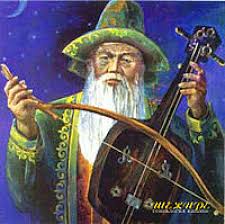
A legend of Korkyt Ata. |
||
|
Learning objectives |
4.1.8.1 understand short, supported narratives on an increasing range of general and some curricular topics 4.3.3.1 give short, basic description of people and objects on a limited range of general and some curricular topics; begin to describe past experiences on an increasing range of general and some curricular topics 4.5.3.1 use adjectives, including possessive adjectives, on a growing range of general and some curricular topics to describe things; use simple one-syllable and some two syllable adjectives [comparative and superlative] to make comparisons |
||
|
Learning objectives (assessment criteria) |
Learners will be able to: - to develop listening and reading comprehension skills through a story -to talk about legend of Korkyt Ata -to learn how to make adjectives from nouns |
||
|
Levels of thinking skills |
Knowledge and comprehension Application |
||
|
Stages/ Time |
Teachers actions |
Students actions |
Assessment |
Resources |
|
Beginning of the lesson |
Organization moment : 1.Greeting. . (Whale class, Individually) Warm-up Creating a positive psychological environment Lead – In - Write vocabulary from the previous lesson with gaps on the board l_ _m, m_ d, lo _ g _h _ _ s _. Ask a pupil to say the word and complete the gaps with the missing letters. Ask the rest of the class for verification. Repeat the activity with other words and pupils Pre –listening
Who is in this picture? |
Learners complete the gaps with the missing letters. Ask the rest of the class for verification. Repeat the activity with other words and pupils |
Teacher controles the process, gives feedback and asks additional questions if it’s nessasery. Teacher evaluate pupils with phrases like: “Good job! Well done!” Formative Assessment
|
Pictures worksheet Student’s book |
|
Middle of the lesson Presentation part. 30 min |
Task. I While- listening Ex:11 P:22 Go through of the story and set the scene by asking the pupils question about legend of Korkyt Ata and choose what text about is. A learner with individual needs: will be supported by teacher and by helpers from his class. |
Learners listen, point and repeat. ANSWERS b) |
T’s feedback Individual evaluate Descriptor: - listen and choose what text about is. |
Pictures
Student’s book
|
|
|
Task II Ex: 12 P: 23 Explain the activity and read the sentences. The pupils read the text again about Korkyt Ata and choose the words in the box to complete the sentences. Allow the pupils some time to complete the activity. T asks some CCQs:
- did hear the sounds of the kobyz all over the world? |
Learner read and choose the words in the box to complete the sentences. ANSWERS 2 eclipse 3 shine 4 angels 5 sounds 6 Kazakhstan Learners answers Yes or No in CCQ ANSWERS -Yes -Yes -No |
T’s feedback Self assessment T’s CCQs Descriptor: - read and choose
|
Worksheets Pictures |
|
|
Task. III Ex: 14 P: 23 Explain and write on the board: how to make adjectives from nouns: nation-national, help-helpful. The pupils repeat after you. Explain / Elicit that we add –ion, ful at the end of adjectives. Write the following adjectives on the board and elicit the spelling. A learner with individual needs: will be paired with helpers and teacher allows him to use simple, basic statements in his sentences. |
Learners read and complete the sentences. ANSWERS 2 musician 3 beatiful 4 magic 5 natural 6 helpful D* a learner: - correct the given sentences individually |
Self -assessment Descriptor: - read and complete |
Worksheets |
|
End of the lesson 5 min |
VAK feedback. VAK- Visual, auditory, kinesthetic. What have you learnt with your eyes this lesson? What have you learnt with your ears? What have you learnt with your body? Ex: P: Home task: |
Come back to the lesson objectives and summarize with students if they met the lesson objectives. Ss give the VAK feedback. |
Poster Success
|
|
Short term plan
|
Unit: 4 Professions and ways of Communication
|
School: |
||
|
Date: |
Teacher’s name |
||
|
Grade: 4 |
Number present: |
absent: |
|
|
Lesson title |
|
||
|
Learning objectives |
4.1.5.1 identify initial, middle and final phonemes and blends; 4.3.5.1 understand the main points of short simple texts on a growing range general and some curricular topics by using contextual clues; 4.5.3.1 use adjectives, including possessive adjectives, on a growing range of general and some curricular topics to describe things; use simple one-syllable and some two syllable adjectives [comparative and superlative] to make comparisons |
||
|
Learning objectives (assessment criteria) |
Learners will be able to: -to talk about places -to learn possessive adjectives., to – infinitive, - ing form |
||
|
Levels of thinking skills |
Knowledge and comprehension |
||
|
Stages/ Time |
Teachers actions |
Students actions |
Assessment |
Resources |
|
Beginning of the lesson |
Organization moment : 1.Greeting. . (Whale class, Individually) Warm-up Creating a positive psychological environment Lead – In - Ask pairs of pupils to come to the front of the classroom and act out the dialogue from the previous lesson. Repeat with as many pairs as you feel necessary. Pre –listening
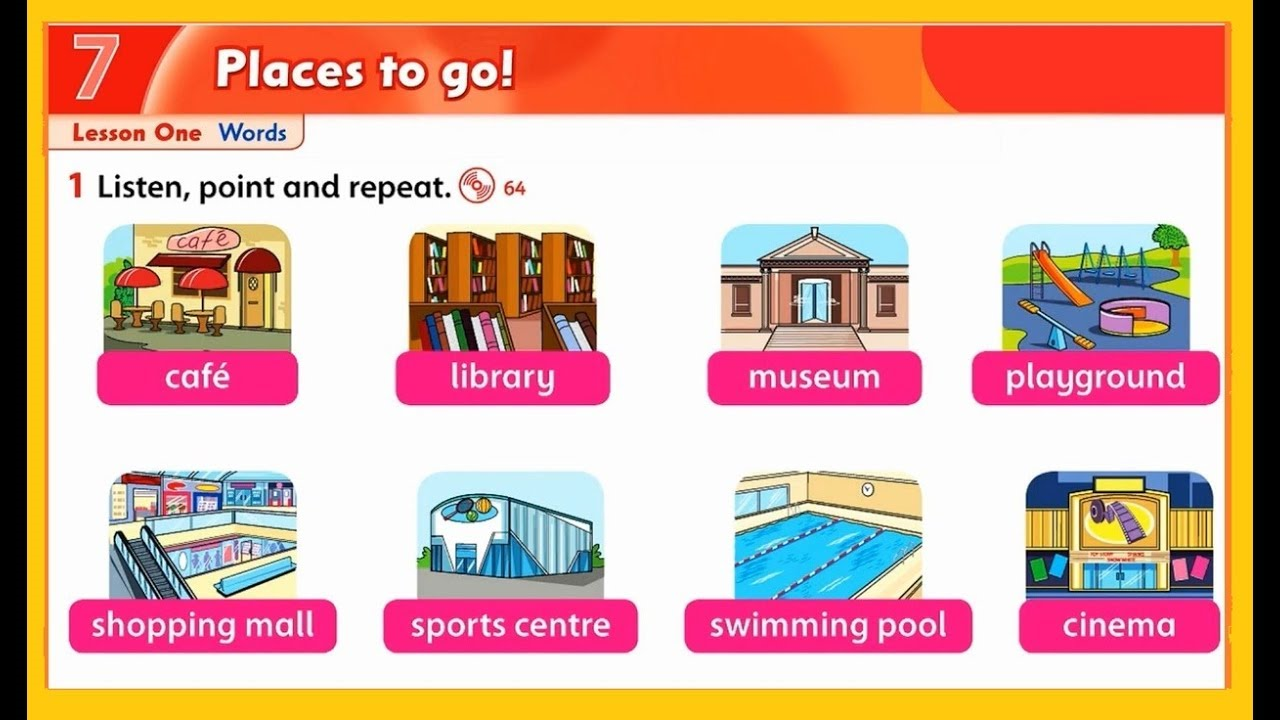
There are some places in your town. Do you like to go shopping? |
Learners come to the front of the classroom and act out the dialogue |
Teacher controles the process, gives feedback and asks additional questions if it’s nessasery. Teacher evaluate pupils with phrases like: “Good job! Well done!” Formative Assessment
|
Pictures worksheet Student’s book |
|
Middle of the lesson Presentation part. 30 min |
Task. I While- listening Ex:15 P:24 Put the flashcards up on the board. Point to them one at a time and name them. The pupils repeat chorally or individually. Repeat the procedure with the remaining flashcards. Ask individual pupils to name them. |
Learners listen, point and repeat. Then match. ANSWERS 2 d 3 b 4 f 5 a 6 g 7 c |
T’s feedback Individual evaluate Descriptor: - listen and repeat |
Pictures
Student’s book
|
|
|
Task II Ex: 16 P: 24 Explain the activity and read the example aloud. Explain that sentences are clues to find the correct answer. Allow the pupils some time to complete the activity A learner with individual needs: will be paired with helpers and teacher allows him to use simple, basic statements in his sentences. |
Learner read and write. Find the correct answer ANSWERS 2 at the library 3 at the shopping centre 4 at the funfair 5 at the café 6 at the theatre |
T’s feedback Self assessment Descriptor: - read and write
|
Worksheets Pictures |
|
|
Task. III Ex: 17 P: 25 Write on the board: I want to go to the library. I enjoy going to the library. Underline the words in bold. Explain to the pupils in L1 if necessary, that after certain verbs ( want, hope) we use infinitive while after other verbs we use the – ing. We usually use the – ing form after verbs that show feelings (enjoy, like, hate). Then write on the board: I hope … to the library. Then write on the board: I want to go to the library to borrow a book. Underline the words in bold. |
Learners read and choose. ANSWERS 2 listening 3 to visit 4 to feel 5 jugging 6 to read |
Self -assessment Descriptor: - read and choose |
Worksheets |
|
|
Task. IV Post –reading Ex: 18 P: 25 Explain the activity. Allow the pupils some time to complete it. |
Learners complete the sentences in a way that it true about yourself. ANSWERS 1 play video games 2 learn how to play rugby 3 go to the funfair on Sunday. 4 reading stories 5 playing leap frog 6 doing jigsaw puzzles |
Self -assessment Descriptor: - complete the sentences |
Student’s book |
|
|
Task V Ex: 19 P: 25 Draw the pupils' attention to the pictures and elicit the names of the places (1-market,2-supermarket, 3- library, 4-theatre, 5-post office). Read the instructions and explain the activity. Ask the pupils: Where can you go to buy some fruit? Elicit: At the market. Ask the pupils to match picture 1 with the correct phrase. Allow the pupils some time to complete the activity. Check their answers by asking questions (Where can you go to...). |
Learners match to make Grandma’s question. ANSWERS 1 buy some fruit 2 get some milk 3 take back some books 4 buy three tickets 5 post some letters |
Descriptor: - complete the sentences |
|
|
End of the lesson 5 min |
VAK feedback. VAK- Visual, auditory, kinesthetic. What have you learnt with your eyes this lesson? What have you learnt with your ears? What have you learnt with your body? Ex: P: Home task: |
Come back to the lesson objectives and summarize with students if they met the lesson objectives. Ss give the VAK feedback. |
Poster Success
|
|
Short term plan
|
Unit: 2 Values in Myths and Legends
|
Lesson 12 |
||
|
Language: |
School: |
||
|
Teacher’s name: |
|
||
|
Date: |
|
||
|
Grade: 4 |
Number present: |
absent: |
|
|
Lesson title |
When I was little |
||
|
Learning objectives |
4.3.5.1 understand the main points of short simple texts on a growing range general and some curricular topics by using contextual clues 4.4.2.1 begin to use joined-up handwriting in a limited range of written work |
||
|
Learning objectives (assessment criteria) |
Learners will be able to: - to read and write a short text about when you were little. |
||
|
Levels of thinking skills |
Knowledge and comprehension |
||
|
Stages/ Time |
Teachers actions |
Students actions |
Assessment |
Resources |
|
Beginning of the lesson |
Organization moment : 1.Greeting. . (Whale class, Individually) Warm-up Creating a positive psychological environment Lead – In - Write the following on the board: Learn / English want, enjoy, love, hate, like Ask individual pupils to make a sentence with one of the verbs and the correct form of the verb. Repeat the activity with other verbs and prompts. I want to learn English. I enjoy playing chess.
There are some places in your town. Do you like to go shopping? |
Learners make a sentence with one of the verbs and the correct form of the verb. |
Teacher controles the process, gives feedback and asks additional questions if it’s nessasery. Teacher evaluate pupils with phrases like: “Good job! Well done!” Formative Assessment
|
Pictures worksheet Student’s book |
|
Middle of the lesson Presentation part. 30 min |
Task. I Ex:20 P:26 Explain the activity. Point to the pictures and elicit the adjectives naughty and funny. The pupils listen and follow along in their books. The pupils then read the text silently and complete the activity. Ask the pupils to tell you the sentences where they found the answers. |
Pupils listen, read and choose. Reads the text and complete the activity. ANSWERS 2 b 3 b 4 a |
T’s feedback Individual evaluate Descriptor: -listen and read |
Pictures
Student’s book
|
|
|
Task II Ex: 21 P: 26 Explain the activity Allow the pupils some time to complete it. A learner with individual needs: will be paired with helpers and teacher allows him to use simple, basic statements in his sentences. |
Learner Pupils read and complete. ANSWERS 1 pizza 2 red 3 cars 4 T- shirts and jeans 5 superman 6 the cheetah 7 the sports centre 8 Alladin |
T’s feedback Self assessment Descriptor: - read and complete
|
Worksheets Pictures |
|
|
Task. III Ex: 25 P: 27 Draw the pupils attention to the pictures and ask them if they know the buildings. Read aloud the names of the buildings and facts. Read the instructions and the example and explain the activity. If necessary provide the pupils with another example. Go through the sentences and elicit any unknown words. Allow the pupils some time to complete the activity. T asks some CCQs:
- Is the Emerald Tower the newest of all? |
Learners look, read and write ANSWERS 2 no 3 yes 4 no 5 yes Learners answers Yes or No in CCQ ANSWERS -No -Yes -Yes |
Self -assessment Ts CCQs Descriptor: - read and write |
Worksheets |
|
End of the lesson 5 min |
VAK feedback. VAK- Visual, auditory, kinesthetic. What have you learnt with your eyes this lesson? What have you learnt with your ears? What have you learnt with your body? Ex: P: Home task: |
Come back to the lesson objectives and summarize with students if they met the lesson objectives. Ss give the VAK feedback. |
Poster Success
|
|
Short term plan
|
Unit: 3 Treasure and Heritage
|
School: Small general secondary school named after Lashkar Tazhybayev |
||
|
Date: 21.11.2024 year |
Teacher’s name: Bukharbay Zhanar Bolatkyzy |
||
|
Grade: 4 |
Number present: 3 |
absent: 0 |
|
|
Lesson title |
Summative Assessment for the cross curricular unit «Treasure and Heritage» |
||
|
Learning objectives |
4.2.4.1 respond to questions on an increasing range of general and some curricular topics 4.4.7.1 spell most familiar high-frequency words accurately when writing independently 4.5.1.1 use singular nouns, plural nouns – including some common irregular plural – and uncountable nouns, possessive ‘s/s’ to name, describe and label things |
||
|
Learning objectiv |
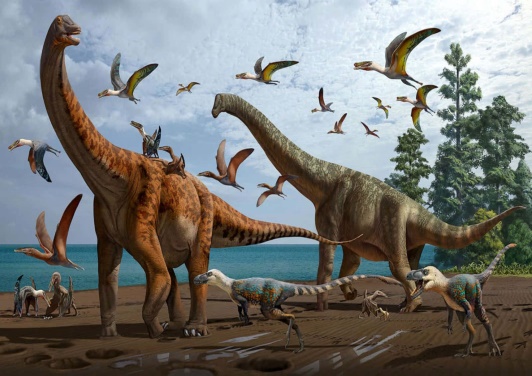
Learners will be able to: -to explore other subject areas. -to talk and write about dinosaurs |
||
|
Stages/ Time |
Teachers actions |
Students actions |
Assessment |
Resources |
|
Beginning of the lesson |
Organization moment : 1.Greeting. . (Whale class, Individually) Warm-up Creating a positive psychological environment Lead – In - Play the song from the previous lesson. The pupils sing along. Ask some pupils to present their portfolio activities from the previous lesson.
Did you read a book about dinosaurs? |
Learners read the given sentences on the board and guess the topic and share with their ideas. |
Teacher controles the process, gives feedback and asks additional questions if it’s nessasery. Teacher evaluate pupils with phrases like: “Good job! Well done!” Formative Assessment
|
Pictures worksheet Student’s book |
|
Middle of the lesson Presentation part. 30 min |
Task. I Ex:26 P:28 Have a class discussion in L1 if necessary about dinosaurs. Put the dinosaur poster up on the board. Say and point to the words one at a time. The pupils repeat chorally or individually. Then point to the pictures in random order. Ask individual pupils to name them. Pupils listen and follow in their books. The pupils read the texts silently and label the pictures. Allow the pupils some time to complete it. A learner with individual needs: will be paired with helpers and teacher allows him to use simple, basic statements in his sentences. |
Learners listen and read. Then label the pictures with the words in bold. ANSWERS 2 spikes 3 teeth 4 feathers 5 tall 6 claws |
T’s feedback Individual evaluate Descriptor: -listen and read |
Pictures
Student’s book
|
|
|
Task II Ex: 27 P: 29 Read the instructions and the example and explain the activity. Go through the sentences and elicit any unknown words. Allow the pupils some time to complete the activity. |
Learner read and complete. Use and, or, because ANSWERS 2 but 3 or / and 4 but 5 because |
T’s feedback Self assessment Descriptor: - read and complete
|
Worksheets Pictures |
|
|
Task. III Summative Assessment for the cross curricular unit «Values in Myths and Legends» Writing Task 1. Look at the pictures. Choose ONE picture to describe. Write 4 sentences. Plan your writing by naming people, objects, their actions and feelings. Reading Task 2. Read the text. Match the sentences to the pictures. |
Learners look, read and write ANSWERS 2 no 3 yes 4 no 5 yes |
Self -assessment Descriptor: - read and write |
Worksheets |
|
End of the lesson 5 min |
VAK feedback. VAK- Visual, auditory, kinesthetic. What have you learnt with your eyes this lesson? What have you learnt with your ears? What have you learnt with your body? Ex: P: Home task: |
Come back to the lesson objectives and summarize with students if they met the lesson objectives. Ss give the VAK feedback. |
Poster Success
|
|
‘
Short term plan
|
Unit: 2 Values in Myths and Legends
|
Lesson 14 |
||
|
Language: |
School: |
||
|
Teacher’s name: |
|
||
|
Date: |
|
||
|
Grade: 4 |
Number present: |
absent: |
|
|
Lesson title |
Our world - Check point Dragons and Creatures 2 |
||
|
Learning objectives |
4.3.3.1 recognize basic opinions in short, simple texts on an increasing range of general and some curricular topics 4.4.3.1 write with support short sentences which describe people, places and objects; 4.5.12.1 use adverbs of time and frequency: sometimes, often, always, never to indicate when and how often, begin to use simple adverbs of manner example given well, badly, use common -ly manner adverbs to describe actions example given slowly, |
||
|
Learning objectives (assessment criteria) |
Learners will be able to: - to talk about mythical creatures |
||
|
Levels of thinking skills |
Application |
||
|
Stages/ Time |
Teachers actions |
Students actions |
Assessment |
Resources |
|
Beginning of the lesson |
Organization moment : 1.Greeting. . (Whale class, Individually) Warm-up Creating a positive psychological environment Lead – In - Ask the pupils to present their projects of the previous lesson
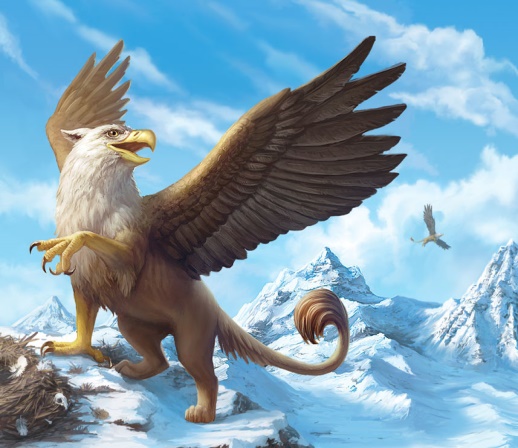
Do you believe in mythical creatures? Do they exist in real life? |
Learners read the given sentences on the board and guess the topic and share with their ideas. |
Teacher controles the process, gives feedback and asks additional questions if it’s nessasery. Teacher evaluate pupils with phrases like: “Good job! Well done!” Formative Assessment
|
Pictures worksheet Student’s book |
|
Middle of the lesson Presentation part. 30 min |
Task. I Ex:30 P:30 Ask the pupils to look at the pictures. Have a picture discussion. The pupils listen and follow the texts in their books. A learner with individual needs: will be paired with helpers and teacher allows him to use simple, basic statements in his sentences. |
Learners listen and read. Look at the pictures the discuss. ANSWERS T: (pointing to the Loch Ness Monster) look at this creature. What is it? P: It is the Loch Ness Monster T: Where does it live? P: in the UK |
T’s feedback Individual evaluate Descriptor: -listen and read |
Pictures
Student’s book
|
|
|
Task II Ex: 31 P: 30 Explain the activity. The pupils read the text again silently and complete the activity. Check their answers and ask them where they found them in the text. |
Learners read and write the answers in your notebook. Take turns to ask and answer the question ANSWERS 1 It is grey 2 In a lake called Loch Ness in Scotland 3 Thousands of years ago 4 It was 1.8 metres tall and over 4 metres long. It had long hair all over its body. 5 from the huge horn that grew on its head. |
T’s feedback Self assessment Descriptor: - read and write the answers
|
Worksheets Pictures |
|
|
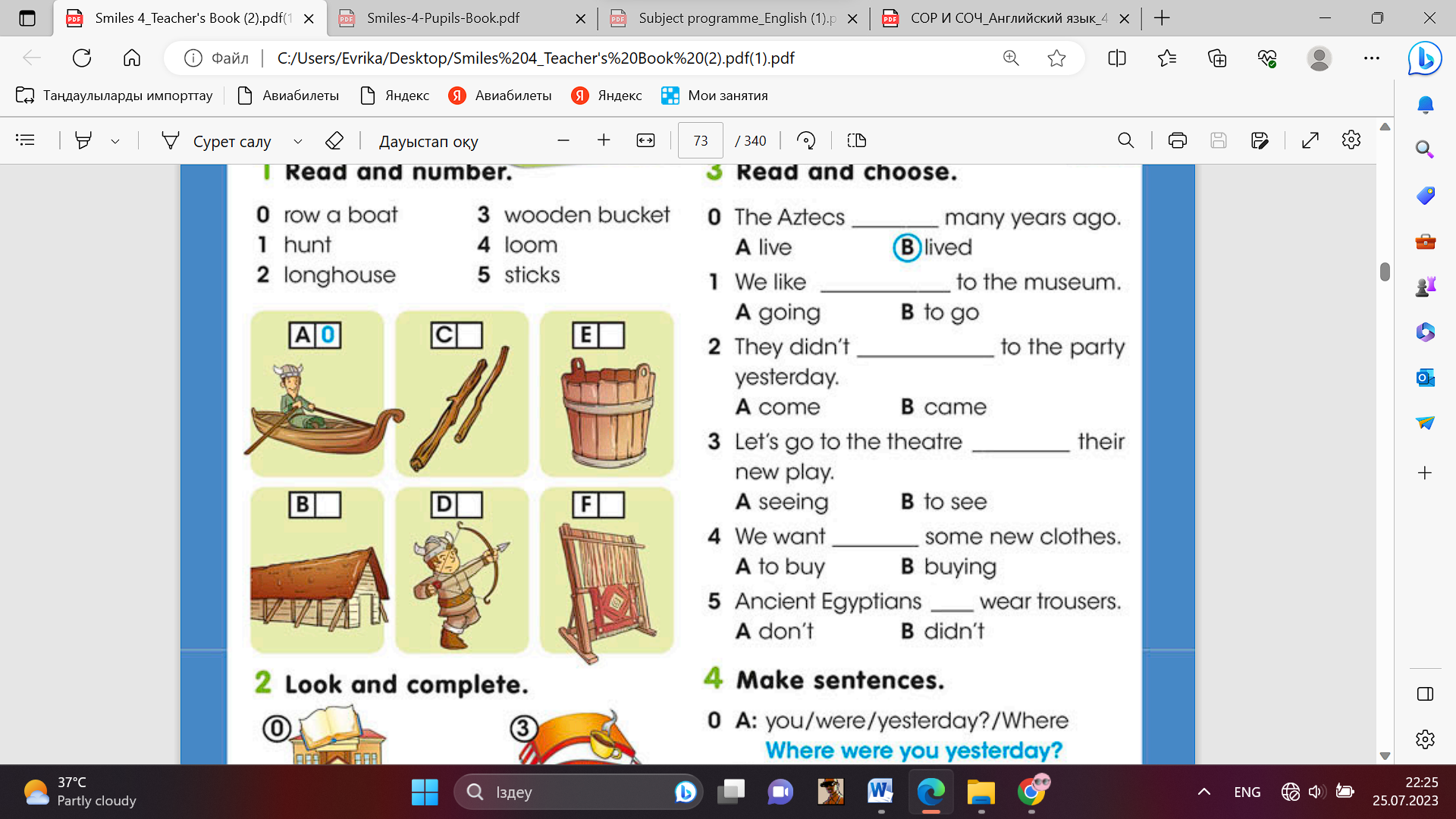
Task. III The pupils match the pictures with the correct words
|
Pupils read and number. ANSWERS B 2 C 5 D 1 E 3 F 4
|
Self -assessment Descriptor: - read and number |
Worksheets |
|
|
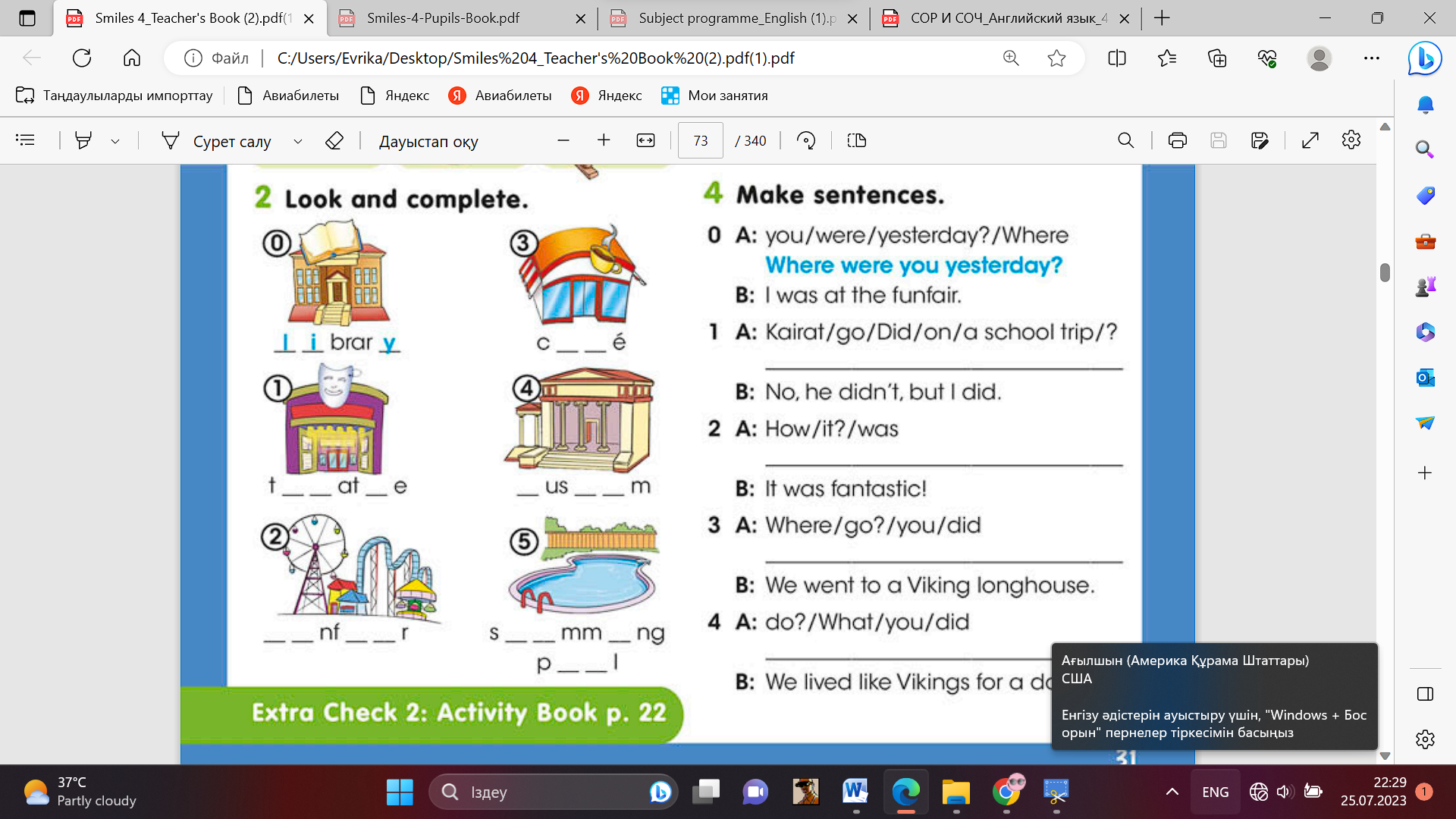
Ex: 2 P: 31 The pupils look at the pictures and complete the missing letters to form the words.
|
Pupils look and complete ANSWERS 1 theatre 2 funfair 3 café 4 museum 5 swimming pool |
Descriptor: - look and complete |
|
|
End of the lesson 5 min |
VAK feedback. VAK- Visual, auditory, kinesthetic. What have you learnt with your eyes this lesson? What have you learnt with your ears? What have you learnt with your body? Ex: P: Home task: |
Come back to the lesson objectives and summarize with students if they met the lesson objectives. Ss give the VAK feedback. |
Poster Success
|
|
Short term plan
|
Unit: 2 Values in Myths and Legends
|
Lesson 15 |
||
|
Language: |
School: |
||
|
Teacher’s name: |
|
||
|
Date: |
|
||
|
Grade: 4 |
Number present: |
absent: |
|
|
Lesson title |
Summative Assessment for Term 1 |
||
|
Learning objectives |
4.1.8.1 Understand short, supported narratives on an increasing range of general and some curricular topics 4.3.3.1 Recognise basic opinions in short, simple texts on an increasing range of general range of general and some curricular topics 4.5.12.1 Use adverbs of time and frequency: sometimes, often, always, never to indicate when and how often begin to use simple adverbs of manner e.g. well, badly; use common –ly manner adverbs to describe actions e.g. slowly, quickly 4.2.8.1 Express basic likes and dislikes; recount short, basic stories and events on a limited range of general and some curricular topics |
||
|
Learning objectives (assessment criteria) |
Learners will be able to: - respond to questions on an increasing range of general and some curricular topics |
||
|
Levels of thinking skills |
Application |
||
|
Stages/ Time |
Teachers actions |
Students actions |
Assessment |
Resources |
|
Beginning of the lesson |
Organization moment : 1.Greeting. . (Whale class, Individually) Warm-up Creating a positive psychological environment Lead – In - Ask the pupils to present their projects of the previous lesson |
Learners read the given sentences on the board and guess the topic and share with their ideas. |
Teacher controles the process, gives feedback and asks additional questions if it’s nessasery. Teacher evaluate pupils with phrases like: “Good job! Well done!” Formative Assessment
|
Pictures worksheet Student’s book |
|
Middle of the lesson Presentation part. 30 min |
Task. I Listening Task 1. Listen to the story about the Fox and the Stork. Put the pictures in correct order. Write the number in the box. You will listen twice. |
Learners listen to the story about the Fox and the Stork ANSWERS A 4 B 3 C 2 D 1 |
T’s feedback Individual evaluate Descriptor: - put the pictures in correct order. |
Pictures
Student’s book
|
|
|
Task II Reading Task 2. Read the text and mark the sentences True or False. 1. People believed that Greek Gods lived in a palace above a mountain called “Mount Alatau”. 2. The Gods were always quarreling with each other. 3. Aphrodite was a beautiful Goddess of care and peace. 4. Aphrodite’s symbols were doves, sparrows, swans, and roses. 5. Aphrodite was the mother of three sons. |
Learners read the text and mark the sentences True or False ANSWERS 1 false 2 true 3 false 4 true 5 false |
T’s feedback Self assessment Descriptor: - read and write True or False
|
Worksheets Pictures |
|
|
Task. III Writing Task 3. Write a paragraph about the Olympic Games. The topic sentence and the conclusion sentence are given for you. Give some basic personal information and use words sometimes, often, always, never, well, badly, slowly, quickly. (You may change the topic sentence and the conclusion sentence) |
Learners write a paragraph about the Olympic Games. ANSWERS Pupils’ own answer |
Self -assessment Descriptor: - use words sometimes, often, always, never, well, badly, slowly, quickly. |
Worksheets |
|
|
Task VI Speaking Task 4. Choose ONE picture and describe it. Answer 5 questions: Where are the characters? What are they doing? Who wrote the story? How do we call such stories? What is the moral of the story? Do you like the story? Why? |
Learners choose ONE picture and describe it. ANSWERS Pupils’ own answer |
Descriptor: - answer 5 questions |
|
|
End of the lesson 5 min |
VAK feedback. VAK- Visual, auditory, kinesthetic. What have you learnt with your eyes this lesson? What have you learnt with your ears? What have you learnt with your body? Ex: P: Home task: |
Come back to the lesson objectives and summarize with students if they met the lesson objectives. Ss give the VAK feedback. |
Poster Success
|
|
Short term plan
|
Unit: 2 Values in Myths and Legends
|
Lesson 16 |
||
|
Language: |
School: |
||
|
Teacher’s name: |
|
||
|
Date: |
|
||
|
Grade: 4 |
Number present: |
absent: |
|
|
Lesson title |
Storytime The Legend of William Tell |
||
|
Learning objectives |
4.2.3.1 give short, basic description of people and objects on a limited range of general and some curricular topics begin to describe past experiences on an increasing range of general and some curricular topics 4.4.1.1 plan, write and check sentences with support on a range of basic personal, general and some curricular topics |
||
|
Learning objectives (assessment criteria) |
Learners will be able to: - to practise reading for pleasure -to listen and read a story about a monster who is a lonely and wants to make friends |
||
|
Levels of thinking skills |
Application |
||
|
Stages/ Time |
Teachers actions |
Students actions |
Assessment |
Resources |
|
Beginning of the lesson |
Organization moment : 1.Greeting. . (Whale class, Individually) Warm-up Creating a positive psychological environment Lead – In - Write the word monster on the board. If necessary explain what it means. Have a discussion in L1 if necessary about what they think monsters look like. If they are ugly or beautiful and if they are friendly or not. Explain to the pupils that they are going to read a story from Japan about a monster. |
Learners read the given sentences on the board and guess the topic and share with their ideas. |
Teacher controles the process, gives feedback and asks additional questions if it’s nessasery. Teacher evaluate pupils with phrases like: “Good job! Well done!” Formative Assessment
|
Pictures worksheet Student’s book |
|
Middle of the lesson Presentation part. 30 min |
Task. I Ex:1 P:34 Go through the pictures of the story and set the scene by asking the pupils questions about what they can see in the pictures. The pupils listen and follow the story in their books. At the end of the story refer the pupils to the question about the monster. A learner with individual needs: will be paired with helpers and teacher allows him to use simple, basic statements in his sentences. |
Learners listen and read. Why is the monster happy at the end of the story? ANSWERS T: (pointing to picture one) Who is this? P: a monster T: where is the monster? P: On the hill. |
T’s feedback Individual evaluate Descriptor: -listen and read |
Pictures
Student’s book
|
|
|
Task II Ex: 2 P: 35 Allow the pupils some time to read the story silently and complete the activity. T asks some CCQs:
- Did people not afraid of Gessler? |
Learners read the story and write True or False ANSWERS 2 true 3 false 4 true 5 false Learners answers Yes or No in CCQ ANSWERS -Yes -Yes -Not |
T’s feedback Self assessment Descriptor: - read the story and write
|
Worksheets Pictures |
|
|
Task. III Ex: 3 P: 35 Smiles values Refer the pupils to the Smiles values section and read it aloud. Have a discussion in L1 if necessary about the moral of the story. Tell pupils that sometimes appearances can be deceptive. Just because someone is big or not that beautiful doesn’t mean that he / she is not a kind person. We shouldn’t judge people by appearances |
Learners refer the pupils to the Smiles values section and read it aloud ANSWERS Pupils’ own answer |
Self -assessment Descriptor: - read and discuss |
Worksheets |
|
End of the lesson 5 min |
VAK feedback. VAK- Visual, auditory, kinesthetic. What have you learnt with your eyes this lesson? What have you learnt with your ears? What have you learnt with your body? Ex: P: Home task: |
Come back to the lesson objectives and summarize with students if they met the lesson objectives. Ss give the VAK feedback. |
Poster Success
|
|








 Бұл курс Қазақстан Республикасы Оқу-ағарту министрлігімен келісілген










