ЖИ көмекші


 Қауіпсіз төлем

жүктеу мүмкіндігіне ие боласыз
Бұл материал сайт қолданушысы жариялаған. Материалдың ішінде жазылған барлық ақпаратқа жауапкершілікті жариялаған қолданушы жауап береді. Ұстаз тілегі тек ақпаратты таратуға қолдау көрсетеді. Егер материал сіздің авторлық құқығыңызды бұзған болса немесе басқа да себептермен сайттан өшіру керек деп ойласаңыз осында жазыңыз
 09 Қаңтар 2025
 524
524
1 жыл бойы шексіз жүктеңіз
Action 10 сынып қмж 3-тоқсан
|
Unit: 5 Reading for pleasure |
Lesson 49 |
||
|
Teacher name: |
|
||
|
Date: |
|
||
|
Grade: 10 |
Number present: |
absent: |
|
|
Lesson title |
Types of literature. The war of the worlds |
||
|
Learning objectives
|
10.3.4.1 - evaluate and comment on the views of others in a growing variety of talk contexts on a growing range of general and curricular topics; 10.3.2.1 - ask and respond to complex questions to get information about a wide range of general and curricular topics; 10.4.8.1 - use a wide range of familiar and unfamiliar paper and digital reference resources to check meaning and extend understanding; |
||
|
Lesson objectives |
Learners will be able to: -present vocabulary for types of literature; - to introduce the topic - read for specific information |
||
|
Plan |
|||
|
Stages / Time |
Teachers actions |
Students actions |
Assessment criteria |
Resources |
|
Beginning of the lesson Warming-up 3 min. Pre-learning «Brainstorming» method 7 min. |
Organization moment : 1.Greeting. Ask about the weather. The teacher sets the lesson objectives, letting students know what to anticipate from the lesson.
Lead – In
|
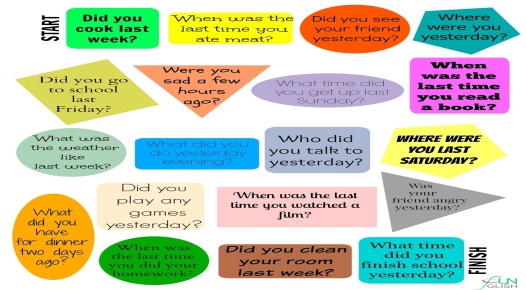
The aim: To develop pupils speaking skills and create friendly atmosphere Students of the class are listed. Students' attention is drawn to the lesson. Students say different words from the picture •Learners remember previous lesson vocabulary •Learners answer the questions |
The teacher to assess learners for their ability. “Good job! Well done!” Formative Assessment
Good job! Descriptor: - remembers the lesson passed Point 1 Assessment criteria make basic statements related to personal information, people and objects |
Pictures worksheet Picture |
|
Middle of the lesson Presentation part. 30 min |
Ex:1 P:63 • Direct Ss to the pictures. Explain that they show book covers for different types of literature. Elicit which ones are fiction and which ones are non-fiction from Ss around the class. Differentiation: «Verbal support» method is used to help Ss use new words in the sentences. Ex: 2 P: 63 • Read out the adjectives in the list and explain/ elicit their meanings. Then ask Ss to read the example and elicit similar sentences from Ss around the class about which books they like to read and why. Ex:3 P64 • Give Ss time to read the text and answer the question. Elicit an answer from the class. Ex: 4 P: 64 • Have Ss ask and answer questions in pairs about H.G. Wells following the example. Monitor the activity around the class. Ex: 5 P: 64 • Explain the task and ask Ss to read the statements and then read the text and mark them according to what they read. Check Ss' answers. Conclusion during the lesson some tasks differentiated by outcomes of the students and by their abilities. |
• Learners look at the pictures. Answer the question. ANSWERS Fiction: A, C, D, H Non-fiction: B, E, F, G • Learners use ideas from the list. Answer the question. ANSWERS I enjoy science-fiction books as I find them thrilling and imaginative. I don't like travel books. I find them a waste of time • Pupils read about H.G. Wells. Answer the question ANSWERS H.G. Wells wrote science-fiction novels. • Pupils ask and answer the question as the example. ANSWERS B: He worked as a shop assistant, a chemist's assistant, a teaching assistant and a teacher. What did he study at college? A: He studied biology. Who did he marry? B: He married Amy Catherine Robbins. What was his first novel? A: 'The Time Machine'. What other novels did he write? B: 'The Invisible Man' and 'The War of the Worlds'. When did he die? A: In 1946 • Pupils read the text and mark the statements ANSWERS 1T 2 F 3 T 4 DS 5 F |
Descriptor: - look at the pictures. -answer the question Total: 2 point
Self assessment Descriptor: - use ideas from the - answer the question Total: 2 point Descriptor: - read about H.G. Wells. - answer the question Total: 2 point Descriptor: - ask and answer the question -use the example Total: 1 point Descriptor: - read the text - mark the statements Total: 2 point -Make CCQ questions Yes / No Total: 1 point |
Card Worksheet Students book |
|
End of the lesson 5 min |
FEEDBACK Learners provide feedback on what they have learned at the lesson. Ex: P: Home task: Write the days |
|
Poster Success
|
|



Short term plan: term 3
|
Unit 5 Reading for pleasure |
Lesson 50 |
||
|
Teacher name: |
|
||
|
Date: |
|
||
|
Grade: 10 |
Number present: |
absent: |
|
|
Lesson title |
The ruined house |
||
|
Learning objectives
|
10.3.4.1 - evaluate and comment on the views of others in a growing variety of talk contexts on a growing range of general and curricular topics; 10.4.4.1 - read a wide range of extended fiction and non-fiction texts on familiar and unfamiliar general and curricular topics; |
||
|
Lesson objectives |
Learners will be able to: - identify and discuss text types - identify character development through emotions in a literary extract - read for specific information |
||
|
Plan |
|||
|
Stages / Time |
Teachers actions |
Students actions |
Assessment criteria |
Resources |
|
Beginning of the lesson Warming-up 3 min Pre-learning «Brainstorming» method 7 min. |
Organization moment : 1.Greeting. Ask about the weather. The teacher sets the lesson objectives, letting students know what to anticipate from the lesson. Warm- Up
Ask a few pupils to stand up and stand in a row. Ask the rest of the class questions to revise the ordinals. Lead – In
|
The aim: To develop pupils speaking skills and create friendly atmosphere Efficiency: By wishing each other they feel better and feel the support of others Students of the class are listed. Students' attention is drawn to the lesson. Determines the topic and purpose of the lesson •Learners remember previous lesson vocabulary Students say different words from the picture Answer the question. |
The teacher to assess learners for their ability. “Good job! Well done!” Formative Assessment
Good job! Descriptor: - know daily routines vocabulary - know prepositions of place Point 1 Assessment criteria - Learners have met the learning objectives if they can talk about |
Pictures worksheet Student’s book |
|
Middle of the lesson Presentation part. 30 min |
Ex:6 P65 • Ask Ss to read the theory box. Explain/Elicit the meanings of any unknown words. Then ask Ss to identify the text types in Exs 3 & 5 and justify their answers by giving reasons using the information in the theory box. Ex: 7 P: 65 • Give Ss time to read the extract and elicit how the characters express their fears. Differentiation: «Verbal support» method is used to help Ss use new words in the sentences. Ex: 8 P: 66 • Ask Ss to read the questions and answer choices and give them time to read the extract again and choose their answers according to what they read. Check Ss' answers. . Ex: 9 P: 66 • Give Ss time to read the extract again and list all the words used to describe tripods. Then ask Ss to use the words to describe a tripod to their partner. Conclusion during the lesson some tasks differentiated by outcomes of the students and by their abilities. |
• Pupils read the theory. Answer the question. Give reasons. ANSWERS The text in Ex. 3 is a biography. It is non-fiction because it is fact-based; it informs the reader about a real person and events in their life; it is not a narrative; and it has an introduction, a main body and a conclusion. The text in Ex. 5 is a review. It is non-fiction because it is fact-based; it informs the reader about a real book; it is written without a point of view (1st-2nd- 3rd-person); and it has an introduction, a main body and a conclusion. • Pupils find examples in the abapted extract. ANSWERS The narrator expresses his fears physically by walking around and shouting (lines 4-5). Then he expresses his fear by doing something careless and dangerous (lines 42-43). He also expresses his fears by letting his imagination run wild (lines 3-4). He also expresses his fears in his description of others • Pupils read the extract and choose the correct answer. ANSWERS 1 B 2 B 3 A • Pupils read the extract. Describe a tripod to your partner. ANSWERS The tripods are taller than the trees and metallic. They have long legs, a Heat-Ray, and a metal container hanging behind them |
Descriptor: - read the theory - answer the question Total: 2 point Descriptor: - read the extract - find examples Total: 1 point
Self assessment Descriptor: - read the extract - choose their answers Total: 2 point Descriptor: - read the extract. - describe a tripod Total: 2 point -Make CCQ questions Yes / No Total: 1 point Total: 10 point |
Card Worksheet Students book |
|
End of the lesson 5 min |
FEEDBACK Learners provide feedback on what they have learned at the lesson. Ex: P: Home task: Write the days |
|
Poster Success
|
|

Short term plan: term 3
|
Unit 5 Reading for pleasure |
Lesson 51 |
||
|
Teacher name: |
|
||
|
Date: |
|
||
|
Grade: 10 |
Number present: |
absent: |
|
|
Lesson title |
Character analyses |
||
|
Learning objectives
|
10.4.4.1 - read a wide range of extended fiction and non-fiction texts on familiar and unfamiliar general and curricular topics; 10.3.2.1 - ask and respond to complex questions to get information about a wide range of general and curricular topics; |
||
|
Lesson objectives |
Learners will be able to: - compare the personalities of two characters from a literary extract - present and practise conjunctions |
||
|
Plan |
|||
|
Stages / Time |
Teachers actions |
Students actions |
Assessment criteria |
Resources |
|
Beginning of the lesson Warming-up
3 min Pre-learning «Brainstorming» method 7 min. |
Organization moment : 1.Greeting. Ask about the weather. The teacher sets the lesson objectives, letting students know what to anticipate from the lesson. Warm- Up
revise the vocabulary from the previous Lead – In
|
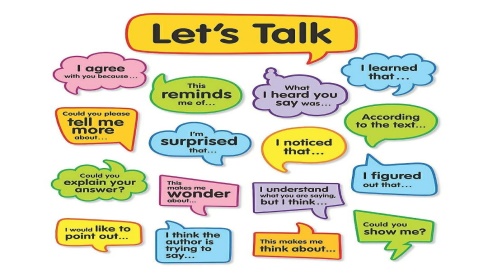
. The aim: To develop pupils speaking skills and create friendly atmosphere Students of the class are listed. Students' attention is drawn to the lesson. • Learners remember previous lesson vocabulary Determines the topic and purpose of the lesson Students say different words from the picture and answer the question |
The teacher to assess learners for their ability. “Good job! Well done!” Formative Assessment
Good job! Descriptor: - can tell the time Point 1 Assessment criteria - Learners have met the learning objectives if they can talk about persons character |
Pictures worksheet Picture |
|
Middle of the lesson Presentation part. 30 min |
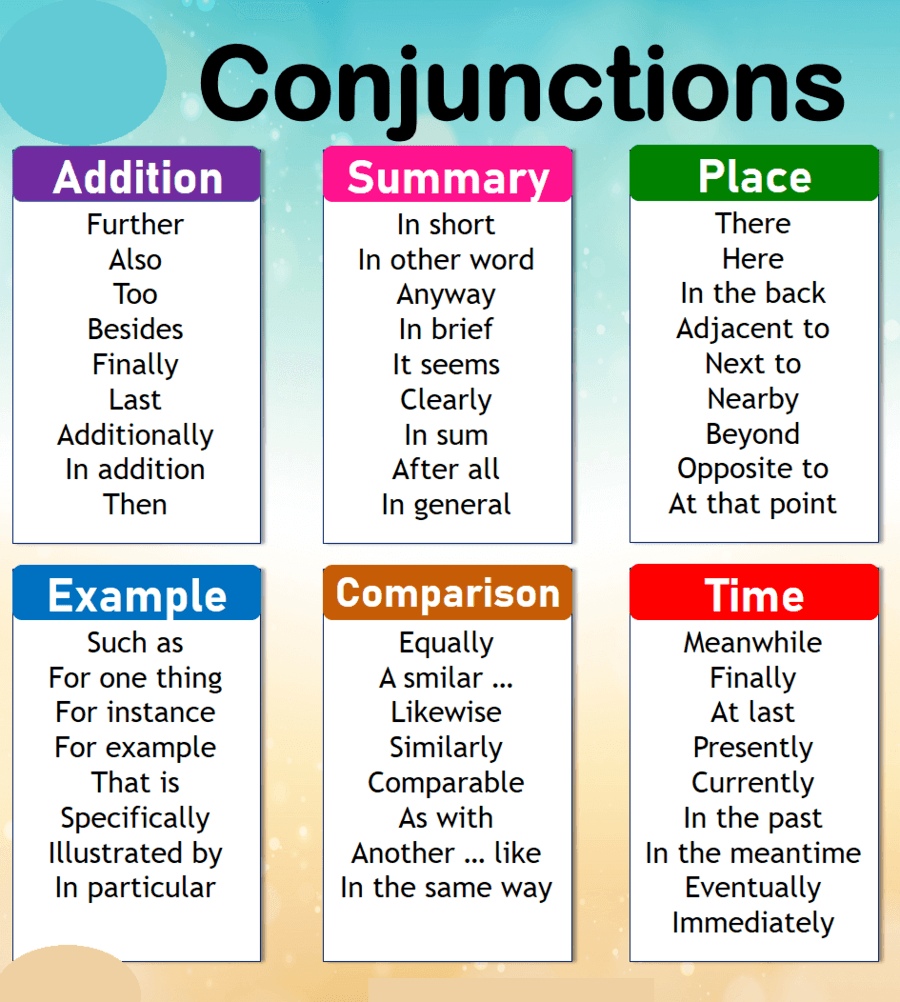
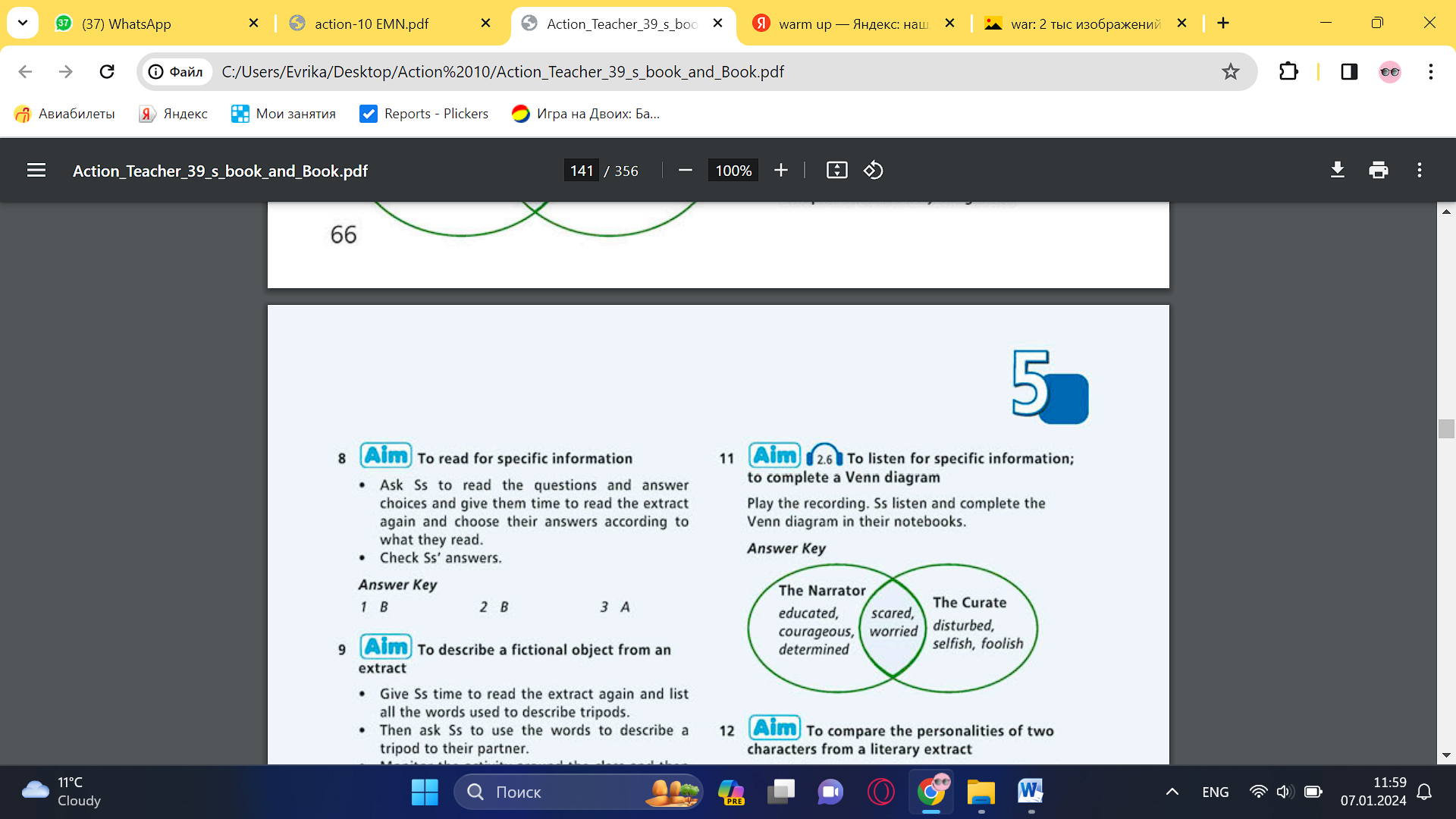
Ex: 11 P: 66 • Play the recording. Ss listen and complete the Venn diagram in their notebooks Ex:12 P: 66 • Explain the task and give Ss time to formulate their answers referring to the extract in Ex. 7 and the ideas in Ex. 11 to help them. Elicit answers from Ss around the clas Ex:13 P: 66 • Ask Ss to read the theory box and then give them time to read the sentences 1-7 and choose the correct conjunction. • Check Ss' answers around the class. Conclusion during the lesson some tasks differentiated by outcomes of the students and by their abilities. |
•Pupils listen to a professor presenting the characters of the narrator and the curate. ANSWERS
•Pupils compare the personalities of the narrator and the curate. ANSWERS The narrator is worried because he doesn't know where his wife is (lines 2-3 and line 11). He is also courageous (lines 42-43) because he wants to try and find her even though the Martians' deadly machines are close by. The curate, on the other hand, is selfish (line 12) because he is complaining about the situation, but he isn't helping change it. He is also childish (lines 23-24) and unable to keep calm as well as foolish because he is saying that the house is safe, when it clearly isn't (line 20). Both the narrator and the curate are scared (lines 36-37). •Pupils read the theory box and choose the correct item. ANSWERS 1 despite 2 however 3 both 4 What is more 5 However 6 because 7 although |
Descriptor: - listen to a professor presenting - complete the Venn diagram Total: 2 point Descriptor: - compare the personalities Total: 2 point
Descriptor: - read the theory - choose the correct item Total: 2 point
-Make CCQ questions Yes / No Total: 1 point Total: 10 point |
Card Worksheet |
|
End of the lesson 5 min |
FEEDBACK Learners provide feedback on what they have learned at the lesson. Ex: Home task: |
|
Poster Success
|
|

Short term plan: term 3
|
Unit 5 Reading for pleasure |
Lesson 52 |
||
|
Teacher name: |
|
||
|
Date: |
|
||
|
Grade: 10 |
Number present: |
absent: |
|
|
Lesson title |
Elements of fiction |
||
|
Learning objectives
|
10.5.2.1 - use a growing range of vocabulary, which is appropriate to topic and genre, and which is spelt accurately; 10.4.4.1 - read a wide range of extended fiction and non-fiction texts on familiar and unfamiliar general and curricular topics; |
||
|
Lesson objectives |
Learners will be able to: - complete a graphic organise - present, identify and practise figurative language - read and consolidate information |
||
|
Plan |
|||
|
Stages / Time |
Teachers actions |
Students actions |
Assessment criteria |
Resources |
|
Beginning of the lesson Warming-up
3 min Pre-learning «Brainstorming» method 7 min. |
Organization moment : 1.Greeting. Ask about the weather. The teacher sets the lesson objectives, letting students know what to anticipate from the lesson.
revise the vocabulary from the previous Lead – In
|
. The aim: To develop pupils speaking skills and create friendly atmosphere Students of the class are listed. Students' attention is drawn to the lesson. • Learners remember previous lesson vocabulary Determines the topic and purpose of the lesson Students say different words from the picture |
The teacher to assess learners for their ability. “Good job! Well done!” Formative Assessment
Good job! Descriptor: - can tell the time Point 1 Assessment criteria - Learners have met the learning objectives if they can talk about mobile apps |
Pictures worksheet Picture |
|
Middle of the lesson Presentation part. 30 min |
Ex: 14 P: 67 • Explain the task and give Ss time to complete the graphic organiser referring to the extract in Ex. 7. Then ask Ss to use their notes and suitable conjunctions to write a summary of the extract. Ex:15 P: 67 • Ask Ss to read the theory and then give Ss time to find examples in the extract in Ex. 7. Elicit answers from around the class and then elicit each type of figurative language used in the sentences 1-6. Ex:16 P: 67 • Ask Ss to read the novel The War of the Worlds at home. Direct them to www.projectgutenberg.com for an online version. In a future lesson after Ss have read the book, ask Ss to answer the questions to test their knowledge. Alternatively, have Ss guess the answers to the questions and then read the book and correct their guesses at a future time. If it is not feasible to read the book have Ss read a plot summary of the book on Wikipedia or a similar website and then complete the quiz Conclusion during the lesson some tasks differentiated by outcomes of the students and by their abilities. |
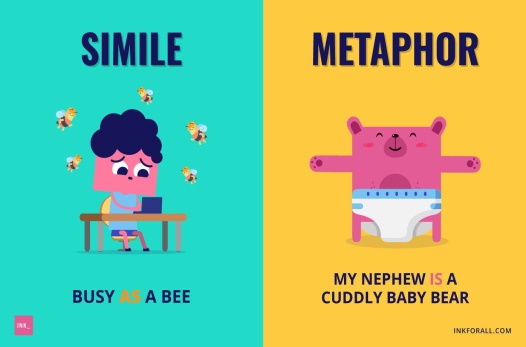
•Pupils fill in the graphic organizer based on the extract. ANSWERS Setting: an empty house in Halliford, England Main events: black smoke around house, men prisoners, Monday morning, tripod washed it away, narrator decided to leave, curate came with him, roads full of scared people, saw Martians at Kew, hid in shed, narrator sets off before dark, curate follows, saw a tripod chasing men, Martian picked them up and threw them into a metal container, froze in fear, ran for lives . •Pupils read the theory. Find two examples of simile, two of metaphor, and one of personification in the extract. ANSWERS Simile: like frightened animals, like a workman's basket Metaphor: he was a child, frozen with fear Personification: the Black Smoke had crept around the house 1 simile (fought like lions) 2 metaphor (bomb site) 3 personification (flowers danced) 4 personification (wind howled) 5 simile (sly as a fox) 6 metaphor (heart of stone) •Pupils read the novel. Test your knowledge. ANSWERS 1 C 2 B 3 A 4 A 5 C 6 C 7 A 8 C 9 C 10 B |
Descriptor: - fill in the graphic - complete the sentences Total: 3 point Descriptor: - read the theory - find two examples of simile, Total: 2 point
Descriptor: - read the novel. - Test your knowledge Total: 2 point
-Make CCQ questions Yes / No Total: 1 point pupils are evaluated by collecting pencils |
Card Worksheet |
|
End of the lesson 5 min |
FEEDBACK Learners provide feedback on what they have learned at the lesson. Ex: Home task: |
|
Poster Success
|
|
Short term plan: term 3
|
Unit 5 Reading for pleasure |
Lesson 53 |
||
|
Teacher name: |
|
||
|
Date: |
|
||
|
Grade: 10 |
Number present: |
absent: |
|
|
Lesson title |
Listeners Panic During. The Myth of the War of the Worlds |
||
|
Learning objectives
|
10.6.5.1 - use a wide variety of question types on a wide range of familiar general and curricular topics; 10.4.4.1 - read a wide range of extended fiction and non-fiction texts on familiar and unfamiliar general and curricular topics; |
||
|
Lesson objectives |
Learners will be able to: - read authentic texts for pleasure and academic purposes - use open questions in writing and speaking |
||
|
Plan |
|||
|
Stages / Time |
Teachers actions |
Students actions |
Assessment criteria |
Resources |
|
Beginning of the lesson Warming-up
3 min Pre-learning «Brainstorming» method 7 min. |
Organization moment : 1.Greeting. Ask about the weather. The teacher sets the lesson objectives, letting students know what to anticipate from the lesson.
revise the vocabulary from the previous Lead
– In |
. The aim: To develop pupils speaking skills and create friendly atmosphere Efficiency: By wishing each other they feel better and feel the support of others Students of the class are listed. Students' attention is drawn to the lesson. • Learners remember previous lesson vocabulary Determines the topic and purpose of the lesson Students say different words from the picture |
The teacher to assess learners for their ability. “Good job! Well done!” Formative Assessment
Good job! Descriptor: - can tell the time Point 1 Assessment criteria - Learners have met the learning objectives if they can talk about Myth of the War of the Worlds |
Pictures worksheet Picture |
|
Middle of the lesson Presentation part. 30 min |
Ex: 17 P: 68 • Ask Ss to watch the film adaptation of The War of the Worlds or rent the DVD and play it in class. If this is not feasible, ask Ss to read a plot summary for the film at www.wikipedia.org or www.imdb.com and compare it to the plot of the book. Elicit answers from Ss around the class. Ex:18a P: 68 • Ask Ss to read the newspaper headlines and the extracts and say how they are related to The War of the Worlds. Ex:18b P: 68 Ask Ss to read the news articles again and compare and contrast the presentation of the reaction to Orson Welles' version of The War of the Worlds. Elicit comparison from Ss around the class and which one Ss believe and why. Conclusion during the lesson some tasks differentiated by outcomes of the students and by their abilities. |
•Pupils read the novel. Then watch the film adaptation of The War of the Worlds. Answer the question. ANSWERS The film is completely different to the book in a number of ways. The characters are different. In the film, the main characters are Ray Ferrier and his children, Rachel and Robbie. In the book, the main characters are the narrator and his wife, the curate and the artilleryman. The setting is different. The film is set in the USA and the book is set in the UK. On the whole the plots are very different, but the main idea is the same that Martians come to Earth, cause lots of death and destruction and are then killed by simple bacteria •Pupils read the newspaper headlines and the extracts. ANSWERS The first extract is about how people believed Earth was being attacked by Martians when The War of the Worlds was first broadcast over the radio in 1938. They didn't understand it was a fictional drama. The second extract explains that the first story over exaggerates what really happened and although some people were frightened, there was no mass hysteria •Pupils compare and contrast the information in the articles. ANSWERS The first article presents the public reaction as hysteria with many injuries and calls to the police. The second article presents the public reaction as mild and claims that the initial reports were exaggerated. It says that some people were frightened, but not in a complete panic. It claims that the newspapers at the time misrepresented the story to make it more news worthy. |
Descriptor: - read the novel - watch the film - answer the question. Total: 3 point
Descriptor: - read the newspaper headlines - answer the question Total: 2 point
Descriptor: - compare and contrast the information - answer the question Total: 2 point -Make CCQ questions Yes / No Total: 1 point |
Card Worksheet |
|
End of the lesson 5 min |
FEEDBACK Learners provide feedback on what they have learned at the lesson. Ex: Home task: |
|
Poster Success
|
|

Short term plan: term 3
|
Unit 6 Capabilities of Human Brain |
Lesson 54 |
||
|
Teacher name: |
|
||
|
Date: |
|
||
|
Grade: 10 |
Number present: |
absent: |
|
|
Lesson title |
Capabilities of Human Brain |
||
|
Learning objectives
|
10.1.8.1 - develop intercultural awareness through reading and discussion; 10.2.2.1 - understand specific information in unsupported extended talk on a wide range of general and curricular topics, including talk on a limited range of unfamiliar topics; 10.4.2.1 - understand specific information and detail in extended texts on a range of familiar general and curricular topics, and some unfamiliar topics; |
||
|
Lesson objectives |
Learners will be able to: - use context clues to identify specific information - identify and explain use/function of adjectives and adverbs |
||
|
Plan |
|||
|
Stages / Time |
Teachers actions |
Students actions |
Assessment criteria |
Resources |
|
Beginning of the lesson Warming-up
3 min Pre-learning «Brainstorming» method 7 min. |
Organization moment : 1.Greeting. Ask about the weather. The teacher sets the lesson objectives, letting students know what to anticipate from the lesson.
revise the vocabulary from the previous Lead – In
|
. The aim: To develop pupils speaking skills and create friendly atmosphere Efficiency: By wishing each other they feel better and feel the support of others Students of the class are listed. Students' attention is drawn to the lesson. • Learners remember previous lesson vocabulary Determines the topic and purpose of the lesson Students say different words from the picture |
The teacher to assess learners for their ability. “Good job! Well done!” Formative Assessment
Good job! Descriptor: - can tell the time Point 1 Assessment criteria - Learners have met the learning objectives if they can talk about human Brain |
Pictures worksheet Picture |
|
Middle of the lesson Presentation part. 30 min |
Ex: 1a P: 69 • Give Ss time to read the texts A-D and complete the gaps with the words in the lists. Check Ss' answers. Ex:1b P: 69 • Give Ss time to discuss in pairs other things that the brain can do. Elicit answers from around the class. Over to you • Ask Ss to consider the questions, then elicit answers from various Ss around the class. Conclusion during the lesson some tasks differentiated by outcomes of the students and by their abilities. |
•Pupils fill in the gaps in the texts. ANSWERS 1 experience 2 react 3 beat 4 enjoy 5 identify 6 strong 7 learn 8 converts 9 written 10 imagine 11 tell 12 invent •Pupils in pairs, name some more capabilities of the human brain. ANSWERS The brain controls body temperature, blood pressure, heart rate and breathing. It handles all the information about the world around us from our senses (sight, hearing, taste, touch, smell and touching). It handles our physical movement when walking, talking, standing or sitting. It lets us think and dream. •Pupils answer the question ANSWERS I think the ability to experience emotions is the most important because if we couldn't do this we would be like robots. There wouldn't be a lot of point to life if we couldn't experience joy and sadness. I would like to improve my ability to understand languages. If I could understand every language in the world that would be amazing. I would be able to speak to anyone, anywhere. |
Descriptor: - to read the texts - fill in the gaps Total: 2 point Descriptor: - work in pairs - name some more capabilities Total: 2 point
Descriptor: - answer the question Total: 2 point -Make CCQ questions Yes / No |
Card Worksheet |
|
End of the lesson 5 min |
FEEDBACK Learners provide feedback on what they have learned at the lesson. Ex: Home task: |
|
Poster Success
|
|
Short term plan: term 3
|
Unit 6 Capabilities of Human Brain |
Lesson 55 |
||
|
Teacher name: |
|
||
|
Date: |
|
||
|
Grade: 10 |
Number present: |
absent: |
|
|
Lesson title |
Physical structure of the human brain |
||
|
Learning objectives
|
10.2.3.1 - understand the detail of an argument in unsupported extended talk on a wide range of general and curricular topics, including talk on a limited range of unfamiliar topics; 10.3.2.1 - ask and respond to complex questions to get information about a wide range of general and curricular topics; 10.4.1.1 - understand main points in extended texts on a wide range of familiar and some unfamiliar general and curricular topics; |
||
|
Lesson objectives |
Learners will be able to: |
||
|
Plan |
|||
|
Stages / Time |
Teachers actions |
Students actions |
Assessment criteria |
Resources |
|
Beginning of the lesson Warming-up
3 min Pre-learning «Brainstorming» method 7 min. |
Organization moment : 1.Greeting. Ask about the weather. The teacher sets the lesson objectives, letting students know what to anticipate from the lesson.
revise the vocabulary from the previous Lead – In
|
. The aim: To develop pupils speaking skills and create friendly atmosphere Efficiency: By wishing each other they feel better and feel the support of others Students of the class are listed. Students' attention is drawn to the lesson. • Learners remember previous lesson vocabulary Determines the topic and purpose of the lesson Students say different words from the picture |
The teacher to assess learners for their ability. “Good job! Well done!” Formative Assessment
Good job! Descriptor: - can tell the time Point 1 Assessment criteria - Learners have met the learning objectives if they can talk about |
Pictures worksheet Picture |
|
Middle of the lesson Presentation part. 30 min |
Ex: 1a P: 70 • Ask Ss to talk in pairs about the meanings of the words/phrases in the list. Tell Ss to check the meanings of any they are unsure of in their dictionaries. Check Ss' answers around the class. Ex:1b P: 70 • Explain that our brain is divided into two hemispheres (left, right) each one controlling different tasks/skills Ex:2 P: 70 • Ask Ss to read the statements 1-8 and then give Ss time to read the text and mark the statements according to what they read. Ss compare their answers with their partner. Check Ss' answers. Ex: 3 P: 71 • Give Ss time to answer the questions referring to the text as necessary and then elicit Ss' answers. Conclusion during the lesson some tasks differentiated by outcomes of the students and by their abilities. |
•Pupils to talk in pairs about the meanings of the words. Check in your dictionary. ANSWERS blood pressure (n): the pressure of the blood in the circulatory system body temperature (n): how hot or cold the body is skull (n): the bone that protects/covers the brain hemisphere (n): half of a sphere nerve fibre (n): a long thin thread that carries information between the brain and other parts of •Pupils listen and read to find out. Answer the question. ANSWERS Left hemisphere: logic, details, lists, language Right hemisphere: creativity, general ideas, music skills, emotions, imagination •Pupils red the sentences. Mark the statements. ANSWERS 1 T 2 DS 3 F 4 T 5 F 6 T 7 DS 8 T •Pupils answer the questions. ANSWERS 1 Each hemisphere is responsible for the opposite side of the body. 2 They think the brain creates synapses between |
Descriptor: - to talk in pairs - Check the meaning of a dictionary Total: 2 point Descriptor: - listen and read to find out - answer the question. Total: 2 point
Descriptor: - red the sentences - mark the statements. Total: 1 point
Descriptor: - answer the question Total: 1 point -Make CCQ questions Yes / No |
Card Worksheet |
|
End of the lesson 5 min |
FEEDBACK Learners provide feedback on what they have learned at the lesson. Ex: Home task: |
|
Poster Success
|
|
Short term plan: term 3
|
Unit 6 Capabilities of Human Brain |
Lesson 56 |
||
|
Teacher name: |
|
||
|
Date: |
|
||
|
Grade: 10 |
Number present: |
absent: |
|
|
Lesson title |
Grammar: Question types |
||
|
Learning objectives
|
10.1.1.1 - use speaking and listening skills to solve problems creatively and cooperatively in groups; 10.4.8.1 - use a wide range of familiar and unfamiliar paper and digital reference resources to check meaning and extend understanding; 10.5.5.1 - develop with support coherent arguments supported when necessary by examples and reasons for a wide range of written genres in familiar general and curricular topics; |
||
|
Lesson objectives |
Learners will be able to: - explain the meaning of new words in their own words - write a coherent paragraph/short text stating and explaining an argument |
||
|
Plan |
|||
|
Stages / Time |
Teachers actions |
Students actions |
Assessment criteria |
Resources |
|
Beginning of the lesson Warming-up
3 min Pre-learning «Brainstorming» method 7 min. |
Organization moment : 1.Greeting. Ask about the weather. The teacher sets the lesson objectives, letting students know what to anticipate from the lesson.
revise the vocabulary from the previous Lead – In
|
. The aim: To develop pupils speaking skills and create friendly atmosphere Efficiency: By wishing each other they feel better and feel the support of others Students of the class are listed. Students' attention is drawn to the lesson. • Learners remember previous lesson vocabulary Determines the topic and purpose of the lesson Students say different words from the picture |
The teacher to assess learners for their ability. “Good job! Well done!” Formative Assessment
Good job! Descriptor: - can tell the time Point 1 Assessment criteria - Learners have met the learning objectives if they can talk about |
Pictures worksheet Picture |
|
Middle of the lesson Presentation part. 30 min |
Ex: 5 P: 71 • Ask Ss to read the examples in the box and then elicit more examples from the text from Ss around the class. Refer Ss to the Grammar Reference section for more details. Ex:6a P: 71 • To classify questions and ask and answer questions Explain the task and give Ss time to complete it. Check Ss' answers. Elicit sentences from various Ss around the class Ex:6b P: 71 • Aim To practise question types Ask Ss to ask and answer their own questions in pairs. Monitor the activity around the class. Ex: 7 P: 71 • To listen for specific information Explain the task and ask Ss to read the questions and answer choices. Play the recording and give Ss time to complete the task. Check Ss' answers. Conclusion during the lesson some tasks differentiated by outcomes of the students and by their abilities. |
•Pupils read the examples and find more examples in the text. ANSWERS Tag question: It's an amazing organ, isn't it? Rhetorical question: Will we ever fully understand our own brains •Pupils work in pairs. Ask and answer the question ANSWERS 1 rhetorical question 2 tag question 3 wh-question 4 Yes/no question A: Wouldn't it be great to be happy all the time? B: Yes, it would. We can learn so much more about the brain, can't we? A: Yes, we can. Why do we sleep and dream? B: I think it's so the body can rest and the brain can organise our thoughts. Does your brain work better in the morning? A: Yes, it does. •Pupils make your own Yes/No, Wh-, tag question. Ask and answer the questions. ANSWERS A: Do you like learning about the brain? B: Yes, I do. What is your favourite subject? A: Science. It's interesting, isn't it? B: Yes, it is. It helps me understand the world. •Pupils listen to two people talking about the human brain. ANSWERS 1A 2 B 3 B 4 B 5 C |
Descriptor: - read the examples - find more examples in the text Total: 2 point
Descriptor: - work in pairs - ask and answer the question Total: 2 point
Descriptor: - make your own question - ask and answer the questions Total: 2 point Descriptor: - listen to two people Total: 1 point -Make CCQ questions Yes / No |
Card Worksheet |
|
End of the lesson 5 min |
FEEDBACK Learners provide feedback on what they have learned at the lesson. Ex: Home task: |
|
Poster Success
|
|
Short term plan: term 3
|
Unit 6 Capabilities of Human Brain |
Lesson 57 |
||
|
Teacher name: |
|
||
|
Date: |
|
||
|
Grade: 10 |
Number present: |
absent: |
|
|
Lesson title |
Intelligences |
||
|
Learning objectives
|
10.1.10.1 - use talk or writing as a means of reflecting on and exploring a range of perspectives on the world; 10.5.8.1 - communicate and respond to news and feelings in correspondence through a variety of functions on a range of general and curricular topics; 10.6.5.1 - use a wide variety of question types on a wide range of familiar general and curricular topics |
||
|
Lesson objectives |
Learners will be able to: - accurately spell most words and use their knowledge about the language to spell less frequent words - use different questioning techniques in relation to synthesis and evaluation |
||
|
Plan |
|||
|
Stages / Time |
Teachers actions |
Students actions |
Assessment criteria |
Resources |
|
Beginning of the lesson Warming-up
3 min Pre-learning «Brainstorming» method 7 min. |
Organization moment : 1.Greeting. Ask about the weather. The teacher sets the lesson objectives, letting students know what to anticipate from the lesson.
revise the vocabulary from the previous Lead – In
|
. The aim: To develop pupils speaking skills and create friendly atmosphere Efficiency: By wishing each other they feel better and feel the support of others Students of the class are listed. Students' attention is drawn to the lesson. • Learners remember previous lesson vocabulary Determines the topic and purpose of the lesson Students say different words from the picture |
The teacher to assess learners for their ability. “Good job! Well done!” Formative Assessment
Good job! Descriptor: - can tell the time Point 1 Assessment criteria - Learners have met the learning objectives if they can talk about |
Pictures worksheet Picture |
|
Middle of the lesson Presentation part. 30 min |
Ex: 1 P: 72 • To present vocabulary for types of intelligences Direct Ss' attention to the intelligences (1-8) in the list. Ask them to read them and the explanations (a-h) and then match them. Have Ss tell their partners. • Check Ss' answers. Ex:2 P: 72 • To listen and read for cohesion and coherence Explain the task and ask Ss to read the sentences A-F and then read the text and choose the correct ones to fill each gap. Give Ss time to complete the task and remind them to look at the key words before and after the gaps that will help them find the missing sentences. Play the recording. Ss listen and read and check. Ex:3 P: 72 • To consolidate information in a text Give Ss time to answer the questions referring to the text as necessary. Check Ss' answers. Ex: 4 P: 72 • To consolidate new vocabulary Explain the task and give Ss time to complete it. Check Ss' answers. Conclusion during the lesson some tasks differentiated by outcomes of the students and by their abilities. |
•Pupils read the Intelligences below and match then to what they refer to. ANSWERS 1 d 2 g 3 e 4 b 5 a 6 c 7 h 8 f •Pupils read again and choose from the sentences. Listen and read to find out. ANSWERS 1 D 2 C 3 E 4 F 5 A •Pupils answer the questions. ANSWERS It is important for schools because educators must activate each intelligence to reach every pupil in the classroom. •Pupils fill the gaps. ANSWERS 1 memorise 2 excels 3 calculated 4 smart 5 far-reaching 6 rise 7 proposing 8 responded |
Descriptor: - read the Intelligences - match then to what they refer to. Total: 2 point
Descriptor: - read again - choose the sentences. Total: 2 point
Descriptor: - answer the questions. Total: 1 point Descriptor: - fill the gaps Total: 1 point -Make CCQ questions Yes / No |
Card Worksheet |
|
End of the lesson 5 min |
FEEDBACK Learners provide feedback on what they have learned at the lesson. Ex: Home task: |
|
Poster Success
|
|
Short term plan: term 3
|
Unit 6 Capabilities of Human Brain |
Lesson 58 |
||
|
Teacher name: |
|
||
|
Date: |
|
||
|
Grade: 10 |
Number present: |
absent: |
|
|
Lesson title |
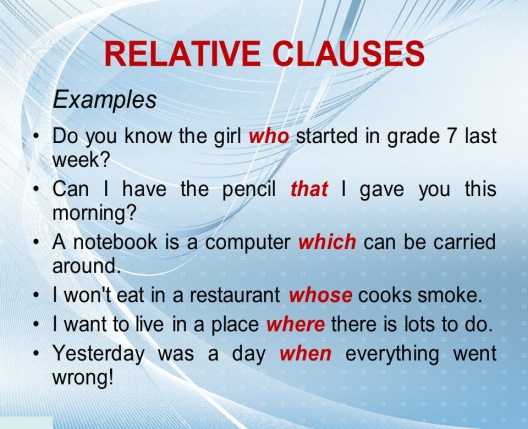
Grammar: Relative clause |
||
|
Learning objectives
|
10.1.2.1 - use speaking and listening skills to provide sensitive feedback to peers; 10.1.6.1 - organize and present information clearly to others; 7.5.6.1 link with little or no support, sentences into coherent paragraphs using a variety of basic connectors on a range of familiar general topics and some curricular topics |
||
|
Lesson objectives |
Learners will be able to: - check their own and others’ writing to ensure that it communicates what they intended and improve the writing if needed |
||
|
Plan |
|||
|
Stages / Time |
Teachers actions |
Students actions |
Assessment criteria |
Resources |
|
Beginning of the lesson Warming-up
3 min Pre-learning «Brainstorming» method 7 min. |
Organization moment : 1.Greeting. Ask about the weather. The teacher sets the lesson objectives, letting students know what to anticipate from the lesson.
revise the vocabulary from the previous Lead – In
|
. The aim: To develop pupils speaking skills and create friendly atmosphere Efficiency: By wishing each other they feel better and feel the support of others Students of the class are listed. Students' attention is drawn to the lesson. • Learners remember previous lesson vocabulary Determines the topic and purpose of the lesson Students say different words from the picture What is the difference between information and data? |
The teacher to assess learners for their ability. “Good job! Well done!” Formative Assessment
Good job! Descriptor: - can tell the time Point 1 Assessment criteria - Learners have met the learning objectives if they can talk about |
Pictures worksheet Picture |
|
Middle of the lesson Presentation part. 30 min |
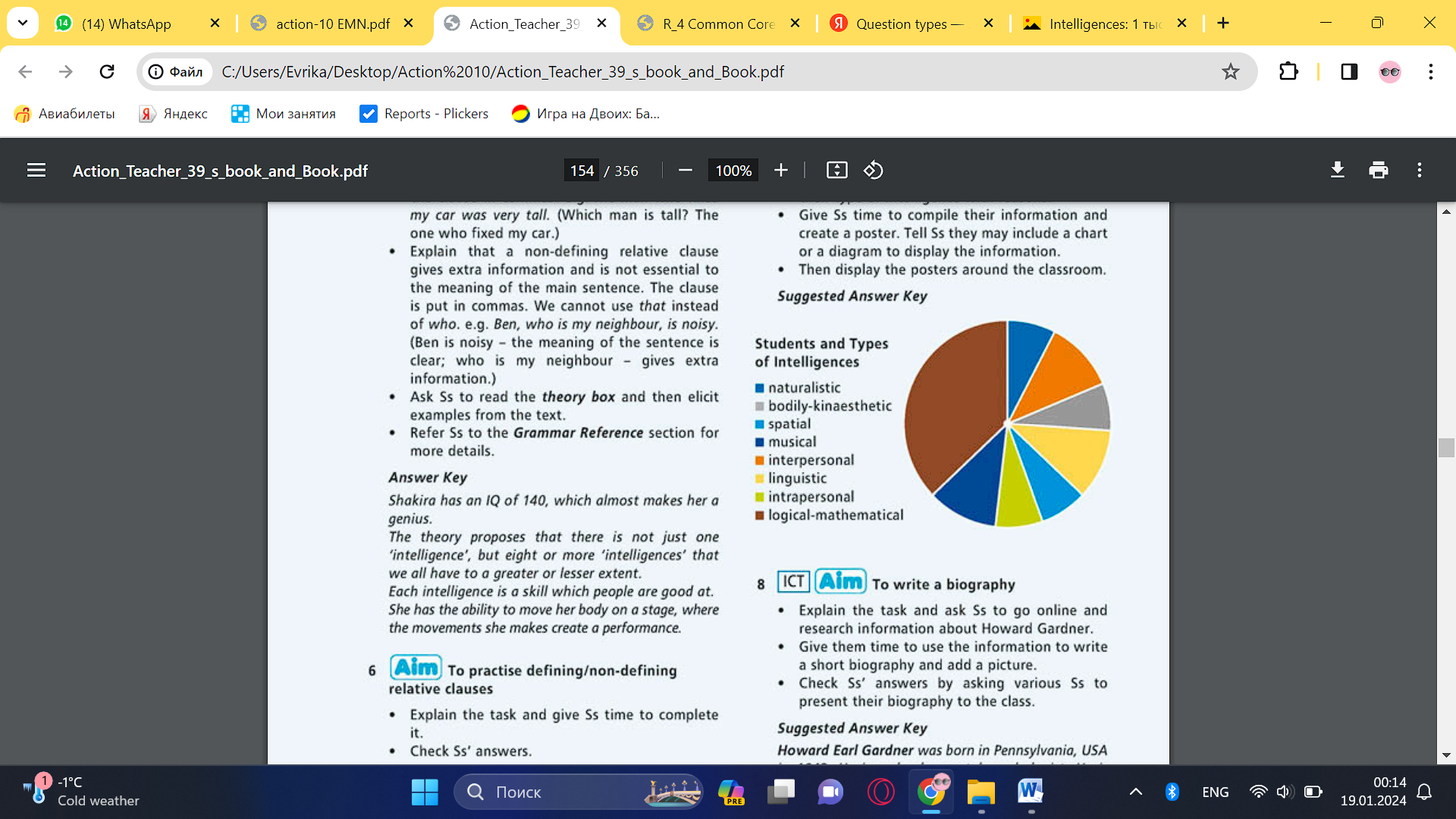
Ex: 5 P: 73 • To present relative clauses Explain that a defining relative clause gives necessary information and is essential to the meaning of the main sentence. We do not put the clause in commas. e.g. The man who fixed my car was very tall. (Which man is tall? The one who fixed my car.) Ask Ss to read the theory box and then elicit examples from the text. Refer Ss to the Grammar Reference section for more details Ex:6 P: 73 • To practise defining/non-defining relative clauses • Explain the task and give Ss time to complete it. Check Ss' answers. Ex:7 P: 73 • To conduct a survey, interview classmates and prepare a poster Explain the task and give Ss time to conduct a survey by interviewing their classmates about their type of intelligence with reasons. Give Ss time to compile their information and create a poster. Tell Ss they may include a chart or a diagram to display the information. Then display the posters around the classroom Conclusion during the lesson some tasks differentiated by outcomes of the students and by their abilities. |
•Pupils read the theory. Find examples in the text. ANSWERS Shakira has an IQ of 140, which almost makes her a genius. The theory proposes that there is not just one 'intelligence', but eight or more 'intelligences' that we all have to a greater or lesser extent. Each intelligence is a skill which people are good at. She has the ability to move her body on a stage, where the movements she makes create a performance •Pupils join the sentences using the relative pronoun/adverbs in brackets. ANSWERS 1 We just met Dr Jones who has written a book on multiple intelligences. Dr Jones, who we just met, has written a book on multiple intelligences. 2 This is the IT building where Professor Harris is working on important research. 3 Kairat recommended a documentary which/that was very informative. The documentary which/that Kairat recommended, was very informative. 4 1983 was the year when Howard Gardner's book was published. 5 I understand the reason why Martha loves all sports. 6 Anna is the new student whose IQ is very impressive •Pupils do a survey. Find out the most popular intelligence ANSWERS
|
Descriptor: - read the theory - find examples in the text. Total: 2 point
Descriptor: - join the sentences - use the relative pronoun/adverbs Total: 2 point
Descriptor: - do a survey - Find out the most popular intelligence Total: 2 point -Make CCQ questions Yes / No Total: 10 point |
Card Worksheet |
|
End of the lesson 5 min |
FEEDBACK Learners provide feedback on what they have learned at the lesson. Ex: Home task: |
|
Poster Success
|
|
Short term plan: term 3
|
Unit 6 Capabilities of Human Brain |
Lesson 59 |
||
|
Teacher name: |
|
||
|
Date: |
|
||
|
Grade: 10 |
Number present: |
absent: |
|
|
Lesson title |
Stress is bad for you |
||
|
Learning objectives
|
10.1.10.1 - use talk or writing as a means of reflecting on and exploring a range of perspectives on the world; 10.2.6.1 - deduce meaning from context in unsupported extended talk on a wide range of general and curricular topics, including talk on a limited range of unfamiliar topics; 10.3.2.1 - ask and respond to complex questions to get information about a wide range of general and curricular topics; |
||
|
Lesson objectives |
Learners will be able to: - infer less frequent words and phrases - utilize different strategies to craft specific and relevant questions |
||
|
Plan |
|||
|
Stages / Time |
Teachers actions |
Students actions |
Assessment criteria |
Resources |
|
Beginning of the lesson Warming-up
3 min Pre-learning «Brainstorming» method 7 min. |
Organization moment : 1.Greeting. Ask about the weather. The teacher sets the lesson objectives, letting students know what to anticipate from the lesson.
revise the vocabulary from the previous Lead – In
|
. The aim: To develop pupils speaking skills and create friendly atmosphere Efficiency: By wishing each other they feel better and feel the support of others Students of the class are listed. Students' attention is drawn to the lesson. • Learners remember previous lesson vocabulary Determines the topic and purpose of the lesson Students say different words from the picture What is the difference between information and data? |
The teacher to assess learners for their ability. “Good job! Well done!” Formative Assessment
Good job! Descriptor: - can tell the time Point 1 Assessment criteria - Learners have met the learning objectives if they can talk about |
Pictures worksheet Picture |
|
Middle of the lesson Presentation part. 30 min |
Ex: 1 P: 74 • Give Ss time to complete the sentences using the words. • Check Ss' answers around the class. Ex:2 P: 74 • Play the recording. Ss listen and follow the text in their books and find out which of the sentences in Ex. 1 are true. Check Ss' answers. Ex:3 P: 75 • Ask Ss to read questions 1-3 and the possible answers and give them time to read the text again and choose the correct answers. Check Ss' answers around the class. Ss should justify their answers. Ex:4 P: 75 • Give Ss time to answer the questions copying information straight from the Check Ssanswers around the Ex:5 P: 75 • Explain that an abstract noun is the name of something that is not concrete or tangible (e.g. emotion, intelligence) and that a compound noun is the name of something that is made up of two words that have been put together (e.g. blackboard, swimming pool). Conclusion during the lesson some tasks differentiated by outcomes of the students and by their abilities. |
• Pupils complete the sentences using the words ANSWERS 1 media 2 produce 3 immune system 4 psychologists 5 practitioners •Pupils answer the question. Listen and read to find out. ANSWERS 1 F (E. 5-7) 2 T (E. 16-17) 3 T (6.22-23) 4 T (E. 29) 5 T (2. 40-41 •Pupils read again. For questions choose the correct answer. Give reasons for your answers from the text. ANSWERS 1 C (2. 11-12) 2 C (C. 16-19) 3 C (8.39-44) •Pupils answer the question in your own language. ANSWERS 1 Certain hormones are released when we're which prepare our bodies for action 2 People encouraged to believe that any type stress is •Pupils find examples of abstract and compound nouns in the text. ANSWERS Abstract nouns: stress, disease, illness, health, situation, reaction, condition, problem, consequence Compound nouns: daily life, home life, immune system, workout, website |
Descriptor: - complete the sentences - use the words Total: 2 point
Descriptor: - answer the question - listen and read to find out Total: 2 point
Descriptor: - read again - choose the correct answer - give reasons Total: 2 point Descriptor: - answer the question Total: 2 point Descriptor: - find examples of abstract and compound nouns Total: 2 point -Make CCQ questions Yes / No Total: 10 point |
Card Worksheet |
|
End of the lesson 5 min |
FEEDBACK Learners provide feedback on what they have learned at the lesson. Ex: Home task: |
|
Poster Success
|
|

Short term plan: term 3
|
Unit 6 Capabilities of Human Brain |
Lesson 60 |
||
|
Teacher name: |
|
||
|
Date: |
|
||
|
Grade: 10 |
Number present: |
absent: |
|
|
Lesson title |
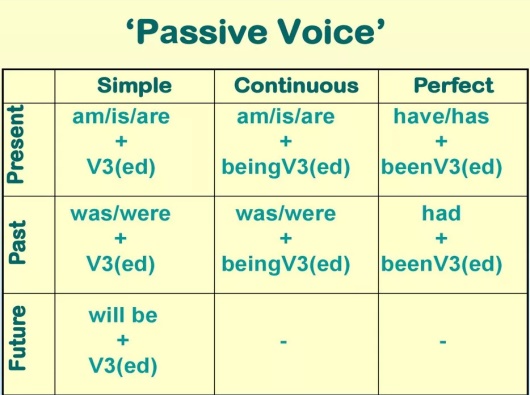
Grammar: The Passive |
||
|
Learning objectives
|
10.3.7.1 - use appropriate subject-specific vocabulary and syntax to talk about a range of general and curricular topics; 10.4.4.1 - read a wide range of extended fiction and non-fiction texts on familiar and unfamiliar general and curricular topics; 10.5.1.1- plan, write, edit and proofread work at text level independently on a range of general and curricular topics; |
||
|
Lesson objectives |
Learners will be able to: - demonstrate the use of accurate sequence of compound adjectives - read authentic texts for pleasure and academic purposes |
||
|
Plan |
|||
|
Stages / Time |
Teachers actions |
Students actions |
Assessment criteria |
Resources |
|
Beginning of the lesson Warming-up
3 min Pre-learning «Brainstorming» method 7 min. |
Organization moment : 1.Greeting. Ask about the weather. The teacher sets the lesson objectives, letting students know what to anticipate from the lesson.
revise the vocabulary from the previous Lead – In
|
. The aim: To develop pupils speaking skills and create friendly atmosphere Efficiency: By wishing each other they feel better and feel the support of others Students of the class are listed. Students' attention is drawn to the lesson. • Learners remember previous lesson vocabulary Determines the topic and purpose of the lesson Students say different words from the picture What is the difference between information and data? |
The teacher to assess learners for their ability. “Good job! Well done!” Formative Assessment
Good job! Descriptor: - can tell the time Point 1 Assessment criteria - Learners have met the learning objectives if they can talk about |
Pictures worksheet Picture |
|
Middle of the lesson Presentation part. 30 min |
Ex: 6a P: 75 • Explain that to form the passive we use the verb to be and the past participle of the main verb. Elicit that the subject of the active sentence becomes the agent (the person doing the action) and is introduced with by. Explain that the passive sentence gives emphasis to the action rather than the person who does it. Then elicit the passive forms in the text. Check Ss' answers and refer them to the Grammar Reference section for more information. Ex: 6a P: 75 • Explain the task and give Ss time to complete it. • Check Ss' answers. Ex:7 P: 75 • Ask Ss to read the examples. Explain/Elicit that we form type 3 conditional with if/when + past perfect + would have + past participle and that we use it to talk about an unreal situation in the past. Refer Ss to the Grammar Reference section for more information. Ex:8 P: 75 • Explain the task and give Ss time to complete it. Check Ss' answers. Ex:9 P: 75 • Explain the task and ask Ss to read the statements (A-E) and then play the recording. Play the recording. Ss listen and complete the task. Check Ss' answers. Conclusion during the lesson some tasks differentiated by outcomes of the students and by their abilities. |
• Pupils find examples of the passive in the text. Answer the question. ANSWERS Examples: hormones are produced, blood flow to the brain and muscles is increased, why are we continually told, that needs to be cured. We form the passive with the verb to be and the past participle of the main verb. •Pupils complete the sentences with the correct passive form of the verb in brackets. ANSWERS 1 be avoided 2 were handed out 3 is said 4 not be considered 5 are often affected •Pupils read the examples. Answer the question. ANSWERS We form type 3 conditional with if/when + past perfect + would have + past participle. •Pupils complete the sentences with the correct form of the verb in brackets to make. Type 3 conditionals. ANSWERS 1 had been 2 would you have done 3 would not have had 4 hadn't burnt 5 would have arrived 6 had known •Pupils listen and match the speakers to the statements. ANSWERS 1 D 2 A 3 C |
Descriptor: - find examples of the passive - answer the question Total: 2 point
Descriptor: - complete the sentences with the correct passive - complete the sentences Total: 2 point Descriptor: - read the examples. - answer the question. Total: 2 point Descriptor: - complete the sentences with the correct form -make sentences Total: 2 pointt Descriptor: - listen and match the speakers Total: 2 point -Make CCQ questions Yes / No Total: 10 point |
Card Worksheet |
|
End of the lesson 5 min |
FEEDBACK Learners provide feedback on what they have learned at the lesson. Ex: Home task: |
|
Poster Success
|
|
Short term plan: term 3
|
Unit 6 Capabilities of Human Brain |
Lesson 61 |
||
|
Teacher name: |
|
||
|
Date: |
|
||
|
Grade: 10 |
Number present: |
absent: |
|
|
Lesson title |
Writing: An email giving advice |
||
|
Learning objectives
|
10.1.5.1- use feedback to set personal learning objectives; 10.2.2.1 - understand specific information in unsupported extended talk on a wide range of general and curricular topics, including talk on a limited range of unfamiliar topics; |
||
|
Lesson objectives |
Learners will be able to: - show control of their own learning -use context clues to identify specific information |
||
|
Plan |
|||
|
Stages / Time |
Teachers actions |
Students actions |
Assessment criteria |
Resources |
|
Beginning of the lesson Warming-up
3 min Pre-learning «Brainstorming» method 7 min. |
Organization moment : 1.Greeting. Ask about the weather. The teacher sets the lesson objectives, letting students know what to anticipate from the lesson.
revise the vocabulary from the previous Lead – In
|
. The aim: To develop pupils speaking skills and create friendly atmosphere Efficiency: By wishing each other they feel better and feel the support of others Students of the class are listed. Students' attention is drawn to the lesson. • Learners remember previous lesson vocabulary Determines the topic and purpose of the lesson Students say different words from the picture What is the difference between information and data? |
The teacher to assess learners for their ability. “Good job! Well done!” Formative Assessment
Good job! Descriptor: - can tell the time Point 1 Assessment criteria - Learners have met the learning objectives if they can talk about |
Pictures worksheet Picture |
|
Middle of the lesson Presentation part. 30 min |
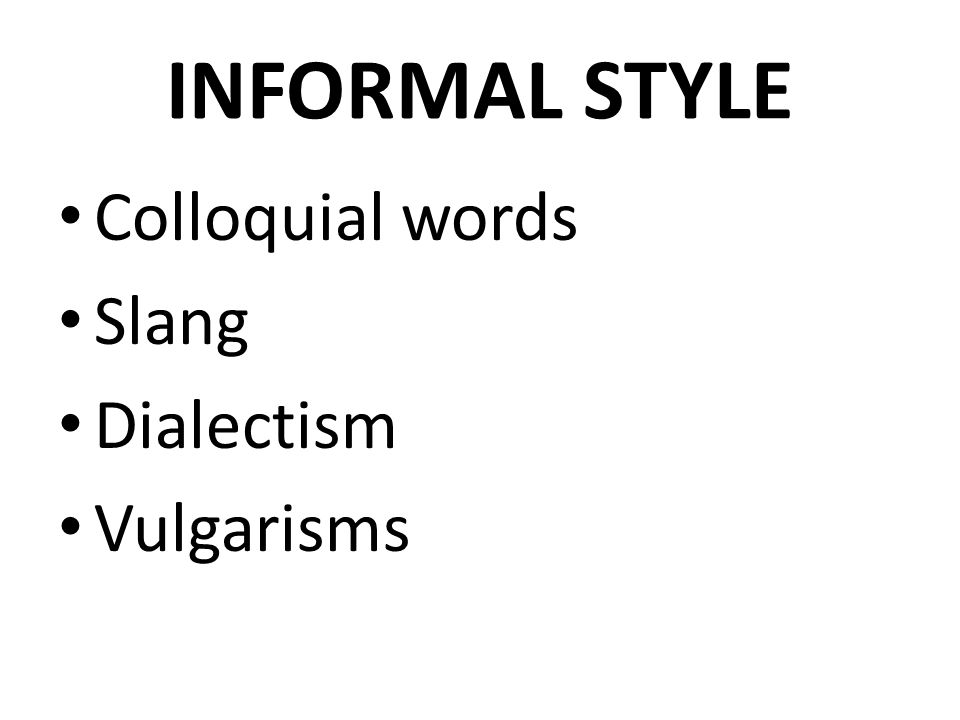
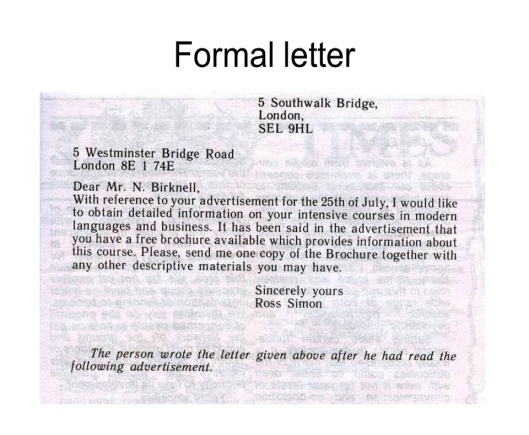
Ex: 1 P: 76 • Read the Writing Tip aloud and introduce the type of writing, the content, layout and useful language. • Ask Ss to read through the rubric and look at the key words in bold and answer the question • Explain to Ss that it is very important to read the rubric carefully so that they include all the points mentioned. Check Ss' answers around the class. Ex: 2 P: 76 • Read the rubric aloud and give Ss time to read the email and match the paragraphs to the content. Ex:3 P: 76 • Give Ss time to read sentences 1-10 and elicit which ones are opening remarks and which ones are closing remarks. • Check Ss' answers. Ex:4 P: 76 • Give Ss time to substitute the remarks in the email with suitable alternatives from Ex. 3. Elicit answers from Ss around the class. Ex:5 P: 77 • Read the Writing Tip aloud and then give Ss time to find examples of informal style in the email. Elicit answers from Ss around the class. Conclusion during the lesson some tasks differentiated by outcomes of the students and by their abilities. |
• Pupils read the rubric and look at the key words in bold. Answer the questions. ANSWERS 1 an email 2 my English friend 3 advice about how to study better 4 between 120-180 words 5 informal •Pupils read the email and match the paragraphs to the descriptions below. ANSWERS 1 B 2 E 3 C 4 A 5 D •Pupils decide whether sentences are opening remarks or closing remarks. Mark the sentences. ANSWERS 1 CR 2 CR 3 OR 4 OR 5 OR 6 CR 7 OR 8 CR 9 OR 10 CR •Pupils replace the opening/closing remarks in the email in ex 2 with remarks from ex 3. ANSWERS Opening remarks: How're things? Sorry to hear about your problems. Let me give you some advice. Closing remarks: Well, that's all for now. All the best and keep me posted •Pupils read the Writing Tip and find examples of informal style in the email in ex 2 ANSWERS short forms: you're, I'd, it's, you'll, don't, won't, I'm phrasal verbs: put off, sort out colloquial expressions/idioms: under the weather omission of pronouns: Hope my advice helps. informal linkers: so, and |
Descriptor: - read the rubric - answer the question Total: 2 point
Descriptor: - read the email - match the paragraphs to the descriptions Total: 2 point Descriptor: - identify the remarks - mark the sentences. Total: 2 point . Descriptor: - replace the opening/closing remarks Total: 2 pointt Descriptor: - read the Writing Tip - find examples of informal style Total: 2 point -Make CCQ questions Yes / No Total: 10 point |
Card Worksheet |
|
End of the lesson 5 min |
FEEDBACK Learners provide feedback on what they have learned at the lesson. Ex: Home task: |
|
Poster Success
|
|
Short term plan: term 3
|
Unit 6 Capabilities of Human Brain |
Lesson 62 |
||
|
Teacher name: |
|
||
|
Date: |
|
||
|
Grade: 10 |
Number present: |
absent: |
|
|
Lesson title |
Writing Tip |
||
|
Learning objectives
|
10.3.7.1 - use appropriate subject-specific vocabulary and syntax to talk about a range of general and curricular topics; 10.5.2.1 - use a growing range of vocabulary, which is appropriate to topic and genre, and which is spelt accurately; 10.6.4.1 - use a wide variety of determiners and pre-determiner structures on a wide range of familiar general and curricular topics |
||
|
Lesson objectives |
Learners will be able to: - demonstrate the use of accurate sequence of compound adjectives - write about dreams, hopes, ambitions in relation to the future |
||
|
Plan |
|||
|
Stages / Time |
Teachers actions |
Students actions |
Assessment criteria |
Resources |
|
Beginning of the lesson Warming-up
3 min Pre-learning «Brainstorming» method 7 min. |
Organization moment : 1.Greeting. Ask about the weather. The teacher sets the lesson objectives, letting students know what to anticipate from the lesson.
revise the vocabulary from the previous Lead – In
|
. The aim: To develop pupils speaking skills and create friendly atmosphere Efficiency: By wishing each other they feel better and feel the support of others Students of the class are listed. Students' attention is drawn to the lesson. • Learners remember previous lesson vocabulary Determines the topic and purpose of the lesson Students say different words from the picture What is the difference between information and data? |
The teacher to assess learners for their ability. “Good job! Well done!” Formative Assessment
Good job! Descriptor: - can tell the time Point 1 Assessment criteria - Learners have met the learning objectives if they can talk about |
Pictures worksheet Picture |
|
Middle of the lesson Presentation part. 30 min |
Ex: 6 P: 77 • Give Ss time to rewrite the paragraphs. and then ask various Ss to read out the paragraphs to the class. Ex: 7 P: 77 • Read the Writing Tip aloud and then give time find examples of suggestions the email Elicit answers from Ss around the Ex:8 P: 77 • Explain the task and give Ss time to complete it. • Check Ss' answers around the class. Ex:9 P: 77 • Read the Writing Tip aloud and then give Ss time to find and write results for the pieces of advice in Ex. 8. Elicit answers from Ss around the class. Conclusion during the lesson some tasks differentiated by outcomes of the students and by their abilities. |
• Pupils the first and last paragraphs below have been written in formal style. Rewrite them in informal style. ANSWERS A Dear James, Thanks for your email. I'm very sorry about your problem. The same thing happened to me last year. Let me give you some advice. B Got to go now. Let me know if my advice helped. Say hello to your family for me. Yours, Elizabeth •Pupils read the writing Tip and find the ways the writer of the email in ex 2 makes suggestions. ANSWERS If were you I'd…, You should.... Why don't you….? It would be good idea •Pupils make suggestions using the ideas. ANSWERS 1 You should take up a sport and eat healthily. 2 Why don't you share your worries with your parents? 3 It would be a good idea to focus on the cause of the stress. •Pupils read the Writing Tip and give possible results for the pieces of advice. ANSWERS 1 That way you will feel healthier and being active will help relieve your stress. 2 Then you will have support from the people who love you. 3 If you do this, you'll reduce your anxiety. 4 This will help by allowing you to take your mind off your problems and enjoy yourself. |
Descriptor: - rewrite the paragraphs. Total: 2 point
Descriptor: - read the writing Tip - find the ways the writer of the email Total: 2 point Descriptor: - make suggestions using the ideas. Total: 2 point Descriptor: - read the Writing Tip - give possible results for the pieces Total: 2 point -Make CCQ questions Yes / No Total: 10 point |
Card Worksheet |
|
End of the lesson 5 min |
FEEDBACK Learners provide feedback on what they have learned at the lesson. Ex: Home task: |
|
Poster Success
|
|
Short term plan: term 3
|
Unit 6 Capabilities of Human Brain |
Lesson 63 |
||
|
Teacher name: |
|
||
|
Date: |
|
||
|
Grade: 10 |
Number present: |
absent: |
|
|
Lesson title |
Culture corner |
||
|
Learning objectives
|
10.2.5.1 - recognize the attitude or opinion of the speaker(s) in unsupported extended talk on a wide range of general and curricular topics, including talk on a limited range of unfamiliar topics; 10.3.3.1 - explain and justify own and others’ point of view on a wide range of general and curricular topics; |
||
|
Lesson objectives |
Learners will be able to: - recognize what the speaker is trying to communicate - perform a persuasive discourse based on cause-effect pattern |
||
|
Plan |
|||
|
Stages / Time |
Teachers actions |
Students actions |
Assessment criteria |
Resources |
|
Beginning of the lesson Warming-up
3 min Pre-learning «Brainstorming» method 7 min. |
Organization moment : 1.Greeting. Ask about the weather. The teacher sets the lesson objectives, letting students know what to anticipate from the lesson.
revise the vocabulary from the previous Lead – In
|
. The aim: To develop pupils speaking skills and create friendly atmosphere Efficiency: By wishing each other they feel better and feel the support of others Students of the class are listed. Students' attention is drawn to the lesson. • Learners remember previous lesson vocabulary Determines the topic and purpose of the lesson Students say different words from the picture What is the difference between information and data? |
The teacher to assess learners for their ability. “Good job! Well done!” Formative Assessment
Good job! Descriptor: - can tell the time Point 1 Assessment criteria - Learners have met the learning objectives if they can talk about |
Pictures worksheet Picture |
|
Middle of the lesson Presentation part. 30 min |
Ex: 1 P: 78 • To introduce the topic and read for gist Elicit what, if anything, Ss know about the Duke of Edinburgh's Award and then give Ss time to read the text and find out about it. Ex: 2 P: 78 • To read for lexico-grammatical correctness & coherence Read out the Study Skills box. Explain the task and ask Ss to read the text again and think of a word to complete & gap that makes the text coherent so that it is lexically and grammatically correct. Check Ss' answers. Ask Ss to justify their answers. Ex:3 P: 78 • To consolidate new vocabulary Explain the task. Give Ss time to complete the task, referring back to the text if necessary. Check Ss answers. Ex:4 P: 78 • To consolidate information in a text Read the rubric aloud. Play the recording. Ss listen and follow the text in their books. Give Ss time to prepare their answers. Ask various Ss around the class to share their answers with the rest of the class. Conclusion during the lesson some tasks differentiated by outcomes of the students and by their abilities. |
• Pupils read through to find out. Answer the question. ANSWERS The Duke of Edinburgh's Award is a youth programme that allows 14-24 year olds to face challenges and receive a special award from the Duke of Edinburgh •Pupils read the text and fill the gaps. ANSWERS 1 It 2 in 3 from 4 their 5 not 6 at 7 down 8 which 9 by 10 they 11 for 12 having •Pupils fill the gaps. ANSWERS 1 full 2 skills 3 different 4 easy 5 rescue 6 charity 7 pick 8 gold 9 comes •Pupils listen and read. Explain the different types of this award. ANSWERS There are three levels of the award; the bronze, the silver and the gold. Each level is more difficult and challenging than the previous one. Young people can take part in different activities in four different areas: volunteering, physical, skills or expedition. They can pick the activities they want to do in each area. Completing the awards can take from three months to three years. |
Descriptor: - read through to find out - answer the question. Total: 2 point
Descriptor: - read the text - fill the gaps. Total: 2 point Descriptor: - fill the gaps Total: 2 point Descriptor: - listen and read - explain the different types of this award Total: 2 point -Make CCQ questions Yes / No Total: 10 point |
Card Worksheet |
|
End of the lesson 5 min |
FEEDBACK Learners provide feedback on what they have learned at the lesson. Ex: Home task: |
|
Poster Success
|
|

Short term plan: term 3
|
Unit 6 Capabilities of Human Brain |
Lesson 64 |
||
|
Teacher name: |
|
||
|
Date: |
|
||
|
Grade: 10 |
Number present: |
absent: |
|
|
Lesson title |
Curricular: PSHE Summative assessment for the unit «Capabilities of Human Brain» |
||
|
Learning objectives
|
10.3.4.1 - evaluate and comment on the views of others in a growing variety of talk contexts on a growing range of general and curricular topics; 10.4.1.1 - understand main points in extended texts on a wide range of familiar and some unfamiliar general and curricular topics; 10.6.16.1 - use a wide variety of conjunctions on a wide range of familiar general and curricular topics |
||
|
Lesson objectives |
Learners will be able to: - discuss/ debate on given topics demonstrating unprepared speaking - identify the difference between main idea and supporting points |
||
|
Plan |
|||
|
Stages / Time |
Teachers actions |
Students actions |
Assessment criteria |
Resources |
|
Beginning of the lesson Warming-up
3 min Pre-learning «Brainstorming» method 7 min. |
Organization moment : 1.Greeting. Ask about the weather. The teacher sets the lesson objectives, letting students know what to anticipate from the lesson.
revise the vocabulary from the previous Lead – In
|
. The aim: To develop pupils speaking skills and create friendly atmosphere Efficiency: By wishing each other they feel better and feel the support of others Students of the class are listed. Students' attention is drawn to the lesson. • Learners remember previous lesson vocabulary Determines the topic and purpose of the lesson Students say different words from the picture What is the difference between information and data? |
The teacher to assess learners for their ability. “Good job! Well done!” Formative Assessment
Good job! Descriptor: - can tell the time Point 1 Assessment criteria - Learners have met the learning objectives if they can talk about |
Pictures worksheet Picture |
|
Middle of the lesson Presentation part. 30 min |
Ex: 1 P: 79 • To predict the content of the text and read for gist Read the title of the text aloud and ask Ss to read the introduction and the headings and elicit their guesses as to how we can improve our memory. Give Ss time to read the whole text and find out. Ex: 2 P: 79 • To read for lexico-grammatical correctness & coherence Explain the task and ask Ss to read the text again and think of a word to complet ach gap that makes the text coherent so that it is lexically and grammatically correct. Ss should pay attention to the words before/after each gap as they will help them do the task. Check Ss' answers. Ss should justify their answers. Ex:3 P: 79 • To consolidate new vocabulary Give Ss time to look back through the text and find all the phrasal verbs. Check Ss' answers on the board. Give Ss time to write sentences using t phrasal verbs. Check Ss' answers around the class. Ex:4 P: 79 • To consolidate new vocabulary Explain the task and give Ss time to complete it. Check Ss' answers. Summative assessment for the unit «Capabilities of Human Brain» Conclusion during the lesson some tasks differentiated by outcomes of the students and by their abilities. |
• Pupils read the title of the text, the introductions and the headings. Answer the questions. ANSWERS We can use a number of techniques to improve our memory such as chunking information, thinking in pictures, word association, using location, etc •Pupils read again and complete the gaps with the correct word. ANSWERS 1 better 2 studying 3 than 4 of 5 by 6 such 7 them 8 up 9 take 10 to 11 trying 12 remember •Pupils find all the phrasal verbs in the text. Make sentences using them. ANSWERS let (sb) down, breaking down, falling down, coming up with, space out, come back My mum and dad never let me down. When you're studying for a test you should break down the information into the key points. Tom fell down the stairs yesterday. I came up with a great idea for a present for Tina. Mum planted some flowers in the garden and spaced them out evenly. Have a break from studying and then come back to it later. •Pupils fill the gaps. ANSWERS 1 Remind 2 Remember 3 Memorise 4 recall |
Descriptor: - read the title of the text, - answer the question. Total: 2 point
Descriptor: - read the text - complete the gaps Total: 2 point Descriptor: - find all the phrasal verbs - make sentences Total: 2 point Descriptor: - fill the gaps Total: 2 point -Make CCQ questions Yes / No Total: 10 point |
Card Worksheet |
|
End of the lesson 5 min |
FEEDBACK Learners provide feedback on what they have learned at the lesson. Ex: Home task: |
|
Poster Success
|
|
Short term plan: term 3
|
Unit 6 Capabilities of Human Brain |
Lesson 65 |
||
|
Teacher name: |
|
||
|
Date: |
|
||
|
Grade: 10 |
Number present: |
absent: |
|
|
Lesson title |
Language in use /progress check |
||
|
Learning objectives
|
10.4.2.1 - understand specific information and detail in extended texts on a range of familiar general and curricular topics, and some unfamiliar topics; 10.5.1.1 - plan, write, edit and proofread work at text level independently on a range of general and curricular topics; 10.6.2.1 - use a variety of quantifiers for countable and uncountable nouns and a variety of noun phrases on a wide range of familiar general and curricular topics; |
||
|
Lesson objectives |
Learners will be able to: - identify and explain the use of imagery, simile, metaphor, hyperbole, onomatopoeia and personification |
||
|
Plan |
|||
|
Stages / Time |
Teachers actions |
Students actions |
Assessment criteria |
Resources |
|
Beginning of the lesson Warming-up
3 min Pre-learning «Brainstorming» method 7 min. |
Organization moment : 1.Greeting. Ask about the weather. The teacher sets the lesson objectives, letting students know what to anticipate from the lesson.
revise the vocabulary from the previous Lead – In
|
. The aim: To develop pupils speaking skills and create friendly atmosphere Efficiency: By wishing each other they feel better and feel the support of others Students of the class are listed. Students' attention is drawn to the lesson. • Learners remember previous lesson vocabulary Determines the topic and purpose of the lesson Students say different words from the picture What is the difference between information and data? |
The teacher to assess learners for their ability. “Good job! Well done!” Formative Assessment
Good job! Descriptor: - can tell the time Point 1 Assessment criteria - Learners have met the learning objectives if they can talk about |
Pictures worksheet Picture |
|
Middle of the lesson Presentation part. 30 min |
Ex: 1 P: 80 • To present and practise phrasal verbs with set and take Go through the list of phrasal verbs and their definitions and elicit an example for each one from various Ss around the class using their dictionaries to help them if necessary. Give Ss time to complete the task and then check Ss' answers. Ex: 2 P: 80 • Explain the task and give Ss time to complete it and then check Ss' answers. Ask Ss to add the words to the Prepositions section in their notebooks. Ask Ss to revise this section regularly as this will help them use the English language in a natural way. Ex:3 P: 80 • Consolidate words which are often confused Explain the task and give Ss time to complete it and then check Ss' answers. Ex:4 P: 80 • To form adverbs from adjectives Read the theory box and the examples aloud and then explain the task. Give Ss time to complete the task and then check Ss' answers. Conclusion during the lesson some tasks differentiated by outcomes of the students and by their abilities. |
• Pupils choose the correct particle. ANSWERS 1 up 2 in 3 aside 4 up 5 off 6 over •Pupils fill the gaps. ANSWERS 1 with 2 to 3 for 4 to 5 for 6 with •Pupils choose the correct word. ANSWERS 1 remind 2 invent 3 programme 4 Physical 5 effects 6 tell •Pupils fill in the correct word derived from the word in brackets. ANSWERS 1 easily 2 probably 3 Luckily 4 enthusiastically 5 energetically 6 terribly |
Descriptor: - choose the correct particle - complete the task Total: 2 point
Descriptor: - fill the gaps Total: 2 point Descriptor: - choose the correct word. Total: 2 point Descriptor: - fill in the correct word Total: 2 point -Make CCQ questions Yes / No Total: 10 point |
Card Worksheet |
|
End of the lesson 5 min |
FEEDBACK Learners provide feedback on what they have learned at the lesson. Ex: Home task: |
|
Poster Success
|
|
Short term plan: term 3
|
Unit 7 Breakthrough technologies |
Lesson 66 |
||
|
Teacher name: |
|
||
|
Date: |
|
||
|
Grade: 10 |
Number present: |
absent: |
|
|
Lesson title |
Breakthrough technologies: Major |
||
|
Learning objectives
|
10.1.3.1 - respect differing points of view; 10.2.3.1 - understand the detail of an argument in unsupported extended talk on a wide range of general and curricular topics, including talk on a limited range of unfamiliar topics; |
||
|
Lesson objectives |
Learners will be able to: -To introduce new vocabulary -To talk about a major breakthrough and express a personal opinion on the topic. |
||
|
- Plan |
|||
|
Stages / Time |
Teachers actions |
Students actions |
Assessment criteria |
Resources |
|
Beginning of the lesson Warming-up
3 min Pre-learning «Brainstorming» method 7 min. |
Organization moment : 1.Greeting. Ask about the weather. The teacher sets the lesson objectives, letting students know what to anticipate from the lesson.
revise the vocabulary from the previous Lead – In
|
. The aim: To develop pupils speaking skills and create friendly atmosphere Efficiency: By wishing each other they feel better and feel the support of others Students of the class are listed. Students' attention is drawn to the lesson. • Learners remember previous lesson vocabulary Determines the topic and purpose of the lesson Students say different words from the picture What is the difference between information and data? |
The teacher to assess learners for their ability. “Good job! Well done!” Formative Assessment
Good job! Descriptor: - can tell the time Point 1 Assessment criteria - Learners have met the learning objectives if they can talk about |
Pictures worksheet Picture |
|
Middle of the lesson Presentation part. 30 min |
Ex: 1a P: 83 • Direct Ss' attention to the pictures and ask them to read the texts next to each one. Go through the words in the list and explain/elicit the meanings of any unknown words. Give Ss time to complete the texts. Check Ss' answers. Ex: 1b P: 83 • Explain/Elicit the meanings of the words in the rubric and then elicit which category the topic of each text is related to. Conclusion during the lesson some tasks differentiated by outcomes of the students and by their abilities. |
• Pupils fill in the gaps in the text with words in the list. ANSWERS A 1 discovered 2 revolutionised 3 led B 1 launched 2 unmanned 3 orbit C 1 pioneered 2 supply 3 lit up D 1 came across 2 writing 3 work out 4 unreadable •Pupils identify the meanings of the words in the rubric ANSWERS A medicine B space exploration C technology D archaeology |
Descriptor: - fill in the gaps - complete the texts Total: 2 point
Descriptor: - identify the meanings of the words Total: 2 point -Make CCQ questions Yes / No Total: 10 point |
Card Worksheet |
|
End of the lesson 5 min |
FEEDBACK Learners provide feedback on what they have learned at the lesson. Ex: Home task: |
|
Poster Success
|
|

Short term plan: term 3
|
Unit 7 Breakthrough technologies |
Lesson 67 |
||
|
Teacher name: |
|
||
|
Date: |
|
||
|
Grade: 10 |
Number present: |
absent: |
|
|
Lesson title |
Nanotechnology |
||
|
Learning objectives
|
10.2.8.1 - recognize inconsistencies in argument in extended talk on a range of general and curricular subjects; 10.3.2.1 - ask and respond to complex questions to get information about a wide range of general and curricular topics; 10.4.6.1 - recognize the attitude or opinion of the writer in extended texts on a wide range of familiar general and curricular topics; |
||
|
Lesson objectives |
Learners will be able to: - To introduce key vocabulary and predict the content of the text - To listen and read for specific information |
||
|
- Plan |
|||
|
Stages / Time |
Teachers actions |
Students actions |
Assessment criteria |
Resources |
|
Beginning of the lesson Warming-up
3 min Pre-learning «Brainstorming» method 7 min. |
Organization moment : 1.Greeting. Ask about the weather. The teacher sets the lesson objectives, letting students know what to anticipate from the lesson.
revise the vocabulary from the previous Lead – In
|
. The aim: To develop pupils speaking skills and create friendly atmosphere Efficiency: By wishing each other they feel better and feel the support of others Students of the class are listed. Students' attention is drawn to the lesson. • Learners remember previous lesson vocabulary Determines the topic and purpose of the lesson Students say different words from the picture What is the difference between information and data? |
The teacher to assess learners for their ability. “Good job! Well done!” Formative Assessment
Good job! Descriptor: - can tell the time Point 1 Assessment criteria - Learners have met the learning objectives if they can talk about |
Pictures worksheet Picture |
|
Middle of the lesson Presentation part. 30 min |
Ex: 1 P: 84 • Go through the words/phrases in the list and explain/elicit their meanings. Elicit Ss' guesses as to what the text may be about. Play the recording. Ss listen, read and check. Ex: 2 P: 84 • Ask Ss to read questions 1-6 and possible answers. Ss listen and read the text again and choose the correct answers. Check Ss' answers and ask them to justify them. Ex: 3 P: 85 • Explain the task. Give Ss time to fill in the gaps to complete the phrases. Then, ask Ss to write sentences using the phrases. Check Ss' answers around the class. Ex: 4 P: 85 • Explain the task and read out the example. Explain how tenses and pronouns change from direct to reported speech. Refer Ss to the Grammar Reference section for more details. Give Ss time to complete the task and then check Ss' answers around the class. Conclusion during the lesson some tasks differentiated by outcomes of the students and by their abilities. |
• Pupils these words appear in the text. Answer the question. ANSWERS I think the text could be about microscopic robots that are partly made of DNA molecules. Through molecular biology and nanotechnology they can be used for medical applications. They could be used to perform operations like miniature robot surgeons and they may be called spider-bots. They could allow many treatments that are currently not possible •Pupils listen and read the text again and for question choose the correct answer. ANSWERS 1 D 2 A 3 B 4 A 5 C 6 C •Pupils fill the gaps. ANSWERS 1 chips 2 applications 3 operations 4 robotics 5 environment 6 development •Pupils change the following from direct into reported speech. ANSWERS 2 Ulan told me that he had just found a job working in a science lab. 3 He said that they would soon have enough money to buy a more powerful computer. 4 He asked her if/whether she was going to visit the Science Museum the following weekend. 5 Damir asked me how long Dana had been working for a company that designed robots |
Descriptor: - answer the question Total: 2 point
Descriptor: - listen and read the text - choose the correct answer Total: 2 point Descriptor: - fill the gaps Total: 2 point Descriptor: - change the following from direct into reported speech. Total: 2 point -Make CCQ questions Yes / No Total: 10 point |
Card Worksheet |
|
End of the lesson 5 min |
FEEDBACK Learners provide feedback on what they have learned at the lesson. Ex: Home task: |
|
Poster Success
|
|
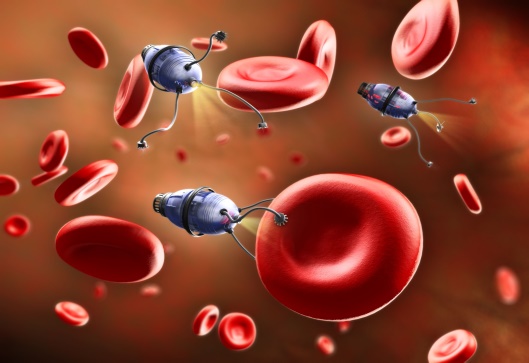
Short term plan: term 3
|
Unit 7 Breakthrough technologies |
Lesson 68 |
||
|
Teacher name: |
|
||
|
Date: |
|
||
|
Grade: 10 |
Number present: |
absent: |
|
|
Lesson title |
Grammar: Reported speech |
||
|
Learning objectives
|
10.4.7.1 - recognize patterns of development in lengthy texts [inter-paragraph level] on a range of general and curricular topics 10.5.5.1 - develop with support coherent arguments supported when necessary by examples and reasons for a wide range of written genres in familiar general and curricular topics; |
||
|
Lesson objectives |
Learners will be able to: - to express an opinion To express an opinion - to identify the main idea; To summarise a text |
||
|
Value links |
Loyalty – Loyalty might be a core personal value to you if you highly prize friends that are reliable and trustworthy. You might put your friends or chosen family first, always being there for them when they need you. |
||
|
- Plan |
|||
|
Stages / Time |
Teachers actions |
Students actions |
Assessment criteria |
Resources |
|
Beginning of the lesson Warming-up
3 min Pre-learning «Brainstorming» method 7 min. |
Organization moment : 1.Greeting. Ask about the weather. The teacher sets the lesson objectives, letting students know what to anticipate from the lesson.
revise the vocabulary from the previous Lead – In
|
. The aim: To develop pupils speaking skills and create friendly atmosphere Efficiency: By wishing each other they feel better and feel the support of others Students of the class are listed. Students' attention is drawn to the lesson. • Learners remember previous lesson vocabulary Determines the topic and purpose of the lesson Students say different words from the picture What is the difference between information and data? |
The teacher to assess learners for their ability. “Good job! Well done!” Formative Assessment
Good job! Descriptor: - can tell the time Point 1 Assessment criteria - Learners have met the learning objectives if they can talk about |
Pictures worksheet Picture |
|
Middle of the lesson Presentation part. 30 min |
Ex: 4 P: 85 • Explain the task and read out the example. Explain how tenses and pronouns change from direct to reported speech. Refer Ss to the Grammar Reference section for more details. Give Ss time to complete the task and then check Ss' answers around the class. Ex: 5 P: 85 • Read the rubric aloud and ask various Ss around the class to share their opinions with the rest of the class. Ex: 6 P: 85 • Give Ss time to look through the text again and find the main idea in each paragraph. Ask Ss to make notes and then give Ss time to use their notes to summarise the text. Remind Ss that they should use their own words while writing the summary as much as possible. Ask various Ss around the class to read their summary to the rest of the class. Conclusion during the lesson some tasks differentiated by outcomes of the students and by their abilities. |
• Pupils change the following from direct into reported speech. ANSWERS 2 Ulan told me that he had just found a job working in a science lab. 3 He said that they would soon have enough money to buy a more powerful computer. 4 He asked her if/whether she was going to visit the Science Museum the following weekend. 5 Damir asked me how long Dana had been working for a company that designed robots Pupils answer the question. ANSWERS I think that a positive impact will come from robots who help people with household chores, especially the elderly and the disabled. I think that industrial robots and robots that do tasks that humans currently earn their living from will have a negative impact because these people will lose their jobs and their income •Pupils find the main idea in each paragraph. Use them to write a short summary of the text. ANSWERS A: microscopic robot... created by a team of researchers in USA... called nano-spider crawls along molecules of DNA B: It can walk, turn and create its own products. C: made of DNA molecules D: they can walk 100 nanometres, researchers trying to improve this E: Nanotechnology could be very important in the future... medical applications F: Some worried about safety of nanotechnology G: Billions of dollars being spent on nanotechnology around the world in the future nano-robots may perform surgeries impossible today |
Descriptor: - change the following from direct into reported speech. Total: 2 point
Descriptor: - answer the question. Total: 2 point Descriptor: - find the main idea in each paragraph - write a short summary of the text. Total: 2 point -Make CCQ questions Yes / No Total: 10 point |
Card Worksheet |
|
End of the lesson 5 min |
FEEDBACK Learners provide feedback on what they have learned at the lesson. Ex: Home task: |
|
Poster Success
|
|
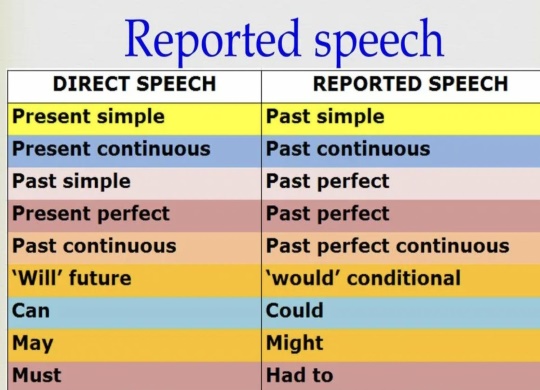
Short term plan: term 3
|
Unit 7 Breakthrough technologies |
Lesson 69 |
||
|
Teacher name: |
|
||
|
Date: |
|
||
|
Grade: 10 |
Number present: |
absent: |
|
|
Lesson title |
Robotics |
||
|
Learning objectives
|
10.2.2.1 - understand specific information in unsupported extended talk on a wide range of general and curricular topics, including talk on a limited range of unfamiliar topics; 10.4.6.1 - recognize the attitude or opinion of the writer in extended texts on a wide range of familiar general and curricular topics; 10.5.7.1 - use independently appropriate layout at text level on a range of general and curricular topics; |
||
|
Lesson objectives |
Learners will be able to: -To listen and read for specific information -To consolidate information in a text |
||
|
Value links |
Family – Family values are moral and ethical principles of typical family life, including sacrificing for loved ones, putting your loved ones first, and keeping your loved ones at the centre of your thoughts and actions. |
||
|
- Plan |
|||
|
Stages / Time |
Teachers actions |
Students actions |
Assessment criteria |
Resources |
|
Beginning of the lesson Warming-up
3 min Pre-learning «Brainstorming» method 7 min. |
Organization moment : 1.Greeting. Ask about the weather. The teacher sets the lesson objectives, letting students know what to anticipate from the lesson.
revise the vocabulary from the previous Lead – In
|
. The aim: To develop pupils speaking skills and create friendly atmosphere Efficiency: By wishing each other they feel better and feel the support of others Students of the class are listed. Students' attention is drawn to the lesson. • Learners remember previous lesson vocabulary Determines the topic and purpose of the lesson Students say different words from the picture What is the difference between information and data? |
The teacher to assess learners for their ability. “Good job! Well done!” Formative Assessment
Good job! Descriptor: - can tell the time Point 1 Assessment criteria - Learners have met the learning objectives if they can talk about |
Pictures worksheet Picture |
|
Middle of the lesson Presentation part. 30 min |
Ex: 1 P: 86 • Direct Ss' attention to the definition. Ask them to read it and then ask some Ss to tell the class. Ex: 2 P: 86 • Read the actions aloud and ask Ss to discuss in pairs which ones they think the robot in the picture can do. Play the recording. Ss listen, read and check. Ex: 3 P: 86 • Explain the task and ask Ss to read the questions and answer choices and then read the text again and choose their answers. Check Ss' answers. Ex: 4 P: 87 • Give Ss time to answer the questions, referring to the text as necessary. Check Ss' answers. Conclusion during the lesson some tasks differentiated by outcomes of the students and by their abilities. |
• Pupils read the definition to find out. ANSWERS Artificial intelligence in a robot or computer is when it has similar qualities to the human mind in some aspects of its thinking, e.g. decision making and problem solving. Pupils the robot in the picture is an example of artificial intelligence. Answer the question. Decide in pairs. ANSWERS The robot in the picture can: move around, sing and dance, analyse body language, tell jokes, and understand different languages and human emotions. •Pupils read the text and for questions choose the correct answer. ANSWERS 1 C 2 A 3 D 4 A •Pupils read again and answer the question. ANSWERS 1 A humanoid robot is a robot that looks a bit like a person. 2 It's got two wheels to move around on. 3 Pepper robots work there as receptionists. Some upgraded models can also do hospital jobs like greeting new patients and showing them where to go, and can work with sick children to cheer them up and help them do exercise. 4 (Suggested Answer Key) Pepper robots could be useful at home, too. They could help entertain a child or keep an elderly person company. 5 (Suggested Answer Key) Yes, I would. I think it would be very interesting to see how it could understand my body language and how I feel. / No, I wouldn't. I don't think a Pepper robot could understand me the way that my human friends do! |
Descriptor: - read the definition to find out Total: 2 point
Descriptor: - answer the question - decide in pairs Total: 2 point Descriptor: - read the text - choose the correct answer Total: 2 point Descriptor: - read the text - answer the question Total: 2 point -Make CCQ questions Yes / No Total: 10 point |
Card Worksheet |
|
End of the lesson 5 min |
FEEDBACK Learners provide feedback on what they have learned at the lesson. Ex: Home task: |
|
Poster Success
|
|
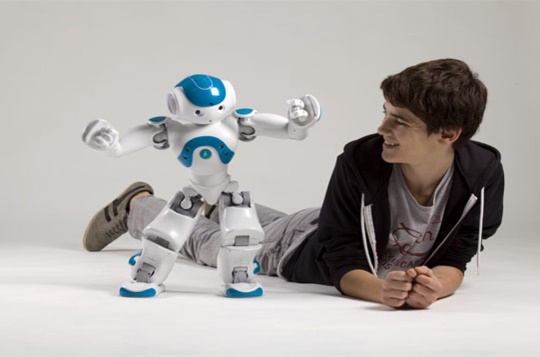
Short term plan: term 3
|
Unit 7 Breakthrough technologies |
Lesson 70 |
||
|
Teacher name: |
|
||
|
Date: |
|
||
|
Grade: 10 |
Number present: |
absent: |
|
|
Lesson title |
Electronics |
||
|
Learning objectives
|
10.6.1.1 - use a variety of abstract compound nouns and complex noun phrases on a range of familiar general and curricular topics, and some unfamiliar general and curricular topics; 10.2.3.1 - understand the detail of an argument in unsupported extended talk on a wide range of general and curricular topics, including talk on a limited range of unfamiliar topics; |
||
|
Lesson objectives |
Learners will be able to: - To complete a summary of the text - To listen for specific information |
||
|
Value links |
Family – Family values are moral and ethical principles of typical family life, including sacrificing for loved ones, putting your loved ones first, and keeping your loved ones at the centre of your thoughts and actions. |
||
|
- Plan |
|||
|
Stages / Time |
Teachers actions |
Students actions |
Assessment criteria |
Resources |
|
Beginning of the lesson Warming-up
3 min Pre-learning «Brainstorming» method 7 min. |
Organization moment : 1.Greeting. Ask about the weather. The teacher sets the lesson objectives, letting students know what to anticipate from the lesson.
revise the vocabulary from the previous Lead – In
|
. The aim: To develop pupils speaking skills and create friendly atmosphere Efficiency: By wishing each other they feel better and feel the support of others Students of the class are listed. Students' attention is drawn to the lesson. • Learners remember previous lesson vocabulary Determines the topic and purpose of the lesson Students say different words from the picture What is the difference between information and data? |
The teacher to assess learners for their ability. “Good job! Well done!” Formative Assessment
Good job! Descriptor: - can tell the time Point 1 Assessment criteria - Learners have met the learning objectives if they can talk about |
Pictures worksheet Picture |
|
Middle of the lesson Presentation part. 30 min |
Ex: 5 P: 87 •Explain the task and give Ss time to complete it. Check Ss' answers. Ex: 6 P: 87 • Ask Ss to read the gapped text and think about what the missing words might be. Play the recording. Ss listen and complete the gaps. Check Ss' answers. Ex: 7 P: 87 • Give Ss time to consider their answers and then ask various Ss around the class to share their answers with the rest of the class. Ex: 8 P: 87 • Explain the task and ask Ss to work in small groups and design a robot. Give them time to include information covering all the points in the rubric. Ask all the groups of Ss to present their robot. Then have the class vote for the best design. Conclusion during the lesson some tasks differentiated by outcomes of the students and by their abilities. |
• Pupils complete the advert. ANSWERS 1 understand 2 cheer 3 tell 4 move 5 greet 6 make Pupils listen and complete the gaps ANSWERS 1 researchers 2 hard 3 octopus 4 gas 5 six •Pupils answer the question. ANSWERS I think Pepper is popular in Japan because the country uses lots of technology in everyday life, so robots are just one part of that. Robots are also becoming popular in my country as technology becomes a larger and larger part of our day-to-day lives. I think Pepper could be a part of my family because we like to talk to each other, so a social robot would fit right in! •Pupils design your own robot. Present your robot to the class. ANSWERS Students own answer. |
Descriptor: - complete the advert. Total: 2 point
Descriptor: - listen and complete the gaps Total: 2 point Descriptor: - answer the question. Total: 2 point Descriptor: - design your own robot. - present your robot to the class Total: 2 point -Make CCQ questions Yes / No Total: 10 point |
Card Worksheet |
|
End of the lesson 5 min |
FEEDBACK Learners provide feedback on what they have learned at the lesson. Ex: Home task: |
|
Poster Success
|
|

Short term plan: term 3
|
Unit 7 Breakthrough technologies |
Lesson 71 |
||
|
Teacher name: |
|
||
|
Date: |
|
||
|
Grade: 10 |
Number present: |
absent: |
|
|
Lesson title |
The road to success |
||
|
Learning objectives
|
10.1.3.1 - respect differing points of view; 10.4.7.1 - recognize patterns of development in lengthy texts [inter-paragraph level] on a range of general and curricular topic 10.4.1.1 - understand main points in extended texts on a wide range of familiar and some unfamiliar general and curricular topics; |
||
|
Lesson objectives |
Learners will be able to: - To present key vocabulary -To introduce the topic of the text -To read for comprehension |
||
|
Value links |
Family – Family values are moral and ethical principles of typical family life, including sacrificing for loved ones, putting your loved ones first, and keeping your loved ones at the centre of your thoughts and actions. |
||
|
- Plan |
|||
|
Stages / Time |
Teachers actions |
Students actions |
Assessment criteria |
Resources |
|
Beginning of the lesson Warming-up
3 min Pre-learning «Brainstorming» method 7 min. |
Organization moment : 1.Greeting. Ask about the weather. The teacher sets the lesson objectives, letting students know what to anticipate from the lesson.
revise the vocabulary from the previous Lead – In
|
. The aim: To develop pupils speaking skills and create friendly atmosphere Efficiency: By wishing each other they feel better and feel the support of others Students of the class are listed. Students' attention is drawn to the lesson. • Learners remember previous lesson vocabulary Determines the topic and purpose of the lesson Students say different words from the picture What is the difference between information and data? |
The teacher to assess learners for their ability. “Good job! Well done!” Formative Assessment
Good job! Descriptor: - can tell the time Point 1 Assessment criteria - Learners have met the learning objectives if they can talk about |
Pictures worksheet Picture |
|
Middle of the lesson Presentation part. 30 min |
Ex: 1 P: 88 •Play the recording with pauses for Ss to repeat chorally and/or individually. • Ask Ss to read the list of words/phrases and explain/elicit the meanings of any unknown words and then match some of them to the definitions. Choose two Ss to read the example aloud. • Ask Ss to discuss in pairs the importance of each characteristic in helping someone to become successful. Ex: 2a P: 89 • Elicit what, if anything, Ss know about Thomas Edison. Ex: 2b P: 89 • Read the quotation aloud and elicit what Ss can infer about his personality from it. Play the recording. Ss listen, follow the text in their books and find out. Ex: 3a P: 89 • Ask Ss to read the headings (A-H) and give them time to read the text again and match them to the paragraphs (1-7). Check Ss' answers and ask them to give reasons for their choices. Ex: 3b P: 89 • To identify the author's purpose Read the rubric aloud and elicit answers with reasons from Ss around the class. Conclusion during the lesson some tasks differentiated by outcomes of the students and by their abilities. |
• Pupils listen and say. Answer the question. Discuss with your partner. ANSWERS single-minded = focused doesn't give up = persistent brave = courageous willing to accept ideas/suggestions = open-minded looks at the positive = optimistic really wants to be successful = ambitious won't let anything stop him/her doing sth = determined Pupils answer the question. ANSWERS Thomas Edison was an American inventor who was born in the 19th century. He is best known for inventing a long-lasting light bulb Thomas Edison was an American inventor who was born in the 19th century. He is best known for inventing a long-lasting light bulb •Pupils read the quotation. Listen and read the text to find out. ANSWERS I think that he must have been clever and he must have believed that by working really hard you can achieve your goals. •Pupils read the text and match the headings to the paragraphs. Use each heading once. ANSWERS 1 F 2 C 3 G 4 A 5 H 6 D 7 E •Pupils answer the question. Give reason. ANSWERS By using Edison's life as an example, the writer is trying to persuade the reader that they should work hard and be persistent in order to achieve their dreams in life. |
Descriptor: - listen and say - answer the question Total: 2 point
Descriptor: - answer the question. Total: 2 point Descriptor: - read the quotation -. listen and read the text Total: 2 point Descriptor: - read the text - match the headings to the paragraphs Total: 2 point Descriptor: - answer the question - give reason Total: 2 point -Make CCQ questions Yes / No Total: 10 point |
Card Worksheet |
|
End of the lesson 5 min |
FEEDBACK Learners provide feedback on what they have learned at the lesson. Ex: Home task: |
|
Poster Success
|
|
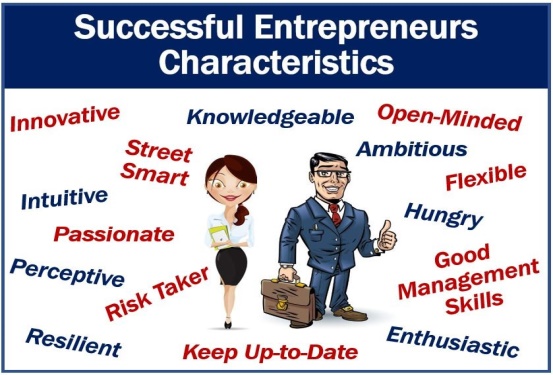
Short term plan: term 3
|
Unit 7 Breakthrough technologies |
Lesson 72 |
||
|
Teacher name: |
|
||
|
Date: |
|
||
|
Grade: 10 |
Number present: |
absent: |
|
|
Lesson title |
Grammar: Quantifiers / Countable/ Uncountable Summative assessment for the unit «Breakthrough technologies» |
||
|
Learning objectives
|
10.1.1.1 - use speaking and listening skills to solve problems creatively and cooperatively in groups; 10.6.2.1 use a variety of quantifiers for countable and uncountable nouns and a variety of noun phrases on a wide range of familiar general and curricular topics 10.5.7.1 - use independently appropriate layout at text level on a range of general and curricular topics; |
||
|
Lesson objectives |
Learners will be able to: - To revise quantifiers and countable/ uncountable nouns -To distinguish between commonly confused words -To consolidate new vocabulary |
||
|
Value links |
Family – Family values are moral and ethical principles of typical family life, including sacrificing for loved ones, putting your loved ones first, and keeping your loved ones at the centre of your thoughts and actions. |
||
|
- Plan |
|||
|
Stages / Time |
Teachers actions |
Students actions |
Assessment criteria |
Resources |
|
Beginning of the lesson Warming-up
3 min Pre-learning «Brainstorming» method 7 min. |
Organization moment : 1.Greeting. Ask about the weather. The teacher sets the lesson objectives, letting students know what to anticipate from the lesson.
revise the vocabulary from the previous Lead – In
|
. The aim: To develop pupils speaking skills and create friendly atmosphere Efficiency: By wishing each other they feel better and feel the support of others Students of the class are listed. Students' attention is drawn to the lesson. • Learners remember previous lesson vocabulary Determines the topic and purpose of the lesson Students say different words from the picture What is the difference between information and data? |
The teacher to assess learners for their ability. “Good job! Well done!” Formative Assessment
Good job! Descriptor: - can tell the time Point 1 Assessment criteria - Learners have met the learning objectives if they can talk about |
Pictures worksheet Picture |
|
Middle of the lesson Presentation part. 30 min |
Ex: 4 P: 89 •Give Ss time to complete the task. Refer Ss to the Grammar Reference section for details. Then elicit examples in the text. Elicit which of the words in bold we use with countable/uncountable nouns or both. Ex: 5 P: 89 • Give Ss time to complete the task using their dictionaries if necessary. Check Ss' answers. Ex: 6 P: 89 • Explain the task and go through the list of words in the rubric. Give Ss time to match them to the words in bold in the text. Tell Ss they may use their dictionaries if necessary. Check Ss' answers. Summative assessment for the unit «Breakthrough technologies» . Conclusion during the lesson some tasks differentiated by outcomes of the students and by their abilities. |
• Pupils underline the correct word. Find more examples in the text. ANSWERS 1 none 2 a little 3 much 4 hardly any 5 a lot of 6 All 7 Both 8 Few, many 9 several 10 many 11 a great deal of 12 either 13 any Pupils choose the correct words. ANSWERS 1 practical 2 long-lasting 3 reach 4 contributed to1 practical 5 out 6 fell, deep 7 on •Pupils match the words in bold in the text with their meanings. ANSWERS had a hand in = participated in give up = stop trying stepping stones = a way to make progress intolerant of = not willing to accept/put up with try taking a leaf out of Edison's book = behave the same way as Edison effective = successful drift off to sleep = slowly fall asleep scribble down = write down quickly stuck on = unable to do wander = move from topic to topic |
Descriptor: - underline the correct word - find more examples Total: 2 point
Descriptor: - choose the correct words Total: 2 point Descriptor: - match the words -. use the dictionaries Total: 2 point -Make CCQ questions Yes / No Total: 10 poin |
Card Worksheet |
|
End of the lesson 5 min |
FEEDBACK Learners provide feedback on what they have learned at the lesson. Ex: Home task: |
|
Poster Success
|
|
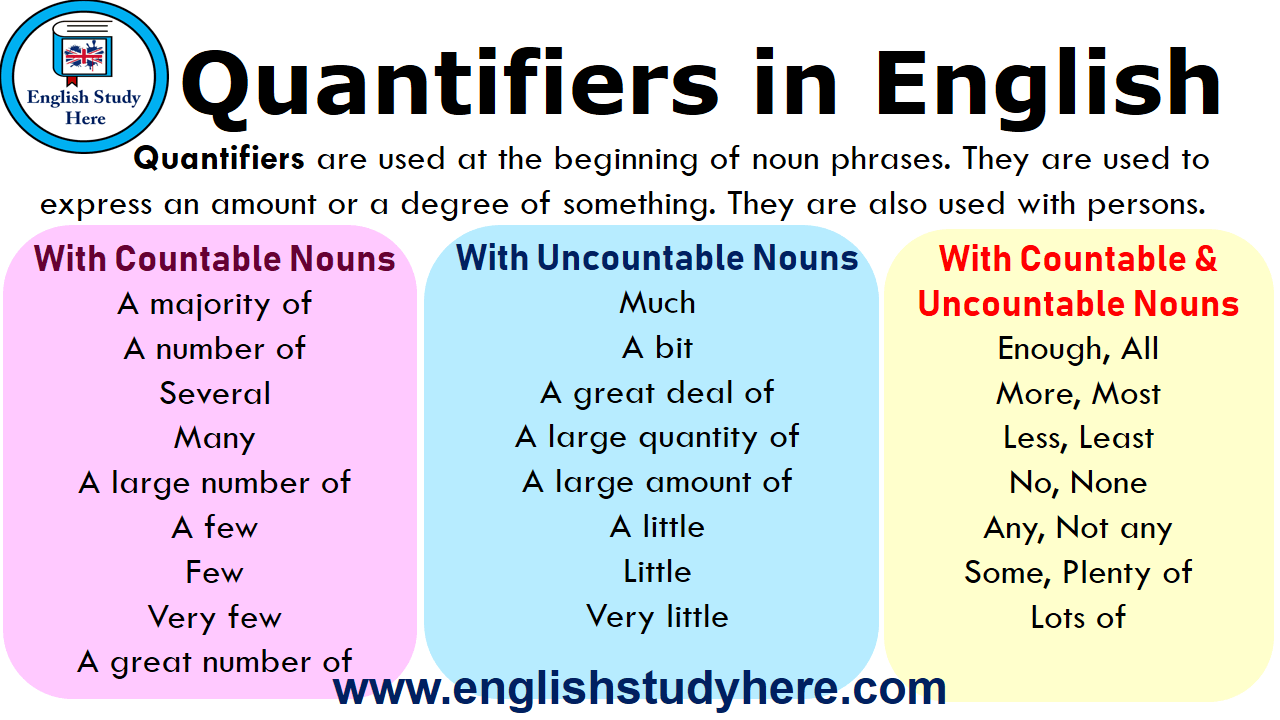
Short term plan: term 3
|
Unit 7 Breakthrough technologies |
Lesson 73 |
||
|
Teacher name: |
|
||
|
Date: |
|
||
|
Grade: 10 |
Number present: |
absent: |
|
|
Lesson title |
Writing: A for – against – essay |
||
|
Learning objectives
|
10.2.3.1- understand the detail of an argument in unsupported extended talk on a wide range of general and curricular topics, including talk on a limited range of unfamiliar topics; 10.3.2.1 - ask and respond to complex questions to get information about a wide range of general and curricular topics; |
||
|
Lesson objectives |
Learners will be able to: - To analyse a model for content and structure - To understand the writer's viewpoint - To substitute linkers |
||
|
Value links |
Family – Family values are moral and ethical principles of typical family life, including sacrificing for loved ones, putting your loved ones first, and keeping your loved ones at the centre of your thoughts and actions. |
||
|
- Plan |
|||
|
Stages / Time |
Teachers actions |
Students actions |
Assessment criteria |
Resources |
|
Beginning of the lesson Warming-up
3 min Pre-learning «Brainstorming» method 7 min. |
Organization moment : 1.Greeting. Ask about the weather. The teacher sets the lesson objectives, letting students know what to anticipate from the lesson.
revise the vocabulary from the previous Lead – In
|
. The aim: To develop pupils speaking skills and create friendly atmosphere Efficiency: By wishing each other they feel better and feel the support of others Students of the class are listed. Students' attention is drawn to the lesson. • Learners remember previous lesson vocabulary Determines the topic and purpose of the lesson Students say different words from the picture What is the difference between information and data? |
The teacher to assess learners for their ability. “Good job! Well done!” Formative Assessment
Good job! Descriptor: - can tell the time Point 1 Assessment criteria - Learners have met the learning objectives if they can talk about |
Pictures worksheet Picture |
|
Middle of the lesson Presentation part. 30 min |
Ex: 1 P: 90 • Ask Ss to read through the rubric, identify the key words and answer the questions. Check Ss' answers around the class. Ex: 2a P: 90 • Give Ss time to read the model and match the paragraphs to their content. Check Ss' answers. Ex: 2b P: 90 • Ask Ss to read the model again and elicit the writer's opinion on the topic. Ex: 2c P: 90 • Elicit the topic sentences and then ask Ss around the class to suggest suitable alternatives. Ex: 3 P: 90 •Elicit substitutions for the linkers in bold in the model for suitable alternatives from the list from Ss around the class. Ex: 4 P: 90 •Explain the task and give Ss time to complete it and then check Ss' answers. Conclusion during the lesson some tasks differentiated by outcomes of the students and by their abilities. |
• Pupils read the rubric. Identify the key words and answer the question. ANSWERS 1 a for-and-against essay 2 C Pupils read the model. Match the paragraphs to their content. ANSWERS A 2 B 4 C 1 D3 •Pupils answer the question. ANSWERS The writer is in favour of robots because they can work efficiently and can produce goods quickly. Also, using robots in factories helps make it a safe environment so people won't have to do dangerous tasks. •Pupils replace the topic sentences with other appropriate ones. ANSWERS There are a number of benefits to using robots. = There are many advantages to using robots. On the other hand, the use of robots has its drawbacks. Nevertheless, using robots also has some disadvantages. •Pupils replace the word in bold in the model with phrases from the list. ANSWERS To begin with = First This means that = Therefore Moreover = Additionally As a result = Consequently On the other hand = However In addition to this = Also All things considered = To conclude •Pupils choose the correct item. ANSWERS 1 however 2 besides 3 although 4 In spite of 5 Despite 6 however |
Descriptor: - read the rubric - identify the key words Total: 2 point
Descriptor: - read the model - match the paragraphs to their content Total: 2 point Descriptor: - answer the question. Total: 2 point Descriptor: - replace the topic -complete the task Total: 2 point Descriptor: - replace the word in bold - complete the task Total: 2 point Descriptor: - choose the correct item - complete the task Total: 2 point -Make CCQ questions Yes / No Total: 10 point |
Card Worksheet |
|
End of the lesson 5 min |
FEEDBACK Learners provide feedback on what they have learned at the lesson. Ex: Home task: |
|
Poster Success
|
|
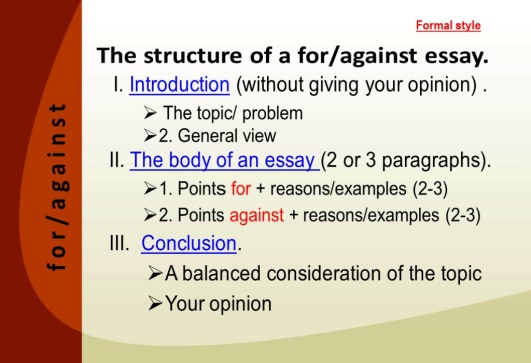
Short term plan: term 3
|
Unit 7 Breakthrough technologies |
Lesson 74 |
||
|
Teacher name: |
|
||
|
Date: |
|
||
|
Grade: 10 |
Number present: |
absent: |
|
|
Lesson title |
Writing: A for – against – essay. Your turn |
||
|
Learning objectives
|
10.3.5.1 - interact with peers to make hypotheses about a wide range of general and curricular topics; 10.3.6.1 - navigate talk and modify language through paraphrase and correction in talk on a range of familiar general and curricular topics ; |
||
|
Lesson objectives |
Learners will be able to: - To practise writing paragraphs and topic sentences - To match arguments to justifications - To practise forming full argumentative sentences |
||
|
Value links |
Family – Family values are moral and ethical principles of typical family life, including sacrificing for loved ones, putting your loved ones first, and keeping your loved ones at the centre of your thoughts and actions. |
||
|
- Plan |
|||
|
Stages / Time |
Teachers actions |
Students actions |
Assessment criteria |
Resources |
|
Beginning of the lesson Warming-up
3 min Pre-learning «Brainstorming» method 7 min. |
Organization moment : 1.Greeting. Ask about the weather. The teacher sets the lesson objectives, letting students know what to anticipate from the lesson.
revise the vocabulary from the previous Lead – In
|
. The aim: To develop pupils speaking skills and create friendly atmosphere Efficiency: By wishing each other they feel better and feel the support of others Students of the class are listed. Students' attention is drawn to the lesson. • Learners remember previous lesson vocabulary Determines the topic and purpose of the lesson Students say different words from the picture What is the difference between information and data? |
The teacher to assess learners for their ability. “Good job! Well done!” Formative Assessment
Good job! Descriptor: - can tell the time Point 1 Assessment criteria - Learners have met the learning objectives if they can talk about |
Pictures worksheet Picture |
|
Middle of the lesson Presentation part. 30 min |
Ex: 5 P: 91 • Explain the task and give Ss time to complete it. Check Ss' answers by asking Ss around the class to read out their sentences. Ex: 6 P: 91 • Explain the task and give Ss time to complete it. Check Ss' answers by asking Ss around the class to read out their completed paragraphs. Ex: 7a P: 91 • Ask Ss to read through the rubric and underline the key words. Explain to Ss that it is very important to read the rubric carefully so that they include all the points mentioned. Check Ss' answers around the class. Ex: 7b P: 91 • Give Ss time to match the arguments and the justifications and then check Ss' answers. Ex: 8 P: 91 • Ask Ss to read the Useful language box and then give them time to form full sentences using the prompts in Ex. 7b and suitable phrases from the Useful language box. Check Ss' answers around the class. Conclusion during the lesson some tasks differentiated by outcomes of the students and by their abilities. |
• Pupils study the box, then join the sentences using the words in brackets. ANSWERS 1 Despite the fact that robots make a teacher's job easier, they cannot teach students social skills. 2 In spite of the fact that robots can be used in distance learning, they are not able to replace a human teacher. 3 Although robots are very useful in the classroom, they are expensive. 4 Even though robots can be exciting for students, they can't display any human emotions Pupils expand the prompts into complete sentences. Then write an appropriate topic sentence for each paragraph. ANSWERS A There are a number of benefits to using robots in education. First, robots would be a good way to teach students who cannot attend school. This way, they could be programmed to provide information for students without access to a teacher. B On the other hand, there are some disadvantages to using robots in education. First of all, robots are expensive for some schools. In addition to this, robots may be fun, but they do not display emotions •Pupils read the rubric and find the key words. ANSWERS Key words: teacher, essay, robots in education, social interaction, usefulness, your own idea •Pupils match the arguments to the justifications ANSWERS 1 c 2 b 3 a 4 d •Pupils use phrases from the Useful Language box to join sentences. ANSWERS Students own answer |
Descriptor: - study the box - use the words in brackets Total: 2 point
Descriptor: - expand the prompts into complete sentences - write an appropriate topic Total: 2 point Descriptor: - read the rubric - find the key words Total: 2 point Descriptor: - match the arguments -complete the task Total: 2 point Descriptor: - use phrases - complete the task Total: 2 point -Make CCQ questions Yes / No Total: 10 point |
Card Worksheet |
|
End of the lesson 5 min |
FEEDBACK Learners provide feedback on what they have learned at the lesson. Ex: Home task: |
|
Poster Success
|
|
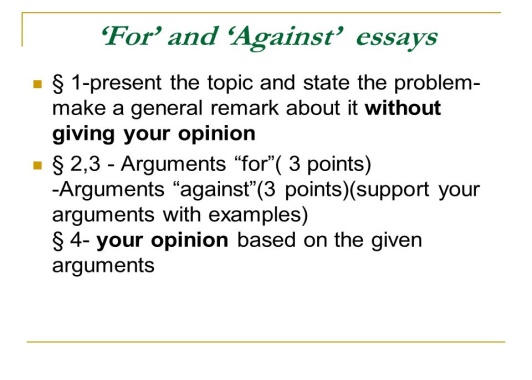
Short term plan: term 3
|
Unit 7 Breakthrough technologies |
Lesson 75 |
||
|
Teacher name: |
|
||
|
Date: |
|
||
|
Grade: 10 |
Number present: |
absent: |
|
|
Lesson title |
Culture corner |
||
|
Learning objectives
|
10.3.7.1 - use appropriate subject-specific vocabulary and syntax to talk about a range of general and curricular topics; 10.4.6.1 - recognize the attitude or opinion of the writer in extended texts on a wide range of familiar general and curricular topics; |
||
|
Lesson objectives |
Learners will be able to: - To introduce the topic and read for gist - To listen and read for cohesion and coherence - To consolidate new vocabulary |
||
|
Value links |
Family – Family values are moral and ethical principles of typical family life, including sacrificing for loved ones, putting your loved ones first, and keeping your loved ones at the centre of your thoughts and actions. |
||
|
- Plan |
|||
|
Stages / Time |
Teachers actions |
Students actions |
Assessment criteria |
Resources |
|
Beginning of the lesson Warming-up
3 min Pre-learning «Brainstorming» method 7 min. |
Organization moment : 1.Greeting. Ask about the weather. The teacher sets the lesson objectives, letting students know what to anticipate from the lesson.
revise the vocabulary from the previous Lead – In
|
. The aim: To develop pupils speaking skills and create friendly atmosphere Efficiency: By wishing each other they feel better and feel the support of others Students of the class are listed. Students' attention is drawn to the lesson. • Learners remember previous lesson vocabulary Determines the topic and purpose of the lesson Students say different words from the picture What is the difference between information and data? |
The teacher to assess learners for their ability. “Good job! Well done!” Formative Assessment
Good job! Descriptor: - can tell the time Point 1 Assessment criteria - Learners have met the learning objectives if they can talk about |
Pictures worksheet Picture |
|
Middle of the lesson Presentation part. 30 min |
Ex: 1a P: 92 • Elicit what, if anything, Ss know about the Science Museum in London and then give Ss time to read the text and find out about it. Ex: 1b P: 92 • Explain the task, ask Ss to read the sentences A-F, read the text again and choose the correct sentence for each gap to make a cohesive and coherent text. Play the recording. Ss listen and read to check their answers. Ask Ss to justify their answers. Ex: 2 P: 92 • Give Ss time to complete the task, referring back to the text if necessary. Check Ss' answers. Ex: 3 P: 92 • Give Ss time to collect information about a science museum in their country and write a paragraph about it. Then ask various Ss to read out their paragraphs to the class. Alternatively, assign the task as HW and ask Ss to read out their paragraphs in the next lesson. Conclusion during the lesson some tasks differentiated by outcomes of the students and by their abilities. |
• Pupils answer the question. Read to find out. ANSWERS The Science Museum in London is the UK's most famous science museum. Entrance is free and it is open seven days a week. There is a lot to see and do and there are different exhibitions each year. The museum offers apps that people can download onto their phones Pupils read the text again. Five sentences are missing. Match the sentences to the gaps. ANSWERS 1 F 2 A 3 E 4 D 5 C •Pupils fill the gaps. Use the completed sentence ANSWERS 1 exhibits 2 documentary 3 headset 4 simulator 5 phenomena 6 admission 7 experience •Pupils find information about a museum in your country. ANSWERS Students own answer |
Descriptor: - answer the question. - read to find out. Total: 2 point
Descriptor: - read the text - match the sentences to the gaps Total: 2 point Descriptor: - fill the gaps - use the completed sentence Total: 2 point Descriptor: - find information about a museum -complete the task Total: 2 point -Make CCQ questions Yes / No Total: 10 point |
Card Worksheet |
|
End of the lesson 5 min |
FEEDBACK Learners provide feedback on what they have learned at the lesson. Ex: Home task: |
|
Poster Success
|
|
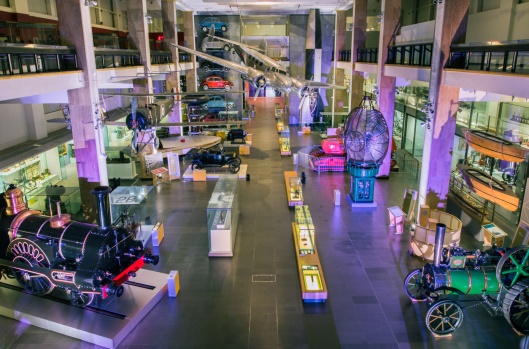
|
Unit 7 Breakthrough technologies |
Lesson 76 |
||
|
Teacher name: |
|
||
|
Date: |
|
||
|
Grade: 10 |
Number present: |
absent: |
|
|
Lesson title |
Curricular: Science and Technology |
||
|
Learning objectives
|
10.2.3.1- understand the detail of an argument in unsupported extended talk on a wide range of general and curricular topics, including talk on a limited range of unfamiliar topics; 10.3.2.1 - ask and respond to complex questions to get information about a wide range of general and curricular topics; 10.4.7.1 - recognize patterns of development in lengthy texts [inter-paragraph level] on a range of general and curricular topics |
||
|
Lesson objectives |
Learners will be able to: - predict the content of the text and listen and read for gist and prior knowledge -consolidate new vocabulary |
||
|
Value links |
Family – Family values are moral and ethical principles of typical family life, including sacrificing for loved ones, putting your loved ones first, and keeping your loved ones at the centre of your thoughts and actions. |
||
|
- Plan |
|||
|
Stages / Time |
Teachers actions |
Students actions |
Assessment criteria |
Resources |
|
Beginning of the lesson Warming-up
3 min Pre-learning «Brainstorming» method 7 min. |
Organization moment : 1.Greeting. Ask about the weather. The teacher sets the lesson objectives, letting students know what to anticipate from the lesson.
revise the vocabulary from the previous Lead – In
|
. The aim: To develop pupils speaking skills and create friendly atmosphere Efficiency: By wishing each other they feel better and feel the support of others Students of the class are listed. Students' attention is drawn to the lesson. • Learners remember previous lesson vocabulary Determines the topic and purpose of the lesson Students say different words from the picture What is the difference between information and data? |
The teacher to assess learners for their ability. “Good job! Well done!” Formative Assessment
Good job! Descriptor: - can tell the time Point 1 Assessment criteria - Learners have met the learning objectives if they can talk about |
Pictures worksheet Picture |
|
Middle of the lesson Presentation part. 30 min |
Ex: 1 P: 93 •Read the title of the text aloud and elicit what Ss know about the topic. Play the recording. Ss listen and read and then tell the class if their prior knowledge was mentioned. Ex: 2 P: 93 • Explain the task and ask Ss to read the statements 1-8. Ss read the text again and decide if the statements are true, false or if the fact is not mentioned in the text. Check Ss' answers. Ask Ss to correct any false statements. Ex: 3 P: 93 • Explain the task and give Ss time to complete it. Check Ss' answers. Ex: 4 P: 93 • Ask Ss to work in pairs or small groups and give them time to research online to collect more information about Al and prepare a presentation. Ask various groups of Ss to present their information to the class. Alternatively, assign the task as HW and ask Ss to tell the class in the next lesson. Conclusion during the lesson some tasks differentiated by outcomes of the students and by their abilities. |
• Pupils read the title of the text. Answer the question. ANSWERS I already knew Al stands for artificial intelligence. I also knew that some people worry about robots taking over one day. about Pupils read the text and mark the statements. ANSWERS 1 F (machines that can display human levels of intelligence) 2 F (equally intelligent as humans) 3 T 4 F (very difficult) 5 F (cannot hold a basic conversation) 6 T 7 DS F (machines may take control of us) •Pupils fill the gaps. Complete the task ANSWERS 1 processes 2 ultimate challenge 3 stimuli 4 morality 5 breakthrough 6 affair •Pupils collect more information about AI. ANSWERS There are a number of new developments in Al technology which are interesting. The first one is Natural Language Generation. This is when Al can produce text from computer data. The uses of this are in customer service and report generation. Another advancement is Speech Recognition where Al can transcribe and transform human speech into a format useful for computer applications. This is currently used in interactive voice response systems and mobile apps. One more advancement is the arrival of Virtual Agents or intelligent personal assistants such as Alexa (Amazon) and Siri (Apple). These vary from chatbots to advanced systems that can network with humans. We use them in customer service and as smart home managers. |
Descriptor: - read the title - answer the question. Total: 2 point
Descriptor: - read the text - mark the statements Total: 2 point Descriptor: - fill the gaps - complete the task Total: 2 point Descriptor: - collect more information - present to the class. Total: 2 point -Make CCQ questions Yes / No Total: 10 point |
Card Worksheet |
|
End of the lesson 5 min |
FEEDBACK Learners provide feedback on what they have learned at the lesson. Ex: Home task: |
|
Poster Success
|
|

|
Unit 7 Breakthrough technologies |
Lesson 77 |
||
|
Teacher name: |
|
||
|
Date: |
|
||
|
Grade: 10 |
Number present: |
absent: |
|
|
Lesson title |
Language in Use |
||
|
Learning objectives
|
10.2.3.1 - understand the detail of an argument in unsupported extended talk on a wide range of general and curricular topics, including talk on a limited range of unfamiliar topics; 10.5.7.1 - use independently appropriate layout at text level on a range of general and curricular topics; 10.4.6.1 - recognize the attitude or opinion of the writer in extended texts on a wide range of familiar general and curricular topics; |
||
|
Lesson objectives |
Learners will be able to: - present and practise phrasal verbs with the particle down -practise prepositional phrases -consolidate words which are often confused |
||
|
Value links |
Family – Family values are moral and ethical principles of typical family life, including sacrificing for loved ones, putting your loved ones first, and keeping your loved ones at the centre of your thoughts and actions. |
||
|
- Plan |
|||
|
Stages / Time |
Teachers actions |
Students actions |
Assessment criteria |
Resources |
|
Beginning of the lesson Warming-up
3 min Pre-learning «Brainstorming» method 7 min. |
Organization moment : 1.Greeting. Ask about the weather. The teacher sets the lesson objectives, letting students know what to anticipate from the lesson.
revise the vocabulary from the previous Lead – In
|
. The aim: To develop pupils speaking skills and create friendly atmosphere Efficiency: By wishing each other they feel better and feel the support of others Students of the class are listed. Students' attention is drawn to the lesson. • Learners remember previous lesson vocabulary Determines the topic and purpose of the lesson Students say different words from the picture What is the difference between information and data? |
The teacher to assess learners for their ability. “Good job! Well done!” Formative Assessment
Good job! Descriptor: - can tell the time Point 1 Assessment criteria - Learners have met the learning objectives if they can talk about |
Pictures worksheet Picture |
|
Middle of the lesson Presentation part. 30 min |
Ex: 1 P: 94 •Ask Ss to study the diagram and then give them time to complete the task using their dictionaries to help them if necessary. Check Ss' answers. Ex: 2 P: 94 •Explain the task and give Ss time to complete it. • Check Ss' answers. • Ask Ss to add the words to the Prepositions section in their notebooks. Ask Ss to revise this section regularly as this will help them use the English language in a natural way. Ex: 3 P: 94 • Explain the task and give Ss time to complete it. Check Ss' answers. Ex: 4 P: 94 • Explain the task and give Ss time to complete it. Check Ss' answers. Ex: 5 P: 94 • Explain the task and give Ss time to complete it. Check Ss' answers. Conclusion during the lesson some tasks differentiated by outcomes of the students and by their abilities. |
• Pupils complete the sentences with the phrasal verbs in the diagram in the correct form. ANSWERS 1 break down 2 cut down 3 live (it) down 4 backed down 5 turned (it) down 6 closing down Pupils choose the correct preposition. ANSWERS 1 on 2 at 3 to 4 in 5 under •Pupils fill the gaps. Complete the sentences. ANSWERS 1 invasive 2 medical 3 body 4 lifesaving 5 molecular 6 operations 7 virtual reality 8 huge 9 artificial •Pupils complete the sentences with a word formed from the word in capitals. ANSWERS 1 scientific 2 development 3 concentration 4 treatment •Pupils choose the correct word. ANSWERS 1 classified 2 composed 3 won 4 admission |
Descriptor: - complete the sentences with the phrasal verbs - use the dictionary Total: 2 point
Descriptor: - choose the correct preposition - complete the task Total: 2 point Descriptor: - fill the gaps - complete the task Total: 2 point Descriptor: - complete the sentences with a word Total: 2 point Descriptor: - choose the correct word. Total: 2 point -Make CCQ questions Yes / No Total: 10 point |
Card Worksheet |
|
End of the lesson 5 min |
FEEDBACK Learners provide feedback on what they have learned at the lesson. Ex: Home task: |
|
Poster Success
|
|
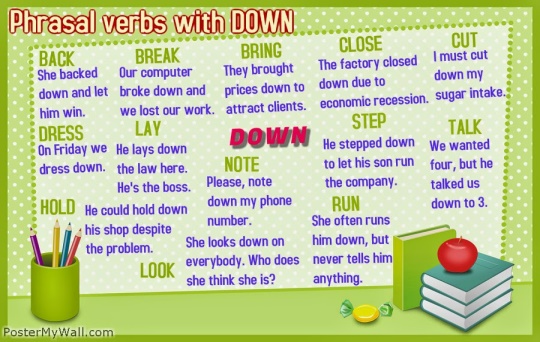
|
Unit 7 Breakthrough technologies |
Lesson 78 |
||
|
Teacher name: |
|
||
|
Date: |
|
||
|
Grade: 10 |
Number present: |
absent: |
|
|
Lesson title |
Progress check |
||
|
Learning objectives
|
10.3.7.1 - use appropriate subject-specific vocabulary and syntax to talk about a range of general and curricular topics; 10.4.6.1 - recognize the attitude or opinion of the writer in extended texts on a wide range of familiar general and curricular topics 10.5.5.1 - develop with support coherent arguments supported when necessary by examples and reasons for a wide range of written genres in familiar general and curricular topics |
||
|
Lesson objectives |
Learners will be able to: - read for specific information -listen for specific information -practise vocabulary from the module |
||
|
Value links |
Family – Family values are moral and ethical principles of typical family life, including sacrificing for loved ones, putting your loved ones first, and keeping your loved ones at the centre of your thoughts and actions. |
||
|
- Plan |
|||
|
Stages / Time |
Teachers actions |
Students actions |
Assessment criteria |
Resources |
|
Beginning of the lesson Warming-up
3 min Pre-learning «Brainstorming» method 7 min. |
Organization moment : 1.Greeting. Ask about the weather. The teacher sets the lesson objectives, letting students know what to anticipate from the lesson.
revise the vocabulary from the previous Lead – In
|
. The aim: To develop pupils speaking skills and create friendly atmosphere Efficiency: By wishing each other they feel better and feel the support of others Students of the class are listed. Students' attention is drawn to the lesson. • Learners remember previous lesson vocabulary Determines the topic and purpose of the lesson Students say different words from the picture What is the difference between information and data? |
The teacher to assess learners for their ability. “Good job! Well done!” Formative Assessment
Good job! Descriptor: - can tell the time Point 1 Assessment criteria - Learners have met the learning objectives if they can talk about |
Pictures worksheet Picture |
|
Middle of the lesson Presentation part. 30 min |
Ex: 1 P: 95 • Give Ss time to read the text and complete the task. • Check Ss' answers. Ex: 2 P: 95 •Ask Ss to read the statements 1-5. Play the recording. Ss listen and mark the statements accordingly. Check Ss' answers. Ex: 3 P: 96 • Explain the task. Ss complete the task. Check Ss' answers. Ex: 4 P: 96 • Explain the task. Ss complete the task. Check Ss' answers. Conclusion during the lesson some tasks differentiated by outcomes of the students and by their abilities. |
• Pupils read the text and answer the question. ANSWERS 1 They are low-cholesterol, low-fat and high in protein. 2 It happens in Asia, Africa and Latin America. 3 There isn't enough meat to feed the world's growing population. 4 Insect farming produces far more food than cattle farming for the same amount of animal feed. 5 Insect diseases can wipe out a whole farm in a day Pupils listen to someone talking about a scientific development. ANSWERS 1 F 2T 3 F 4 T 5 T •Pupils fill the gaps. Complete the sentences. ANSWERS 1 retain 2 create 3 administer 4 perform 5 detect 6 reach 7 set 8 launched 9 revolutionised •Pupils choose the correct option. ANSWERS 1 interactive 2 invasive 3 applications 4 level 5 hands-on |
Descriptor: - read the text - answer the question Total: 2 point
Descriptor: - listen to someone talking about a scientific - mark the statements Total: 2 point Descriptor: - fill the gaps - complete the task Total: 2 point Descriptor: - choose the correct option - complete the task Total: 2 point -Make CCQ questions Yes / No Total: 10 point |
Card Worksheet |
|
End of the lesson 5 min |
FEEDBACK Learners provide feedback on what they have learned at the lesson. Ex: Home task: |
|
Poster Success
|
|
|
Unit 7: Breakthrough technologies |
Lesson 79 |
||
|
Teacher name: |
|
||
|
Date: |
|
||
|
Grade: 10 |
Number present: |
absent: |
|
|
Lesson title |
Summative control work for the 3rd term |
||
|
Learning objectives
|
10.2.3.1 - understand the detail of an argument in unsupported extended talk on a wide range of general and curricular topics, including talk on a limited range of unfamiliar topics; 10.3.2.1 - ask and respond to complex questions to get information about a wide range of general and curricular topics; 10.4.7.1 - recognize patterns of development in lengthy texts [inter-paragraph level] on a range of general and curricular topics 10.5.7.1 - use independently |
||
|
Lesson objectives |
Learners will be able to: - differentiate the style of speech (informal, semiformal, very formal) - discuss/ debate on given topics demonstrating unprepared speaking |
||
|
Plan |
|||
|
Stages / Time |
Teachers actions |
Students actions |
Assessment criteria |
Resources |
|
Beginning of the lesson Warming-up
3 min Pre-learning «Brainstorming» method 7 min. |
Organization moment : 1.Greeting. Ask about the weather. The teacher sets the lesson objectives, letting students know what to anticipate from the lesson.
revise the vocabulary from the previous Lead – In |
. The aim: To develop pupils speaking skills and create friendly atmosphere Efficiency: By wishing each other they feel better and feel the support of others Students of the class are listed. Students' attention is drawn to the lesson. • Learners remember previous lesson vocabulary Determines the topic and purpose of the lesson Students say different words from the picture What is the difference between information and data? |
The teacher to assess learners for their ability. “Good job! Well done!” Formative Assessment
Good job! Descriptor: - can tell the time Point 1 Assessment criteria - Learners have met the learning objectives if they can talk about for –and –against |
Pictures worksheet Picture |
|
Middle of the lesson Presentation part. 30 min |
LISTENING Task. Listen to the recording and answer the questions. Write NO MORE THAN THREE WORDS or A NUMBER READING Task. Read the text carefully and answer the questions. WRITING Task. Choose ONE of the topics to write. Topic 1. Robots in the Future Topic 2. Capability of Human Brain. SPEAKING Task. Work in pairs. Choose ONE of the cards and answer the questions. You have 1 minute to prepare and 2-3 minutes to speak. Conclusion during the lesson some tasks differentiated by outcomes of the students and by their abilities. |
•Pupils listen to the recording and answer the questions ANSWERS •Pupils read the text and answer the questions ANSWERS • Pupils choose ONE topic to write. ANSWERS Students own answer • Pupils work in pairs. Choose ONE of the cards and answer the questions ANSWERS Students own answer |
Descriptor: - listen to the recording - answer the questions Total: 2 point Descriptor: - read the text - answer the questions Total: 3 point Descriptor: - choose ONE topic to write Total: 3 point Descriptor: - work in pairs - answer the questions Total: 3 point -Make CCQ questions Yes / N Total: 10 point |
Card Worksheet |
|
End of the lesson 5 min |
FEEDBACK Learners provide feedback on what they have learned at the lesson. Ex: Home task: |
|
Poster Success
|
|
|
Unit 7 Breakthrough technologies |
Lesson 80 |
||
|
Teacher name: |
|
||
|
Date: |
|
||
|
Grade: 10 |
Number present: |
absent: |
|
|
Lesson title |
Progress check |
||
|
Learning objectives
|
10.6.8.1 - use a variety of future active and passive and future continuous forms on a wide range of familiar general and curricular topics; 10.5.7.1 - use independently appropriate layout at text level on a range of general and curricular topics; |
||
|
Lesson objectives |
Learners will be able to: - consolidate vocabulary from the module -consolidate grammar from the module -consolidate phrasal verbs |
||
|
Value links |
Family – Family values are moral and ethical principles of typical family life, including sacrificing for loved ones, putting your loved ones first, and keeping your loved ones at the centre of your thoughts and actions. |
||
|
- Plan |
|||
|
Stages / Time |
Teachers actions |
Students actions |
Assessment criteria |
Resources |
|
Beginning of the lesson Warming-up
3 min Pre-learning «Brainstorming» method 7 min. |
Organization moment : 1.Greeting. Ask about the weather. The teacher sets the lesson objectives, letting students know what to anticipate from the lesson.
revise the vocabulary from the previous Lead – In |
. The aim: To develop pupils speaking skills and create friendly atmosphere Efficiency: By wishing each other they feel better and feel the support of others Students of the class are listed. Students' attention is drawn to the lesson. • Learners remember previous lesson vocabulary Determines the topic and purpose of the lesson Students say different words from the picture What is the difference between information and data? |
The teacher to assess learners for their ability. “Good job! Well done!” Formative Assessment
Good job! Descriptor: - can tell the time Point 1 Assessment criteria - Learners have met the learning objectives if they can talk about |
Pictures worksheet Picture |
|
Middle of the lesson Presentation part. 30 min |
Ex: 5 P: 96 • Explain the task. • Ss complete the task. Check Ss' answers. Ex: 6 P: 96 • Explain the task. Ss complete the task. Check Ss' answers. Ex: 7 P: 96 • Give Ss time to complete the task and then check Ss' answers. Ex: 8 P: 96 •Give Ss time to complete the task and then check Ss' answers. Conclusion during the lesson some tasks differentiated by outcomes of the students and by their abilities. |
• Pupils fill the gaps. Complete the task ANSWERS 1 focused 2 optimistic 3 open-minded 4 ambitious 5 confident 6 persistent Pupils change the following from direct into reported speech. ANSWERS 1 He said that researchers would probably develop more nano products in the future. 2 He asked her if/whether she had seen the documentary on nano-robots. 3 She said that her brother had visited the Natural History Museum the previous week. 4 Kanat said that he had been studying for his school exams. 5 He asked me how long I had been living there •Pupils choose the correct word. ANSWERS 1 lots of 2 All 3 Many 4 a good deal of 5 a few •Pupils choose the correct particle. ANSWERS 1 on 2 out 3 up 4 across 5 out |
Descriptor: - fill the gaps - complete the task Total: 2 point
Descriptor: - change the following from direct - complete the task Total: 2 point Descriptor: - choose the correct word Total: 2 point Descriptor: - choose the correct particle- complete the task Total: 2 point -Make CCQ questions Yes / No Total: 10 point |
Card Worksheet |
|
End of the lesson 5 min |
FEEDBACK Learners provide feedback on what they have learned at the lesson. Ex: Home task: |
|
Poster Success
|
|









 Бұл курс Қазақстан Республикасы Оқу-ағарту министрлігімен келісілген