Short term plan:
|
Unit 6 STEM |
|||
|
Teacher name: |
|
||
|
Date: |
|
||
|
Grade: 11 |
Number present: |
absent: |
|
|
Lesson title |
Energy storage solutions |
||
|
Learning objectives |
11.1.10.1 - use talk or writing as a means of reflecting on and exploring a range of perspectives on the world 11.4.6.1 - recognise the attitude, opinion or tone of the writer in extended texts on a range of more complex and abstract general and curricular topics 11.3.6.1 - navigate talk and modify language through paraphrase and correction in talk on a wide range of familiar and some unfamiliar general and curricular topics |
||
|
Lesson objectives |
Learners will be able to: -listen and read for cohesion and coherence (missing sentences), - revise future tenses, listen for specific information (multiple matching), - talk about energy storage solutions, write about energy storage solutions. |
||
|
Plan |
|||
|
Stages / Time |
Teachers actions |
Students actions |
Assessment criteria |
Resources |
|
Beginning of the lesson Warming-up 3 min
Pre-learning «Brainstorming» method 7 min. |
Organization moment : 1.Greeting. Ask about the weather. The teacher sets the lesson objectives, letting students know what to anticipate from the lesson. Revise the vocabulary from the previous. Lead – In: -What is energy? -What do you know about energy storage?
|
. The aim: To develop pupils speaking skills and create friendly atmosphere Efficiency: By wishing each other they feel better and feel the support of others Students of the class are listed. Students' attention is drawn to the lesson. • Learners remember previous lesson vocabulary Determines the topic and purpose of the lesson Ss answer the questions. |
The teacher to assess learners for their ability. “Good job! Well done!” Formative Assessment
Good job! Assessment criteria - Learners have met the learning objectives if they can talk about |
Picture |
|
Middle of the lesson Presentation part. 30 min |
Ex: 1 P: 80 •Direct Ss to the pictures and the list of words. • Give Ss time to label the pictures using the words in the list. Then, check Ss' answers. Ex: 2 P: 80 •Ask Ss to read the text. • Elicit how each energy storage solution works from Ss around the class. Ex:3 P: 80 • Ask Ss to read the statements A-F and think about the key words. • Give Ss time to read the text and choose the correct sentence for eachgap. • Check Ss’ answers. Ex:4 P: 81 •Explain the task. Give Ss time to complete the sentences using the words from the list. • Check Ss’ answers around the class. Conclusion: Energy Storage Assessment 1. Which of the following is an example of chemical energy storage? a. A battery b. A wind turbine c. A solar panel d. A hydroelectric dam 2. Which type of energy storage system is most commonly used in electric vehicles? a. Thermal energy storage b. Mechanical energy storage c. Chemical energy storage d. Electrical energy storage 3. Which of the following is a disadvantage of using pumped hydro energy storage? a. High efficiency b. Low cost c. Limited availability of suitable sites d. Scalability 4. What is the primary energy storage mechanism in a flywheel energy storage system? a. Chemical energy b. Mechanical energy c. Electrical energy d. Thermal energy 5. Which of the following is an example of potential energy storage? a. Compressed air energy storage b. Flywheel energy storage c. Capacitor energy storage d. Superconducting magnetic energy storage |
Pupils label the pictures. using the words in the list ANSWERS 1 hydro 2 tower 3 air 4 batteries 5 hydrogen Pupils read the title and the subheadings of the text. Answer the question. ANSWERS Batteries contain chemicals that help store energy. Pumped hydro storage pumps water uphill in order to generate energy as it runs down again. Hydrogen energy storage keeps the energy generated by solar power as hydrogen in tanks. The energy storage tower works by storing energy by building blocks up and releasing it as they are lowered. Compressed energy storage works by compressing air underground then heating and releasing it to turn a generator. •Pupils read the text again and choose from the sentences the one which fits each gap. ANSWERS 1 E 2 B 3 F 4 A 5 D •Pupils fill the gaps. ANSWERS 1 electricity 2 impact 3 energy 4 capacity 5 consumption 6 excess 7 access 8 ambient Answer Key 1.a 2.c 3.c 4.b 5.a . |
Descriptor: - label the pictures - . use the words in the list Total: 2 point Descriptor: - read the title and the subheadings - answer the question Total: 2 point
Descriptor: - read the text - choose from the sentences Total: 2 point Descriptor: - fill the gaps. Total: 2 point Descriptor: -Answer the question correctly: |
Student’s book |
|
End of the lesson 5 min |
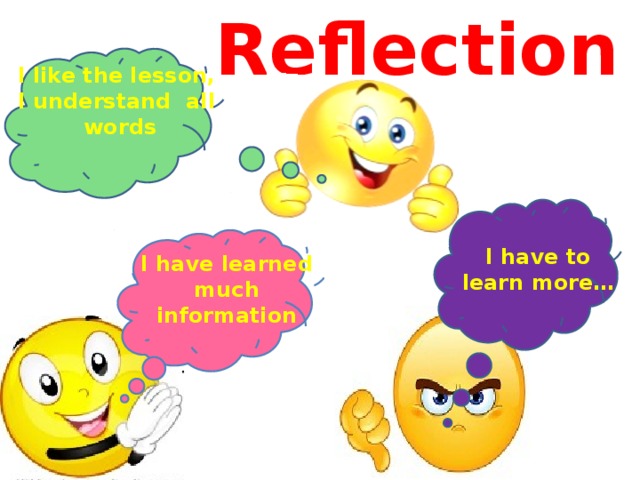
Reflection: Learners provide reflection on what they have learned at the lesson. Home task: Ex: |
|
|
|
жүктеу мүмкіндігіне ие боласыз
Бұл материал сайт қолданушысы жариялаған. Материалдың ішінде жазылған барлық ақпаратқа жауапкершілікті жариялаған қолданушы жауап береді. Ұстаз тілегі тек ақпаратты таратуға қолдау көрсетеді. Егер материал сіздің авторлық құқығыңызды бұзған болса немесе басқа да себептермен сайттан өшіру керек деп ойласаңыз осында жазыңыз
Action 11. Module 6 STEM Theme : "Energy storage solutions"
Short term plan:
|
Unit 6 STEM |
|||
|
Teacher name: |
|
||
|
Date: |
|
||
|
Grade: 11 |
Number present: |
absent: |
|
|
Lesson title |
Energy storage solutions |
||
|
Learning objectives |
11.1.10.1 - use talk or writing as a means of reflecting on and exploring a range of perspectives on the world 11.4.6.1 - recognise the attitude, opinion or tone of the writer in extended texts on a range of more complex and abstract general and curricular topics 11.3.6.1 - navigate talk and modify language through paraphrase and correction in talk on a wide range of familiar and some unfamiliar general and curricular topics |
||
|
Lesson objectives |
Learners will be able to: -listen and read for cohesion and coherence (missing sentences), - revise future tenses, listen for specific information (multiple matching), - talk about energy storage solutions, write about energy storage solutions. |
||
|
Plan |
|||
|
Stages / Time |
Teachers actions |
Students actions |
Assessment criteria |
Resources |
|
Beginning of the lesson Warming-up 3 min
Pre-learning «Brainstorming» method 7 min. |
Organization moment : 1.Greeting. Ask about the weather. The teacher sets the lesson objectives, letting students know what to anticipate from the lesson. Revise the vocabulary from the previous. Lead – In: -What is energy? -What do you know about energy storage?
|
. The aim: To develop pupils speaking skills and create friendly atmosphere Efficiency: By wishing each other they feel better and feel the support of others Students of the class are listed. Students' attention is drawn to the lesson. • Learners remember previous lesson vocabulary Determines the topic and purpose of the lesson Ss answer the questions. |
The teacher to assess learners for their ability. “Good job! Well done!” Formative Assessment
Good job! Assessment criteria - Learners have met the learning objectives if they can talk about |
Picture |
|
Middle of the lesson Presentation part. 30 min |
Ex: 1 P: 80 •Direct Ss to the pictures and the list of words. • Give Ss time to label the pictures using the words in the list. Then, check Ss' answers. Ex: 2 P: 80 •Ask Ss to read the text. • Elicit how each energy storage solution works from Ss around the class. Ex:3 P: 80 • Ask Ss to read the statements A-F and think about the key words. • Give Ss time to read the text and choose the correct sentence for eachgap. • Check Ss’ answers. Ex:4 P: 81 •Explain the task. Give Ss time to complete the sentences using the words from the list. • Check Ss’ answers around the class. Conclusion: Energy Storage Assessment 1. Which of the following is an example of chemical energy storage? a. A battery b. A wind turbine c. A solar panel d. A hydroelectric dam 2. Which type of energy storage system is most commonly used in electric vehicles? a. Thermal energy storage b. Mechanical energy storage c. Chemical energy storage d. Electrical energy storage 3. Which of the following is a disadvantage of using pumped hydro energy storage? a. High efficiency b. Low cost c. Limited availability of suitable sites d. Scalability 4. What is the primary energy storage mechanism in a flywheel energy storage system? a. Chemical energy b. Mechanical energy c. Electrical energy d. Thermal energy 5. Which of the following is an example of potential energy storage? a. Compressed air energy storage b. Flywheel energy storage c. Capacitor energy storage d. Superconducting magnetic energy storage |
Pupils label the pictures. using the words in the list ANSWERS 1 hydro 2 tower 3 air 4 batteries 5 hydrogen Pupils read the title and the subheadings of the text. Answer the question. ANSWERS Batteries contain chemicals that help store energy. Pumped hydro storage pumps water uphill in order to generate energy as it runs down again. Hydrogen energy storage keeps the energy generated by solar power as hydrogen in tanks. The energy storage tower works by storing energy by building blocks up and releasing it as they are lowered. Compressed energy storage works by compressing air underground then heating and releasing it to turn a generator. •Pupils read the text again and choose from the sentences the one which fits each gap. ANSWERS 1 E 2 B 3 F 4 A 5 D •Pupils fill the gaps. ANSWERS 1 electricity 2 impact 3 energy 4 capacity 5 consumption 6 excess 7 access 8 ambient Answer Key 1.a 2.c 3.c 4.b 5.a . |
Descriptor: - label the pictures - . use the words in the list Total: 2 point Descriptor: - read the title and the subheadings - answer the question Total: 2 point
Descriptor: - read the text - choose from the sentences Total: 2 point Descriptor: - fill the gaps. Total: 2 point Descriptor: -Answer the question correctly: |
Student’s book |
|
End of the lesson 5 min |
Reflection: Learners provide reflection on what they have learned at the lesson. Home task: Ex: |
|
|
|
шағым қалдыра аласыз