|
Module 6 Lesson 13 |
|
||||||
|
Teacher’s name: |
Zhomartov Nurali Ruslanovich |
||||||
|
Date: |
05.02.2024 |
||||||
|
Grade: 9Б |
Number of people present: 16 |
Number of people absent: |
|||||
|
The Theme of the lesson |
Nomadic people |
||||||
|
Objectives according to the Curriculum |
9.4.5.1 - deduce meaning from context in extended texts on a range of familiar general and curricular topics; 9.4.7.1 - recognize typical features at word, sentence and text level in a wide range of written genres; |
||||||
|
Objectives of the lesson |
All learners will be able to: Most learners will be able to: • read an article about the wildlife crisis. • learn about describing the amount of something. • write an online article about animals in danger. Some learners will be able to: |
||||||
|
Evaluation criteria |
Working in a group Vocabulary Researching |
||||||
|
Level of thinking skills |
Low order thinking |
||||||
|
During the lesson: |
|||||||
|
The stage of the lesson/timing |
Actions of the teacher:
|
Actions of the pupils: |
Student actions with special educational needs |
Assessment |
Resources |
||
|
The beginning of the lesson/ min |
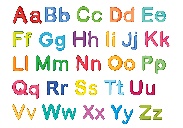
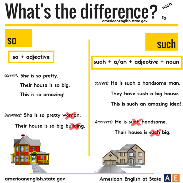
Greetings (1 min) We all get up from our seats. Hello guys. Sit down. The warm-up is to sing the alphabet. Warm up ( 8 min) • Books closed. Repetition of the previous topic. Using the words “so” and “such” correctly in conversation can be tricky, but it’s crucial to get it right. “So” is typically used to introduce a new topic or to emphasize something, while “such” is used to emphasize how big, small, or intense something is. For example, you might say “I’m so tired” to emphasize how exhausted you are, or “The party was such a disaster” to emphasize how badly it went. Checking homework. |
Students meet the teacher, get up from their seats, greet. They sing the alphabet. The students tell the topic they studied in the previous lesson. They show the teacher their homework. |
Evaluation in the form of a token.
1 token is 1 point per lesson. Clap, thumbs up |

PPT
|
||
|
The middle of the lesson – 35 min |
Watching a video (3 min) The teacher turns on the video and asks the question "What do you think is the word that describes the people in the video?". Reading (5 min) Reading the article. Tell students not to worry if they don’t understand every word; they should just focus on answering the question. Ask students to check their answer with a partner before feedback in open class. Give students a minute or two to read the sentences and circle the key information that they need to look for. Game time - group (10 min)
The teacher divides them into groups, then gives out new
words, pronounces them in chorus. Rules of the game: Divide into
groups.
Group work (5 min) Exercise 4. The teacher gives out cards with definitions and words.
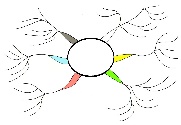
Mind Map (5 min) Word - Nomadic A mind map is a diagram used to visually organize information into a hierarchy, showing relationships among pieces of the whole. It is often created around a single concept, drawn as an image in the center of a blank page, to which associated representations of ideas such as images, words and parts of words are added. USA Quiz – additional tasks (5 min) The teacher conducts a small quiz among three groups on the topic of the USA. Gives the opportunity to earn points for a lesson. |
Answer They all have a nomadic way of life. Students watch the video and guess the topic of the lesson. Some students read a text about nomadic peoples. They are researching about the peoples. The students are divided into three groups - 1) Shahsavan, 2) Aborigines, 3) Tuaregs. They play a lexical game. Do a group work.
They present their work with a mind map. |
Answer They all have a nomadic way of life. Students watch the video and guess the topic of the lesson. Some students read a text about nomadic peoples. They are researching about the peoples. The students are divided into three groups - 1) Shahsavan, 2) Aborigines, 3) Tuaregs. They play a lexical game. Do a group work. They present their work with a mind map. |
Verbal praise: Well done, you guessed it. Pronunciation correction, correct reading. 1 point for each correct answer 1 point for each correct answer Students evaluate each other. 1 point for each correct answer Overall, 7 points for 7 questions Teacher evaluates and guides students |
https://www.youtube.com/watch?v=cJy33gtYuic&t=298s -2 minute Book PPT PPT Music Words

Book, slide Handouts PPT Book PPT Music
PPT |
||
|
The end of the lesson – 5 min |
Homework (3 min) Exercise 3. Конспект, page 98-99. О каждом народе по три предложения. Затем перевести на русский язык, письменно. Подготовить реферат про кочевой народ, на английском языке. Реферат на А4, с титульным листом. Feedback (6 min) Psychological 3 minutes. The teacher includes a video meditation to set the mood for life. The teacher gives out leaflets for feedback about the lesson. An envelope folder is hung on the wall. The teacher leaves the classroom for a while. Stand up please, See you soon, goodbye! |
They sum up the results. They write their anonymous reviews about the lesson. They say goodbye to the teacher. |
Clap, thumbs up |
https://www.youtube.com/watch?v=jsYmQi56_sg Psychology Handouts
Sheets of feedbacks |
||
жүктеу мүмкіндігіне ие боласыз
Бұл материал сайт қолданушысы жариялаған. Материалдың ішінде жазылған барлық ақпаратқа жауапкершілікті жариялаған қолданушы жауап береді. Ұстаз тілегі тек ақпаратты таратуға қолдау көрсетеді. Егер материал сіздің авторлық құқығыңызды бұзған болса немесе басқа да себептермен сайттан өшіру керек деп ойласаңыз осында жазыңыз
Ағылшын тілі - ашық сабақ жоспары. "Nomadic People".
|
Module 6 Lesson 13 |
|
||||||
|
Teacher’s name: |
Zhomartov Nurali Ruslanovich |
||||||
|
Date: |
05.02.2024 |
||||||
|
Grade: 9Б |
Number of people present: 16 |
Number of people absent: |
|||||
|
The Theme of the lesson |
Nomadic people |
||||||
|
Objectives according to the Curriculum |
9.4.5.1 - deduce meaning from context in extended texts on a range of familiar general and curricular topics; 9.4.7.1 - recognize typical features at word, sentence and text level in a wide range of written genres; |
||||||
|
Objectives of the lesson |
All learners will be able to: Most learners will be able to: • read an article about the wildlife crisis. • learn about describing the amount of something. • write an online article about animals in danger. Some learners will be able to: |
||||||
|
Evaluation criteria |
Working in a group Vocabulary Researching |
||||||
|
Level of thinking skills |
Low order thinking |
||||||
|
During the lesson: |
|||||||
|
The stage of the lesson/timing |
Actions of the teacher:
|
Actions of the pupils: |
Student actions with special educational needs |
Assessment |
Resources |
||
|
The beginning of the lesson/ min |
Greetings (1 min) We all get up from our seats. Hello guys. Sit down. The warm-up is to sing the alphabet. Warm up ( 8 min) • Books closed. Repetition of the previous topic. Using the words “so” and “such” correctly in conversation can be tricky, but it’s crucial to get it right. “So” is typically used to introduce a new topic or to emphasize something, while “such” is used to emphasize how big, small, or intense something is. For example, you might say “I’m so tired” to emphasize how exhausted you are, or “The party was such a disaster” to emphasize how badly it went. Checking homework. |
Students meet the teacher, get up from their seats, greet. They sing the alphabet. The students tell the topic they studied in the previous lesson. They show the teacher their homework. |
Evaluation in the form of a token.
1 token is 1 point per lesson. Clap, thumbs up |
PPT
|
||
|
The middle of the lesson – 35 min |
Watching a video (3 min) The teacher turns on the video and asks the question "What do you think is the word that describes the people in the video?". Reading (5 min) Reading the article. Tell students not to worry if they don’t understand every word; they should just focus on answering the question. Ask students to check their answer with a partner before feedback in open class. Give students a minute or two to read the sentences and circle the key information that they need to look for. Game time - group (10 min)
The teacher divides them into groups, then gives out new
words, pronounces them in chorus. Rules of the game: Divide into
groups.
Group work (5 min) Exercise 4. The teacher gives out cards with definitions and words.
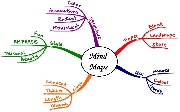
Mind Map (5 min) Word - Nomadic A mind map is a diagram used to visually organize information into a hierarchy, showing relationships among pieces of the whole. It is often created around a single concept, drawn as an image in the center of a blank page, to which associated representations of ideas such as images, words and parts of words are added. USA Quiz – additional tasks (5 min) The teacher conducts a small quiz among three groups on the topic of the USA. Gives the opportunity to earn points for a lesson. |
Answer They all have a nomadic way of life. Students watch the video and guess the topic of the lesson. Some students read a text about nomadic peoples. They are researching about the peoples. The students are divided into three groups - 1) Shahsavan, 2) Aborigines, 3) Tuaregs. They play a lexical game. Do a group work.
They present their work with a mind map. |
Answer They all have a nomadic way of life. Students watch the video and guess the topic of the lesson. Some students read a text about nomadic peoples. They are researching about the peoples. The students are divided into three groups - 1) Shahsavan, 2) Aborigines, 3) Tuaregs. They play a lexical game. Do a group work. They present their work with a mind map. |
Verbal praise: Well done, you guessed it. Pronunciation correction, correct reading. 1 point for each correct answer 1 point for each correct answer Students evaluate each other. 1 point for each correct answer Overall, 7 points for 7 questions Teacher evaluates and guides students |
https://www.youtube.com/watch?v=cJy33gtYuic&t=298s -2 minute Book PPT PPT Music Words
Book, slide Handouts PPT Book PPT Music
PPT |
||
|
The end of the lesson – 5 min |
Homework (3 min) Exercise 3. Конспект, page 98-99. О каждом народе по три предложения. Затем перевести на русский язык, письменно. Подготовить реферат про кочевой народ, на английском языке. Реферат на А4, с титульным листом. Feedback (6 min) Psychological 3 minutes. The teacher includes a video meditation to set the mood for life. The teacher gives out leaflets for feedback about the lesson. An envelope folder is hung on the wall. The teacher leaves the classroom for a while. Stand up please, See you soon, goodbye! |
They sum up the results. They write their anonymous reviews about the lesson. They say goodbye to the teacher. |
Clap, thumbs up |
https://www.youtube.com/watch?v=jsYmQi56_sg Psychology Handouts
Sheets of feedbacks |

||
шағым қалдыра аласыз