
 ЖИ көмекші


 Қауіпсіз төлем

жүктеу мүмкіндігіне ие боласыз
Бұл материал сайт қолданушысы жариялаған. Материалдың ішінде жазылған барлық ақпаратқа жауапкершілікті жариялаған қолданушы жауап береді. Ұстаз тілегі тек ақпаратты таратуға қолдау көрсетеді. Егер материал сіздің авторлық құқығыңызды бұзған болса немесе басқа да себептермен сайттан өшіру керек деп ойласаңыз осында жазыңыз
 21 Қараша 2025
 99
99
1 жыл бойы шексіз жүктеңіз
Ағылшын тілі сабағында көрнекіліктерді (суреттерді) пайдалану арқылы оқушылардың сөйлеу іскерлігін арттыру.
Түсініктеме хат
Қазіргі білім беру жүйесінде оқушылардың тілдік құзыреттілігін дамыту маңызды мәселелердің бірі болып табылады. Әсіресе ағылшын тілі әлемдік қарым-қатынас құралы ретінде ерекше орын алады. Осыған байланысты ағылшын тілі сабақтарында оқытудың әртүрлі әдістері мен тәсілдері қолданылады. Солардың ішінде сурет көрнекілігін пайдалану оқушылардың сөйлеу дағдыларын дамытуда ерекше тиімділік көрсетеді.
5-7 сынып оқушыларының психологиялық ерекшеліктерін ескере отырып, суреттер олар үшін абстрактілі ұғымдарды түсінуге көмектесетін нақты құрал болып табылады. Суреттер арқылы оқушылар жаңа сөздерді контексте үйреніп, оларды есте сақтау оңайырақ болады. Мысалы, "отбасы" тақырыбын өткен кезде отбасының суретін көрсету арқылы "father", "mother", "sister", "brother" сияқты сөздерді үйрету әлдеқайда қызықты әрі тиімді болады.
Суреттер оқушыларды сөйлеуге итермелейтін тапсырмалар үшін таптырмас құрал болып табылады. Мұғалім қарапайым сұрақтар қою арқылы оқушыларды сөйлесуге шақырады. Мысалы, суреттегі адамдар не істеп жатыр? Олардың көңіл күйлері қандай? Бұл сұрақтар оқушылардың өз ойларын ағылшын тілінде білдіруге мүмкіндік береді. Сонымен қатар, суреттерді салыстыру, сипаттау, олар бойынша әңгіме құрастыру сияқты тапсырмалар оқушылардың сөйлеу дағдыларын жан-жақты дамытуға ықпал етеді.
Сурет көрнекілігін пайдалану оқушылардың шығармашылық қабілеттерін де арттырады. Берілген сурет бойынша өз қиялдарынан оқиға құрастыру, рөлдік ойындар ойнау оқушылардың тілдік қорын байытып қана қоймай, сонымен қатар олардың ойлау қабілеттерін де дамытады. Мысалы, "бір күндік саяхат" тақырыбындағы суреттер сериясы оқушыларға өздерінің саяхаттары туралы әңгімелеуге немесе ойдан қызықты оқиға құрастыруға мүмкіндік береді.
Қорыта келе, ағылшын тілі сабағында сурет көрнекілігін қолдану 5-7 сынып оқушыларының сөйлеу іскерлігін дамытуда маңызды рөл атқарады. Ол оқушылардың қызығушылығын арттырады, сөздік қорын байытады, сөйлеуге түрткі болады, шығармашылықты дамытады және коммуникативтік дағдыларды қалыптастырады. Сондықтан да қазіргі заманғы білім беру процесінде сурет көрнекілігін тиімді пайдалану мұғалімдер үшін өте маңызды.
Бағыты:
Бұл зерттеу тілдік коммуникативтік дағдыларды дамытуға бағытталған, әсіресе ағылшын тілі сабағында көрнекіліктерді (суреттерді) пайдалану арқылы оқушылардың сөйлеу іскерлігін арттыру.
Өзектілігі:
-
Қазіргі заманғы білім беруде интерактивті әдістердің маңызы артады.
-
Суреттер оқу материалдарын жеңілдетеді және оқушылардың қызығушылығын оятады.
-
Ағылшын тілін меңгеруде сөйлеу дағдыларын дамыту – ең күрделі аспектілердің бірі, ал көрнекіліктер бұл үрдісті тиімді етеді.
Жаңалығы:
-
Дәстүрлі суреттермен қатар цифрлық технологияларды (интерактивті тақталар, AI-генерацияланған суреттер) пайдалану.
-
Индивидуалды және топтық жұмыс әдістерін үйлестіру.
-
Оқушылардың шығармашылығын дамытуға арналған инновациялық тапсырмалар (мысалы, сурет бойынша қысқа әңгіме құрастыру).
Педагогикалық мақсаттылығы:
-
Оқушылардың ауызекі сөйлеу дағдыларын жетілдіру.
-
Лексикалық қорын кеңейту және грамматикалық құрылымдарды дұрыс қолдану.
-
Сөйлеуге деген қауіпсіздік сезімін арттыру (confidence).
Мақсаты:
Суреттерді пайдалану арқылы 5-7 сынып оқушыларының ағылшын тіліндегі сөйлеу қабілетін дамыту.
Міндеттері:
-
Суреттерді пайдалану арқылы сөздік қорды байыту.
-
Грамматикалық құрылымдарды практикалық жобаларда қолдану.
-
Оқушыларды белсенді сөйлеуге ынталандыру.
-
Критикалық және шығармашылық ойлауды дамыту.
Ерекшелігі
-
Оқушылардың жасына (5-7 сынып) сәйкес таңдалған суреттер (қарапайымнан күрделіге дейін).
-
Интерактивті тапсырмалар (жұптық жұмыс, рөлдік ойындар).
-
Технологиямен үйлесімділік (презентациялар, онлайн-платформалар).
Күтілетін нәтижелері
-
Оқушылардың сөйлеу ақылы жылдамдайды (fluency).
-
Сөздік қор кеңейеді (жануарлар, табиғат, күнделікті өмір тақырыптары бойынша).
-
Грамматикалық құрылымдарды дұрыс қолданады (Present Continuous, There is/are, сипаттау сөздері).
-
Өз ойын еркін жеткізе алады.
Нәтижелерді тексеру әдістері
-
Басқару жұмыстары (сурет бойынша қысқа әңгімелеу, сұрақтарға жауап беру).
-
Жобалар мен презентациялар (суреттерді пайдаланып топтық жұмыс).
-
Өзін-өзі бағалау және топтық бағалау (рефлексия).
-
Стандартты тесттер (лексикалық және грамматикалық білімді тексеру).
ТҰРАҚТЫЛАУ МАЗМҰНДЫҚ – БӨЛІМ
1. Introducing Yourself
-
Content: In this lesson, students will learn how to introduce themselves in English. They will practice saying their name, age, hobbies, and where they live. Simple greetings and self-introduction phrases will be emphasized.
-
Objective: Students will be able to introduce themselves in English and answer basic questions about their identity.
2. Family Members and Descriptions
-
Content: Students will learn vocabulary related to family members (e.g., father, mother, brother, sister) and how to describe them. They will practice giving descriptions of family members, including physical appearance and personality traits.
-
Objective: Students will be able to talk about their family members in English and describe them using basic adjectives.
3. My Favorite Hobby
-
Content: In this lesson, students will learn how to talk about their favorite hobbies and interests in English. They will practice describing activities they enjoy, such as sports, reading, painting, or music.
-
Objective: Students will be able to discuss their favorite hobbies and interests in English, using appropriate vocabulary and sentences.
4. City and Nature
-
Content: Students will be introduced to vocabulary related to cities, nature, and the environment. They will practice talking about city landmarks, parks, and natural features such as mountains, rivers, and forests.
-
Objective: Students will be able to describe a city or nature in English and discuss their preferences for urban or natural environments.
5. School Life
-
Content: This lesson will focus on school-related vocabulary and phrases. Students will practice talking about subjects, teachers, and school activities. They will also discuss their daily school routines.
-
Objective: Students will be able to talk about their school life in English, including subjects, routines, and experiences.
6. Traveling and Tourism
-
Content: Students will learn vocabulary related to travel, tourism, and sightseeing. They will practice talking about different countries, cities, famous landmarks, and the kinds of places people like to visit.
-
Objective: Students will be able to discuss travel and tourism in English, including describing places and discussing plans for travel.
7. Describing a Person
-
Content: In this lesson, students will learn how to describe a person’s appearance and personality in English. They will practice using adjectives to describe physical features and character traits.
-
Objective: Students will be able to describe a person’s appearance and personality in English.
8. Daily Routines
-
Content: This lesson will focus on vocabulary related to daily routines and activities. Students will practice talking about what they do every day, such as waking up, going to school, eating meals, and going to bed.
-
Objective: Students will be able to describe their daily routines in English and ask others about their routines.
9. Food and Eating Habits
-
Content: Students will learn vocabulary related to food, meals, and eating habits. They will practice discussing what they eat, when they eat, and their favorite foods.
-
Objective: Students will be able to talk about food and eating habits in English.
10. My Favorite Place
-
Content: Students will practice describing their favorite places, whether it's a city, a park, a house, or any other location. They will learn vocabulary related to locations and places of interest.
-
Objective: Students will be able to describe their favorite place in English and explain why they like it.
11. Weather and Seasons
-
Content: This lesson will introduce students to vocabulary related to the weather and seasons. Students will practice talking about the weather, describing the seasons, and using weather-related expressions.
-
Objective: Students will be able to discuss the weather and seasons in English.
12. Free Time Activities
-
Content: Students will learn vocabulary related to free-time activities, such as hobbies, sports, and entertainment. They will practice asking and answering questions about what they do in their free time.
-
Objective: Students will be able to talk about free-time activities in English and ask others about their hobbies.
13. Future Plans and Aspirations
-
Content: In this lesson, students will learn how to talk about their future plans, dreams, and aspirations. They will use future tense structures to discuss what they want to do in the future.
-
Objective: Students will be able to talk about their future plans and aspirations in English.
14. Health and Fitness
-
Content: This lesson will focus on vocabulary related to health, fitness, and well-being. Students will learn how to talk about healthy habits, exercise routines, and ways to stay fit.
-
Objective: Students will be able to discuss health and fitness topics in English.
15. Environment and Pollution
-
Content: Students will be introduced to vocabulary related to environmental issues, such as pollution, recycling, and climate change. They will discuss how people can protect the environment.
-
Objective: Students will be able to talk about environmental problems and solutions in English.
16. Social Media and Technology
-
Content: In this lesson, students will learn vocabulary related to social media, technology, and online communication. They will discuss the positive and negative impacts of social media and technology.
-
Objective: Students will be able to discuss social media and technology in English.
17. Shopping and Money
-
Content: Students will learn vocabulary related to shopping, stores, and money. They will practice asking for prices, making purchases, and talking about shopping experiences.
-
Objective: Students will be able to talk about shopping and money in English.
18. A Day in the Life of a Famous Person
-
Content: Students will learn how to describe the daily life of a famous person, including their routines, activities, and accomplishments.
-
Objective: Students will be able to talk about the daily life of a famous person in English.
19. Festivals and Celebrations
-
Content: This lesson will introduce students to vocabulary related to holidays, festivals, and celebrations. They will learn how to describe different cultural celebrations from around the world.
-
Objective: Students will be able to talk about festivals and celebrations in English.
20. Shopping for Clothes
-
Content: Students will learn vocabulary related to clothing, shopping for clothes, and discussing fashion. They will practice phrases for shopping in stores.
-
Objective: Students will be able to talk about shopping for clothes and describe clothing items in English.
21. Technology and Innovations
-
Content: This lesson will focus on vocabulary related to new technologies and innovations. Students will discuss recent inventions and how technology is changing the world.
-
Objective: Students will be able to talk about technology and innovations in English.
22. Movies and TV Shows
-
Content: Students will learn vocabulary related to movies, TV shows, and entertainment. They will practice discussing their favorite films and TV programs.
-
Objective: Students will be able to talk about movies and TV shows in English.
23. Traveling to a Foreign Country
-
Content: In this lesson, students will practice talking about traveling to foreign countries. They will learn vocabulary for airports, accommodations, and travel experiences.
-
Objective: Students will be able to discuss traveling abroad in English.
24. Sports and Games
-
Content: Students will learn vocabulary related to various sports, games, and athletic activities. They will practice discussing their favorite sports and teams.
-
Objective: Students will be able to talk about sports and games in English.
25. Music and Arts
-
Content: This lesson will focus on vocabulary related to music, art, and cultural activities. Students will discuss different forms of music and art.
-
Objective: Students will be able to talk about music and art in English.
26. At the Doctor's Office
-
Content: Students will learn vocabulary related to health problems, medical terms, and visiting the doctor. They will practice asking for help at the doctor's office.
-
Objective: Students will be able to discuss health issues and visit a doctor in English.
27. At the Restaurant
-
Content: In this lesson, students will learn how to order food and drinks at a restaurant, as well as discuss the menu.
-
Objective: Students will be able to order food and drink at a restaurant in English.
28. At the Post Office
-
Content: Students will learn vocabulary related to post office services, such as mailing packages, buying stamps, and sending letters.
-
Objective: Students will be able to talk about post office services in English.
29. Jobs and Professions
-
Content: This lesson will introduce students to vocabulary related to different jobs and professions. They will discuss what people do in various careers.
-
Objective: Students will be able to talk about jobs and professions in English.
30. Travel Experience
-
Content: Students will practice sharing their personal travel experiences, including what they saw, where they went, and what they enjoyed.
-
Objective: Students will be able to describe their travel experiences in English.
31. Making Comparisons
-
Content: In this lesson, students will learn how to make comparisons using comparative and superlative forms of adjectives.
-
Objective: Students will be able to make comparisons in English.
32. Giving Directions
-
Content: Students will learn how to ask for and give directions in English. They will practice using phrases like "turn left," "go straight," and "across the street."
-
Objective: Students will be able to give and ask for directions in English.
33. Current Events
-
Content: This lesson will focus on discussing current events and news in English. Students will learn vocabulary related to current issues, politics, and global events.
-
Objective: Students will be able to discuss current events in English.
34. Review and Presentation of Topics
-
Content: In the final lesson, students will review all the topics covered during the course and present on a topic of their choice.
-
Objective: Students will be able to present a topic they have learned about in English.
Нормативті бөлім
Күнтізбелік тақырыптық жоспар
аптасына
Сынып -----------, аптасына – 2 сағат, барлығы – 34 сағат)
|
Lesson № |
Topic |
Objective |
Duration |
Expected Outcome |
|
1 |
Introducing Yourself |
Teach students how to introduce themselves and use basic introductory phrases. |
1 hours |
Students will be able to introduce themselves in English. |
|
2 |
Family Members and Descriptions |
Teach students how to talk about family members and describe them. |
1 hours |
Students will be able to describe family members in English. |
|
3 |
My Favorite Hobby |
Teach students how to discuss their hobbies in English. |
1 hours |
Students will be able to talk about their hobbies in English. |
|
4 |
Talking About My Town and Nature |
Teach vocabulary related to towns and nature and how to describe them. |
1 hours |
Students will be able to describe their town and nature in English. |
|
5 |
School Life |
Teach students how to talk about school life, subjects, and routines. |
1 hours |
Students will be able to talk about school life in English. |
|
6 |
Traveling and Tourism |
Teach vocabulary related to traveling and tourism. |
1 hours |
Students will be able to discuss traveling and tourism in English. |
|
7 |
The Weather |
Teach students weather-related vocabulary and expressions. |
1 hours |
Students will be able to talk about the weather in English. |
|
8 |
Daily Routine |
Teach students how to talk about their daily routine and activities. |
1 hours |
Students will be able to describe their daily routine in English. |
|
9 |
My Favorite Food |
Teach students how to talk about their favorite food and express preferences. |
1 hours |
Students will be able to talk about their favorite foods in English. |
|
10 |
Health and Fitness |
Teach students vocabulary related to health and fitness activities. |
1 hours |
Students will be able to talk about health and fitness in English. |
|
11 |
In the City: Places and Directions |
Teach vocabulary related to places in a city and asking for directions. |
1 hours |
Students will be able to give and understand directions in English. |
|
12 |
Talking About Future Plans |
Teach students how to talk about their future plans using the future tense. |
1 hours |
Students will be able to discuss future plans in English. |
|
13 |
Free Time Activities |
Teach students how to talk about their free time activities and preferences. |
1 hours |
Students will be able to talk about their free time activities in English. |
|
14 |
Special Events and Celebrations |
Teach students vocabulary related to holidays and celebrations. |
1 hours |
Students will be able to talk about special events in English. |
|
15 |
Shopping and Fashion |
Teach students vocabulary related to shopping, clothing, and fashion. |
1 hours |
Students will be able to discuss shopping and fashion in English. |
|
16 |
The Environment and Ecology |
Teach vocabulary related to the environment and ecology. |
1 hours |
Students will be able to talk about the environment in English. |
|
17 |
Using Public Transport |
Teach students how to use vocabulary related to public transport. |
1 hours |
Students will be able to ask about and describe public transport in English. |
|
18 |
At the Doctor's Office |
Teach students vocabulary related to health, visiting the doctor, and illnesses. |
1 hours |
Students will be able to talk about health and visit a doctor in English. |
|
19 |
The Internet and Social Media |
Teach vocabulary related to the internet, social media, and online communication. |
1 hours |
Students will be able to discuss social media and the internet in English. |
|
20 |
Describing a Film or Book |
Teach students how to talk about books or films they like. |
1 hours |
Students will be able to describe a film or book in English. |
|
21 |
Jobs and Professions |
Teach students vocabulary related to jobs, professions, and workplaces. |
1 hours |
Students will be able to talk about jobs and professions in English. |
|
22 |
Talking About the Past |
Teach students how to use the past tense to talk about past events. |
1 hours |
Students will be able to talk about the past in English. |
|
23 |
Animals and Nature |
Teach students vocabulary related to animals and nature. |
1 hours |
Students will be able to talk about animals and nature in English. |
|
24 |
Technology and Innovation |
Teach vocabulary related to technology and innovation. |
1 hours |
Students will be able to discuss technology in English. |
|
25 |
Around the World: Countries and Cultures |
Teach students vocabulary related to countries, cultures, and nationalities. |
1 hours |
Students will be able to discuss countries and cultures in English. |
|
26 |
My Favorite Music |
Teach students how to talk about music genres, artists, and preferences. |
1 hours |
Students will be able to talk about music in English. |
|
27 |
At the Restaurant |
Teach vocabulary related to ordering food, dining out, and restaurant etiquette. |
2 hours |
Students will be able to order food and talk about restaurants in English. |
|
28 |
Talking About Dreams and Aspirations |
Teach students how to talk about their dreams and aspirations. |
1 hours |
Students will be able to talk about their dreams in English. |
|
29 |
The Media and News |
Teach vocabulary related to the media, news, and current events. |
1 hours |
Students will be able to discuss the media and news in English. |
|
30 |
My School and Friends |
Teach vocabulary related to school, friendships, and social interactions. |
1 hours |
Students will be able to talk about their school and friends in English. |
|
31 |
Celebrating the Weekend |
Teach students how to talk about weekend plans, events, and activities. |
1 hours |
Students will be able to discuss their weekend plans in English. |
|
32 |
The Future of Our Planet |
Teach vocabulary related to global issues and the future of our planet. |
1 hours |
Students will be able to discuss the environment and global issues in English. |
|
33 |
Famous People and Their Achievements |
Teach students how to talk about famous people and their contributions. |
1 hours |
Students will be able to discuss famous people and their achievements. |
|
34 |
Review and Reflection |
Review the topics covered in the course and reflect on progress made. |
1 hours |
Students will be able to review and reflect on their learning progress. |
Ақпараттық-әдістемелік бөлім
«Ағылшын тілі сабағында сурет көрнекілігін қолдану арқылы оқушының сөйлеу іскерлегін дамыту» бағдарламасындағы тапсырмаларды бағалау критерийі
1. Fluency and Pronunciation
-
1-2 points: Struggles to speak; frequent pauses; pronunciation makes it difficult to understand.
-
3-4 points: Limited fluency; frequent pauses; pronunciation errors hinder understanding.
-
5-6 points: Moderate fluency; occasional pauses; some pronunciation errors, but mostly understandable.
-
7-8 points: Good fluency; clear pronunciation with minimal pauses; minor errors that do not impede understanding.
-
9-10 points: Excellent fluency; natural and confident speech with clear pronunciation; no significant errors.
2. Vocabulary Usage
-
1-2 points: Very limited vocabulary; frequent repetition of words; difficulty expressing ideas.
-
3-4 points: Limited vocabulary; frequent errors in word choice; basic expressions.
-
5-6 points: Adequate vocabulary; some mistakes with word choice, but the meaning is clear.
-
7-8 points: Good vocabulary; occasional mistakes with word choice, but they do not impede communication.
-
9-10 points: Wide range of vocabulary; precise word choice; very few or no mistakes.
3. Grammar Accuracy
-
1-2 points: Frequent grammar mistakes that make it difficult to understand.
-
3-4 points: Several grammar mistakes; meaning is mostly clear, but mistakes affect comprehension.
-
5-6 points: Some grammar mistakes, but the meaning is mostly clear.
-
7-8 points: Few grammar mistakes; most sentences are correct and easily understood.
-
9-10 points: Excellent grammar usage with very few or no mistakes.
4. Content and Relevance
-
1-2 points: Content is not relevant to the task; lacks coherence or understanding of the topic.
-
3-4 points: Limited relevance to the task; ideas are underdeveloped or unclear.
-
5-6 points: Adequately relevant content; ideas are presented, but some sections may lack clarity or detail.
-
7-8 points: Relevant content; clear development of ideas; good explanation of the topic.
-
9-10 points: Highly relevant and insightful content; excellent development of ideas with a deep understanding of the topic.
5. Engagement and Interaction
-
1-2 points: Does not engage in the conversation; responds with short, incomplete answers.
-
3-4 points: Limited engagement; responds to prompts but does not elaborate.
-
5-6 points: Some engagement; answers with a fair level of detail and attempts to interact.
-
7-8 points: Actively engages; elaborates on answers and asks relevant questions.
-
9-10 points: Fully engaged; interacts naturally and confidently; extends conversation and asks thoughtful questions.
6. Listening and Comprehension
-
1-2 points: Does not understand the conversation; frequently needs repetition.
-
3-4 points: Some comprehension, but frequent misunderstandings or need for clarification.
-
5-6 points: Adequate comprehension; occasional misunderstandings, but generally follows the conversation.
-
7-8 points: Good comprehension; understands most of the conversation with minimal clarification needed.
-
9-10 points: Excellent comprehension; easily understands and responds appropriately without needing clarification.
7. Task Completion
-
1-2 points: Does not complete the task; fails to follow instructions or misses important aspects.
-
3-4 points: Partially completes the task; some parts are missing or incomplete.
-
5-6 points: Completes the task, but some aspects are underdeveloped or unclear.
-
7-8 points: Completes the task well, with all aspects addressed clearly and thoroughly.
-
9-10 points: Fully completes the task with exceptional clarity and detail; exceeds expectations.
Қысқа мерзімді жоспар
Short-Term Lesson Plan №1
|
Name of the Educational Institution |
|
|||||
|
Subject: |
|
|||||
|
Unit: |
|
|||||
|
Teacher's Full Name: |
|
|||||
|
Date: |
|
|||||
|
Grade: |
Number of Participants: |
Number of Absentees: |
||||
|
Topic: |
Introducing Yourself |
|||||
|
Lesson Objective: |
Teach students how to introduce themselves and use basic introductory phrases. |
|||||
|
Lesson Procedure |
||||||
|
Planned Lesson Stages |
Teacher's Actions |
Student's Actions |
Assessment |
Resources |
||
|
Lesson Beginning |
"Show Your Mood" Objective: Determine students' mood and assess their readiness for the lesson.
|
Follows Instructions |
Verbal Praise |
|
||
|
Lesson Middle |
Task 1: "All About Me"
Poster
Example
Answer:
Task 2: "Interview a
Friend"
Example
Answer:
Task 3: "Emoji
Introduction"
Example
Answer:
Task 4: "3 Words
Challenge"
Example
Answer:
Task 5: "Fantasy
Introduction"
Example
Answer: |
Completes Tasks Completes Tasks Completes Tasks Completes Tasks Completes Tasks |
Descriptor
T Verbal Praise
|
|
||
|
Lesson End |
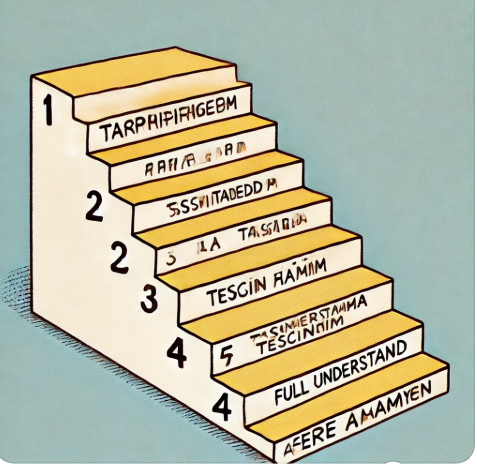
"Success Ladder"
1️⃣ I did not understand the
topic.
|
Follows Instructions |
Provides Feedback |
|
||



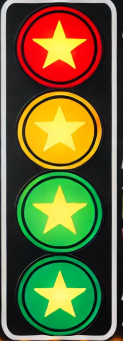
 raffic Light


Short-Term Lesson Plan №2
|
Name of the Educational Institution |
|
|||||
|
Subject: |
|
|||||
|
Unit: |
|
|||||
|
Teacher's Full Name: |
|
|||||
|
Date: |
|
|||||
|
Grade: |
Number of Participants: |
Number of Absentees: |
||||
|
Topic: |
Family Members and Descriptions |
|||||
|
Lesson Objective: |
Teach students how to talk about family members and describe them. |
|||||
|
Lesson Procedure |
||||||
|
Planned Lesson Stages |
Teacher's Actions |
Student's Actions |
Assessment |
Resources |
||
|
Lesson Beginning |
"Secret Gift" Method Objective: Encourage students and increase their interest in the lesson.
|
Follows Instructions |
Verbal Praise |
|
||
|
Lesson Middle |
Task 1: "Family Tree
Poster"
Example
Answer:
Task 2: "Who Am I?"
Riddles
Example
Answer:
Task 3: "Compare Family
Members"
Example
Answer:
Task 4: "A Day With My
Family"
Example
Answer:
Task 5: "Fantasy
Family"
Example
Answer: |
Completes Tasks Completes Tasks Completes Tasks Completes Tasks Completes Tasks |
Descriptor
T Verbal Praise
|
|
||
|
Lesson End |
"Two Stars, One Wish"
|
Follows Instructions |
Provides Feedback |
|
||

Short-Term Lesson
Plan №3
|
Name of the Educational Institution |
|
|||||
|
Subject: |
|
|||||
|
Unit: |
|
|||||
|
Teacher's Full Name: |
|
|||||
|
Date: |
|
|||||
|
Grade: |
Number of Participants: |
Number of Absentees: |
||||
|
Topic: |
My Favorite Hobby |
|||||
|
Lesson Objective: |
Teach students how to discuss their hobbies in English. |
|||||
|
Lesson Procedure |
||||||
|
Planned Lesson Stages |
Teacher's Actions |
Student's Actions |
Assessment |
Resources |
||
|
Lesson Beginning |
"Magic Word" Method Objective: Spark interest in the lesson topic and encourage teamwork.
|
Follows Instructions |
Verbal Praise |
|
||
|
Lesson Middle |
Task 1: "Hobby
Passport"
Example
Answer:
Task 2: "Guess My Hobby"
Charades
Example
Answer:
Task 3: "Hobby
Interview"
Example
Answer:
Task 4: "Dream Hobby"
Poster
Example
Answer:
Task 5: "Hobby
Superhero"
Example
Answer:
Bonus
Activity: Language Focus:
Why It
Works: Would you like:
|
Completes Tasks Completes Tasks Completes Tasks Completes Tasks Completes Tasks |
Descriptor
T Verbal Praise
|
|
||
|
Lesson End |
"Traffic Light" Method
|
Follows Instructions |
Provides Feedback |
|
||
Short-Term Lesson Plan №4
|
Name of the Educational Institution |
|
|||||||||||
|
Subject: |
|
|||||||||||
|
Unit: |
|
|||||||||||
|
Teacher's Full Name: |
|
|||||||||||
|
Date: |
|
|||||||||||
|
Grade: |
Number of Participants: |
Number of Absentees: |
||||||||||
|
Topic: |
Talking About My Town and Nature |
|||||||||||
|
Lesson Objective: |
Teach vocabulary related to towns and nature and how to describe them. |
|||||||||||
|
Lesson Procedure |
||||||||||||
|
Planned Lesson Stages |
Teacher's Actions |
Student's Actions |
Assessment |
Resources |
||||||||
|
Lesson Beginning |
"Magic Box" Method Objective: Increase students' interest and motivation for the lesson.
|
Follows Instructions |
Verbal Praise |
|
||||||||
|
Lesson Middle |
Task 1: "Map Maker"
Activity
Example
Answer:
Task 2: "Nature Detective"
Challenge
Example
Answer:
Task 3: "Town vs Country"
Comparison
Example
Answers:
Task 4: "Perfect Park"
Design
Example
Answer:
Task 5: "Seasons in My
Town"
Example
Answers:
Bonus
Activity: Language Focus:
Why It
Works: Extension Ideas:
Would you like:
|
Completes Tasks Completes Tasks Completes Tasks Completes Tasks Completes Tasks |
Descriptor
T Verbal Praise
|
|
||||||||
|
Lesson End |
"Mood Emojis" Method ? Instructions:
|
Follows Instructions |
Provides Feedback |
|
||||||||

Short-Term Lesson Plan №5
|
Name of the Educational Institution |
|
|||||
|
Subject: |
|
|||||
|
Unit: |
|
|||||
|
Teacher's Full Name: |
|
|||||
|
Date: |
|
|||||
|
Grade: |
Number of Participants: |
Number of Absentees: |
||||
|
Topic: |
School Life |
|||||
|
Lesson Objective: |
Teach students how to talk about school life, subjects, and routines. |
|||||
|
Lesson Procedure |
||||||
|
Planned Lesson Stages |
Teacher's Actions |
Student's Actions |
Assessment |
Resources |
||
|
Lesson Beginning |
"Circle of Kind Words" Method Objective: Boost students' mood and foster friendly relationships.
|
Follows Instructions |
Verbal Praise |
|
||
|
Lesson Middle |
Task 1: "My School Day
Timeline"
Example
Answer:
Task 2: "Teacher for a
Minute"
Example
Answer:
Task 3: "School Scavenger
Hunt"
Example
Answers:
Task 4: "Dream School"
Design
Example
Answer:
Task 5: "School Subjects
Tournament"
Example
Chart:
Bonus
Activity: Language Focus:
Why It
Works: Extension Ideas:
Would you like:
|
Completes Tasks Completes Tasks Completes Tasks Completes Tasks Completes Tasks |
Descriptor
T Verbal Praise
|
|
||
|
Lesson End |
"What Did I Like? What Was Difficult? What Did I Learn?" ? Instructions:
✅ What did I
like? – What was the most
interesting part of the lesson? This method encourages reflection and helps students analyze their learning progress.
|
Follows Instructions |
Provides Feedback |
|
||
Short-Term Lesson Plan №6
|
Name of the Educational Institution |
|
|||||
|
Subject: |
|
|||||
|
Unit: |
|
|||||
|
Teacher's Full Name: |
|
|||||
|
Date: |
|
|||||
|
Grade: |
Number of Participants: |
Number of Absentees: |
||||
|
Topic: |
Traveling and Tourism |
|||||
|
Lesson Objective: |
Teach vocabulary related to traveling and tourism. |
|||||
|
Lesson Procedure |
||||||
|
Planned Lesson Stages |
Teacher's Actions |
Student's Actions |
Assessment |
Resources |
||
|
Lesson Beginning |
"Compliment Bridge" Method Objective: Build friendly relationships and boost students' confidence.
|
Follows Instructions |
Verbal Praise |
|
||
|
Lesson Middle |
Task 1: "My Dream
Passport"
Example:
Task 2: "Suitcase
Scramble"
Example:
Task 3: "Tour Guide
Challenge"
Task 4: "Travel Problems
Role-Play"
Task 5: "Eco-Travel
Poster"
Example: |
Completes Tasks Completes Tasks Completes Tasks Completes Tasks Completes Tasks |
Descriptor
T Verbal Praise
|
|
||
|
Lesson End |
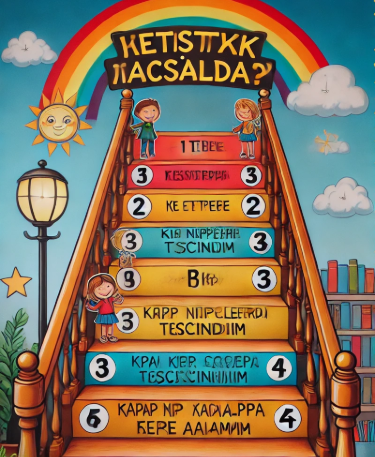
Success Ladder" Method ? Instructions:
|
Follows Instructions |
Provides Feedback |
|
||
Short-Term Lesson Plan №7
|
Name of the Educational Institution |
|
|||||||||||
|
Subject: |
|
|||||||||||
|
Unit: |
|
|||||||||||
|
Teacher's Full Name: |
|
|||||||||||
|
Date: |
|
|||||||||||
|
Grade: |
Number of Participants: |
Number of Absentees: |
||||||||||
|
Topic: |
The Weather |
|||||||||||
|
Lesson Objective: |
Teach students weather-related vocabulary and expressions. |
|||||||||||
|
Lesson Procedure |
||||||||||||
|
Planned Lesson Stages |
Teacher's Actions |
Student's Actions |
Assessment |
Resources |
||||||||
|
Lesson Beginning |
"Circle of Kind Words" Method Objective: Boost students' mood and foster friendly relationships.
|
Follows Instructions |
Verbal Praise |
|
||||||||
|
Lesson Middle |
Task 1: "Weather Reporter"
Role-Play
Example
Answer:
Task 2: "Weather Charades"
Game
Answer Key:
Task 3: "Extreme Weather
Diary"
Example:
Task 4: "Weather Around the
World"
Bonus: Add your city's weather today!
Task 5: "Invent a Weather
Machine"
Example:
Bonus
Activity:
Key Vocabulary:
Why These
Work: Need These Ready?
|
Completes Tasks Completes Tasks Completes Tasks Completes Tasks Completes Tasks |
Descriptor
T Verbal Praise
|
|
||||||||
|
Lesson End |
"Know – Want to Know – Learned" (KWL) Method ? Instructions:
|
Follows Instructions |
Provides Feedback |
|
||||||||
Short-Term Lesson Plan №8
|
Name of the Educational Institution |
|
|||||
|
Subject: |
|
|||||
|
Unit: |
|
|||||
|
Teacher's Full Name: |
|
|||||
|
Date: |
|
|||||
|
Grade: |
Number of Participants: |
Number of Absentees: |
||||
|
Topic: |
Daily Routine |
|||||
|
Lesson Objective: |
Teach students how to talk about their daily routine and activities. |
|||||
|
Lesson Procedure |
||||||
|
Planned Lesson Stages |
Teacher's Actions |
Student's Actions |
Assessment |
Resources |
||
|
Lesson Beginning |
"One Word" Method ? Objective: Determine students' emotional readiness for the lesson.
|
Follows Instructions |
Verbal Praise |
|
||
|
Lesson Middle |
Task 1: "My Day in
Emojis"
Example:
Task 2: "Time
Detective"
Answer
Key:
Task 3: "Routine Chain
Game"
Task 4: "Superhero
Routine"
Creative
Answer:
Task 5: "Routine
Interview"
Sample
Findings:
Bonus
Activity: Key Vocabulary:
Why It
Works: Need These?
Would you like a "Day vs Night" comparison activity too? ?? |
Completes Tasks Completes Tasks Completes Tasks Completes Tasks Completes Tasks |
Descriptor
T Verbal Praise
|
|
||
|
Lesson End |
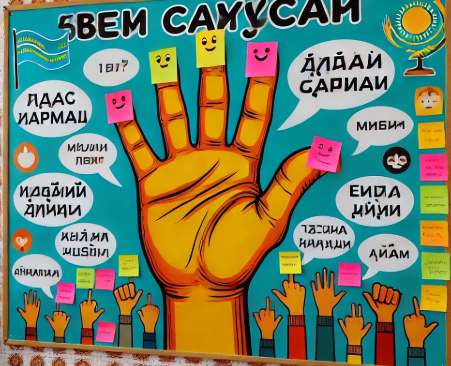
"Five Fingers" Method ? Instructions:
? Thumb – I liked
it.
|
Follows Instructions |
Provides Feedback |
|
||
Short-Term Lesson Plan №9
|
Name of the Educational Institution |
|
|||||
|
Subject: |
|
|||||
|
Unit: |
|
|||||
|
Teacher's Full Name: |
|
|||||
|
Date: |
|
|||||
|
Grade: |
Number of Participants: |
Number of Absentees: |
||||
|
Topic: |
My Favorite Food |
|||||
|
Lesson Objective: |
Teach students how to talk about their favorite food and express preferences. |
|||||
|
Lesson Procedure |
||||||
|
Planned Lesson Stages |
Teacher's Actions |
Student's Actions |
Assessment |
Resources |
||
|
Lesson Beginning |
"Show Your Mood" Objective: Determine students' mood and assess their readiness for the lesson.
|
Follows Instructions |
Verbal Praise |
|
||
|
Lesson Middle |
Task 1: "Food
Passport"
Example:
Task 2: "Blind Food
Quiz"
Answers:
Task 3: "Healthy vs Junk
Food Battle"
Healthy:
Junk:
Task 4: "Create a New
Flavor"
Example:
Task 5: "Food
Commercial"
Example:
Bonus
Activity:
Key Vocabulary:
Why It
Works: Need These?
Would you like a "World Food Map" activity? ?? |
Completes Tasks Completes Tasks Completes Tasks Completes Tasks Completes Tasks |
Descriptor
Traffic Light
Verbal Praise
|
|
||
|
Lesson End |
"Success Ladder"
1️⃣ I did not understand the
topic.
|
Follows Instructions |
Provides Feedback |
|
||
Short-Term Lesson Plan №10
|
Name of the Educational Institution |
|
|||||
|
Subject: |
|
|||||
|
Unit: |
|
|||||
|
Teacher's Full Name: |
|
|||||
|
Date: |
|
|||||
|
Grade: |
Number of Participants: |
Number of Absentees: |
||||
|
Topic: |
Health and Fitness |
|||||
|
Lesson Objective: |
Teach students vocabulary related to health and fitness activities. |
|||||
|
Lesson Procedure |
||||||
|
Planned Lesson Stages |
Teacher's Actions |
Student's Actions |
Assessment |
Resources |
||
|
Lesson Beginning |
"Secret Gift" Method Objective: Encourage students and increase their interest in the lesson.
|
Follows Instructions |
Verbal Praise |
|
||
|
Lesson Middle |
Task 1: "Body Machine
Manual"
Example:
Task 2: "Fitness
Charades"
Bonus: Add sounds effects! (e.g., panting for running)
Task 3: "Health
Detective"
Answers:
Task 4: "Superfood
Hero"
Example:
Task 5: "24-Hour Health
Challenge"
Example:
Bonus
Activity:
Key Vocabulary:
Why It
Works: Need These?
Would you like a song to teach washing hands? ?? |
Completes Tasks Completes Tasks Completes Tasks Completes Tasks Completes Tasks |
Descriptor
Traffic Light
Verbal Praise
|
|
||
|
Lesson End |
"Two Stars, One Wish"
|
Follows Instructions |
Provides Feedback |
|
||
Short-Term Lesson
Plan №11
|
Name of the Educational Institution |
|
|||||
|
Subject: |
|
|||||
|
Unit: |
|
|||||
|
Teacher's Full Name: |
|
|||||
|
Date: |
|
|||||
|
Grade: |
Number of Participants: |
Number of Absentees: |
||||
|
Topic: |
In the City: Places and Directions |
|||||
|
Lesson Objective: |
Teach vocabulary related to places in a city and asking for directions. |
|||||
|
Lesson Procedure |
||||||
|
Planned Lesson Stages |
Teacher's Actions |
Student's Actions |
Assessment |
Resources |
||
|
Lesson Beginning |
"Magic Word" Method Objective: Spark interest in the lesson topic and encourage teamwork.
|
Follows Instructions |
Verbal Praise |
|
||
|
Lesson Middle |
Task 1: "Build Your
Mini-City" (Map Project)
Example: Language Focus:
Task 2: "Direction
Dictation" (Pair Work)
Student B: Draw the route on a blank map. Then switch roles!
Example:
Task 3: "City Sound
Bingo" Bonus: Students mimic sounds for classmates to guess!
Task 4: "Crazy Taxi
Role-Play"
Example:
Task 5: "Accessibility
Audit" (Critical Thinking)
Language
Expansion:
Bonus
Game: Key Vocabulary Visuals
? Prepositions
Poster:
? Place
Icons: Why This Works
✓ Multi-sensory
learning (drawing, listening,
moving) Need These Ready?
Would you like a "City vs. Village" comparison extension activity? ?️ vs. ? |
Completes Tasks Completes Tasks Completes Tasks Completes Tasks Completes Tasks |
Descriptor
T Verbal Praise
|
|
||
|
Lesson End |
"Traffic Light" Method
|
Follows Instructions |
Provides Feedback |
|
||
Short-Term Lesson Plan №12
|
Name of the Educational Institution |
|
|||||
|
Subject: |
|
|||||
|
Unit: |
|
|||||
|
Teacher's Full Name: |
|
|||||
|
Date: |
|
|||||
|
Grade: |
Number of Participants: |
Number of Absentees: |
||||
|
Topic: |
Talking About Future Plans |
|||||
|
Lesson Objective: |
Teach students how to talk about their future plans using the future tense. |
|||||
|
Lesson Procedure |
||||||
|
Planned Lesson Stages |
Teacher's Actions |
Student's Actions |
Assessment |
Resources |
||
|
Lesson Beginning |
"Magic Box" Method Objective: Increase students' interest and motivation for the lesson.
|
Follows Instructions |
Verbal Praise |
|
||
|
Lesson Middle |
Task 1: "Time Capsule
Letters"
Example:
Task 2: "Dream Job
Interviews"
Sample
Dialogue:
Task 3: "Future Predictions
Dice"
Grammar
Tip:
Task 4: "Alien Future
Planner"
Creative
Answer:
Task 5: "Goal Tree
Poster"
Example: |
Completes Tasks Completes Tasks Completes Tasks Completes Tasks Completes Tasks |
Descriptor
T Verbal Praise
|
|
||
|
Lesson End |
"Mood Emojis" Method ? Instructions:
|
Follows Instructions |
Provides Feedback |
|
||
Short-Term Lesson Plan №13
|
Name of the Educational Institution |
|
|||||
|
Subject: |
|
|||||
|
Unit: |
|
|||||
|
Teacher's Full Name: |
|
|||||
|
Date: |
|
|||||
|
Grade: |
Number of Participants: |
Number of Absentees: |
||||
|
Topic: |
Free Time Activities |
|||||
|
Lesson Objective: |
Teach students how to talk about their free time activities and preferences. |
|||||
|
Lesson Procedure |
||||||
|
Planned Lesson Stages |
Teacher's Actions |
Student's Actions |
Assessment |
Resources |
||
|
Lesson Beginning |
"Circle of Kind Words" Method Objective: Boost students' mood and foster friendly relationships.
|
Follows Instructions |
Verbal Praise |
|
||
|
Lesson Middle |
Task 1: "Hobby
Bingo"
Language
Focus:
Task 2: "Weekend Instagram
Post"
Example:
Task 3: "Activity Charades
Olympics"
Bonus
Round:
Task 4: "Dream Club
Poster"
Example:
Task 5: "Free Time
Debate"
Useful
Phrases:
Bonus
Activity:
Why These
Work: Need These?
Want to add a music activity? Try creating "Free Time" song lyrics! ? |
Completes Tasks Completes Tasks Completes Tasks Completes Tasks Completes Tasks |
Descriptor
T Verbal Praise
|
|
||
|
Lesson End |
"What Did I Like? What Was Difficult? What Did I Learn?" ? Instructions:
✅ What did I
like? – What was the most
interesting part of the lesson? This method encourages reflection and helps students analyze their learning progress.
|
Follows Instructions |
Provides Feedback |
|
||
Short-Term Lesson Plan №14
|
Name of the Educational Institution |
|
|||||
|
Subject: |
|
|||||
|
Unit: |
|
|||||
|
Teacher's Full Name: |
|
|||||
|
Date: |
|
|||||
|
Grade: |
Number of Participants: |
Number of Absentees: |
||||
|
Topic: |
Special Events and Celebrations |
|||||
|
Lesson Objective: |
Teach students vocabulary related to holidays and celebrations. |
|||||
|
Lesson Procedure |
||||||
|
Planned Lesson Stages |
Teacher's Actions |
Student's Actions |
Assessment |
Resources |
||
|
Lesson Beginning |
"Compliment Bridge" Method Objective: Build friendly relationships and boost students' confidence.
|
Follows Instructions |
Verbal Praise |
|
||
|
Lesson Middle |
Task 1: "Holiday Memory
Box"
Example:
Task 2: "Tradition
Detective"
Sample
Report:
Task 3: "Invent a
Holiday"
Creative
Example:
Task 4: "Festival
Role-Play"
Key
Phrases:
Task 5: "Compare
Celebrations"
Example
Similarity: |
Completes Tasks Completes Tasks Completes Tasks Completes Tasks Completes Tasks |
Descriptor
T Verbal Praise
|
|
||
|
Lesson End |
Success Ladder" Method ? Instructions:
|
Follows Instructions |
Provides Feedback |
|
||
Short-Term Lesson Plan №15
|
Name of the Educational Institution |
|
|||||||||||
|
Subject: |
|
|||||||||||
|
Unit: |
|
|||||||||||
|
Teacher's Full Name: |
|
|||||||||||
|
Date: |
|
|||||||||||
|
Grade: |
Number of Participants: |
Number of Absentees: |
||||||||||
|
Topic: |
Shopping and Fashion |
|||||||||||
|
Lesson Objective: |
Teach students vocabulary related to shopping, clothing, and fashion. |
|||||||||||
|
Lesson Procedure |
||||||||||||
|
Planned Lesson Stages |
Teacher's Actions |
Student's Actions |
Assessment |
Resources |
||||||||
|
Lesson Beginning |
"Circle of Kind Words" Method Objective: Boost students' mood and foster friendly relationships.
|
Follows Instructions |
Verbal Praise |
|
||||||||
|
Lesson Middle |
Task 1: "Build Your Dream
Outfit" (Collage Activity)
Example:
Task 2: "Fashion Store
Role-Play"
Sample
Dialogue:
Task 3: "Thrift Shop
Challenge"
Example:
Task 4: "Fashion Show
Commentary"
Example:
Task 5: "Design a School
Uniform"
Creative
Answer: |
Completes Tasks Completes Tasks Completes Tasks Completes Tasks Completes Tasks |
Descriptor
T Verbal Praise
|
|
||||||||
|
Lesson End |
"Know – Want to Know – Learned" (KWL) Method ? Instructions:
|
Follows Instructions |
Provides Feedback |
|
||||||||
Short-Term Lesson Plan №16
|
Name of the Educational Institution |
|
|||||
|
Subject: |
|
|||||
|
Unit: |
|
|||||
|
Teacher's Full Name: |
|
|||||
|
Date: |
|
|||||
|
Grade: |
Number of Participants: |
Number of Absentees: |
||||
|
Topic: |
The Environment and Ecology |
|||||
|
Lesson Objective: |
Teach vocabulary related to the environment and ecology. |
|||||
|
Lesson Procedure |
||||||
|
Planned Lesson Stages |
Teacher's Actions |
Student's Actions |
Assessment |
Resources |
||
|
Lesson Beginning |
"One Word" Method ? Objective: Determine students' emotional readiness for the lesson.
|
Follows Instructions |
Verbal Praise |
|
||
|
Lesson Middle |
Mission 1: "Eco-Detective
Badge"
Example:
Mission 2: "Endangered
Animal News Report"
Example:
Mission 3: "Zero-Waste
Lunch Challenge"
Eco-Tip:
Mission 4: "Climate Change
Role-Play"
Key
Phrases:
Mission 5: "Invent an
Eco-Superhero"
Example: |
Completes Tasks Completes Tasks Completes Tasks Completes Tasks Completes Tasks |
Descriptor
T Verbal Praise
|
|
||
|
Lesson End |
"Five Fingers" Method ? Instructions:
? Thumb – I liked
it.
|
Follows Instructions |
Provides Feedback |
|
||
Short-Term Lesson Plan №17
|
Name of the Educational Institution |
|
|||||
|
Subject: |
|
|||||
|
Unit: |
|
|||||
|
Teacher's Full Name: |
|
|||||
|
Date: |
|
|||||
|
Grade: |
Number of Participants: |
Number of Absentees: |
||||
|
Topic: |
Using Public Transport |
|||||
|
Lesson Objective: |
Teach students how to use vocabulary related to public transport. |
|||||
|
Lesson Procedure |
||||||
|
Planned Lesson Stages |
Teacher's Actions |
Student's Actions |
Assessment |
Resources |
||
|
Lesson Beginning |
"Show Your Mood" Objective: Determine students' mood and assess their readiness for the lesson.
|
Follows Instructions |
Verbal Praise |
|
||
|
Lesson Middle |
Task 1: "Commuter
Charades"
Bonus: Add emotions ("You’re late and frantic!")
Task 2: "Map Masters" (Pair
Work)
Example:
Task 3: "Ticket Trouble
Role-Play"
Key
Phrases:
Task 4: "Transport
Debate"
Language
Boosters:
Task 5: "Design a Future
Vehicle"
Example: |
Completes Tasks Completes Tasks Completes Tasks Completes Tasks Completes Tasks |
Descriptor
T Verbal Praise
|
|
||
|
Lesson End |
"Success Ladder"
1️⃣ I did not understand the
topic.
|
Follows Instructions |
Provides Feedback |
|
||
Short-Term Lesson Plan №18
|
Name of the Educational Institution |
|
|||||
|
Subject: |
|
|||||
|
Unit: |
|
|||||
|
Teacher's Full Name: |
|
|||||
|
Date: |
|
|||||
|
Grade: |
Number of Participants: |
Number of Absentees: |
||||
|
Topic: |
At the Doctor's Office |
|||||
|
Lesson Objective: |
Teach students vocabulary related to health, visiting the doctor, and illnesses. |
|||||
|
Lesson Procedure |
||||||
|
Planned Lesson Stages |
Teacher's Actions |
Student's Actions |
Assessment |
Resources |
||
|
Lesson Beginning |
"Secret Gift" Method Objective: Encourage students and increase their interest in the lesson.
|
Follows Instructions |
Verbal Praise |
|
||
|
Lesson Middle |
Task 1: "Symptom
Charades"
Bonus: Add severity ("You’re VERY sick – dramatic coughing!")
Task 2: "Doctor-Patient
Role-Play"
Example
Dialogue:
Task 3: "Medicine Label
Challenge"
Critical
Thinking:
Task 4: "Healthy Habits
Poster"
Example:
Task 5: "Emergency! What
Would You Do?"
Key
Phrases: |
Completes Tasks Completes Tasks Completes Tasks Completes Tasks Completes Tasks |
Descriptor
T Verbal Praise
|
|
||
|
Lesson End |
"Two Stars, One Wish"
|
Follows Instructions |
Provides Feedback |
|
||
Short-Term Lesson
Plan №19
|
Name of the Educational Institution |
|
|||||
|
Subject: |
|
|||||
|
Unit: |
|
|||||
|
Teacher's Full Name: |
|
|||||
|
Date: |
|
|||||
|
Grade: |
Number of Participants: |
Number of Absentees: |
||||
|
Topic: |
The Internet and Social Media |
|||||
|
Lesson Objective: |
Teach vocabulary related to the internet, social media, and online communication. |
|||||
|
Lesson Procedure |
||||||
|
Planned Lesson Stages |
Teacher's Actions |
Student's Actions |
Assessment |
Resources |
||
|
Lesson Beginning |
"Magic Word" Method Objective: Spark interest in the lesson topic and encourage teamwork.
|
Follows Instructions |
Verbal Praise |
|
||
|
Lesson Middle |
Task 1: "Emoji Password
Challenge"
Example:
Task 2: "Viral Hashtag
Debate"
Language
Boosters:
Task 3: "Fake News
Detective"
Critical
Thinking:
Task 4: "App
Inventors"
Example:
Task 5: "Digital Footprint
Map"
Example: |
Completes Tasks Completes Tasks Completes Tasks Completes Tasks Completes Tasks |
Descriptor
T Verbal Praise
|
|
||
|
Lesson End |
"Traffic Light" Method
|
Follows Instructions |
Provides Feedback |
|
||
Short-Term Lesson Plan №20
|
Name of the Educational Institution |
|
|||||
|
Subject: |
|
|||||
|
Unit: |
|
|||||
|
Teacher's Full Name: |
|
|||||
|
Date: |
|
|||||
|
Grade: |
Number of Participants: |
Number of Absentees: |
||||
|
Topic: |
Describing a Film or Book |
|||||
|
Lesson Objective: |
Teach students how to talk about books or films they like. |
|||||
|
Lesson Procedure |
||||||
|
Planned Lesson Stages |
Teacher's Actions |
Student's Actions |
Assessment |
Resources |
||
|
Lesson Beginning |
"Magic Box" Method Objective: Increase students' interest and motivation for the lesson.
|
Follows Instructions |
Verbal Praise |
|
||
|
Lesson Middle |
Task 1: Identifying Key Information Task: Look at the following information about a film and answer the questions. Film Title: The Mystery of the Hidden Treasure Genre: Adventure, Family Director: Sarah Jones Main Actors: Alex Green, Emily Brown Release Date: 2024 Plot Summary: Two young siblings discover an old map and embark on a thrilling journey to find a legendary hidden treasure, facing various challenges along the way. Your Opinion: I found it very exciting and the actors were great. Questions:
Answers:
Task 2: Describing the Plot Task: Imagine you have just finished reading a book. In 2-3 sentences, describe the main plot of the book without giving away the ending. Example Answer (Book Title: The Secret Garden): The Secret Garden tells the story of a lonely and orphaned girl who is sent to live in a large, mysterious house. She discovers a hidden, overgrown garden and, with the help of a new friend and her sickly cousin, brings it back to life, transforming their own lives in the process. Task 3: Expressing Opinions Task: Choose one of the following films or books. Give one reason why you liked or disliked it.
Example Answer (Film: The Lion King - Liking): I really liked The Lion King because the animation was absolutely stunning, and the songs were very memorable and emotional. Example Answer (Book: Harry Potter and the Sorcerer's Stone - Disliking): I didn't enjoy Harry Potter and the Sorcerer's Stone very much because I found the beginning quite slow and it took a while for the story to become interesting. Task 4: Describing Characters Task: Think about a film or book you know. Describe one of the main characters in 2-3 sentences, focusing on their personality or key traits. Example Answer (Film: Matilda): Matilda is a very intelligent and kind young girl who is often underestimated by the adults around her. Despite facing neglect and unfair treatment, she remains resourceful and uses her cleverness to overcome challenges. Task 5: Recommending (or Not Recommending) Task: Would you recommend the film/book you described in Task 4 to a friend? Give a brief reason why or why not. Example Answer (Following the Matilda description): Yes, I would definitely recommend Matilda because it's a heartwarming and funny story about a smart girl who learns to stand up for herself. Example Answer (Following a different example): No, I wouldn't really recommend that book because the plot was quite confusing and the characters weren't very interesting. |
Completes Tasks Completes Tasks Completes Tasks Completes Tasks Completes Tasks |
Descriptor
Traffic Light
Verbal Praise
|
|
||
|
Lesson End |
"Mood Emojis" Method ? Instructions:
|
Follows Instructions |
Provides Feedback |
|
||
Short-Term Lesson Plan №21
|
Name of the Educational Institution |
|
|||||
|
Subject: |
|
|||||
|
Unit: |
|
|||||
|
Teacher's Full Name: |
|
|||||
|
Date: |
|
|||||
|
Grade: |
Number of Participants: |
Number of Absentees: |
||||
|
Topic: |
Jobs and Professions |
|||||
|
Lesson Objective: |
Teach students vocabulary related to jobs, professions, and workplaces. |
|||||
|
Lesson Procedure |
||||||
|
Planned Lesson Stages |
Teacher's Actions |
Student's Actions |
Assessment |
Resources |
||
|
Lesson Beginning |
"Circle of Kind Words" Method Objective: Boost students' mood and foster friendly relationships.
|
Follows Instructions |
Verbal Praise |
|
||
|
Lesson Middle |
Task 1: Matching Match the job title with the correct description.
Answers:
Task 2: Picture Identification Look at the pictures and write the job or profession shown. (Imagine five different pictures here: a person in a police uniform, someone playing a musical instrument on a stage, a person working on a computer with code, someone cutting hair, and a person serving food in a cafe.) Answers:
Task 3: Fill in the Blanks Complete the sentences with the correct job title from the box. (Box: firefighter, nurse, farmer, singer, librarian)
Answers:
Task 4: Simple Questions and Answers Answer the following questions in complete sentences.
Answers:
Task 5: Short Descriptions Write a short sentence describing what each person does.
Answers:
|
Completes Tasks Completes Tasks Completes Tasks Completes Tasks Completes Tasks |
Descriptor
T Verbal Praise
|
|
||
|
Lesson End |
"What Did I Like? What Was Difficult? What Did I Learn?" ? Instructions:
✅ What did I
like? – What was the most
interesting part of the lesson? This method encourages reflection and helps students analyze their learning progress.
|
Follows Instructions |
Provides Feedback |
|
||
Short-Term Lesson Plan №22
|
Name of the Educational Institution |
|
|||||
|
Subject: |
|
|||||
|
Unit: |
|
|||||
|
Teacher's Full Name: |
|
|||||
|
Date: |
|
|||||
|
Grade: |
Number of Participants: |
Number of Absentees: |
||||
|
Topic: |
Talking About the Past |
|||||
|
Lesson Objective: |
Teach students how to use the past tense to talk about past events. |
|||||
|
Lesson Procedure |
||||||
|
Planned Lesson Stages |
Teacher's Actions |
Student's Actions |
Assessment |
Resources |
||
|
Lesson Beginning |
"Compliment Bridge" Method Objective: Build friendly relationships and boost students' confidence.
|
Follows Instructions |
Verbal Praise |
|
||
|
Lesson Middle |
Task 1: Identifying Past Actions Task: Look at the pictures and write a sentence describing what happened in the past using the past simple tense. (Imagine five different pictures here: a child falling off a bicycle, someone cooking dinner, a person travelling on a plane, a group of people laughing, and someone listening to music.) Answers:
Task 2: Sequencing Past Events Task: Put the following events in the correct order to describe what happened yesterday. Use the past simple tense. (Events: had breakfast, went to school, played football, woke up, did homework) Example Answer: Yesterday, I woke up, then I had breakfast. After that, I went to school. In the afternoon, I played football with my friends. Finally, I did homework in the evening. Task 3: Asking Past Simple Questions Task: Look at the prompts and write a question in the past simple tense.
Answers:
Task 4: Talking About a Past Experience Task: In 2-3 sentences, describe something interesting you did last week. Use the past simple tense. Example Answer: Last Saturday, my family and I went to the zoo. We saw many amazing animals, like lions and elephants. I really enjoyed watching the monkeys. Task 5: Yes/No Past Simple Questions and Short Answers Task: Answer the following yes/no questions about the past with short answers.
Answers:
|
Completes Tasks Completes Tasks Completes Tasks Completes Tasks Completes Tasks |
Descriptor
T Verbal Praise
|
|
||
|
Lesson End |
Success Ladder" Method ? Instructions:
|
Follows Instructions |
Provides Feedback |
|
||
Short-Term Lesson Plan №23
|
Name of the Educational Institution |
|
|||||||||||
|
Subject: |
|
|||||||||||
|
Unit: |
|
|||||||||||
|
Teacher's Full Name: |
|
|||||||||||
|
Date: |
|
|||||||||||
|
Grade: |
Number of Participants: |
Number of Absentees: |
||||||||||
|
Topic: |
Animals and Nature |
|||||||||||
|
Lesson Objective: |
Teach students vocabulary related to animals and nature. |
|||||||||||
|
Lesson Procedure |
||||||||||||
|
Planned Lesson Stages |
Teacher's Actions |
Student's Actions |
Assessment |
Resources |
||||||||
|
Lesson Beginning |
"Circle of Kind Words" Method Objective: Boost students' mood and foster friendly relationships.
|
Follows Instructions |
Verbal Praise |
|
||||||||
|
Lesson Middle |
Task 1: Matching Match the animal with its natural habitat.
Answers:
Task 2: Picture Identification Look at the pictures and write the name of the animal or natural element shown. (Imagine five different pictures here: a butterfly, a mountain range, a dolphin, a sunflower, and a river.) Answers:
Task 3: Fill in the Blanks Complete the sentences with the correct word from the box. (Box: leaves, bark, feathers, scales, fur)
Answers:
Task 4: Simple Questions and Answers Answer the following questions in complete sentences.
Answers:
Task 5: Short Descriptions Write a short sentence describing the animal or natural element.
Answers:
|
Completes Tasks Completes Tasks Completes Tasks Completes Tasks Completes Tasks |
Descriptor
T Verbal Praise
|
|
||||||||
|
Lesson End |
"Know – Want to Know – Learned" (KWL) Method ? Instructions:
|
Follows Instructions |
Provides Feedback |
|
||||||||
Short-Term Lesson Plan №24
|
Name of the Educational Institution |
|
|||||
|
Subject: |
|
|||||
|
Unit: |
|
|||||
|
Teacher's Full Name: |
|
|||||
|
Date: |
|
|||||
|
Grade: |
Number of Participants: |
Number of Absentees: |
||||
|
Topic: |
Technology and Innovation |
|||||
|
Lesson Objective: |
Teach vocabulary related to technology and innovation. |
|||||
|
Lesson Procedure |
||||||
|
Planned Lesson Stages |
Teacher's Actions |
Student's Actions |
Assessment |
Resources |
||
|
Lesson Beginning |
"One Word" Method ? Objective: Determine students' emotional readiness for the lesson.
|
Follows Instructions |
Verbal Praise |
|
||
|
Lesson Middle |
Task 1: Matching Match the invention with its description.
Answers:
Task 2: Picture Identification Look at the pictures and write the name of the technological device or innovation shown. (Imagine five different pictures here: a smartphone, a robot arm in a factory, a solar panel, a virtual reality headset, and a self-driving car.) Answers:
Task 3: Fill in the Blanks Complete the sentences with the correct word from the box. (Box: artificial intelligence, touchscreen, satellite, digital, wireless)
Answers:
Task 4: Simple Questions and Answers Answer the following questions in complete sentences.
Answers:
Task 5: Short Descriptions Write a short sentence describing the technological device or innovation.
Answers:
|
Completes Tasks Completes Tasks Completes Tasks Completes Tasks Completes Tasks |
Descriptor
T Verbal Praise
|
|
||
|
Lesson End |
"Five Fingers" Method ? Instructions:
? Thumb – I liked
it.
|
Follows Instructions |
Provides Feedback |
|
||
Short-Term Lesson Plan №25
|
Name of the Educational Institution |
|
|||||
|
Subject: |
|
|||||
|
Unit: |
|
|||||
|
Teacher's Full Name: |
|
|||||
|
Date: |
|
|||||
|
Grade: |
Number of Participants: |
Number of Absentees: |
||||
|
Topic: |
Around the World: Countries and Cultures |
|||||
|
Lesson Objective: |
Teach students vocabulary related to countries, cultures, and nationalities. |
|||||
|
Lesson Procedure |
||||||
|
Planned Lesson Stages |
Teacher's Actions |
Student's Actions |
Assessment |
Resources |
||
|
Lesson Beginning |
"Show Your Mood" Objective: Determine students' mood and assess their readiness for the lesson.
|
Follows Instructions |
Verbal Praise |
|
||
|
Lesson Middle |
Task 1: Matching Match the country with its capital city.
Answers:
Task 2: Picture Identification Look at the pictures and write the name of the country or cultural symbol shown. (Imagine five different pictures here: the Eiffel Tower, the Great Wall of China, the Taj Mahal, a kilt, and a set of matryoshka dolls.) Answers:
Task 3: Fill in the Blanks Complete the sentences with the correct word from the box. (Box: language, currency, cuisine, traditions, continent)
Answers:
Task 4: Simple Questions and Answers Answer the following questions in complete sentences.
Answers:
Task 5: Short Descriptions Write a short sentence describing the country or culture.
Answers:
|
Completes Tasks Completes Tasks Completes Tasks Completes Tasks Completes Tasks |
Descriptor
T Verbal Praise
|
|
||
|
Lesson End |
"Success Ladder"
1️⃣ I did not understand the
topic.
|
Follows Instructions |
Provides Feedback |
|
||
Short-Term Lesson Plan №26
|
Name of the Educational Institution |
|
|||||
|
Subject: |
|
|||||
|
Unit: |
|
|||||
|
Teacher's Full Name: |
|
|||||
|
Date: |
|
|||||
|
Grade: |
Number of Participants: |
Number of Absentees: |
||||
|
Topic: |
My Favorite Music |
|||||
|
Lesson Objective: |
Teach students how to talk about music genres, artists, and preferences. |
|||||
|
Lesson Procedure |
||||||
|
Planned Lesson Stages |
Teacher's Actions |
Student's Actions |
Assessment |
Resources |
||
|
Lesson Beginning |
"Secret Gift" Method Objective: Encourage students and increase their interest in the lesson.
|
Follows Instructions |
Verbal Praise |
|
||
|
Lesson Middle |
Task 1: Matching Match the music genre with a characteristic or example.
Answers:
Task 2: Picture Identification Look at the pictures and write the musical instrument or musical event shown. (Imagine five different pictures here: an electric guitar, a violin, a DJ mixing music, a group of people dancing at a concert, and a microphone on a stand.) Answers:
Task 3: Fill in the Blanks Complete the sentences with the correct word from the box. (Box: rhythm, lyrics, melody, beat, album)
Answers:
Task 4: Simple Questions and Answers Answer the following questions in complete sentences.
Answers (Example Answers - Your answers will be different!):
Task 5: Short Descriptions Write a short sentence describing your favorite song or artist.
Answers (Example Answers - Your answers will be different!):
|
Completes Tasks Completes Tasks Completes Tasks Completes Tasks Completes Tasks |
Descriptor
T Verbal Praise
|
|
||
|
Lesson End |
"Two Stars, One Wish"
|
Follows Instructions |
Provides Feedback |
|
||
Short-Term Lesson
Plan №27
|
Name of the Educational Institution |
|
|||||
|
Subject: |
|
|||||
|
Unit: |
|
|||||
|
Teacher's Full Name: |
|
|||||
|
Date: |
|
|||||
|
Grade: |
Number of Participants: |
Number of Absentees: |
||||
|
Topic: |
At the Restaurant |
|||||
|
Lesson Objective: |
Teach vocabulary related to ordering food, dining out, and restaurant etiquette. |
|||||
|
Lesson Procedure |
||||||
|
Planned Lesson Stages |
Teacher's Actions |
Student's Actions |
Assessment |
Resources |
||
|
Lesson Beginning |
"Magic Word" Method Objective: Spark interest in the lesson topic and encourage teamwork.
|
Follows Instructions |
Verbal Praise |
|
||
|
Lesson Middle |
Task 1: "Menu
Designer"
Example:
Task 2: "Role-Play: Picky
Eater vs. Chef"
Drama Boost: Act out angry/fussy/happy customers!
Task 3: "Food Review
Challenge"
Example:
Task 4: "Kitchen
Disaster!"
Creative
Solutions:
Task 5: "Global Restaurant
Tour"
Bonus: Add your own local dish! Bonus Activities
Key Vocabulary
Grammar
Focus: Why It Works ✓
Practices real-life ordering
skills Need These?
Want
a song?
Rewrite "Baby
Shark" as "Waiter
Shark": |
Completes Tasks Completes Tasks Completes Tasks Completes Tasks Completes Tasks |
Descriptor
T Verbal Praise
|
|
||
|
Lesson End |
"Traffic Light" Method
|
Follows Instructions |
Provides Feedback |
|
||
Short-Term Lesson Plan №28
|
Name of the Educational Institution |
|
|||||
|
Subject: |
|
|||||
|
Unit: |
|
|||||
|
Teacher's Full Name: |
|
|||||
|
Date: |
|
|||||
|
Grade: |
Number of Participants: |
Number of Absentees: |
||||
|
Topic: |
Talking About Dreams and Aspirations |
|||||
|
Lesson Objective: |
Teach students how to talk about their dreams and aspirations. |
|||||
|
Lesson Procedure |
||||||
|
Planned Lesson Stages |
Teacher's Actions |
Student's Actions |
Assessment |
Resources |
||
|
Lesson Beginning |
"Magic Box" Method Objective: Increase students' interest and motivation for the lesson.
|
Follows Instructions |
Verbal Praise |
|
||
|
Lesson Middle |
Task 1: "Future
Passport"
Example:
Task 2: "Obstacle
Course"
Growth Mindset
Phrases:
Task 3: "Time Capsule
Letter"
Example:
Task 4: "Dream
Interview"
Sample
Dialogue:
Task 5: "Alternative
Futures"
Creative
Example: Bonus Activities
Key Vocabulary
Grammar
Focus: Why It Works ✓
Builds confidence in
self-expression Need These?
Want
a song
activity?
Rewrite "Happy" as "Dreamy": |
Completes Tasks Completes Tasks Completes Tasks Completes Tasks Completes Tasks |
Descriptor
Traffic Light
Verbal Praise
|
|
||
|
Lesson End |
"Mood Emojis" Method ? Instructions:
|
Follows Instructions |
Provides Feedback |
|
||
Short-Term Lesson Plan №29
|
Name of the Educational Institution |
|
|||||
|
Subject: |
|
|||||
|
Unit: |
|
|||||
|
Teacher's Full Name: |
|
|||||
|
Date: |
|
|||||
|
Grade: |
Number of Participants: |
Number of Absentees: |
||||
|
Topic: |
The Media and News |
|||||
|
Lesson Objective: |
Teach vocabulary related to the media, news, and current events. |
|||||
|
Lesson Procedure |
||||||
|
Planned Lesson Stages |
Teacher's Actions |
Student's Actions |
Assessment |
Resources |
||
|
Lesson Beginning |
"Circle of Kind Words" Method Objective: Boost students' mood and foster friendly relationships.
|
Follows Instructions |
Verbal Praise |
|
||
|
Lesson Middle |
Task 1: "Become a News Reporter" ? Instructions:
Example: Task 2: "Fact or Fake?" ?
Instructions:
Critical Thinking:
Task 3: "Design a News Website" ?
Instructions:
Example: Task 4: "Social Media Debate" ?
Instructions:
Useful Phrases:
Task 5: "Make a News Podcast" ?
Instructions:
Example: Bonus Activities
Key Vocabulary
Grammar
Focus: Why It Works ✔️
Teaches media
literacy in a fun
way Need These?
Want a video project? Film a class news show! ? |
Completes Tasks Completes Tasks Completes Tasks Completes Tasks Completes Tasks |
Descriptor
T Verbal Praise
|
|
||
|
Lesson End |
"What Did I Like? What Was Difficult? What Did I Learn?" ? Instructions:
✅ What did I
like? – What was the most
interesting part of the lesson? This method encourages reflection and helps students analyze their learning progress.
|
Follows Instructions |
Provides Feedback |
|
||
Short-Term Lesson Plan №30
|
Name of the Educational Institution |
|
|||||
|
Subject: |
|
|||||
|
Unit: |
|
|||||
|
Teacher's Full Name: |
|
|||||
|
Date: |
|
|||||
|
Grade: |
Number of Participants: |
Number of Absentees: |
||||
|
Topic: |
My School and Friends |
|||||
|
Lesson Objective: |
Teach vocabulary related to school, friendships, and social interactions. |
|||||
|
Lesson Procedure |
||||||
|
Planned Lesson Stages |
Teacher's Actions |
Student's Actions |
Assessment |
Resources |
||
|
Lesson Beginning |
"Compliment Bridge" Method Objective: Build friendly relationships and boost students' confidence.
|
Follows Instructions |
Verbal Praise |
|
||
|
Lesson Middle |
Task 1: Matching Match the place in school with its description.
Answers:
Task 2: Picture Identification Look at the pictures and write the name of the school-related item or activity shown. (Imagine five different pictures here: a school bus, a group of students studying together, a teacher writing on a blackboard, a group of friends laughing, and a backpack full of books.) Answers:
Task 3: Fill in the Blanks Complete the sentences with the correct word from the box. (Box: subjects, uniform, break time, classmates, principal)
Answers:
Task 4: Simple Questions and Answers Answer the following questions in complete sentences.
Answers (Example Answers - Your answers will be different!):
Task 5: Short Descriptions Write a short sentence describing something about your school or your friends.
Answers (Example Answers - Your answers will be different!):
|
Completes Tasks Completes Tasks Completes Tasks Completes Tasks Completes Tasks |
Descriptor
T Verbal Praise
|
|
||
|
Lesson End |
Success Ladder" Method ? Instructions:
|
Follows Instructions |
Provides Feedback |
|
||
Short-Term Lesson Plan №31
|
Name of the Educational Institution |
|
|||||||||||
|
Subject: |
|
|||||||||||
|
Unit: |
|
|||||||||||
|
Teacher's Full Name: |
|
|||||||||||
|
Date: |
|
|||||||||||
|
Grade: |
Number of Participants: |
Number of Absentees: |
||||||||||
|
Topic: |
Celebrating the Weekend |
|||||||||||
|
Lesson Objective: |
Teach students how to talk about weekend plans, events, and activities. |
|||||||||||
|
Lesson Procedure |
||||||||||||
|
Planned Lesson Stages |
Teacher's Actions |
Student's Actions |
Assessment |
Resources |
||||||||
|
Lesson Beginning |
"Circle of Kind Words" Method Objective: Boost students' mood and foster friendly relationships.
|
Follows Instructions |
Verbal Praise |
|
||||||||
|
Lesson Middle |
Task 1: Matching Match the weekend activity with its description.
Answers:
Task 2: Picture Identification Look at the pictures and write the weekend activity shown. (Imagine five different pictures here: someone having breakfast in bed, a group of people having a picnic, someone playing video games, a family eating out at a restaurant, and someone reading a book in a comfortable chair.) Answers:
Task 3: Fill in the Blanks Complete the sentences with the correct word from the box. (Box: relax, fun, hobbies, chores, leisure)
Answers:
Task 4: Simple Questions and Answers Answer the following questions in complete sentences.
Answers (Example Answers - Your answers will be different!):
Task 5: Short Descriptions Write a short sentence describing how you like to celebrate the weekend.
Answers (Example Answers - Your answers will be different!):
|
Completes Tasks Completes Tasks Completes Tasks Completes Tasks Completes Tasks |
Descriptor
T Verbal Praise
|
|
||||||||
|
Lesson End |
"Know – Want to Know – Learned" (KWL) Method ? Instructions:
|
Follows Instructions |
Provides Feedback |
|
||||||||
Short-Term Lesson Plan №32
|
Name of the Educational Institution |
|
|||||
|
Subject: |
|
|||||
|
Unit: |
|
|||||
|
Teacher's Full Name: |
|
|||||
|
Date: |
|
|||||
|
Grade: |
Number of Participants: |
Number of Absentees: |
||||
|
Topic: |
The Future of Our Planet |
|||||
|
Lesson Objective: |
Teach vocabulary related to global issues and the future of our planet. |
|||||
|
Lesson Procedure |
||||||
|
Planned Lesson Stages |
Teacher's Actions |
Student's Actions |
Assessment |
Resources |
||
|
Lesson Beginning |
"One Word" Method ? Objective: Determine students' emotional readiness for the lesson.
|
Follows Instructions |
Verbal Praise |
|
||
|
Lesson Middle |
Task 1: Matching Match the environmental issue with its potential future consequence.
Answers:
Task 2: Picture Identification Look at the pictures and write the environmental concept or future technology shown. (Imagine five different pictures here: a wind turbine farm, a city covered in smog, someone planting a tree, an electric car charging station, and a flooded coastal city.) Answers:
Task 3: Fill in the Blanks Complete the sentences with the correct word from the box. (Box: sustainable, innovation, resources, renewable, conservation)
Answers:
Task 4: Simple Questions and Answers Answer the following questions in complete sentences.
Answers:
Task 5: Short Descriptions Write a short sentence describing a potential future scenario for our planet.
Answers:
|
Completes Tasks Completes Tasks Completes Tasks Completes Tasks Completes Tasks |
Descriptor
Traffic Light
Verbal Praise
|
|
||
|
Lesson End |
"Five Fingers" Method ? Instructions:
? Thumb – I liked
it.
|
Follows Instructions |
Provides Feedback |
|
||
Short-Term Lesson Plan №33
|
Name of the Educational Institution |
|
|||||
|
Subject: |
|
|||||
|
Unit: |
|
|||||
|
Teacher's Full Name: |
|
|||||
|
Date: |
|
|||||
|
Grade: |
Number of Participants: |
Number of Absentees: |
||||
|
Topic: |
Famous People and Their Achievements |
|||||
|
Lesson Objective: |
Teach students how to talk about famous people and their contributions. |
|||||
|
Lesson Procedure |
||||||
|
Planned Lesson Stages |
Teacher's Actions |
Student's Actions |
Assessment |
Resources |
||
|
Lesson Beginning |
"Show Your Mood" Objective: Determine students' mood and assess their readiness for the lesson.
|
Follows Instructions |
Verbal Praise |
|
||
|
Lesson Middle |
Task 1: Matching Match the famous person with their significant achievement.
Answers:
Task 2: Picture Identification Look at the pictures and write the name of the famous person shown. (Imagine five different pictures here: Leonardo da Vinci, Malala Yousafzai, Steve Jobs, Rosa Parks, and Neil Armstrong.) Answers:
Task 3: Fill in the Blanks Complete the sentences with the correct word from the box. (Box: Nobel Prize, civil rights, entrepreneur, literature, invention)
Answers:
Task 4: Simple Questions and Answers Answer the following questions in complete sentences.
Answers:
Task 5: Short Descriptions Write a short sentence describing the achievement of the famous person.
Answers:
|
Completes Tasks Completes Tasks Completes Tasks Completes Tasks Completes Tasks |
Descriptor
T Verbal Praise
|
|
||
|
Lesson End |
"Success Ladder"
1️⃣ I did not understand the
topic.
|
Follows Instructions |
Provides Feedback |
|
||
Short-Term Lesson Plan №34
|
Name of the Educational Institution |
|
|||||
|
Subject: |
|
|||||
|
Unit: |
|
|||||
|
Teacher's Full Name: |
|
|||||
|
Date: |
|
|||||
|
Grade: |
Number of Participants: |
Number of Absentees: |
||||
|
Topic: |
Review and Reflection |
|||||
|
Lesson Objective: |
Review the topics covered in the course and reflect on progress made. |
|||||
|
Lesson Procedure |
||||||
|
Planned Lesson Stages |
Teacher's Actions |
Student's Actions |
Assessment |
Resources |
||
|
Lesson Beginning |
"Secret Gift" Method Objective: Encourage students and increase their interest in the lesson.
|
Follows Instructions |
Verbal Praise |
|
||
|
Lesson Middle |
Task 1: Matching Match the review activity with its purpose.
Answers:
Task 2: Picture Identification Look at the pictures and write the review or reflection activity shown. (Imagine five different pictures here: someone taking a test, someone reading their notes, someone working on a practice worksheet, someone thinking with a thought bubble above their head, and someone highlighting text in a book.) Answers:
Task 3: Fill in the Blanks Complete the sentences with the correct word from the box. (Box: understand, improve, learned, mistakes, progress)
Answers:
Task 4: Simple Questions and Answers Answer the following questions in complete sentences.
Answers:
Task 5: Short Descriptions Write a short sentence describing your approach to review and reflection.
Answers:
|
Completes Tasks Completes Tasks Completes Tasks Completes Tasks Completes Tasks |
Descriptor
Traffic Light
Verbal Praise
|
|
||
|
Lesson End |
"Two Stars, One Wish"
|
Follows Instructions |
Provides Feedback |
|
||
Пайдаланылған әдебиеттер тізімі
For Teachers:
-
Harmer, J. (2015). The Practice of English Language Teaching (5th ed.). Pearson.
-
A comprehensive guide on ESL methodologies and classroom techniques.
-
-
Scrivener, J. (2011). Learning Teaching: The Essential Guide to English Language Teaching (3rd ed.). Macmillan.
-
Practical lesson planning and activity ideas.
-
-
Nation, I.S.P. (2008). Teaching ESL/EFL Reading and Writing. Routledge.
-
Focuses on literacy skills development.
-
-
Ur, P. (2012). A Course in English Language Teaching (2nd ed.). Cambridge University Press.
-
Interactive task-based learning strategies.
-
-
British Council Teaching Resources
Website: https://www.teachingenglish.org.uk-
Free lesson plans, worksheets, and webinars.
-
-
Cambridge English Teacher Resources
Website: https://www.cambridgeenglish.org/teaching-english/-
Official exam preparation materials and activities.
-

For Students:
-
Murphy, R. (2019). English Grammar in Use (5th ed.). Cambridge University Press.
-
Self-study grammar book with exercises (Beginner–Intermediate).
-
-
Oxford Picture Dictionary (2nd ed.). (2008). Oxford University Press.
-
Visual vocabulary builder for young learners.
-
-
National Geographic Learning (Series: Our World or Impact).
-
Engaging textbooks with videos and global topics.
-
-
Duolingo (App/Web).
Website: https://www.duolingo.com-
Gamified language practice (free).
-
-
BBC Learning English
Website: https://www.bbc.co.uk/learningenglish-
Free videos, quizzes, and news-based lessons.
-
-
Kahoot! (Platform for Interactive Quizzes).
Website: https://kahoot.com-
Fun competitive games to review vocabulary/grammar.
-









 Бұл курс Қазақстан Республикасы Оқу-ағарту министрлігімен келісілген










