ЖИ көмекші


 Қауіпсіз төлем

жүктеу мүмкіндігіне ие боласыз
Бұл материал сайт қолданушысы жариялаған. Материалдың ішінде жазылған барлық ақпаратқа жауапкершілікті жариялаған қолданушы жауап береді. Ұстаз тілегі тек ақпаратты таратуға қолдау көрсетеді. Егер материал сіздің авторлық құқығыңызды бұзған болса немесе басқа да себептермен сайттан өшіру керек деп ойласаңыз осында жазыңыз
 08 Желтоқсан 2024
 199
199
1 жыл бойы шексіз жүктеңіз
Ашық сабақ Earth's Oceans 6 сынып
LESSON
PLAN
|
Teacher’s name |
Makpal Abdikarim |
|
|
Date |
|
|
|
Grade : 6 |
Number present: |
Absent: |
|
Module 3 |
Our countryside |
|
|
The theme of the lesson: |
Earth’s Oceans |
|
|
Learning objectives(s) that this lesson is contributing to: |
6.2.6.1 deduce meaning from context in short, supported talk on an increasing range of general and curricular topics 6.4.5.1 deduce meaning from context on a limited range of familiar general and curricular topics, including some extended texts |
|
|
Lesson objectives: |
All learners will be able to: - demonstrate a specific information from the text about the oceans; - will write the main points about the oceans with some support. |
|
|
Value links |
Common history/culture and language |
|
|
Previous learning |
The names of the oceans, a world map |
|
Plan
|
Planned timings |
Teacher’s activity |
Learners’ activity |
Assessment |
Resources |
||||||||||||||||||||||||||||||||||||
|
Beginning 1-7 min |
Greeting Warm-up / Dividing into groups Pleasant music is playing. The teacher engages the students by throwing a dodecahedron. It shows different activities (love, heart, fist, handshake, hug, thumbs up) to create a positive atmosphere. Then the teacher divides students into three groups by giving candies. I group – Pirates II group – Sailors III group - Travellers Teacher chooses the group leader from the groups. Then she opens the lesson using a globe. She asks some questions: - What is it? - What can we see on the surface of the globe? - How many oceans are there in the world? - Which is the smallest ocean? - Which is the largest ocean? T: Today we will have an adventure lesson. Here’s the map. We will sail from ocean to ocean by doing tasks. In every ocean we will find a treasure and your captain will give you a coin for your work. Now let’s write down today’s date and the theme. Today’s theme is Earth’s Oceans. In today’s lesson we will: - learn the new words; - work with the text; - identify specific details by reading about the oceans. Introducing the new words T: Let’s start our journey from the Pacific Ocean. The teacher shows a video about Earth’s oceans. Then she introduces the new words with pictures. The teacher plays the audio of the new words and tells the translation of the words. Then she gives a list of the new words. breeze – самал жел cover – жабу flood – су тасқыны join – қосу, байланыстыру make up – құру monsoon – жаңбыр мезгілі mountain range – тау жотасы volcanic activity – жанартаулық белсенділік large – үлкен deep – терең |
The students catch a dodecahedron and do activities which shown on the top. They are divided into three groups. The group members choose a group leader together with the teacher. Ss answer the questions. - It’s a globe. - We can see cities, countries, oceans, rivers, and lakes. - There are five oceans in the world: Pacific Ocean, Atlantic Ocean, Indian Ocean, Southern Ocean, Arctic Ocean. - The largest ocean is the Pacific Ocean. - The smallest ocean is the Arctic Ocean.
Ss listen to the objectives of the lesson.
Ss watch a video about the oceans.
Ss learn the new words. They listen and repeat the words after the speaker. |
Teacher creates a positive atmosphere.
The teacher supports the students. |
A dodecahedron Music Candies The symbol of the groups – the pictures of the pirates the sailors the travelers A globe A map A ship A chest of treasure A chest with coins Presentation Books Copybooks A video about Earth’s oceans The new words A list of the new words |
||||||||||||||||||||||||||||||||||||
|
Middle 8-15 min
|
Group work Method “Graphic organizer” T: Now, let’s explore the Atlantic ocean. In this ocean, we will read and understand the text. Then you have to work in a group and fill in the graphic organizer related to your texts. After that you will present your poster to the class. T: The pirates, you read the text “The Pacific Ocean”. The Sailors, your group read the text “The Atlantic Ocean and The Indian Ocean”. The travelers, you read the text “The Southern Ocean and the Arctic Ocean” The teacher gives a graphic organizer to fill in the information about the oceans. She gives a time to work in a group. After presenting their poster the teacher conducts a group assessment and the groups evaluate each other with applause. Pair work T: Let’s explore the Indian ocean. In this ocean we have to do pair work. The teacher names pairs. Method “Tarsia” T: The pairs of the first group, I will give you a tarsia. Here you have to match the beginning to the ending of the sentences using a tarsia.
Method “Mapping” T: The pairs of the second group, I will give you tablets. You will work with the map. Here you have to match the sentences to the oceans and islands.
Method “Domino” T: The pairs of the third group, you will play domino by matching questions to their answers.
The teacher asked one pairs from each group to do their work on the blackboard. Then she conducts a peer assessment.
Individual work (Differentiation) Method “Smartphone” T: Let’s go to the next ocean – the Southern Ocean. You will do individual exercises. For that I will give you smartphones. Here you have to write one thing you remember about each ocean. A-learners will write the task without support. B-learners will write the task using the key words. C-learners will write the task by filling in the blank using the key words. The teacher checks up the individual works. She asks some students to read their tasks. After that she conducts a formative assessment.
|
Ss read the texts and fill in their graphic organizer. Then each group presents their posters.
After presenting their posters, the leader gives coins to the active members of the group.
Ss take a tarsia and match the beginning to the ending of the sentences using a tarsia.
Ss take tablets and match the sentences to the oceans and islands.
Ss play a domino and match questions to their answers.
They change their work with the pairs next to them and check another pair’s work with the work on the board. The leader gives coins to the active members of the group.
Ss take smartphones. They will write one thing you remember about each ocean.
A-learners will write the task without support. B-learners will write the task using the key words. C-learners will write the task by filling in the blank using the key words. The leader gives coins to the best members of the group. |
Descriptor: A learner:
Total: 3 points
Descriptor: A learner:
Total: 2 points
Descriptor: A learner:
Total: 5 points
|
Graphic organizer Felt-tip pens Magnets Books Hourglass A chest with coins
Tarsia Papers
Tablets Maps
Domino Cards
Smartphone Felt-tip pens |
||||||||||||||||||||||||||||||||||||
|
End 35 – 45 Min |
Evaluation The teacher counts the coins that the students have collected during the lesson. The students who have coins more than 8 will get excellent marks. Then the teacher counts all the coins of a group and identifies the winner. Feedback T: Now, we are in the Arctic ocean. Here you will give me a feedback. T: Dear students, during the lesson I have given you coins for your activities, for your best work, now you should give me a feedback with your emotions. Here you have an emotion board. Please, choose the sticker which shows your mood and stick it here. Home work T: At home, you have to collect information about the five ocean. Our lesson is coming to the end. Thank you, for your participation!
|
Students count their coins that they have collected during the lesson. Then they count the groups coins.
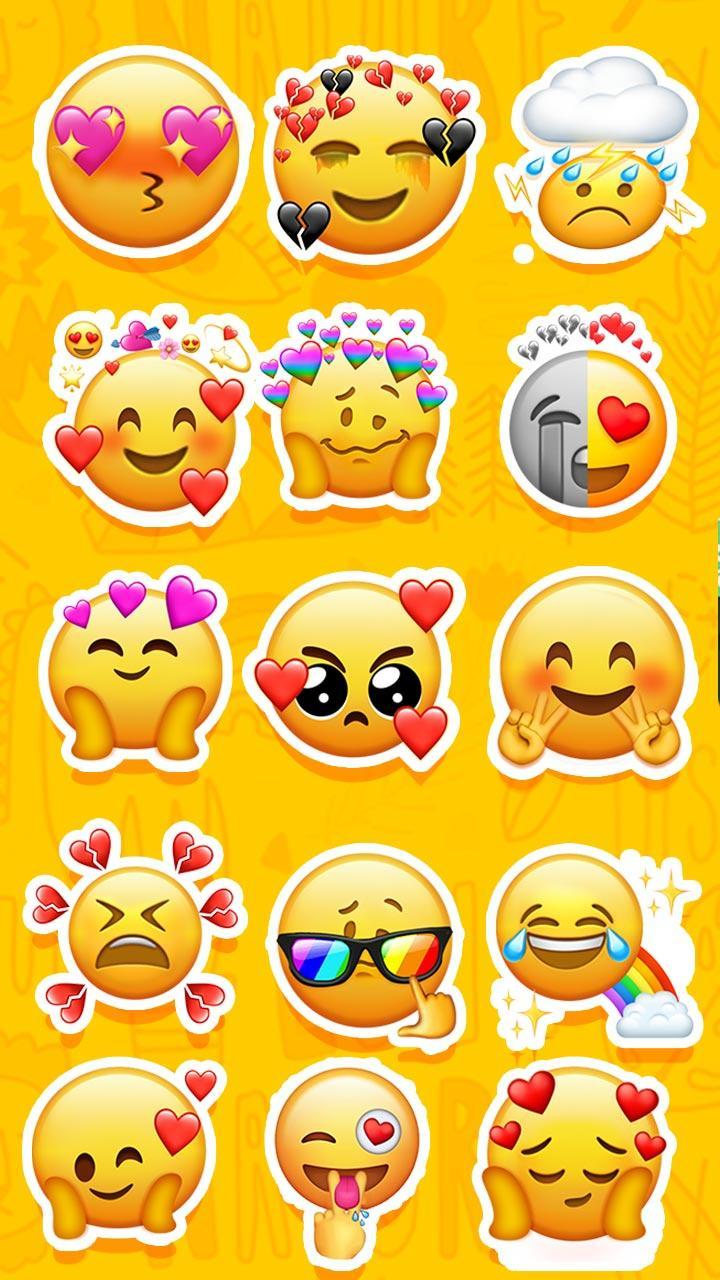
Ss express their opinion about the lesson using emotions.
They write their homework in their diaries. |
|
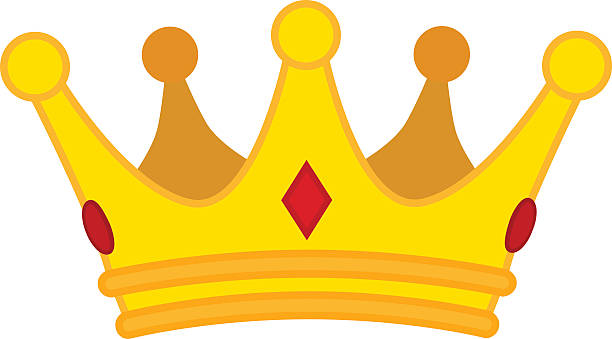
Coins A crown
Stickers with emotions An emotion board
Diary |
|
Additional information |
||
|
Differentiation – how do you plan to give more support? How do you plan to challenge the more able learners? |
Assessment – how are you planning to check learners’ learning? |
Health and safety check |
|
Besides teacher’s formative assessment and peer’s assessment during the lesson, teacher monitors, makes corrections. Teacher helps the learners to make sentences correctly when they present their posters about the Earth’s oceans. |
The classroom is aired before lesson. The learners know how to use markers when they make a poster. The students are introduced with the rules of using tablets. |
|
Reflection Were the lesson objectives/learning objectives realistic? Did all learners achieve the LO? If not, why? Did my planned differentiation work well? Did I stick to timings? What changes did I make from my plan and why? |
|
|
Handout 1. A dodecahedron

Handout 2. The pictures of the pirates, the sailors, the travelers


Handout 3. The World Ocean Map
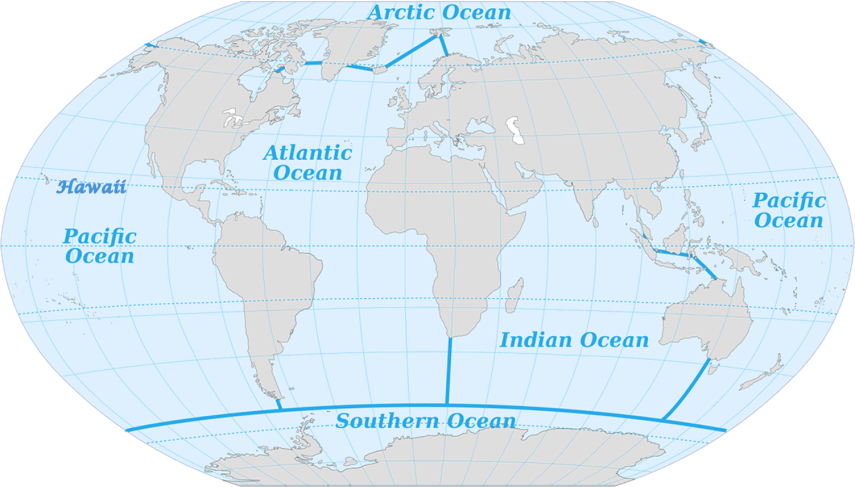
Handout 4. A ship Handout 5. The new words

Handout 6. Tarsia

Handout 7. Domino

Handout 8. Smartphone


Handout 9. A crown
Handout 10. Stickers






 Бұл курс Қазақстан Республикасы Оқу-ағарту министрлігімен келісілген