ЖИ көмекші


 Қауіпсіз төлем

жүктеу мүмкіндігіне ие боласыз
Бұл материал сайт қолданушысы жариялаған. Материалдың ішінде жазылған барлық ақпаратқа жауапкершілікті жариялаған қолданушы жауап береді. Ұстаз тілегі тек ақпаратты таратуға қолдау көрсетеді. Егер материал сіздің авторлық құқығыңызды бұзған болса немесе басқа да себептермен сайттан өшіру керек деп ойласаңыз осында жазыңыз
 07 Сәуір 2025
 325
325
1 жыл бойы шексіз жүктеңіз
Ашық сабақ “Eating a rainbow” 5 сынып
Short term plan
|
Unit 3 |
School: 4 school named after Sugir Begendikuly |
||||||
|
Date: 04.11.2024 |
Teacher name: Ondaganova Asem |
||||||
|
CLASS: 5 |
Number present: |
absent: |
|||||
|
Lesson title |
Awesome animals |
||||||
|
Learning objectives(s) that this lesson is contributing to (link to the Subject programme) |
To expand students' knowledge about animals. To provide information about different animal species, their characteristics, and habitats. To develop language skills (listening, reading, writing). |
||||||
|
Assessment criteria |
Criteria for evaluating group work and presentations. Assessment of the writing activity. |
||||||
|
Level of thinking skills |
Knowledge and comprehension Application Higher order thinking skills |
||||||
|
Duration |
40 min |
||||||
|
Plan |
|||||||
|
Planned timings |
Planned activities (replace the notes below with your 9planned activities) |
Resources |
|||||
|
Start |
|
|
|||||
|
Middle |
New Material Presentation (15 minutes): Types of Animals: mammals, birds, reptiles, fish, insects. Characteristics: unique features and habitats of each group. Show visual materials (pictures, videos). 3. Group Work (15 minutes): Divide students into groups of 4-5. Assign each group a specific animal to research: description, habitat, diet, and interesting facts. Prepare results (poster, presentation). 4. Presentations (10 minutes): Each group presents their findings. Question-and-answer session. 5. Writing Activity (10 minutes): Have students write a short essay on the topic “My Favorite Animal.” After finishing, they can exchange their writings with classmates. |
Types of Animals: mammals, birds, reptiles, fish, insects. Characteristics: unique features and habitats of each group. Show visual materials (pictures, videos). |
|||||
|
End |
Evaluate students’ group work and presentations. Share thoughts on what they learned. Provide information about preparation for the next lesson. |
Pictures and videos. Materials for creating posters (markers, paper, etc.). Writing tools |
|||||
|
Additional information
|
|||||||
|
Differentiation – how do you plan to give more support? How do you plan to challenge the more able learners? |
Assessment – how are you planning to check learners’ learning? |
Health and safety check |
|||||
|
Differentiation can be achieved through the selection of activities, identification olearning outcomes for a certain student, provision of individual support to learners, selection of learning materials and resources based on the individual abilities of leaners (Theory of Multiple Intelligences by Gardner). |
Organize interactive games during the lesson (e.g., animal descriptions). Provide information about animal conservation to enhance environmental awareness. |
Health saving technologies. Using physical exercises and active activities. Rules from the Safety Rules book which can be applied in this lesson. |
|||||
Short term plan
|
Unit 3 |
School: 4 school named after Sugir Begendikuly |
||||||
|
Date: 05.11.2024 |
Teacher name: Ondaganova Asem |
||||||
|
CLASS: 5 |
Number present: |
absent: |
|||||
|
Lesson title |
Wildlife in India |
||||||
|
Learning objectives(s) that this lesson is contributing to (link to the Subject programme) |
Identify key wildlife species found in India. Understand the significance of biodiversity. Discuss the threats to wildlife and conservation efforts in India. |
||||||
|
Assessment criteria |
Participation in group activities and presentations. Quality of research and creativity in the conservation poster. Short written paragraph on the importance of a chosen species. |
||||||
|
Level of thinking skills |
Knowledge and comprehension Application Higher order thinking skills |
||||||
|
Duration |
40 min |
||||||
|
Plan |
|||||||
|
Planned timings |
Planned activities (replace the notes below with your 9planned activities) |
Resources |
|||||
|
Start |
Start with a brief introduction about India’s rich wildlife. Show a few pictures of animals like the Bengal Tiger, Indian Elephant, and One-Horned Rhino. |
|
|||||
|
Middle |
Divide the class into small groups (3-4 students). Assign each group one animal from the presentation. Each group will: Create a mini poster that includes: The animal’s name A drawing or picture 2-3 interesting facts Prepare to share their poster with the class. Each group presents their poster to the class. Encourage classmates to ask questions after each presentation. |
Types of Animals: mammals, birds, reptiles, fish, insects. Characteristics: unique features and habitats of each group. Show visual materials (pictures, videos). |
|||||
|
End |
Discuss the importance of protecting wildlife and how students can help (e.g., recycling, supporting conservation). Encourage students to think about what they learned today. |
Pictures and videos. Materials for creating posters (markers, paper, etc.). Writing tools |
|||||
|
Additional information
|
|||||||
|
Differentiation – how do you plan to give more support? How do you plan to challenge the more able learners? |
Assessment – how are you planning to check learners’ learning? |
Health and safety check |
|||||
|
Differentiation can be achieved through the selection of activities, identification olearning outcomes for a certain student, provision of individual support to learners, selection of learning materials and resources based on the individual abilities of leaners (Theory of Multiple Intelligences by Gardner). |
Organize interactive games during the lesson (e.g., animal descriptions). Provide information about animal conservation to enhance environmental awareness. |
Health saving technologies. Using physical exercises and active activities. Rules from the Safety Rules book which can be applied in this lesson. |
|||||
Short term plan
|
Unit 3 |
School: 4 school named after Sugir Begendikuly |
||||||
|
Date: 06.11.2024 |
Teacher name: Ondaganova Asem |
||||||
|
CLASS: 5 |
Number present: |
absent: |
|||||
|
Lesson title |
Reading for pleasure. How the tiger got its stripes |
||||||
|
Learning objectives(s) that this lesson is contributing to (link to the Subject programme) |
Vocabulary: Students will learn and use new vocabulary related to the story. Speaking: Students will engage in discussions and express their opinions on the story's message. Writing: Students will write a brief summary of the story and reflect on the tiger's transformation. |
||||||
|
Assessment criteria |
Vocabulary Usage: Is the student able to correctly use the new words in context? Speaking: Did the student participate in the group discussions and share thoughtful answers? Writing: Did the student effectively express their ideas in the writing activity? |
||||||
|
Level of thinking skills |
Knowledge and comprehension Application Higher order thinking skills |
||||||
|
Duration |
40 min |
||||||
|
Plan |
|||||||
|
Planned timings |
Planned activities (replace the notes below with your 9planned activities) |
Resources |
|||||
|
Start |
Greeting & Attendance: Check student attendance and create a welcoming atmosphere. Engage Students with Questions: “What animals have stripes?” “Why do you think tigers are famous for their stripes?” Set the Context: Briefly explain that today’s lesson will be about the tiger’s stripes and how it got them in a mythical story. |
|
|||||
|
Middle |
Introduce the Story’s Plot: Explain that "How the Tiger Got Its Stripes" is a folk tale that tells the story of how tigers became striped, based on their bravery and actions in nature. The story also reflects themes of kindness, bravery, and transformation. Reading Strategy: Tell students that you will read the story aloud, and they should listen carefully to understand the main idea. Encourage classmates to ask questions after each presentation. . Vocabulary Building (10 minutes) Teach Key Vocabulary: Stripe (a line or band of color) Clever (quick to understand, learn, and invent) Brave (showing courage) Forest (a large area covered chiefly with trees and undergrowth) Fur (the hair of animals) Vocabulary Practice: Write the new words on the board and discuss their meanings. Ask students to create sentences using the new words. For example: “The tiger’s stripes helped him hide in the forest.” “The tiger was very brave when he helped the man.” |
Types of Animals: mammals, birds, reptiles, fish, insects. Characteristics: unique features and habitats of each group. Show visual materials (pictures, videos). |
|||||
|
End |
Assignment: Ask students to write a short essay about what they would do if they were the tiger in the story. Would they help the man, or would they act differently? How would they feel about receiving their stripes? Optional: Draw a picture of the tiger before and after it received its stripes. |
Pictures and videos. Materials for creating posters (markers, paper, etc.). Writing tools |
|||||
|
Additional information
|
|||||||
|
Differentiation – how do you plan to give more support? How do you plan to challenge the more able learners? |
Assessment – how are you planning to check learners’ learning? |
Health and safety check |
|||||
|
Differentiation can be achieved through the selection of activities, identification olearning outcomes for a certain student, provision of individual support to learners, selection of learning materials and resources based on the individual abilities of leaners (Theory of Multiple Intelligences by Gardner). |
Organize interactive games during the lesson (e.g., animal descriptions). Provide information about animal conservation to enhance environmental awareness. |
Health saving technologies. Using physical exercises and active activities. Rules from the Safety Rules book which can be applied in this lesson. |
|||||
Short term plan
|
Unit 3 |
School: 4 school named after Sugir Begendikuly |
||||||
|
Date: 12.11.2024 |
Teacher name: Ondaganova Asem |
||||||
|
CLASS: 5 |
Number present: |
absent: |
|||||
|
Lesson title |
Grammar tracks. Comparative adjectives |
||||||
|
Learning objectives(s) that this lesson is contributing to (link to the Subject programme) |
Knowledge Objective: To introduce and explain comparative adjectives, and to teach students how to form and use them in sentences. Skills Objective: To develop students' ability to compare objects, people, or things using comparative adjectives. Attitude Objective: To foster interest in learning English and encourage collaborative learning through pair work. |
||||||
|
Assessment criteria |
Monitor students’ participation during pair work. Review answers from the practice tasks to assess understanding. Provide feedback on the homework in the next lesson. |
||||||
|
Level of thinking skills |
Recalling the rules for forming comparative adjectives (e.g., adding -er or using more). Explaining what comparative adjectives are and how to use them in sentences. Converting adjectives into their comparative form and using them correctly in sentences. Identifying which form of the comparative adjective (either -er or more) is appropriate for different adjectives in sentences. Forming their own comparative sentences or questions based on images or prompts. |
||||||
|
Duration |
40 min |
||||||
|
Plan |
|||||||
|
Planned timings |
Planned activities (replace the notes below with your 9planned activities) |
Resources |
|||||
|
Beginning |
Greeting & Attendance: Check student attendance and create a welcoming atmosphere. Warm-up “Who is faster?” Introduction to the Topic What are Comparative Adjectives? Comparative adjectives are used to compare two things or people. They often end in -er or are preceded by the word more. Grammar Rules |
White board Presentation |
|||||
|
Middle |
New words Heavier — Ауырлау /ˈhɛviər/ Taller — Биіктеу /ˈtɔːlər/ Longer — Ұзынрақ /ˈlɔːŋɡər/ Listening task Students listen carefully to the audio and answer true or false questions Speaking task Students select pictures one by one and compare the animals. Writing task Students fill in the blanks. |
Show visual materials (pictures, videos). Writing tools |
|||||
|
End |
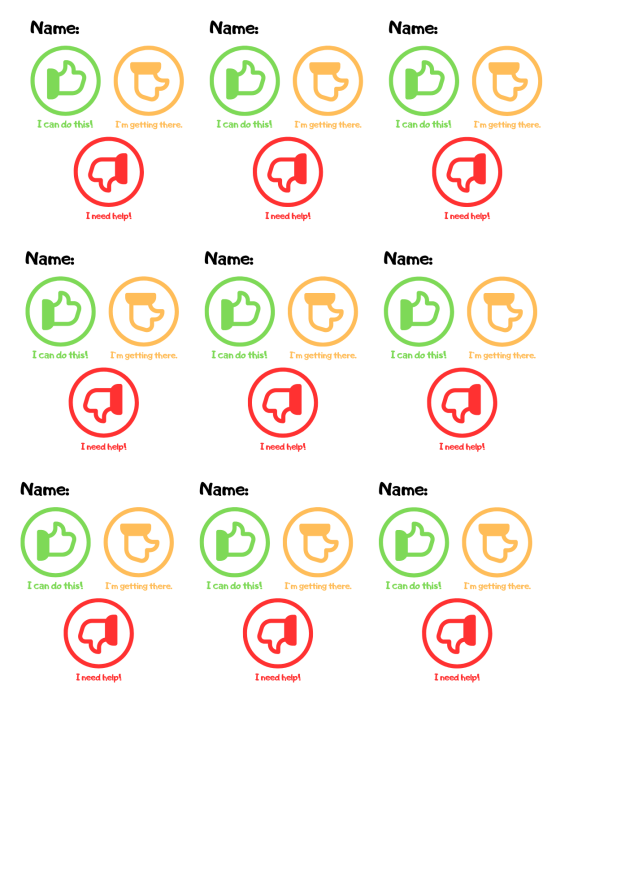
Homework: New words Self-Reflection: I can do this! I`m getting there. I need help! |
|
|||||
|
Additional information
|
|||||||
|
Differentiation – how do you plan to give more support? How do you plan to challenge the more able learners? |
Assessment – how are you planning to check learners’ learning? |
Health and safety check |
|||||
|
Differentiation can be achieved through the selection of activities, identification olearning outcomes for a certain student, provision of individual support to learners, selection of learning materials and resources based on the individual abilities of leaners (Theory of Multiple Intelligences by Gardner). |
Organize interactive games during the lesson (e.g., animal descriptions). Provide information about animal conservation to enhance environmental awareness. |
Health saving technologies. Using physical exercises and active activities. Rules from the Safety Rules book which can be applied in this lesson. |
|||||
Short term plan
|
Unit 3 |
School: 4 school named after Sugir Begendikuly |
||||||
|
Date: 25.11.2024 |
Teacher name: Ondaganova Asem |
||||||
|
CLASS: 5 |
Number present: |
absent: |
|||||
|
Lesson title |
A project: An endangered animal |
||||||
|
Learning objectives(s) that this lesson is contributing to (link to the Subject programme) |
Understand and describe the history and significance of Blenheim Palace. Read and listen to a passage about Blenheim Palace. Use new vocabulary related to the palace in context. Discuss and ask questions about historical landmarks. |
||||||
|
Assessment criteria |
Monitor students’ participation during pair work. Review answers from the practice tasks to assess understanding. Provide feedback on the homework in the next lesson. |
||||||
|
Level of thinking skills |
Students recall basic facts about Blenheim Palace, such as its location, purpose, and notable historical figures associated with it (e.g., Winston Churchill). |
||||||
|
Duration |
40 min |
||||||
|
Plan |
|||||||
|
Planned timings |
Planned activities (replace the notes below with your 9planned activities) |
Resources |
|||||
|
Beginning |
Greeting & Attendance: Check student attendance and create a welcoming atmosphere. |
White board Presentation |
|||||
|
Middle |
Write the following words on the board and go over their meanings with the class: Palace – a large and important house, often for a king or queen Duke – a nobleman in the UK, below the king or prince Warrior – a person who fights in wars Heritage – traditions, culture, and history that are passed down through generations Architect – a person who designs buildings Estate – a large area of land with a house on it, often belonging to a wealthy person Battle – a fight between armies or groups of people Statue – a sculpture of a person or animal, often made of stone Activity: Write example sentences with these words and ask the students to guess the meanings from context. 3. Reading Passage (10-12 minutes) Objective: To practice reading comprehension and reinforce vocabulary. Provide the students with a short passage about Blenheim Palace. Reading Activity: Have the students read the passage individually or in pairs. After reading, ask comprehension questions such as: Where is Blenheim Palace located? Who was born at Blenheim Palace? Who designed the palace? What is Blenheim Palace famous for? 4. Listening Activity (8-10 minutes) Objective: To practice listening skills and improve understanding of spoken English. Play a short audio or video clip about Blenheim Palace, if available. If not, you can read the passage aloud to the class. After listening, ask the students questions to check comprehension: What is one thing Blenheim Palace is famous for? How big is the palace's estate? Who was the palace built for? 5. Speaking Activity (10-12 minutes) Objective: To practice speaking and using new vocabulary in context. Activity: Have the students work in pairs or small groups to discuss the following questions: If you could visit Blenheim Palace, what would you like to see? Why do you think Blenheim Palace is important to British history? What would you like to learn about the Duke of Marlborough and Winston Churchill? Encourage students to use the new vocabulary during their discussion. |
Show visual materials (pictures, videos). Writing tools |
|||||
|
End |
Homework: New words |
|
|||||
|
Additional information
|
|||||||
|
Differentiation – how do you plan to give more support? How do you plan to challenge the more able learners? |
Assessment – how are you planning to check learners’ learning? |
Health and safety check |
|||||
|
Differentiation can be achieved through the selection of activities, identification olearning outcomes for a certain student, provision of individual support to learners, selection of learning materials and resources based on the individual abilities of leaners (Theory of Multiple Intelligences by Gardner). |
Organize interactive games during the lesson (e.g., animal descriptions). Provide information about animal conservation to enhance environmental awareness. |
Health saving technologies. Using physical exercises and active activities. Rules from the Safety Rules book which can be applied in this lesson. |
|||||
Short term plan
|
Unit 3 |
School: 4 school named after Sugir Begendikuly |
||||||
|
Date: 25.11.2024 |
Teacher name: Ondaganova Asem |
||||||
|
CLASS: 5 |
Number present: |
absent: |
|||||
|
Lesson title |
A project: An endangered animal |
||||||
|
Learning objectives(s) that this lesson is contributing to (link to the Subject programme) |
Understand and describe the history and significance of Blenheim Palace. Read and listen to a passage about Blenheim Palace. Use new vocabulary related to the palace in context. Discuss and ask questions about historical landmarks. |
||||||
|
Assessment criteria |
Monitor students’ participation during pair work. Review answers from the practice tasks to assess understanding. Provide feedback on the homework in the next lesson. |
||||||
|
Level of thinking skills |
Students recall basic facts about Blenheim Palace, such as its location, purpose, and notable historical figures associated with it (e.g., Winston Churchill). |
||||||
|
Duration |
40 min |
||||||
|
Plan |
|||||||
|
Planned timings |
Planned activities (replace the notes below with your 9planned activities) |
Resources |
|||||
|
Beginning |
Greeting & Attendance: Check student attendance and create a welcoming atmosphere. |
White board Presentation |
|||||
|
Middle |
Write the following words on the board and go over their meanings with the class: Palace – a large and important house, often for a king or queen Duke – a nobleman in the UK, below the king or prince Warrior – a person who fights in wars Heritage – traditions, culture, and history that are passed down through generations Architect – a person who designs buildings Estate – a large area of land with a house on it, often belonging to a wealthy person Battle – a fight between armies or groups of people Statue – a sculpture of a person or animal, often made of stone Activity: Write example sentences with these words and ask the students to guess the meanings from context. 3. Reading Passage (10-12 minutes) Objective: To practice reading comprehension and reinforce vocabulary. Provide the students with a short passage about Blenheim Palace. Reading Activity: Have the students read the passage individually or in pairs. After reading, ask comprehension questions such as: Where is Blenheim Palace located? Who was born at Blenheim Palace? Who designed the palace? What is Blenheim Palace famous for? 4. Listening Activity (8-10 minutes) Objective: To practice listening skills and improve understanding of spoken English. Play a short audio or video clip about Blenheim Palace, if available. If not, you can read the passage aloud to the class. After listening, ask the students questions to check comprehension: What is one thing Blenheim Palace is famous for? How big is the palace's estate? Who was the palace built for? 5. Speaking Activity (10-12 minutes) Objective: To practice speaking and using new vocabulary in context. Activity: Have the students work in pairs or small groups to discuss the following questions: If you could visit Blenheim Palace, what would you like to see? Why do you think Blenheim Palace is important to British history? What would you like to learn about the Duke of Marlborough and Winston Churchill? Encourage students to use the new vocabulary during their discussion. |
Show visual materials (pictures, videos). Writing tools |
|||||
|
End |
Homework: New words |
|
|||||
|
Additional information
|
|||||||
|
Differentiation – how do you plan to give more support? How do you plan to challenge the more able learners? |
Assessment – how are you planning to check learners’ learning? |
Health and safety check |
|||||
|
Differentiation can be achieved through the selection of activities, identification olearning outcomes for a certain student, provision of individual support to learners, selection of learning materials and resources based on the individual abilities of leaners (Theory of Multiple Intelligences by Gardner). |
Organize interactive games during the lesson (e.g., animal descriptions). Provide information about animal conservation to enhance environmental awareness. |
Health saving technologies. Using physical exercises and active activities. Rules from the Safety Rules book which can be applied in this lesson. |
|||||
Short term plan
|
Unit 3 |
School: 4 school named after Sugir Begendikuly |
||||||
|
Date: 25.11.2024 |
Teacher name: Ondaganova Asem |
||||||
|
CLASS: 5 |
Number present: |
absent: |
|||||
|
Lesson title |
A project: An endangered animal |
||||||
|
Learning objectives(s) that this lesson is contributing to (link to the Subject programme) |
Understand and describe the history and significance of Blenheim Palace. Read and listen to a passage about Blenheim Palace. Use new vocabulary related to the palace in context. Discuss and ask questions about historical landmarks. |
||||||
|
Assessment criteria |
Monitor students’ participation during pair work. Review answers from the practice tasks to assess understanding. Provide feedback on the homework in the next lesson. |
||||||
|
Level of thinking skills |
Students recall basic facts about Blenheim Palace, such as its location, purpose, and notable historical figures associated with it (e.g., Winston Churchill). |
||||||
|
Duration |
40 min |
||||||
|
Plan |
|||||||
|
Planned timings |
Planned activities (replace the notes below with your 9planned activities) |
Resources |
|||||
|
Beginning |
Greeting & Attendance: Check student attendance and create a welcoming atmosphere. |
White board Presentation |
|||||
|
Middle |
Write the following words on the board and go over their meanings with the class: Palace – a large and important house, often for a king or queen Duke – a nobleman in the UK, below the king or prince Warrior – a person who fights in wars Heritage – traditions, culture, and history that are passed down through generations Architect – a person who designs buildings Estate – a large area of land with a house on it, often belonging to a wealthy person Battle – a fight between armies or groups of people Statue – a sculpture of a person or animal, often made of stone Activity: Write example sentences with these words and ask the students to guess the meanings from context. 3. Reading Passage (10-12 minutes) Objective: To practice reading comprehension and reinforce vocabulary. Provide the students with a short passage about Blenheim Palace. Reading Activity: Have the students read the passage individually or in pairs. After reading, ask comprehension questions such as: Where is Blenheim Palace located? Who was born at Blenheim Palace? Who designed the palace? What is Blenheim Palace famous for? 4. Listening Activity (8-10 minutes) Objective: To practice listening skills and improve understanding of spoken English. Play a short audio or video clip about Blenheim Palace, if available. If not, you can read the passage aloud to the class. After listening, ask the students questions to check comprehension: What is one thing Blenheim Palace is famous for? How big is the palace's estate? Who was the palace built for? 5. Speaking Activity (10-12 minutes) Objective: To practice speaking and using new vocabulary in context. Activity: Have the students work in pairs or small groups to discuss the following questions: If you could visit Blenheim Palace, what would you like to see? Why do you think Blenheim Palace is important to British history? What would you like to learn about the Duke of Marlborough and Winston Churchill? Encourage students to use the new vocabulary during their discussion. |
Show visual materials (pictures, videos). Writing tools |
|||||
|
End |
Homework: New words |
|
|||||
|
Additional information
|
|||||||
|
Differentiation – how do you plan to give more support? How do you plan to challenge the more able learners? |
Assessment – how are you planning to check learners’ learning? |
Health and safety check |
|||||
|
Differentiation can be achieved through the selection of activities, identification olearning outcomes for a certain student, provision of individual support to learners, selection of learning materials and resources based on the individual abilities of leaners (Theory of Multiple Intelligences by Gardner). |
Organize interactive games during the lesson (e.g., animal descriptions). Provide information about animal conservation to enhance environmental awareness. |
Health saving technologies. Using physical exercises and active activities. Rules from the Safety Rules book which can be applied in this lesson. |
|||||
Short term plan
|
Unit 3 |
School: 4 school named after Sugir Begendikuly |
||||||
|
Date: 02.12.2024 |
Teacher name: Ondaganova Asem |
||||||
|
CLASS: 5 |
Number present: |
absent: |
|||||
|
Lesson title |
Famous people in the USA |
||||||
|
Learning objectives(s) that this lesson is contributing to (link to the Subject programme) |
5.L2: Understand oral texts about familiar topics. 5.S2: Use basic phrases and sentences in spoken interaction. 5.W1: Write short texts with basic sentences about familiar topics. |
||||||
|
Assessment criteria |
Recognize and extract key points from a listening activity. Use simple sentences and phrases in a discussion. Write a short text using basic sentences. |
||||||
|
Level of thinking skills |
Remembering: Identify famous Americans and recall key facts (e.g., “Who is Abraham Lincoln?”). Understanding: Explain why a person is famous (e.g., “Martin Luther King Jr. is famous for his speeches.”). |
||||||
|
Duration |
40 min |
||||||
|
Plan |
|||||||
|
Planned timings |
Planned activities (replace the notes below with your 9planned activities) |
Resources |
|||||
|
Beginning |
Warm-up: Show pictures of famous Americans (e.g., George Washington, Martin Luther King Jr., Taylor Swift). Ask: “Do you know who this is?” and elicit brief responses. Objective Introduction: Explain: “Today, we will learn about some famous people from the USA. You will listen, talk, and write about them.” |
White board Presentation |
|||||
|
Middle |
Activity 1: Listening (10 minutes) Play a short audio or read a text about famous Americans (e.g., Abraham Lincoln, Rosa Parks). Students answer comprehension questions: “Who is this person?” “What are they famous for?” Activity 2: Speaking (10 minutes) Pair activity: Each student chooses a famous American (from the audio or personal choice). Share 2-3 sentences about them with a partner. Example: “I like Michael Jordan. He is a basketball player. He is very talented.” Activity 3: Writing (5 minutes) Additional Task for SEN Students During Writing Activity: Provide a fill-in-the-blank worksheet for SEN students to complete. Example template: My favorite famous person is ________. They are famous because ________. I like them because ________. Students write a short paragraph: “My favorite famous person is... They are famous because... I like them because...” |
Show visual materials (pictures, videos). Writing tools |
|||||
|
End |
Homework: Research another famous American and write 5 sentences about them. Reflection: Students share their paragraphs with the class. Teacher gives positive feedback. |
|
|||||
|
Additional information
|
|||||||
|
Differentiation – how do you plan to give more support? How do you plan to challenge the more able learners? |
Assessment – how are you planning to check learners’ learning? |
Health and safety check |
|||||
|
Differentiation can be achieved through the selection of activities, identification olearning outcomes for a certain student, provision of individual support to learners, selection of learning materials and resources based on the individual abilities of leaners (Theory of Multiple Intelligences by Gardner). |
Organize interactive games during the lesson (e.g., animal descriptions). Provide information about animal conservation to enhance environmental awareness. |
Health saving technologies. Using physical exercises and active activities. Rules from the Safety Rules book which can be applied in this lesson. |
|||||
Short term plan
|
Unit 3 |
School: 4 school named after Sugir Begendikuly |
||||||
|
Date: 03.12.2024 |
Teacher name: Ondaganova Asem |
||||||
|
CLASS: 5 |
Number present: |
absent: |
|||||
|
Lesson title |
Reading for pleasure. Gold rush in California |
||||||
|
Learning objectives(s) that this lesson is contributing to (link to the Subject programme) |
Identify key details about the Gold Rush in California. Enhance reading comprehension through engaging activities. Express opinions and ideas about the Gold Rush topic. |
||||||
|
Assessment criteria |
Participation in class discussion and activities. Accuracy in the Gold Nugget Game. Responses on the worksheet. |
||||||
|
Level of thinking skills |
Remembering: Identify famous Americans and recall key facts (e.g., “Who is Abraham Lincoln?”). Understanding: Explain why a person is famous (e.g., “Martin Luther King Jr. is famous for his speeches.”). |
||||||
|
Duration |
40 min |
||||||
|
Plan |
|||||||
|
Planned timings |
Planned activities (replace the notes below with your 9planned activities) |
Resources |
|||||
|
Beginning |
Warm-Up (5 minutes) Activity: Ask students, "What would you do if you found gold?" Encourage them to share their ideas. Show a picture or map of California and briefly explain where and when the Gold Rush happened (1848-1855). |
White board Presentation |
|||||
|
Middle |
Reading Activity (15 minutes) Before Reading (5 minutes):
Introduce 5 new words from the text (e.g., miner, fortune, claim, boomtown, nugget). Use pictures or simple examples to explain meanings. During Reading (10 minutes):
Read the text aloud as a class (teacher first, then students take turns). Ask quick comprehension questions during the reading (e.g., "What year did it start?" "Why did people move to California?"). 3. Interactive Activity (10 minutes) Gold Nugget Game: Split students into groups. Give each group a question about the text. If they answer correctly, they "find a gold nugget" (receive a gold sticker). Example questions: "What is a boomtown?" "Why did people think they could become rich?" "What tools did miners use?" Additional Task for SEN Students Provide a worksheet with: Pictures (e.g., a gold nugget, miner, pickaxe, map of California). Matching words or labels (e.g., gold, miner, map, tool). |
Show visual materials (pictures, videos). Writing tools |
|||||
|
End |
Discussion: "Would you want to be a miner during the Gold Rush? Why or why not?" Students share their thoughts with the class. Homework: Write 3 sentences about what they learned today and draw a picture of a gold miner. |
|
|||||
|
Additional information
|
|||||||
|
Differentiation – how do you plan to give more support? How do you plan to challenge the more able learners? |
Assessment – how are you planning to check learners’ learning? |
Health and safety check |
|||||
|
Differentiation can be achieved through the selection of activities, identification olearning outcomes for a certain student, provision of individual support to learners, selection of learning materials and resources based on the individual abilities of leaners (Theory of Multiple Intelligences by Gardner). |
Organize interactive games during the lesson (e.g., animal descriptions). Provide information about animal conservation to enhance environmental awareness. |
Health saving technologies. Using physical exercises and active activities. Rules from the Safety Rules book which can be applied in this lesson. |
|||||
Short term plan
|
Unit 4 |
School: 4 school named after Sugir Begendikuly |
||||||
|
Date: 04.12.2024 |
Teacher name: Ondaganova Asem |
||||||
|
CLASS: 5 |
Number present: |
absent: |
|||||
|
Lesson title |
Grammar tracks |
||||||
|
Learning objectives(s) that this lesson is contributing to (link to the Subject programme) |
Recognize and use the past tense forms of the verb "be" (was/were). Construct sentences using "was" and "were" accurately. Differentiate between the use of "was" and "were" based on subject-verb agreement. |
||||||
|
Assessment criteria |
Observe students’ participation during activities. Review completed worksheets for understanding and accuracy. Use their oral responses to gauge confidence in using "was" and "were." |
||||||
|
Level of thinking skills |
Understanding: Differentiating between "was" and "were" based on subject-verb agreement. Applying: Constructing sentences and completing exercises using "was" and "were." Analyzing: Recognizing and correcting errors in the use of "was" and "were." Creating: Writing original sentences or paragraphs using the past tense forms. |
||||||
|
Duration |
40 min |
||||||
|
Plan |
|||||||
|
Planned timings |
Planned activities (replace the notes below with your 9planned activities) |
Resources |
|||||
|
Beginning |
Warm-Up Activity (5 minutes) Begin by asking students some quick questions in the present tense, e.g., "How are you today?" "Where are we?" Transition into past tense questions like, "How was your weekend?" "Where were you yesterday?" Highlight the words "was" and "were" in their responses. |
White board Presentation |
|||||
|
Middle |
Explain the Rule: Write the forms of "be" in the past tense on the board: Singular: I was, He/She/It was Plural: You were, We were, They were Give Examples: Provide example sentences for each form, such as: I was at the park. They were in the classroom. Subject-Verb Agreement: Emphasize when to use "was" and "were." 3. Guided Practice (10 minutes) Activity 1: Sentence Completion Provide students with incomplete sentences like: She ___ happy yesterday. (was) They ___ at school last week. (were) Have students complete the sentences orally or in writing. Activity 2: Dialogue Practice Use a short story or dialogue containing "was" and "were." Ask students to read the story aloud and underline the forms of "be." 4. Pair/Group Activity (10 minutes) Game: "Who Was/Were?" Each pair or group receives flashcards with questions like: Who was your first teacher? Where were you born? Students take turns asking and answering using "was" and "were." 5. Independent Practice (5 minutes) Distribute worksheets with: Fill-in-the-blank sentences. Short paragraphs where students identify and correct incorrect uses of "was" and "were." Additional Task for SEN Students Use simplified worksheets with visuals and a word bank for "was" and "were." Pair them with supportive peers for collaborative activities. Provide guided sentence completion exercises to build confidence. |
Show visual materials (pictures, videos). Writing tools |
|||||
|
End |
Write a short paragraph about what you did last weekend, using "was" and "were" at least five times. |
|
|||||
|
Additional information
|
|||||||
|
Differentiation – how do you plan to give more support? How do you plan to challenge the more able learners? |
Assessment – how are you planning to check learners’ learning? |
Health and safety check |
|||||
|
Differentiation can be achieved through the selection of activities, identification olearning outcomes for a certain student, provision of individual support to learners, selection of learning materials and resources based on the individual abilities of leaners (Theory of Multiple Intelligences by Gardner). |
Organize interactive games during the lesson (e.g., animal descriptions). Provide information about animal conservation to enhance environmental awareness. |
Health saving technologies. Using physical exercises and active activities. Rules from the Safety Rules book which can be applied in this lesson. |
|||||
Short term plan
|
Unit 4 |
School: 4 school named after Sugir Begendikuly |
||||||
|
Date: 10.12.2024 |
Teacher name: Ondaganova Asem |
||||||
|
CLASS: 5 |
Number present: |
absent: |
|||||
|
Lesson title |
Culture time. The United States dollar |
||||||
|
Learning objectives(s) that this lesson is contributing to (link to the Subject programme) |
Recognize and use the past tense forms of the verb "be" (was/were). Construct sentences using "was" and "were" accurately. Differentiate between the use of "was" and "were" based on subject-verb agreement. |
||||||
|
Assessment criteria |
Observe students’ participation during activities. Review completed worksheets for understanding and accuracy. Use their oral responses to gauge confidence in using "was" and "were." |
||||||
|
Level of thinking skills |
Understanding: Differentiating between "was" and "were" based on subject-verb agreement. Applying: Constructing sentences and completing exercises using "was" and "were." Analyzing: Recognizing and correcting errors in the use of "was" and "were." Creating: Writing original sentences or paragraphs using the past tense forms. |
||||||
|
Duration |
40 min |
||||||
|
Plan |
|||||||
|
Planned timings |
Planned activities (replace the notes below with your 9planned activities) |
Resources |
|||||
|
Beginning |
Warm-Up Activity (5 minutes) Begin by asking students some quick questions in the present tense, e.g., "How are you today?" "Where are we?" Transition into past tense questions like, "How was your weekend?" "Where were you yesterday?" Highlight the words "was" and "were" in their responses. |
White board Presentation |
|||||
|
Middle |
Explain the Rule: Write the forms of "be" in the past tense on the board: Singular: I was, He/She/It was Plural: You were, We were, They were Give Examples: Provide example sentences for each form, such as: I was at the park. They were in the classroom. Subject-Verb Agreement: Emphasize when to use "was" and "were." 3. Guided Practice (10 minutes) Activity 1: Sentence Completion Provide students with incomplete sentences like: She ___ happy yesterday. (was) They ___ at school last week. (were) Have students complete the sentences orally or in writing. Activity 2: Dialogue Practice Use a short story or dialogue containing "was" and "were." Ask students to read the story aloud and underline the forms of "be." 4. Pair/Group Activity (10 minutes) Game: "Who Was/Were?" Each pair or group receives flashcards with questions like: Who was your first teacher? Where were you born? Students take turns asking and answering using "was" and "were." 5. Independent Practice (5 minutes) Distribute worksheets with: Fill-in-the-blank sentences. Short paragraphs where students identify and correct incorrect uses of "was" and "were." Additional Task for SEN Students Use simplified worksheets with visuals and a word bank for "was" and "were." Pair them with supportive peers for collaborative activities. Provide guided sentence completion exercises to build confidence. |
Show visual materials (pictures, videos). Writing tools |
|||||
|
End |
Write a short paragraph about what you did last weekend, using "was" and "were" at least five times. |
|
|||||
|
Additional information
|
|||||||
|
Differentiation – how do you plan to give more support? How do you plan to challenge the more able learners? |
Assessment – how are you planning to check learners’ learning? |
Health and safety check |
|||||
|
Differentiation can be achieved through the selection of activities, identification olearning outcomes for a certain student, provision of individual support to learners, selection of learning materials and resources based on the individual abilities of leaners (Theory of Multiple Intelligences by Gardner). |
Organize interactive games during the lesson (e.g., animal descriptions). Provide information about animal conservation to enhance environmental awareness. |
Health saving technologies. Using physical exercises and active activities. Rules from the Safety Rules book which can be applied in this lesson. |
|||||
Short term plan
|
Unit 4 |
School: 4 school named after Sugir Begendikuly |
||||||
|
Date: 17.12.2024 |
Teacher name: Ondaganova Asem |
||||||
|
CLASS: 5 |
Number present: |
absent: |
|||||
|
Lesson title |
Time for CLIL. American music |
||||||
|
Learning objectives(s) that this lesson is contributing to (link to the Subject programme) |
Students will identify the main denominations of UK currency (pounds and pence). Students will understand how to calculate simple transactions using UK currency. Students will enhance vocabulary related to money. |
||||||
|
Assessment criteria |
Observe students’ participation during activities. Review completed worksheets for understanding and accuracy. Use their oral responses to gauge confidence in using "was" and "were." |
||||||
|
Level of thinking skills |
Remembering: Identifying UK coins and notes by their names and values. Understanding: Explaining the relationship between pounds and pence. Applying: Using UK currency in simple shopping role-play or matching tasks. |
||||||
|
Duration |
40 min |
||||||
|
Plan |
|||||||
|
Planned timings |
Planned activities (replace the notes below with your 9planned activities) |
Resources |
|||||
|
Beginning |
Warm-up (5 minutes) Activity: Ask students what currencies they know and introduce the UK currency (pounds and pence). Show pictures of UK coins and notes on the board. Vocabulary focus: pound (£), pence (p), coin, note. |
White board Presentation |
|||||
|
Middle |
Explain the denominations of UK coins (1p, 2p, 5p, 10p, 20p, 50p) and notes (£5, £10, £20, £50). Show the conversion: £1 = 100p. Provide examples: "This costs £2.50. That’s 2 pounds and 50 pence." Practice Activity 1 (Matching): Students match pictures of coins/notes to their values on a worksheet. Activity 2 (Role-play): Set up a "shop" in the classroom. Students take turns being shopkeepers and customers, practicing buying and selling items with toy money. Wrap-up Quick Quiz: Ask questions like: "How many pence are in £1?" "What coin is worth 50p?" Summarize the key points: denominations and basic usage. Additional Task for SEN Students Match coins to their values Provide SEN students with large, clear images of UK coins and their values written underneath (e.g., "10p," "50p"). Ask them to match each coin to its value on a simplified worksheet.. |
Show visual materials (pictures, videos). Writing tools |
|||||
|
End |
Research and draw different UK coins and notes, labeling their values. Practice writing prices (e.g., £3.45, £7.99) and saying them aloud. |
|
|||||
|
Additional information
|
|||||||
|
Differentiation – how do you plan to give more support? How do you plan to challenge the more able learners? |
Assessment – how are you planning to check learners’ learning? |
Health and safety check |
|||||
|
Differentiation can be achieved through the selection of activities, identification olearning outcomes for a certain student, provision of individual support to learners, selection of learning materials and resources based on the individual abilities of leaners (Theory of Multiple Intelligences by Gardner). |
Organize interactive games during the lesson (e.g., animal descriptions). Provide information about animal conservation to enhance environmental awareness. |
Health saving technologies. Using physical exercises and active activities. Rules from the Safety Rules book which can be applied in this lesson. |
|||||
Short term plan
|
Unit 4 |
School: 4 school named after Sugir Begendikuly |
||||||
|
Date: 10.01.2025 |
Teacher name: Ondaganova Asem |
||||||
|
CLASS: 5 |
Number present: |
absent: |
|||||
|
Lesson title |
Past times |
||||||
|
Learning objectives(s) that this lesson is contributing to (link to the Subject programme) |
Students will identify the main denominations of UK currency (pounds and pence). Students will understand how to calculate simple transactions using UK currency. Students will enhance vocabulary related to money. |
||||||
|
Assessment criteria |
Observe students’ participation during activities. Review completed worksheets for understanding and accuracy. Use their oral responses to gauge confidence in using "was" and "were." |
||||||
|
Level of thinking skills |
Remembering: Identifying UK coins and notes by their names and values. Understanding: Explaining the relationship between pounds and pence. Applying: Using UK currency in simple shopping role-play or matching tasks. |
||||||
|
Duration |
40 min |
||||||
|
Plan |
|||||||
|
Planned timings |
Planned activities (replace the notes below with your 9planned activities) |
Resources |
|||||
|
Beginning |
Warm-up (5 minutes) Activity: Ask students what currencies they know and introduce the UK currency (pounds and pence). Show pictures of UK coins and notes on the board. Vocabulary focus: pound (£), pence (p), coin, note. |
White board Presentation |
|||||
|
Middle |
Explain the denominations of UK coins (1p, 2p, 5p, 10p, 20p, 50p) and notes (£5, £10, £20, £50). Show the conversion: £1 = 100p. Provide examples: "This costs £2.50. That’s 2 pounds and 50 pence." Practice Activity 1 (Matching): Students match pictures of coins/notes to their values on a worksheet. Activity 2 (Role-play): Set up a "shop" in the classroom. Students take turns being shopkeepers and customers, practicing buying and selling items with toy money. Wrap-up Quick Quiz: Ask questions like: "How many pence are in £1?" "What coin is worth 50p?" Summarize the key points: denominations and basic usage. Additional Task for SEN Students Match coins to their values Provide SEN students with large, clear images of UK coins and their values written underneath (e.g., "10p," "50p"). Ask them to match each coin to its value on a simplified worksheet.. |
Show visual materials (pictures, videos). Writing tools |
|||||
|
End |
Research and draw different UK coins and notes, labeling their values. Practice writing prices (e.g., £3.45, £7.99) and saying them aloud. |
|
|||||
|
Additional information
|
|||||||
|
Differentiation – how do you plan to give more support? How do you plan to challenge the more able learners? |
Assessment – how are you planning to check learners’ learning? |
Health and safety check |
|||||
|
Differentiation can be achieved through the selection of activities, identification olearning outcomes for a certain student, provision of individual support to learners, selection of learning materials and resources based on the individual abilities of leaners (Theory of Multiple Intelligences by Gardner). |
Organize interactive games during the lesson (e.g., animal descriptions). Provide information about animal conservation to enhance environmental awareness. |
Health saving technologies. Using physical exercises and active activities. Rules from the Safety Rules book which can be applied in this lesson. |
|||||
Appproved:
Short term plan
|
Unit 5 |
School: 4 school named after Sugir Begendikuly |
||||||
|
Date: 15. 01.2025 |
Teacher name: Ondaganova Asem |
||||||
|
CLASS: 5 |
Number present: |
absent: |
|||||
|
Lesson title |
Reading for pleasure. Robert the Bruce and the spider |
||||||
|
Learning objectives(s) that this lesson is contributing to (link to the Subject programme) |
To develop students’ reading skills in English. To understand the main idea of the story and express their thoughts. To encourage students to reflect on motivation, persistence, and overcoming challenges. |
||||||
|
Assessment criteria |
Observe students’ participation during activities. Review completed worksheets for understanding and accuracy. Use their oral responses to gauge confidence in using "was" and "were." |
||||||
|
Level of thinking skills |
Remembering: Recall basic facts and details from the story Understanding: Explain the main idea or summarize the story |
||||||
|
Duration |
40 min |
||||||
|
Plan |
|||||||
|
Planned timings |
Planned activities (replace the notes below with your 9planned activities) |
Resources |
|||||
|
Beginning |
Warm-Up Activity: Ask students: “Do you like stories? What is your favorite story?” “Have you ever heard about Robert the Bruce?” Show a picture of a spider and ask: “What do you know about spiders?” |
White board Presentation |
|||||
|
Middle |
Pre-Reading Activity: Introduce new vocabulary with flashcards or pictures. Practice pronunciation and meaning through a quick matching game. Give students a short context: “Robert the Bruce was a king in Scotland. One day, he saw a spider, and it changed his life. Let’s read to find out how.” While-Reading (15 minutes) Activity: Distribute the story Robert the Bruce and the Spider (simplified version for 5th grade). Read the story together (teacher reads the first part, students take turns). Questions to guide understanding: “Why was Robert the Bruce sad?” “What did the spider do?” “How did this inspire the king?” 4. Post-Reading (8 minutes) Activity 1: Discuss the moral of the story. Ask: “What can we learn from the spider?” “Have you ever faced a challenge and succeeded?” Activity 2: Pair students to create a short dialogue: “Imagine you are Robert the Bruce talking to the spider. What would you say?” Additional Task for SEN Students Match the Words to Pictures Provide 4-5 pictures (e.g., spider, king, web). Ask students to match each picture with the correct word. Draw and Share Ask students to draw a spider and say one sentence about it: “The spider is brave.” |
Show visual materials (pictures, videos). Writing tools |
|||||
|
End |
Ask students: “Did you enjoy the story? Why or why not?” “Will you remember the spider’s lesson in your life?” Homework: Write 3 sentences about a time you learned from nature or an animal. |
|
|||||
|
Additional information
|
|||||||
|
Differentiation – how do you plan to give more support? How do you plan to challenge the more able learners? |
Assessment – how are you planning to check learners’ learning? |
Health and safety check |
|||||
|
Differentiation can be achieved through the selection of activities, identification olearning outcomes for a certain student, provision of individual support to learners, selection of learning materials and resources based on the individual abilities of leaners (Theory of Multiple Intelligences by Gardner). |
Organize interactive games during the lesson (e.g., animal descriptions). Provide information about animal conservation to enhance environmental awareness. |
Health saving technologies. Using physical exercises and active activities. Rules from the Safety Rules book which can be applied in this lesson. |
|||||
Appproved:
Short term plan
|
Unit 5 |
School: 4 school named after Sugir Begendikuly |
||||||
|
Date: 20. 01.2025 |
Teacher name: Ondaganova Asem |
||||||
|
CLASS: 5 |
Number present: |
absent: |
|||||
|
Lesson title |
Grammar track |
||||||
|
Learning objectives(s) that this lesson is contributing to (link to the Subject programme) |
Identify and use the past simple tense in positive, negative, and interrogative sentences. Write short sentences about past events using the past simple tense. |
||||||
|
Assessment criteria |
Observe students’ participation during activities. Review completed worksheets for understanding and accuracy. Use their oral responses to gauge confidence in using "was" and "were." |
||||||
|
Level of thinking skills |
Remembering: Identifying verb forms. Understanding: Using the past simple form in context. |
||||||
|
Duration |
40 min |
||||||
|
Plan |
|||||||
|
Planned timings |
Planned activities (replace the notes below with your 9planned activities) |
Resources |
|||||
|
Beginning |
Warm-Up Activity: "What did I do yesterday?" (Teacher's Story) Teacher tells a short, engaging story about their day yesterday, using actions in the past simple (e.g., "I woke up early, ate breakfast, and went to the park."). Ask students to guess what the teacher might have done by asking: "Did I...?" |
White board Presentation |
|||||
|
Middle |
Introduce the past simple tense with examples (regular and irregular verbs). Regular verbs: Add "-ed" (e.g., play → played). Irregular verbs: Learn them as they are (e.g., go → went). Highlight sentence structures: Positive: Subject + Verb (past) + Object. Negative: Subject + did not + Verb (base form). Question: Did + Subject + Verb (base form)? Show examples on the board and use visuals like a timeline. Activity 1: Sentence Transformation Provide students with sentences in the present tense. Students will rewrite them in the past tense. Example: "I play football." → "I played football." Use regular and irregular verbs. Activity 2: Find the Mistake (8 minutes) Present sentences with errors (e.g., "He goed to the park."). Students identify and correct the mistakes. Activity: "My Weekend in 3 Sentences" Students write three sentences about what they did last weekend using the past simple tense. Encourage sharing with a partner or the class. Additional Task for SEN Students Students match the base form with its corresponding past simple form. Once matched, they say a sentence aloud using the verb in the past simple tense (e.g., "I played football yesterday."). |
Show visual materials (pictures, videos). Writing tools |
|||||
|
End |
Teacher gives verbs in base form, and students say or write the past form (e.g., "eat → ate"). |
|
|||||
|
Additional information
|
|||||||
|
Differentiation – how do you plan to give more support? How do you plan to challenge the more able learners? |
Assessment – how are you planning to check learners’ learning? |
Health and safety check |
|||||
|
Differentiation can be achieved through the selection of activities, identification olearning outcomes for a certain student, provision of individual support to learners, selection of learning materials and resources based on the individual abilities of leaners (Theory of Multiple Intelligences by Gardner). |
Organize interactive games during the lesson (e.g., animal descriptions). Provide information about animal conservation to enhance environmental awareness. |
Health saving technologies. Using physical exercises and active activities. Rules from the Safety Rules book which can be applied in this lesson. |
|||||
Appproved:
Short term plan
|
Unit 5 |
School: 4 school named after Sugir Begendikuly |
||||||
|
Date: 21. 01.2025 |
Teacher name: Ondaganova Asem |
||||||
|
CLASS: 5 |
Number present: |
absent: |
|||||
|
Lesson title |
Sound track |
||||||
|
Learning objectives(s) that this lesson is contributing to (link to the Subject programme) |
5.1.4.2: Understand the use of the past simple tense to talk about completed actions in the past. 5.S3: Communicate about familiar topics using a range of simple sentences in the past simple tense. |
||||||
|
Assessment criteria |
Observe students’ participation during activities. Review completed worksheets for understanding and accuracy. Use their oral responses to gauge confidence in using "was" and "were." |
||||||
|
Level of thinking skills |
Remembering: Identifying verb forms. Understanding: Using the past simple form in context. |
||||||
|
Duration |
40 min |
||||||
|
Plan |
|||||||
|
Planned timings |
Planned activities (replace the notes below with your 9planned activities) |
Resources |
|||||
|
Beginning |
Warm-Up Activity: "What did I do yesterday?" (Teacher's Story) Teacher tells a short, engaging story about their day yesterday, using actions in the past simple (e.g., "I woke up early, ate breakfast, and went to the park."). Ask students to guess what the teacher might have done by asking: "Did I...?" |
White board Presentation |
|||||
|
Middle |
Introduce the past simple tense with examples (regular and irregular verbs). Regular verbs: Add "-ed" (e.g., play → played). Irregular verbs: Learn them as they are (e.g., go → went). Highlight sentence structures: Positive: Subject + Verb (past) + Object. Negative: Subject + did not + Verb (base form). Question: Did + Subject + Verb (base form)? Show examples on the board and use visuals like a timeline. Activity 1: Sentence Transformation Provide students with sentences in the present tense. Students will rewrite them in the past tense. Example: "I play football." → "I played football." Use regular and irregular verbs. Activity 2: Find the Mistake (8 minutes) Present sentences with errors (e.g., "He goed to the park."). Students identify and correct the mistakes. Activity: "My Weekend in 3 Sentences" Students write three sentences about what they did last weekend using the past simple tense. Encourage sharing with a partner or the class. Additional Task for SEN Students Students match the base form with its corresponding past simple form. Once matched, they say a sentence aloud using the verb in the past simple tense (e.g., "I played football yesterday."). |
Show visual materials (pictures, videos). Writing tools |
|||||
|
End |
Teacher gives verbs in base form, and students say or write the past form (e.g., "eat → ate"). |
|
|||||
|
Additional information
|
|||||||
|
Differentiation – how do you plan to give more support? How do you plan to challenge the more able learners? |
Assessment – how are you planning to check learners’ learning? |
Health and safety check |
|||||
|
Differentiation can be achieved through the selection of activities, identification olearning outcomes for a certain student, provision of individual support to learners, selection of learning materials and resources based on the individual abilities of leaners (Theory of Multiple Intelligences by Gardner). |
Organize interactive games during the lesson (e.g., animal descriptions). Provide information about animal conservation to enhance environmental awareness. |
Health saving technologies. Using physical exercises and active activities. Rules from the Safety Rules book which can be applied in this lesson. |
|||||
Appproved:
Short term plan
|
Unit 5 |
School: 4 school named after Sugir Begendikuly |
||||||
|
Date: 22. 01.2025 |
Teacher name: Ondaganova Asem |
||||||
|
CLASS: 5 |
Number present: |
absent: |
|||||
|
Lesson title |
Culture time. Kilts and tartans |
||||||
|
Learning objectives(s) that this lesson is contributing to (link to the Subject programme) |
5.1.4.1: Understand a limited range of short supported questions about familiar topics. 5.3.3.1: Use a range of basic vocabulary to communicate on familiar topics. 5.5.1.1: Plan, write, and check sentences with support. |
||||||
|
Assessment criteria |
Listening and Understanding: Students recognize key vocabulary in context. Speaking: Students use new vocabulary in guided questions. Writing: Students write sentences about their tartan design. |
||||||
|
Level of thinking skills |
Remembering: recognize tartan patterns and recall colors used in their tartan. Understanding: match tartan pieces to clan names with visual support and explain the connection between tartans and clans in simple terms. |
||||||
|
Duration |
40 min |
||||||
|
Plan |
|||||||
|
Planned timings |
Planned activities (replace the notes below with your 9planned activities) |
Resources |
|||||
|
Beginning |
Warm-Up Objective: Activate prior knowledge and engage learners. Activity: Show pictures of kilts and tartans. Ask students what they know about Scotland or kilts. Instruction: “These are kilts, traditional Scottish clothing. Do you know any other traditions from Scotland?” |
White board Presentation |
|||||
|
Middle |
Activity: Present a short story or video (2–3 minutes) about the history of kilts and tartans. Teach key vocabulary: "kilt," "tartan," "plaid," "clan," "heritage." Instruction: Discuss the significance of tartans for Scottish clans and how each design represents a family or region. Objective: Practice using new vocabulary. Activity: Group Work: Students match pictures of tartans with their descriptions (e.g., "This is a red and green tartan from Clan MacDonald."). Pair Work: Students ask and answer questions like: "What color is this tartan?" "Which clan does this tartan belong to? Creative Task Objective: Encourage creativity and synthesis. Activity: Students design their own tartan using crayons or colored pencils. Write 2–3 sentences about what their tartan represents (e.g., "This is my family tartan. It has blue for the sky and yellow for the sun."). Additional Task for SEN Students Provide pre-cut paper pieces with tartan patterns and clan names. Students match the tartan pieces to the corresponding clan names (with pictures or color-coded hints). |
Show visual materials (pictures, videos). Writing tools |
|||||
|
End |
Summarize learning and provide feedback. Activity: Gallery Walk: Students share their tartans with the class. Ask reflection questions: "What did you learn about kilts and tartans?" "Why do you think tartans are important in Scotland?" |
|
|||||
|
Additional information
|
|||||||
|
Differentiation – how do you plan to give more support? How do you plan to challenge the more able learners? |
Assessment – how are you planning to check learners’ learning? |
Health and safety check |
|||||
|
Differentiation can be achieved through the selection of activities, identification olearning outcomes for a certain student, provision of individual support to learners, selection of learning materials and resources based on the individual abilities of leaners (Theory of Multiple Intelligences by Gardner). |
Organize interactive games during the lesson (e.g., animal descriptions). Provide information about animal conservation to enhance environmental awareness. |
Health saving technologies. Using physical exercises and active activities. Rules from the Safety Rules book which can be applied in this lesson. |
|||||
Appproved:
Short term plan
|
Unit 5 |
School: 4 school named after Sugir Begendikuly |
||||||
|
Date: 27. 01.2025 |
Teacher name: Ondaganova Asem |
||||||
|
CLASS: 5 |
Number present: |
absent: |
|||||
|
Lesson title |
Life in Medieval Castle |
||||||
|
Learning objectives(s) that this lesson is contributing to (link to the Subject programme) |
55.1.1 Understand the role and significance of the traditional guards at the Tower of London. 5.1.2 Identify and describe the guards’ uniforms, duties, and traditions. 5.1.3 Analyze the historical importance of the guards in protecting the Tower of London. |
||||||
|
Assessment criteria |
Listening and Understanding: Students recognize key vocabulary in context. Speaking: Students use new vocabulary in guided questions. Writing: Students write sentences about their tartan design. |
||||||
|
Level of thinking skills |
Remembering – Recall facts or basic concepts. Understanding – Explain ideas or concepts. Applying – Use information in new situations. |
||||||
|
Duration |
40 min |
||||||
|
Plan |
|||||||
|
Planned timings |
Planned activities (replace the notes below with your 9planned activities) |
Resources |
|||||
|
Beginning |
Warm-Up Activity Objective: Activate prior knowledge and curiosity. Task: Show students a picture or short video of the guards at the Tower of London. Ask: “What do you notice about their uniforms and expressions?” Encourage them to share any guesses about who they are and their role. |
White board Presentation |
|||||
|
Middle |
Part A: Mini-Lecture with Visuals Objective: Teach key information about the guards. Content Highlights: History of the guards (e.g., origins in the 15th century). Their main roles, including guarding the Crown Jewels and ceremonial duties. Description of their famous uniform (e.g., the red tunic and bearskin hat). Use a short PowerPoint or infographic for visual support. Thinking Skill: Understanding Part B: Group Activity – Design a Guard's Uniform (15 min) Objective: Encourage creativity and application of knowledge. Task: Divide students into small groups. Each group designs a “modernized” version of the guards’ uniform, maintaining traditional elements but adding new features. Present their designs briefly to the class. Additional Task for SEN Students Provide a worksheet with: Pictures of the guards (uniform parts such as bearskin hat, red tunic, boots). Key terms (e.g., “Hat,” “Uniform,” “Guard”). Students match the pictures to the terms with the help of a word bank. |
Show visual materials (pictures, videos). Writing tools |
|||||
|
End |
Wrap-Up & Reflection Objective: Consolidate learning and encourage critical thinking. Task: Discuss: “Why do you think the guards are still important today? How do traditions like this connect us to history?” Have students write a short reflection: “If you were a guard at the Tower of London, what would be your favorite part of the job and why?” |
|
|||||
|
Additional information
|
|||||||
|
Differentiation – how do you plan to give more support? How do you plan to challenge the more able learners? |
Assessment – how are you planning to check learners’ learning? |
Health and safety check |
|||||
|
Differentiation can be achieved through the selection of activities, identification olearning outcomes for a certain student, provision of individual support to learners, selection of learning materials and resources based on the individual abilities of leaners (Theory of Multiple Intelligences by Gardner). |
Organize interactive games during the lesson (e.g., animal descriptions). Provide information about animal conservation to enhance environmental awareness. |
Health saving technologies. Using physical exercises and active activities. Rules from the Safety Rules book which can be applied in this lesson. |
|||||
Appproved:
Short term plan
|
Unit 5 |
School: 4 school named after Sugir Begendikuly |
||||||
|
Date: 29. 01.2025 |
Teacher name: Ondaganova Asem |
||||||
|
CLASS: 5 |
Number present: |
absent: |
|||||
|
Lesson title |
Summative assessment for the unit 5 |
||||||
|
Learning objectives(s) that this lesson is contributing to (link to the Subject programme) |
5.2.3.1 Understand an increasing range of unsupported basic questions on general and curricular topics 5.3.1.1 Provide basic information about themselves and others at sentence level on an increasing range of general topics 5.3.2.1 Ask simple questions to get information about a limited range of general topics |
||||||
|
Assessment criteria |
Recognise basic general questions without support Give basic information about themselves and others at sentence level Make up basic interrogative sentences and get information about the topic |
||||||
|
Level of thinking skills |
Knowledge and comprehension Application Higher order thinking skills |
||||||
|
Duration |
20 min |
||||||
|
Plan |
|||||||
|
Planned timings |
Planned activities (replace the notes below with your 9planned activities) |
Resources |
|||||
|
Beginning |
Greeting Assess students’ understanding of the past tense, focusing on regular and irregular verbs. Quick review of key past tense rules (regular and irregular verbs). Example sentences on the board (e.g., "I played soccer" vs. "I went to the park"). |
White board Presentation |
|||||
|
Middle |
Reading task. Read the text and write True or False for each statement. A Day in Emma's Life Yesterday, Emma woke up early at 6:30. She brushed her teeth, washed her face, and ate a big breakfast. Her favorite breakfast was pancakes with syrup and a glass of milk. At 7:30, Emma left for school. She walked to school with her best friend, Mia. They talked about their favorite books and what they wanted to do after school. In school, Emma loved learning about science and reading interesting stories in English class. During lunch, she sat with her friends and shared snacks. 1.Emma woke up at 7:30 yesterday. 2.She walked to school with Mia. 3.Emma ate pancakes for lunch. 4.During lunch, Emma shared snacks with her friends. Grammar task. Complete the sentences with the correct form of the verb in brackets. 1.Yesterday, I ______ (play) soccer with my friends. 2.We ______ (visit) the zoo last weekend. 3.She ______ (eat) an apple for lunch. 4.They ______ (go) to the park on Saturday. Vocabulary task. Describe this pictures.
|
Show visual materials (pictures, videos). Writing tools |
|||||
|
End |
Briefly review answers as a class and provide clarification for common mistakes. Give feedback to guide future learning. |
|
|||||
|
Additional information
|
|||||||
|
Differentiation – how do you plan to give more support? How do you plan to challenge the more able learners? |
Assessment – how are you planning to check learners’ learning? |
Health and safety check |
|||||
|
Differentiation can be achieved through the selection of activities, identification olearning outcomes for a certain student, provision of individual support to learners, selection of learning materials and resources based on the individual abilities of leaners (Theory of Multiple Intelligences by Gardner). |
Organize interactive games during the lesson (e.g., animal descriptions). Provide information about animal conservation to enhance environmental awareness. |
Health saving technologies. Using physical exercises and active activities. Rules from the Safety Rules book which can be applied in this lesson. |
|||||

Appproved:
Short term plan
|
Unit 5 |
School: 4 school named after Sugir Begendikuly |
||||||
|
Date: 31. 01.2025 |
Teacher name: Ondaganova Asem |
||||||
|
CLASS: 5 |
Number present: |
absent: |
|||||
|
Lesson title |
Review |
||||||
|
Learning objectives(s) that this lesson is contributing to (link to the Subject programme) |
5.2.3.1 Understand an increasing range of unsupported basic questions on general and curricular topics 5.3.1.1 Provide basic information about themselves and others at sentence level on an increasing range of general topics 5.3.2.1 Ask simple questions to get information about a limited range of general topics |
||||||
|
Assessment criteria |
Recognise basic general questions without support Give basic information about themselves and others at sentence level Make up basic interrogative sentences and get information about the topic |
||||||
|
Level of thinking skills |
Knowledge and comprehension Application Higher order thinking skills |
||||||
|
Duration |
40 min |
||||||
|
Plan |
|||||||
|
Planned timings |
Planned activities (replace the notes below with your 9planned activities) |
Resources |
|||||
|
Beginning |
Greeting Assess students’ understanding of the past tense, focusing on regular and irregular verbs. Quick review of key past tense rules (regular and irregular verbs). Example sentences on the board (e.g., "I played soccer" vs. "I went to the park"). |
White board Presentation |
|||||
|
Middle |
Reading task. Read the text and write True or False for each statement. A Day in Emma's Life Yesterday, Emma woke up early at 6:30. She brushed her teeth, washed her face, and ate a big breakfast. Her favorite breakfast was pancakes with syrup and a glass of milk. At 7:30, Emma left for school. She walked to school with her best friend, Mia. They talked about their favorite books and what they wanted to do after school. In school, Emma loved learning about science and reading interesting stories in English class. During lunch, she sat with her friends and shared snacks. 1.Emma woke up at 7:30 yesterday. 2.She walked to school with Mia. 3.Emma ate pancakes for lunch. 4.During lunch, Emma shared snacks with her friends. Grammar task. Complete the sentences with the correct form of the verb in brackets. 1.Yesterday, I ______ (play) soccer with my friends. 2.We ______ (visit) the zoo last weekend. 3.She ______ (eat) an apple for lunch. 4.They ______ (go) to the park on Saturday. Vocabulary task. Describe this pictures. |
Show visual materials (pictures, videos). Writing tools |
|||||
|
End |
Briefly review answers as a class and provide clarification for common mistakes. Give feedback to guide future learning. |
|
|||||
|
Additional information
|
|||||||
|
Differentiation – how do you plan to give more support? How do you plan to challenge the more able learners? |
Assessment – how are you planning to check learners’ learning? |
Health and safety check |
|||||
|
Differentiation can be achieved through the selection of activities, identification olearning outcomes for a certain student, provision of individual support to learners, selection of learning materials and resources based on the individual abilities of leaners (Theory of Multiple Intelligences by Gardner). |
Organize interactive games during the lesson (e.g., animal descriptions). Provide information about animal conservation to enhance environmental awareness. |
Health saving technologies. Using physical exercises and active activities. Rules from the Safety Rules book which can be applied in this lesson. |
|||||
Appproved:
Short term plan
|
Unit 6 |
School: 4 school named after Sugir Begendikuly |
||||||
|
Date: 03. 02.2025 |
Teacher name: Ondaganova Asem |
||||||
|
CLASS: 5 |
Number present: |
absent: |
|||||
|
Lesson title |
Fruits and Vegetables |
||||||
|
Learning objectives(s) that this lesson is contributing to (link to the Subject programme) |
5.1 Identify and name common fruits and vegetables. 5.2 Classify fruits and vegetables based on their characteristics (color, taste, texture). 5.3 Use simple sentences to describe fruits and vegetables. |
||||||
|
Assessment criteria |
Recognise basic general questions without support Give basic information about themselves and others at sentence level Make up basic interrogative sentences and get information about the topic |
||||||
|
Level of thinking skills |
Knowledge and comprehension Application Higher order thinking skills |
||||||
|
Duration |
40 min |
||||||
|
Plan |
|||||||
|
Planned timings |
Planned activities (replace the notes below with your 9planned activities) |
Resources |
|||||
|
Beginning |
Greeting Warm-up - "What's in the Bag?" Show a bag with different fruits and vegetables. Let students feel the objects inside and guess what they are. Introduce the topic: Fruits and Vegetables. |
White board Presentation |
|||||
|
Middle |
Vocabulary Introduction (10 min) - "Name & Sort" Show pictures or real fruits/vegetables. Students name them aloud. Group them by color, taste (sweet/sour/bitter), and texture (soft/hard/crunchy). Speaking Activity (10 min) - "Describe & Guess" One student describes a fruit/vegetable (e.g., "It is red and crunchy."). Others guess the name. Pair Work (10 min) - "What’s Your Favorite?" Students ask and answer: "What’s your favorite fruit/vegetable?" They note their partner’s answers and report to the class. Additional Task for SEN Students Help SEN students recognize and name fruits and vegetables using visual and tactile support. Provide real fruits and vegetables or soft toy models. Give students picture cards with the names of fruits and vegetables. They match the real object to the correct picture card. Encourage them to say the name aloud and describe its color/texture. Example: "This is an apple. It is red and smooth." |
Show visual materials (pictures, videos). Writing tools |
|||||
|
End |
Wrap-up (5 min) - "Fruit & Veggie Riddle"
Teacher gives clues about a fruit/vegetable, students guess. Quick review of key vocabulary. |
|
|||||
|
Additional information
|
|||||||
|
Differentiation – how do you plan to give more support? How do you plan to challenge the more able learners? |
Assessment – how are you planning to check learners’ learning? |
Health and safety check |
|||||
|
Differentiation can be achieved through the selection of activities, identification olearning outcomes for a certain student, provision of individual support to learners, selection of learning materials and resources based on the individual abilities of leaners (Theory of Multiple Intelligences by Gardner). |
Organize interactive games during the lesson (e.g., animal descriptions). Provide information about animal conservation to enhance environmental awareness. |
Health saving technologies. Using physical exercises and active activities. Rules from the Safety Rules book which can be applied in this lesson. |
|||||
Appproved:
Short term plan
|
Unit 6 |
School: 4 school named after Sugir Begendikuly |
||||||
|
Date: 04. 02.2025 |
Teacher name: Ondaganova Asem |
||||||
|
CLASS: 5 |
Number present: |
absent: |
|||||
|
Lesson title |
What’s in season in South Africa |
||||||
|
Learning objectives(s) that this lesson is contributing to (link to the Subject programme) |
5.1 Identify seasonal fruits and vegetables in South Africa. 5.2 Understand the concept of seasons and how they affect food availability. 5.3 Discuss the benefits of eating seasonal produce. |
||||||
|
Assessment criteria |
Recognise basic general questions without support Give basic information about themselves and others at sentence level Make up basic interrogative sentences and get information about the topic |
||||||
|
Level of thinking skills |
Knowledge and comprehension Application Higher order thinking skills |
||||||
|
Duration |
40 min |
||||||
|
Plan |
|||||||
|
Planned timings |
Planned activities (replace the notes below with your 9planned activities) |
Resources |
|||||
|
Beginning |
Greeting Warm-Up Ask students: “What fruits and vegetables do you eat the most?” Show pictures of different fruits and vegetables. Discuss: “Do we get all foods all year round?” |
White board Presentation |
|||||
|
Middle |
Briefly explain South Africa’s four seasons (summer, autumn, winter, spring). Show a visual chart of seasonal fruits and vegetables in South Africa. Discuss why some foods grow better in certain seasons. Group Activity Divide students into groups and give each group a season (e.g., summer, winter). Each group lists 3–5 fruits and vegetables available in their season. Groups share their findings with the class. Comparison & Discussion Compare South Africa’s seasonal produce with another country (e.g., UK or USA). Discuss: Why do different countries have different seasonal foods? Talk about the benefits of eating seasonal produce (freshness, cost, environment). Game: "Fruit & Veggie Relay" Set up four corners in the classroom, each labeled with a season. Call out a fruit or vegetable, and students must run to the correct seasonal corner. The last student to reach the right corner is out, and the game continues until one winner remains. Additional Task for SEN Students Task: "Match the Season" Provide students with a worksheet containing pictures of fruits and vegetables. They match each picture to the correct season by drawing a line or coloring the correct season box. Alternative: Use physical flashcards and let students place them in the correct seasonal category. |
Show visual materials (pictures, videos). Writing tools |
|||||
|
End |
Wrap-Up & Reflection Quick quiz: “What’s in season now?” (Students answer based on the current season). Ask: “What new fruit or vegetable would you like to try?” Encourage students to notice what’s in season when shopping with their families. Would you like a printable worksheet or flashcards for the game? |
|
|||||
|
Additional information
|
|||||||
|
Differentiation – how do you plan to give more support? How do you plan to challenge the more able learners? |
Assessment – how are you planning to check learners’ learning? |
Health and safety check |
|||||
|
Differentiation can be achieved through the selection of activities, identification olearning outcomes for a certain student, provision of individual support to learners, selection of learning materials and resources based on the individual abilities of leaners (Theory of Multiple Intelligences by Gardner). |
Organize interactive games during the lesson (e.g., animal descriptions). Provide information about animal conservation to enhance environmental awareness. |
Health saving technologies. Using physical exercises and active activities. Rules from the Safety Rules book which can be applied in this lesson. |
|||||
Appproved:
Short term plan
|
Unit 6 |
School: 4 school named after Sugir Begendikuly |
||||||
|
Date: 07. 02.2025 |
Teacher name: Ondaganova Asem |
||||||
|
CLASS: 5 |
Number present: |
absent: |
|||||
|
Lesson title |
Reading for pleasure. The jetboat and the crocodile |
||||||
|
Learning objectives(s) that this lesson is contributing to (link to the Subject programme) |
5.1.3 Understand the main idea and key details in a simple story. 5.2.4 Respond to the story by expressing personal opinions. 5.3.2 Use new vocabulary in simple sentences. |
||||||
|
Assessment criteria |
Recognise basic general questions without support Give basic information about themselves and others at sentence level Make up basic interrogative sentences and get information about the topic |
||||||
|
Level of thinking skills |
Knowledge and comprehension Application Higher order thinking skills |
||||||
|
Duration |
40 min |
||||||
|
Plan |
|||||||
|
Planned timings |
Planned activities (replace the notes below with your 9planned activities) |
Resources |
|||||
|
Beginning |
Greeting Think-Pair-Share: Show pictures of a jetboat and a crocodile. Ask students: “Where do you think this story takes place?” “What do you think will happen?” Pairs discuss for 1 minute, then share answers with the class. Write key words on the board (e.g., river, speed, danger, chase, escape). |
White board Presentation |
|||||
|
Middle |
First Reading – Reading for Enjoyment Teacher-led or Group Reading: Read the story with expression (or assign parts for students to read). While reading, pause and ask: What do you think will happen next? How does the character feel? How do you know? Language Focus – Use of English Vocabulary Activity Find and underline key words: speed, chase, escape, dangerous, river Matching Game: Students match words with their definitions. Example: Chase → "to run after something quickly" Escape → "to get away from danger" Sentence Challenge: Students create sentences using each word. Grammar Focus: Past Simple Write these sentences on the board: The jetboat was moving fast when the crocodile appeared. The crocodile tried to catch the boat, but it escaped. Discuss: Which action happened first? Which was in progress? Mini Task: Students rewrite one event in the story using past continuous. Post-Reading Activity) – Creative Thinking & Writing Drawing Task Draw an alternative ending for the story. Example prompts: “What if the crocodile won?” “What if the boat had superpowers?” Writing Task Students complete the sentence: If I had a jetboat, I would… Share answers in pairs. Additional Task for SEN Students Visual Storyboard: Provide a picture sequence of key events from the story before reading. Let students predict what might happen. Key Word Flashcards: Use flashcards with pictures and simple definitions (e.g., a picture of a boat with “jetboat = a fast boat”). |
Show visual materials (pictures, videos). Writing tools |
|||||
|
End |
Wrap-Up & Reflection Think-Pair-Share: “Did you enjoy the story? Why?” “Would you like to ride a jetboat? Why or why not?” Ask a few students to use new vocabulary in sentences. Quick recap: What was the main problem in the story? How was it solved? Before leaving, each student must say one new word they learned today. |
|
|||||
|
Additional information
|
|||||||
|
Differentiation – how do you plan to give more support? How do you plan to challenge the more able learners? |
Assessment – how are you planning to check learners’ learning? |
Health and safety check |
|||||
|
Differentiation can be achieved through the selection of activities, identification olearning outcomes for a certain student, provision of individual support to learners, selection of learning materials and resources based on the individual abilities of leaners (Theory of Multiple Intelligences by Gardner). |
Organize interactive games during the lesson (e.g., animal descriptions). Provide information about animal conservation to enhance environmental awareness. |
Health saving technologies. Using physical exercises and active activities. Rules from the Safety Rules book which can be applied in this lesson. |
|||||
Appproved:
Short term plan
|
Unit 6 |
School: 4 school named after Sugir Begendikuly |
||||||
|
Date: 14. 02.2025 |
Teacher name: Ondaganova Asem |
||||||
|
CLASS: 5 |
Number present: |
absent: |
|||||
|
Lesson title |
Farmers’ markets in the UK |
||||||
|
Learning objectives(s) that this lesson is contributing to (link to the Subject programme) |
5.1.1 Identify and use a, an, some, and any correctly in sentences. 5.1.2 Differentiate between countable and uncountable nouns when using some and any. 5.1.3 Use a, an, some, and any in affirmative and negative sentences, as well as in questions. |
||||||
|
Assessment criteria |
Recognise basic general questions without support Give basic information about themselves and others at sentence level Make up basic interrogative sentences and get information about the topic |
||||||
|
Level of thinking skills |
Knowledge and comprehension Application Higher order thinking skills |
||||||
|
Duration |
40 min |
||||||
|
Plan |
|||||||
|
Planned timings |
Planned activities (replace the notes below with your 9planned activities) |
Resources |
|||||
|
Beginning |
Greeting Warm-Up (5 min) – "Mystery Bag" Game Prepare a bag with different objects (apple, orange, pencil, eraser, toy, etc.). Take out one item and ask, "What is this?" Guide students to respond using a/an (e.g., "It is an apple.") Take out several small objects (candies, paper clips) and ask, "What are these?" Encourage students to use some (e.g., "These are some candies.") |
White board Presentation |
|||||
|
Middle |
Presentation (10 min) – Explanation & Board Examples Write the four words a, an, some, any on the board. Explain: A is used before singular nouns starting with a consonant sound. (a dog, a pen) An is used before singular nouns starting with a vowel sound. (an apple, an orange) Some is used in positive sentences with plural countable and uncountable nouns. (some apples, some water) Any is used in negative sentences and questions. (Do you have any pencils? I don’t have any sugar.) Provide example sentences and check students' understanding. 3. Guided Practice (10 min) – "Fill the Gaps" & "Find the Mistake" Hand out a worksheet with fill-in-the-blanks sentences: I have __ apple in my bag. (an) She has __ friends in the park. (some) Do you have __ books in your bag? (any) He doesn’t have __ milk. (any) Students complete the worksheet in pairs, then review as a class. Next, write incorrect sentences on the board (e.g., I have an banana.) and let students correct them. 4. Speaking Activity (10 min) – "Shopping Role-Play" Set up a pretend store with flashcards or real items. One student is the shopkeeper, and others are customers. They ask and answer using some/any: "Do you have any milk?" – "Yes, I have some milk." "Do you have any bananas?" – "No, I don’t have any bananas." Encourage students to use a/an when buying singular items (e.g., "I want a banana."). Additional Task for SEN Students Visual Storyboard: Provide a picture sequence of key events from the story before reading. Let students predict what might happen. Key Word Flashcards: Use flashcards with pictures and simple definitions (e.g., a picture of a boat with “jetboat = a fast boat”). |
Show visual materials (pictures, videos). Writing tools |
|||||
|
End |
Wrap-Up & Reflection "Quick Fire Quiz" Ask students quick questions: "Do we use 'an' with 'egg'?" (Yes) "Do we use 'some' with milk?" (Yes) "Do we use 'any' in positive sentences?" (No) Give each student a sentence to complete as their exit ticket before leaving. |
|
|||||
|
Additional information
|
|||||||
|
Differentiation – how do you plan to give more support? How do you plan to challenge the more able learners? |
Assessment – how are you planning to check learners’ learning? |
Health and safety check |
|||||
|
Differentiation can be achieved through the selection of activities, identification olearning outcomes for a certain student, provision of individual support to learners, selection of learning materials and resources based on the individual abilities of leaners (Theory of Multiple Intelligences by Gardner). |
Organize interactive games during the lesson (e.g., animal descriptions). Provide information about animal conservation to enhance environmental awareness. |
Health saving technologies. Using physical exercises and active activities. Rules from the Safety Rules book which can be applied in this lesson. |
|||||
Approved:
Short term plan
|
Unit 6 |
School: 4 school named after Sugir Begendikuly |
||||||
|
Date: 18. 02.2025 |
Teacher name: Ondaganova Asem |
||||||
|
CLASS: 5 |
Number present: |
absent: |
|||||
|
Lesson title |
Eating a rainbow |
||||||
|
Learning objectives(s) that this lesson is contributing to (link to the Subject programme) |
5.1 Understand and use vocabulary related to healthy eating and colors of fruits and vegetables. 5.3 Develop speaking skills through discussion about healthy food choices. 5.5 Write simple sentences about their favorite healthy foods. |
||||||
|
Assessment criteria |
Recognise basic general questions without support Give basic information about themselves and others at sentence level Make up basic interrogative sentences and get information about the topic |
||||||
|
Level of thinking skills |
Knowledge and comprehension Application Higher order thinking skills |
||||||
|
Duration |
40 min |
||||||
|
Plan |
|||||||
|
Planned timings |
Planned activities (replace the notes below with your 9planned activities) |
Resources |
|||||
|
Beginning |
Greeting Warm-Up “Crazy moves” Show the students pictures of crazy movements from the slide and they should show these movements. Thanks to these, the classroom atmosphere will be fun.
|
White board Presentation |
|||||
|
Middle |
Guess the topic. To do this, we distribute the puzzle to two groups, they must assemble the puzzle and learn the lesson topic.
Vocabulary Introduction Students write new words on a whiteboard
Reading task Students read a text about Eating a rainbows and their benefits.
Ex: 1 Group work Students should stick the names of fruits and vegetables that match the same color on the colored calons on the board. Points are awarded to the same group in which the team graduates first. Ex:2 Matching Students must match the sentences in this task with each other using the text they read in the previous one. Then write in copybook.
|
Show visual materials (pictures, videos). Writing tools |
|||||
|
End |
Wrap-Up & Reflection Homework: Write about you.
Reflection “Traffic Lights” Students must reflect the lesson using this method.
|
|
|||||
|
Additional information
|
|||||||
|
Differentiation – how do you plan to give more support? How do you plan to challenge the more able learners? |
Assessment – how are you planning to check learners’ learning? |
Health and safety check |
|||||
|
Differentiation can be achieved through the selection of activities, identification olearning outcomes for a certain student, provision of individual support to learners, selection of learning materials and resources based on the individual abilities of leaners (Theory of Multiple Intelligences by Gardner). |
Organize interactive games during the lesson (e.g., animal descriptions). Provide information about animal conservation to enhance environmental awareness. |
Health saving technologies. Using physical exercises and active activities. Rules from the Safety Rules book which can be applied in this lesson. |
|||||
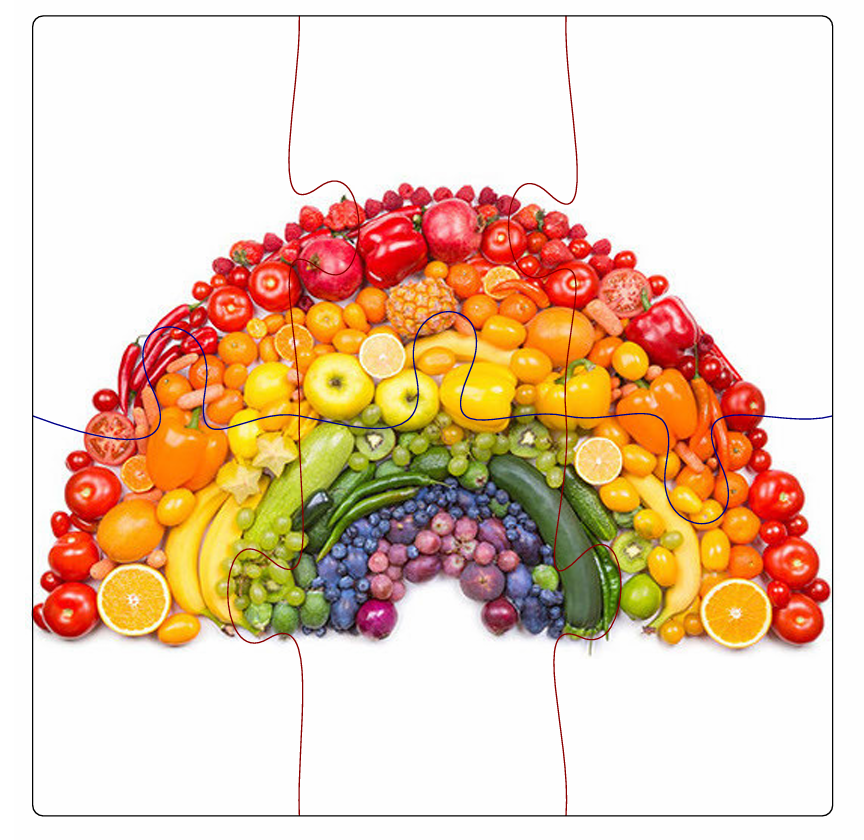
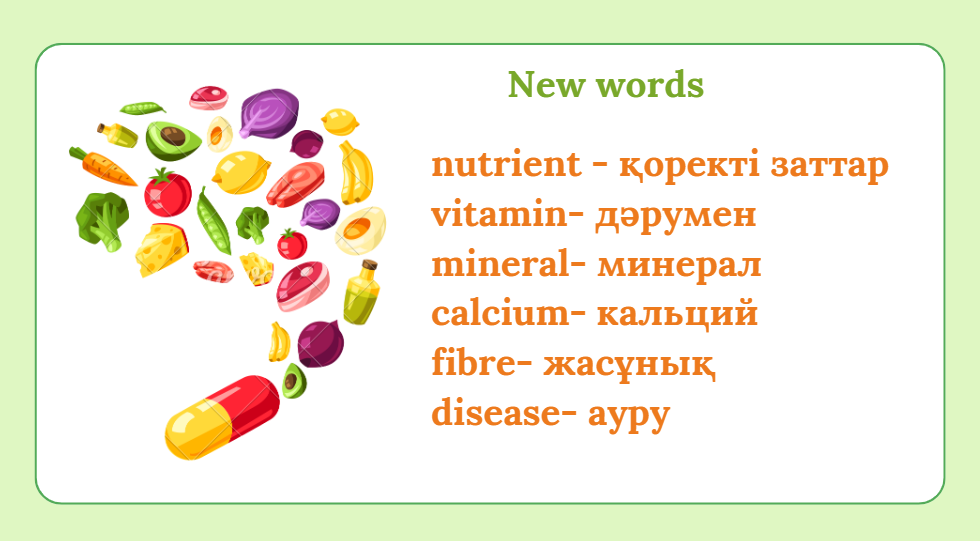
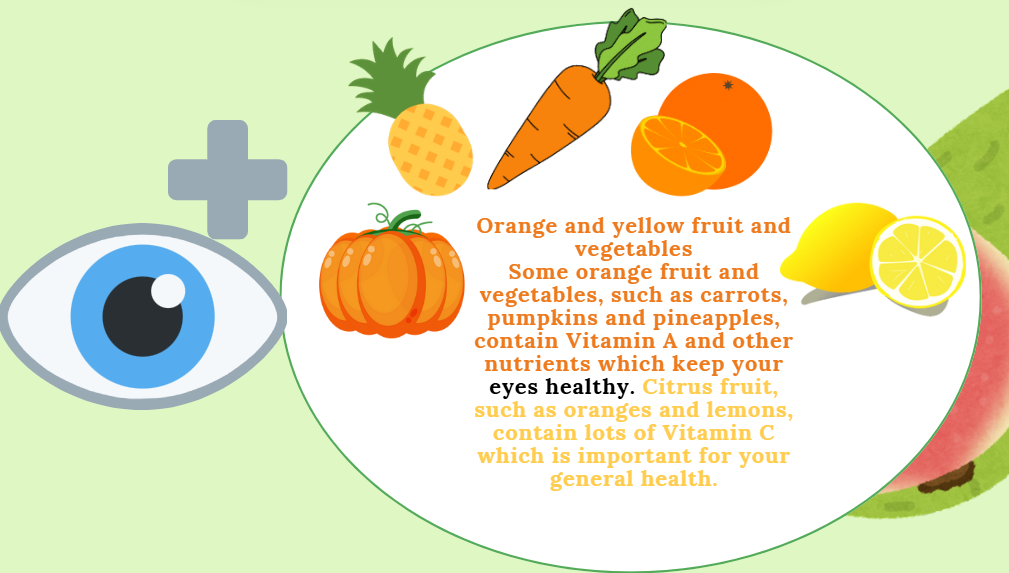
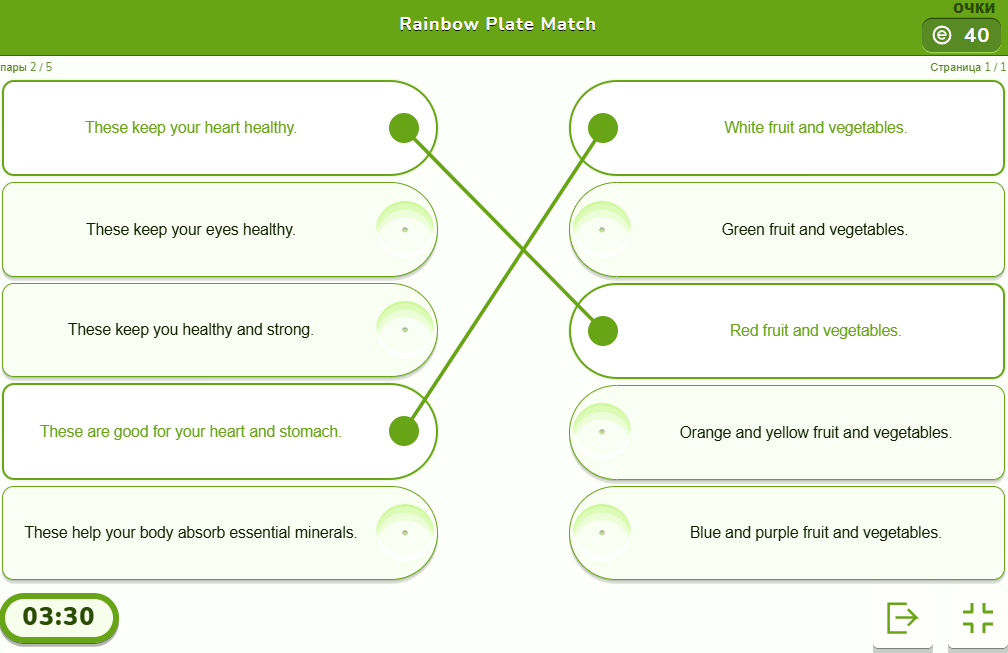
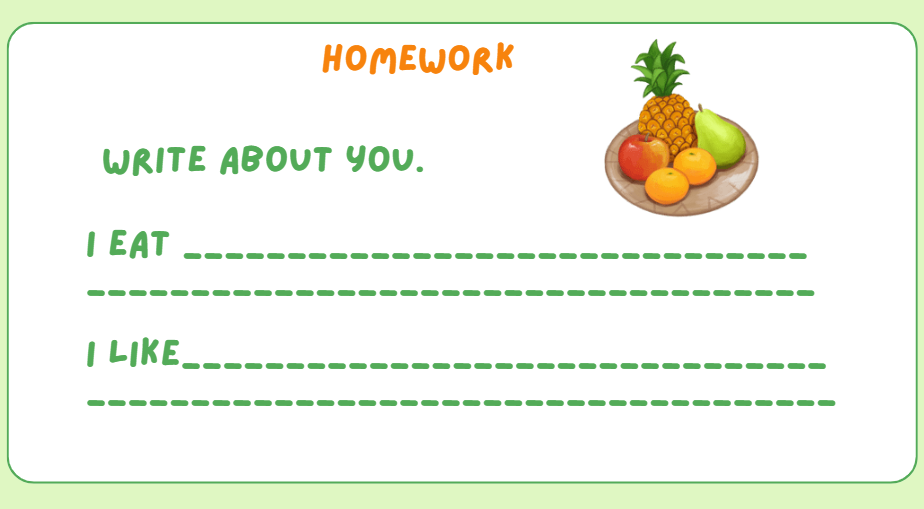









 Бұл курс Қазақстан Республикасы Оқу-ағарту министрлігімен келісілген