
 ЖИ көмекші

 Көп таңдалатын


 Ең тиімді
15 890₸ үнемдейсіз


жүктеу мүмкіндігіне ие боласыз
Бұл материал сайт қолданушысы жариялаған. Материалдың ішінде жазылған барлық ақпаратқа жауапкершілікті жариялаған қолданушы жауап береді. Ұстаз тілегі тек ақпаратты таратуға қолдау көрсетеді. Егер материал сіздің авторлық құқығыңызды бұзған болса немесе басқа да себептермен сайттан өшіру керек деп ойласаңыз осында жазыңыз
 30 Қаңтар 2023
 547
547
Capabilities of the human brain
Директордың оқу жұмысы
жөніндегі орынбасары
_____________А.Күлтаева
|
Module 6: |
Capabilities of the human brain |
||||
|
Teacher: |
Zhumanazarova Saltanat |
||||
|
Group: |
№50 |
№51 |
№54 |
№57 |
|
|
|
|
|
|
|
|
|
Theme of the lesson: Describing the symptoms of stress and giving advice on how to reduce stress |
||||
|
Learning objectives (s) that this lesson is contributing to |
10.4.4 - read a wide range of extended fiction and non-fiction texts on familiar and unfamiliar general and curricular topics; 10.4.7 - recognise patterns of development in lengthy texts [inter-paragraph level] on a range of general and curricular topics; 10.3.2 - ask and respond to complex questions to get information about a wide range of general and curricular topics; 10.3.7 - use appropriate subject-specific vocabulary and syntax to talk about a range of general and curricular topics; |
|||
|
Lesson objectives |
All learners will be able to: identify patterns of the text “Describing the symptoms of stress and giving advice on how to reduce stress” and solve problems and suggest the ways of reducing stress during group and pair works with lots of support Most learners will be able to: identify patterns of the text “Describing the symptoms of stress and giving advice on how to reduce stress” and solve problems and suggest the ways of reducing stress during group and pair works with some support Some learners will be able to: identify patterns of the text “Describing the symptoms of stress and giving advice on how to reduce stress” and solve problems and suggest the ways of reducing stress during group and pair works without support |
|||
|
Assessment criteria |
Define a wide range of extended fiction and non-fiction texts on familiar topics; Identify patterns of development in lengthy texts [inter-paragraph level] on familiar topics; Make up and respond to complex questions to get information about familiar topics; Apply appropriate subject-specific vocabulary and syntax to talk about familiar topics; |
|||
|
Value links |
“Mangilik Yel” Patriotic Act: 3rd value: A secular society with high spirituality |
|||
|
Cross curricular links |
Science, Biology, Self-study |
|||
|
ICT skills |
ICT |
|||
|
Previous learning |
Grade 10: Capabilities of human brain |
|||
|
Plan |
||||
|
Time |
Planned activities |
Resources |
||
|
7 min 10 min 5 min 8 min 10 min |
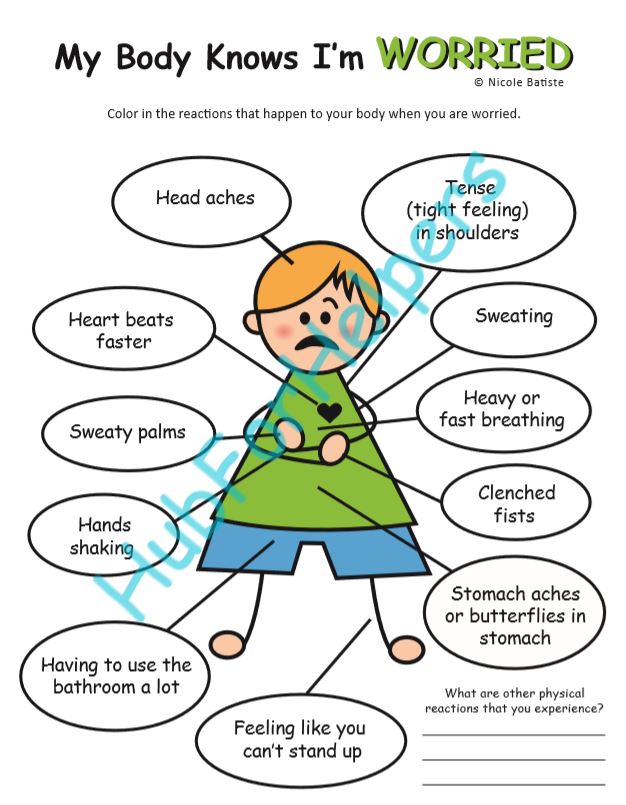
Preview (Whole class activity) Differentiation by support: I will display the worksheet with different symptoms of stress to help my learners. The learners will identify different stress symptoms and say about them and in doing that I will elicit the topic of the lesson.
Formative assessment: Descriptor: A learner:
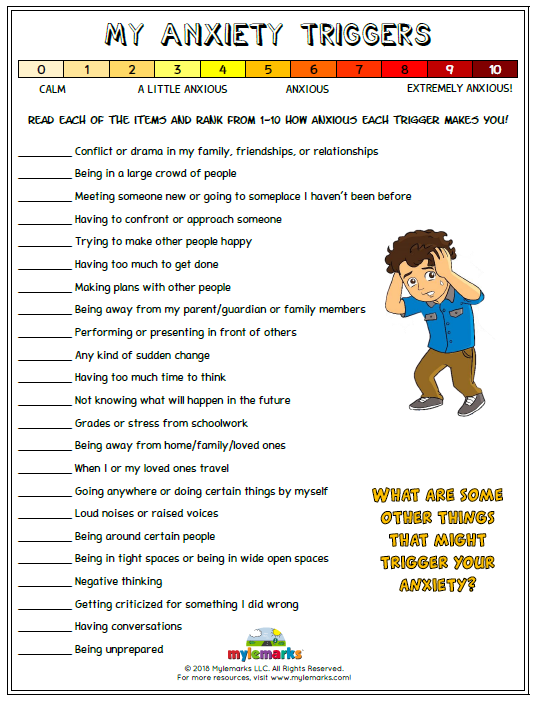
So in this lesson we are going to speak about “ribing the symptoms of stress and giving advice on how to reduce stress” Ranking (Individual work) Differentiation by outcome: For each learner I will give the following worksheet and they will rank the possible symptoms of stress from 1-10 so that all of them will rank them but getting different outcome.
New words and collocations (Whole class activity)
Reading by matching (Group work)
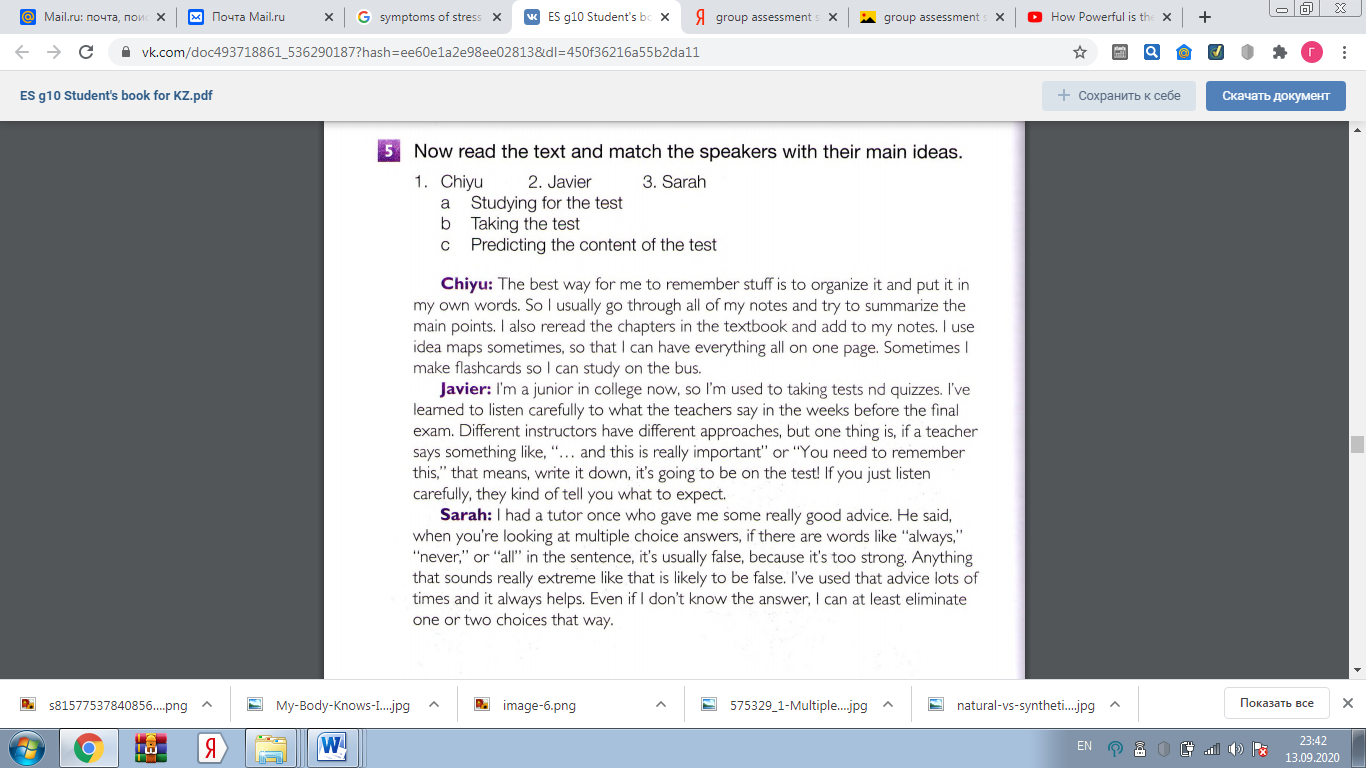
Differentiation by content: In 3 groups learners will read one part and match it with the person and retell about that person’s stress symptoms. Formative assessment: Group will assess other’s groups.
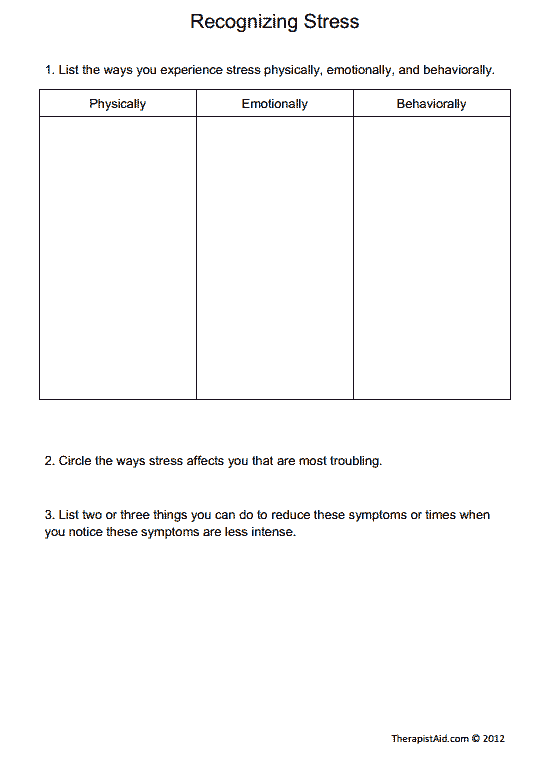
Sorting ideas (Pair work) In pairs learners will discuss and fill in this worksheet.
Formative assessment: Self-assessment:
|
The text is taken from: English Sciences, Grade 10, Student’s Book, page 74 |
||
|
Additional information |
||||
|
Differentiation – how do you plan to give more support? How do you plan to challenge the more able learners? |
Assessment – how are you planning to check learners’ learning? |
Health and safety
check |
||
|
Preview (Whole class activity) Differentiation by support: I will display the worksheet with different symptoms of stress to help my learners. The learners will identify different stress symptoms and say about them and in doing that I will elicit the topic of the lesson. Ranking (Individual work) Differentiation by outcome: For each learner I will give the following worksheet and they will rank the possible symptoms of stress from 1-10 so that all of them will rank them but getting different outcome. Reading by matching (Group work) Differentiation by content: In 3 groups learners will read one part and match it with the person and retell about that person’s stress symptoms. |
Preview (Whole class activity) Formative assessment: Descriptor: A learner:
Reading by matching (Group work) Formative assessment: Group will assess other’s groups.
Sorting ideas (Pair work) Formative assessment: Self-assessment:
|
|
||
|
Reflection Were the lesson objectives/learning objectives realistic? Did the learners achieve the LO? If not, why? Did my planned differentiation work well? Did I stick to timings? What changes did I make from my plan and why? |
|
|||
|
Summary evaluation What two things went really well (consider both teaching and learning)? 1: 2: What two things would have improved the lesson (consider both teaching and learning)? 1: 2: What have I learned from this lesson about the class or achievements/ difficulties of individuals that will inform my next lesson? |
||||











 Бұл курс Қазақстан Республикасы Оқу-ағарту министрлігімен келісілген










