Short term plan: term 2
|
Unit: 4 Charities and conflict |
Lesson 36 |
||
|
Teacher name: |
|
||
|
Date: |
|
||
|
Grade:9 |
Number present: |
absent: |
|
|
Lesson title |
Vocabulary: Social problems |
||
|
Learning objectives |
9.3.3.1 explain and justify their own point of view on a range of general and curricular topics 9.3.7.1 use appropriate subject-specific vocabulary and syntax to talk about a wide increased range of general and curricular topics |
||
|
Lesson objectives |
Learners will be able to: -employ subjectspecific vocabulary and grammar in oral discourse -produce a speech, expressing own ideas, giving reasons and specific details to support the argument |
||
|
Value links |
Generosity – This may be a core value of yours if you cherish people who will give their time and resources to people in need. You may consider yourself to be a generous person if you find joy and meaning in giving to others. |
||
|
Plan |
|||
|
Stages / Time |
Teachers actions |
Students actions |
Assessment criteria |
Resources |
|
Beginning of the lesson Warming-up

3 min Pre-learning «Brainstorming» method 7 min. |
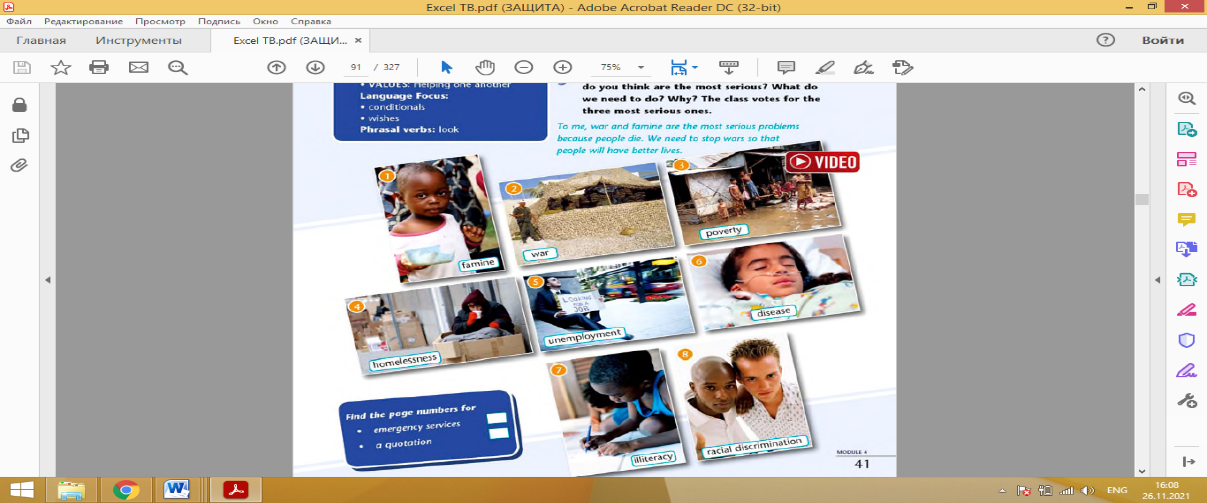
Organization moment : 1.Greeting. Ask about the weather. The teacher sets the lesson objectives, letting students know what to anticipate from the lesson. Which two of these problems do you think are the most serious? What do we need to do? Why? The class votes for the three most serious ones.
Teacher ask referential questions to learners bearing on the theme 1. What types of charities do you think are doing the best and most effective work in the world? 2. What do you think about giving money to homeless people or beggars? 3. Do you think it is better to give time or money? 4. Do you think countries should help the poor in their own country before sending aid to other countries? Why? |
The aim: To develop pupils speaking skills and create friendly atmosphere Efficiency: By wishing each other they feel better and feel the support of others Students of the class are listed. • Learners talk about days of the week previous lesson vocabulary Determines the topic and purpose of the lesson Students say different words from the picture |
The teacher to assess learners for their ability. “Good job! Well done!” Formative Assessment Good job! Descriptor: - talk about days of the we Assessment criteria - Learners have met the learning objectives if they can talk about social problems
Descriptor A learner
|
Pictures https://youtu.be/Ink2uvp--9c?t=4 worksheet picture |
|
Middle of the lesson Presentation part. 30 min |
Ex:1 P:41 • Introduce new vocabulary Play the recording. Ss listen and repeat chorally and/or individually. Pay attention to Ss' pronunciation and intonatio Ex: 2 P: 41 • Listen for specific information Explain the task. Play the recording. Ss listen and identify which social problem each person feels is the most serious. Ex: 3 P: 41 • Personalise the topic Elicit answers to the questions in the rubric from various Ss around the class. Task for revision vocabulary
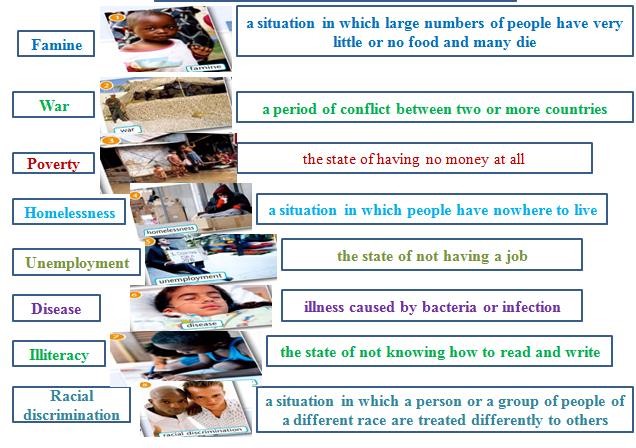
Match the newspaper headlines of the article about social problems. Task - Read the headlines of the articles. Teacher asks to read and match the headlines of the articles about social problems with the new vocabulary.
institutions(Racial discrimination) Conclusion during the lesson some tasks differentiated by outcomes of the students and by their abilities. |
• Pupils listen and repeat. ANSWERS Students own answer • Pupils listen to three people talking about the problems below ANSWERS Sophie - war Richard-famine Mary-homelessness • Pupils answer the question ANSWERS I think poverty and famine are the most serious problems because these are two basic needs. We need to make sure everyone has enough to eat and a decent place to live so that people will have better lives. Answers: Famine War Racial discrimination Illiteracy Disease Unemployment Homelessness Poverty Learners read the headlines of the articles loudly and match them with social problems |
Descriptor: - listen and repeat Total: 3 point Descriptor: - listen to three people talking about the problems below Descriptor: Match the words with their definition Descriptor Learners: -read the headlines -find the social problems |

Card Worksheet Vocabulary card |

|
End of the lesson 5 min |
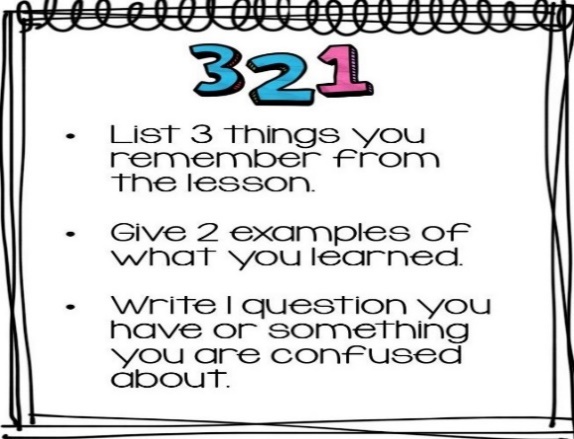
FEEDBACK Learners provide feedback on what they have learned at the lesson. Feedback: “3-2-1” 3- facts known from the lesson 2- interesting things learned from the lesson 1 -question for the lesson Ex: Home task |
|
Poster Success
|
|
жүктеу мүмкіндігіне ие боласыз
Бұл материал сайт қолданушысы жариялаған. Материалдың ішінде жазылған барлық ақпаратқа жауапкершілікті жариялаған қолданушы жауап береді. Ұстаз тілегі тек ақпаратты таратуға қолдау көрсетеді. Егер материал сіздің авторлық құқығыңызды бұзған болса немесе басқа да себептермен сайттан өшіру керек деп ойласаңыз осында жазыңыз
Charities and conflict 9 grade
Short term plan: term 2
|
Unit: 4 Charities and conflict |
Lesson 36 |
||
|
Teacher name: |
|
||
|
Date: |
|
||
|
Grade:9 |
Number present: |
absent: |
|
|
Lesson title |
Vocabulary: Social problems |
||
|
Learning objectives |
9.3.3.1 explain and justify their own point of view on a range of general and curricular topics 9.3.7.1 use appropriate subject-specific vocabulary and syntax to talk about a wide increased range of general and curricular topics |
||
|
Lesson objectives |
Learners will be able to: -employ subjectspecific vocabulary and grammar in oral discourse -produce a speech, expressing own ideas, giving reasons and specific details to support the argument |
||
|
Value links |
Generosity – This may be a core value of yours if you cherish people who will give their time and resources to people in need. You may consider yourself to be a generous person if you find joy and meaning in giving to others. |
||
|
Plan |
|||
|
Stages / Time |
Teachers actions |
Students actions |
Assessment criteria |
Resources |
|
Beginning of the lesson Warming-up
3 min Pre-learning «Brainstorming» method 7 min. |
Organization moment : 1.Greeting. Ask about the weather. The teacher sets the lesson objectives, letting students know what to anticipate from the lesson. Which two of these problems do you think are the most serious? What do we need to do? Why? The class votes for the three most serious ones.
Teacher ask referential questions to learners bearing on the theme 1. What types of charities do you think are doing the best and most effective work in the world? 2. What do you think about giving money to homeless people or beggars? 3. Do you think it is better to give time or money? 4. Do you think countries should help the poor in their own country before sending aid to other countries? Why? |
The aim: To develop pupils speaking skills and create friendly atmosphere Efficiency: By wishing each other they feel better and feel the support of others Students of the class are listed. • Learners talk about days of the week previous lesson vocabulary Determines the topic and purpose of the lesson Students say different words from the picture |
The teacher to assess learners for their ability. “Good job! Well done!” Formative Assessment Good job! Descriptor: - talk about days of the we Assessment criteria - Learners have met the learning objectives if they can talk about social problems
Descriptor A learner
|
Pictures https://youtu.be/Ink2uvp--9c?t=4 worksheet picture |
|
Middle of the lesson Presentation part. 30 min |
Ex:1 P:41 • Introduce new vocabulary Play the recording. Ss listen and repeat chorally and/or individually. Pay attention to Ss' pronunciation and intonatio Ex: 2 P: 41 • Listen for specific information Explain the task. Play the recording. Ss listen and identify which social problem each person feels is the most serious. Ex: 3 P: 41 • Personalise the topic Elicit answers to the questions in the rubric from various Ss around the class. Task for revision vocabulary
Match the newspaper headlines of the article about social problems. Task - Read the headlines of the articles. Teacher asks to read and match the headlines of the articles about social problems with the new vocabulary.
institutions(Racial discrimination) Conclusion during the lesson some tasks differentiated by outcomes of the students and by their abilities. |
• Pupils listen and repeat. ANSWERS Students own answer • Pupils listen to three people talking about the problems below ANSWERS Sophie - war Richard-famine Mary-homelessness • Pupils answer the question ANSWERS I think poverty and famine are the most serious problems because these are two basic needs. We need to make sure everyone has enough to eat and a decent place to live so that people will have better lives. Answers: Famine War Racial discrimination Illiteracy Disease Unemployment Homelessness Poverty Learners read the headlines of the articles loudly and match them with social problems |
Descriptor: - listen and repeat Total: 3 point Descriptor: - listen to three people talking about the problems below Descriptor: Match the words with their definition Descriptor Learners: -read the headlines -find the social problems |
Card Worksheet Vocabulary card |
|
End of the lesson 5 min |
FEEDBACK Learners provide feedback on what they have learned at the lesson. Feedback: “3-2-1” 3- facts known from the lesson 2- interesting things learned from the lesson 1 -question for the lesson Ex: Home task |
|
Poster Success
|
|
шағым қалдыра аласыз